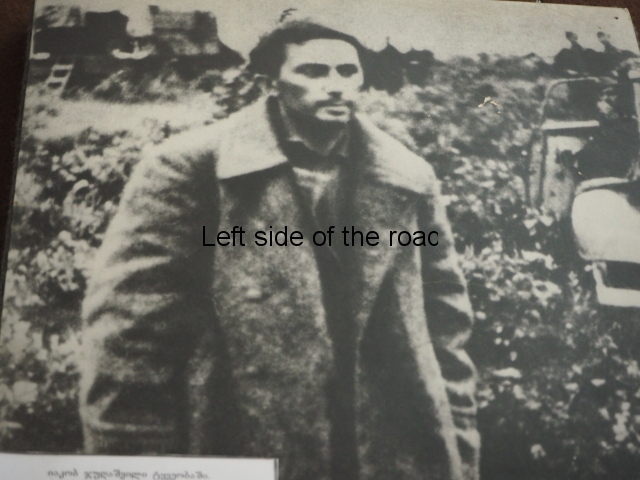
The Great Patriotic War

Nazism in defeat

Nazism in defeat

More on the USSR

View of the world

Ukraine – what you’re not told

The Great Patriotic War

The war where the army of the workers, the Soviet Red Army, defeated the Nazi beast and chased it back to its lair.

The life story of Marshal Voroshilov, Geoffrey Trease, Pilot Press, London, n.d., 1940?, 92 pages.

Must the War Spread, DN Pritt, Penguin, London, 1940, 256 pages.

The Soviets expected it, Anna Louise Strong, Dial Press, New York, 1941, 279 pages.

Comrade Genia, the story of a victim of German bestiality in Russia, told by herself, with an introduction by Ronald Scarfe, this is a documentary of the rape of a young schoolmistress – no of an entire Russian village – by the Germans, August 1941, Nicolson and Watson, London, 1941, 128 pages.

Red Army Songs, Workers’ Music Association, London, 1942, 25 pages.

Russia’s Enemies in Britain, Reginald Bishop, Russia Today, Lawrence and Wishart, London, 1942, 64 pages.

The Red Fleet and the Royal Navy, Mairin Mitchell, Hodder and Stoughton, London, 1942, 98 pages.

Soviet Leaders – Timoshenko, Ivor Montagu, CPGB, London, 1942, 15 pages.

Soviet Leaders – Voroshilov, Ivor Montagu, CPGB, London, 1942, 16 pages.

Strategy and Tactics of the Soviet German War, by officers of the Red Army and Soviet War Correspondents, Soviet War News, Hutchinson, London, 1942, 148 pages.

The Soviet Fighting Forces, Major AS Hooper, Frederick Muller, London, 1942, 64 pages.

The Patriotic War of the Soviet People against the German invaders, M Kalinin, FLPH, Moscow, 1942, 32 pages.

Letter from Governor Shicai Sheng to Comrades Stalin, Molotov and Voroshilov, May 10 1942, 19 pages.

Soviet War News Weekly, No 1, January 22, 1942, reprint 1982, Soviet News, London, 1982, 8 pages.

‘We made a mistake .. ‘ Hitler, Russia’s amazing defence, Lucien Zacharoff, Bodley Head, London, 1942, 156 pages.

Soviet Jews at War, H Levy, Russia Today, London, April 1943, 31 pages.

The Defence of Leningrad, eye-witness accounts of the siege, Nikolai Tikhonov and others, Hutchison, London, 1943, 136 pages.

German Foreign Office Documents. German Policy in Turkey, 1941-1943, Ministry of Foreign Affairs of the USSR, archives division, FLPH, Moscow, 1943, 127 pages.

Men of the Stalin breed, true stories of the Soviet youth in the Great Patriotic War, November 8th Publishing House, Toronto, 2025, (originally FLPH, Moscow, 1945), 294 pages.

Documents and materials relating to the eve of the Second World War, Volume 1, November 1937-1938, from the archives of the German Ministry of Foreign Affairs, Ministry of the Foreign Affairs of the USSR, FLPH, 1948, 314 pages.

Falsifiers of History – An historical document on the origins of World War II, with an introduction by Frederick Schuman, Committee for Promotion of Peace, New York, 1948, 64 pages.

The Underground Committee carries on, Alexei Fyodorov, FLPH, Moscow, 1952, 518 pages.

World War Two, a politico-military survey, G Deborin, Progress, Moscow, n.d., 1960s?, 560 pages.

Russia At War: 1941-1945, Alexander Werth, Dutton and Co., New York, 1964, a massive history of Russia’s role in World War II, written by a sympathetic Western historian, 1,133 pages.

British Foreign Policy during World War II, 1939-1945, V Trukhanovsky, Progress, Moscow, 1970, 494 pages.

Great Patriotic War of Soviet Union, 1941-1945, a general outline, Progress Publishers, Moscow, 1974, 468 pages.

The Munich Drama, Ivan Maisky, Soviet Ambassador to Britain from 1932 to 1943, about the Munich Agreement of 1938, in which Britain and France tried to appease Hitler. Novosti Press Agency, Moscow, 2nd edition, 1978, 84 pages.

The Battle on the Kursk Salient – 1943, Boris Solovyov, Novosti Press Agency, Moscow, 1979, 64 pages.

The German-Soviet Non-aggression Pact of 1939, Bill Bland, presented to the Stalin Society in London in February 1990, 14 pages.

Armoured Trains of the Soviet Union 1917-1945, Wilfried Kopenhagen, Schiffer Publishing, Atglen, 1996, 50 pages.

Heroes of the Soviet Union 1941–45, Henry Sakaida, illustrations by Christa Hook, Osprey Publishing, Oxford, 2004, 64 pages.

Heroines of the Soviet Union 1941-45, Henry Sakaida, illustrations by Christa Hook, Osprey Publishing, Oxford, n.d., 2004?, 64 pages.

The Stalin and Molotov lines, Soviet western defences 1928-41, Neil Short, illustrations by Adam Hook, Osprey Publishing, Oxford, 2008, 64 pages.

The Mystery of the Katyn Massacre, the Evidence, the Solution, Grover Furr, Erythros Press and Media, Kettering, 2018, 268 pages.

The Katyn Massacre, a re-examination in the light of recent evidence, Grover Furr, Cultural Logic: Marxist Theory and Practice, Volume 24, 2020, pp37-49, 13 pages.

Falsificators of history, an historical note, text of a communique issued by the Soviet Information Bureau, Moscow, February 1948, November 8th Publishing House, Ottawa 2022, 93 pages.

See also some of the speeches, statement and articles by MI Molotov in the page on the Writings of the Soviet Leadership as well as the speeches and articles by Comrade Stalin.

Information Bulletin of the Embassy of the USSR (in Washington, D.C.)

Published about 3 times per week during World War II (Great Patriotic War). 

1941 – Volume 1

Issues 1-30 – July 14-August 18, 828 pages.

Issues 16-41 – August 1-August 30, 686 pages.

Issues for September-December 1941 not yet available.

1942 – Volume 2

Issues 1-50 – June 3 – April 25, 702 pages.

Issues 27-78 – March 2 – June 30, 308 pages.

Issues 79-153 – July 2 – December 31, 402 pages.

1943 – Volume 3

Issues 1-70 – January 5 – June 29, 598 pages.

Issues 71-144 – July 1 – December 30, 708 pages.

1944 – Volume 4

Issues 1-74 – January 4 – June 29, 674 pages.

Issues 75-135 – July 1 – December 30, 502 pages.

1945 – Volume 5

Issues 1-65 – January 4 – June 30, 584 pages.

Issues 66-131 – July 3 – December 27, 502 pages.

More on the USSR

View of the world

Ukraine – what you’re not told

Stalin Museum – Gori

Stalin - outside entrance to Museum

Stalin – outside entrance to Museum

More on the Republic of Georgia

Stalin Museum – Gori

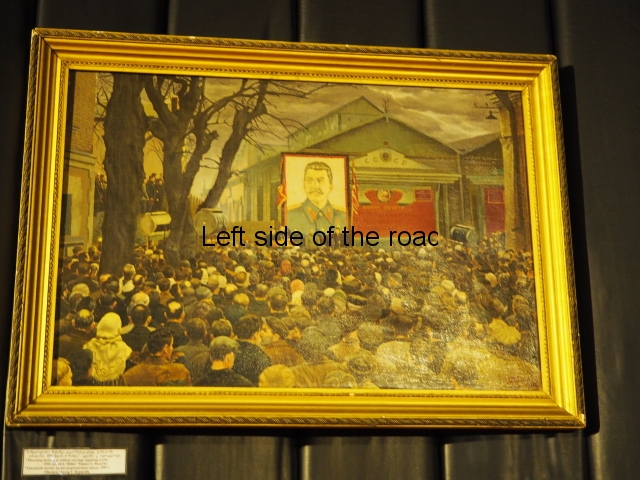
The Stalin Museum in his birthplace of Gori, in the centre of Georgia, is one of the few places in the erstwhile Union of Soviet Socialist Republics (USSR) where you will see any reference (let alone a positive reference) to the leader of the world’s first socialist state.

(Before the success of reaction in the Soviet Union, in the 1990s, there used to be a much larger museum dedicated to Vladimir Ilyich Lenin, just off Red Square, in Moscow. This was called The Central Lenin Museum. That museum space is now devoted to the successful war against the Napoleonic invasion of 1812 – by ignoring their Soviet past the Russian people have had to go back more than 200 years before they can hold their heads high.)

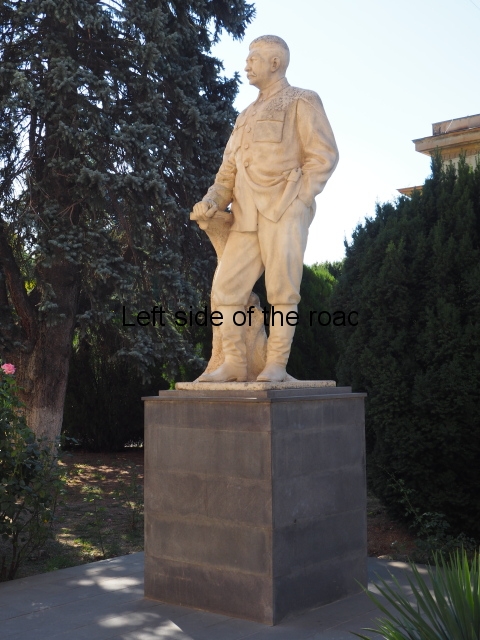
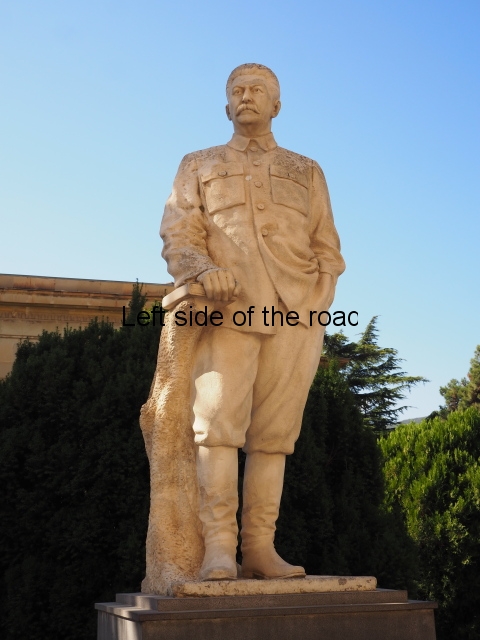
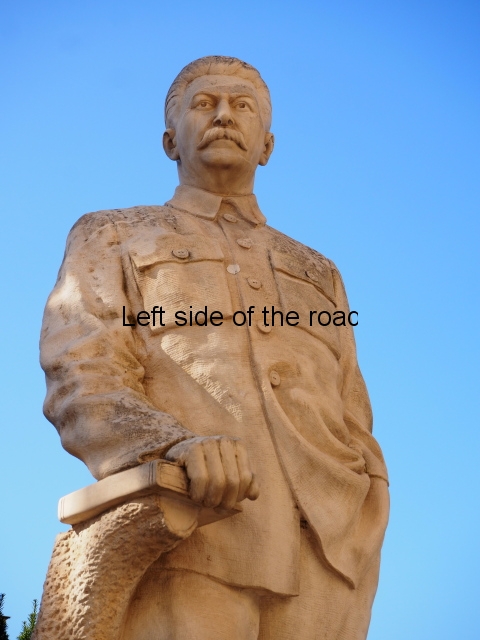
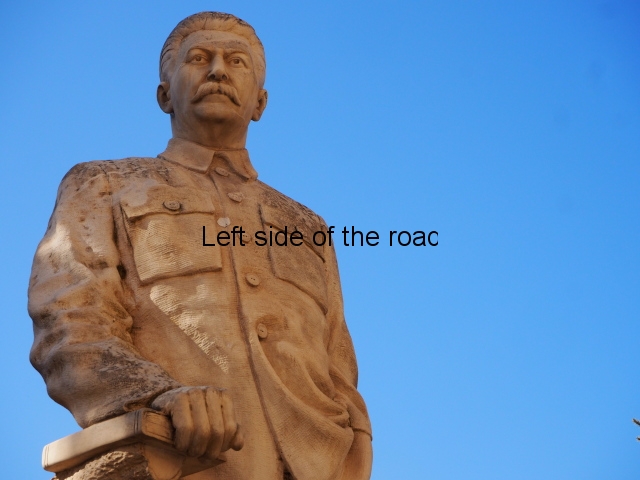
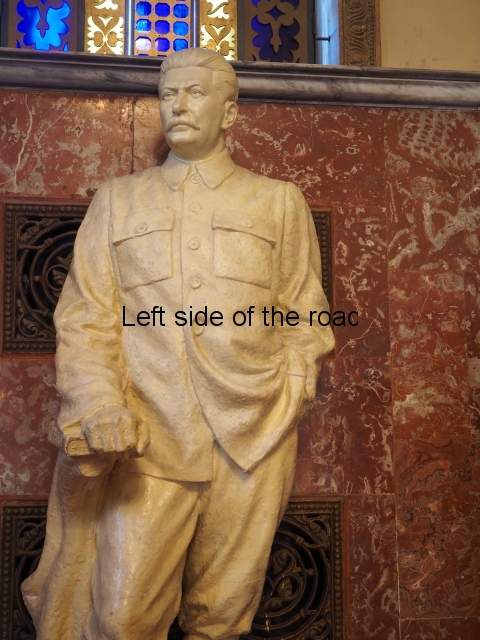
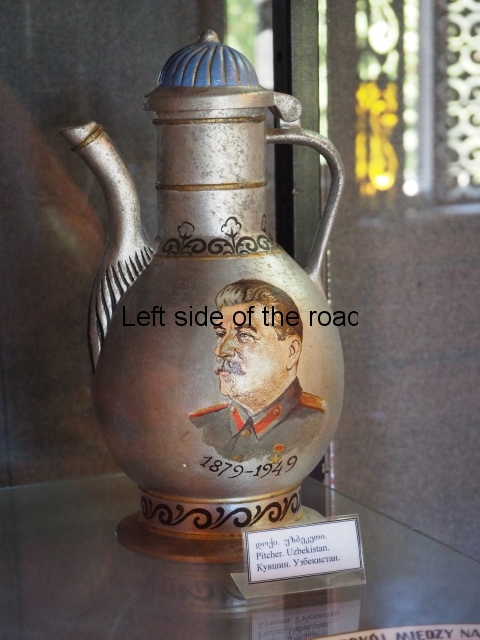
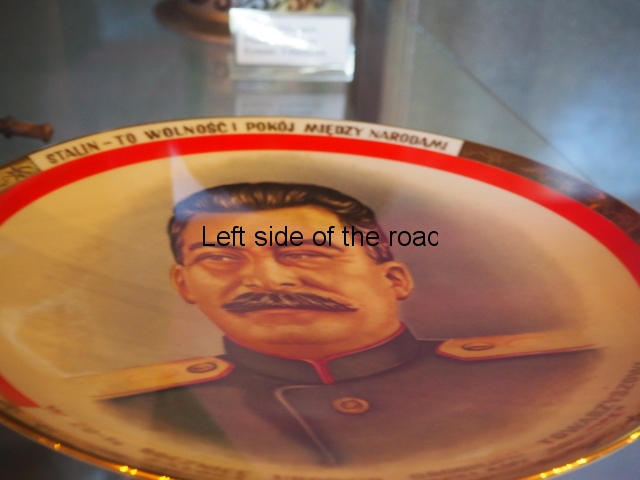
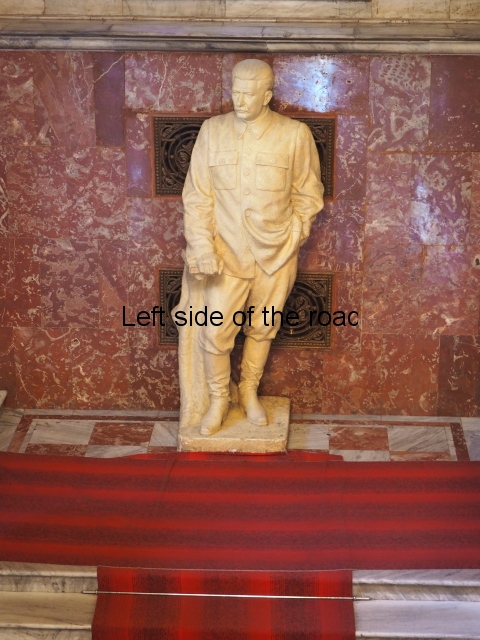
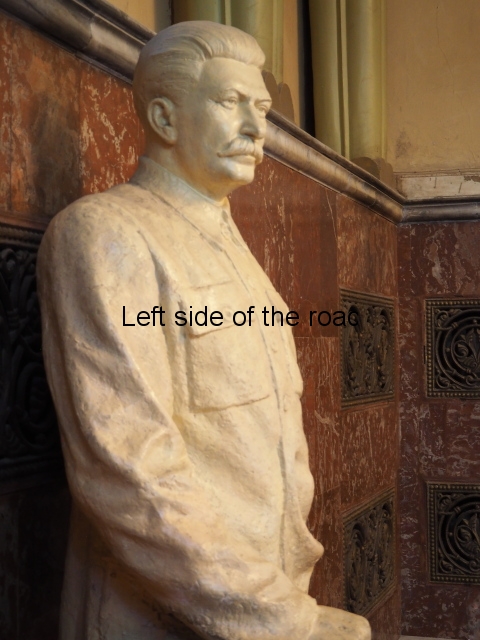
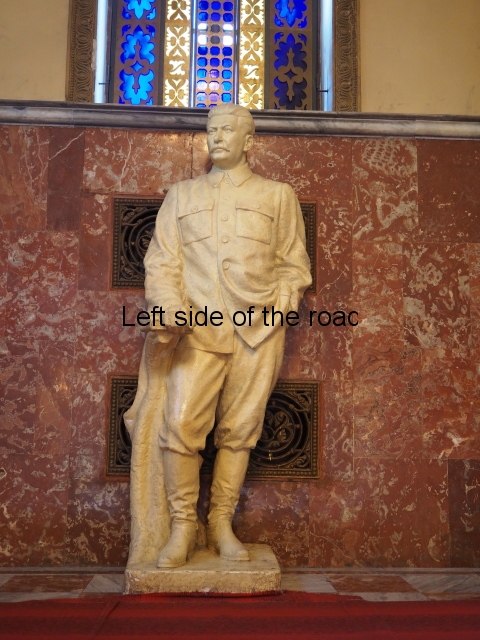
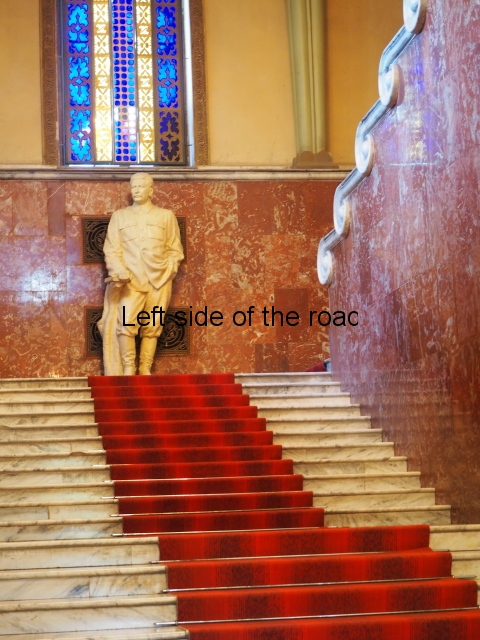
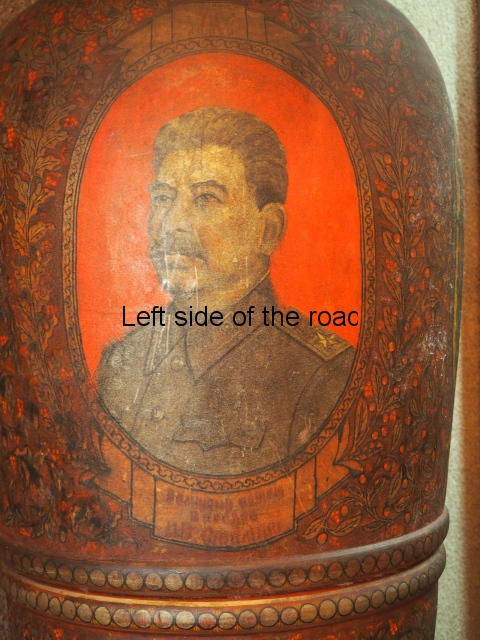
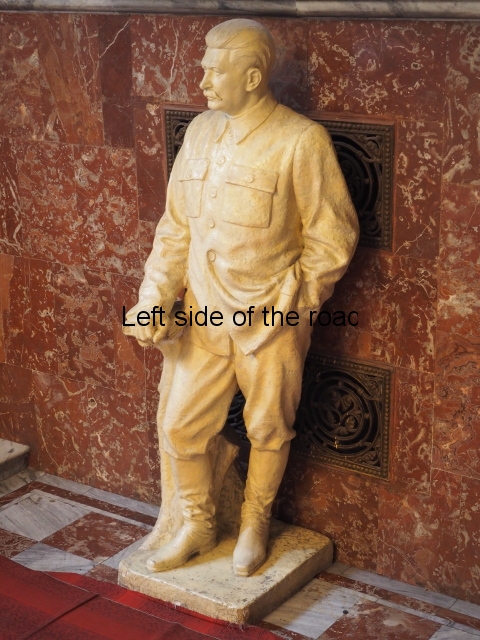
I don’t know when they were created but the life-size Stalin statues – one outside the museum and the copy which stands on the first landing of the stairs to the exhibition halls – are probably some of the worst likenesses of JV Stalin to be seen – apart from the terracotta wine container I obtained in Tbilisi. This, I can only assume, is deliberate. Georgian sculptors are no less able than those in different parts of the world to re-create an accurate image of an individual. To not do so is not a matter of artistic incompetence but a political statement attempting to erase the past. 

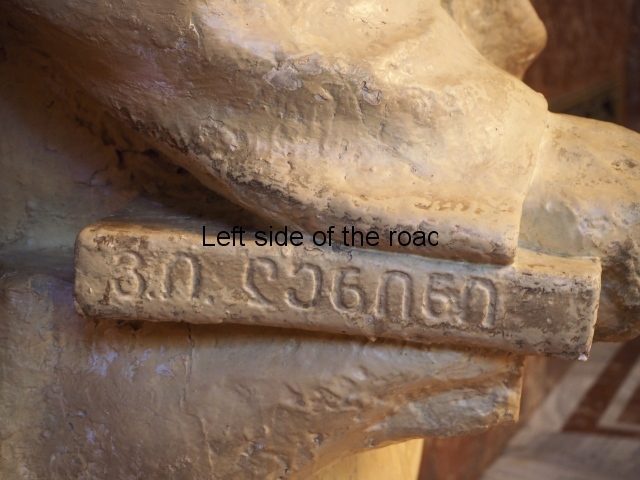
And one thing that demonstrates the dis-ingenuousness of these statues is the fact that Stalin’s right hand is resting on a book of his own writings, with his name in Georgian script on the spine. Never in his lifetime would Stalin self-reference in such a manner. If his hand would be on a book it would have been either on one of Marx, Engels or Lenin – never himself.

(However, though not widely known by visitors or really publicised anywhere in Gori itself, there are two ‘proper’ and ‘realistic’ statues of Uncle Joe still in existence within the city.)

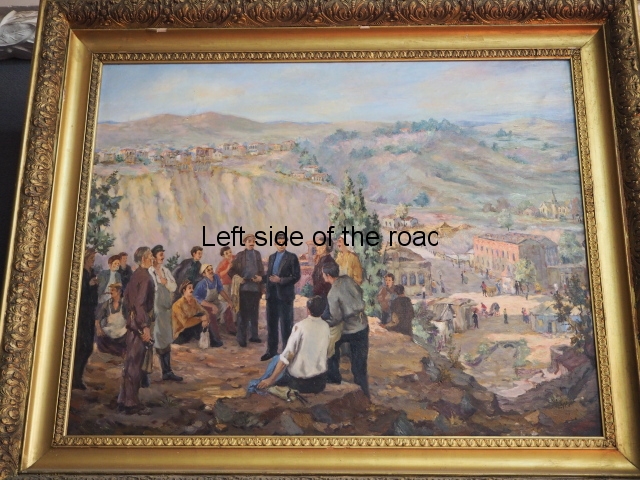
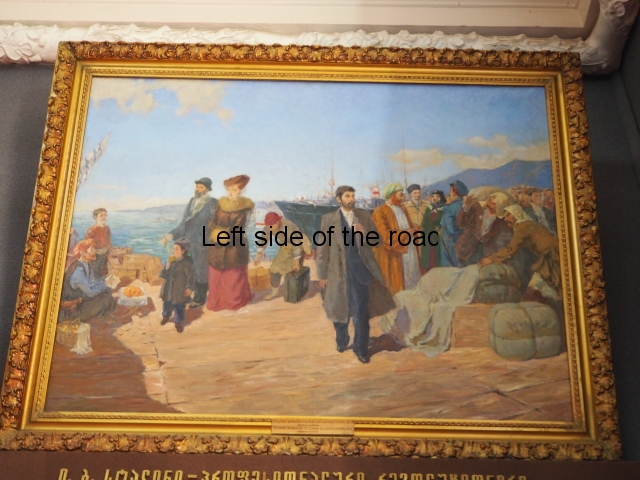
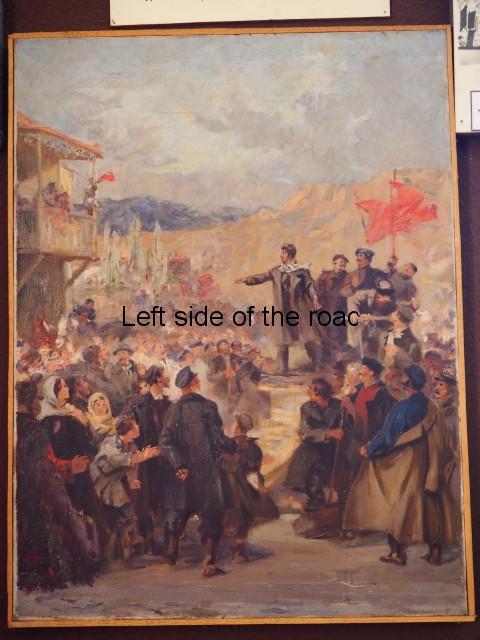
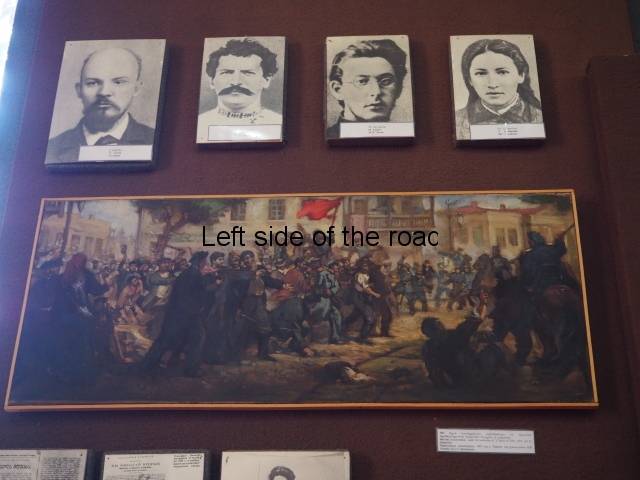
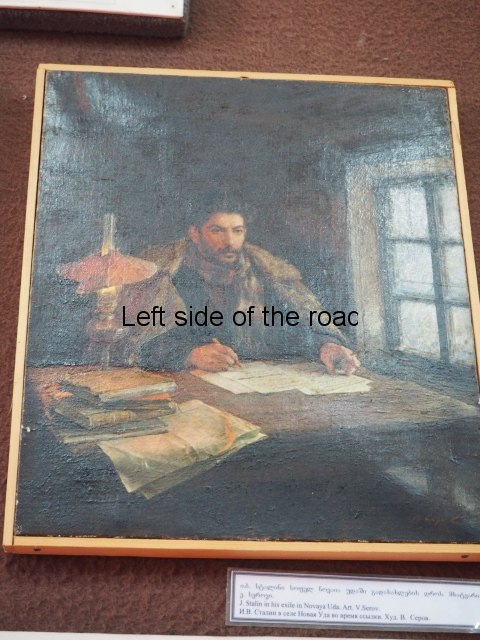
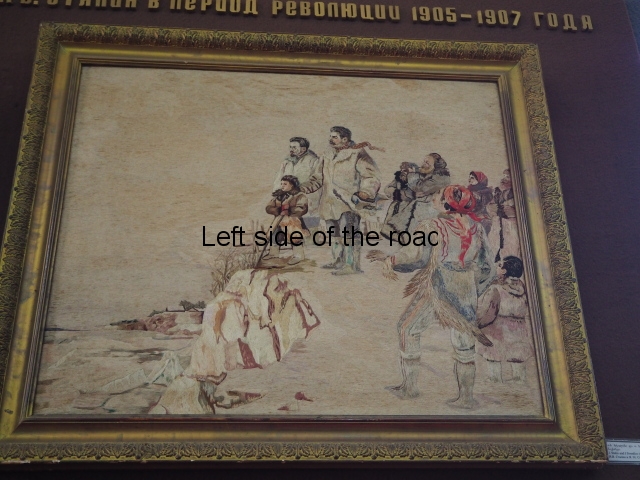
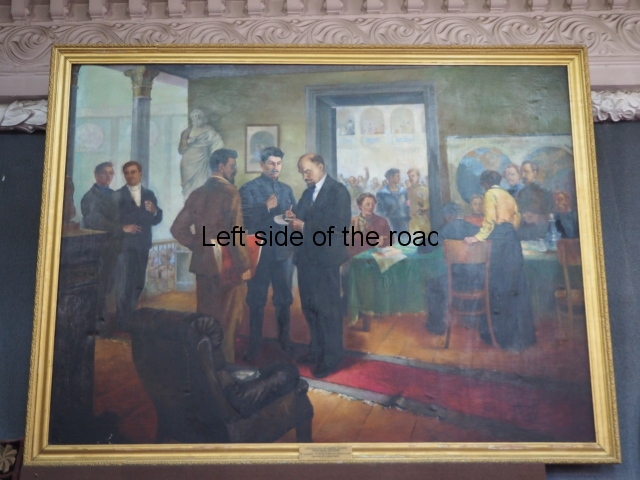
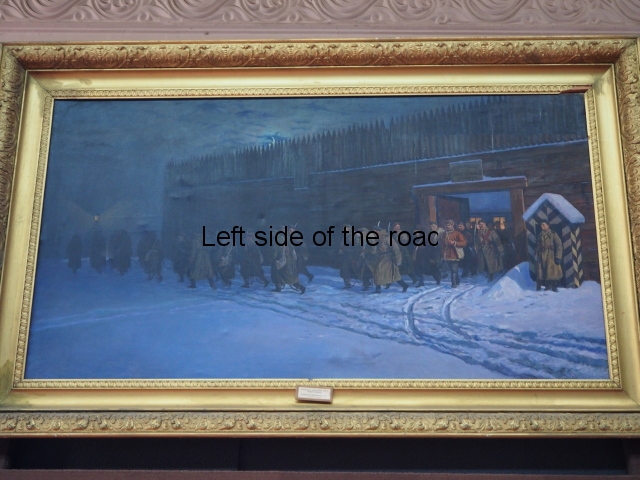
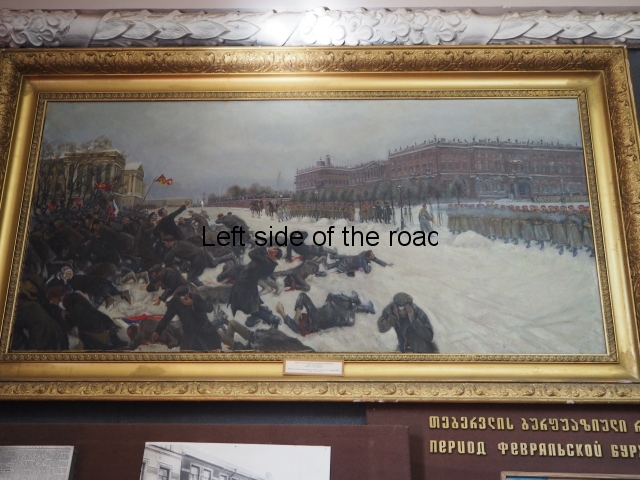
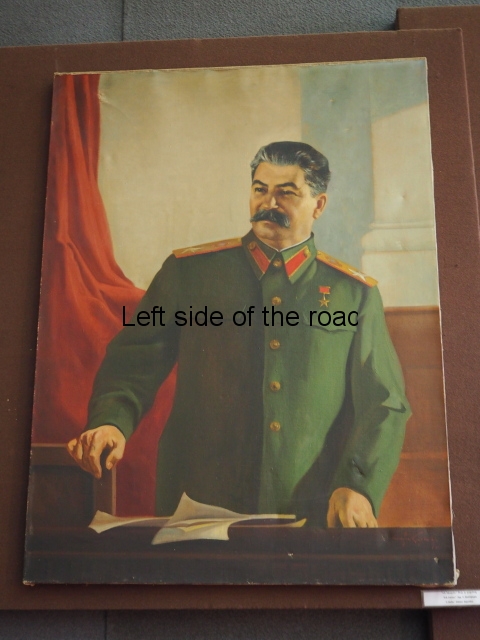
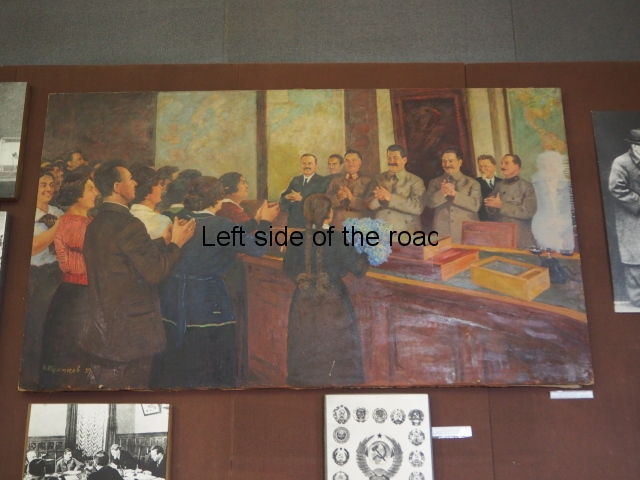
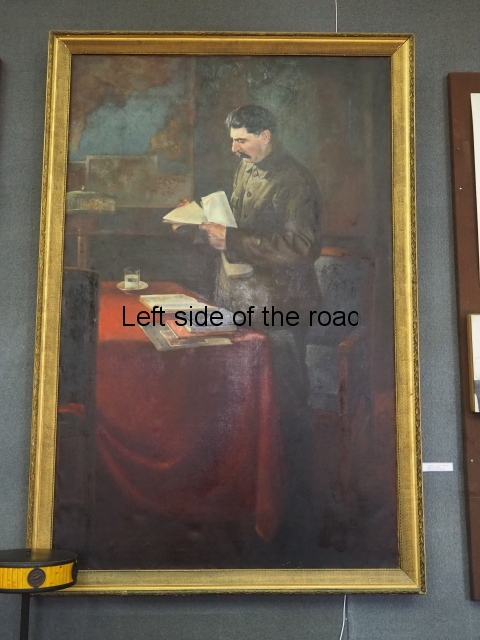
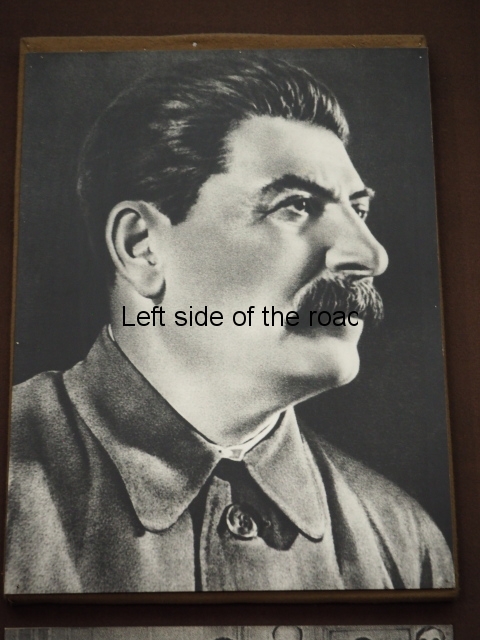
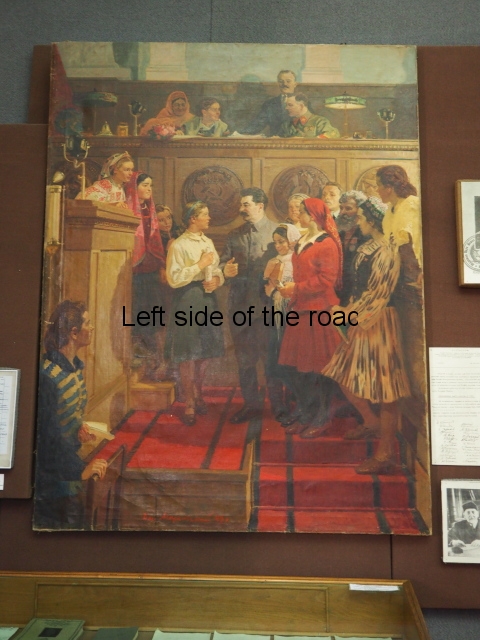
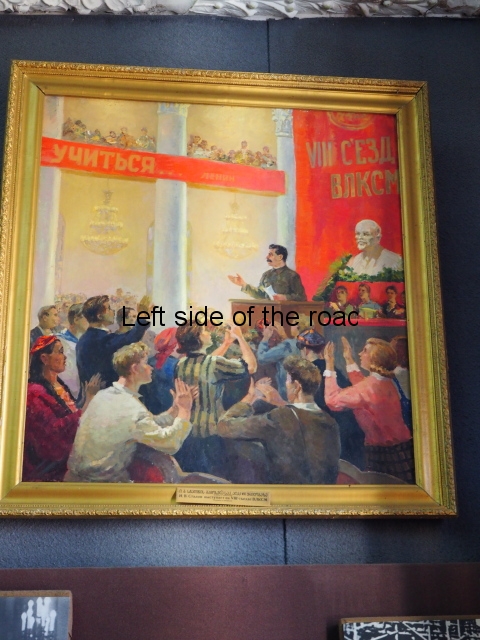
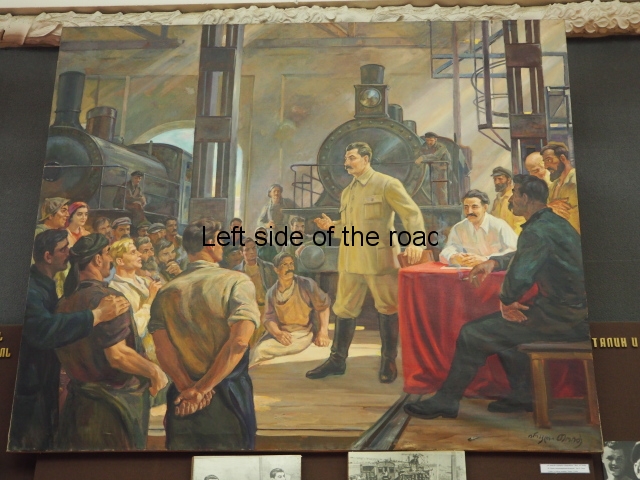
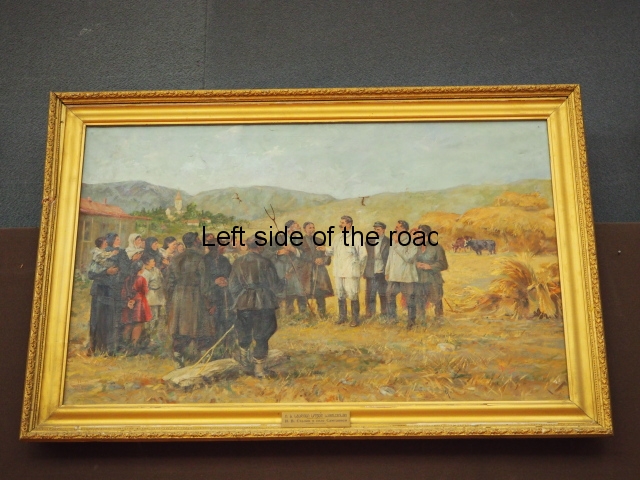
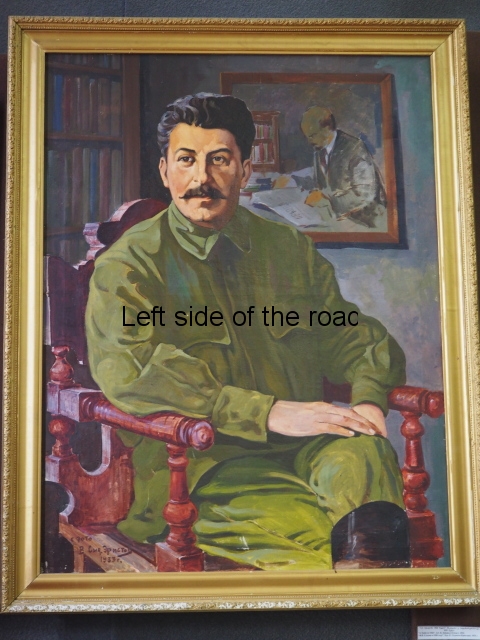
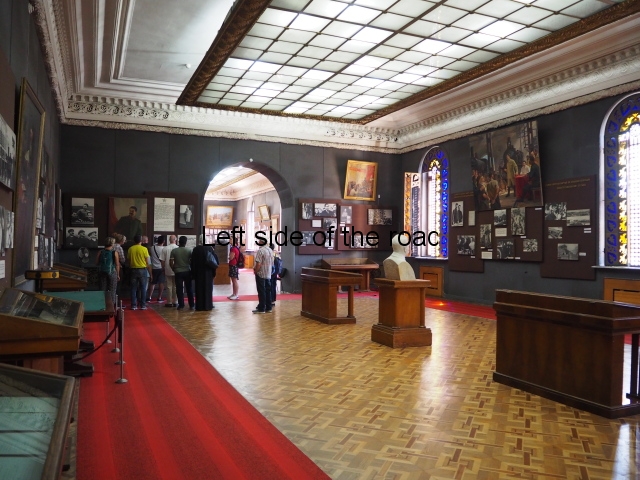
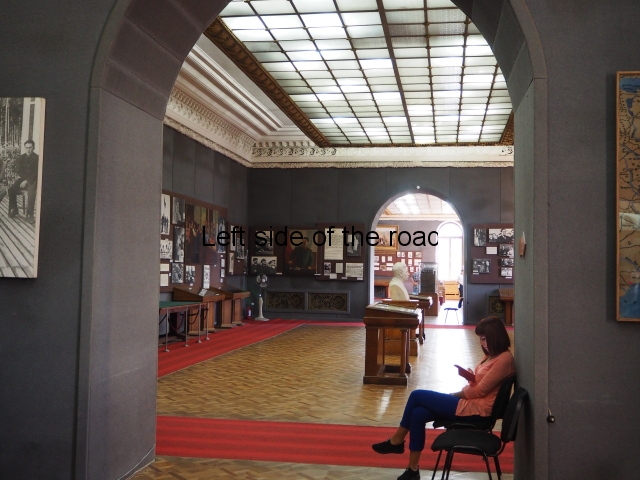
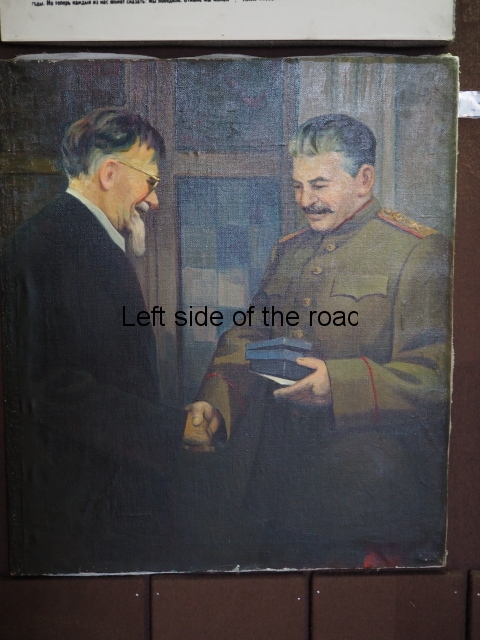
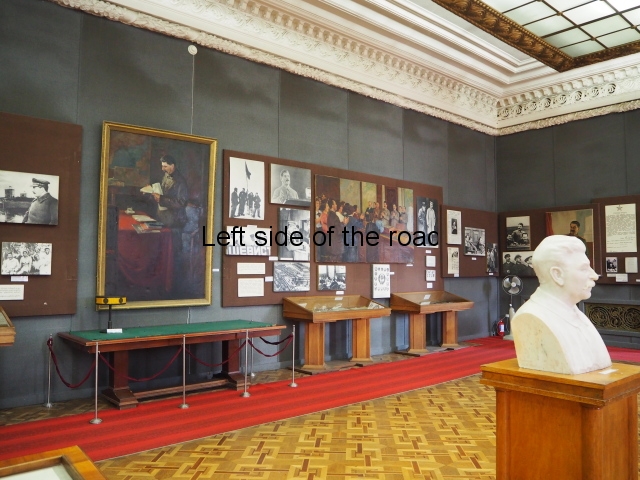
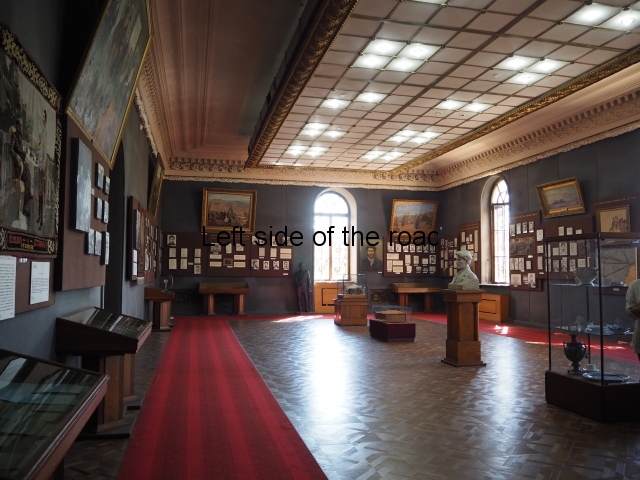
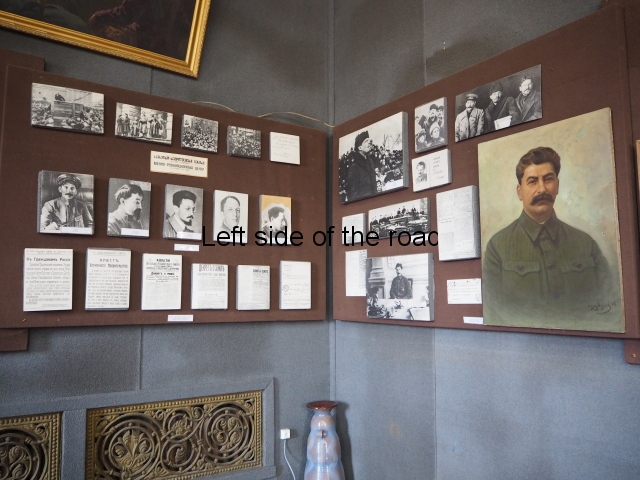
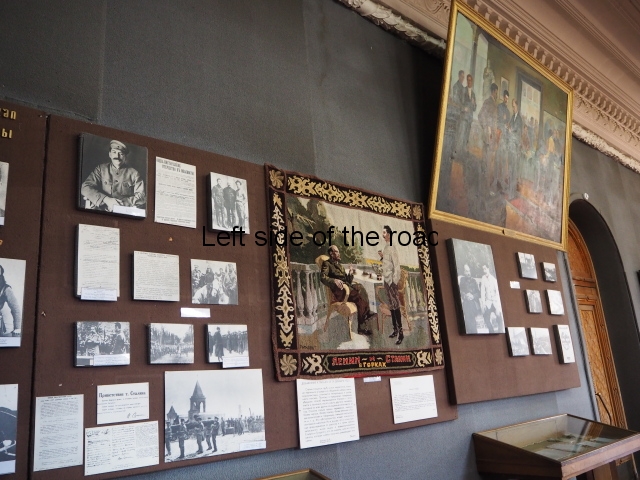
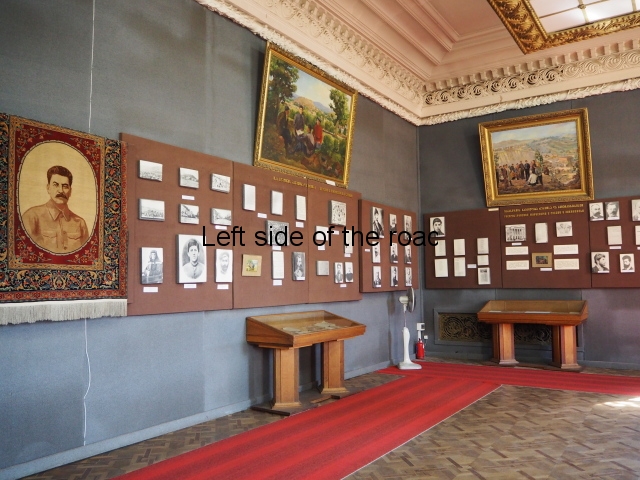
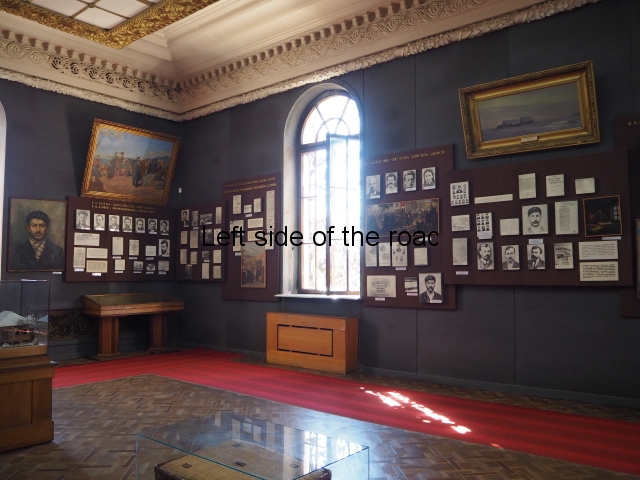
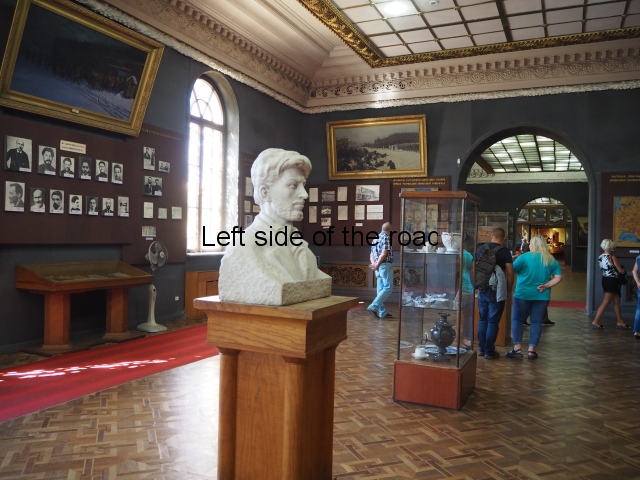
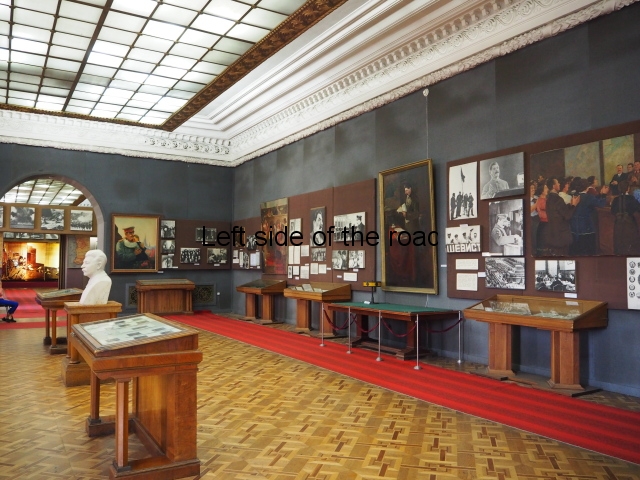
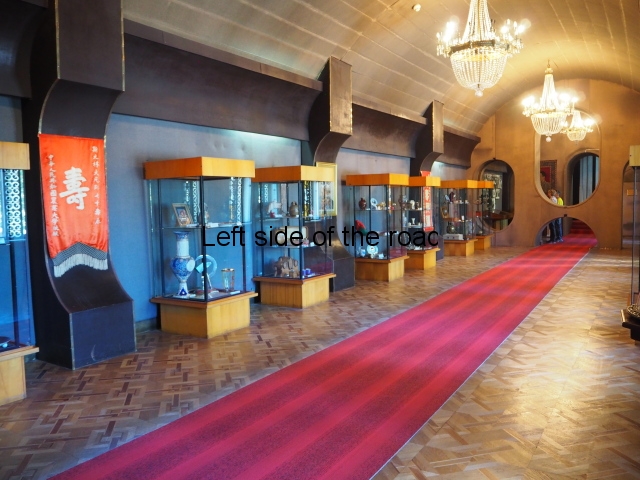
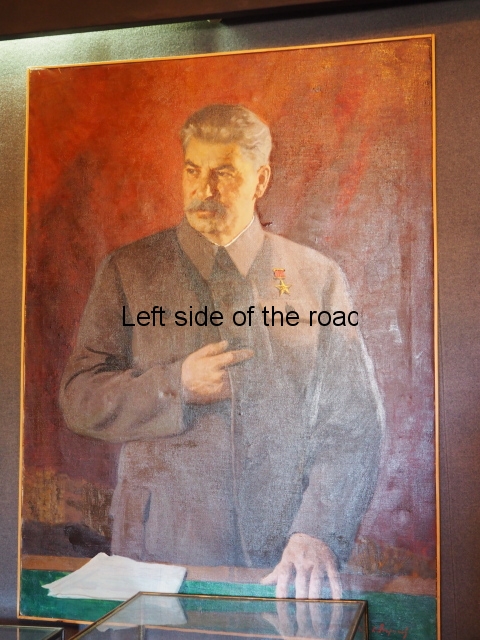
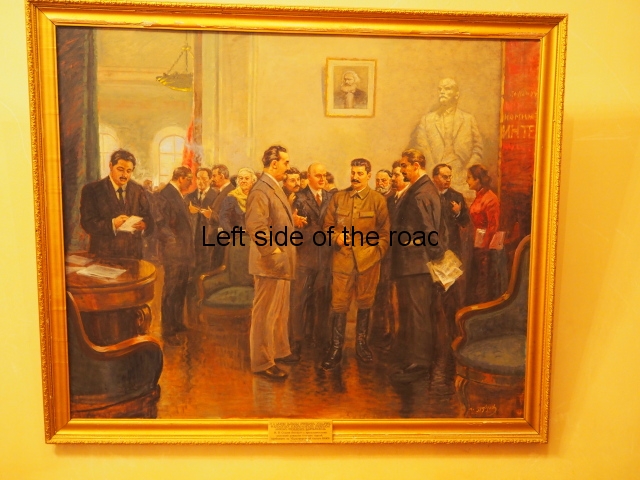
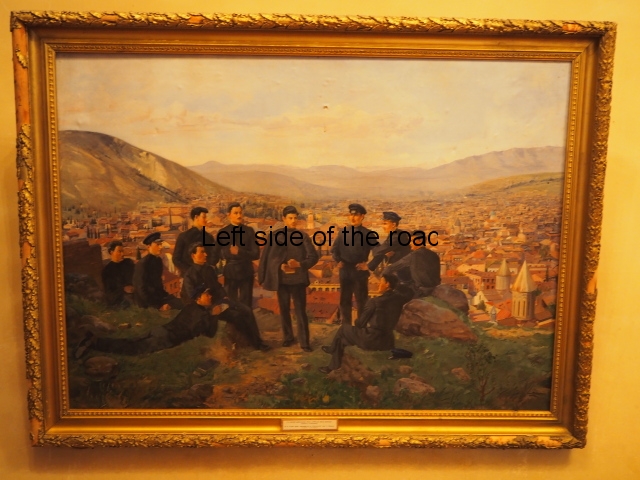
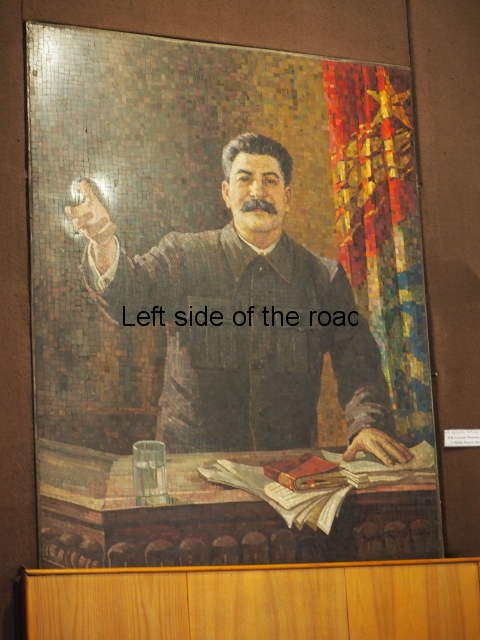
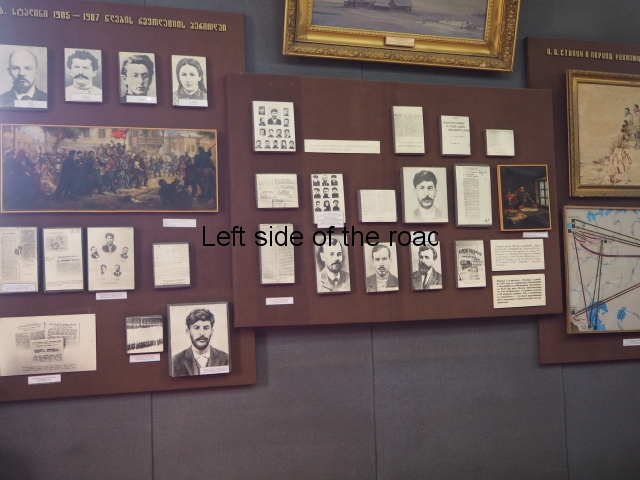
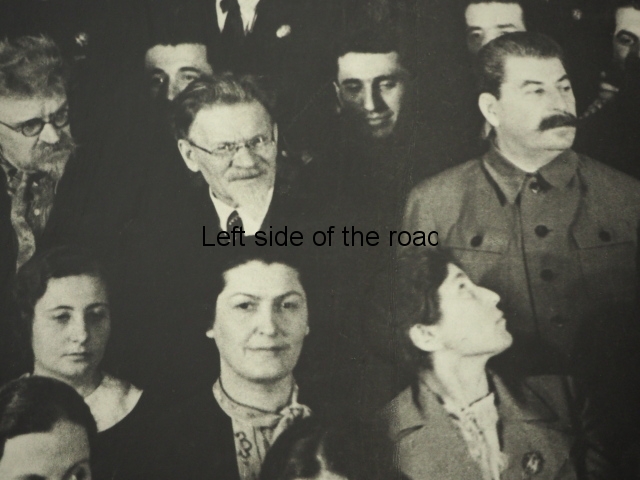
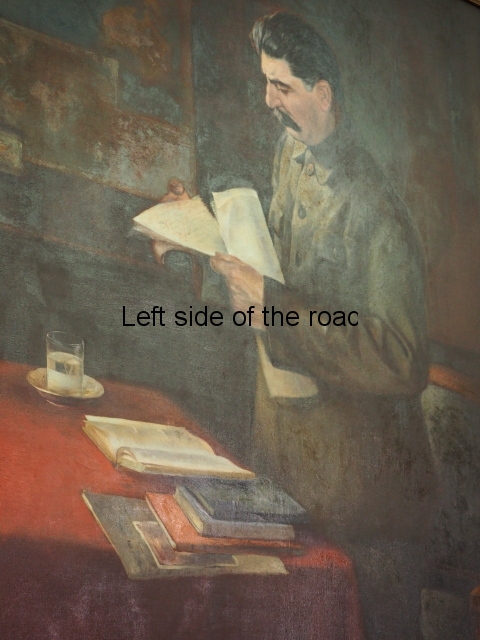
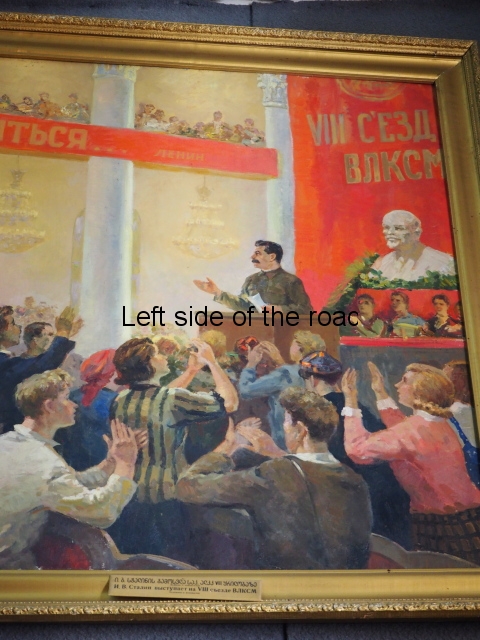
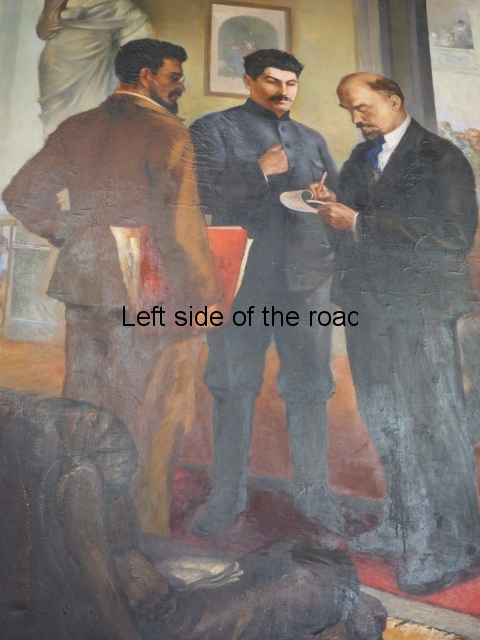
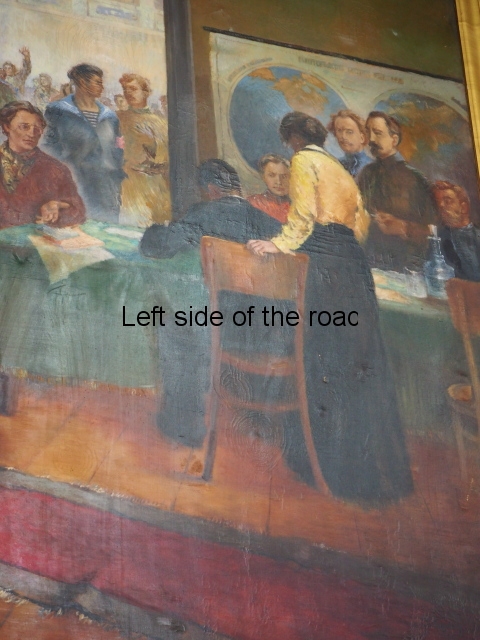
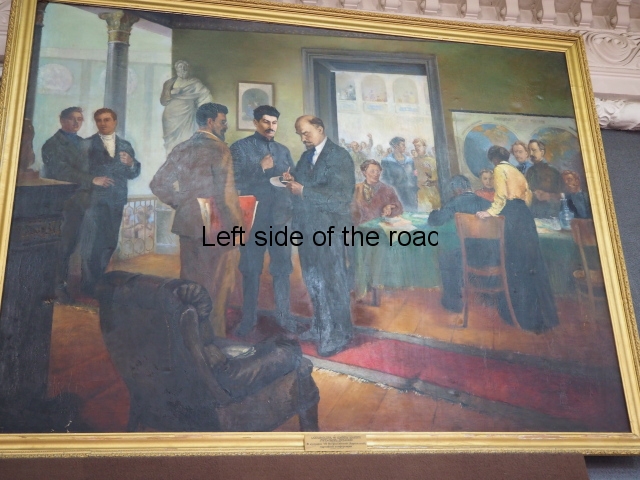
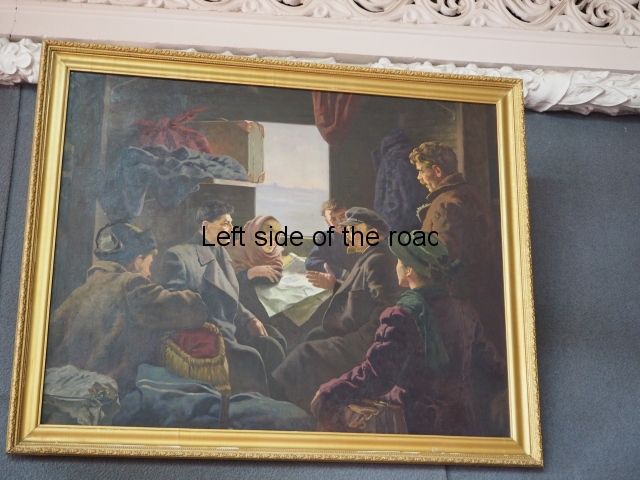
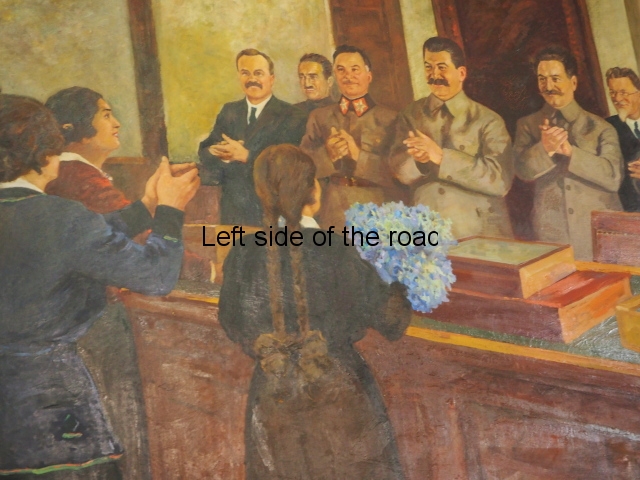
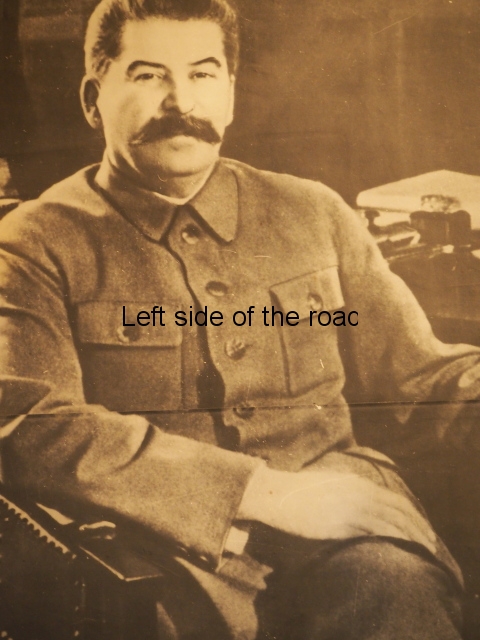
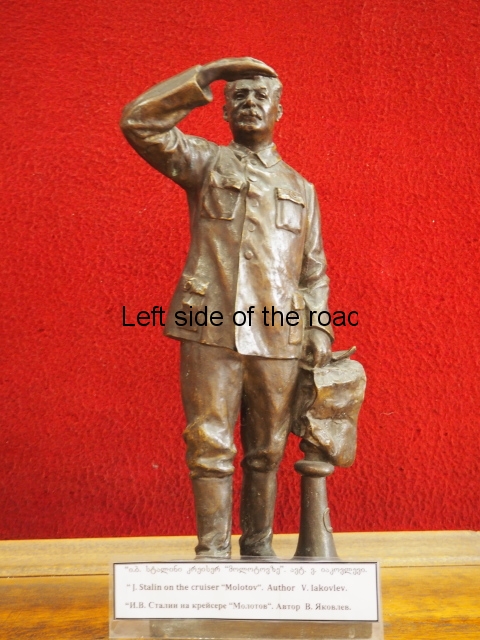
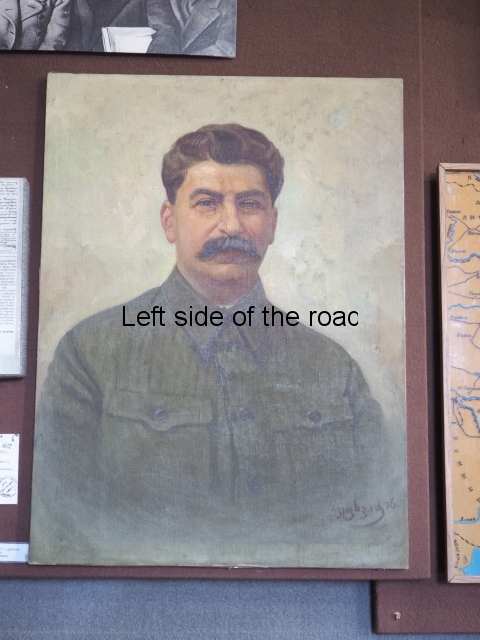
Comprising mainly of artistic representations of Stalin’s life (paintings and statues) and reproductions of photographs – many of which anyone with an interest in the period would have seen before – there are also a few personal artefacts. Uncle Joe wasn’t really into ‘consumerism’ and so there are few of the latter.
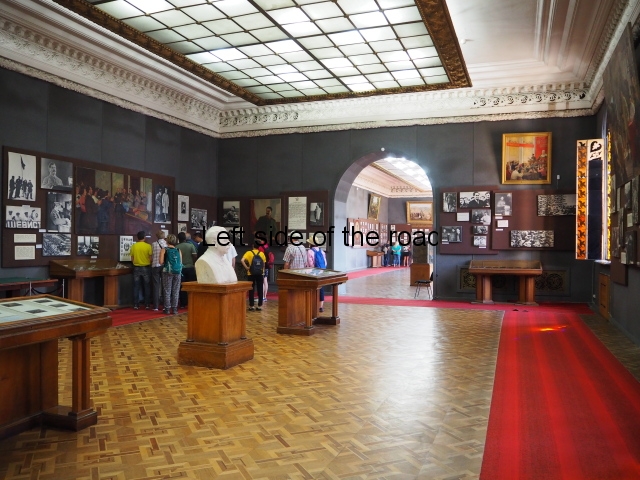
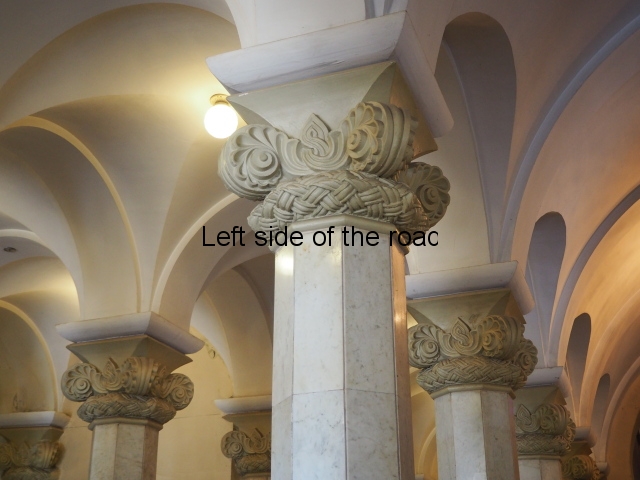
The aim of this post is to provide a video and photographic impression of the museum for those who have not yet had the opportunity to visit this unique location. To go to a video of the various parts of the museum click the link on the individual Rooms (numbered from 1 to 6, plus the Illegal printing press in Tiflis (Tbilisi), the reconstructed Kremlin Office and Stalin’s Birthplace). (Apologies for the low quality of the videos – no Oscar for me this year.) Then there’s a quite extensive photographic slide show/gallery at the end of the post.

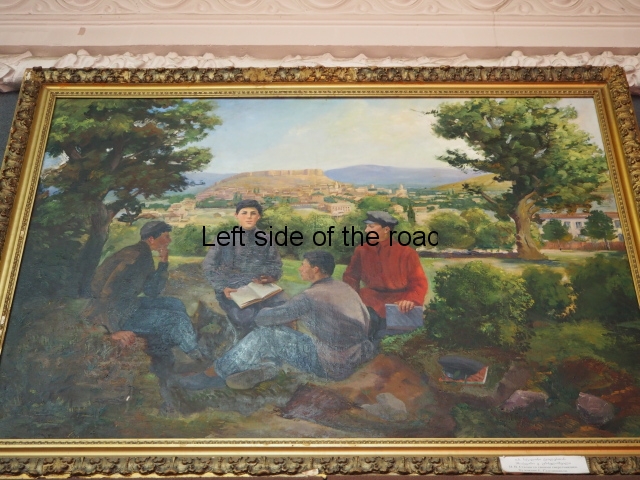
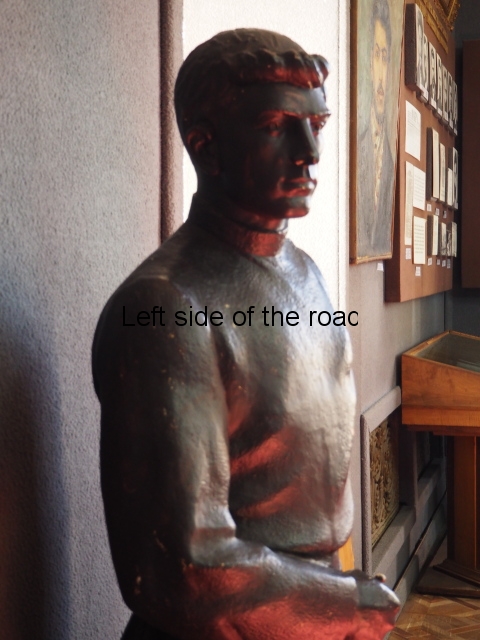
Young Stalin

Young Stalin

Room 1 – Early life, through Revolution and Civil War to the death of VI Lenin

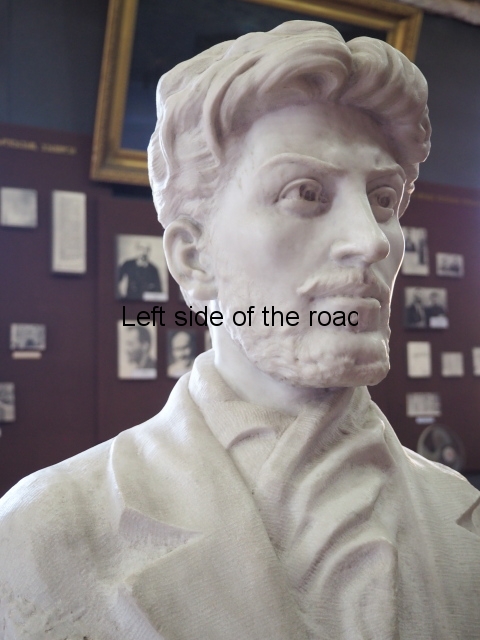
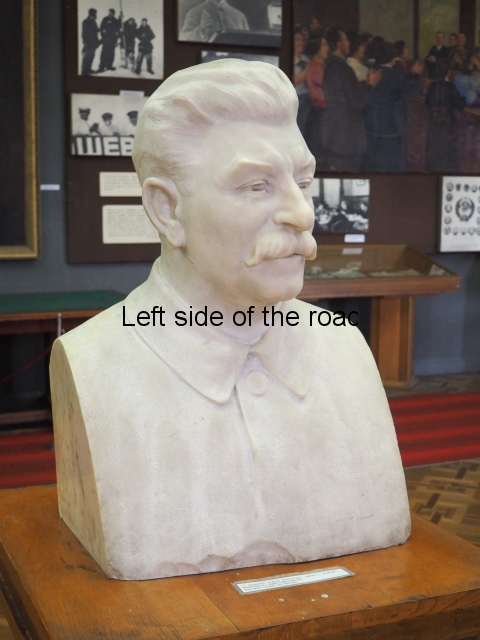
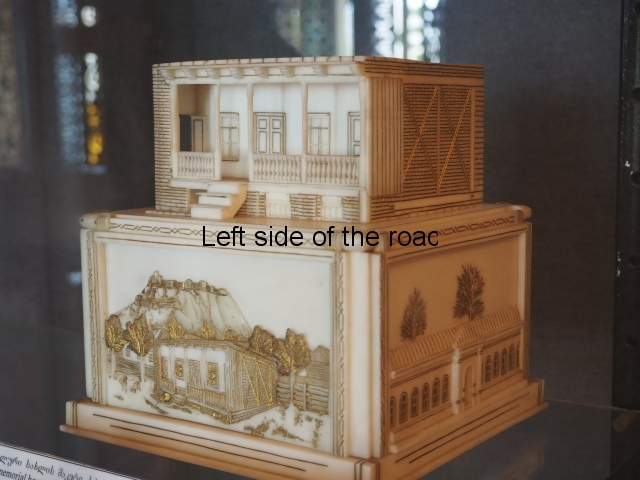
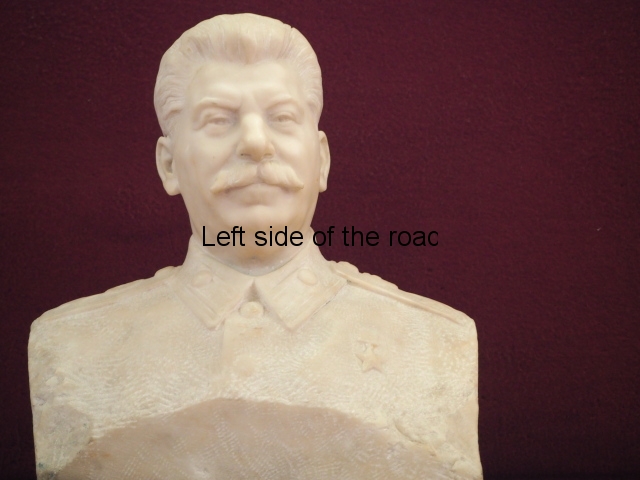
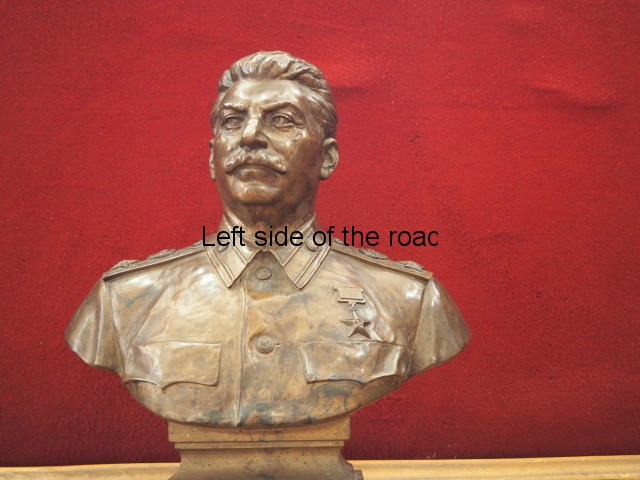
Highlights of this room include: a full size statue of the young Stalin; a maquette of his birthplace; a bust of the young Stalin and a maquette of the illegal printing press (see below).

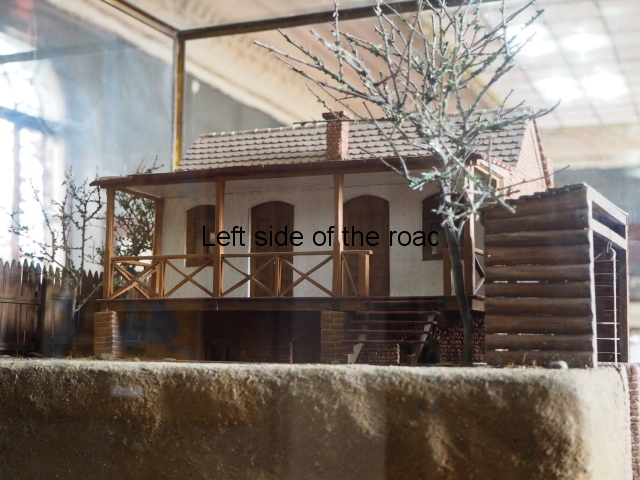
The house of the illegal printing press, Tiflis

The house of the illegal printing press, Tiflis

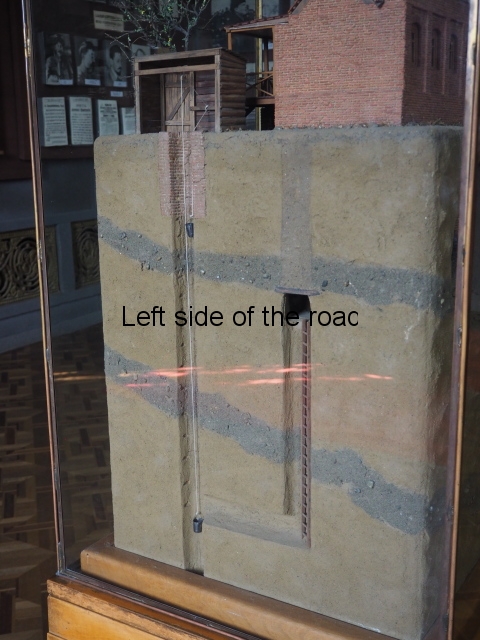
The illegal printing press in Tiflis (Tbilisi) 1906

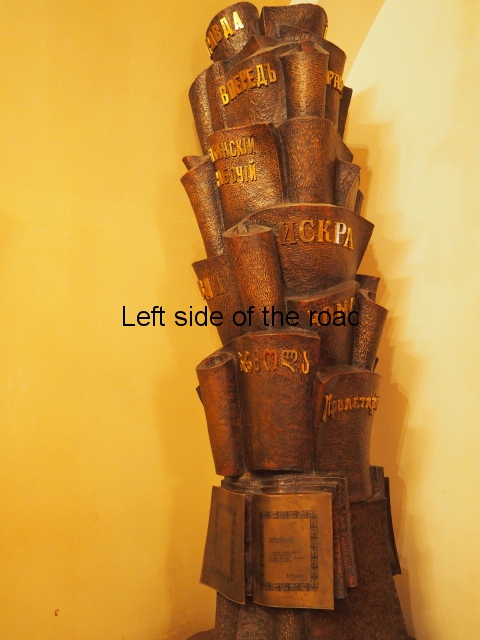
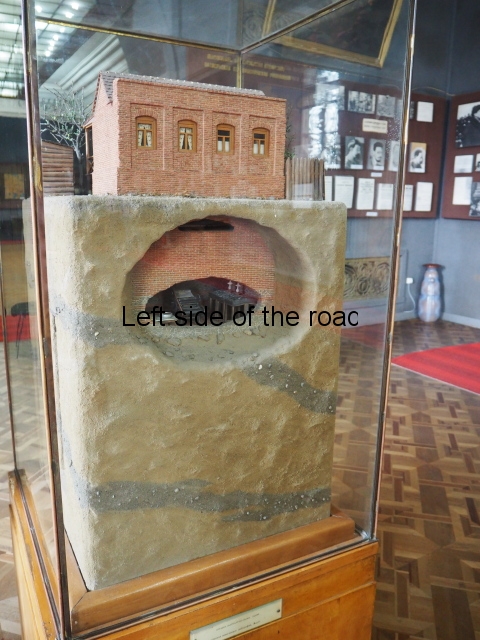
Just before the entrance to the second room, in the middle of the floor, can be found a maquette of the building which hosted the illegal printing press that Stalin was instrumental in establishing (and for which he wrote many articles and leaflets) that existed for a short time from November 1903 to April 1906 in Tiflis (present day Tbilisi). From looking at this model you can appreciate the amount of effort and planning that went into the hiding of this press from the Tsarist reactionary forces (and especially its ‘secret’ police, the Okhrana). It also makes you think about the determination of the Georgian/Russian revolutionaries to defeat the exploiting class. Such imagination, determination and dedication of present day ‘revolutionaries’ would be more than welcomed.
Stalin with the future

Stalin with the future

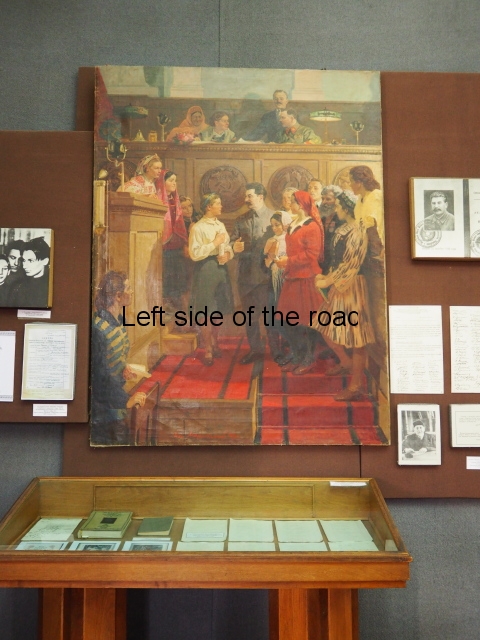
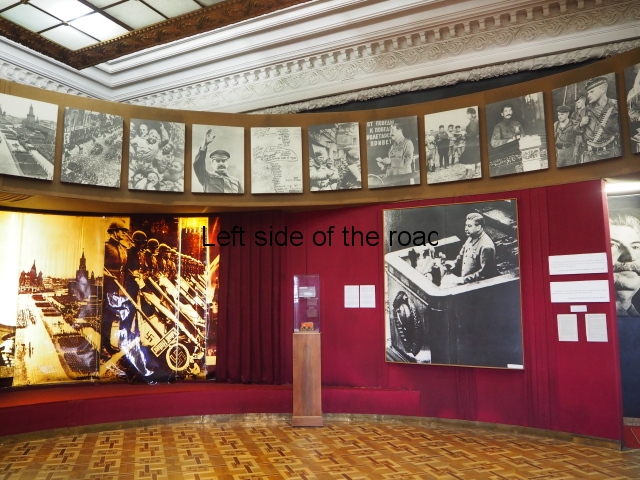
Room 2 – From Collectivisation and Industrialisation to the beginning of the Great Patriotic War

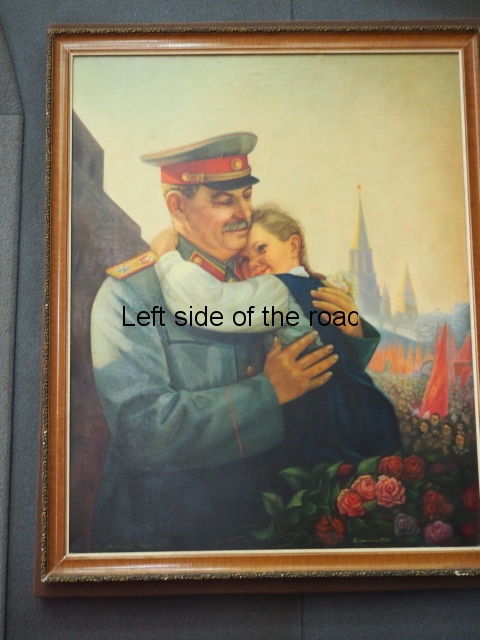
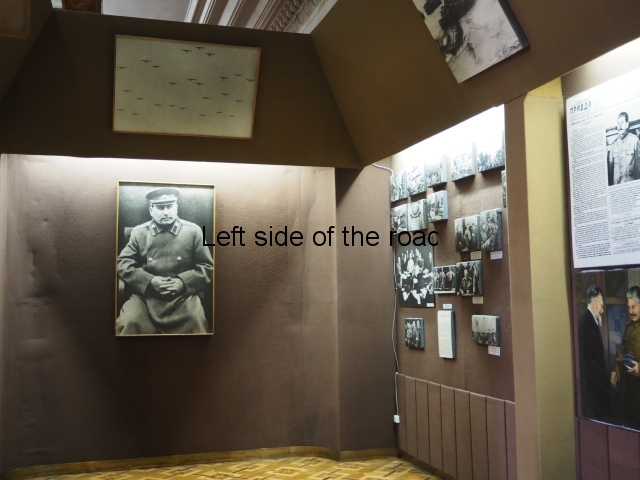
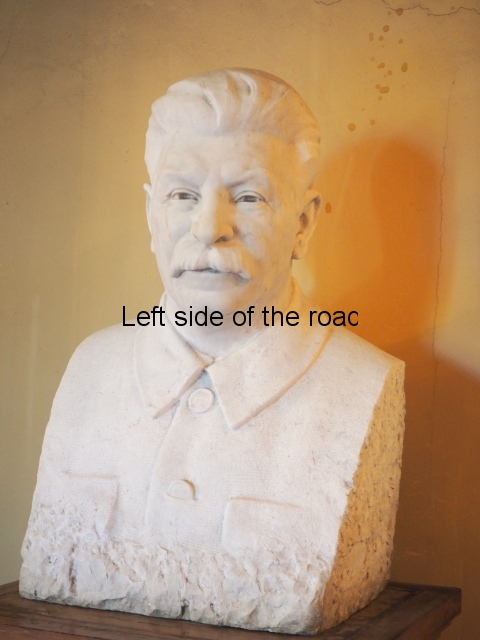
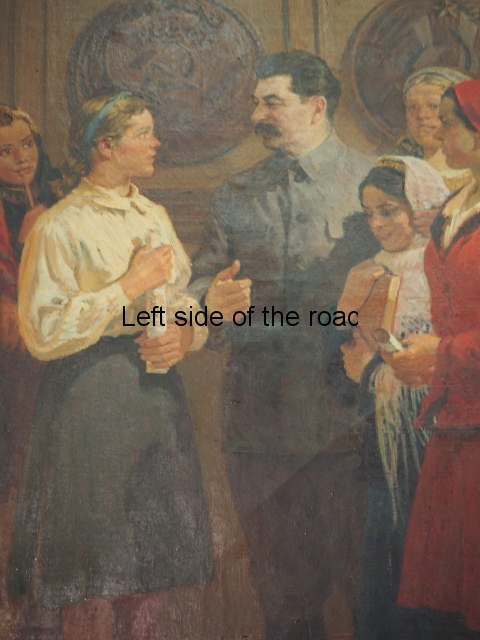
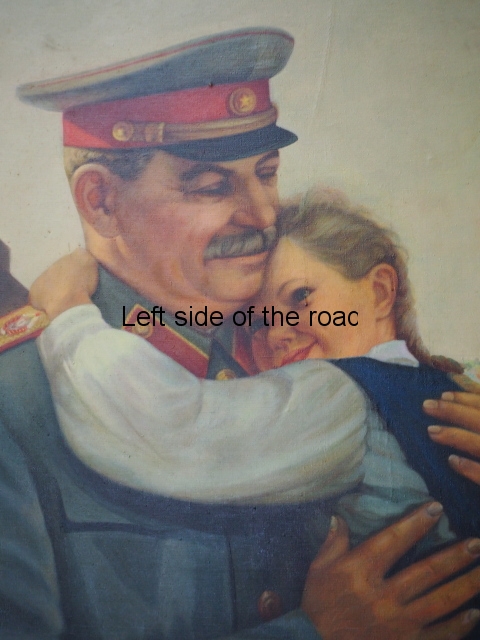
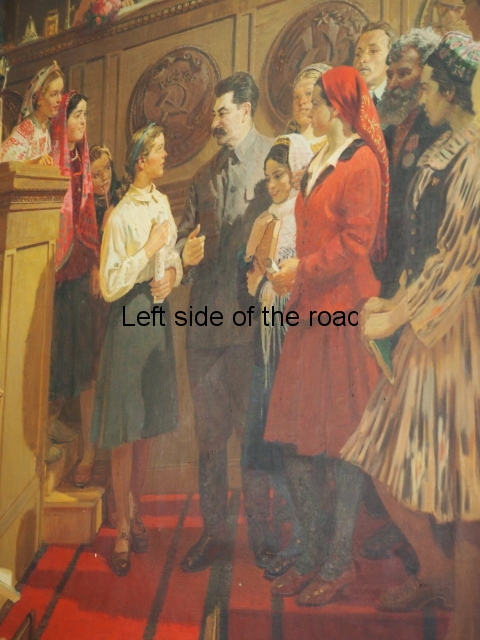
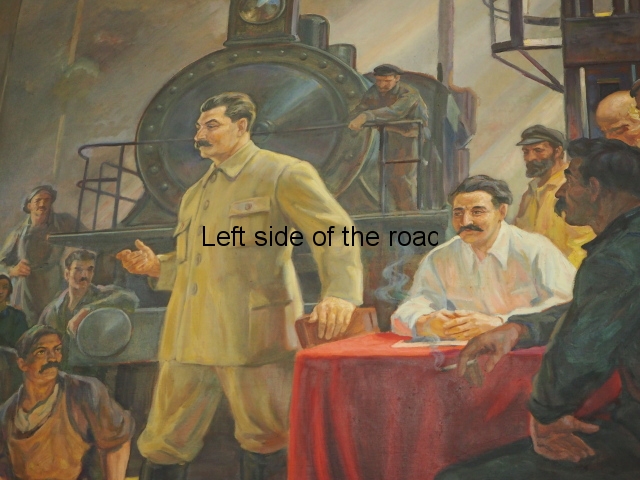
Highlights in this room include: Stalin at a meeting with workers in a locomotive works; Stalin with Collective Farm workers; Stalin greeting a young female collective farm worker; a series of postcards produced in the 1930s and a large bust of an older Stalin.

Stalin tank lamp

Stalin tank lamp

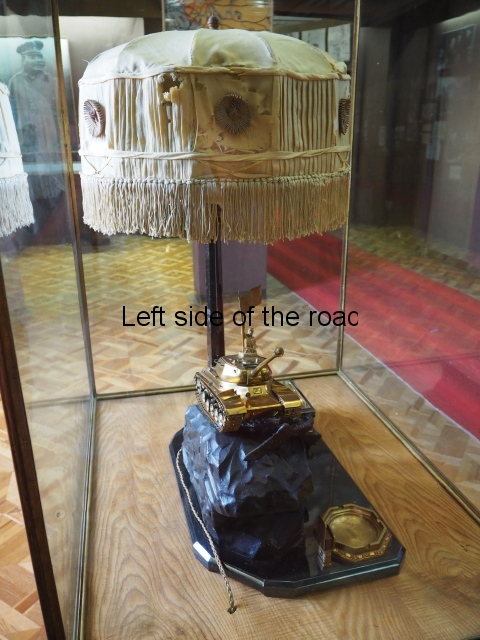
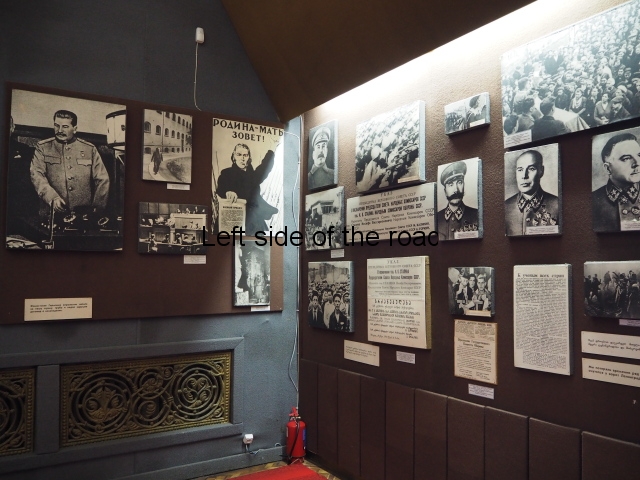
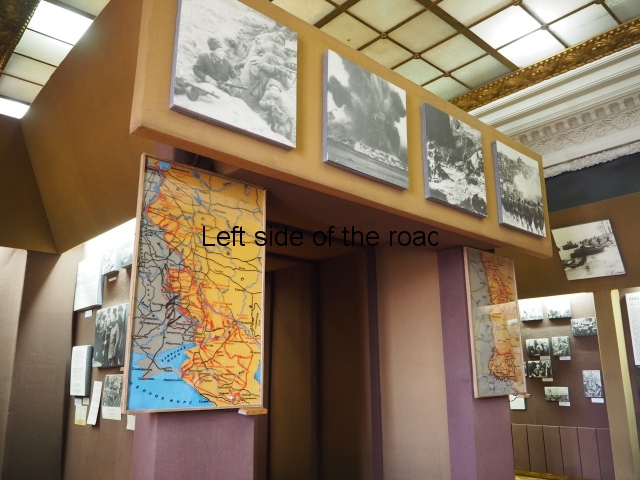
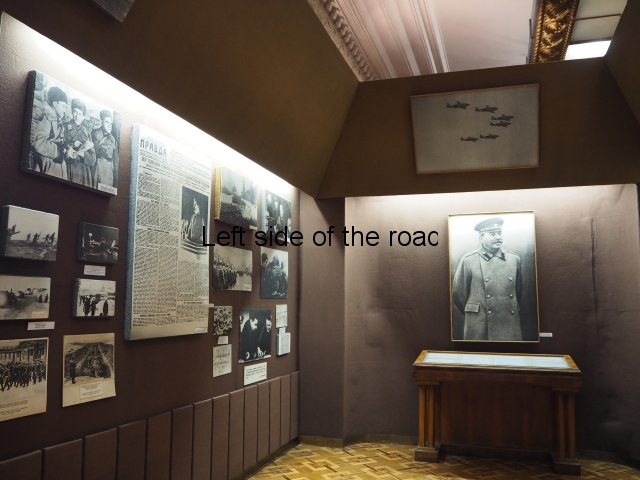
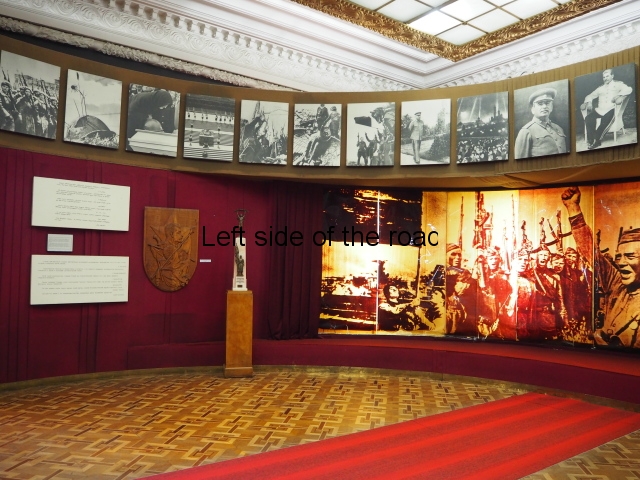
Room 3 – The Great Patriotic War

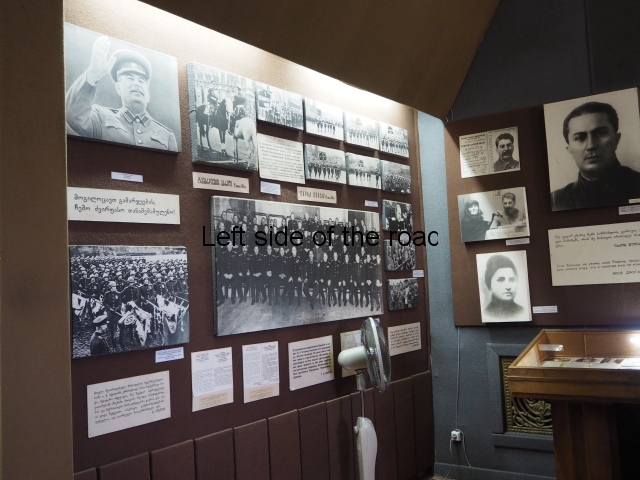
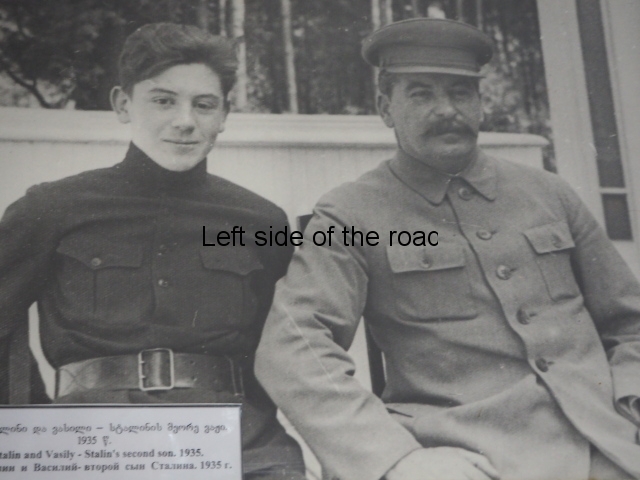
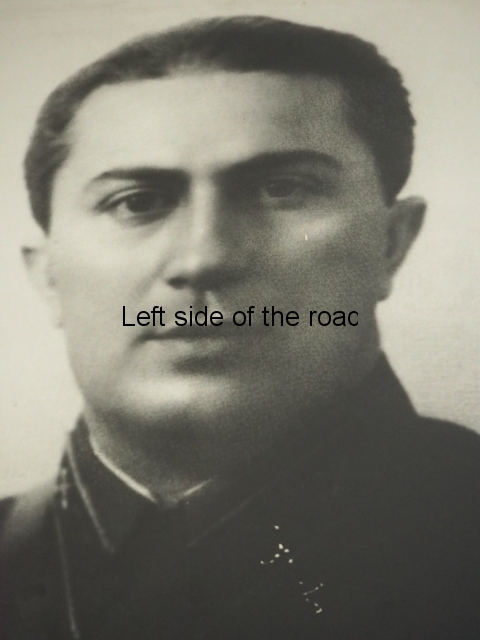
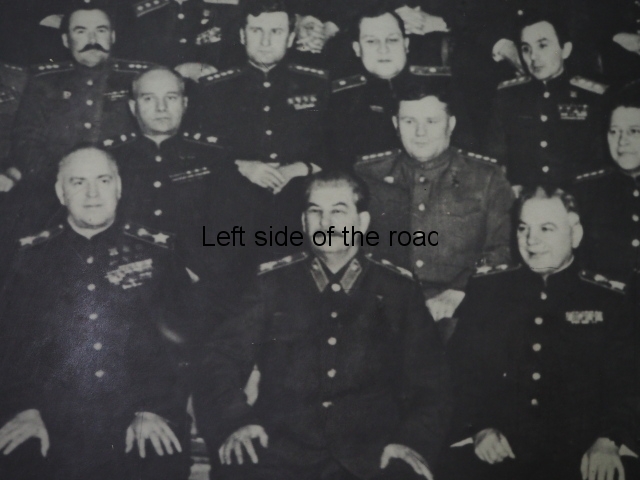
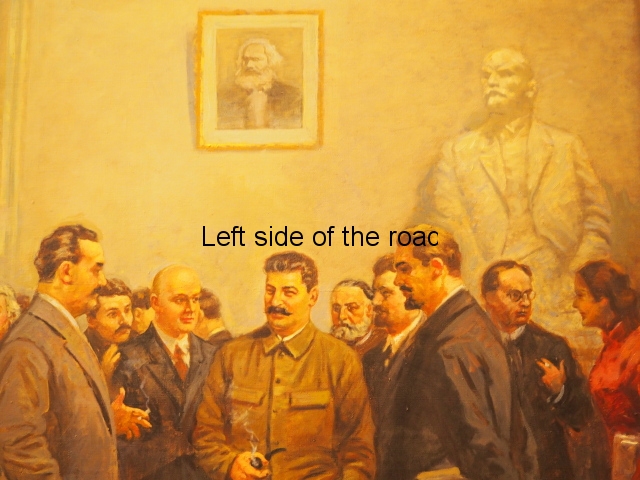
Highlights in this room include: a lamp incorporating a Stalin tank; a section on Stalin’s family (his wives and children); military maps describing some of the major campaigns of the Great Patriotic War and Stalin with his generals.

Soviet power annihilates Nazism

Soviet power annihilates Nazism

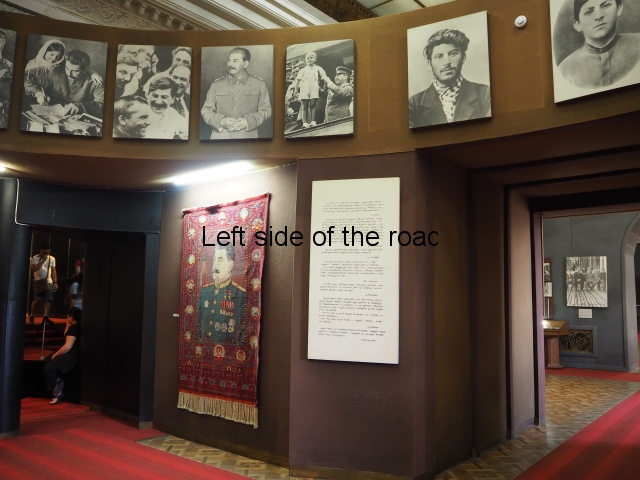
Room 4 – A review of his life and the 19th (final) Congress

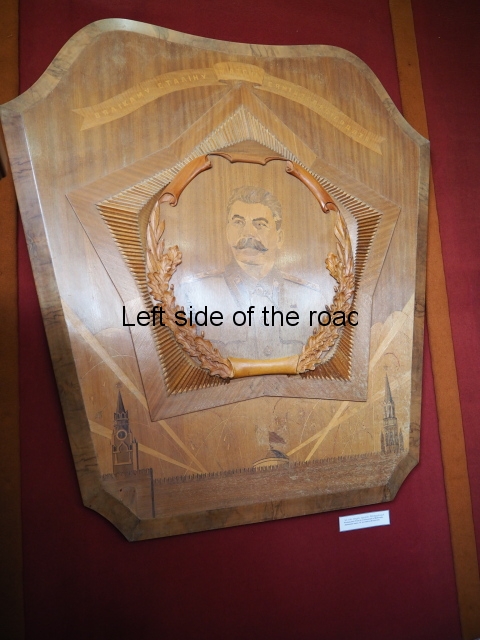
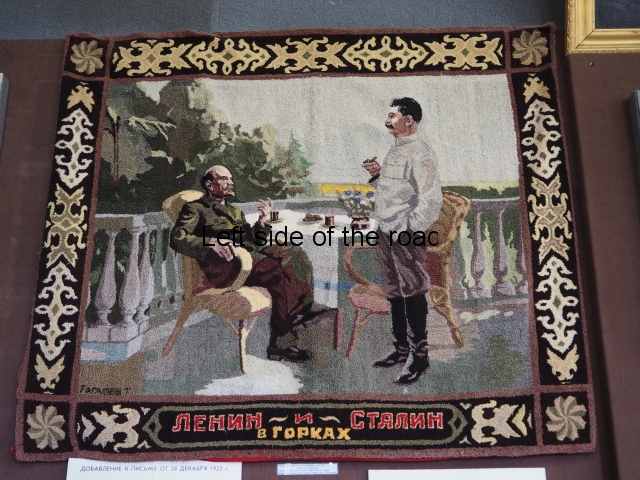
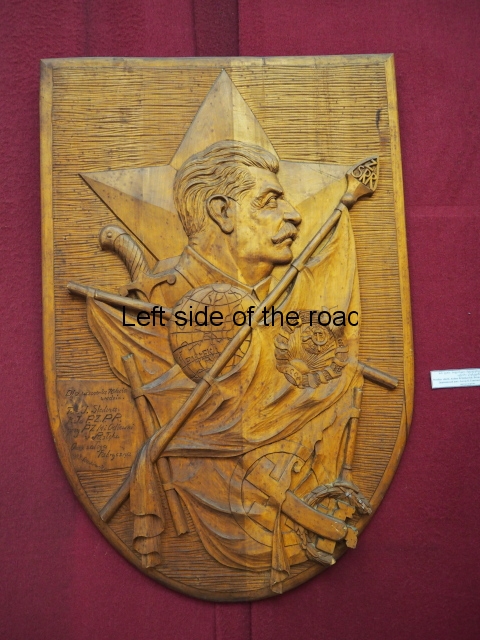
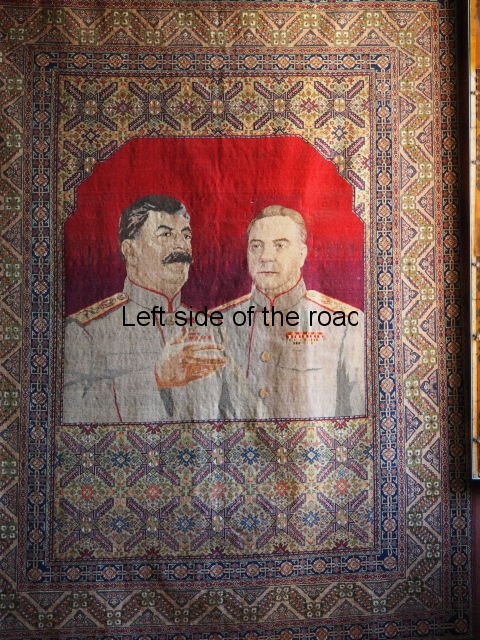
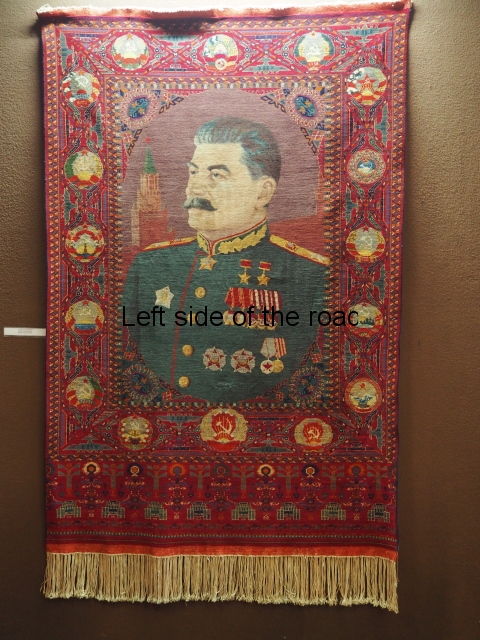
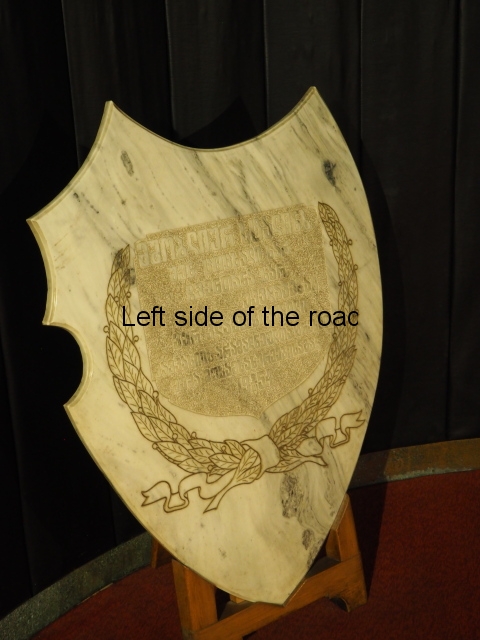
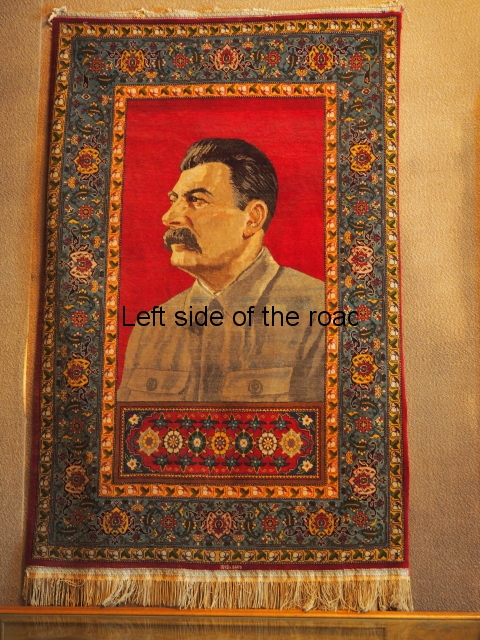
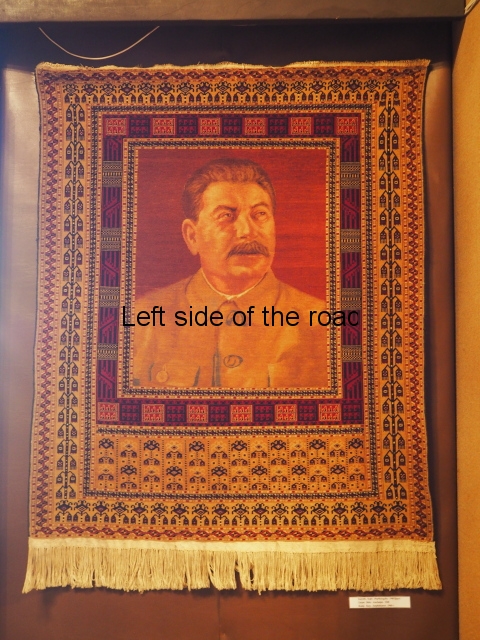
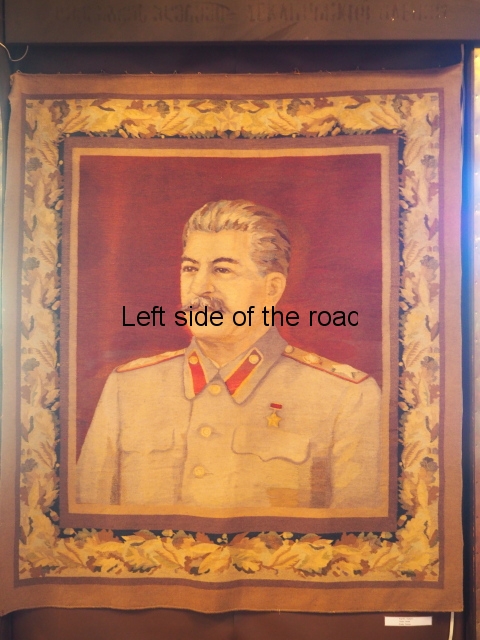
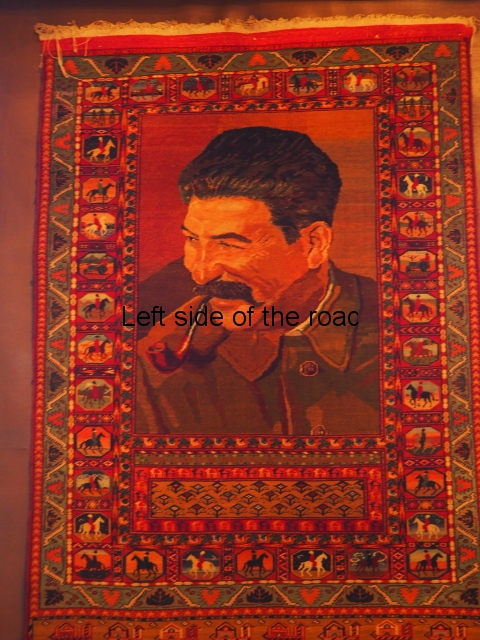
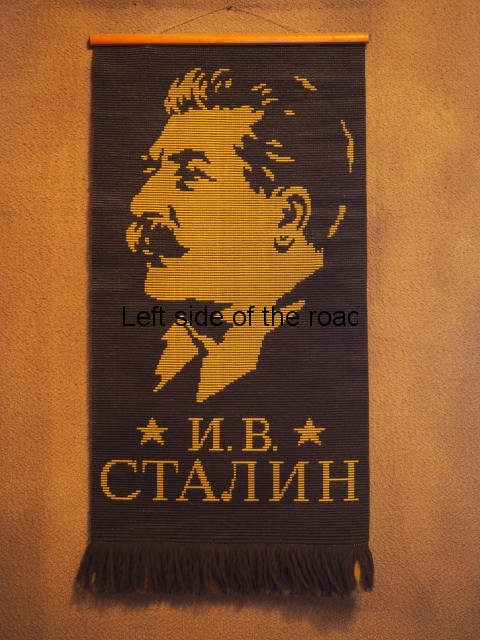
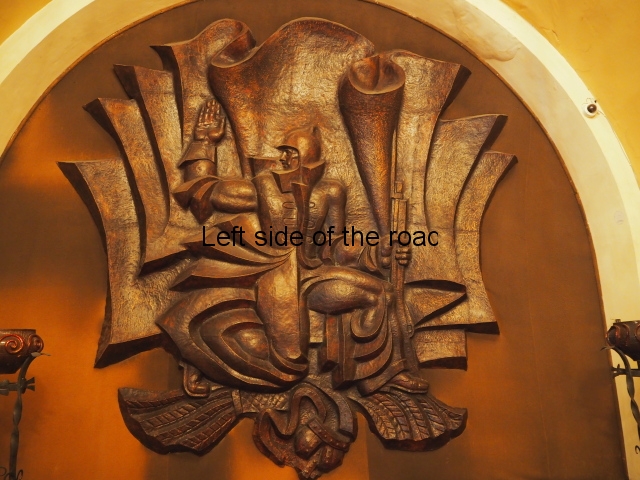
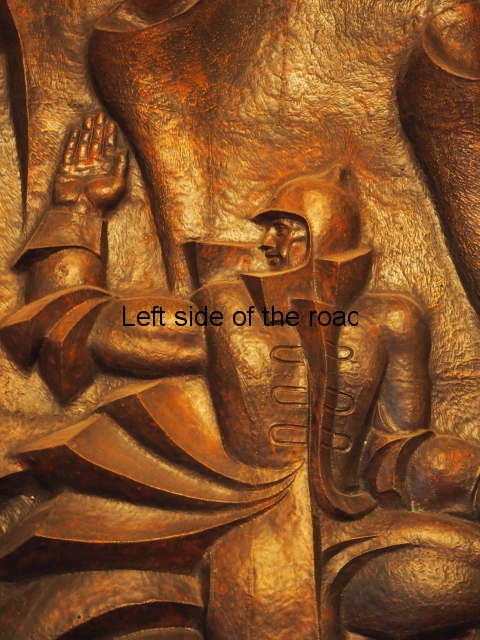
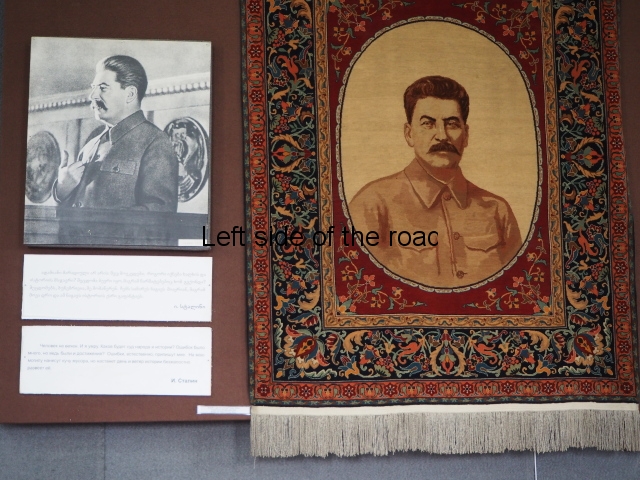
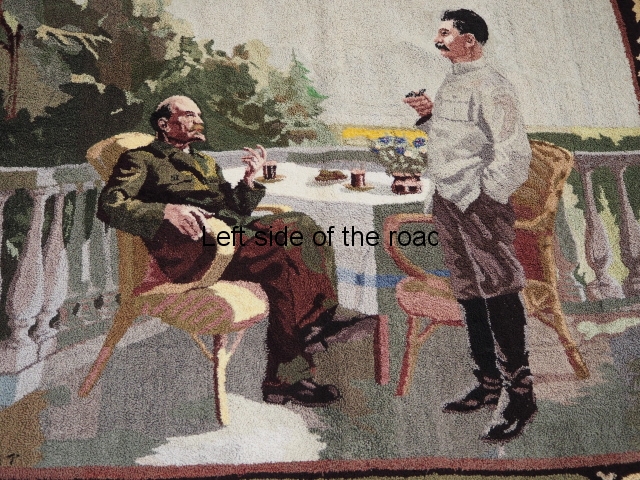
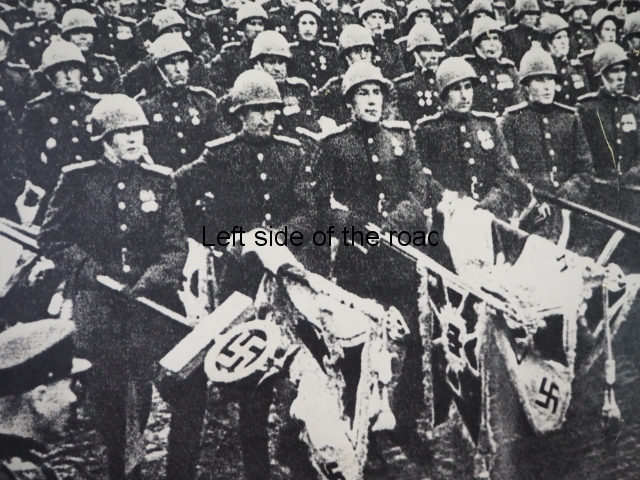
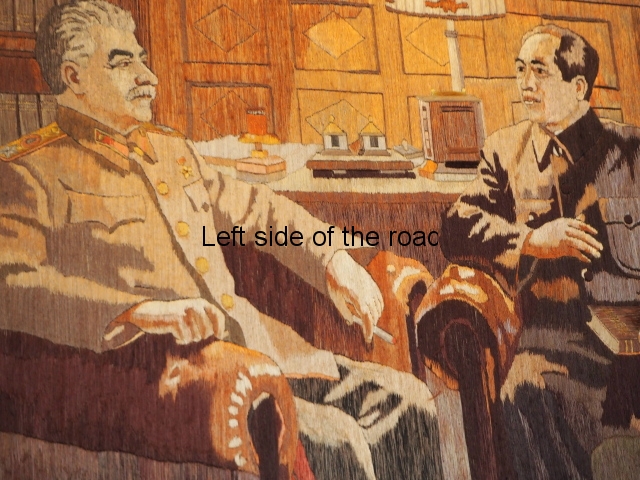
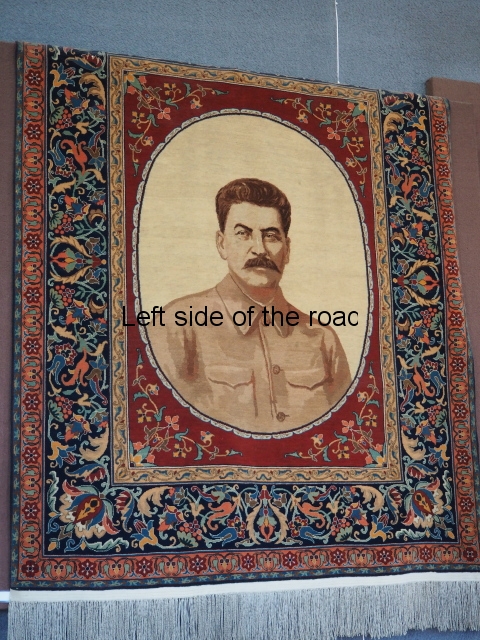
Highlights in this room include: a carved wooden shield with Stalin in profile amongst a number of symbols representing the Soviet Union and the image of a Russian sword smashing through a swastika at the bottom right; pictures taken a various stages of Stalin’s life; two large carpets with an image of Stalin (one of them also with Kliment Voroshilov); an image of Nazi banners being dragged through the dirt of Red Square in front of the Lenin Mausoleum and a picture of one of Stalin’s last public appearances at the 19th Congress of the CPSU.

Stalin lying in state - 1953

Stalin lying in state – 1953

Room 5 – Stalin’s Death

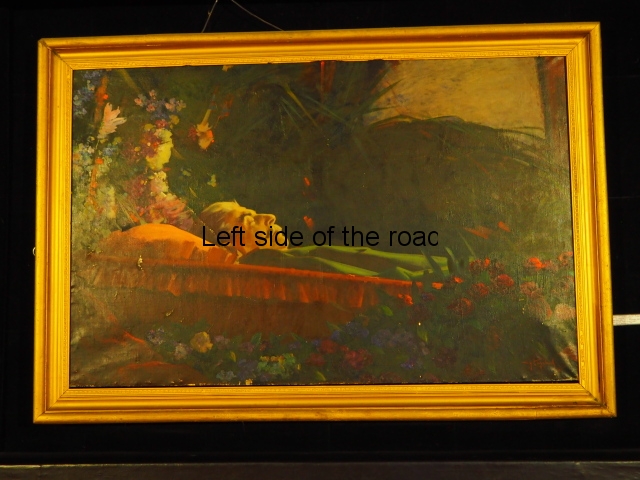
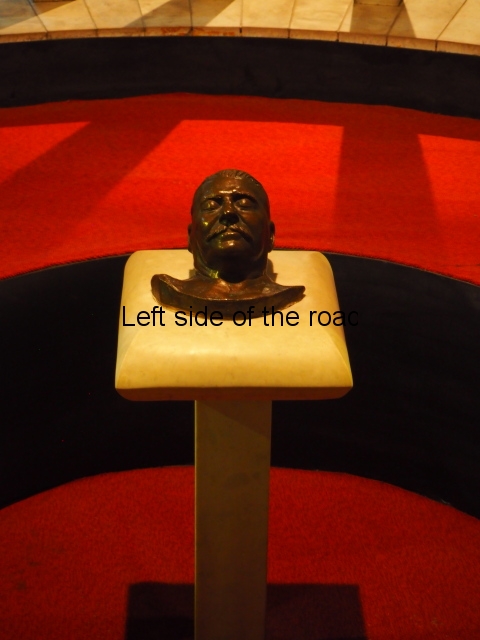
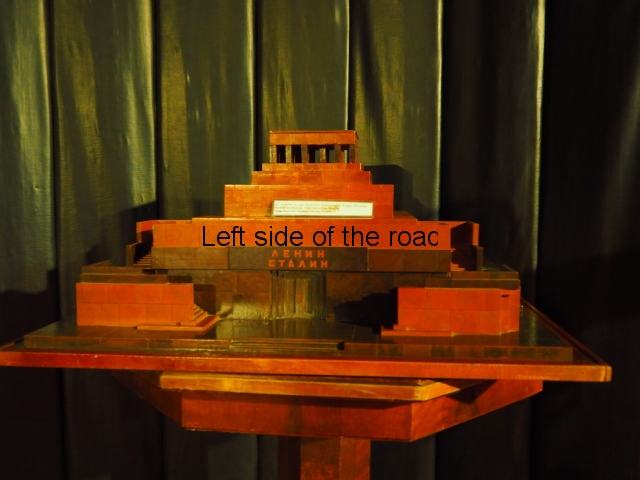
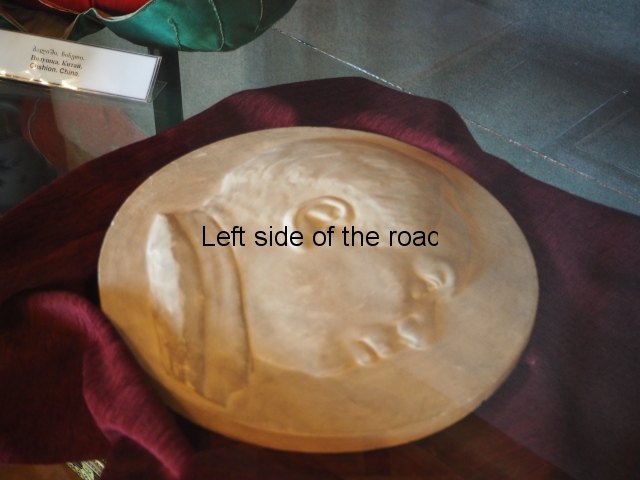
Highlights in this room are: Stalin’s death mask; a painting of Stalin lying in state and a maquette of the Mausoleum in Red Square bearing the names of both Lenin and Stalin.

Stalin and Mao

Stalin and Mao

Room 6 – Presents

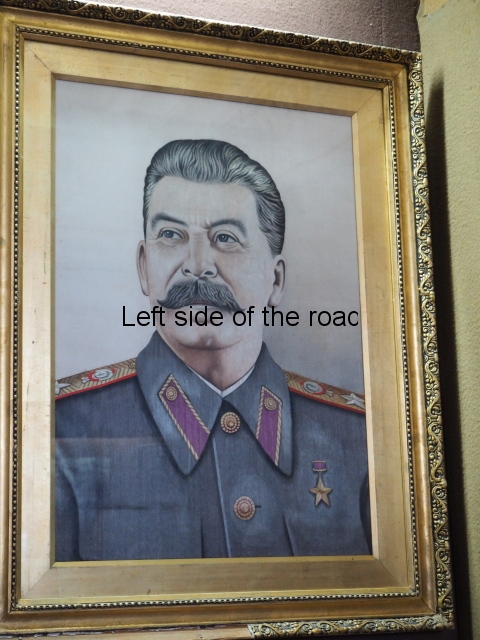
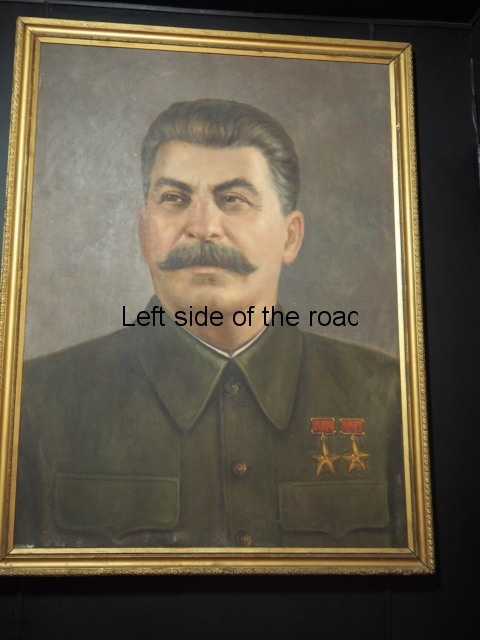
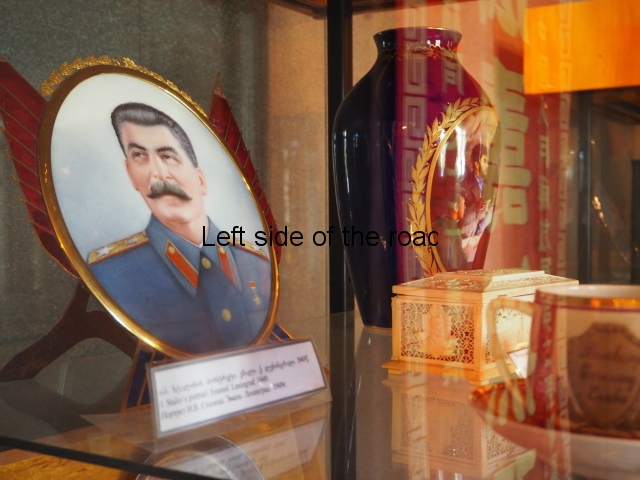
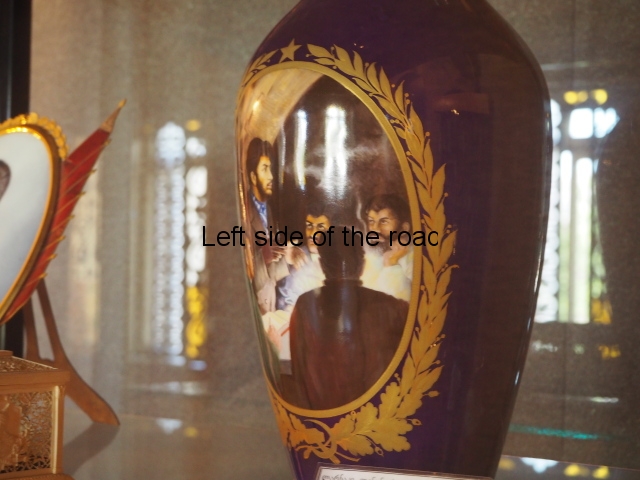
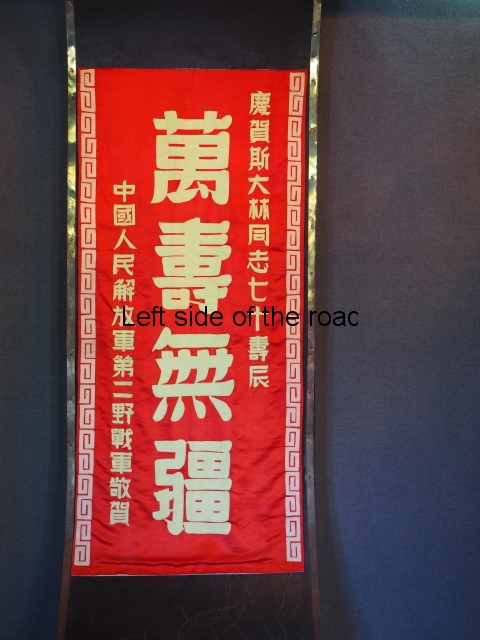
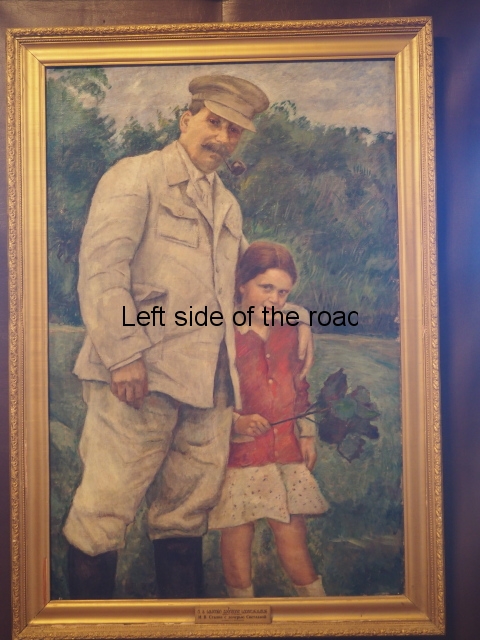
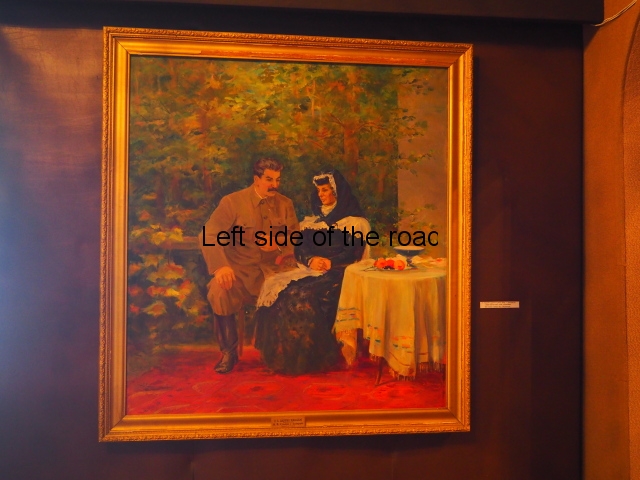
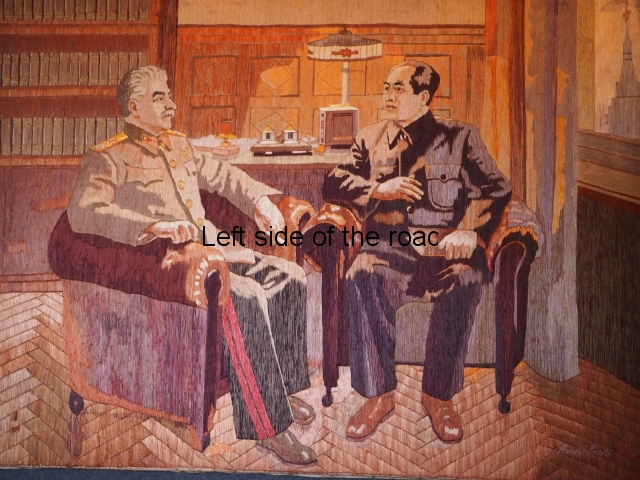
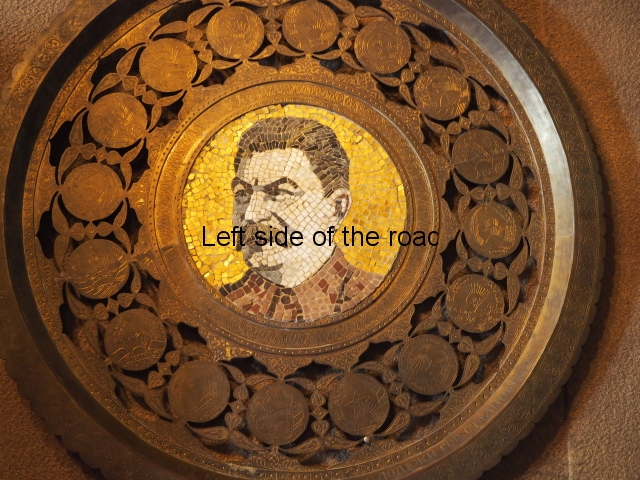
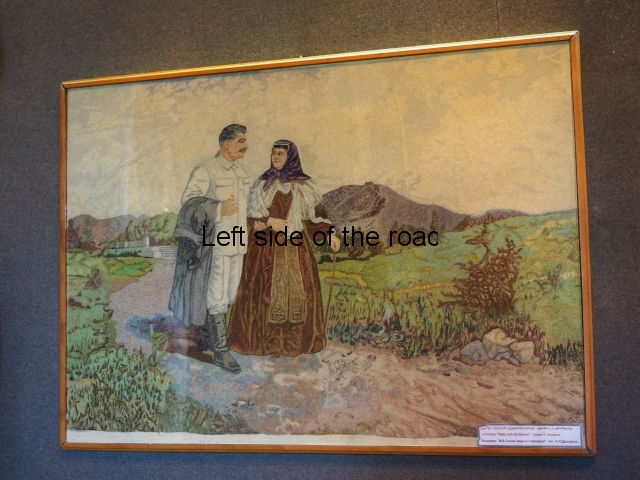
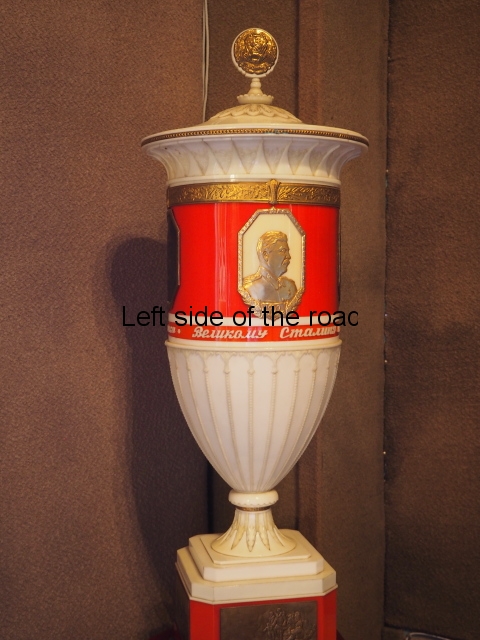
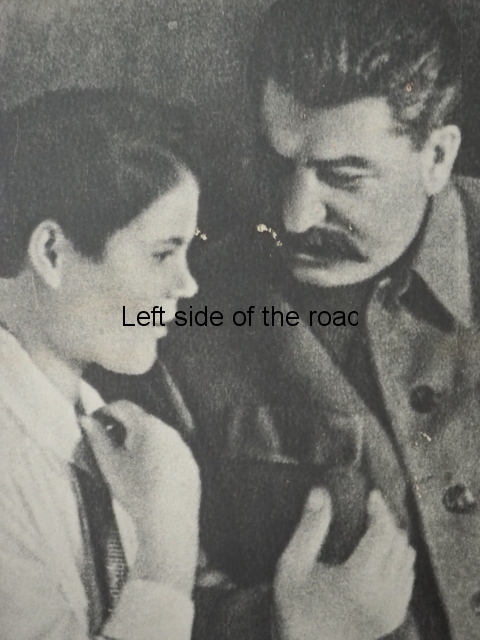
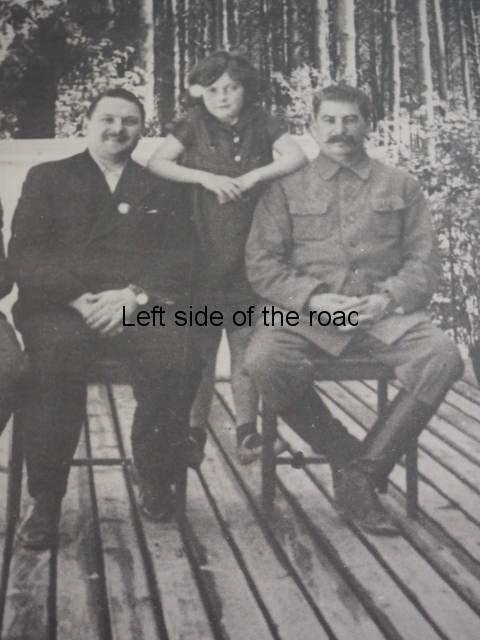
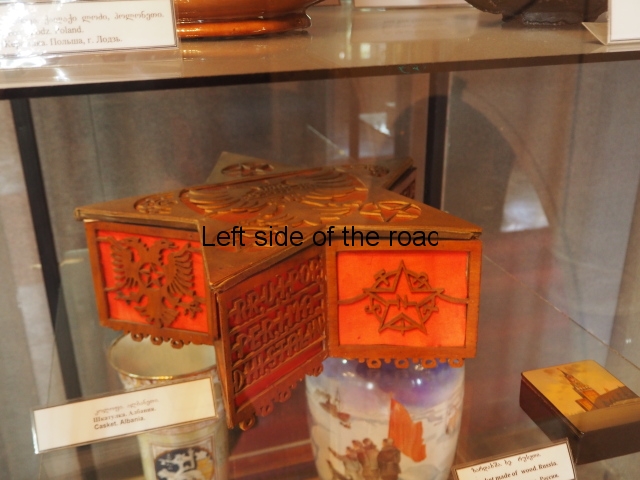
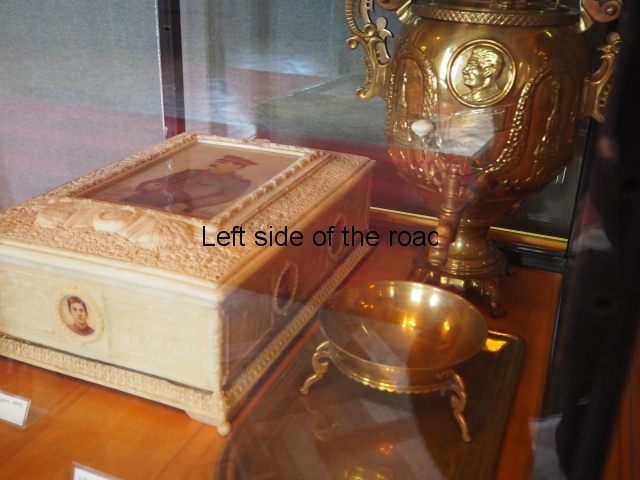
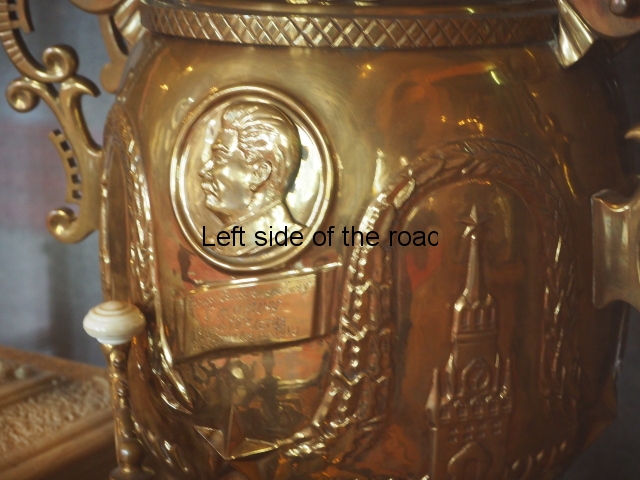
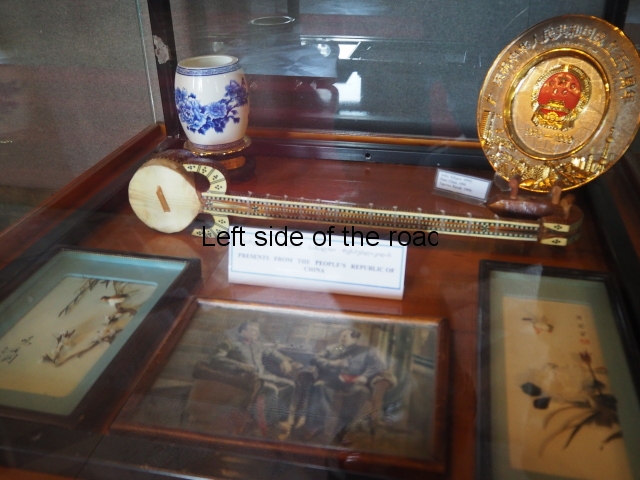
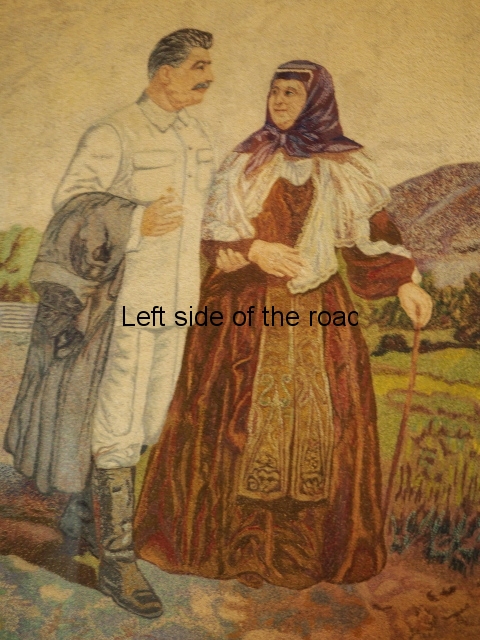
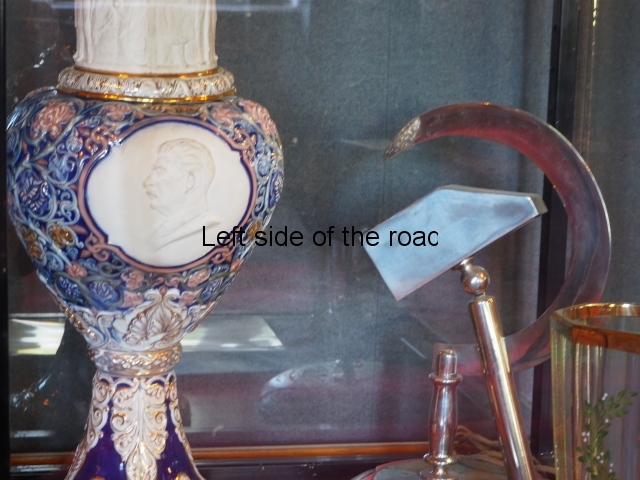
It’s in this room where there are more artefacts and this consists of presents and other objects bearing the image of Stalin, of other Communist leaders and items brought from former Socialist countries representing their culture. There are many objects (many depicted in the slide show) but it’s worth mentioning a picture of Stalin and his daughter, Svetlana, as a young girl; a textile print of a meeting between Stalin and Chairman Mao Tse-tung; a number of large carpets with Stalin as the central image; a couple of images of Stalin with his mother; a large, Chinese silk portrait of Stalin and a large, circular, metal plate with a mosaic of Stalin in the centre.

Stalin's office in the Kremlin

Stalin’s office in the Kremlin

Stalin’s Kremlin Office Reconstruction

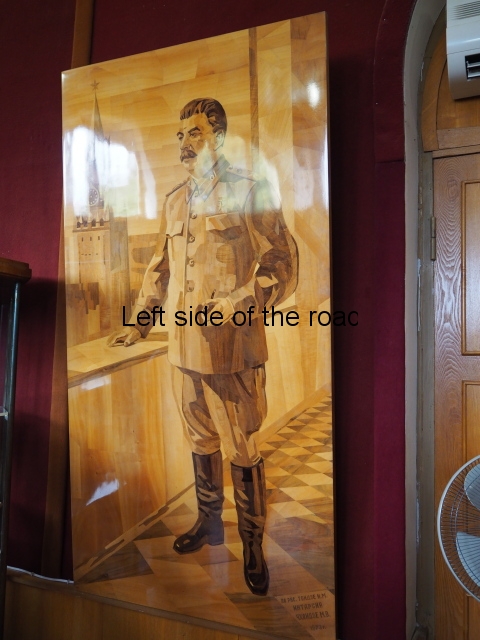
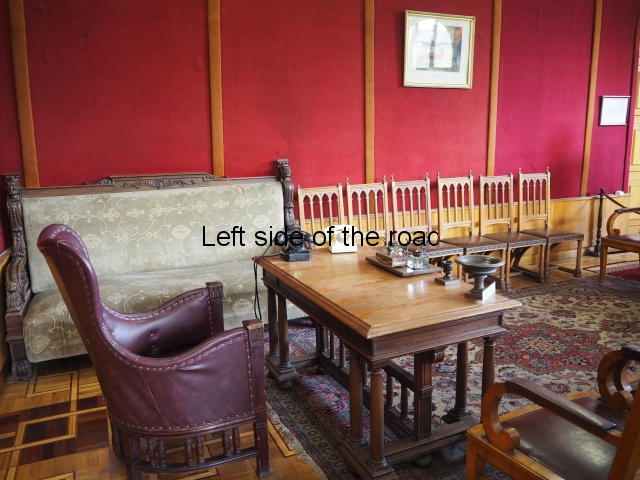
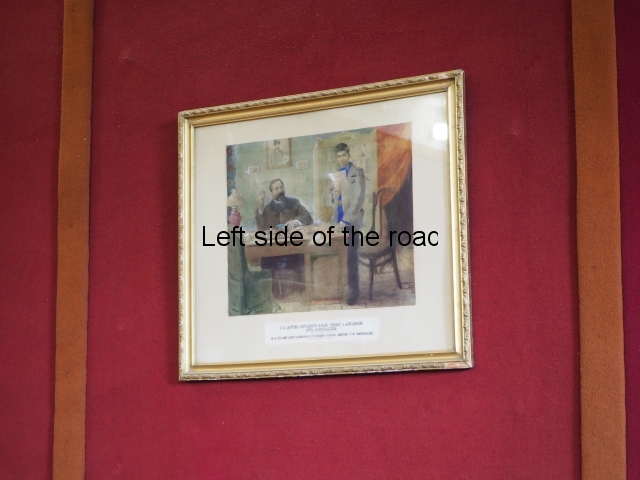
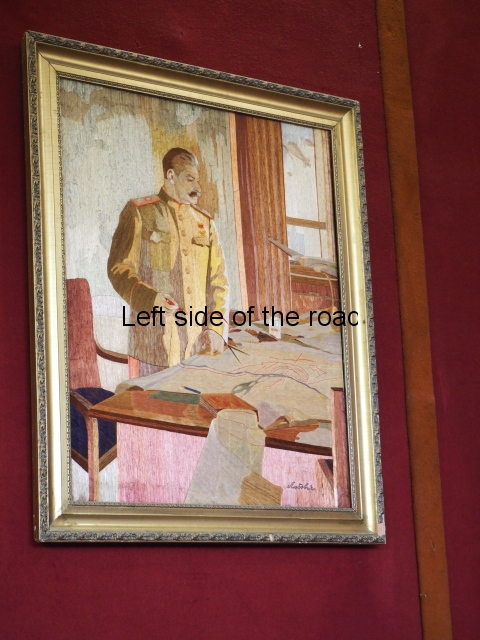
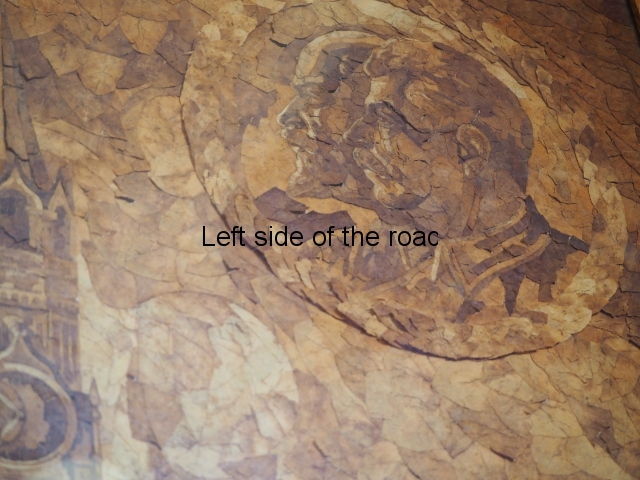
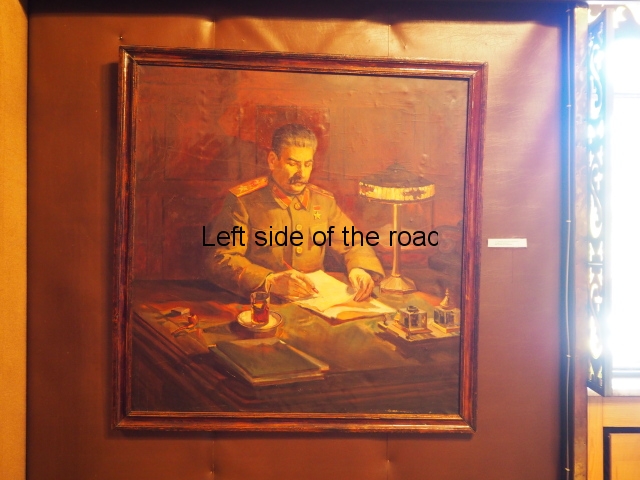
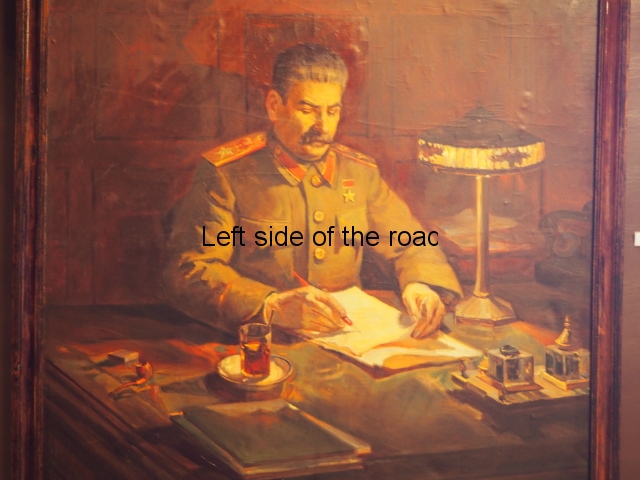
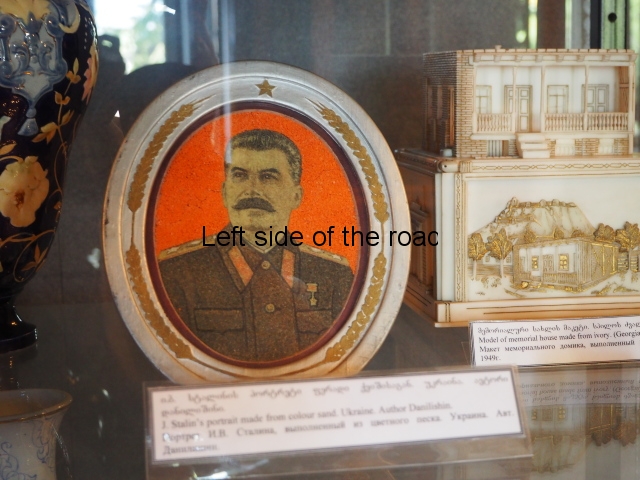
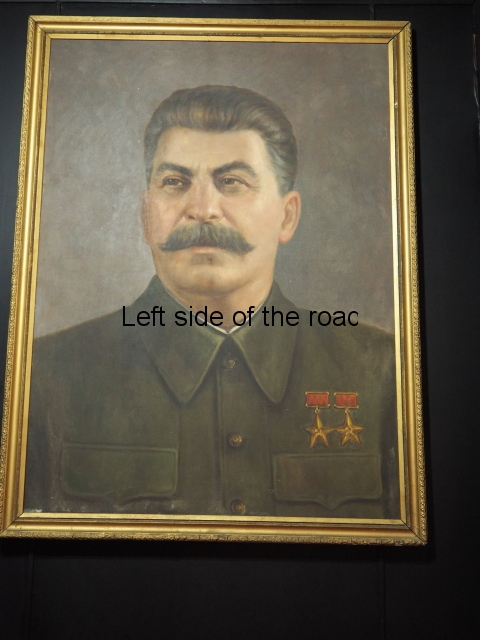
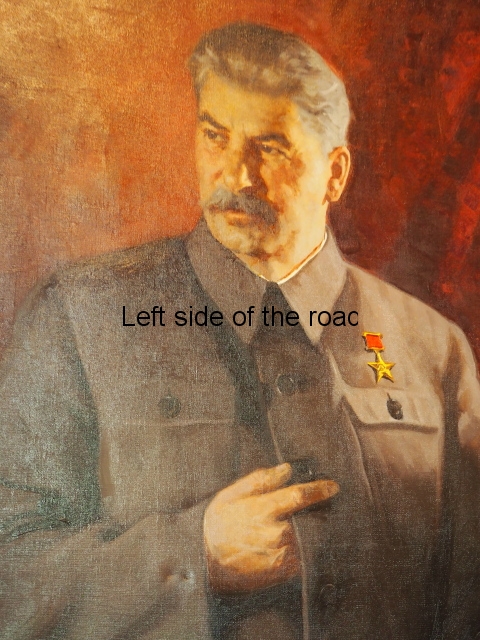
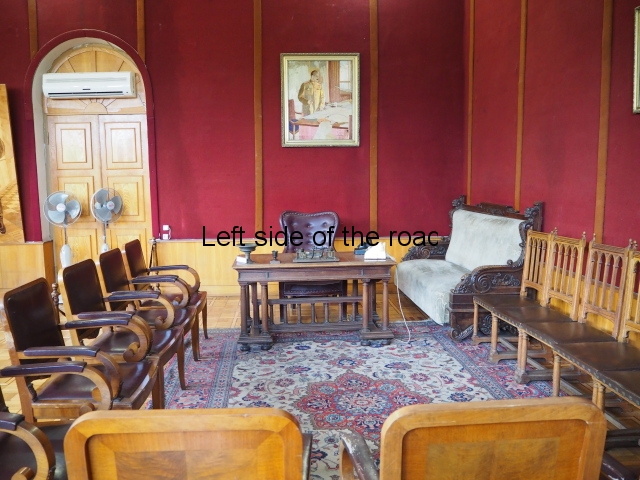
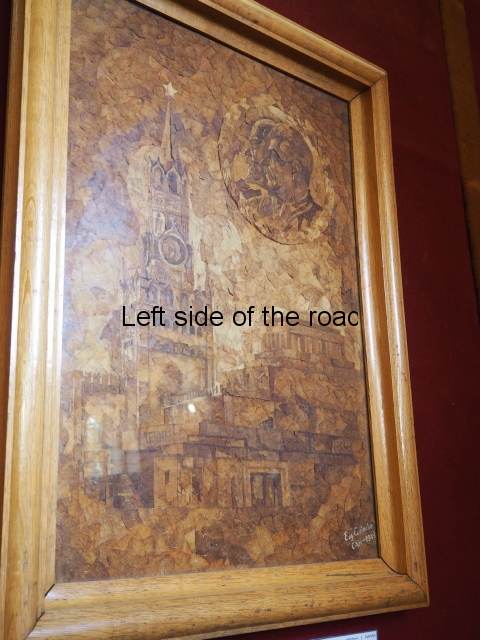
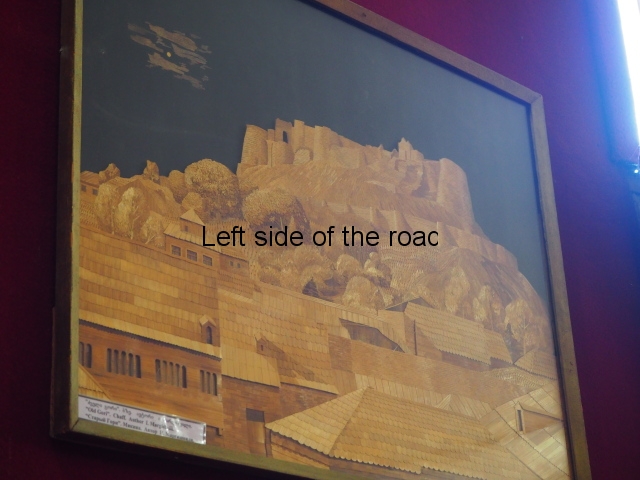
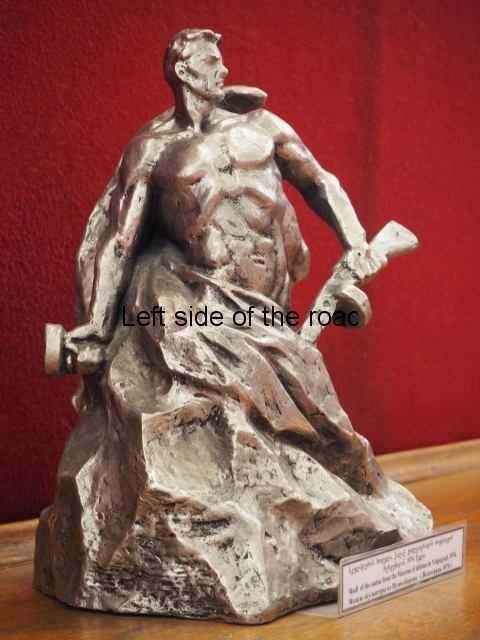
On leaving the first floor, where the majority of the exhibits will be found, by taking the right hand staircase this will lead you to the reconstruction of Stalin’s Kremlin Office (the first door on the right). Really the office is just the collection of chairs and sofas with a desk immediately on the right as you walk through the door. The rest of the space is taken up with further images of Stalin, both in paint and intricate marquetry; one of his ceremonial uniforms; two maquettes of the Stalingrad War Memorial and (quite unique) an image of both Lenin and Stalin made from tobacco leaves (just above the piano).

Stalin's armoured carriage

Stalin’s armoured carriage

Stalin’s Armoured train carriage

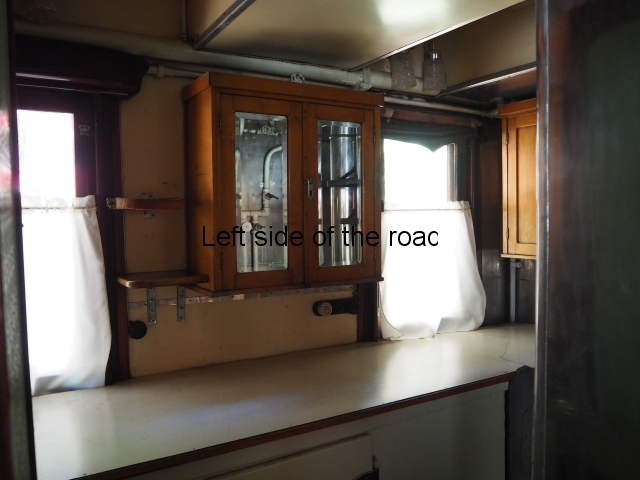
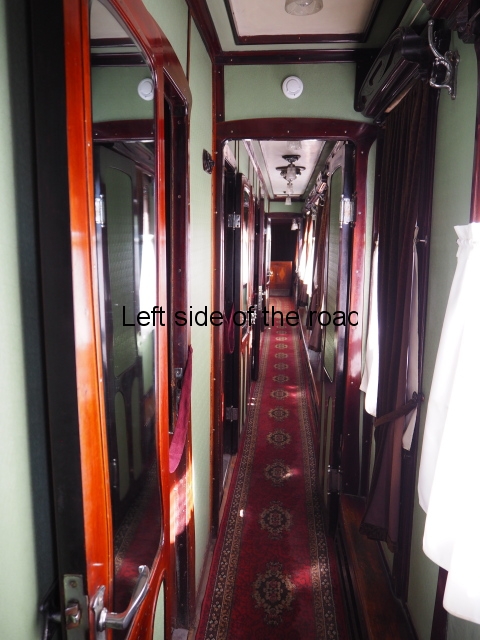
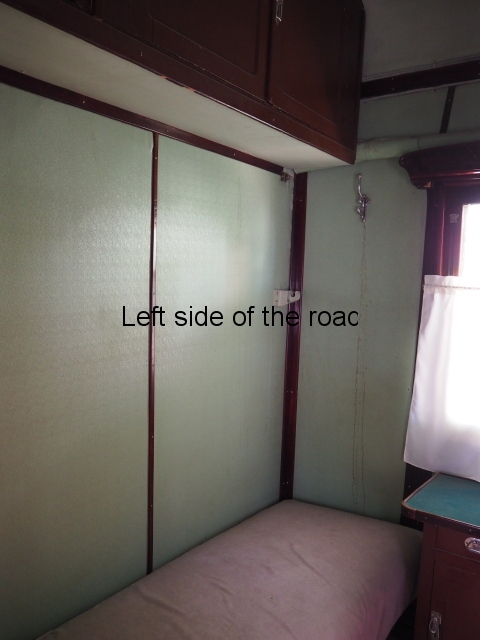
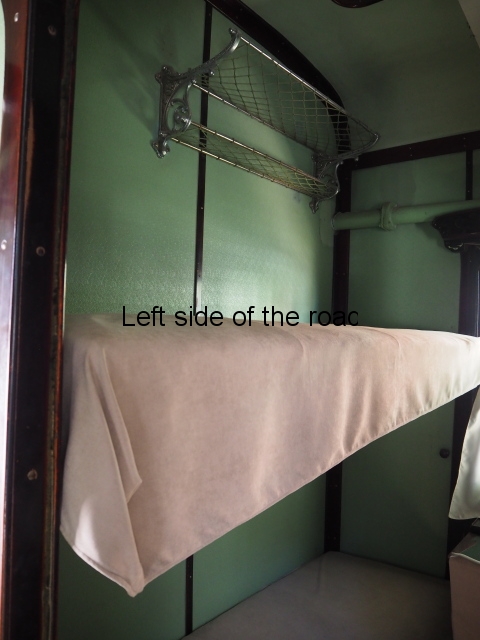
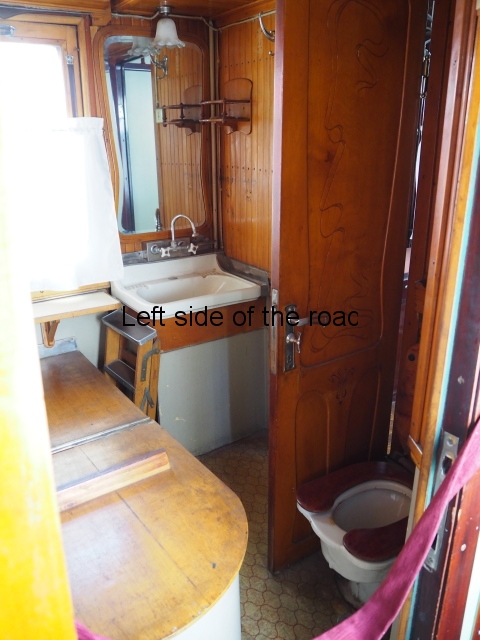
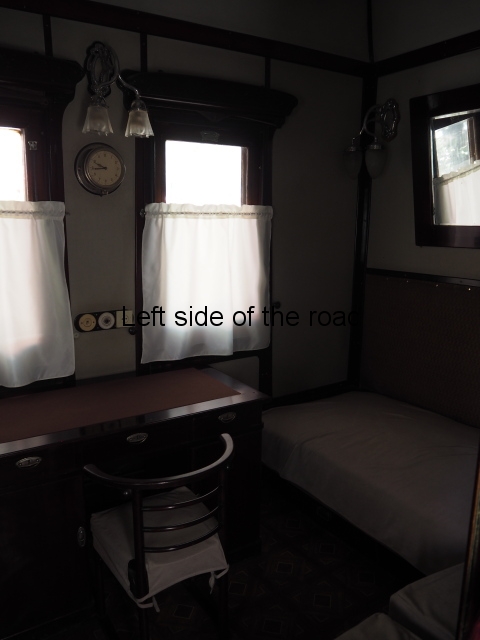
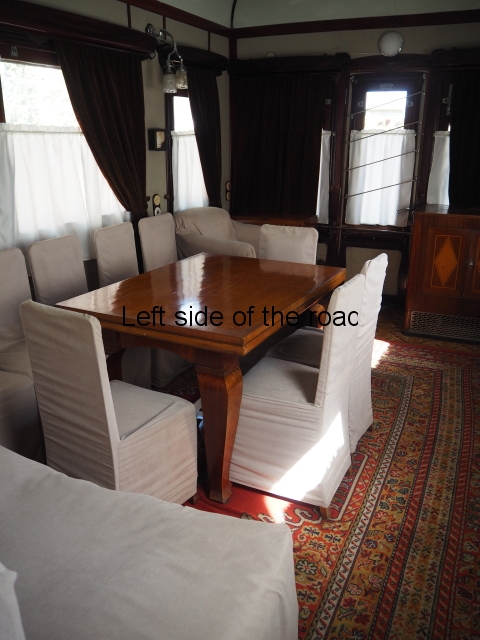
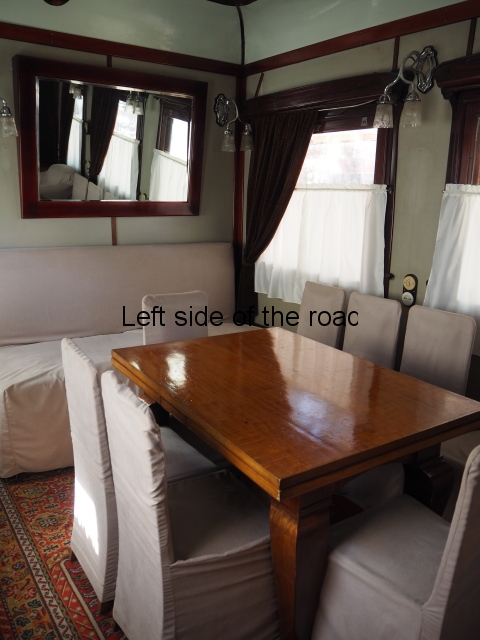
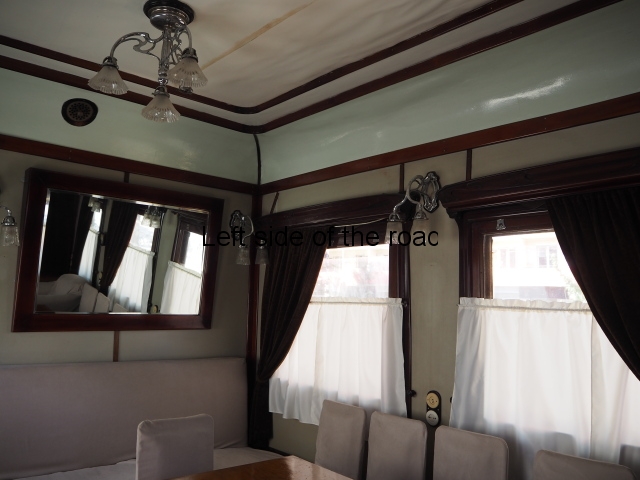
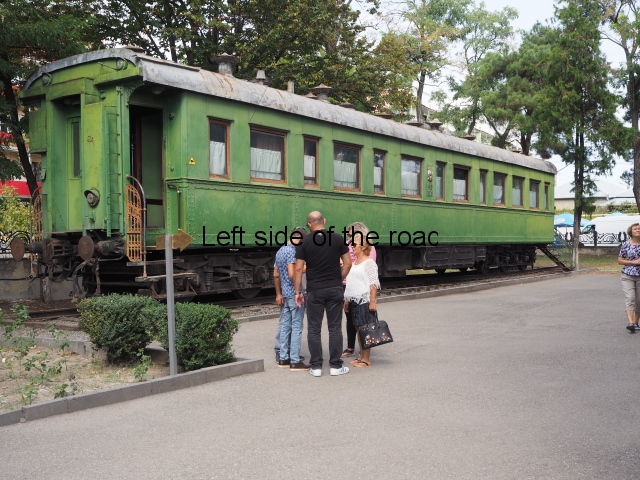
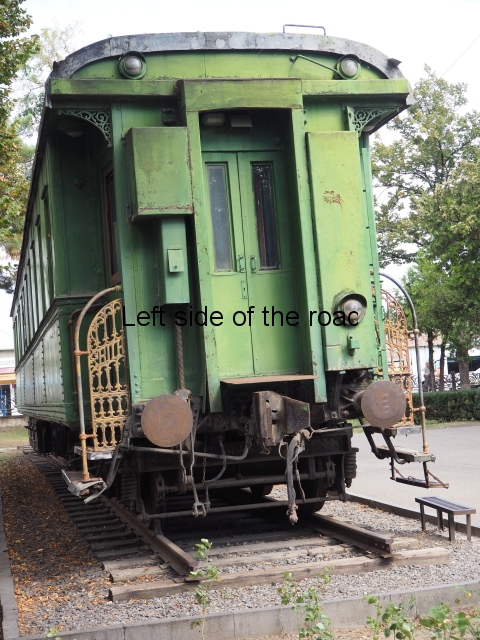
Outside the museum, to the left of the building, is Stalin’s armoured carriage. He didn’t like to fly and travelled to the major conferences with the US and UK ‘allies’ at Tehran, Yalta and Potsdam in this carriage. This can be visited as part of the general ticket to visit the museum.

Stalin's Birthplace, Gori

Stalin’s Birthplace, Gori

Stalin’s Birthplace

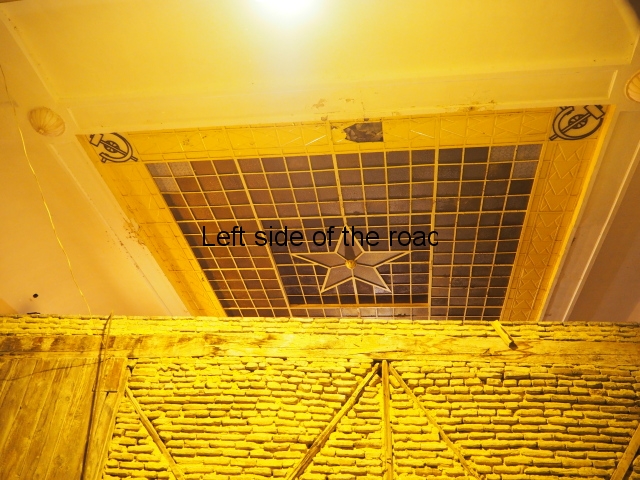
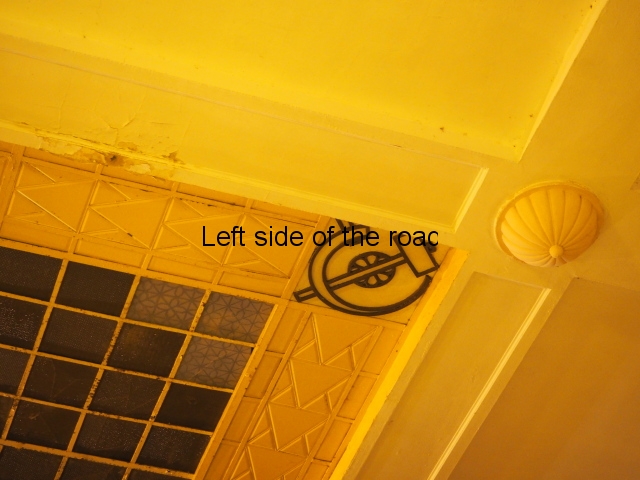
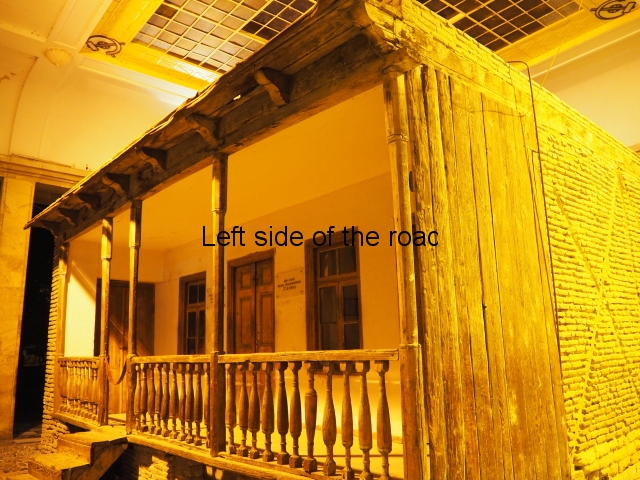
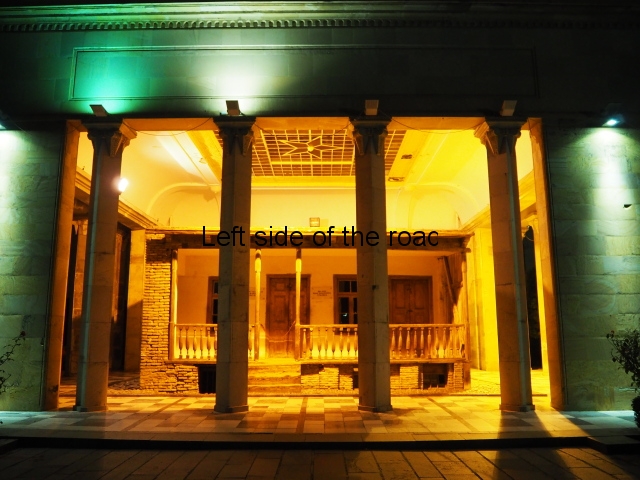
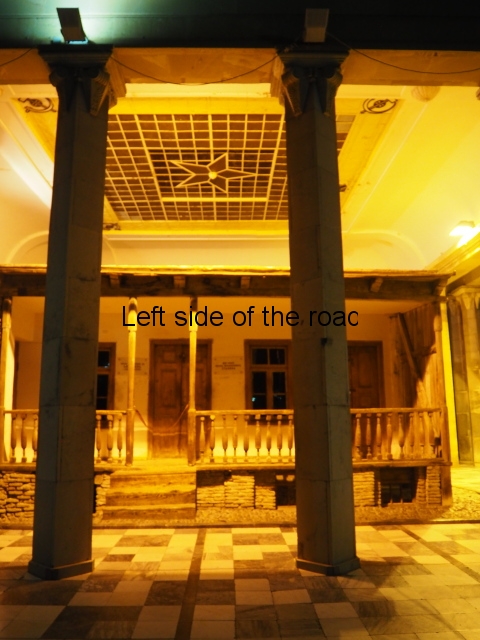
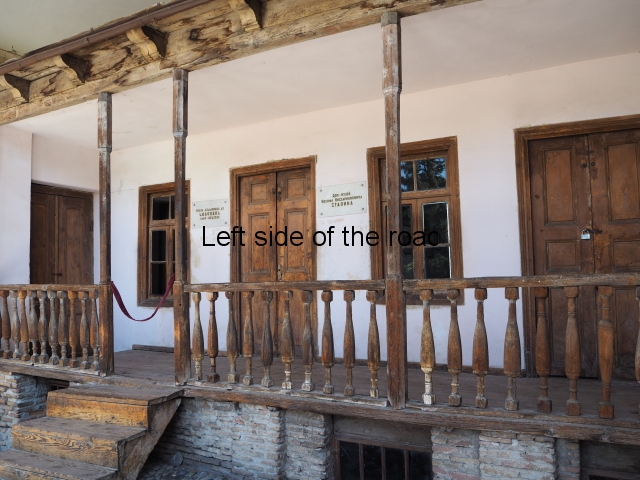
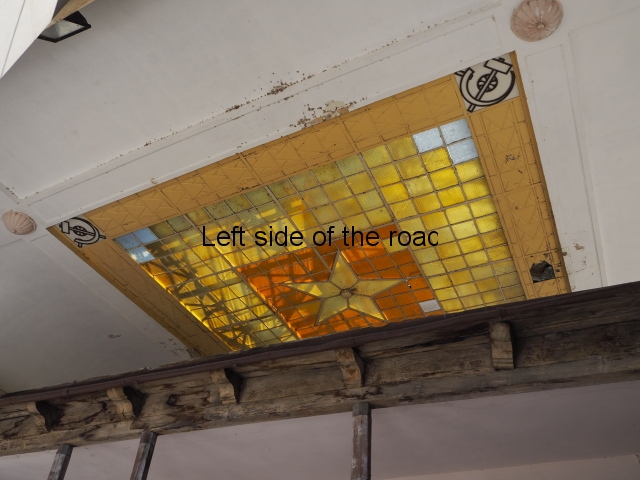
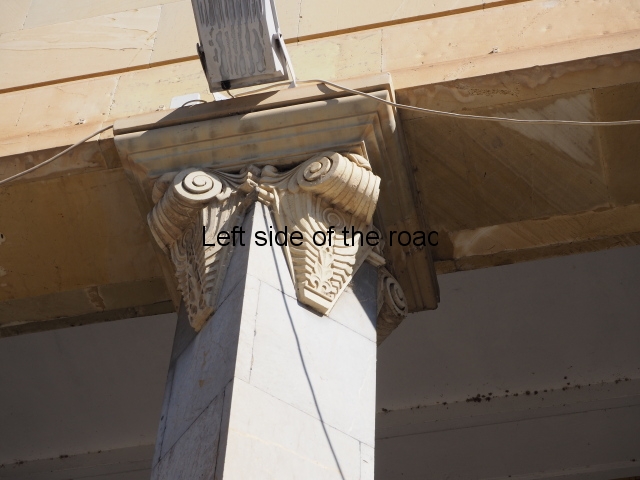
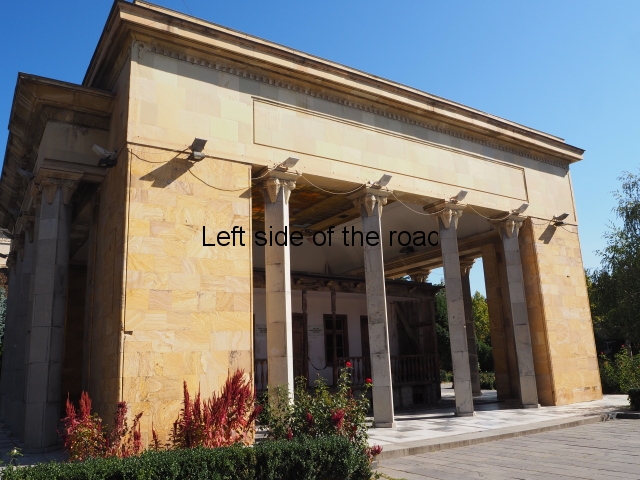
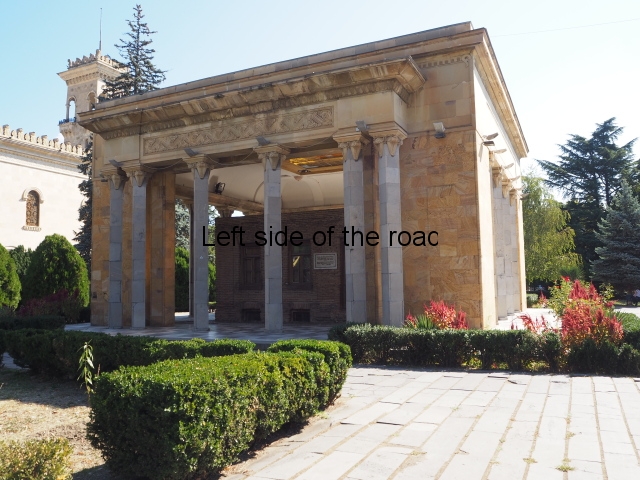
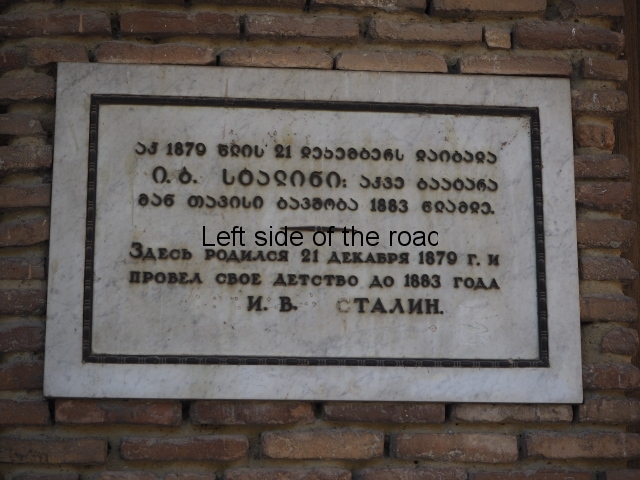
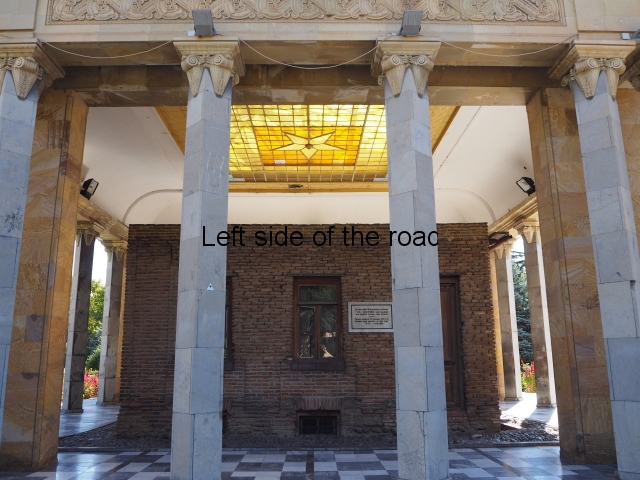
The humble building in which Stalin was born is almost unrecognisable now. Although restored to an almost new condition the two room building – of which on the tour you only see one – has been surrounded by a grand and almost temple like Doric structure. This is topped by a glass dome on which is a magnificent star and in each corner there’s a hammer and sickle symbol. This was erected in 1939. This is lit up at night and looks quite impressive with the various light temperatures, giving off a golden and green glow at the same time.

Related;

Rediscovered statues of Joseph Stalin

The Great Patriotic War Museum and War Memorial

Practicalities

Location

The Museum, Stalin’s Birthplace and the railway carriage take up what is the top of an inverted triangle of Stalin Park, with Stalin Avenue on either side and Kutaisi at the top. It’s right in the centre of town and not difficult to find.

Opening times

1st November – 1st April 10.00-17.00

2nd April – 31st October 10.00-18.00

Closed 1st January and Easter Sunday

Entrance

Visit of exhibition halls, memorial house and Stalin’s Railway Carriage:

General 15 GEL

Students 10 GEL

Schoolchildren 1 GEL

Under six Free

It’s not necessary to take the tour but for that extra bit of information it’s worthwhile. Unfortunately there doesn’t seem to be any set time for the tour but English tours take place quite regularly, at least between April and October. They take about 45 minutes so if you miss a tour my suggestion is that you find out the time of the next tour, more or less, have a walk around the museum and then head back to the entrance of Room 1 at the time the next tour will be starting. The tour takes in both the train carriage and Stalin’s birthplace as well as the museum.

GPS

N 41.98683

E 44.11330

DMS

41° 59′ 12.588” N

44° 6′ 47.88” E

More on the Republic of Georgia