Moscow Metro – Teatralnaya – Line 2

Teatralnaya - Line 2 - A Savin

Teatralnaya – Line 2 – A Savin

More on the USSR

Moscow Metro – a Socialist Realist Art Gallery

Moscow Metro – Teatralnaya – Line 2

Teatralnaya - Line 2 - 01

Teatralnaya – Line 2 – 01

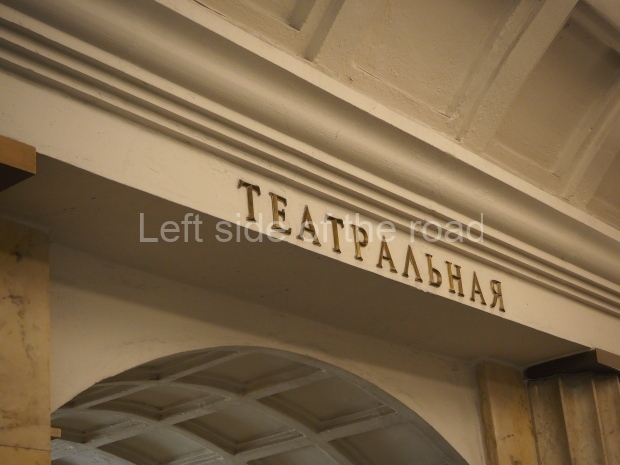
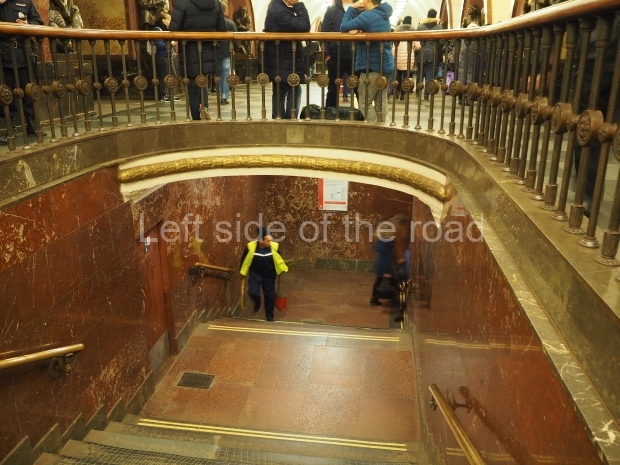
Teatralnaya (Russian: Театра́льная, English: Theater) is an underground metro station on the Zamoskvoretskaya line of the Moscow Metro, named for the nearby Teatralnaya Square, the location of numerous theatres, including the famed Bolshoi Theatre. The station is unique in that it does not have its own entrance halls. The north escalator leads to Okhotniy Ryad and the south escalator to Ploshchad Revolyutsii.

Teatralnaya - Line 2 - 04

Teatralnaya – Line 2 – 04

History

Ploshchad Sverdlova station opened on September 11, 1938, as part of the second stage of construction of the Moscow Metro system. It was the terminal station of the Zamoskvoretskaya line until the line was extended on January 1, 1943. Teatralnaya’s architect was Ivan Fomin. The station is located at a depth of 33.9 meters (111 feet). The central hall has a diameter of 9.5 meters (31 feet), with an 8.5 meters (28 feet) lateral lining of cast-iron tubing.

From its opening until 1990, the station’s name was Ploshchad Sverdlova, which was named in honour of the prominent Bolshevik, Yakov Sverdlov. In 1990, the city changed the name of the square to Teatralnaya Ploshchad. The name of the station followed accordingly.

Teatralnaya - Line 2 - 03

Teatralnaya – Line 2 – 03

Decoration

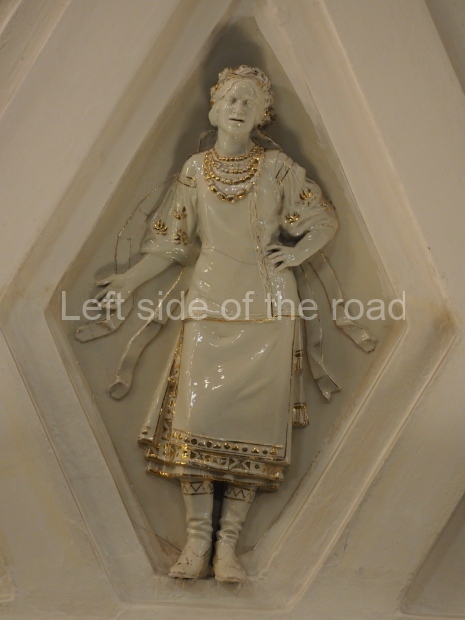
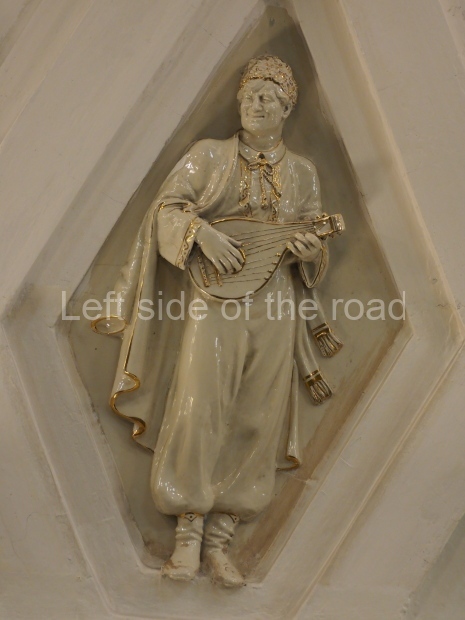
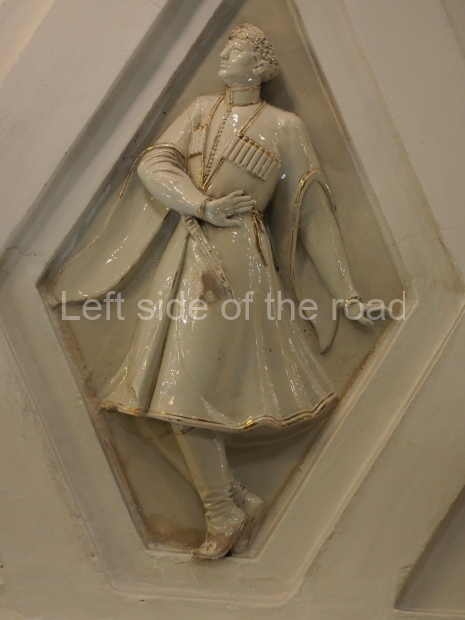
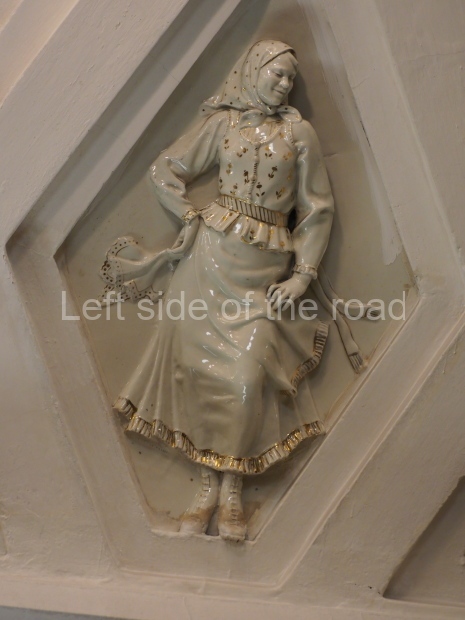
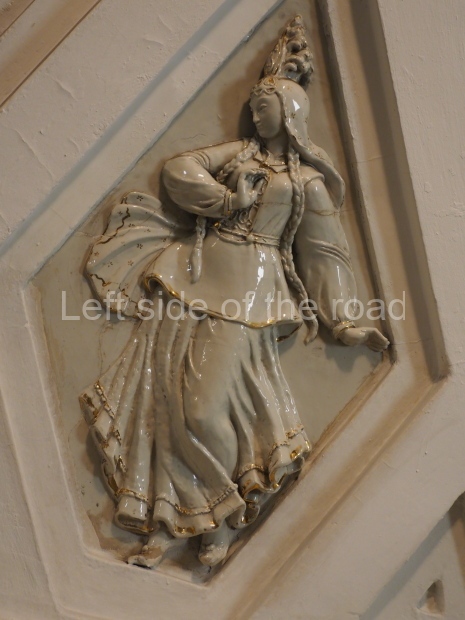
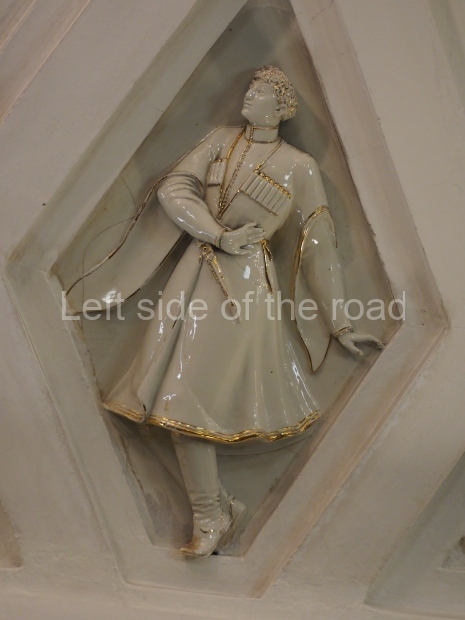
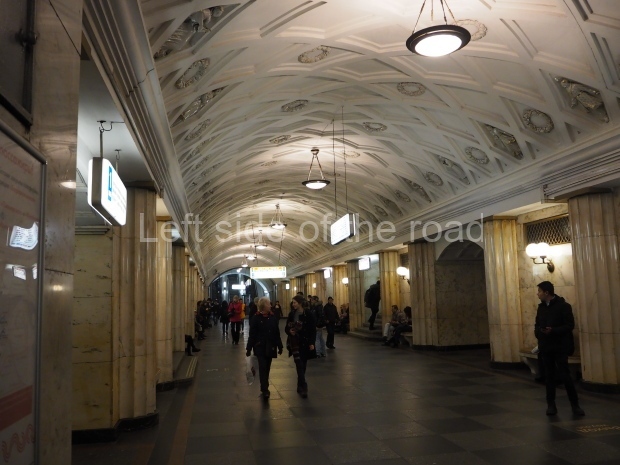
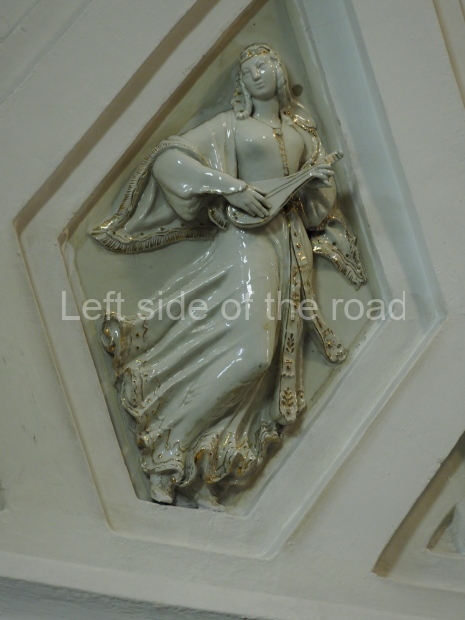
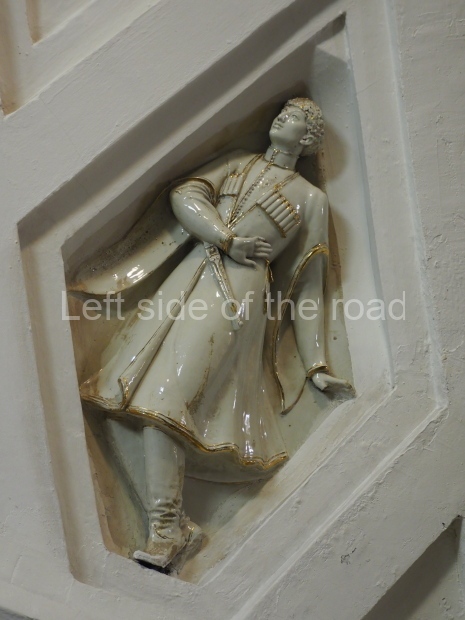
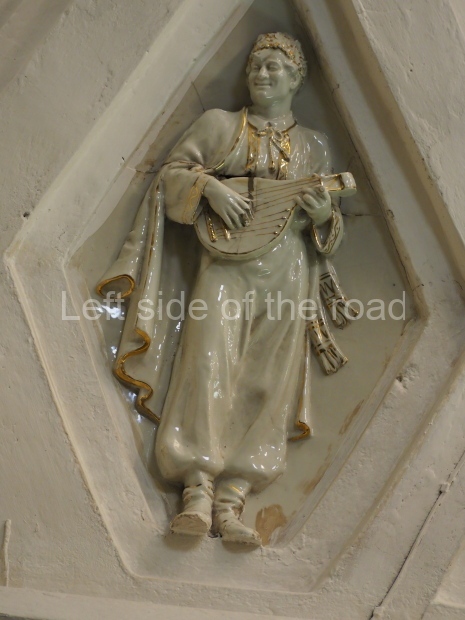
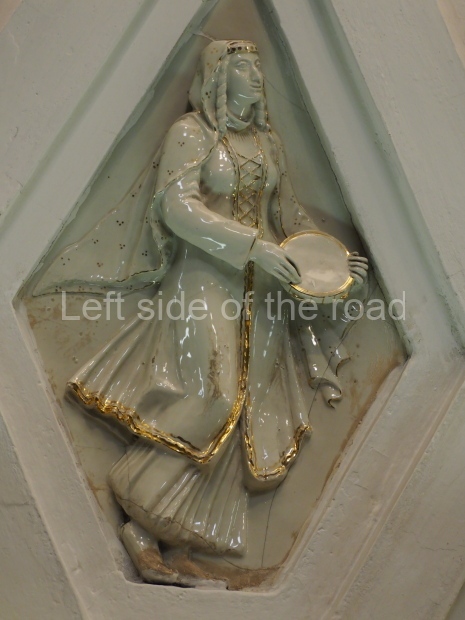
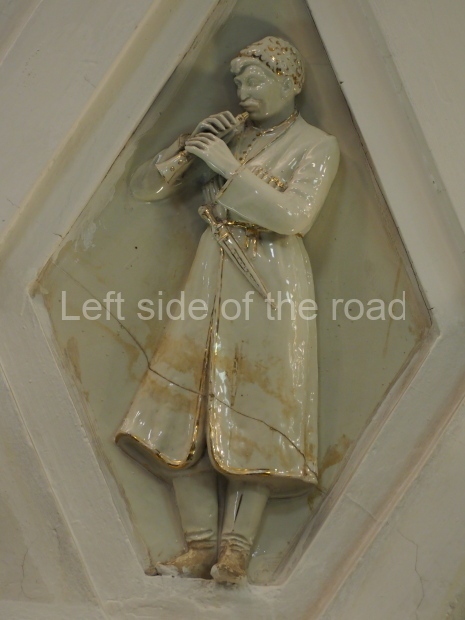
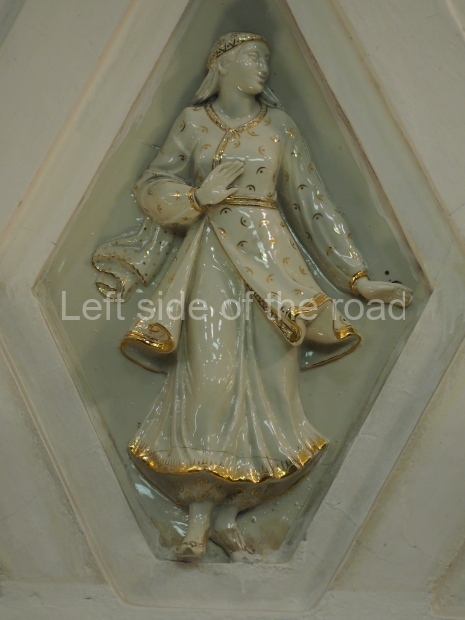
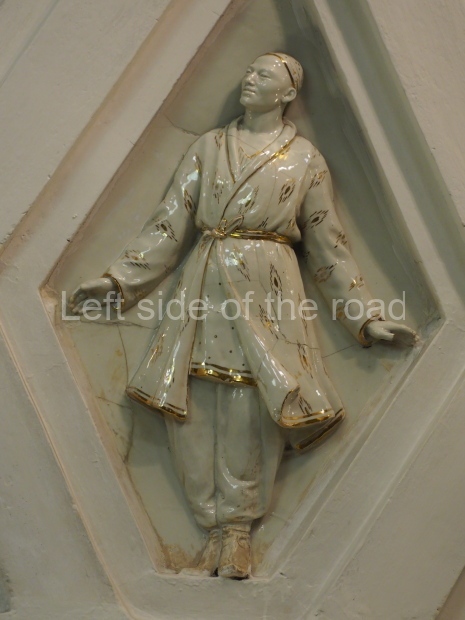
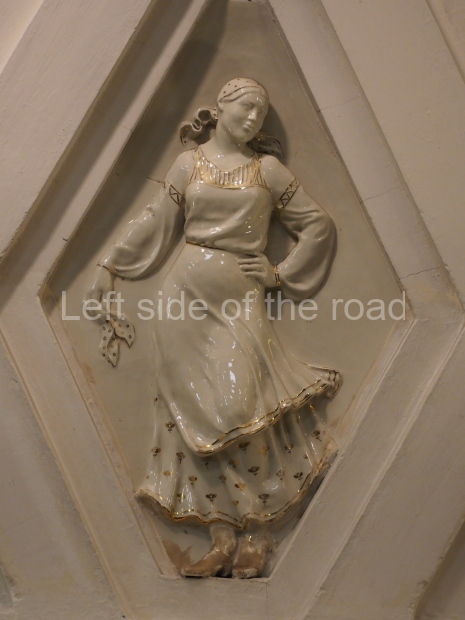
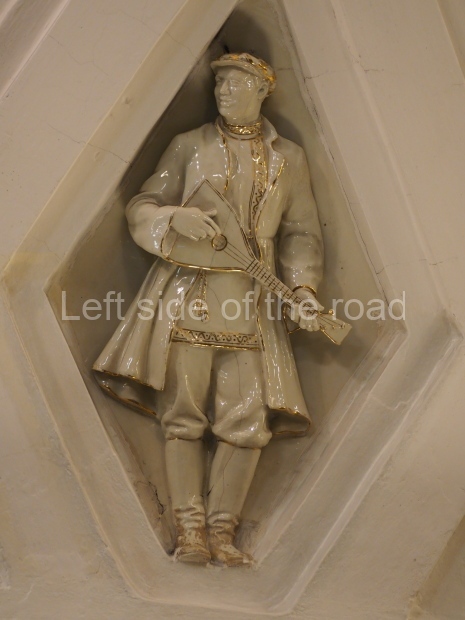
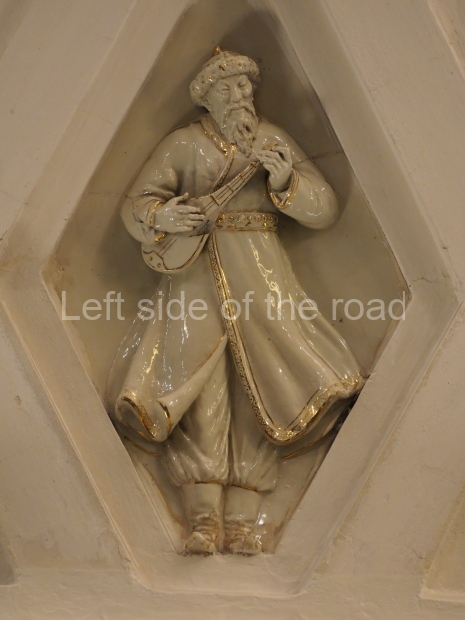
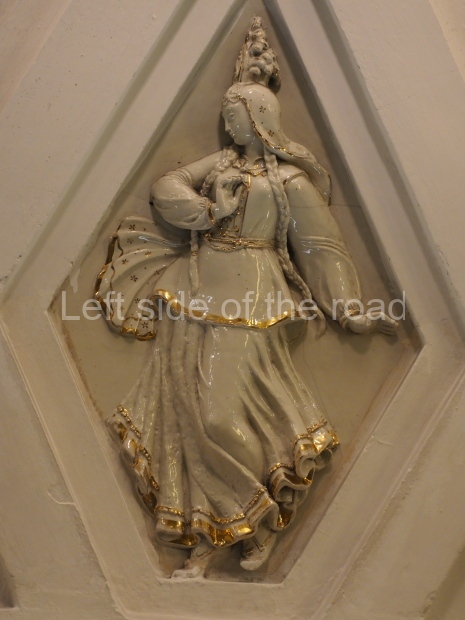
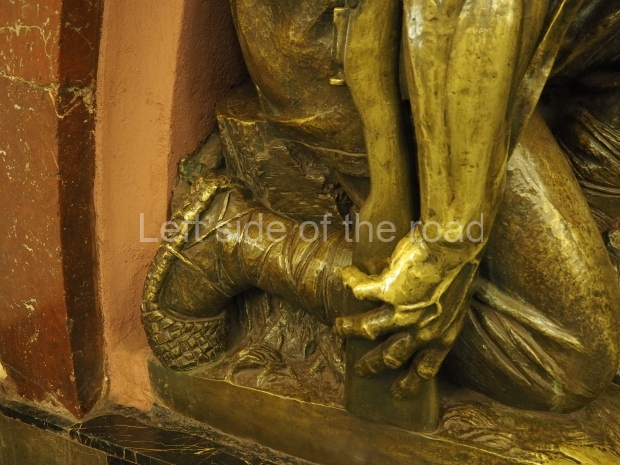
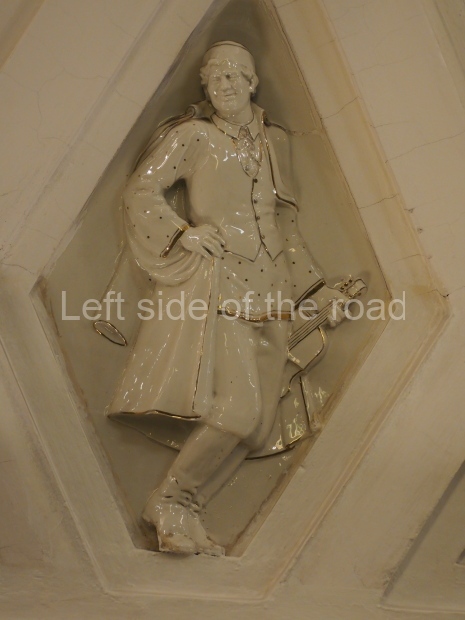
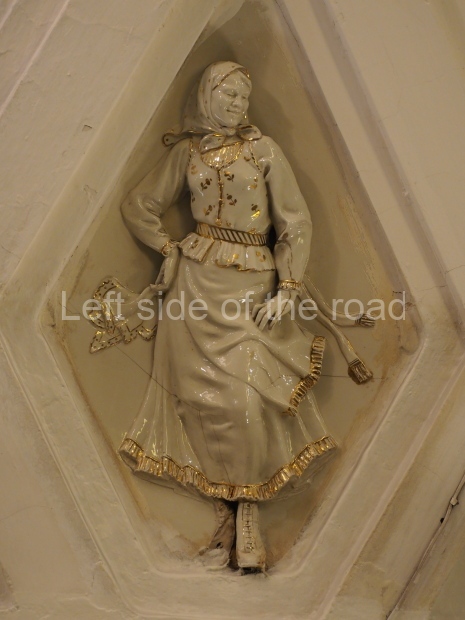
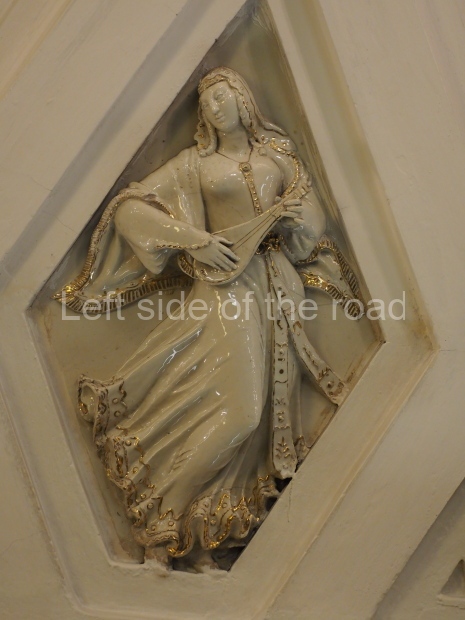
Teatralnaya Station has fluted pylons faced with labradorite and white marble taken from the demolished Cathedral of Christ the Saviour. Crystal lamps in bronze frames attached to the centre of the room give the central hall a festive appearance. The vault of the central hall is decorated with caissons and majolica bas-reliefs by Natyla Danko on the theme of theatre arts of the USSR, manufactured by Leningrad Porcelain Factory. These bas-reliefs are a series of fourteen different figures, each representing music and dance from various nationalities of the Soviet Union. Seven male and seven female figures attired in their national costumes are either performing an ethnic dance or are playing a distinctively ethnic musical instrument. The series included Armenia, Byelorussia, Georgia, Kazakhstan, Russia, Ukraine and Uzbekistan. Each figure is reproduced four times for a total of 56 figures. Initially, the floor was of black-and-yellow granite patterned as a chessboard; however in 1970, the yellow panels were replaced with gray.

Teatralnaya - Line 2 - 02

OLYMPUS DIGITAL CAMERA

A bust of Yakov Sverdlov, for whom the station was originally named, was located at the end of the platform opposite the escalators. Only the base remains today. A bust of Vladimir Lenin was however, preserved.

Text above from Wikipedia.

Teatralnaya

Date of opening;

11th September 1938, known as Ploshchad Sverdlova till the 5th November 1990

Construction of the station;

deep, pier, three-span

Architect of the underground part;

I. Fomin

Transition to stations Okhotny Ryad and Ploshchad Revolyutsii

The cubic pylons of Teatralnaya are faced with slightly yellowish grainy marble. The pylon edges are decorated with round broken-rib columns. Lamp-brackets with two white spherical shades are between the columns. Benches are placed at the bases of the pylons.

The vault of the very short central hall is decorated with rhomb-like coffers, while the vaults of the track tunnels are with square coffers. There are round porcelain medallions alone the base of the main vault – ‘Folk Music and Dance’ manufactured at the Leningrad Porcelain Factory by painter

Danko’s cartoons. The transit to station Okhotny Ryad begins with a bridge in the central part of hall, which ends by a small hall from which a long running-up passageway starts (built in 1945-1946). The left and right walls of the small hall have medallions with Chaikovsky’s profiles. The pediments of the bridge are adorned with bas-reliefs of pair ballet jump and ballet support. The northern exit ends in the underground entrance hall common with station Okhotny Ryad. There is a portrait of K. Marx on the wall made of red and white marble as Florentine mosaic.

Text from Moscow Metro 1935-2005, p68/9

Location:

Tverskoy District, Central Administrative Okrug

GPS:

55.7578°N

37.6190°E

Depth:

33.9 metres (111ft)

Opened:

11 September 1938

More on the USSR

Moscow Metro – a Socialist Realist Art Gallery
Moscow Metro – Ploshchad Revolyutsii – Line 3

Ploshchad Revolutsii

Ploshchad Revolutsii

More on the USSR

Moscow Metro – a Socialist Realist Art Gallery
Moscow Metro – Ploshchad Revolyutsii – Line 3

Ploshchad Revolyutsii - Line 3 - 05

Ploshchad Revolyutsii – Line 3 – 05

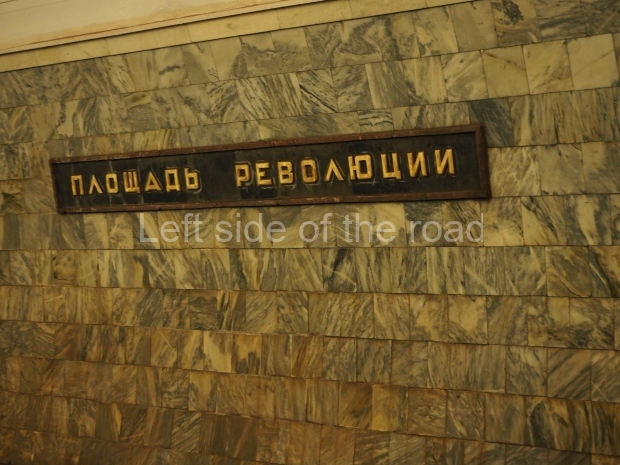
Ploshchad Revolyutsii (Пло́щадь Револю́ции) is a station on the Moscow Metro, in the Tverskoy District of central Moscow. The station is named after Revolution Square (Resurrection Square until 1918), under which it is located. It is on the Arbatsko-Pokrovskaya Line.

Ploshchad Revolyutsii - Line 3 - 01

Ploshchad Revolyutsii – Line 3 – 01

When the Arbatsko-Pokrovskaya Line was first built, the tracks from Ploshchad Revolyutsii extended westward to Aleksandrovsky Sad rather than Arbatskaya. When the westward extension of the line was completed in 1953, trains were rerouted through the new segment.

Ploshchad Revolyutsii - Line 3 - 04

Ploshchad Revolyutsii – Line 3 – 04

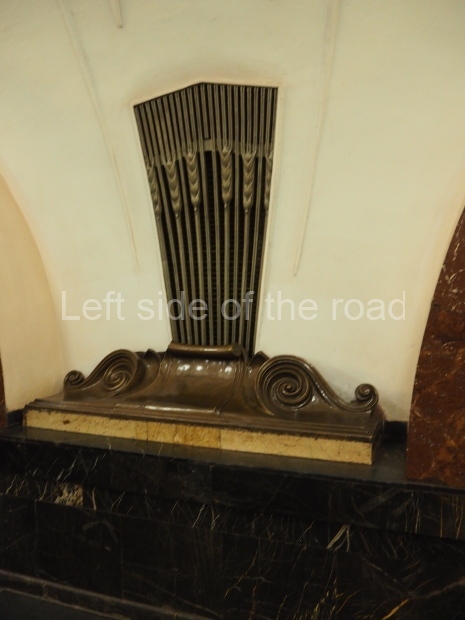
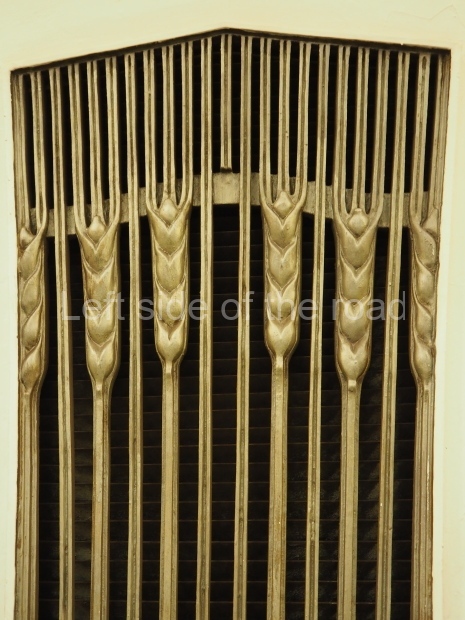
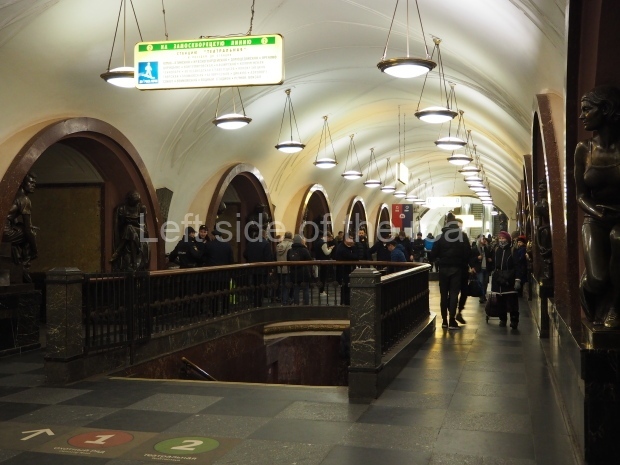
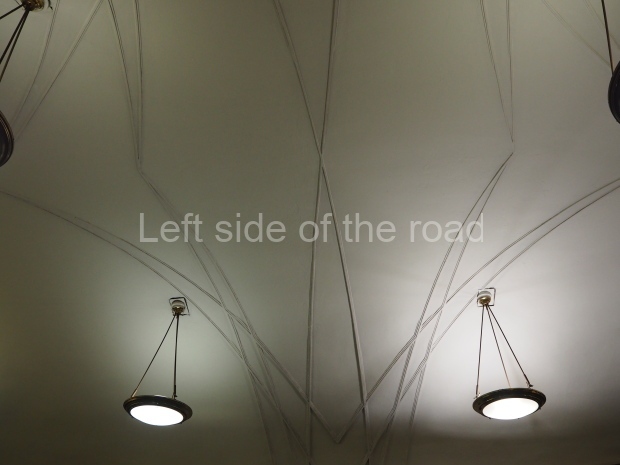
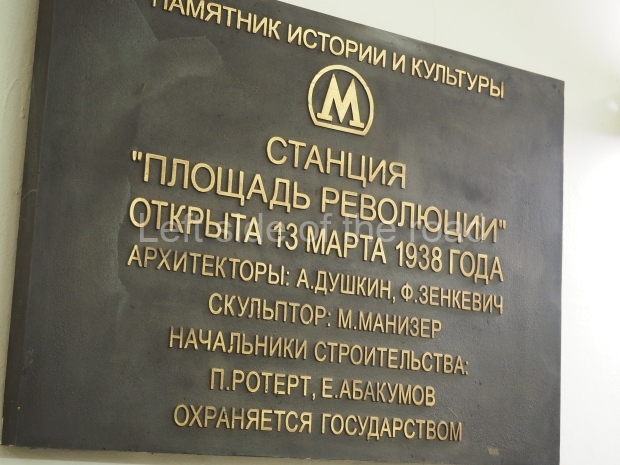
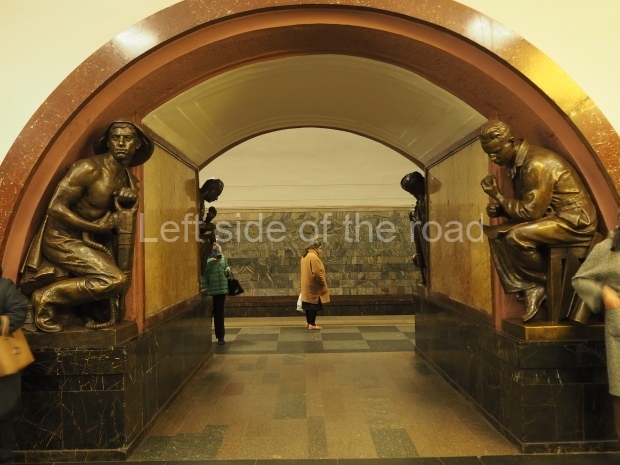
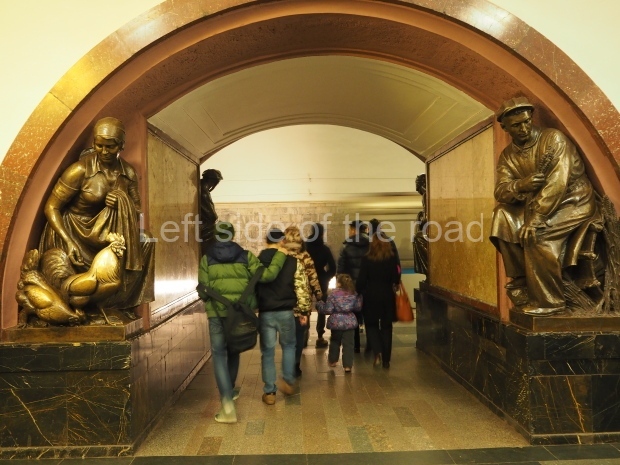
The station opened in 1938, its architect was Alexey Dushkin. The station features red and yellow marble arches resting on low pylons faced with black Armenian marble. The spaces between the arches are partially filled by decorative ventilation grilles and ceiling tracery.

Ploshchad Revolyutsii - Line 3 - 02

Ploshchad Revolyutsii – Line 3 – 02

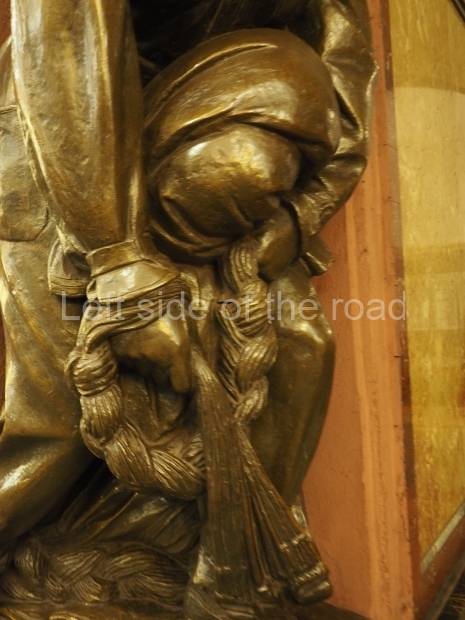
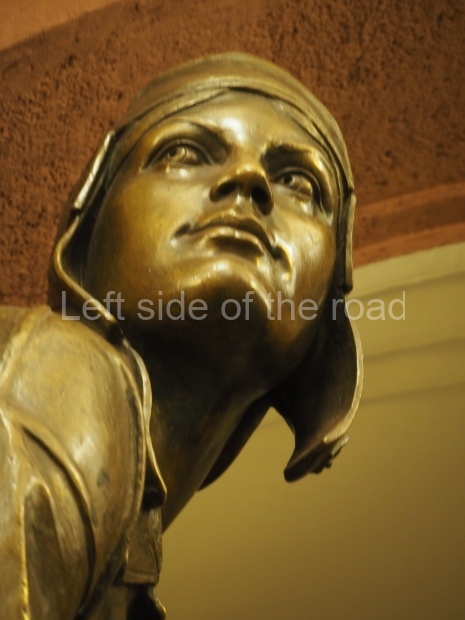
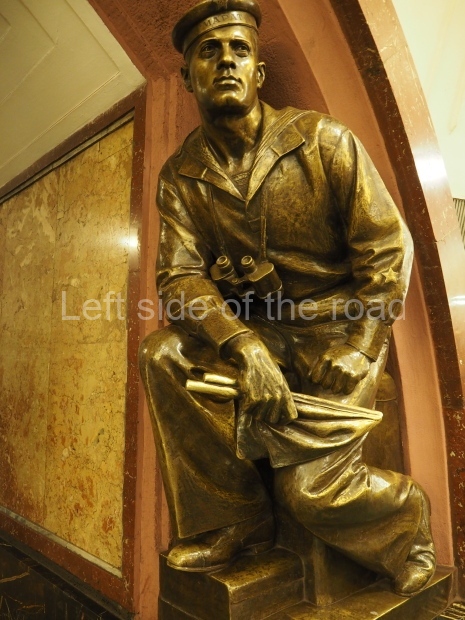
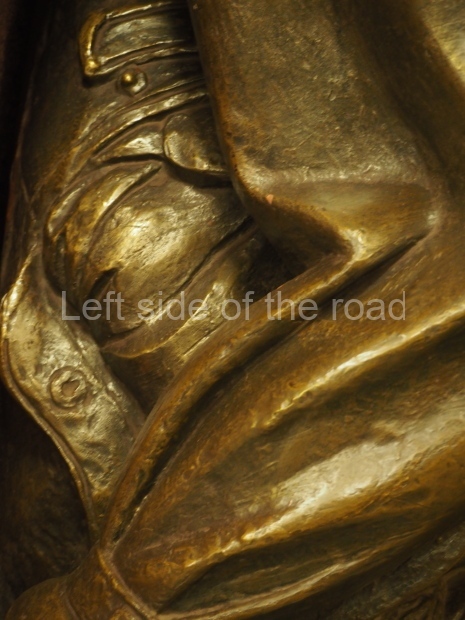
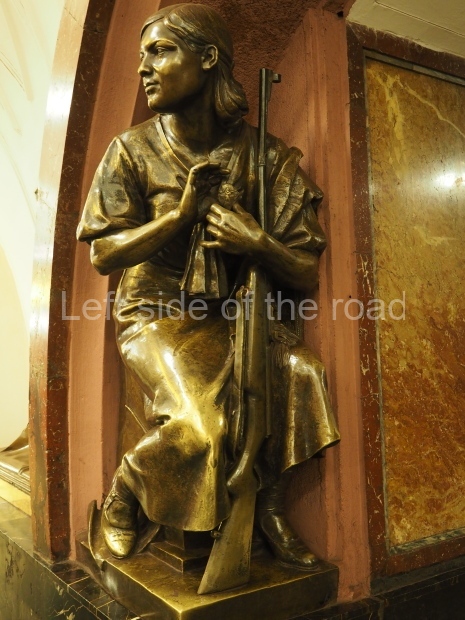
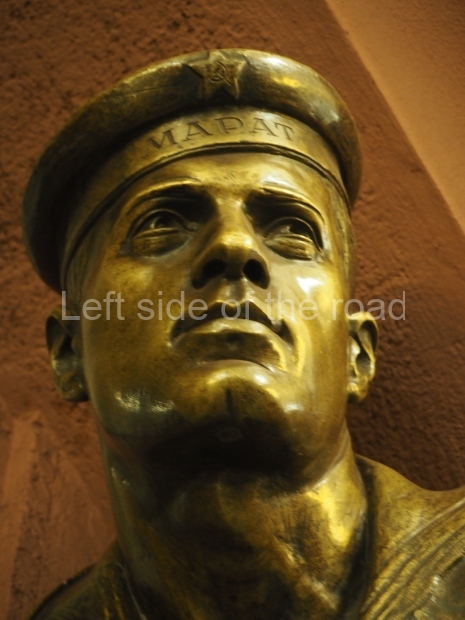
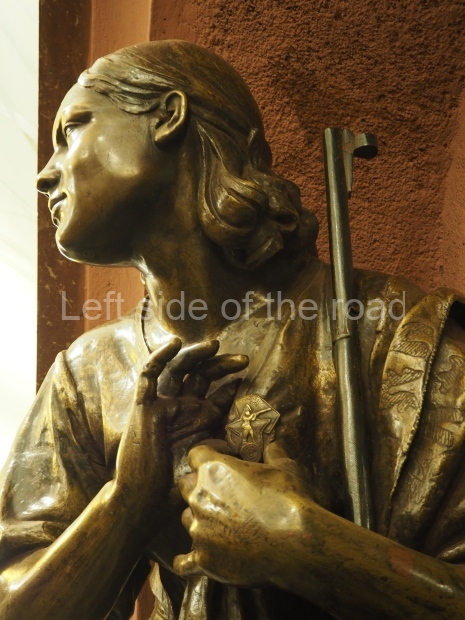
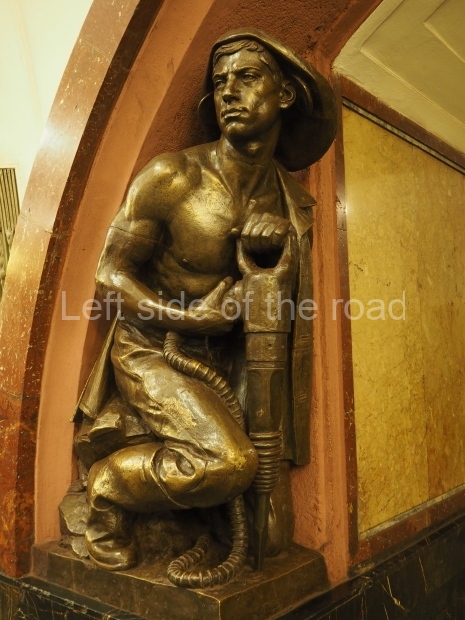
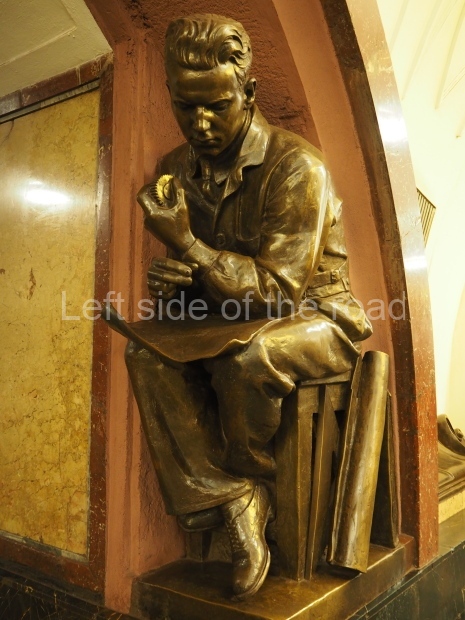
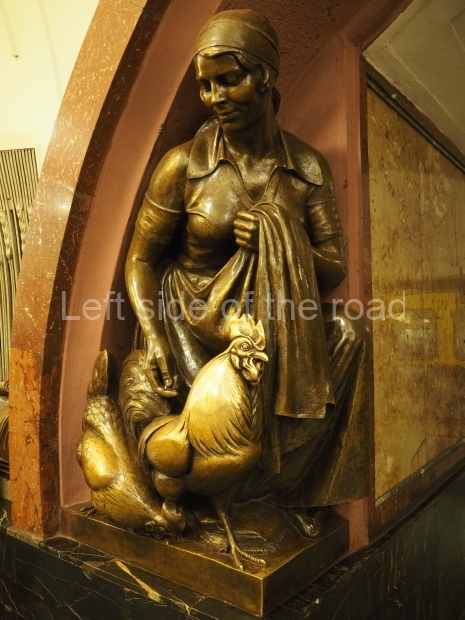
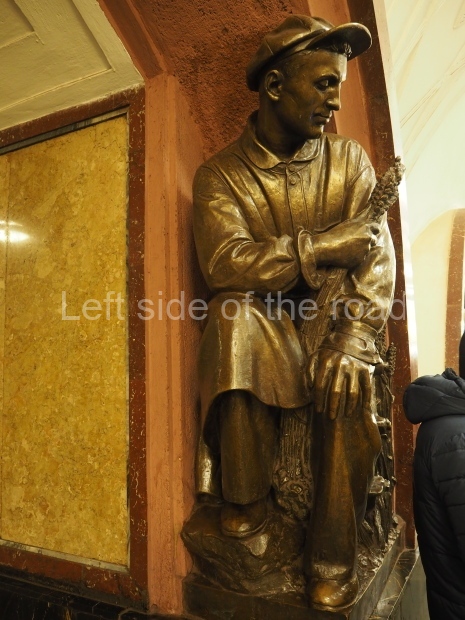
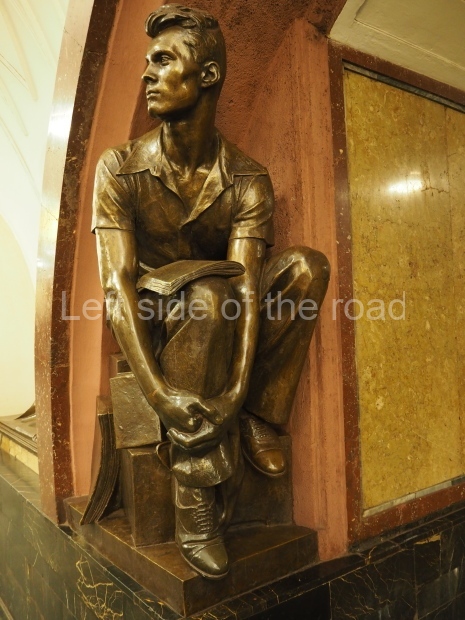
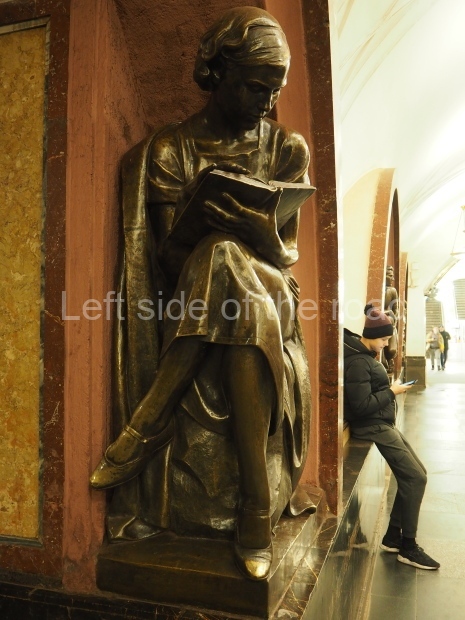
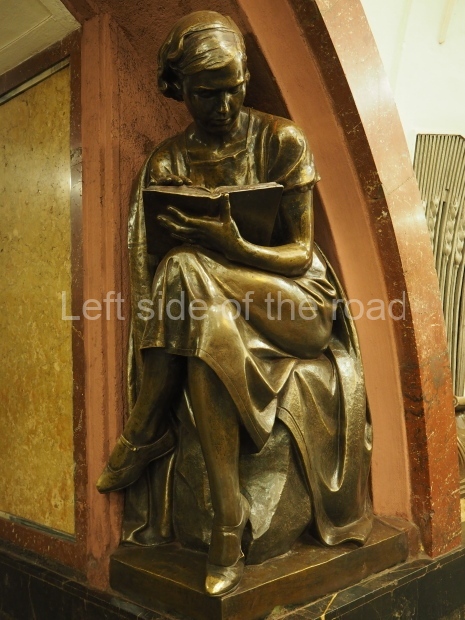
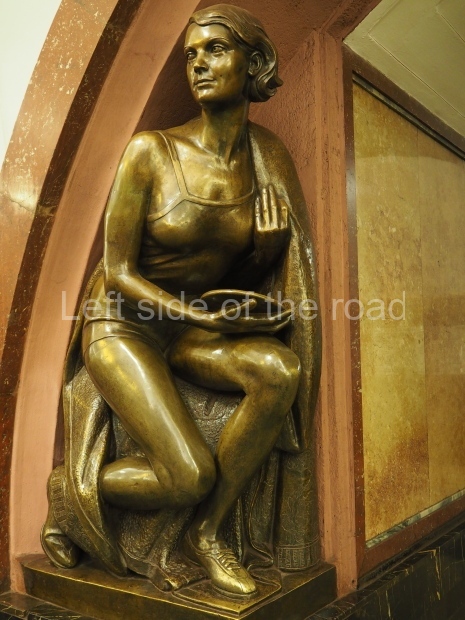
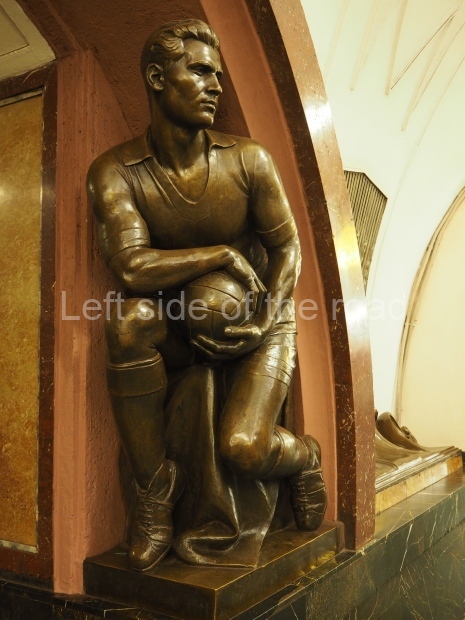
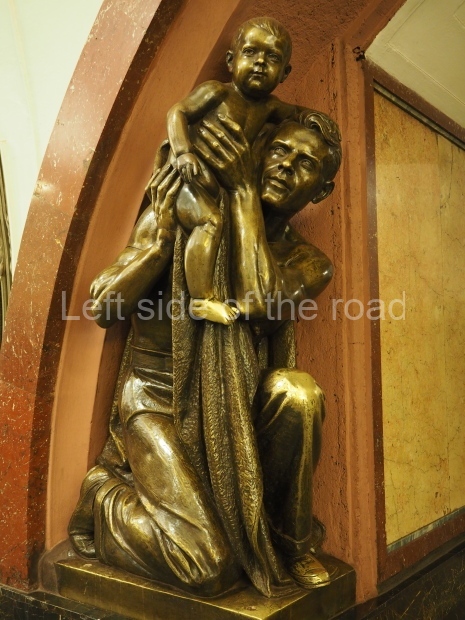
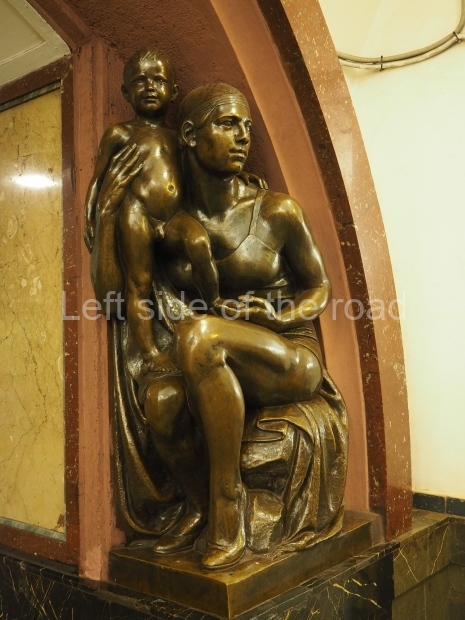
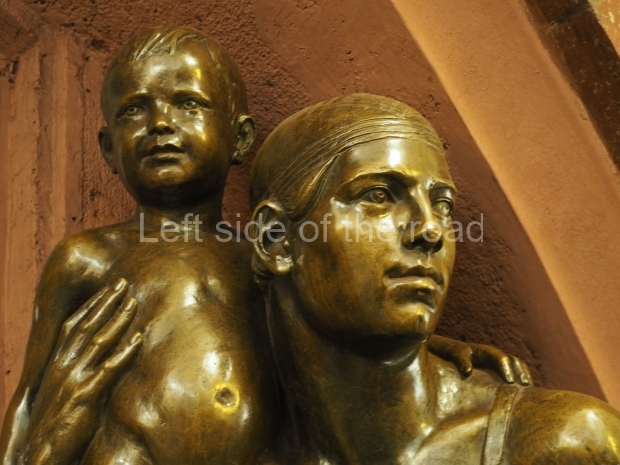
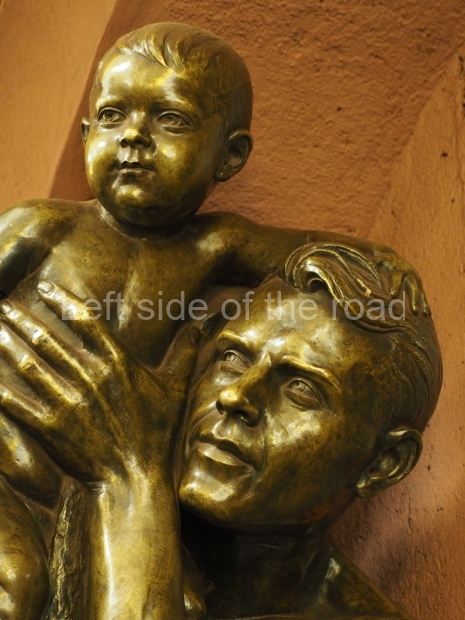
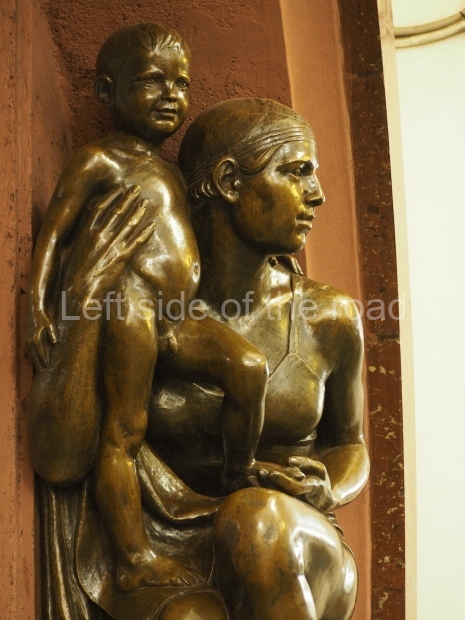
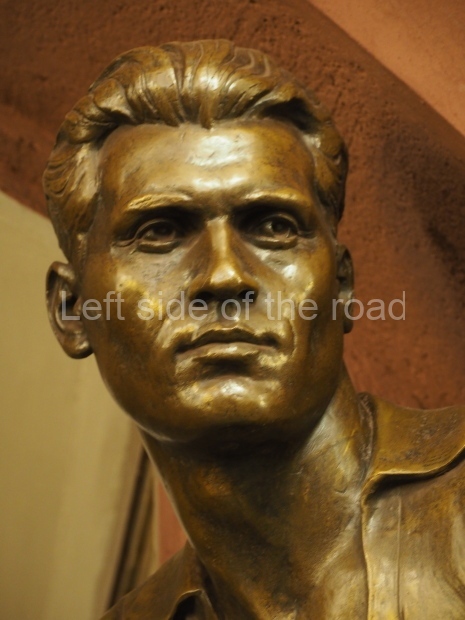
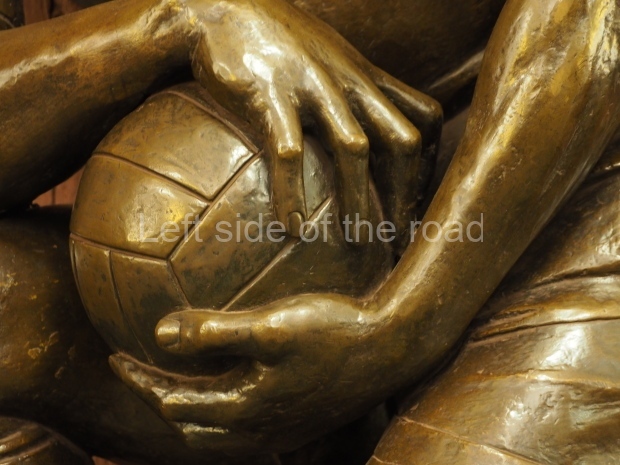
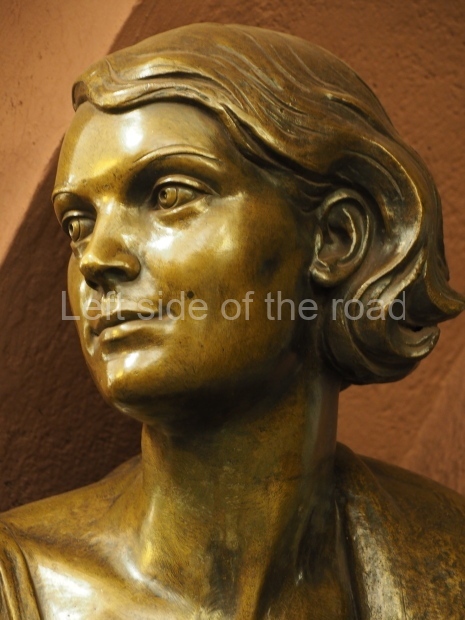
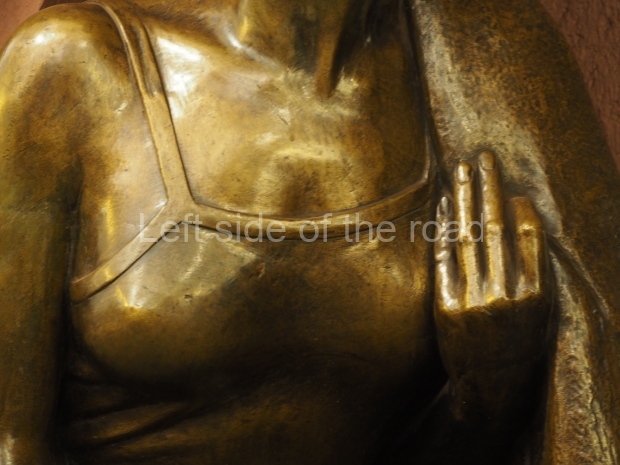
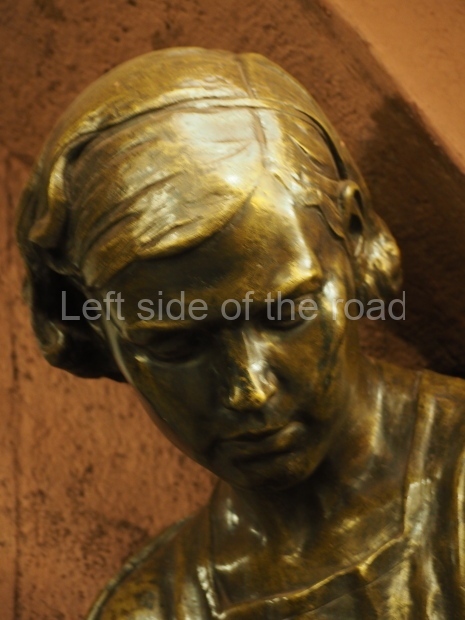
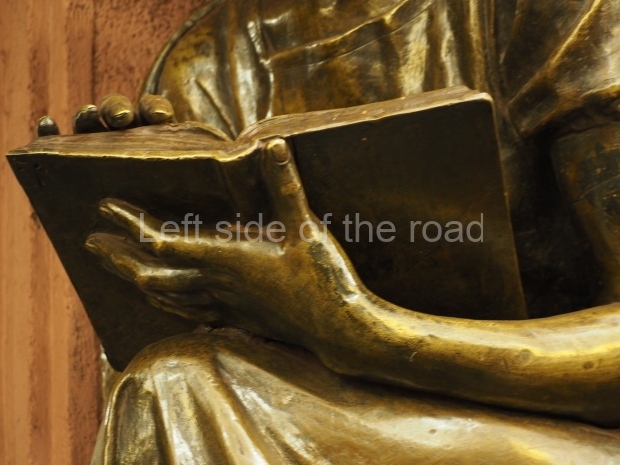
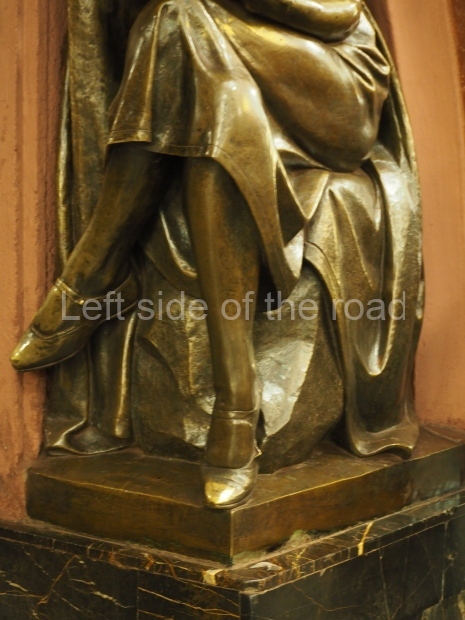
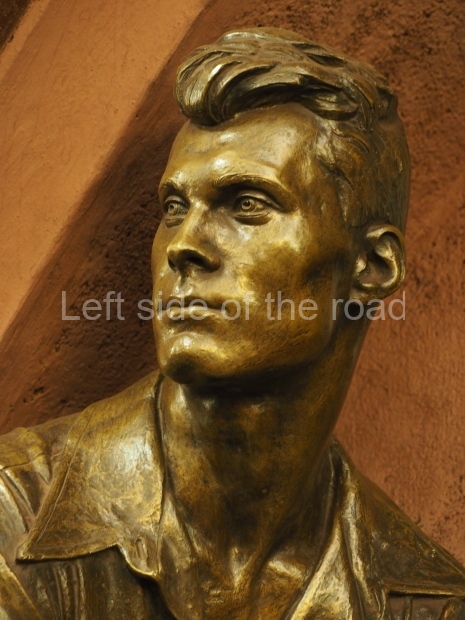
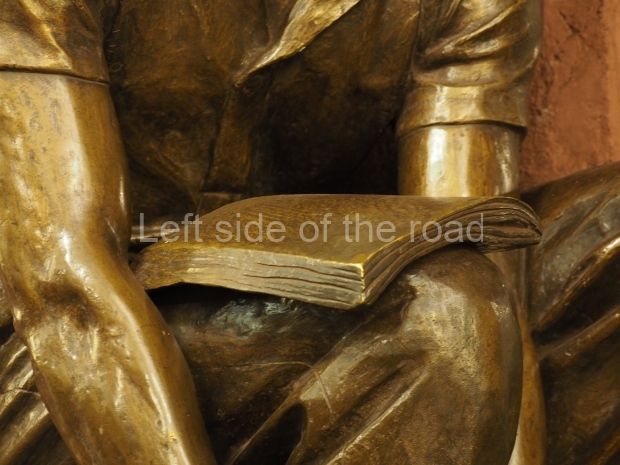
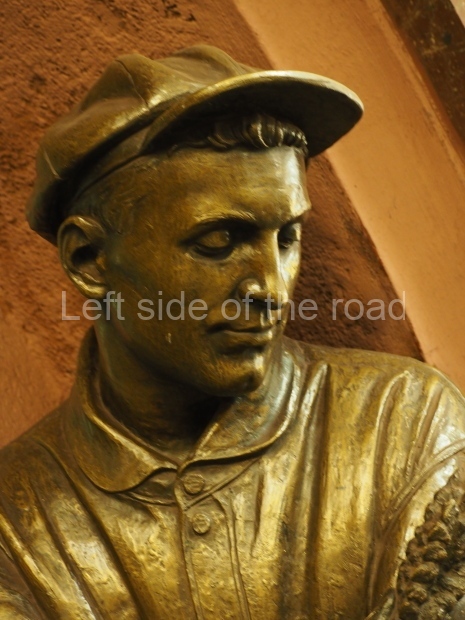
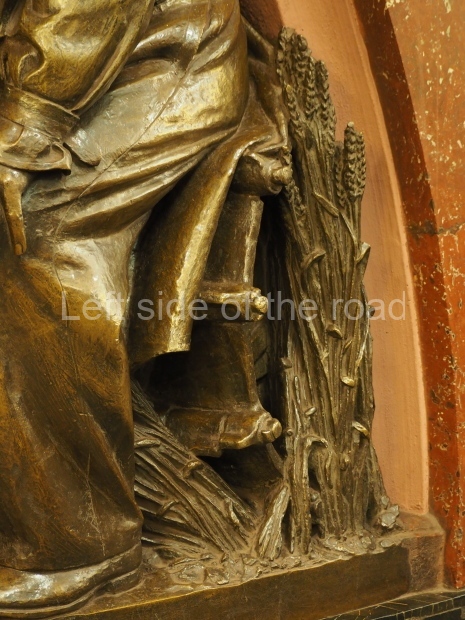
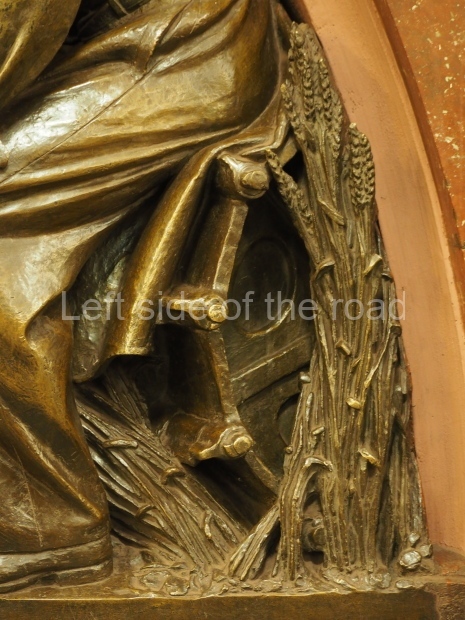
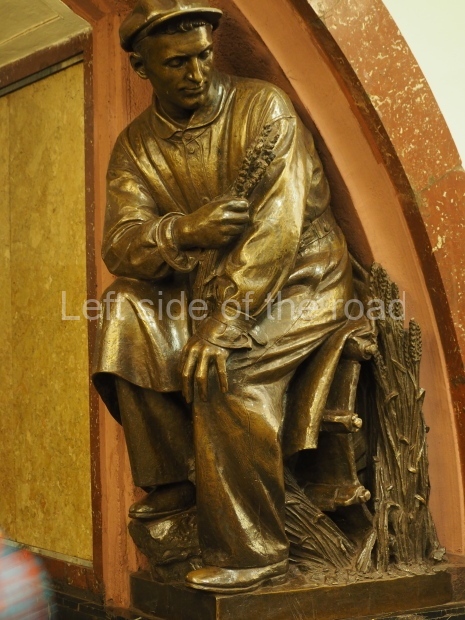
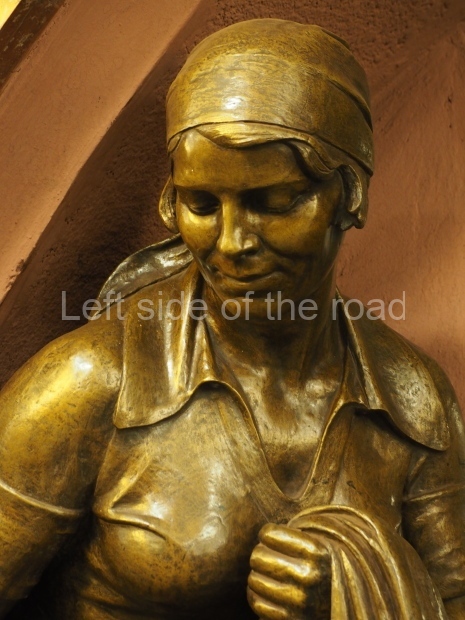
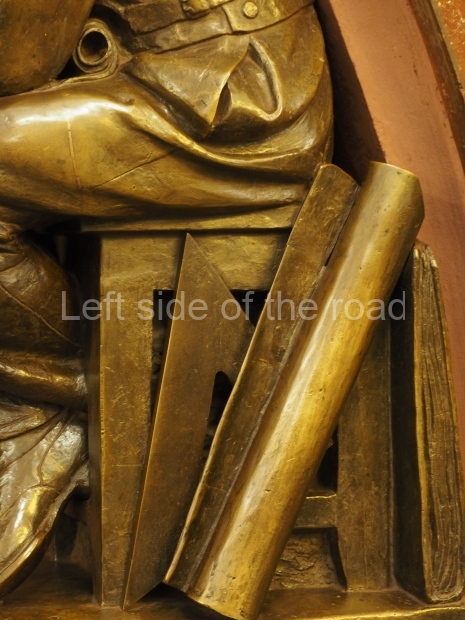
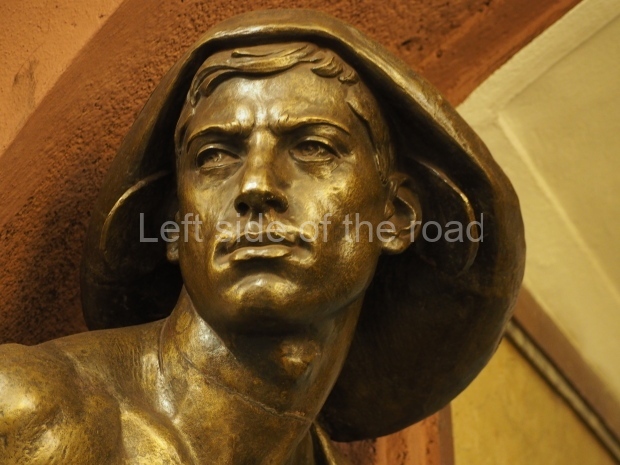
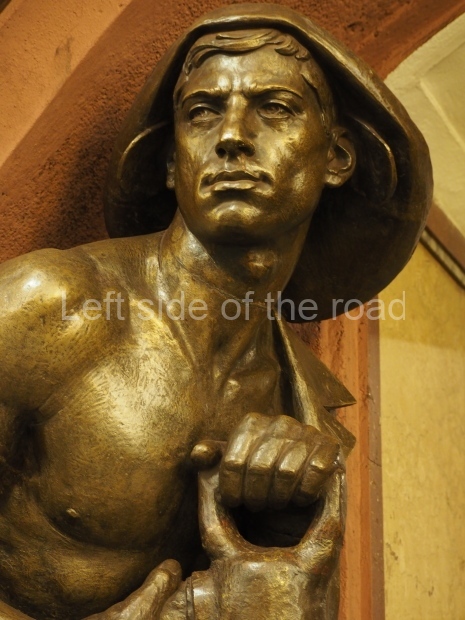
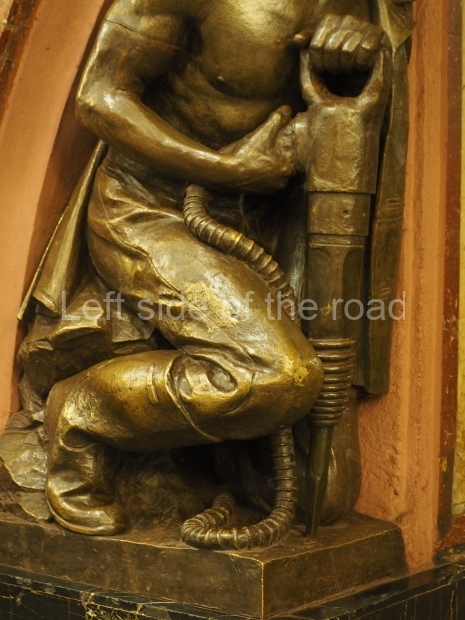
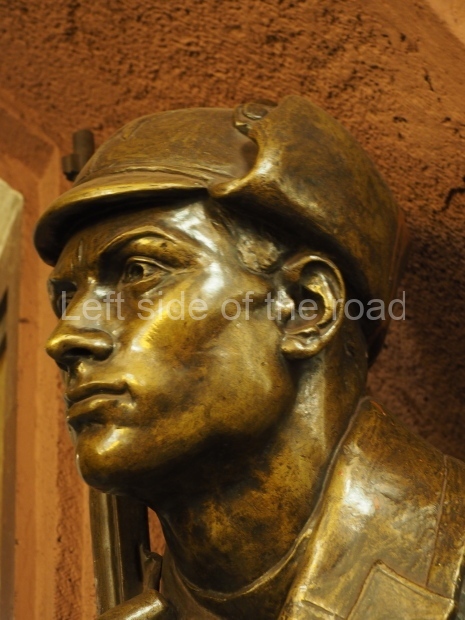
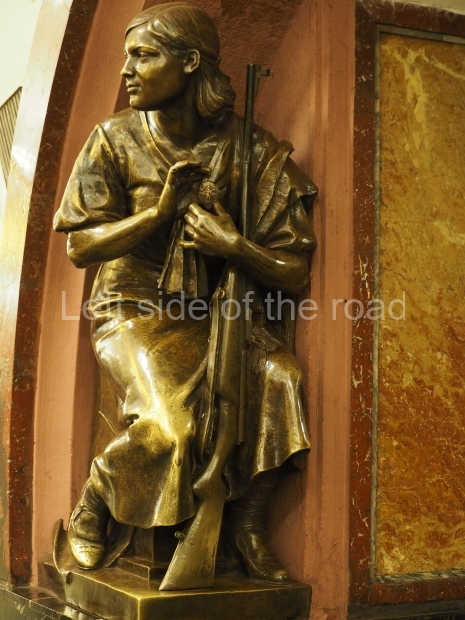
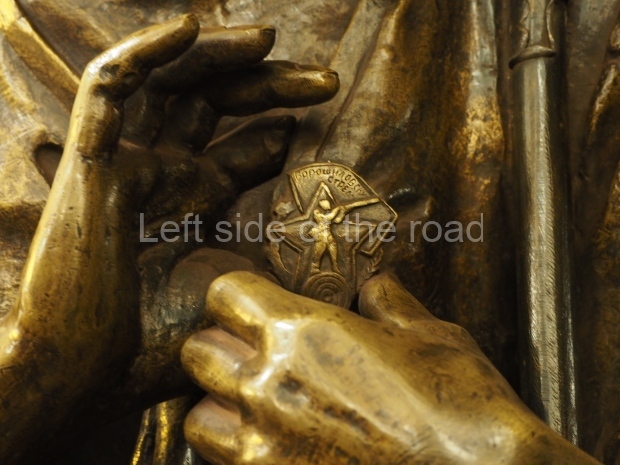
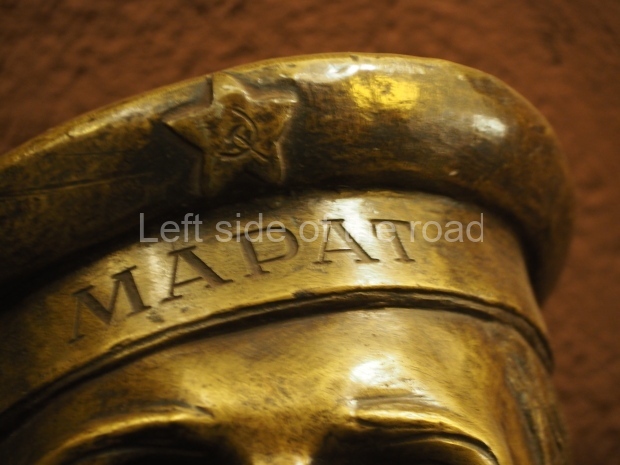
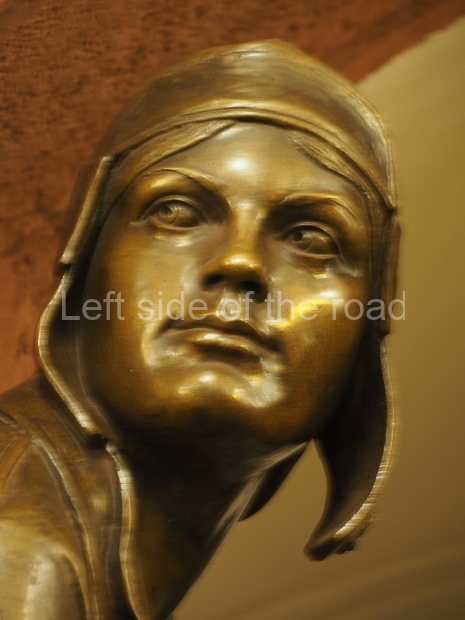
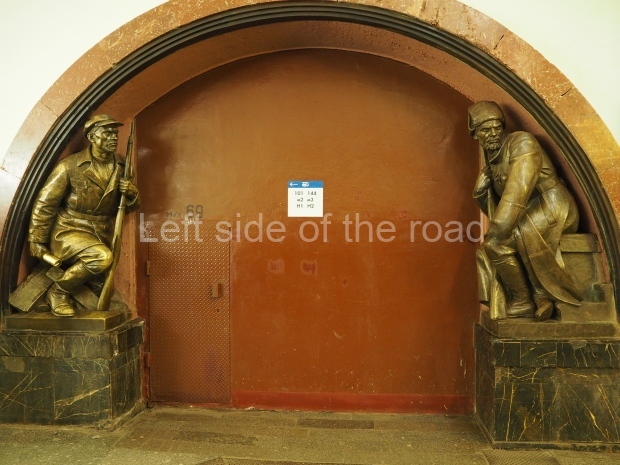
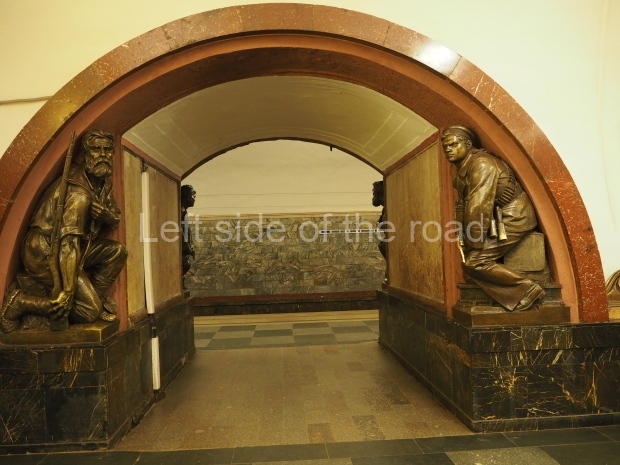
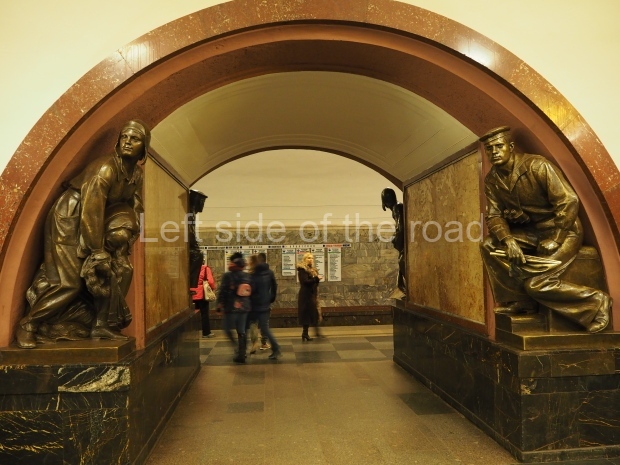
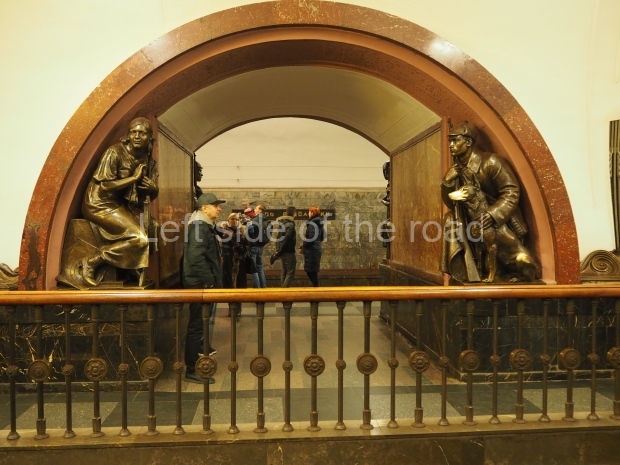
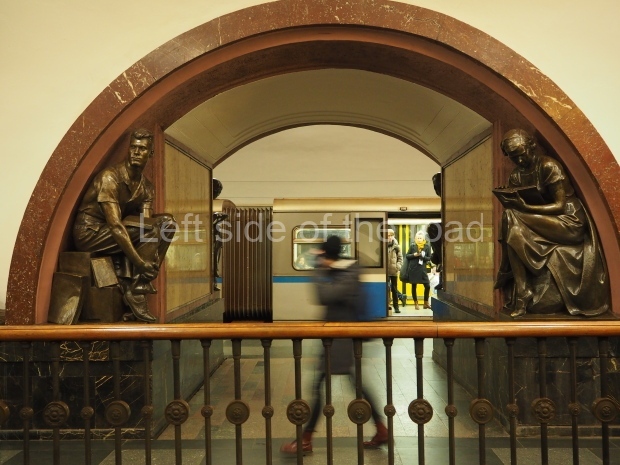
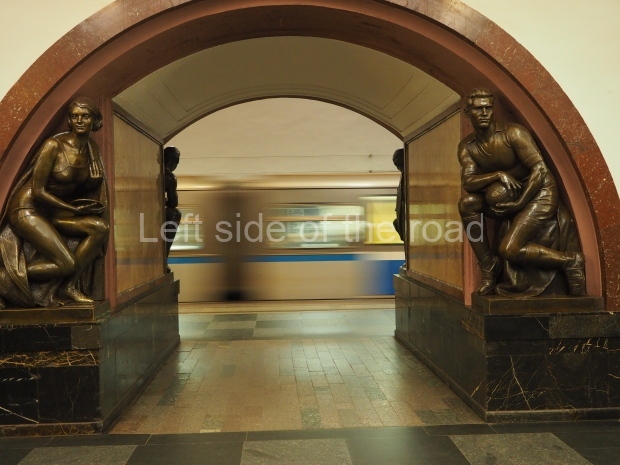
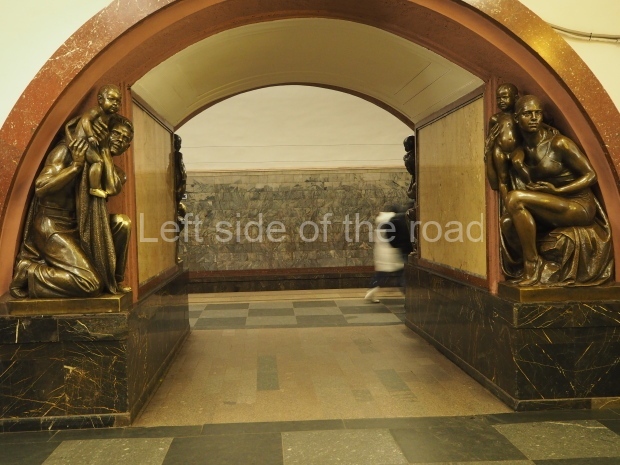
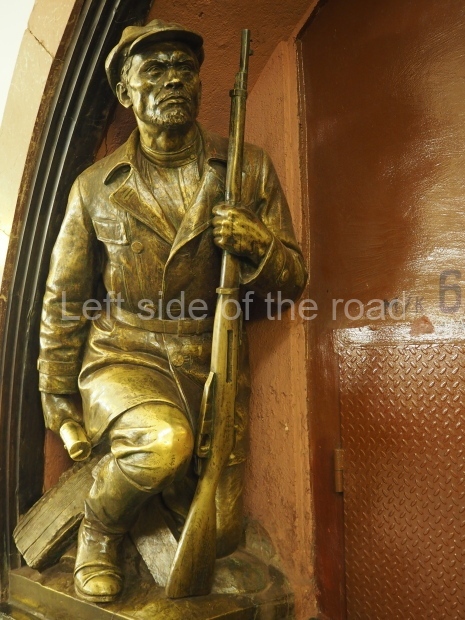
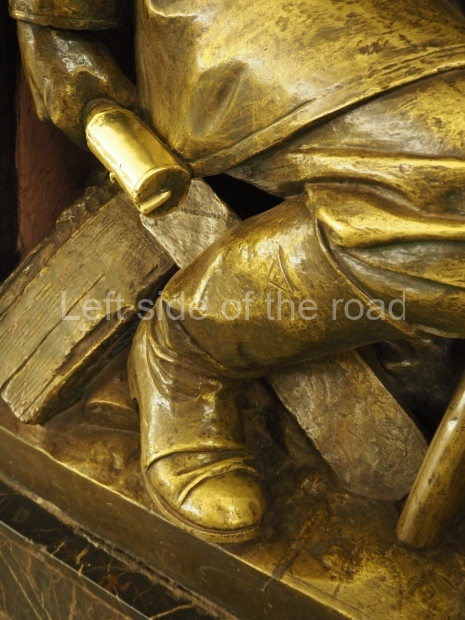
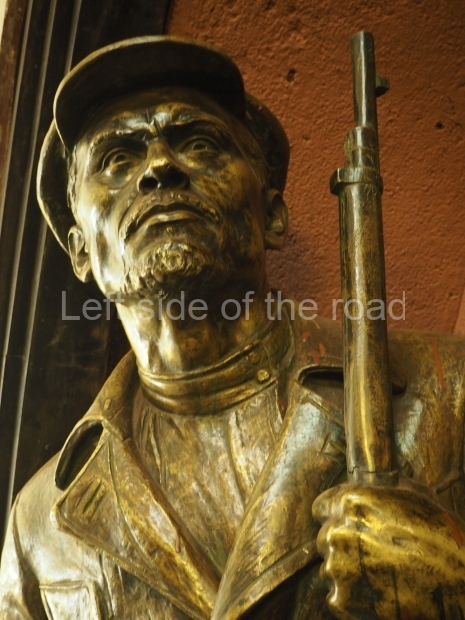
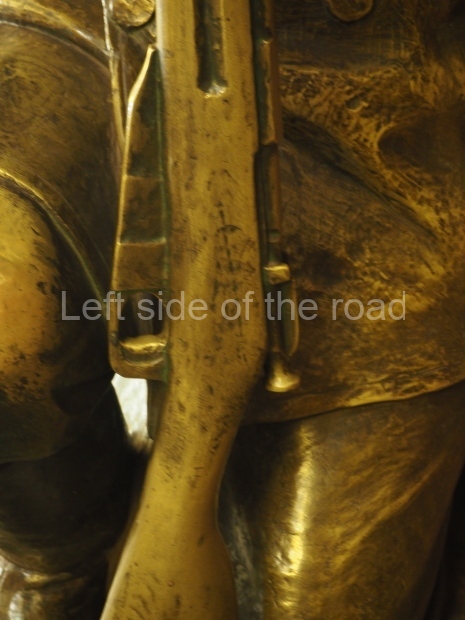
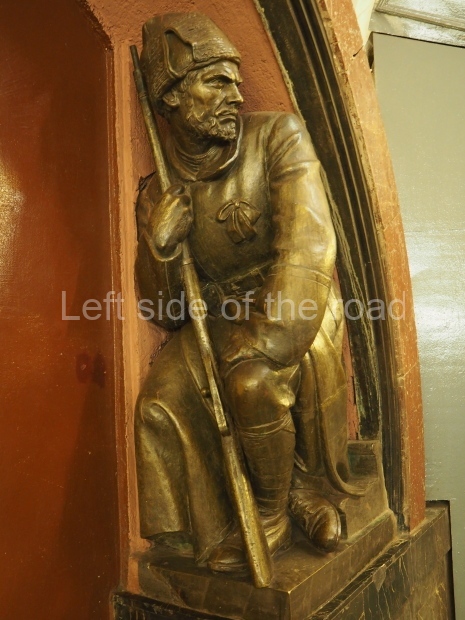
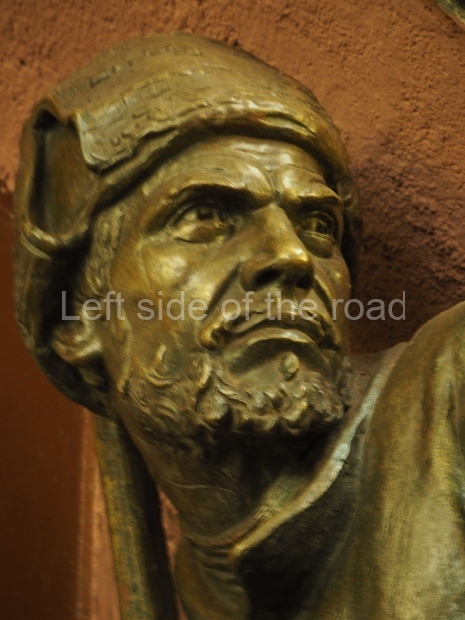
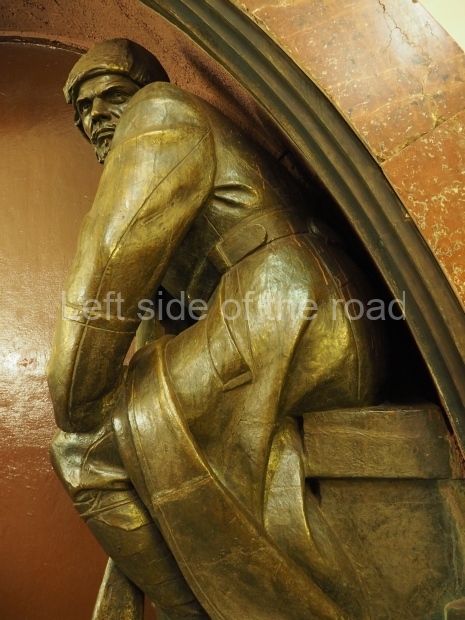
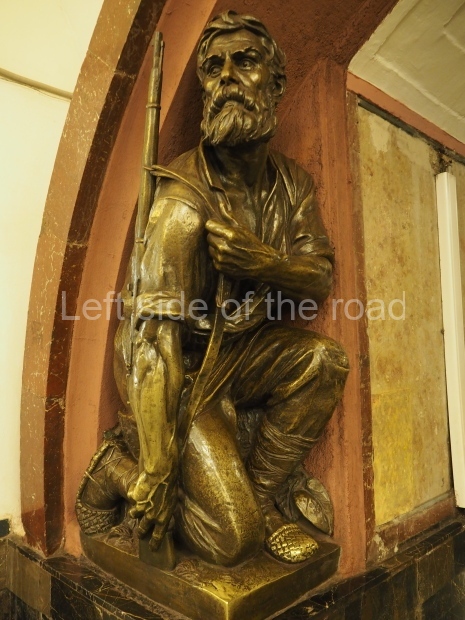
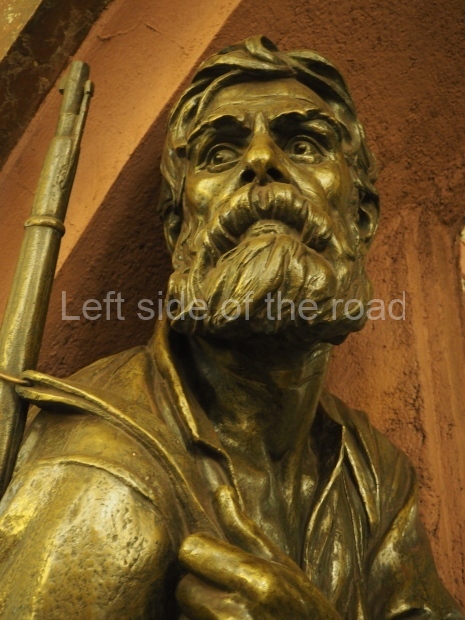
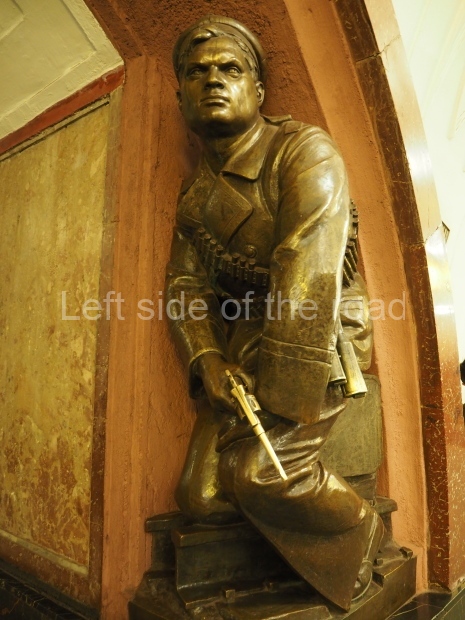
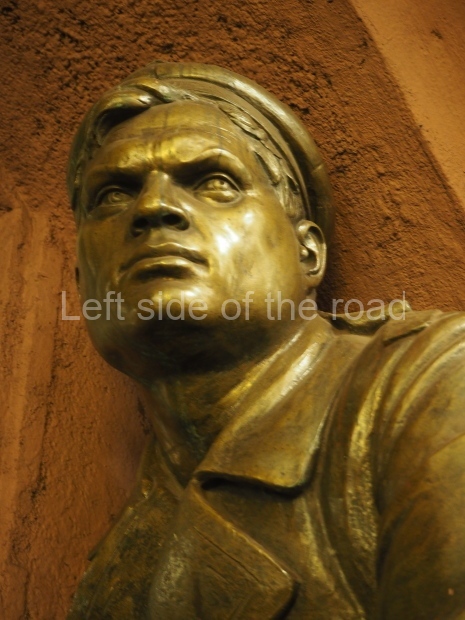
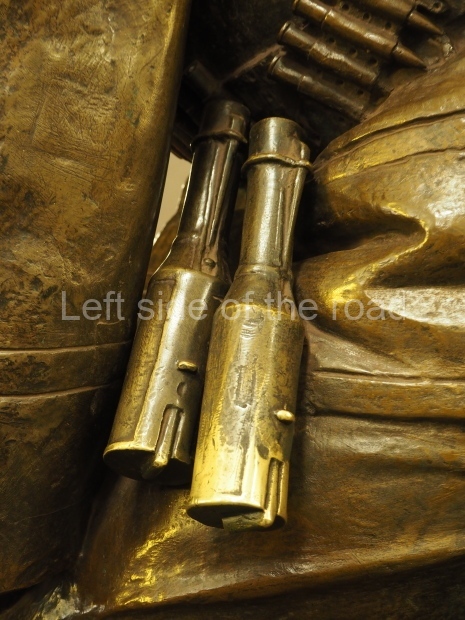
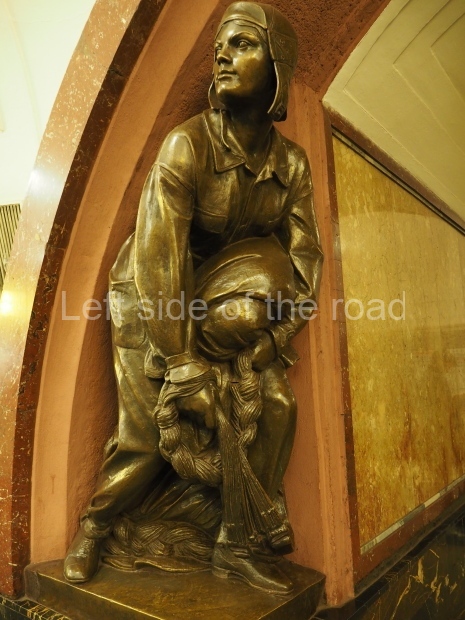
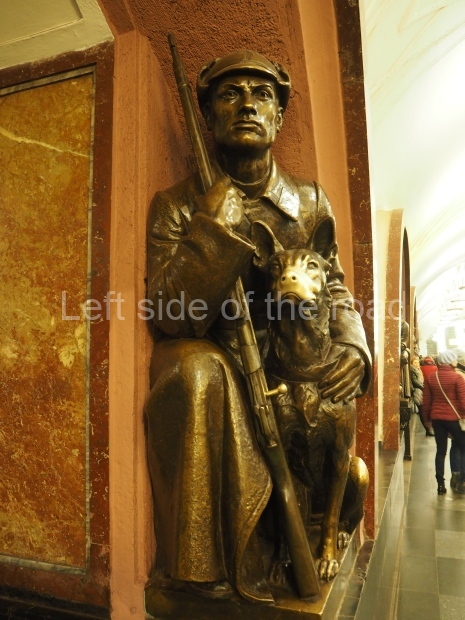
The station contains 76 statues in the socialist realism style. Originally, 80 sculptures were created for the space—10 pairs, each replicated 4 times throughout the station. Today, nine pairs are in the archways, and a copy of the final pair (‘The Pioneers’) appears on each of the two platforms, bringing the total number of statues to 76. Each arch is flanked by a pair of bronze sculptures by Matvey Manizer depicting the people of the Soviet Union, including soldiers, farmers, athletes, writers, aviators, industrial workers, and schoolchildren. The series is meant to be considered in order, symbolizing Russia’s transformation from the pre-revolutionary past, through the revolution, into the (then) contemporary era. The order of sculpture pairs are:

  1. Male worker-partisan and male enlisted soldier
  2. Male agricultural labourer and male sailor with pistol
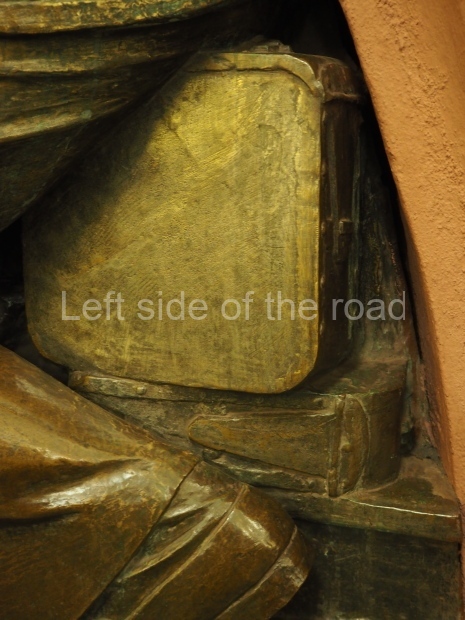
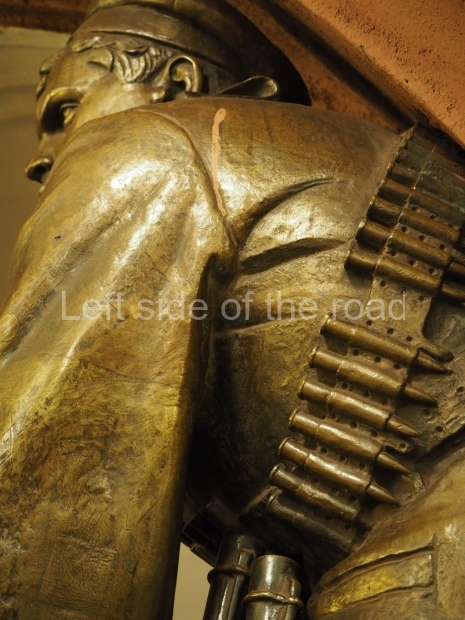
  3. Male sailor and female aviator
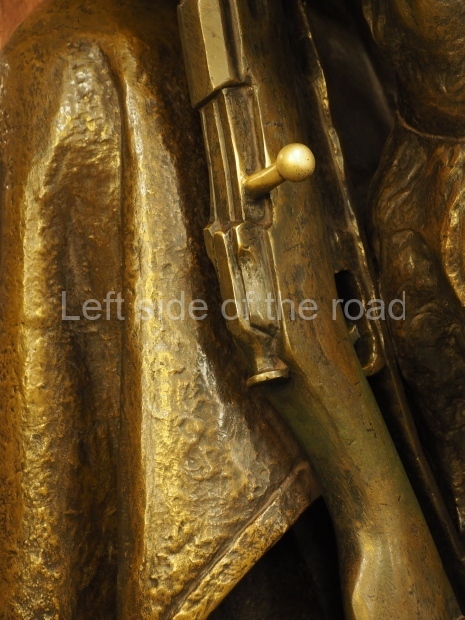
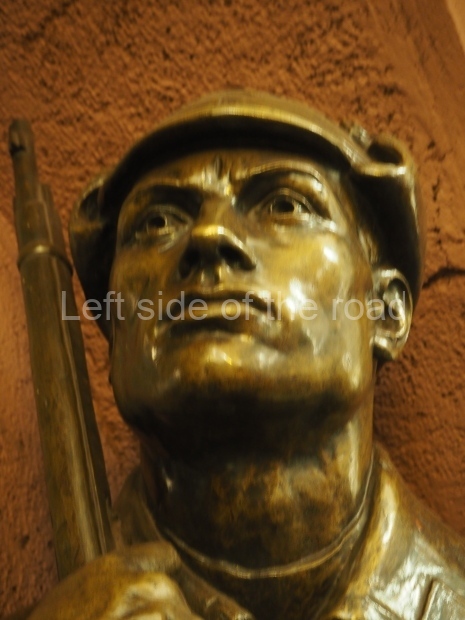
  4. Male soldier with dog and female sharpshooter
  5. Male miner and male engineer
  6. Male and female agricultural labourers
  7. Female and male students
  8. Male football player and female athlete
  9. Mother and father in swim clothing
  10. Male and female students in Young Pioneers uniforms

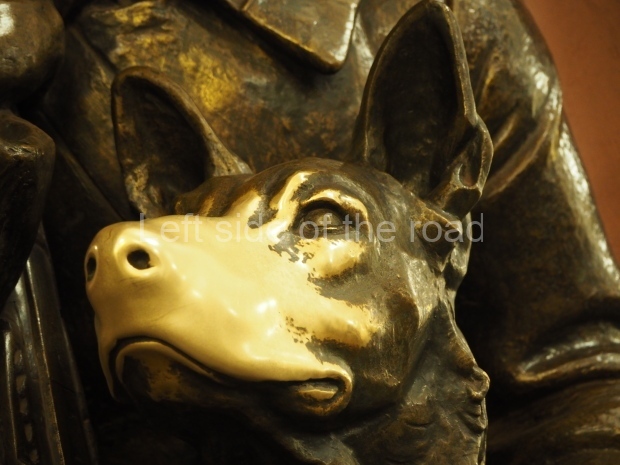
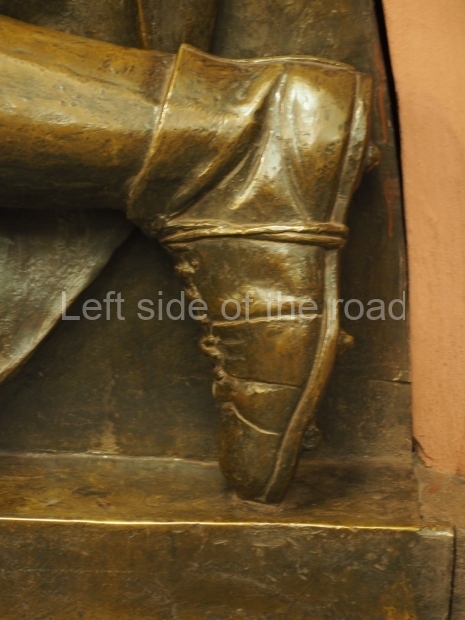
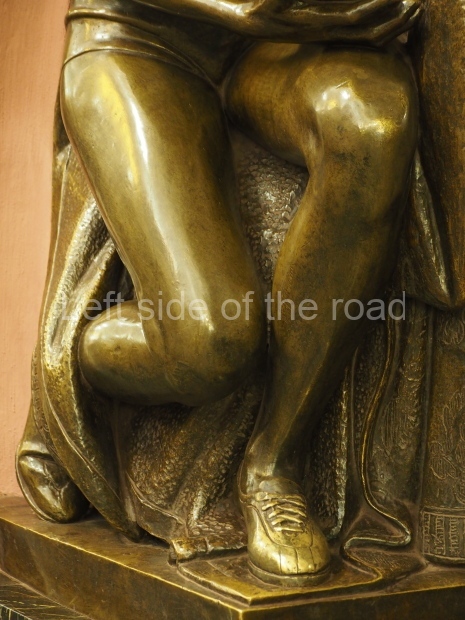
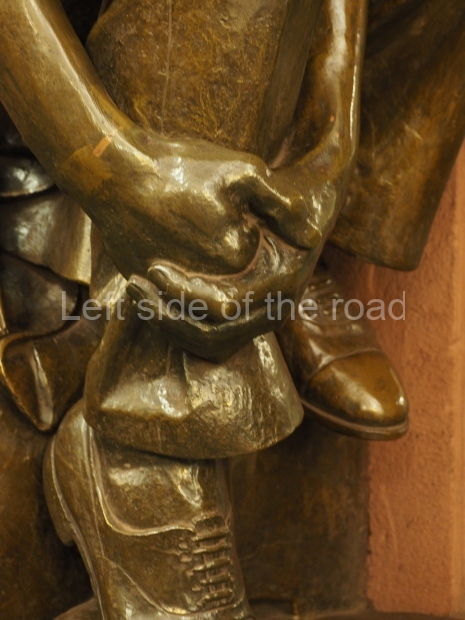
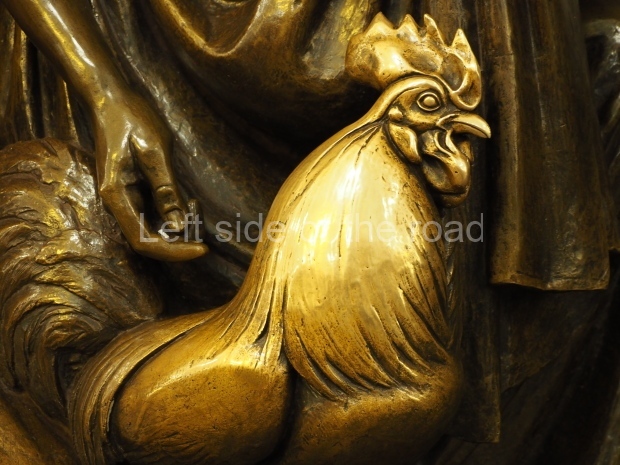
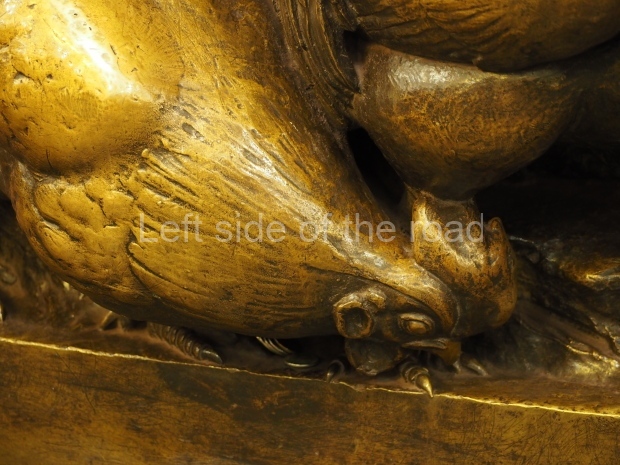
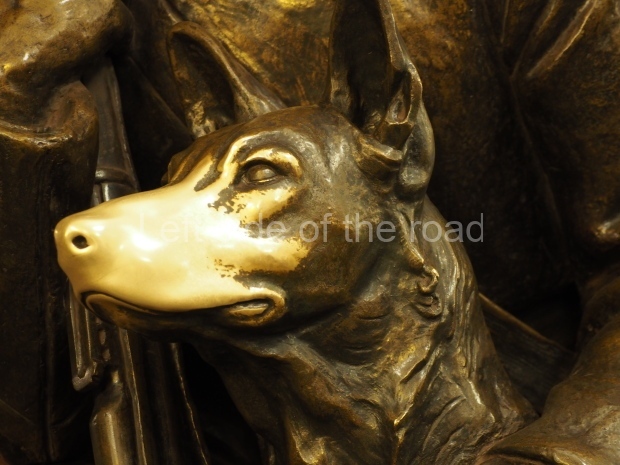
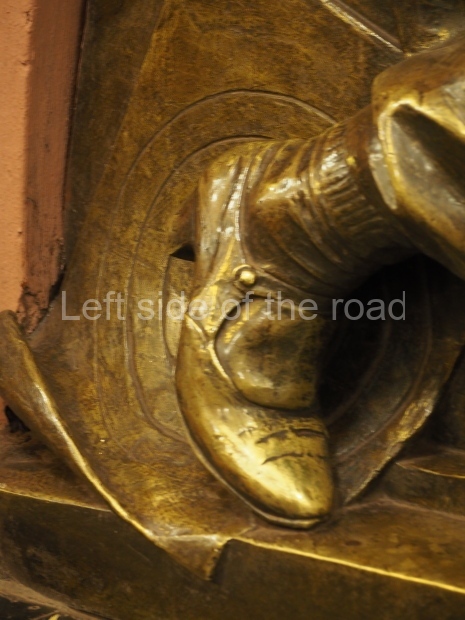
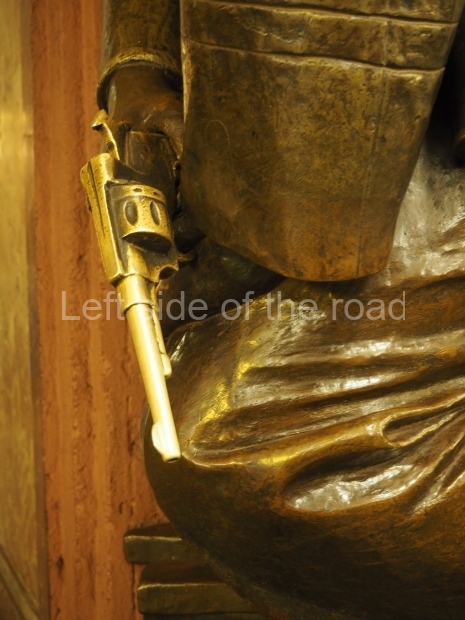
Several of the sculptures are widely believed to bring good luck to those who rub them. The practice is targeted at specific areas on individual sculptures, including the soldier’s pistol, the patrolman’s dog, the roosters, and the female student’s shoe. An observer in the station will see numerous passengers touching or rubbing the statues as they pass, and the bronze of these details is highly polished as a result.

Ploshchad Revolyutsii - Line 3 - 03

Ploshchad Revolyutsii – Line 3 – 03

From this station, passengers can transfer to Teatralnaya on the Zamoskvoretskaya Line and Okhotny Ryad on the Sokolnicheskaya Line, but the latter can be reached only through Teatralnaya as there is no direct transfer.

Text above from Wikipedia.

Ploshchad Revolyutsii

Date of opening;

13th March 1938

Construction of the station;

deep, pier, three-span

Architect of the underground part;

A. Dushkin

Sculptor; M. Manizer

Transition to stations Okhotny Ryad and Teatralnaya

Ploshchad Revolyutsii is one of the most known and popular stations of the Moscow Metro. The idea of its architectural decoration is absolutely clear, while the form of realisation, which has been used by sculptor M. Manizer, is intelligible and understandable for everyone. He stationed a gallery of figures [personages of the revolution, civil war, and peaceful development) under ground, which illustrated the stages of the creation of the Soviet country. The statues are established on pedestals nestled into niches between the station’s pylons. Each pylon has four bronze figures, which look through famous stages of the revolution – from the civil war to the peak of the Stalin era.

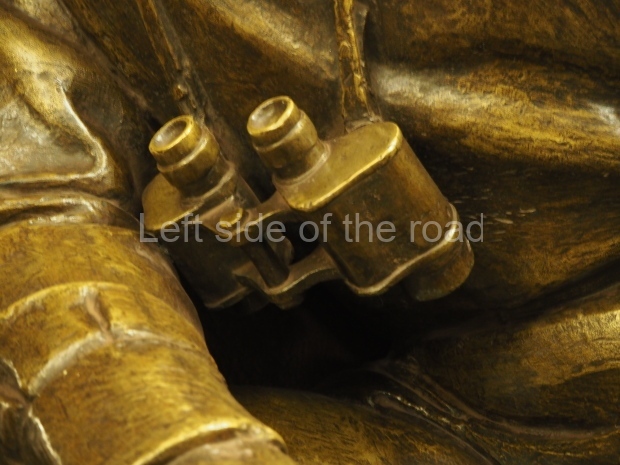
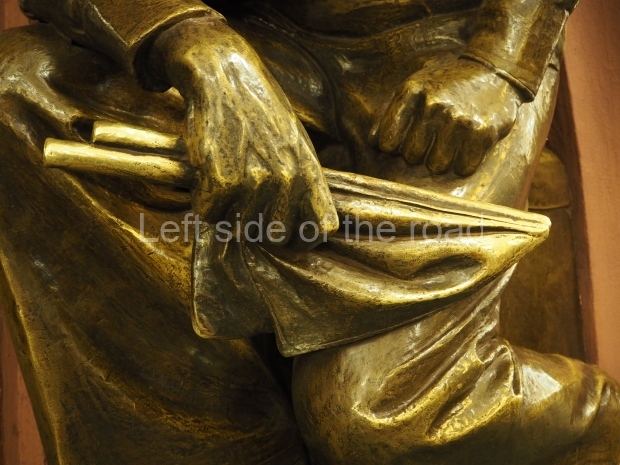
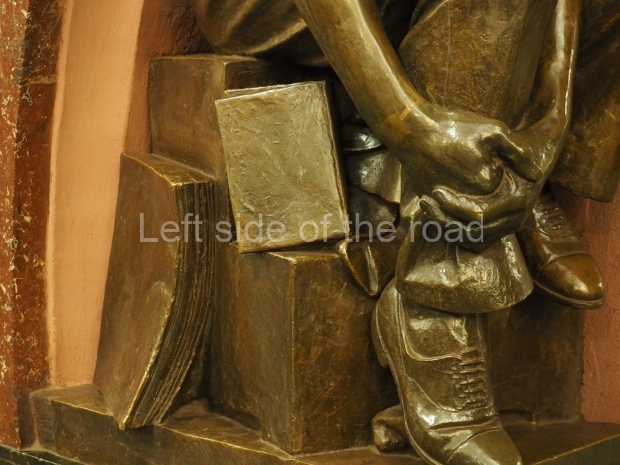
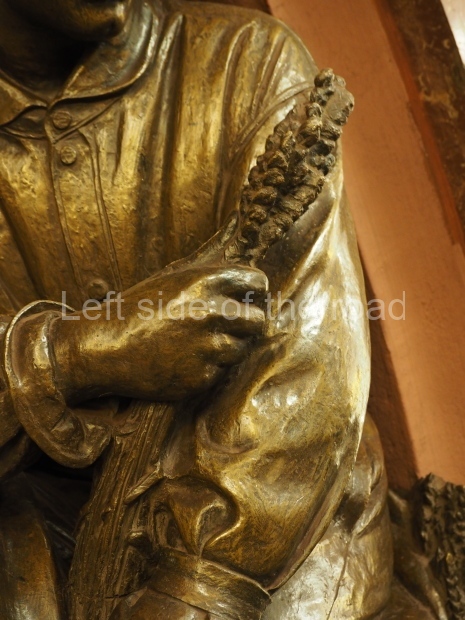
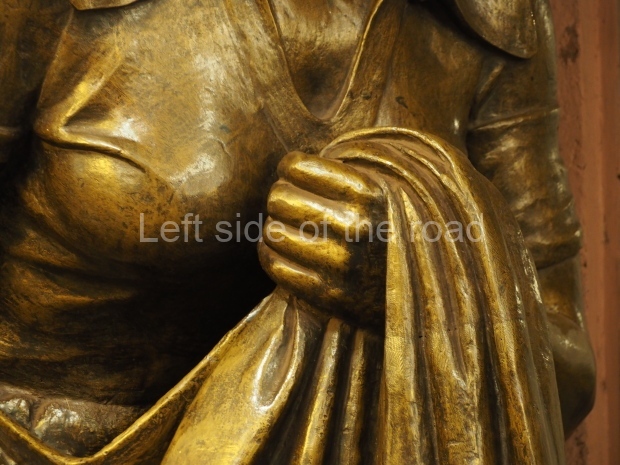
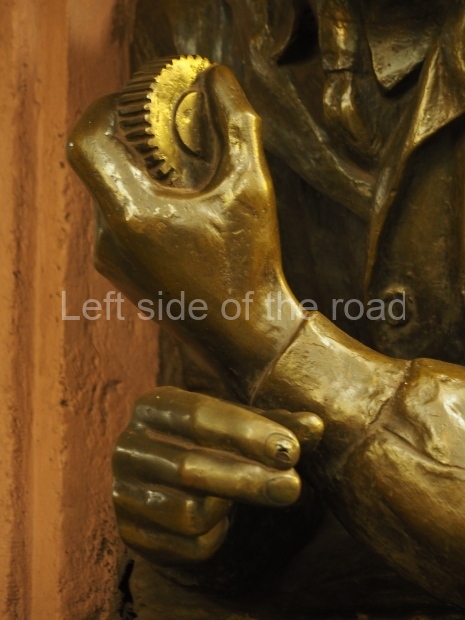
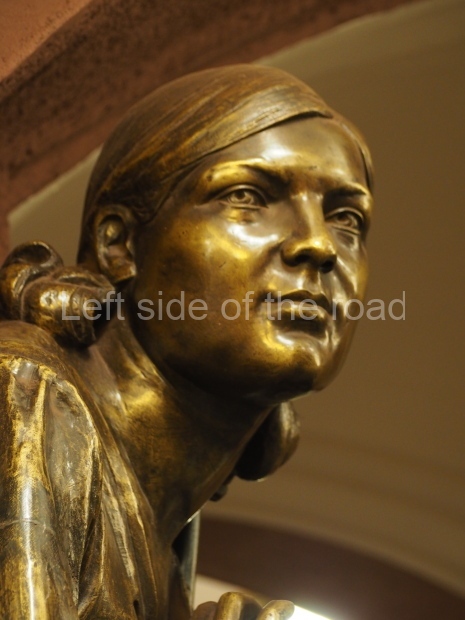
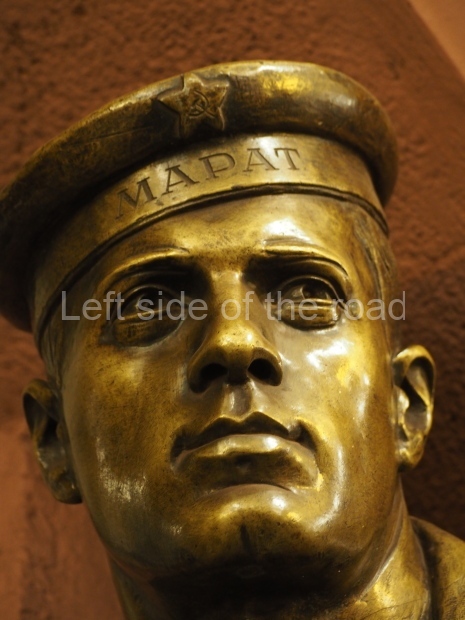
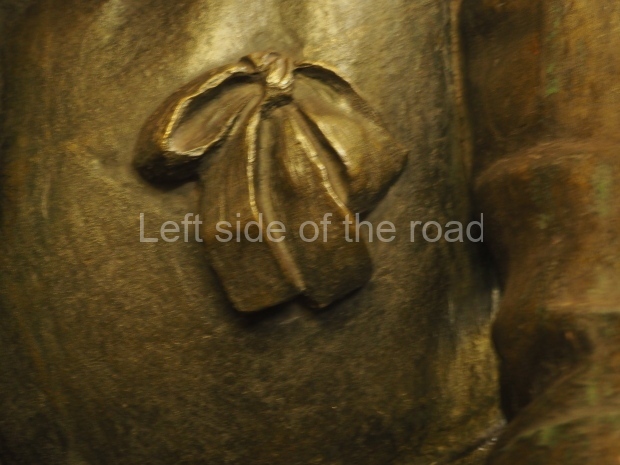
Now there are 76 (initially 80) bronze figures. The Manizer’s gallery begins from the western end of the central hall. At the time of opening, it was the only exit while the opposite blind end was decorated with a pair bas relief of Lenin and Stalin, which crowned ‘the triumphal step of the Soviet people’. The bas-relief was dismantled in 1947 after the opening of the eastern overland vestibule. There are 20 unique figures in total. The gallery begins with a revolutionary worker (bow on the bosom) with a grenade and a trench soldier. In the next niche – a peasant and revolutionary sailor with a famous revolver, which is regularly stolen. Then, parachutist girl and signal sailor from Marat cruiser. In the fourth arch – a Voroshilov rifle girl with pneumatic rifle and a frontier guard with a lucky dog. If one wants to catch luck, it is needed to rub the dog’s nose. In the fifth arch – Stakhanovite (rewarded Soviet worker) with air hammer and an engineer who examines a gear wheel and records something in a book. His pencil is also regularly stolen. In the sixth arch – a poultry-woman with chicken and grain-grower machine-operator sitting on a Fordson’s wheel. Then, a dreaming student boy and reading student girl. In the eighth arch – discus thrower girl and football player. In the ninth arch – a father with a child and mother with a child. In the tenth arch on the side of the platforms – a model aircraft constructor pioneer boys and geographer pioneer girls. All figures sit, or are on their knees, or bended for work. It was even a joke – ‘Here all the Soviet people sits (in Russian means be imprisoned as well) or is on its knees’.

The other decoration of the station serves to emphasize the figures but do not withdraw attention from them – narrow edgings of red marble along the arches of the inter-pylon passageways, black marble covered the low pedestals of the statues, grey-blue on the walls. The ceiling is a chessboard of granite plates of subdued grey and pink colours. There are very uncomfortable oak benches along the platform walls opposite the stops of first and last carriages. They are separated from each other by stone pedestals covered with black marble. There is a bronze arrow with inscription ‘Exit to the City’ above the benches. It is one of the first direction signs in the Moscow metro.

Western ground pavilion

The hall looks rather strange. Two buildings, from which one is oval while the other is square, are connected by a passageway. The deconstructivist aesthetics of the hall has been formed occasionally. Dushkin initially projected that the oval escalator hall would be one of the internal rooms of the Academic movie theatre. According to the project, spectators appeared immediately from the metro to the movie theatre foyer by escalator. However the largest movie theatre in the USSR has not been built. Hence a square hall whose portal was decorated with columns was attached to the oval hall.

Eastern ground pavilion

The portal of the hall was built into the line of existing buildings. It consists of two (entrance and exit) low arches. Going through them, one appears in a huge two coloured semi-circular hall faced with greyish-white marble. A striking mosaic, which consists of red flags, the coat of arms of the USSR, and years of 1917-1947, is located on the eastern wall, opposite the arch of the escalator tunnel. Words of one of the first versions of the USSR hymn are carved with gold on the right and left of the mosaic. There are oak desks under the mosaic and benches along the wall. Sitting on them, it is comfortable to observe the giant 24-branch chandelier suspended over the escalator arch and unique column-shaped torchieres of two human heights on marble pedestals on the right and left of the escalators. The hall staggers with its barbarian pomp and overwhelms by its gigantism so much that passengers often do not notice small but very good looking details of the decoration, e.g., an oak carved flower on the door of the office of senior cashier or intricate bronze tracery on the torchieres.

Text from Moscow Metro 1935-2005, p36-39

Location:

GPS:

55.7566°N

37.6216°E

Depth:

33.6 metres (110 ft)

Opened:

13 March 1938

More on the USSR

Moscow Metro – a Socialist Realist Art Gallery
The Stalin Society (UK) – publications

Stalin and the people of the Soviet Union

Stalin and the people of the Soviet Union

More on the USSR

The Great ‘Marxist-Leninist’ Theoreticians

The Stalin Society (UK) – publications

The Stalin Society was formed in 1991 and for many years had regular meetings which often involved a formal presentation related to the life and work of JV Stalin but also topics about the history, social and economic aspects of the Union of Soviet Socialist Republics. Some of those presentations, which were published in a printed format, are reproduced below.

It is not clear what the current situation is with the Society. There does not seem to have be any activity, either on the website or with public meetings, since 2020.

The pamphlets are listed in order of when they were presented to the Society.

The truth about the so-called ‘Hitler-Stalin Pact’ of 1939, translated from Roter Morgen, No 9, September 1989, Roter Morgen is the organ of the KPD (Communist Party of Germany). Published by the Stalin Society, 5 pages.

The German-Soviet Non-aggression Pact of 1939, Bill Bland, presented in London in February 1990, 14 pages.
The Spanish Civil War, Ella Rule, London, March 1991, 44 pages.

Lenin and Stalin on Opportunism, C and K Majid, London, January 1993, 15 pages.
Nikita Khrushchev – his role in the anti-Stalin campaign, Cathie Majid, London, June 1993, 18 pages.

The origin and development of Revisionism in the CPGB, Part 1, London, September 1993, 23 pages.

The enlightenment’s roots in Socialist Realist Theory and aspects of Revisionism in the late twentieth century, Helena Stevens, London, November 1993, 24 pages.
Let us salute the Soviet workers, translated from the Iraqi Review ‘Al-Marxi’, No. 30, November 1993, distributed by the Stalin Society, London, 8 pages.
The origin and development of Revisionism in the CPGB, Part 2, London, February 1994, 24 pages.

The truth about Stalin, Wilf Dixon, a talk given to the Secular Society in Leicester, October 1994, 12 pages.

Albania and China, Kamal Majid, London, April 1995, 35 pages.

The importance of forming a Party, Kamal Majid, London, July 1995, 26 pages.

The role of the revolutionary newspaper in the struggle today, John Green, London, July 1995, 10 pages.

Education in the Soviet Union, Ella Rule, London, June 1996, 8 pages.

George Orwell – anti-Communist, champion of Trotskyism and State informer, Joti Brar, London, February 1998, 16 pages.

Women in the USSR, Ella Rule, London, March 1998, 16 pages.

Lies concerning the history of the Soviet Union, Mario Sousa, translated and presented by Ella Rule, London, March 1999, 31 pages.

Marxism-Leninism and the arts, Bill Bland, London, September 1999, 14 pages.

Health in the USSR, Carlos Rule, London, February 2000, 15 pages.

Marxism and law, the struggle over jurisprudence in the Soviet Union, Bill Bland, London, March 2000, 22 pages.

Bourgeois democracy and Fascism, ‘Social democracy objectively represents the moderate wing of Fascism’. JV Stalin, ‘Concerning the International Situation’, September 1924, Harpal Brar, London, May 2000, 37 pages.

The Soviet novel, Ella Rule, London, July 2000, 26 pages.

The role of the individual in history, Ivor Kenna, London, October 2000, 11 pages.

The fight against bureaucracy in the Soviet Union, Carlos Rule, London, September 2001, 48 pages.

Imperialism’s interest in Afghanistan, Ella Rule, London, October 2001, 19 pages.

The Ukrainian famine-genocide myth, John Puntis, London, June 2002, 27 pages.

The Katyn Massacre, Ella Rule, London, July 2002, 25 pages.

A brief history of the Working-class Internationals, Ella Rule, London, October 2002, 37 pages.

A personal account of experiences in the German Panzers at the Battle of Stalingrad, Henry Metelmann, 60 years after the Soviet victory at Stalingrad – the turning point in the war against Nazi fascism, London, February 2003, 20 pages.

The purges of the CPSU in the 1930s, edited by Ella Rule from ‘The class struggle during the thirties in the Soviet Union’, 2005, 20 pages.

Robert Conquest dies – but his lies live on! Grover Furr, August 2015, reproduced by the Stalin Society, 4 pages.

Housing in the USSR, Katt Cremer, London, October 2016, 10 pages.

More on the USSR

The Great ‘Marxist-Leninist’ Theoreticians