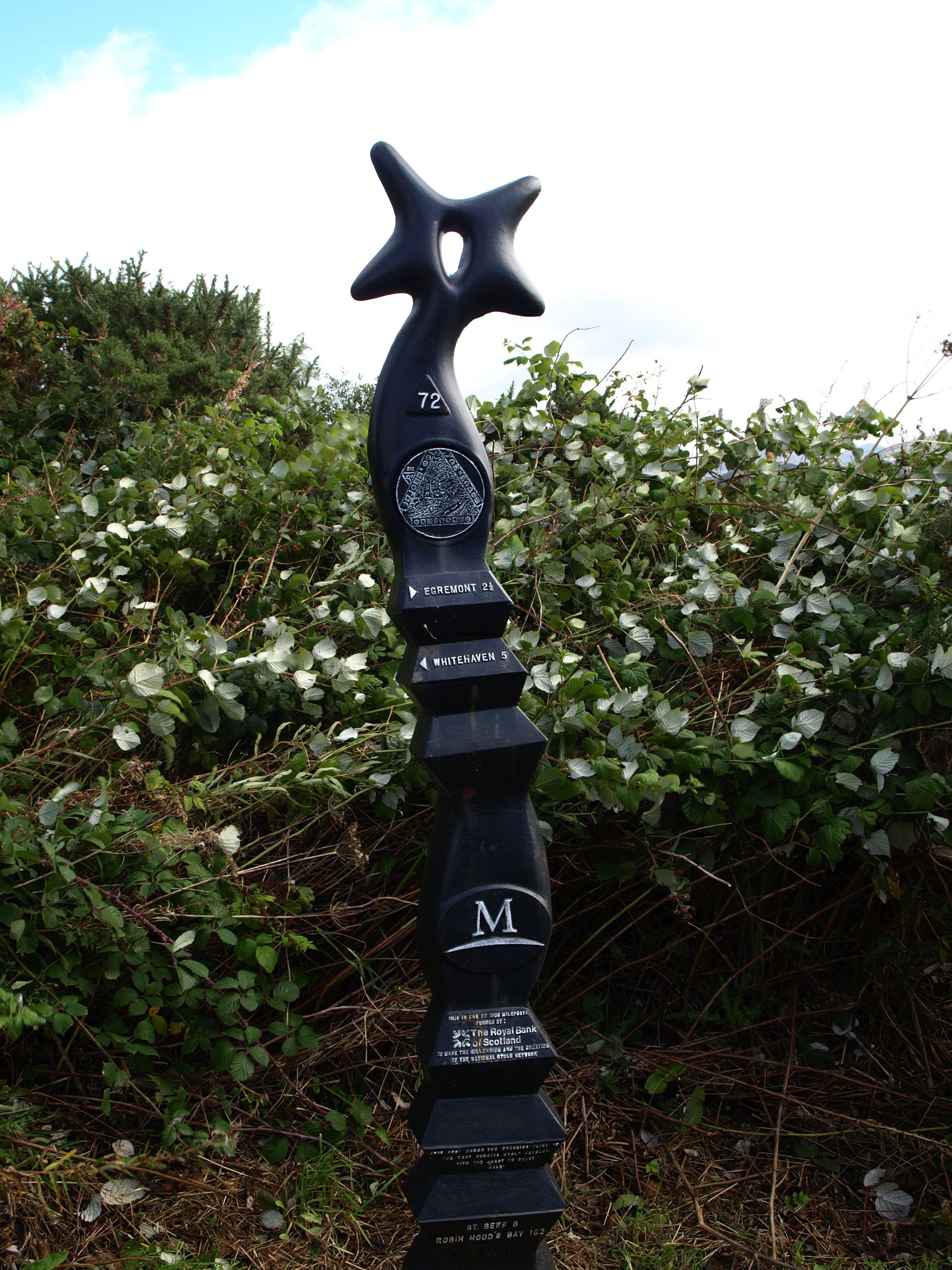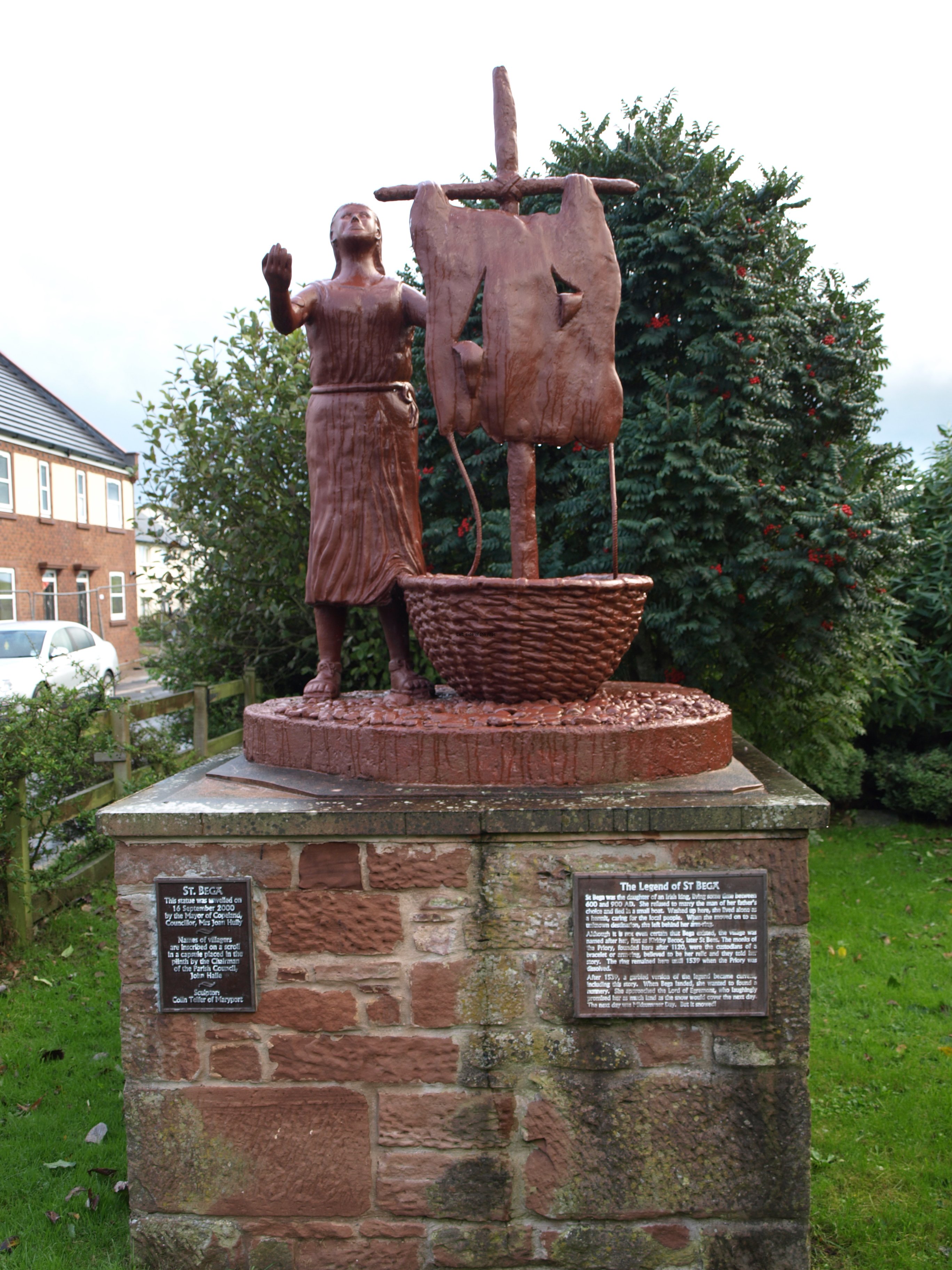

Mile Zero – Coast to Coast Walk – St Bees – Cumbria
Chapter One – St Bees Head to Ennerdale YHA
So, the walk proper.
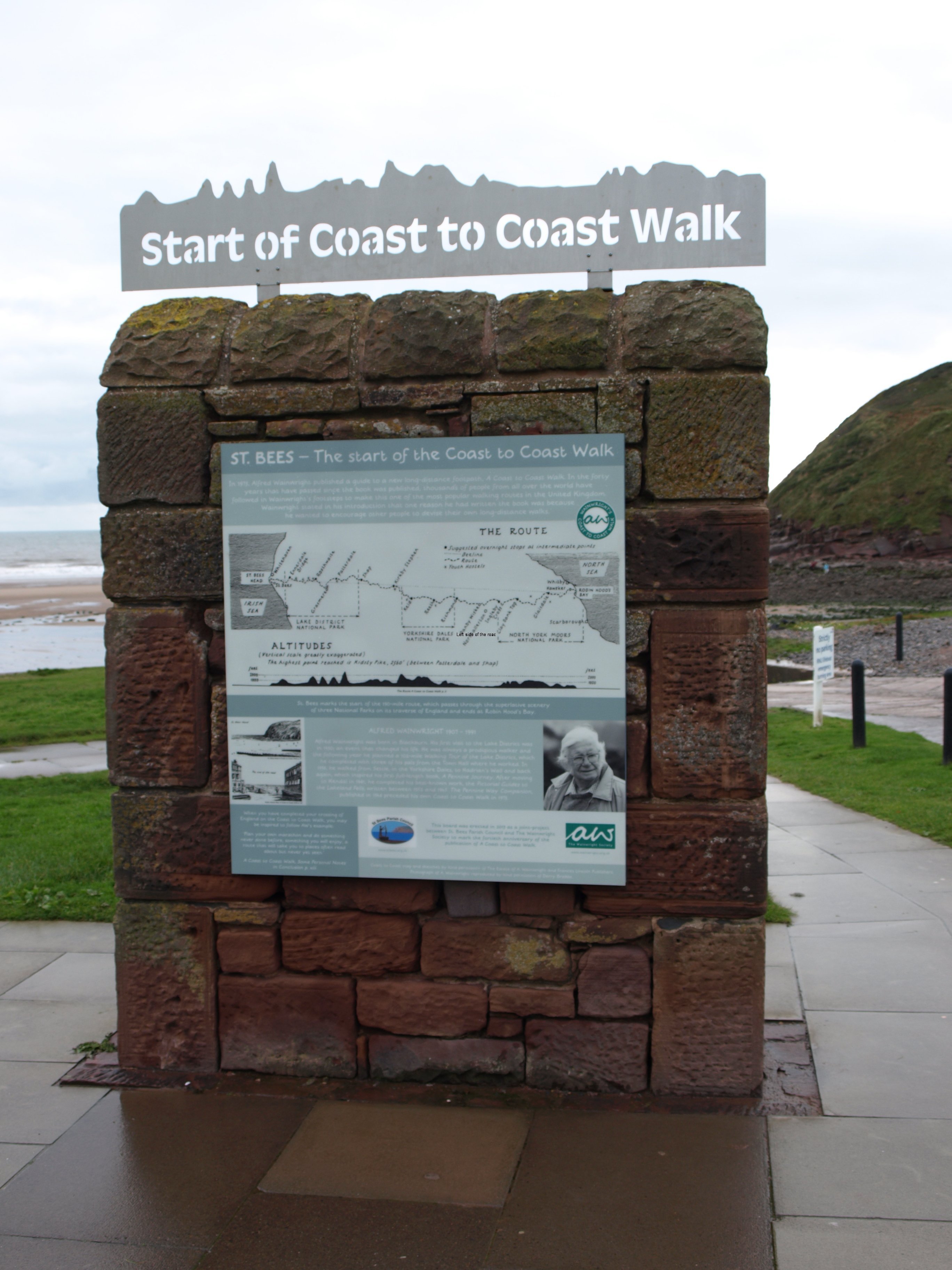
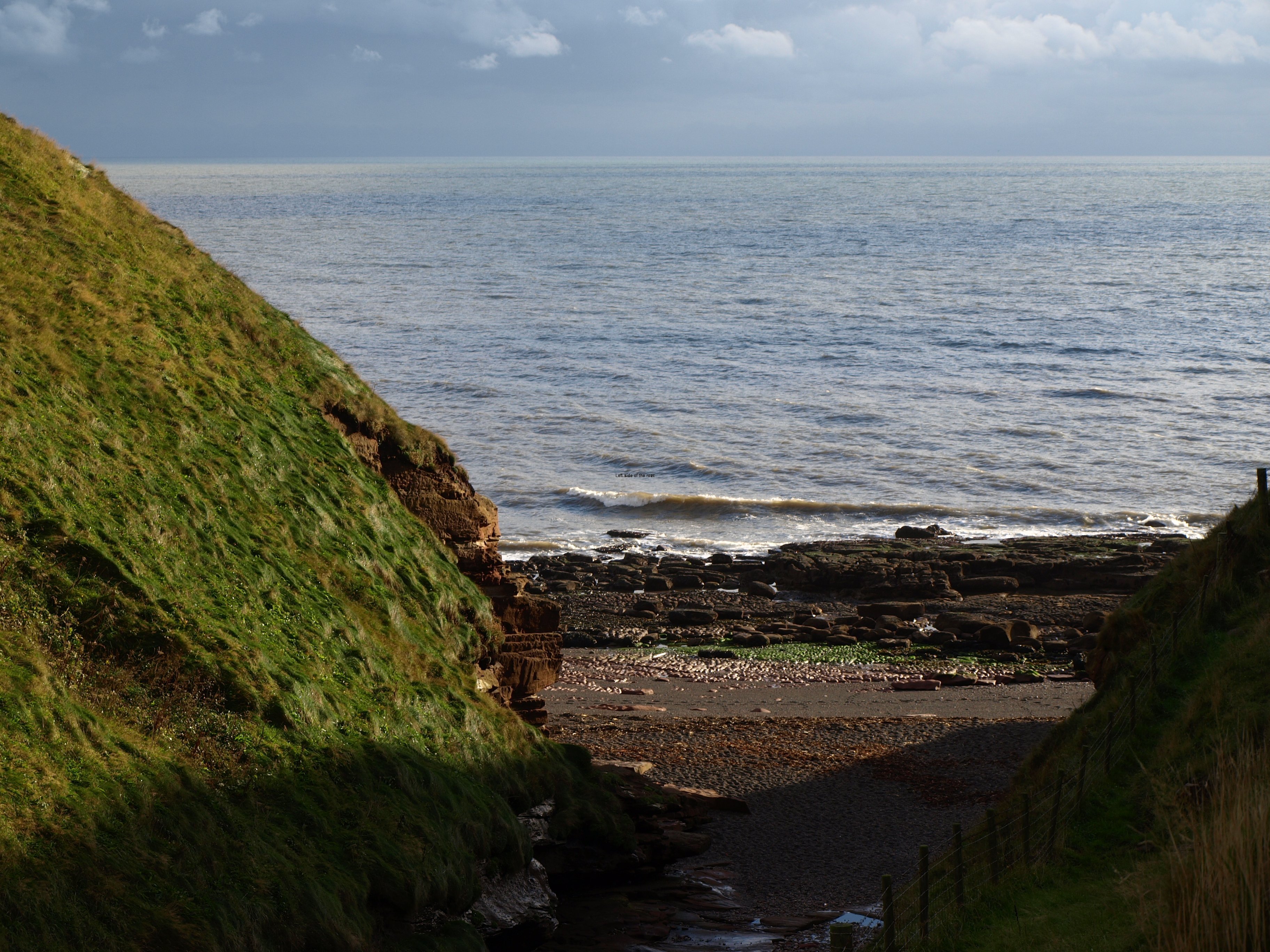
As I’ve already said the first 5 mile stretch, which starts off at the official Coast to Coast Mile Zero marker at the beach in St Bees, I did on the same day that I travelled from Liverpool. And I’m not the only one how has considered that. Many people, if they use the companies who will arrange both the transport and the accommodation or just individuals, do this if at all possible. I did so as the start of the walk is about half a mile from St Bees village itself and it’s good to get into the walk when you don’t have a heavy rucksack to carry. You can do the 5 miles relatively quickly and then there’s a slightly less than 2 mile walk (mostly) downhill to St Bees afterwards. You could try to hitch but there’s not a great deal of traffic on this very quiet country road.

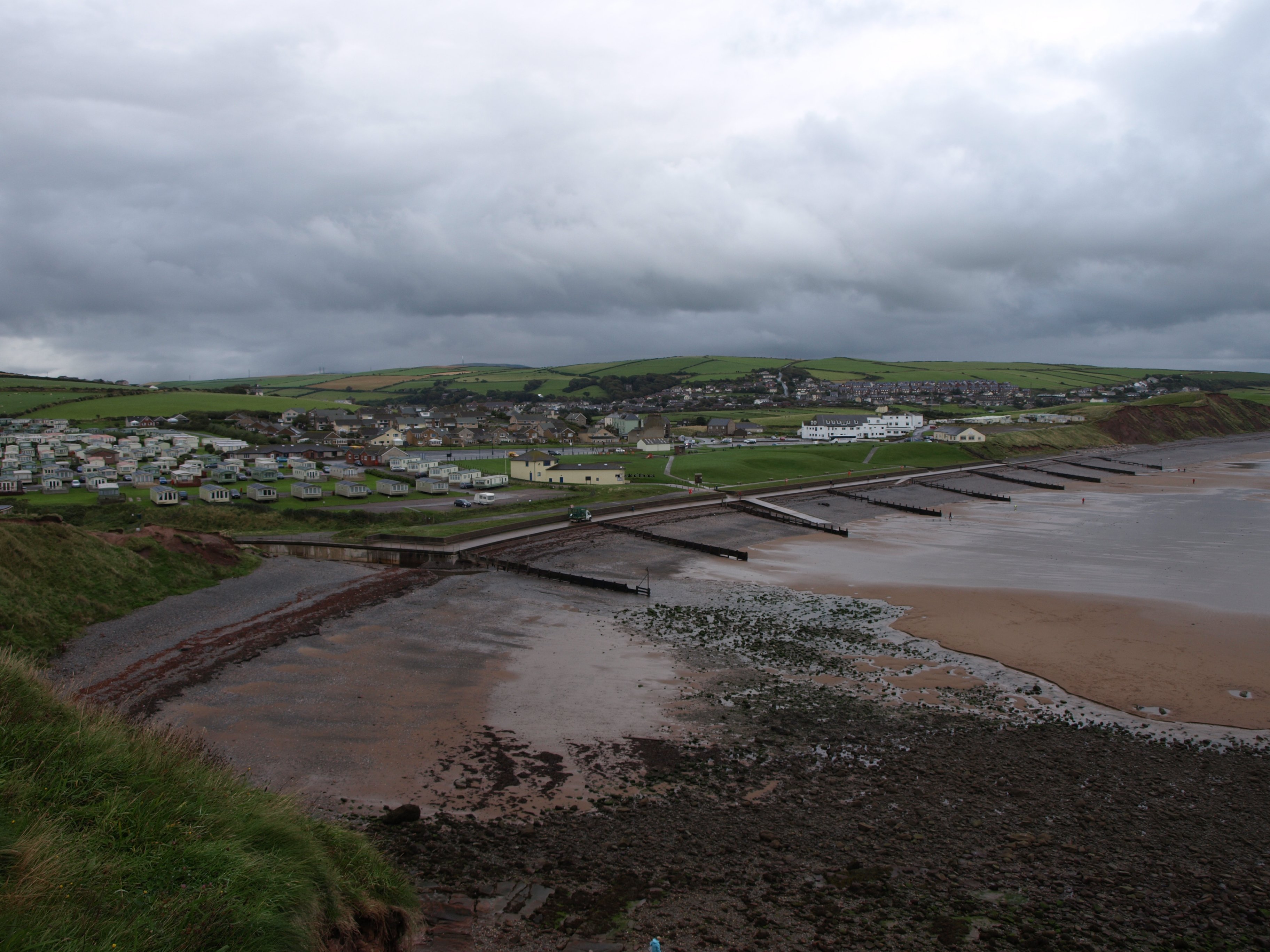
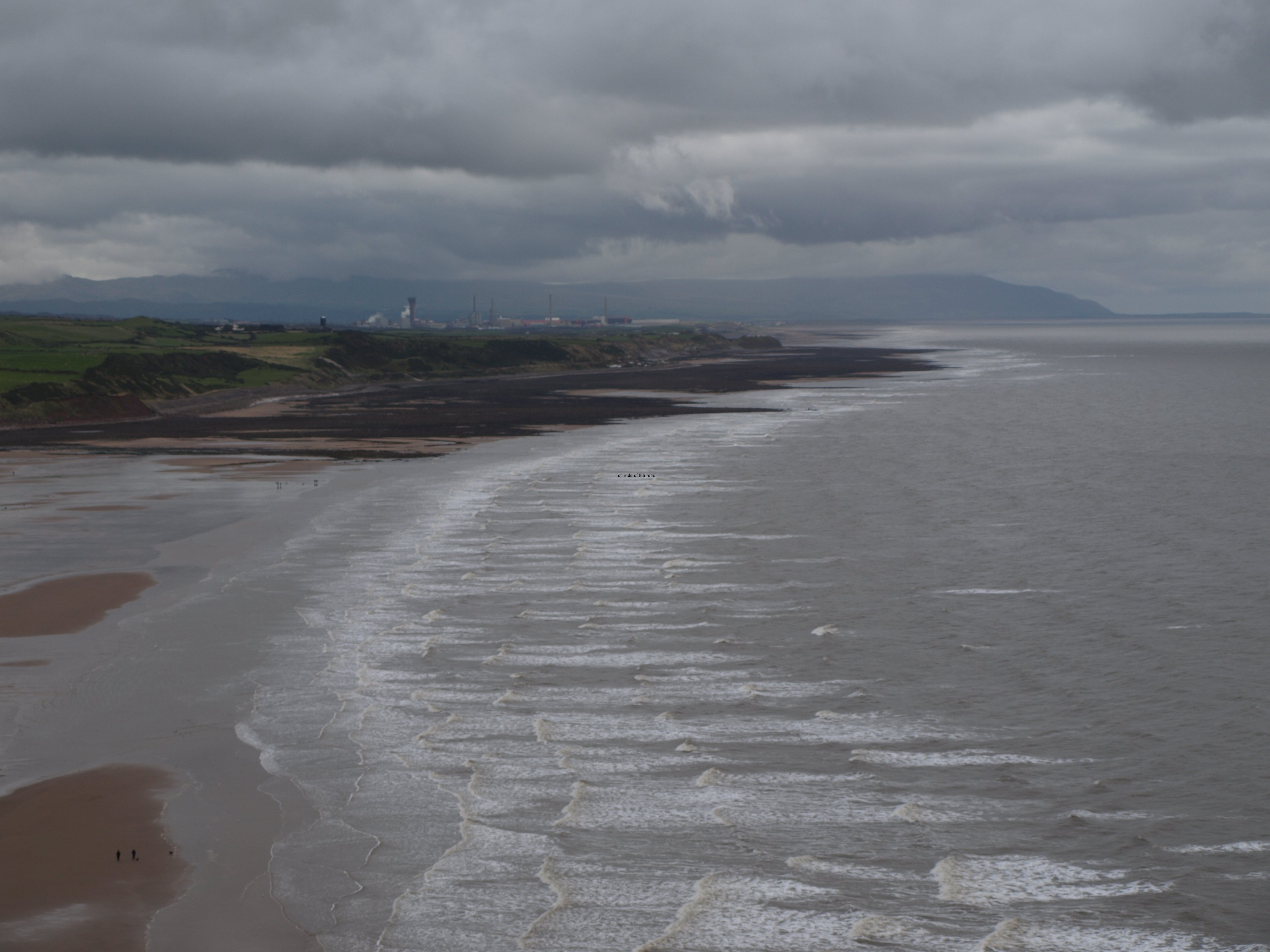
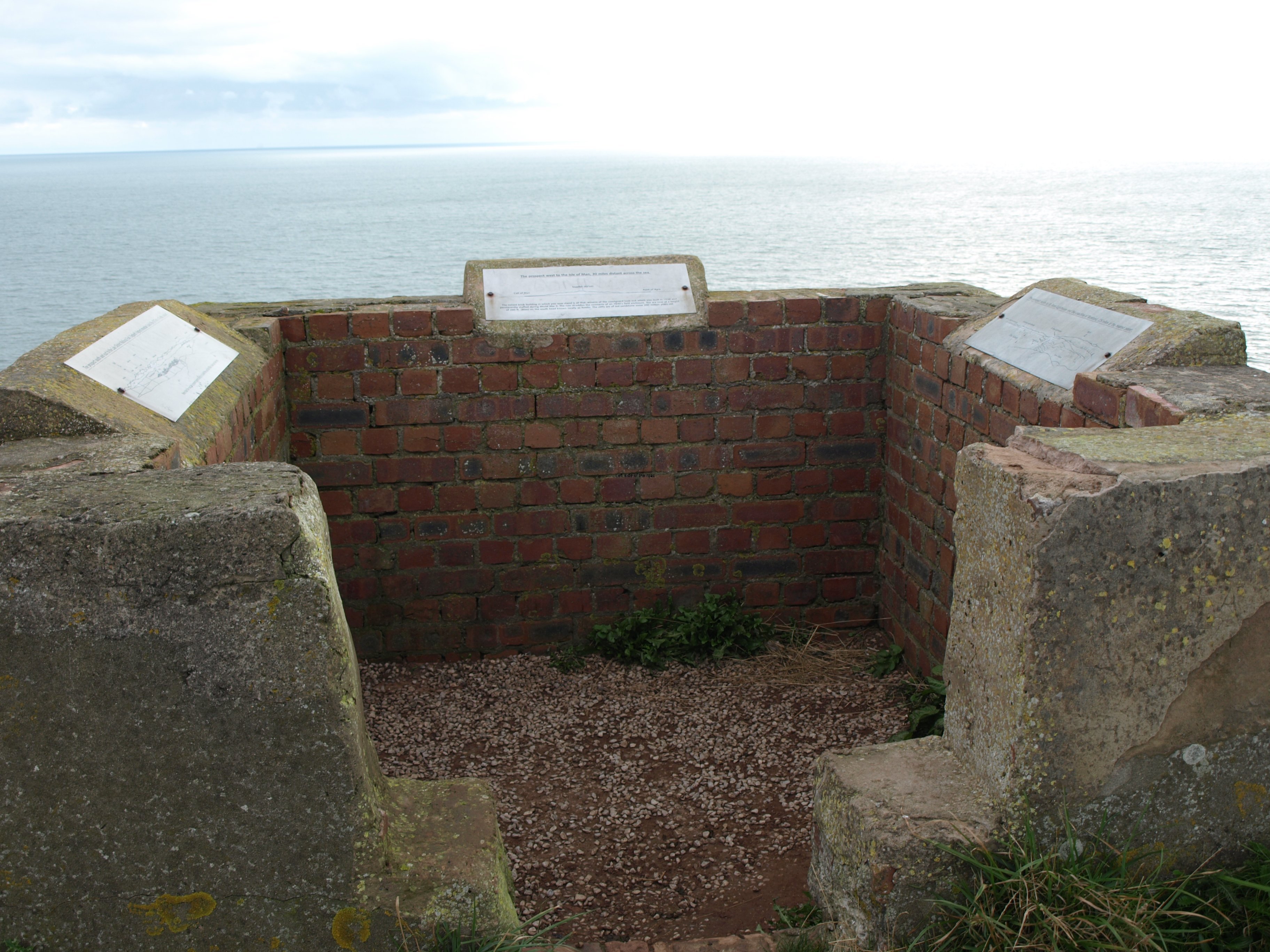
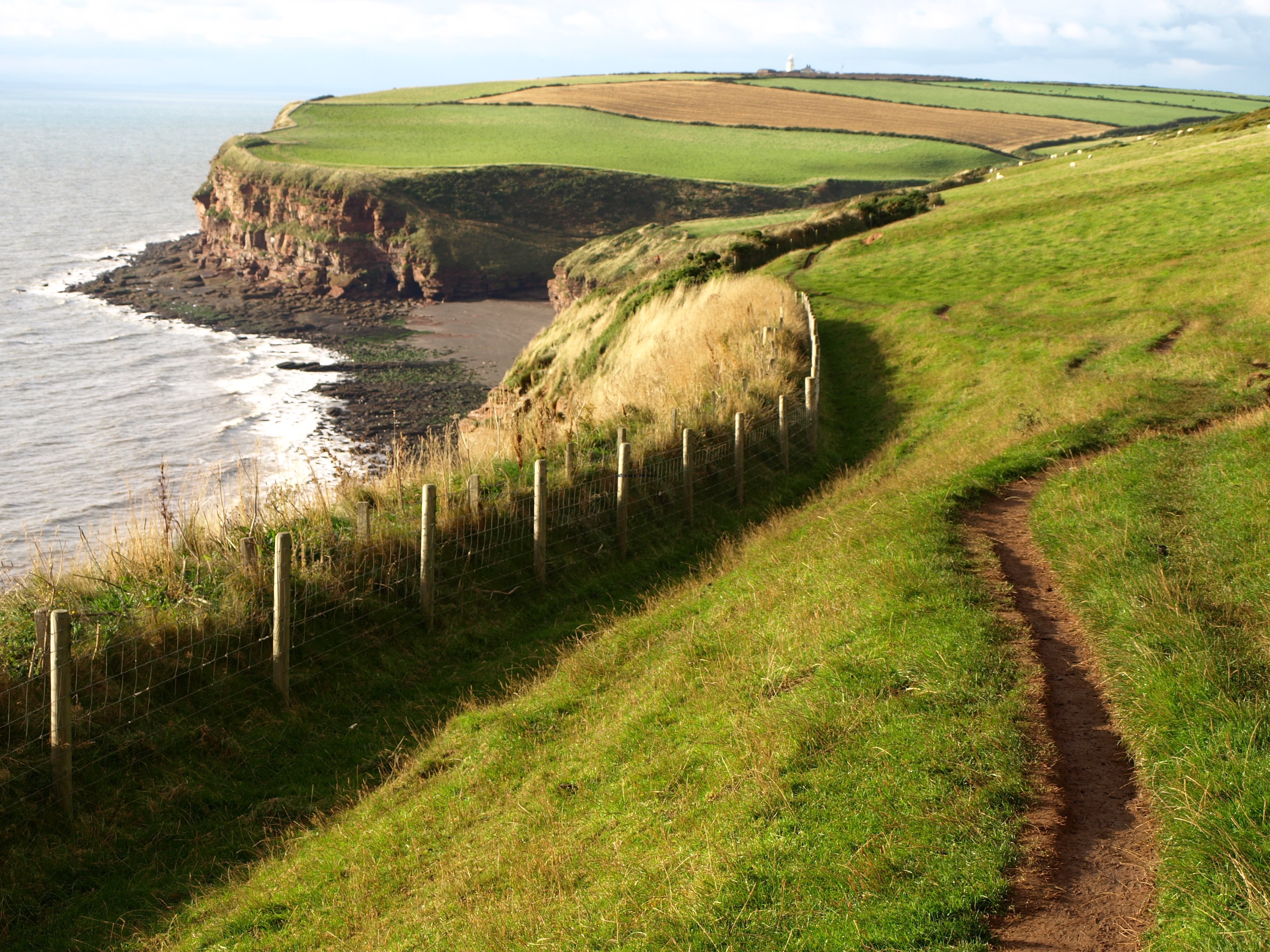
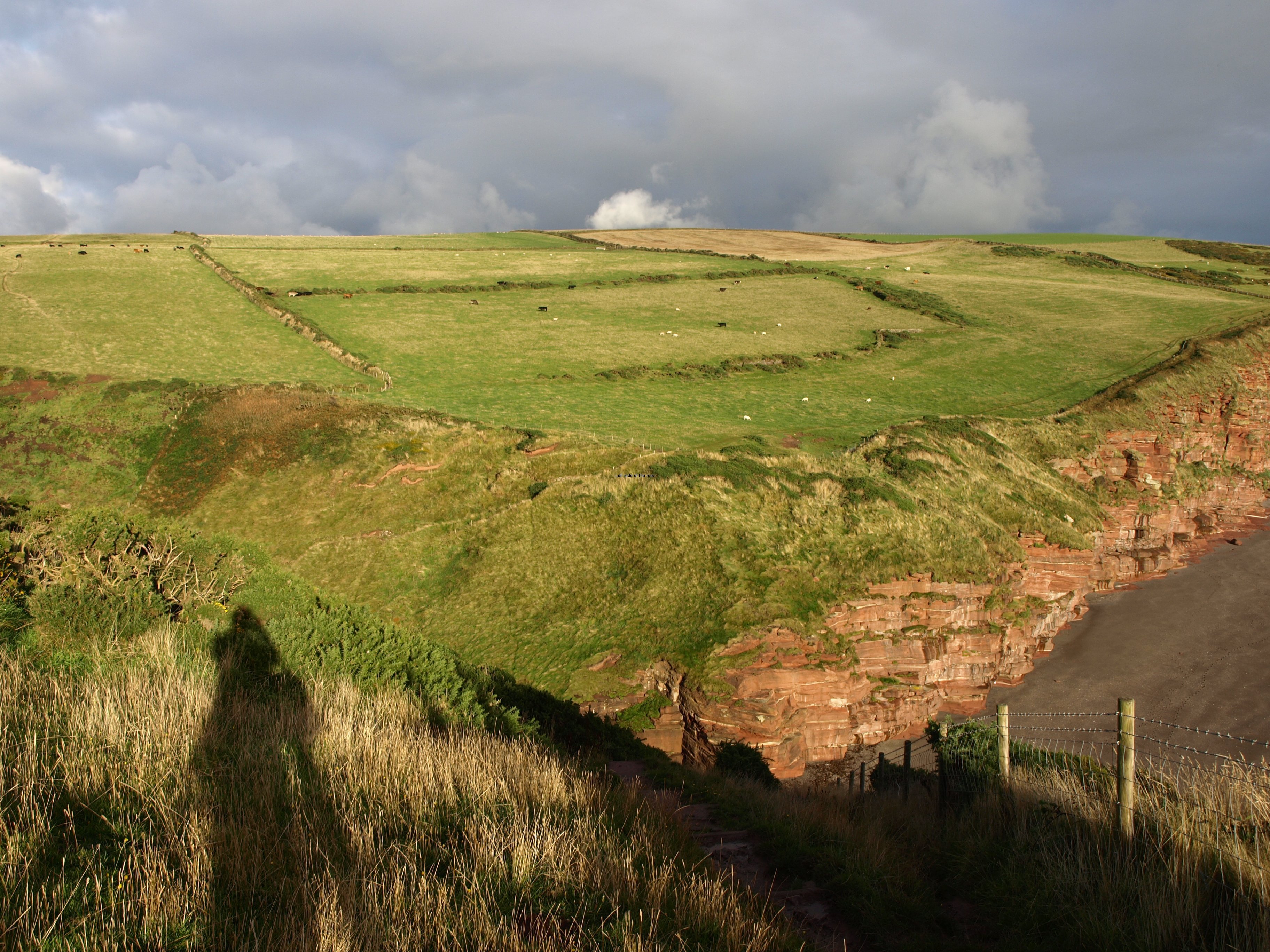
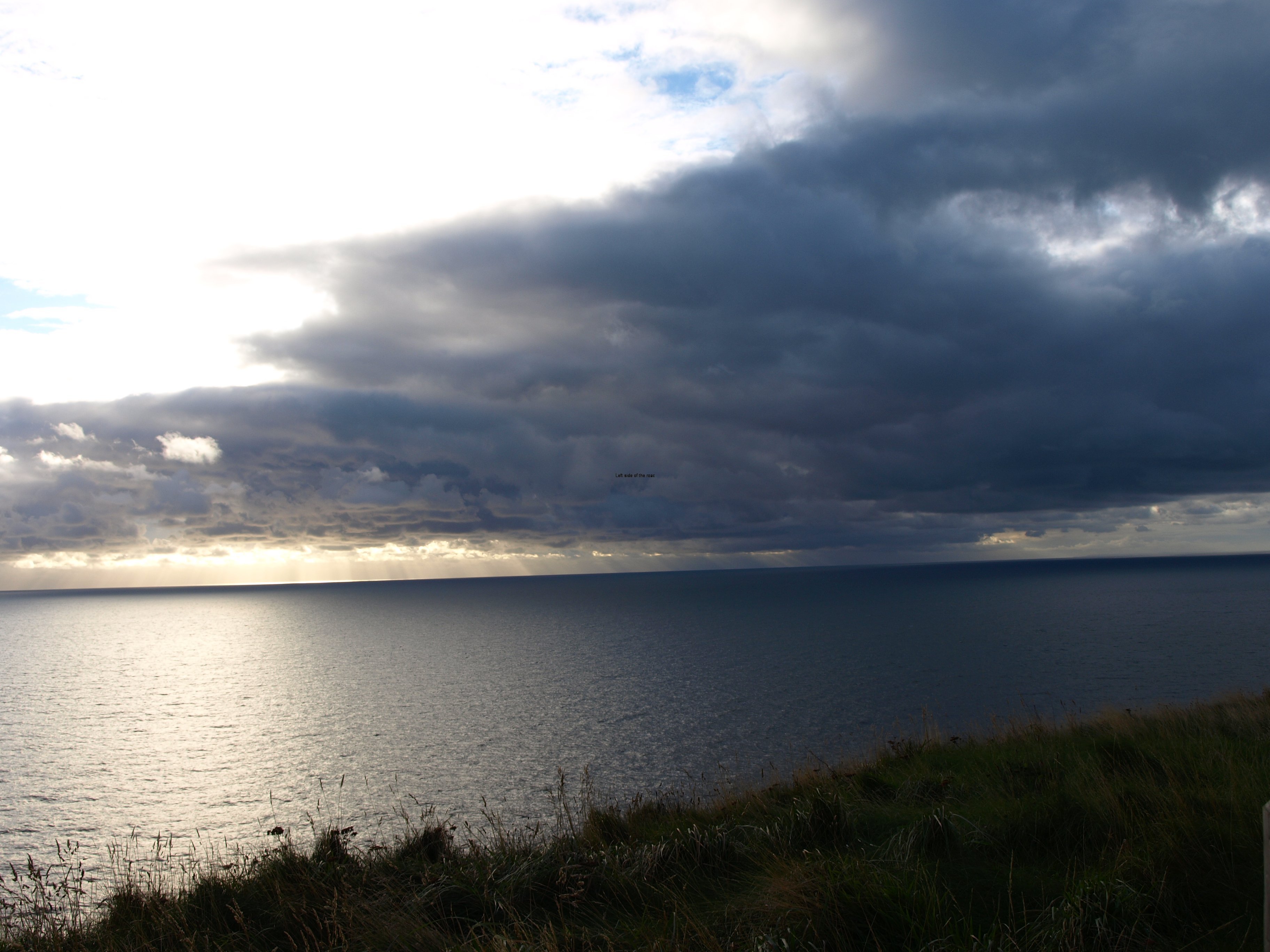
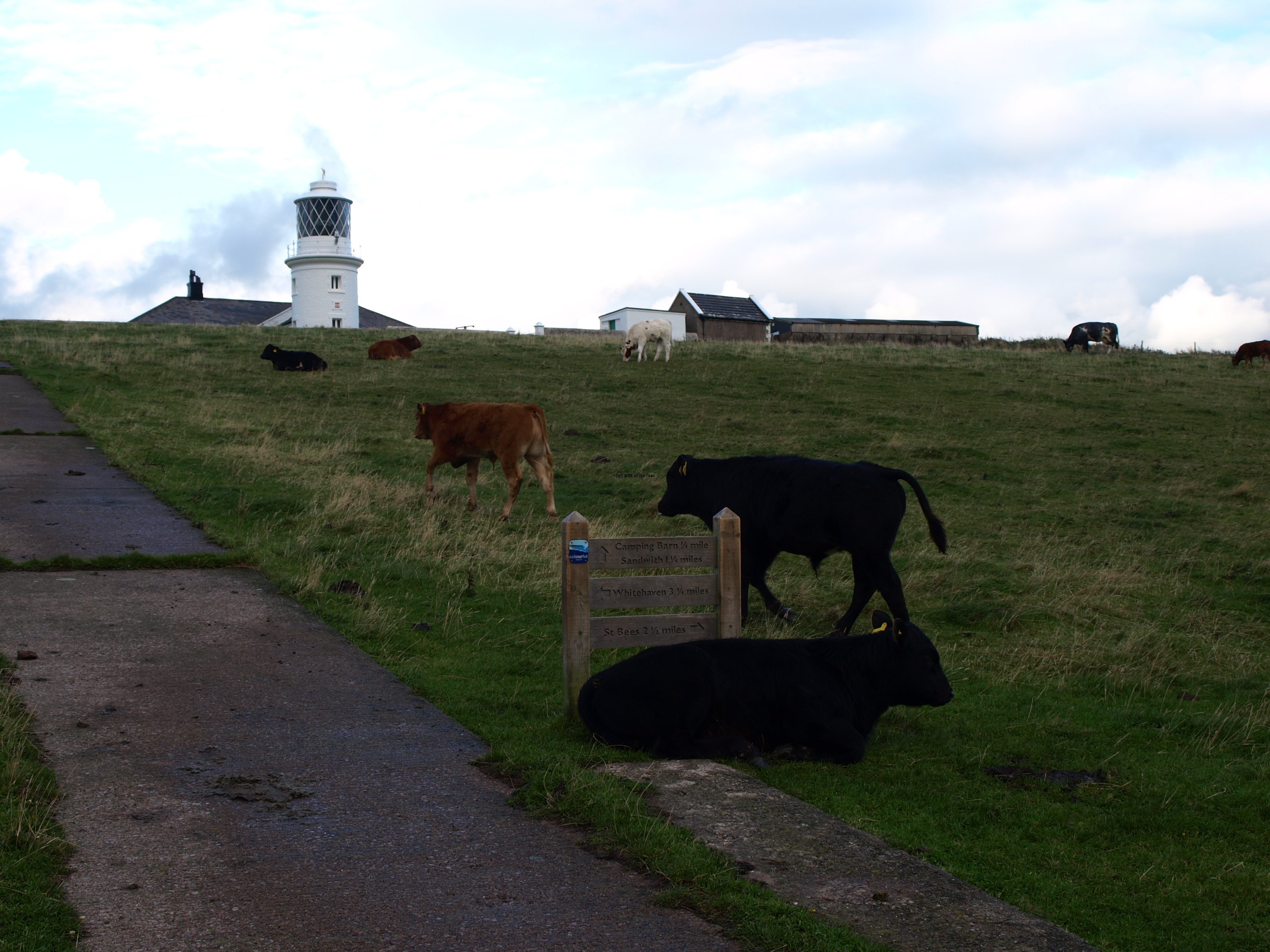
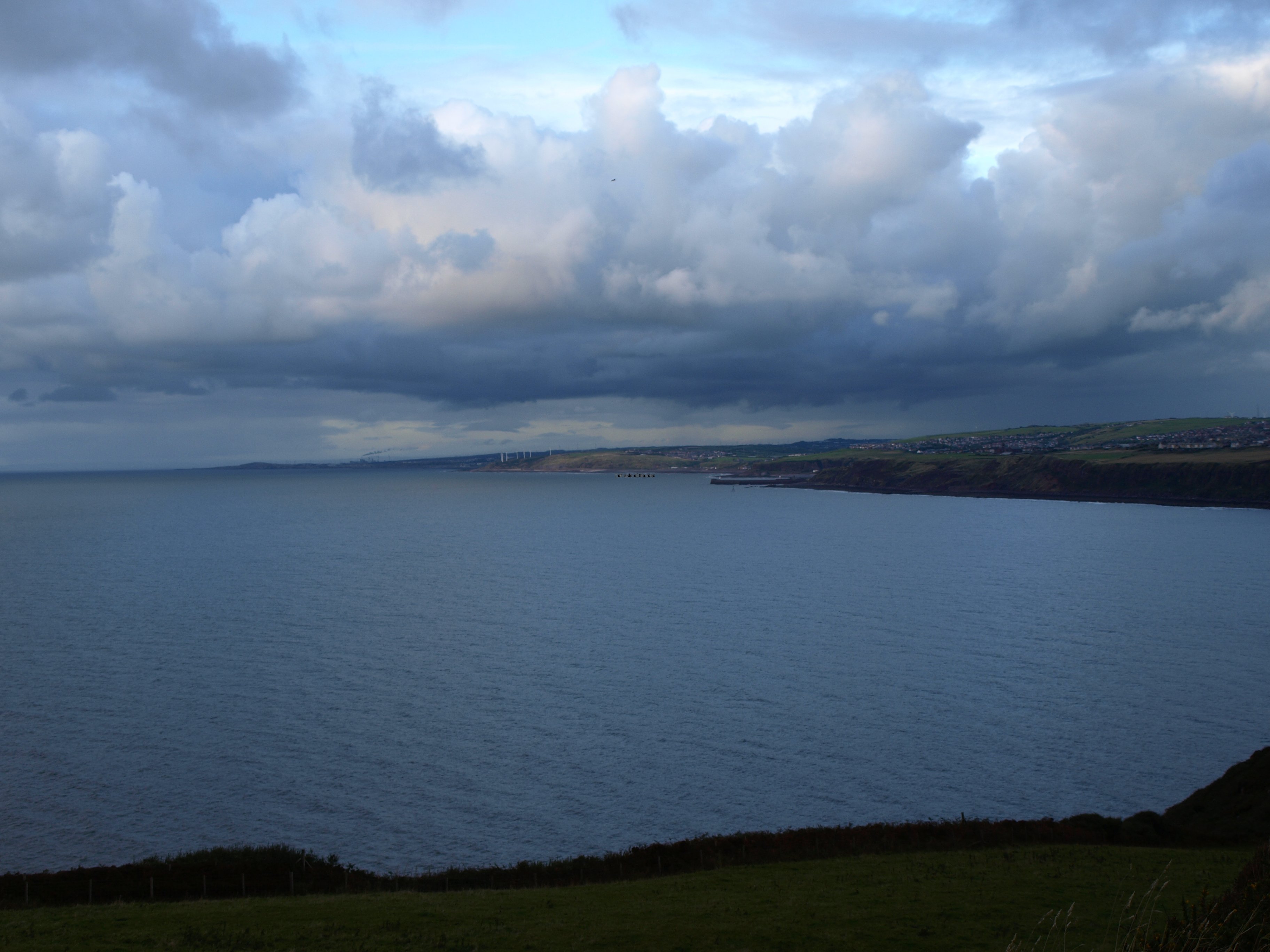
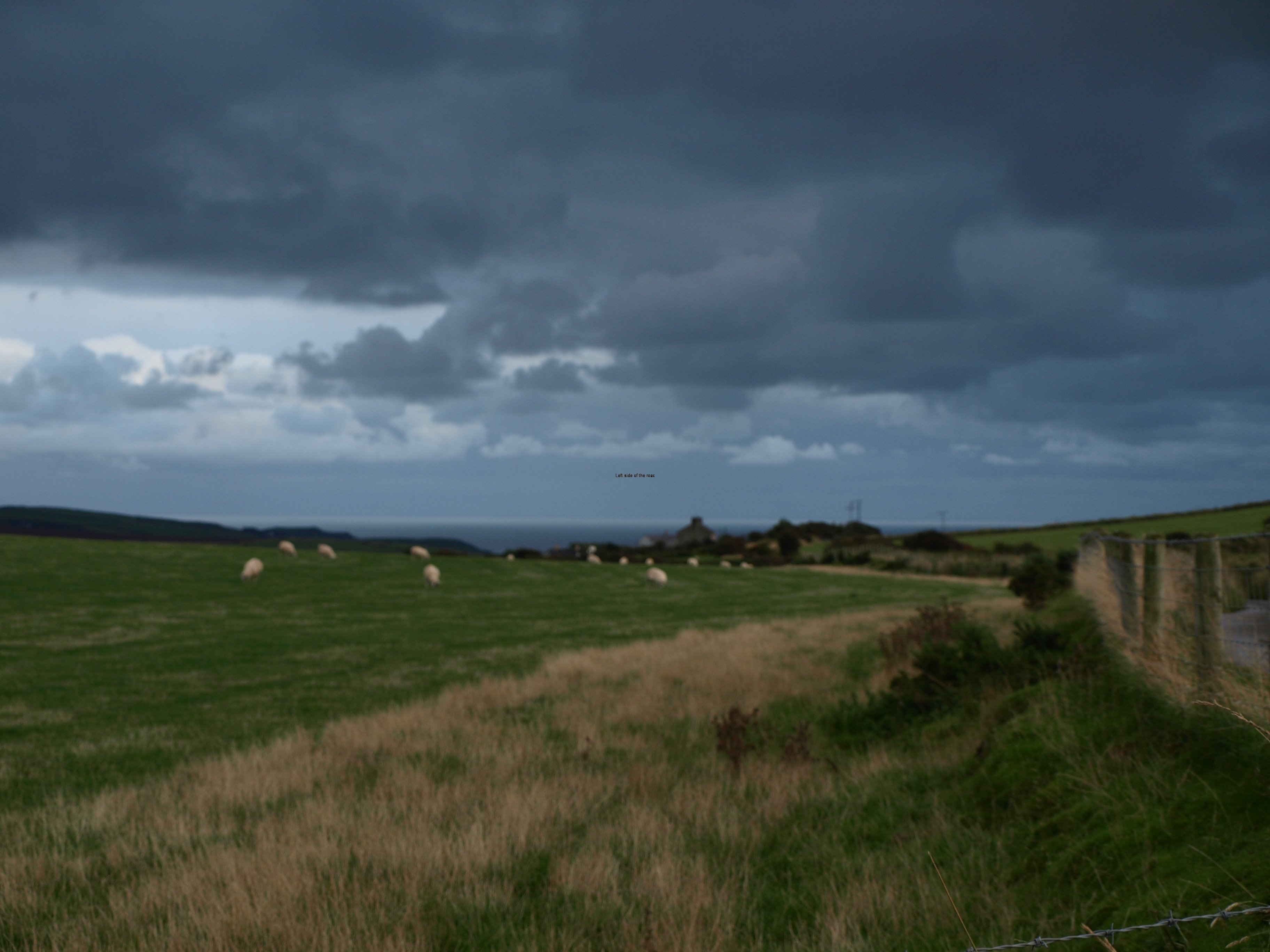
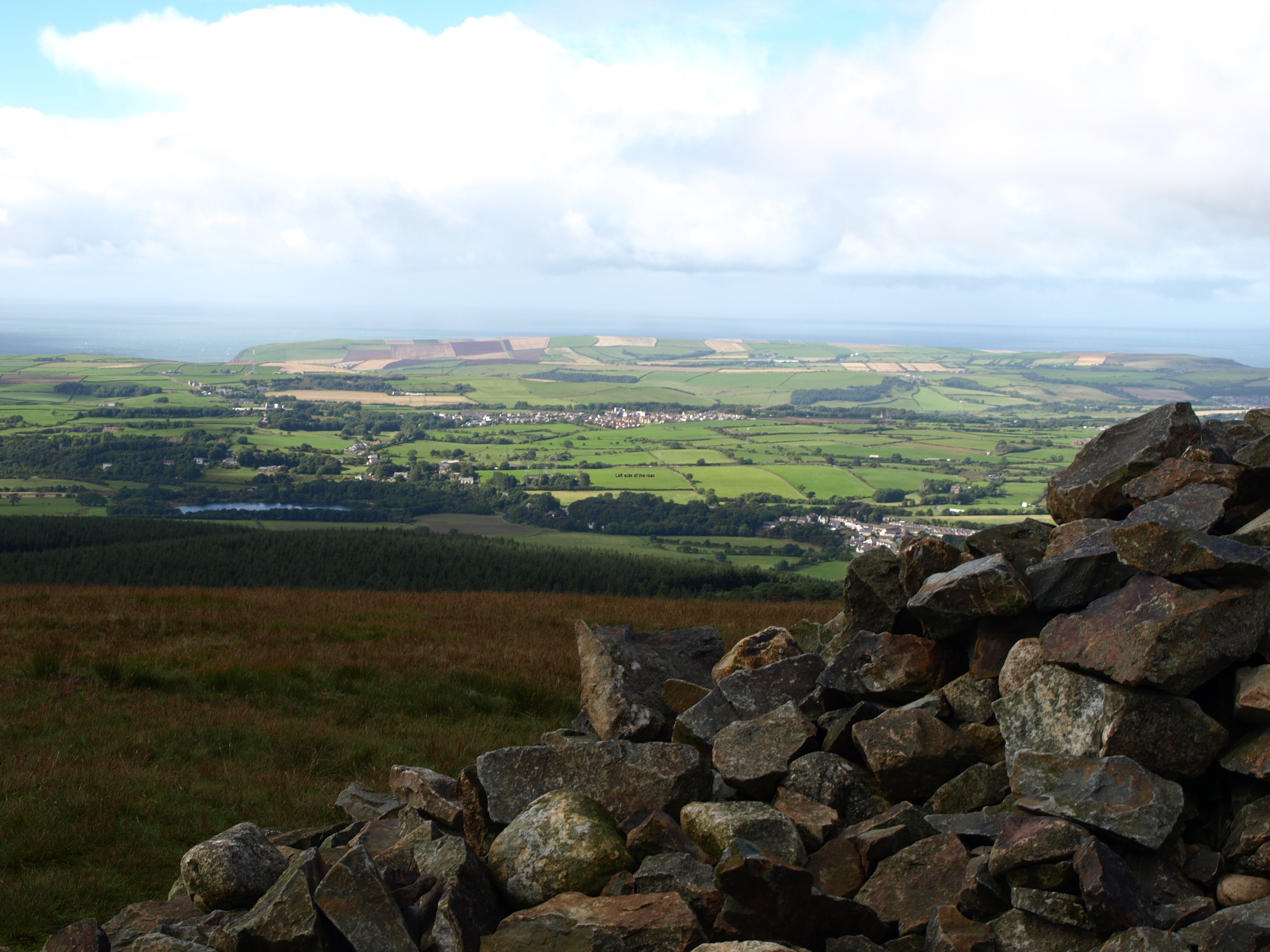
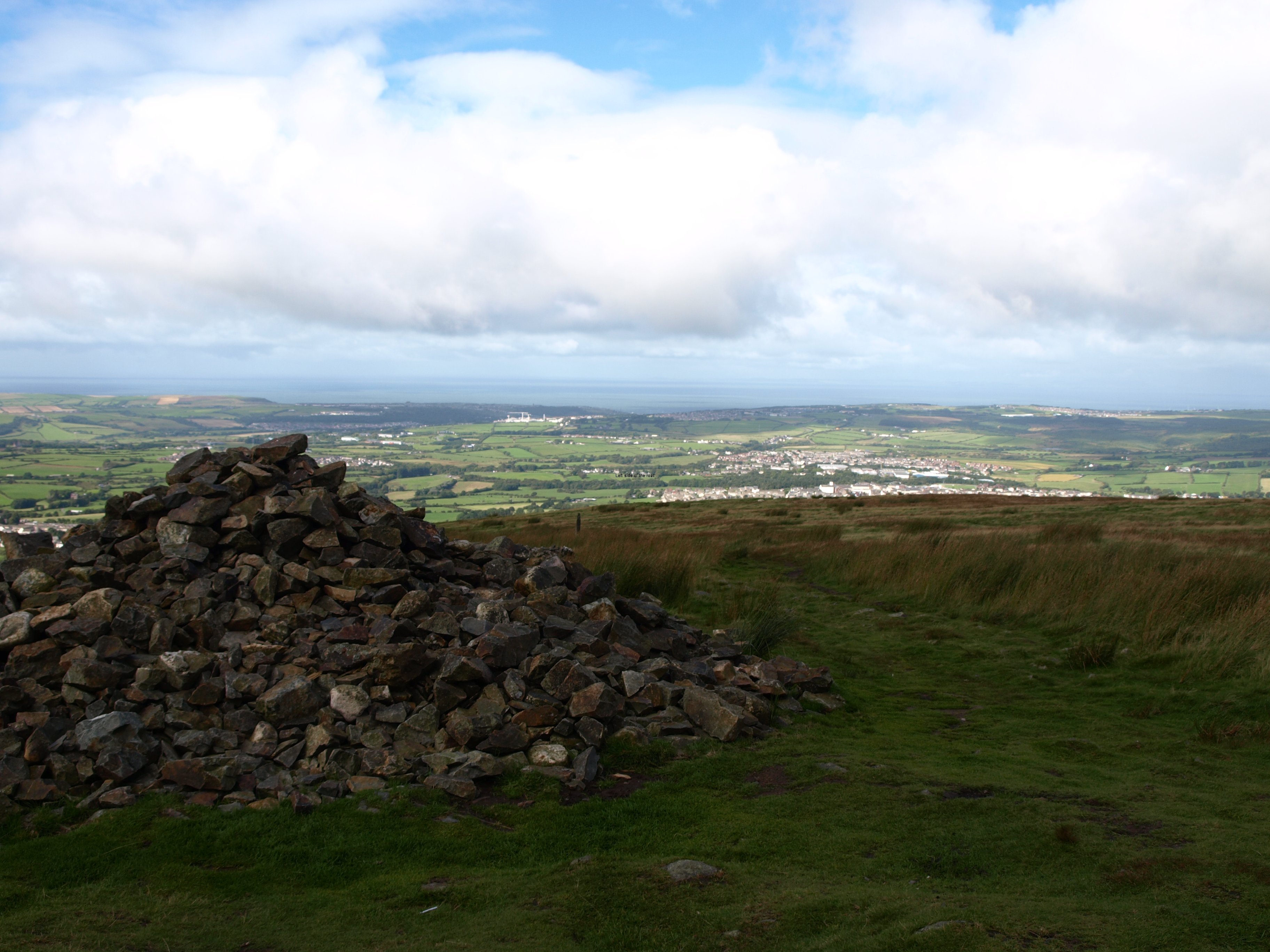
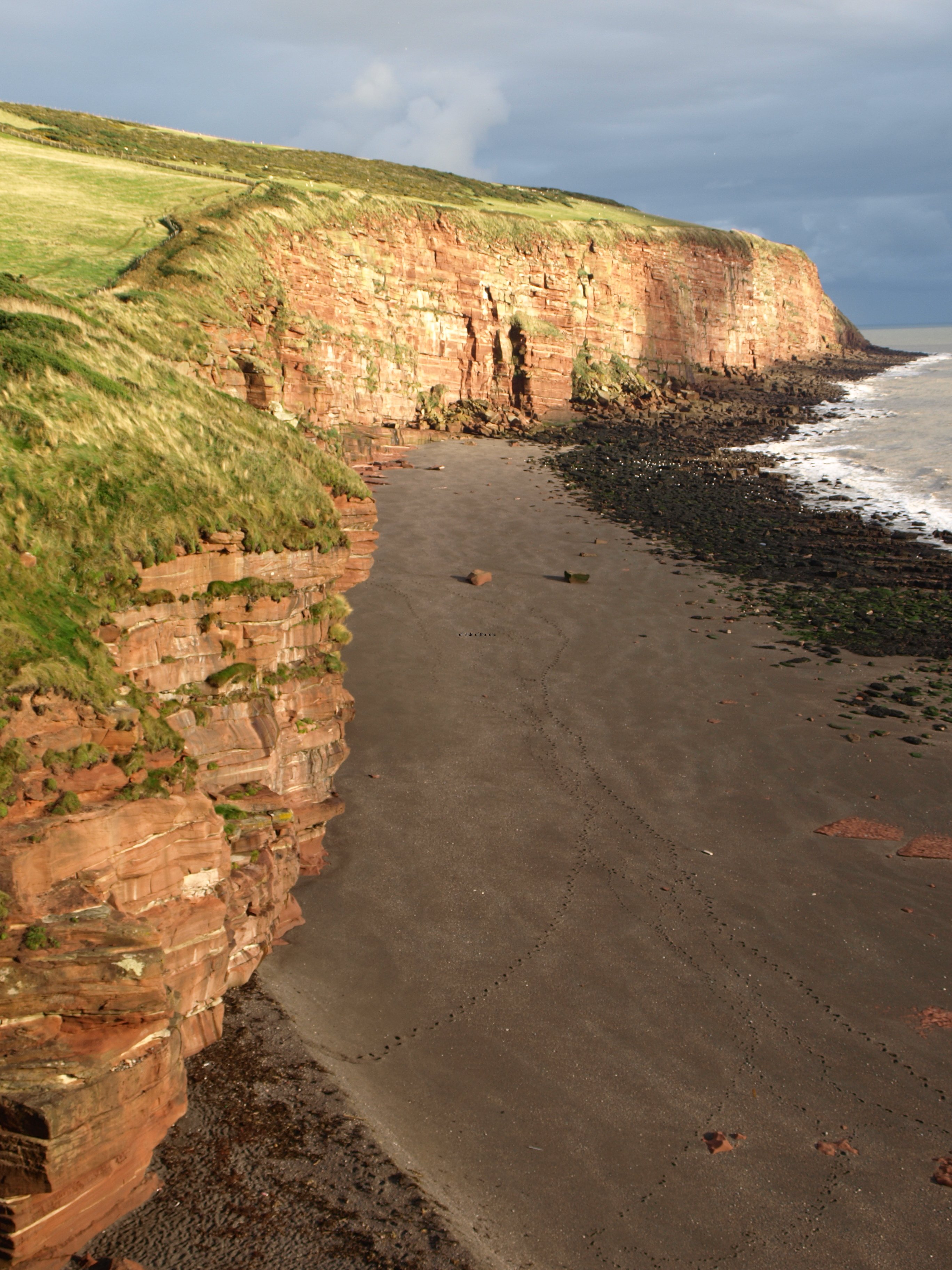
St Bees Head in the sun!
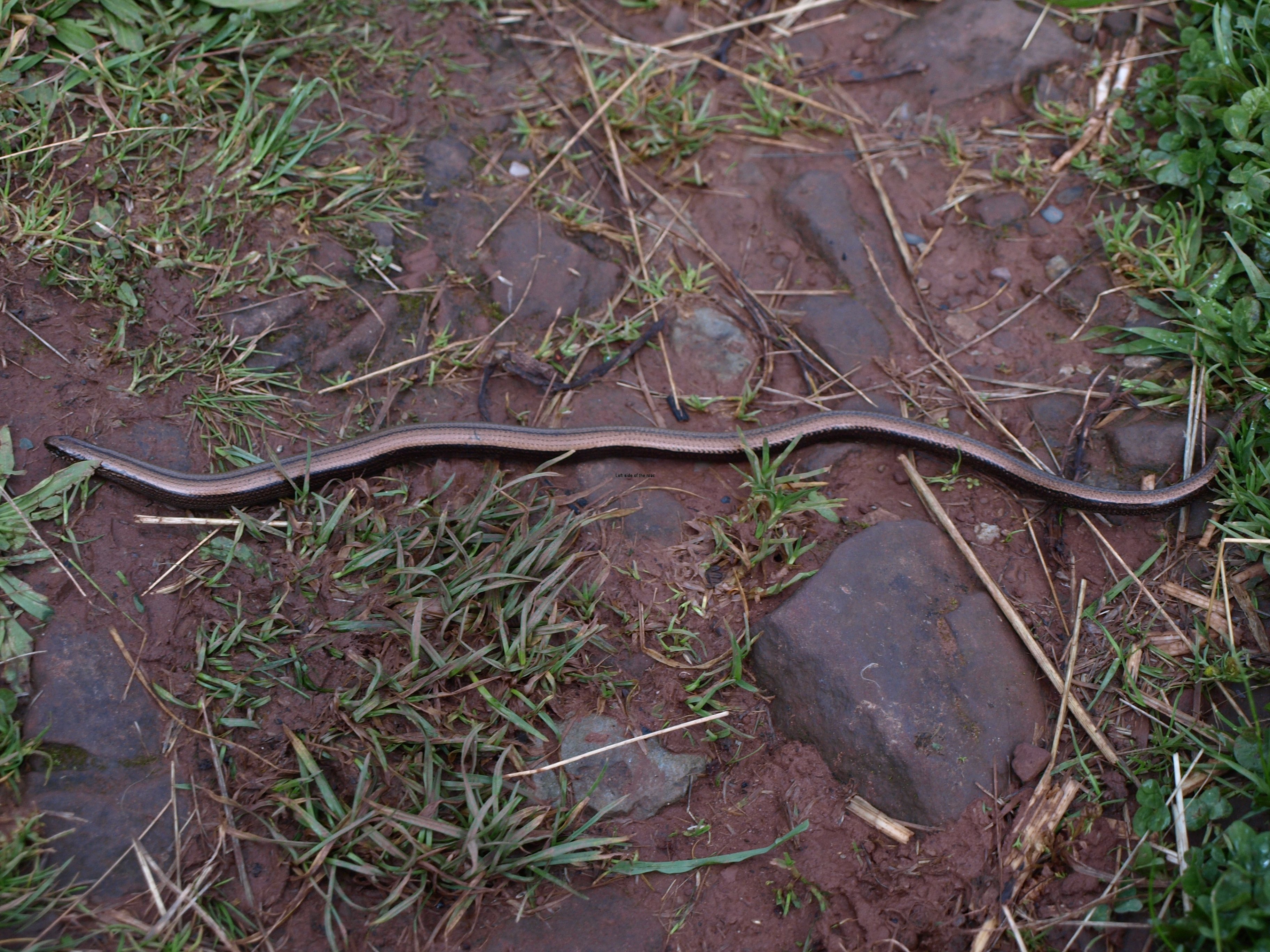
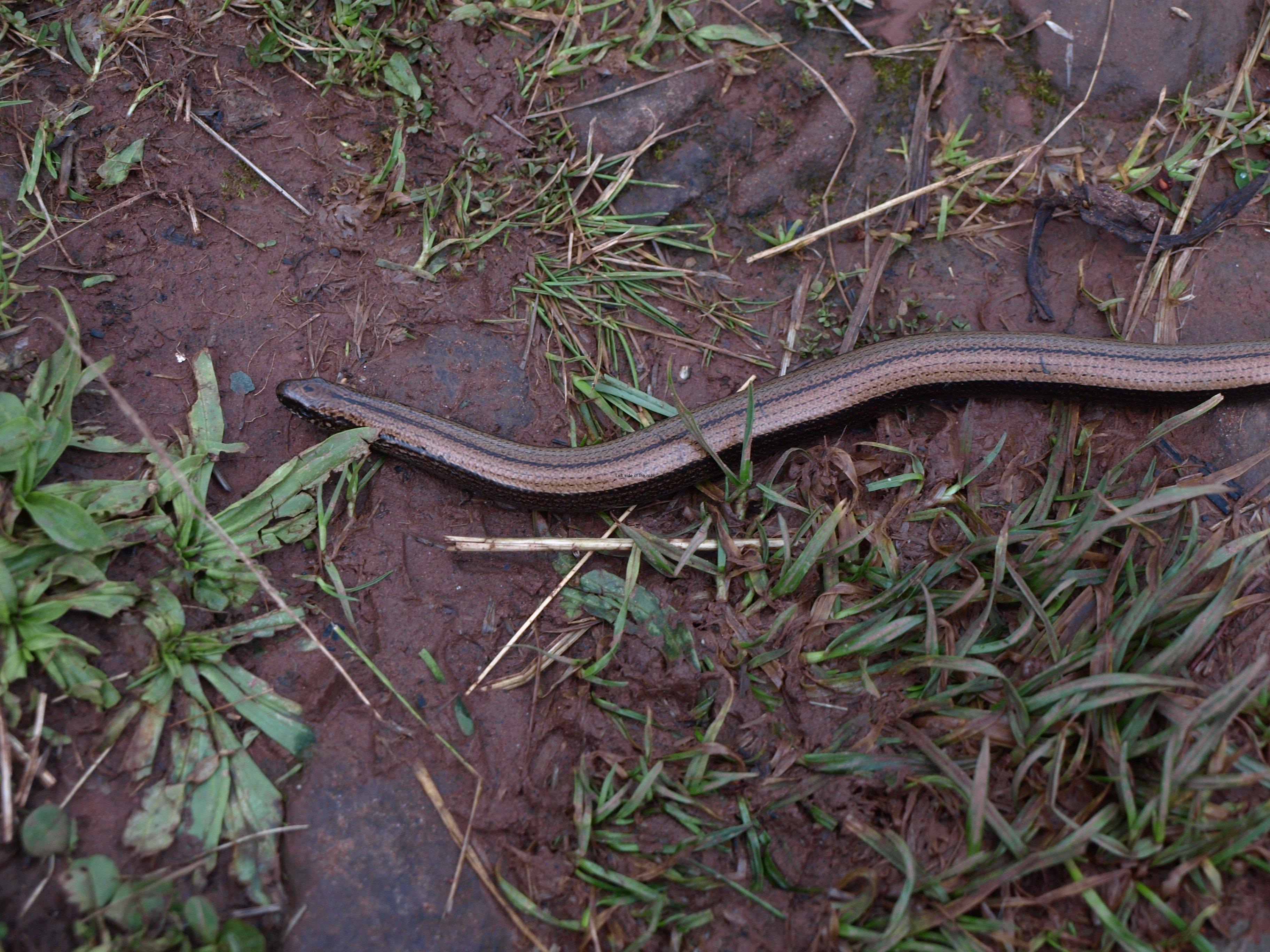
You start off with a relatively steep ascent to follow a path that then goes along the edge of the cliffs – though not particularly dangerous in the vast majority of cases but with a few areas where care needs to be taken. The path is very well-marked but after all the rain we have had in the recent past quite muddy in places, although outside of sheltered areas from the wind the mud was drying quite quickly. And on that afternoon I had: about 30-45 minutes of warm sunshine; saw some rabbits; and just avoided stepping on a slow worm. But as I said earlier the most important aspect of doing this short walk in the late afternoon was psychological. The first steps were made as soon as possible. (I hope I’m not sounding too negative here. I’m looking forward to the walk and the challenge but this is England and the weather is what makes for uncertainty.

Slow worm on St Bees cliff path
So at 7 o’clock on the evening of 17th September it was 5 miles down, 195 to go.
What I also come to quickly realise, as I had thought, was that starting these long distance walks in the middle of the week normally means fewer people competing for the limited accommodation, and that benefit stays with you as you progress.
What this little walk enabled me to do was test the veracity of the information in the book I’m using. Although there was little chance of going wrong there were enough little indicators to show that the author has done a good job. (The guide book I used was the ‘Coast to Coast Path’ by Henry Stedman, 5th Edition, Trailblazer publications, 2012.)
Leaving the pub at about 10.30 the night before there was a clear sky and the almost full moon, so things were starting to look up weather wise. Also had been modest in beer consumption, something I want to keep to, perhaps apart from the free day or the night before.
The next morning, Wednesday 18th September, I was unpleasantly surprised to find that it had rained over night, seeming to contradict the indications of the night before. At the breakfast table things got worse as, looking out the window, there was a slight drizzle. But even worse were the images on the tele, which is always on in B+B breakfast rooms. Not having had a television at home for the whole of this millennium there are many names to which I cannot put a face. Since the Tories (and the ersatz Tories, the Liberals) became out ‘leaders’ I wouldn’t recognise most of the ministers if they entered the room. Now I was assaulted by a procession of Tory ministers spouting their lies and inconsistencies. The fact that they are our ‘leaders’ says more about the electorate than the elected as these smug, rich, public school educated, privileged, chinless wonders made their arguments that we must maintain austerity and that ‘we are all in this together.’
Once I was through that unpleasant interlude I started on the walk proper. The plan was that having done the first stretch along the cliff edge all I needed to do was to catch the local bus back up to the small village of Sandwith (pronounced ‘Sanith’) – up being the operative word – it was all right coming down carrying nothing, it would be a different matter going back up with a full pack. The local bus was due to leave at 09.14, which made matters very convenient as I would be under way by 09.30. But the bus didn’t turn up! And as always in these situations where the vast majority of the population, even of small villages don’t use public transport, when I asked the locals if they knew what had happened they could throw no light on the matter as if it hadn’t happened before. Fortunately for me when I asked at the B+B they offered a lift and so, even now 15 minutes later than planned/expected I started to head east.
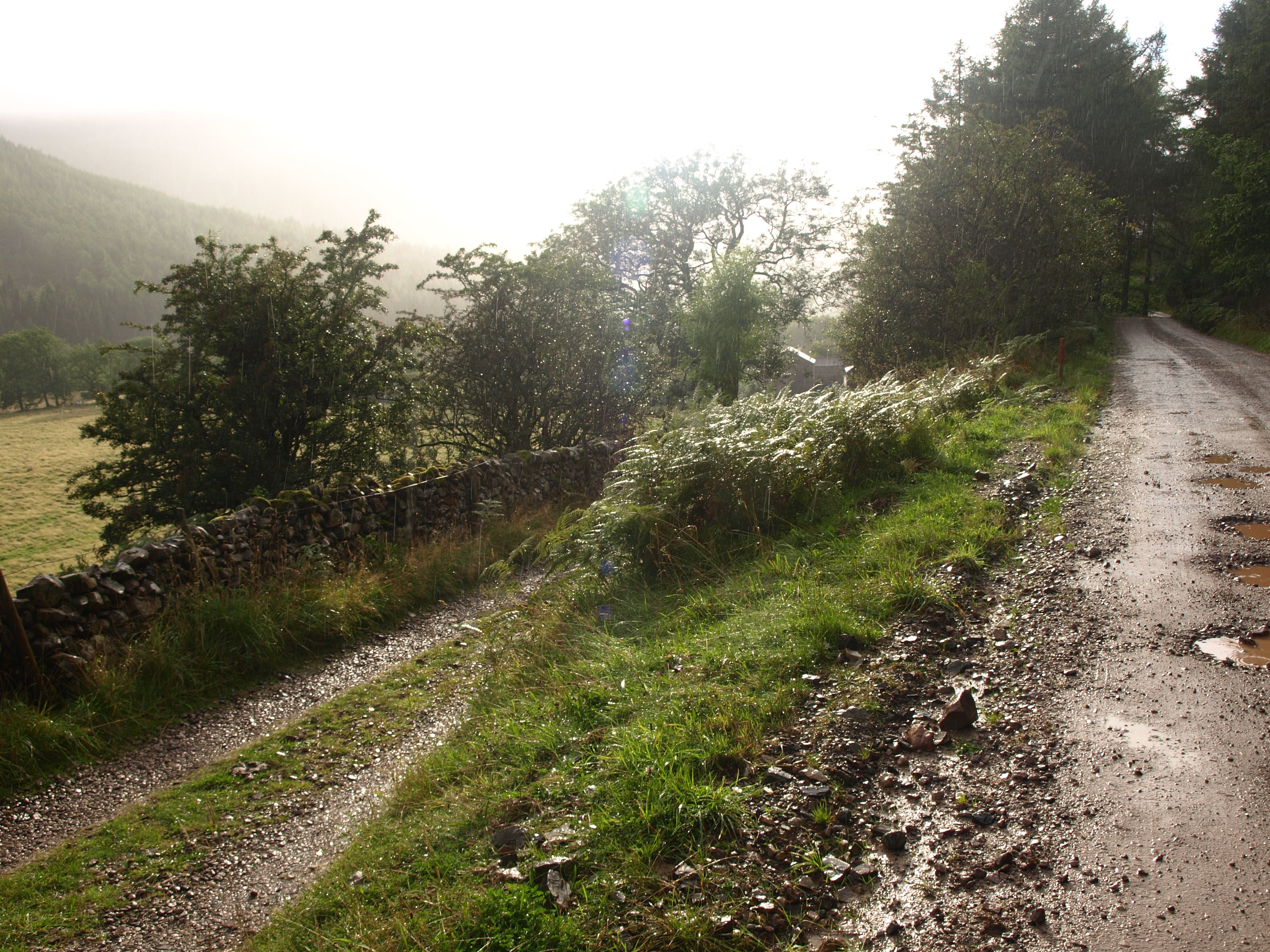
With the sunshine!

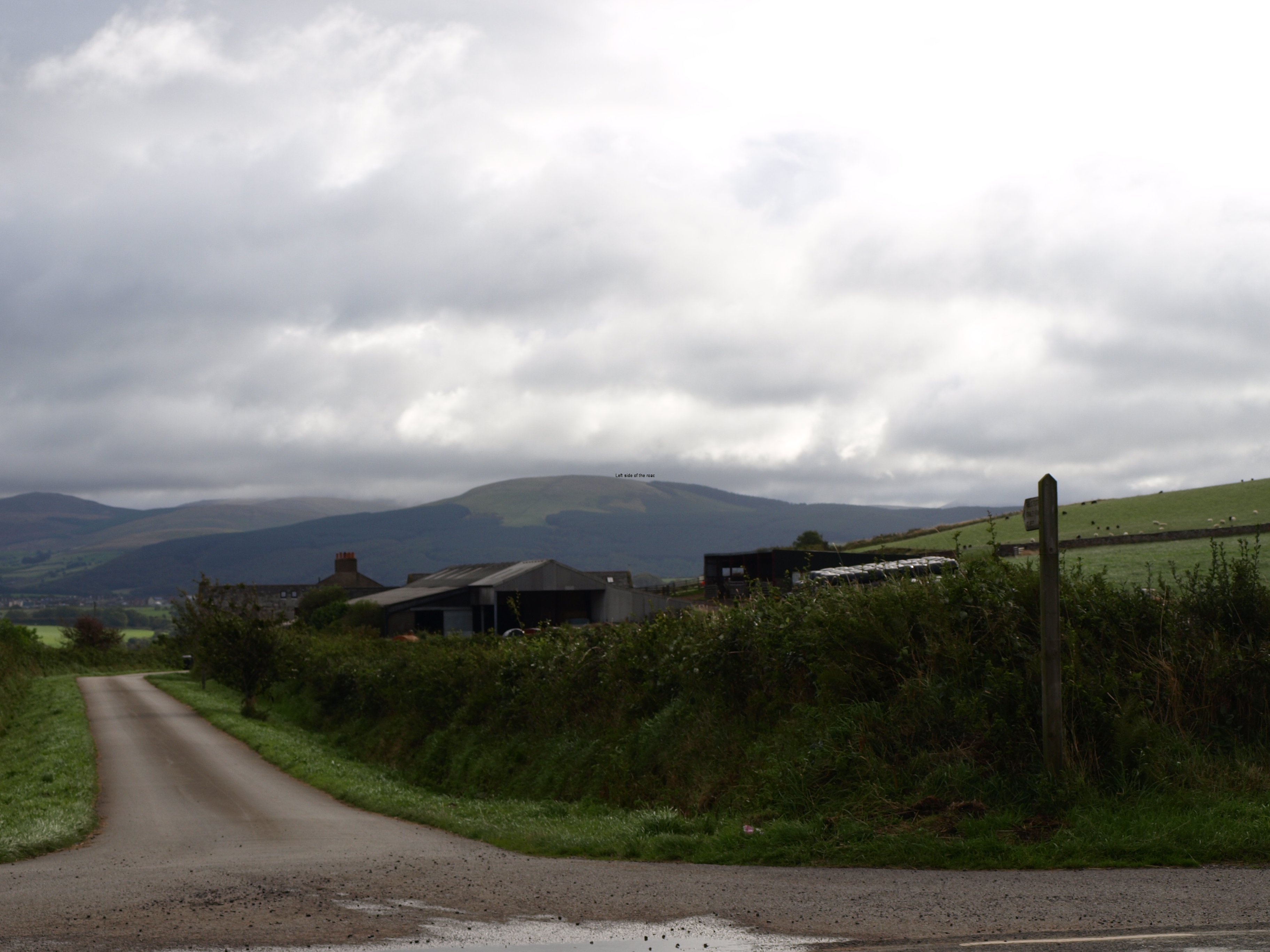
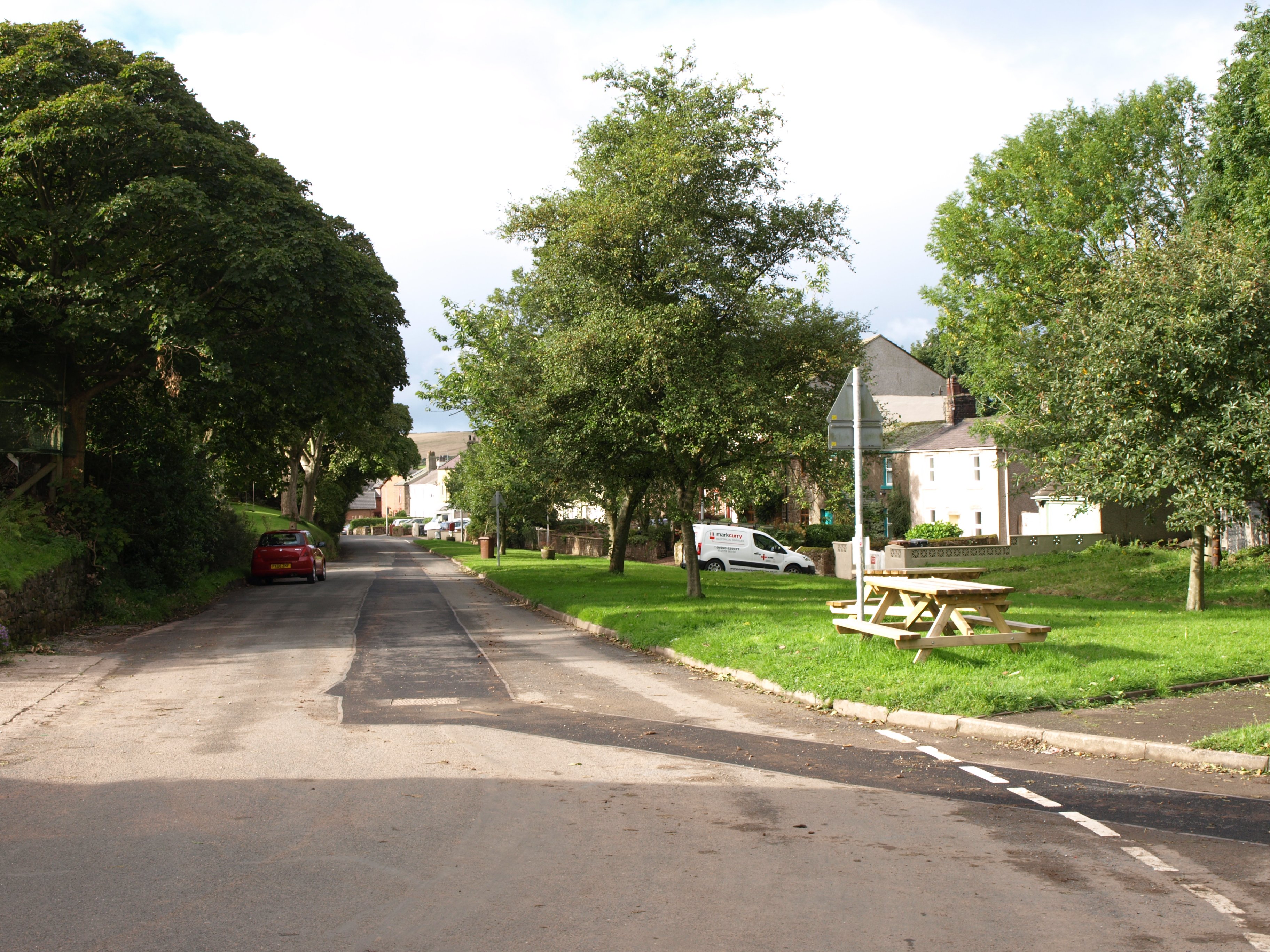
Sandwith in the sun on the first full day
As I had been waiting for the bus the weather was improving. Still a little cool in the shade but with an increasing amount of blue sky. This seemed to be following the TV weather forecast that indicated that the weather would really turn into a true ‘Indian Summer’ by the end of the week. Were my fears of walking in the constant rain, the only difference being getting wet or totally soaked, groundless? Indicators were looking good. So it was a lot more enthusiasm as I made further steps towards the east.
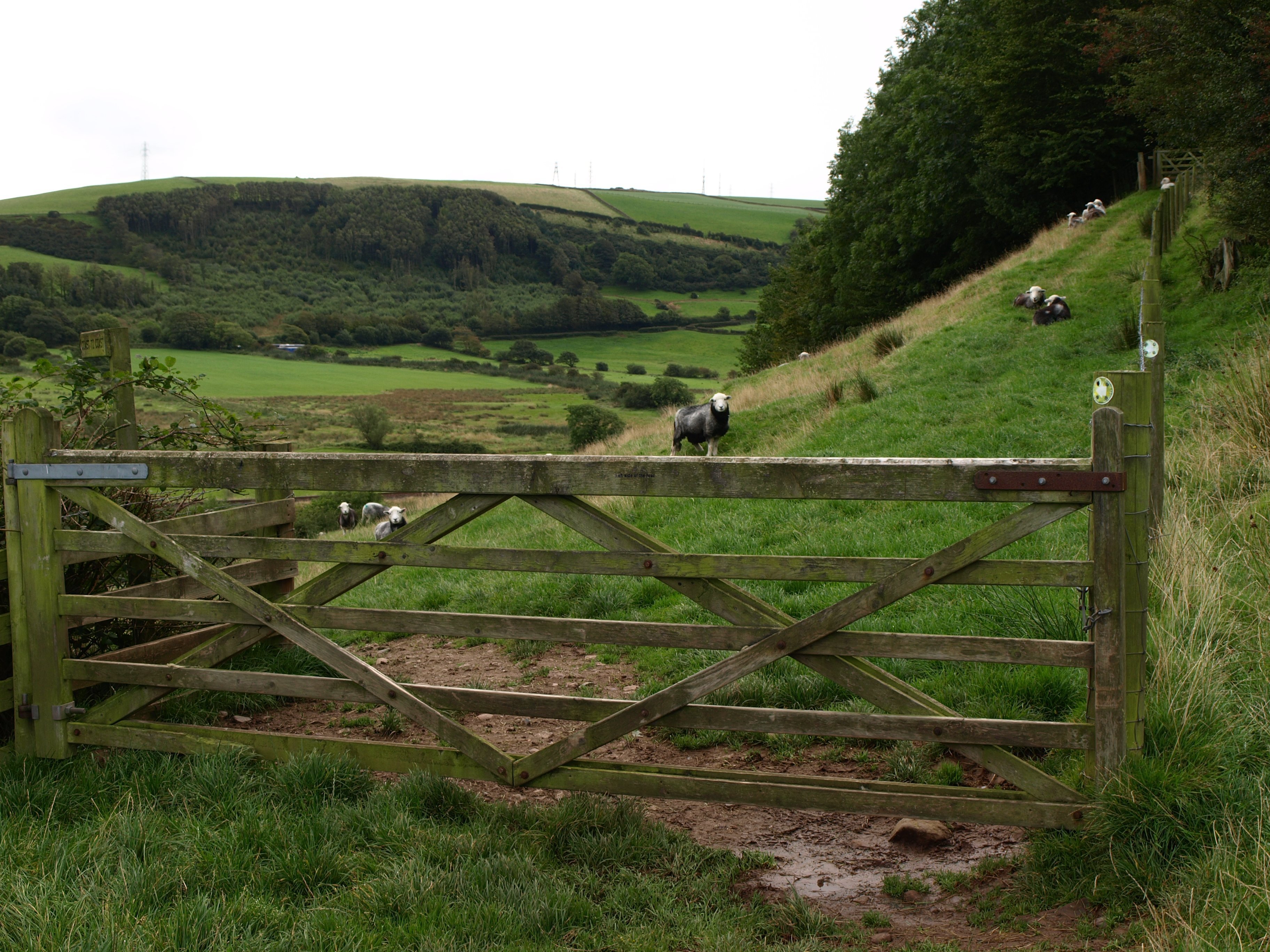
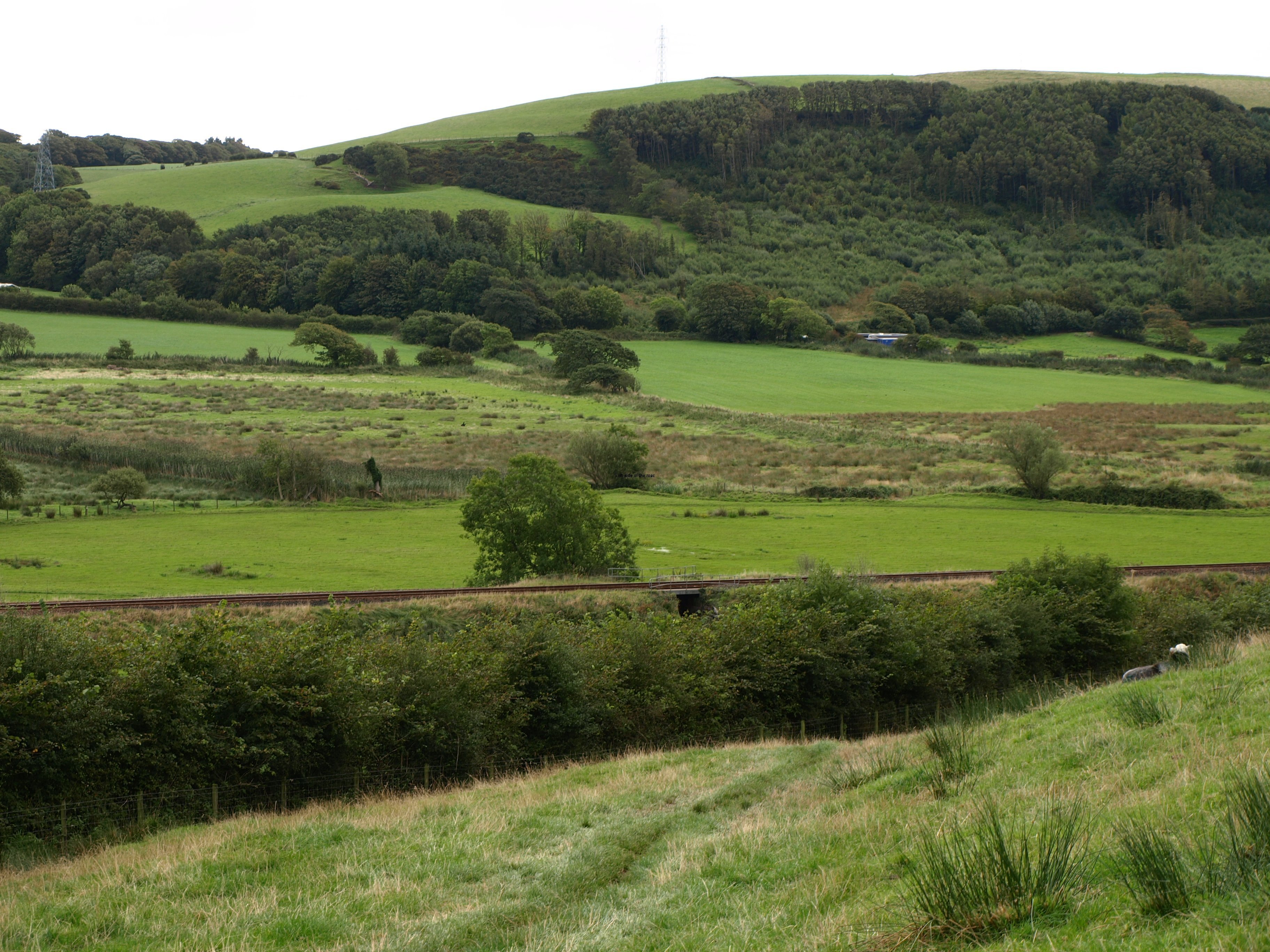
But in many parts of the Lake District it can be wet at any time of the year and many fields along the way are permanently water-logged. Water logged fields means mud, lots of it, and sometime you can sink into it above your ankles. Although the parallel might be a bit extreme I always think of the novel ‘Under Fire’, written about the First World War by the French Communist Henri Barbusse. When people think about the trenches on the Western front they think of the horror of the bombardments and ‘going over the top’. One phrase that has stuck with me since I read the book many years is ‘hell is water’. And the mud that comes with it. And I know that mud is going to be a major factor on this route, even over the other side of the Pennines, whatever might be the weather above my head. OK, it’s a bit a step to compare walking across this tiny isle and being on the Western Front but I hope you get my idea.
And with water comes mud, and with mud comes slippery and with slippery comes falls. And I was quite pleased that by the end of the day the falls amounted to two, one without poles, one without.
The first one was due to lack of attention. I was thinking again about the bastard Tories who had assaulted my ears on the television over breakfast. It seems that Tories can do you harm if you merely think about them. Do you also know that the word ‘tory’ comes from the 17th century Irish word ‘tóraidhe’ meaning thief/brigand – so nothing has changed there.
The second one was when I was going down what is considered to be the steepest descent on the whole route, and that was when I was in the company of the two Canadians. For some reason I seem to fall over either when walking in the company of others or when walkers are coming in the opposite direction (as happened when I was up here earlier in the year for my trail run). It’s as if I christen out contact by bouncing off the ground.
I’ve become an advocate of poles, not just the one but two. I don’t think you really get the benefit with the one. With two you can pull yourself up hill, very much in the way that cross-country skiers get along, and used effectively going downhill can really protect the knees as well as preventing unplanned downward velocity. On this route there are lot of climbs and there are also a not inconsiderable number of steep descents, which play murder on the knees.
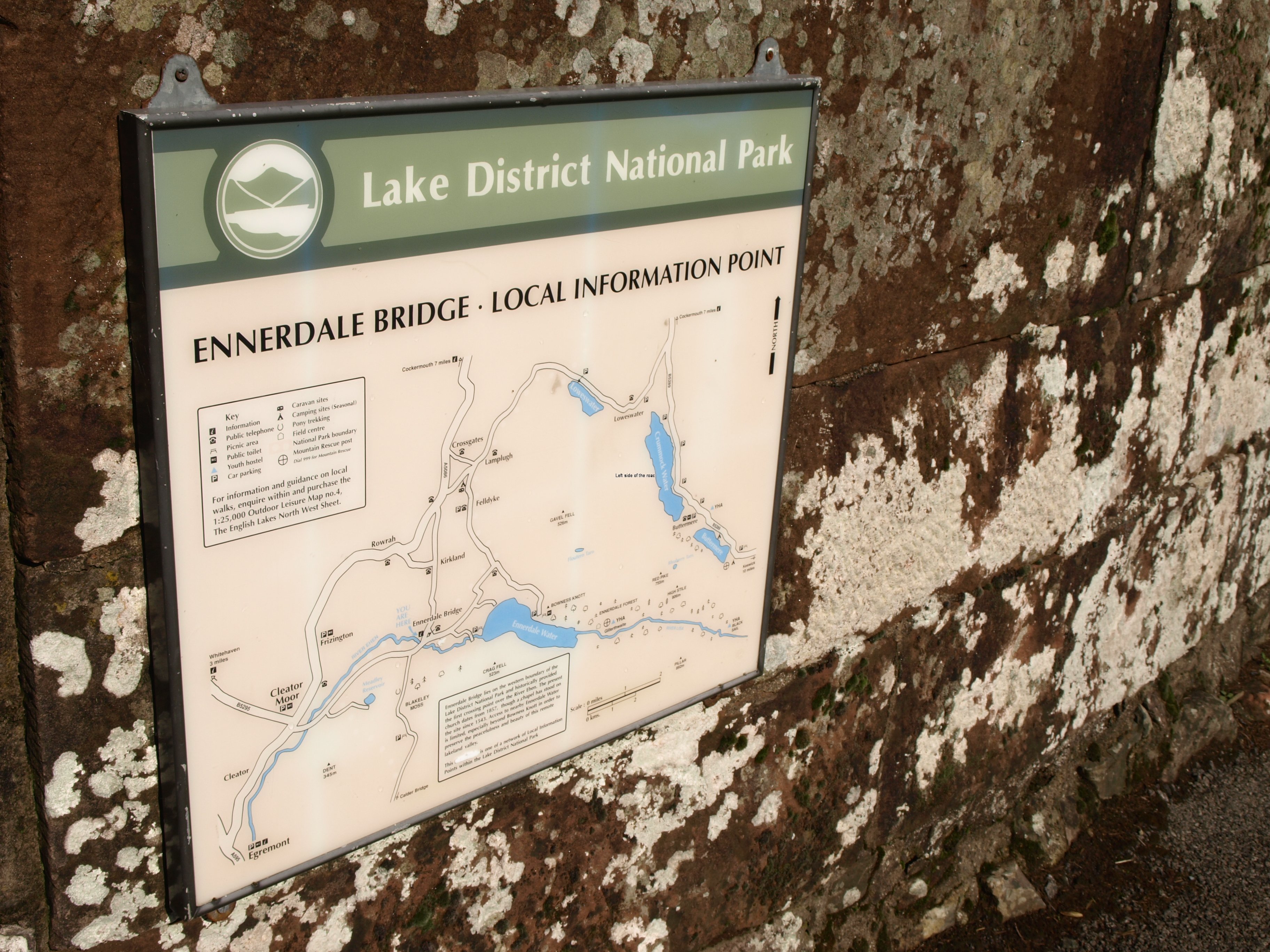
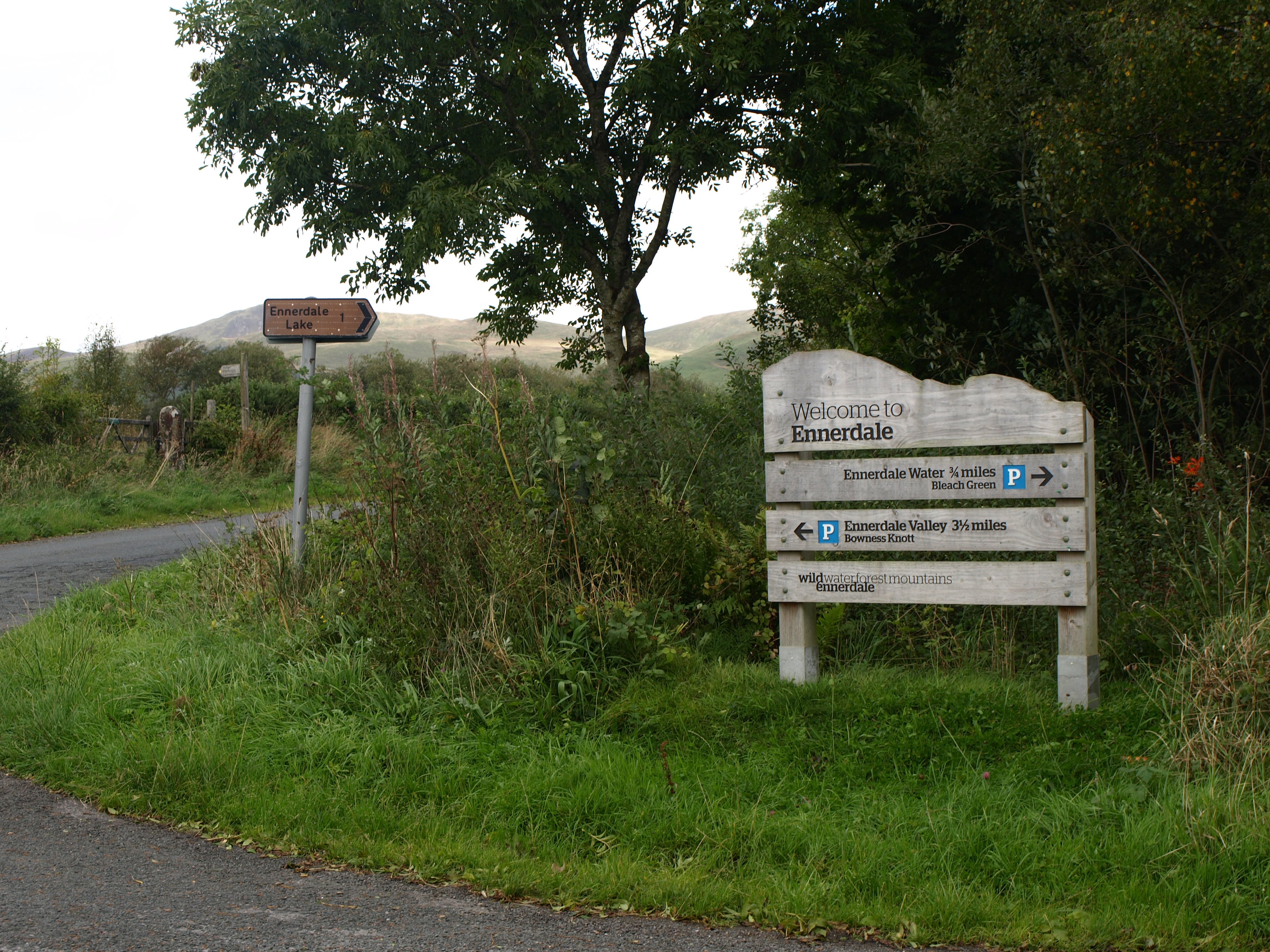
This first day was not that extreme. My total mileage amounted to about 16-17 (a little more than first anticipated as I took the longer northerly, and drier route around Ennerdale Lake – as in particularly wet conditions the ‘official’ long distance route along the south shore can be very wet and probably would have taken longer.
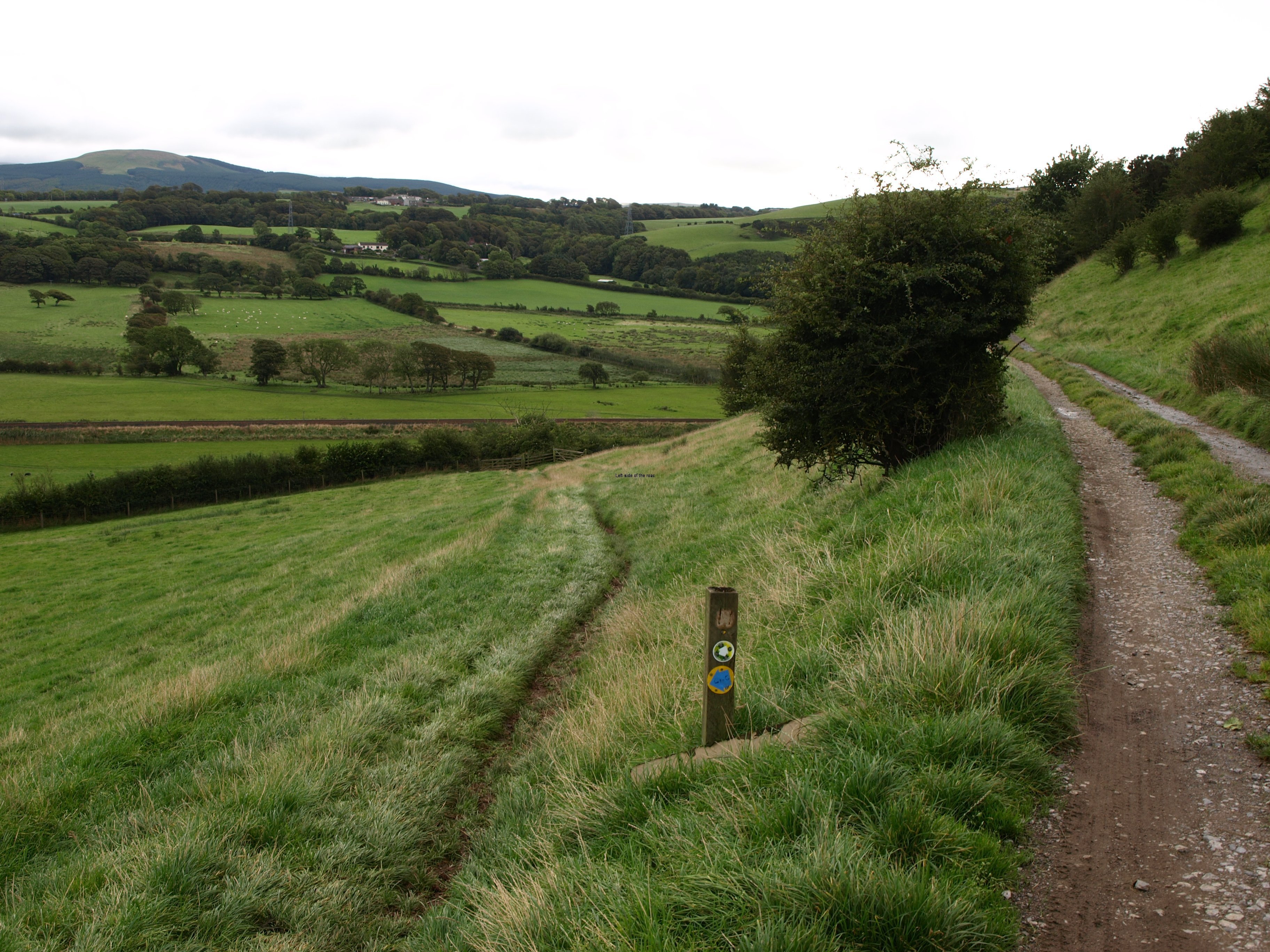
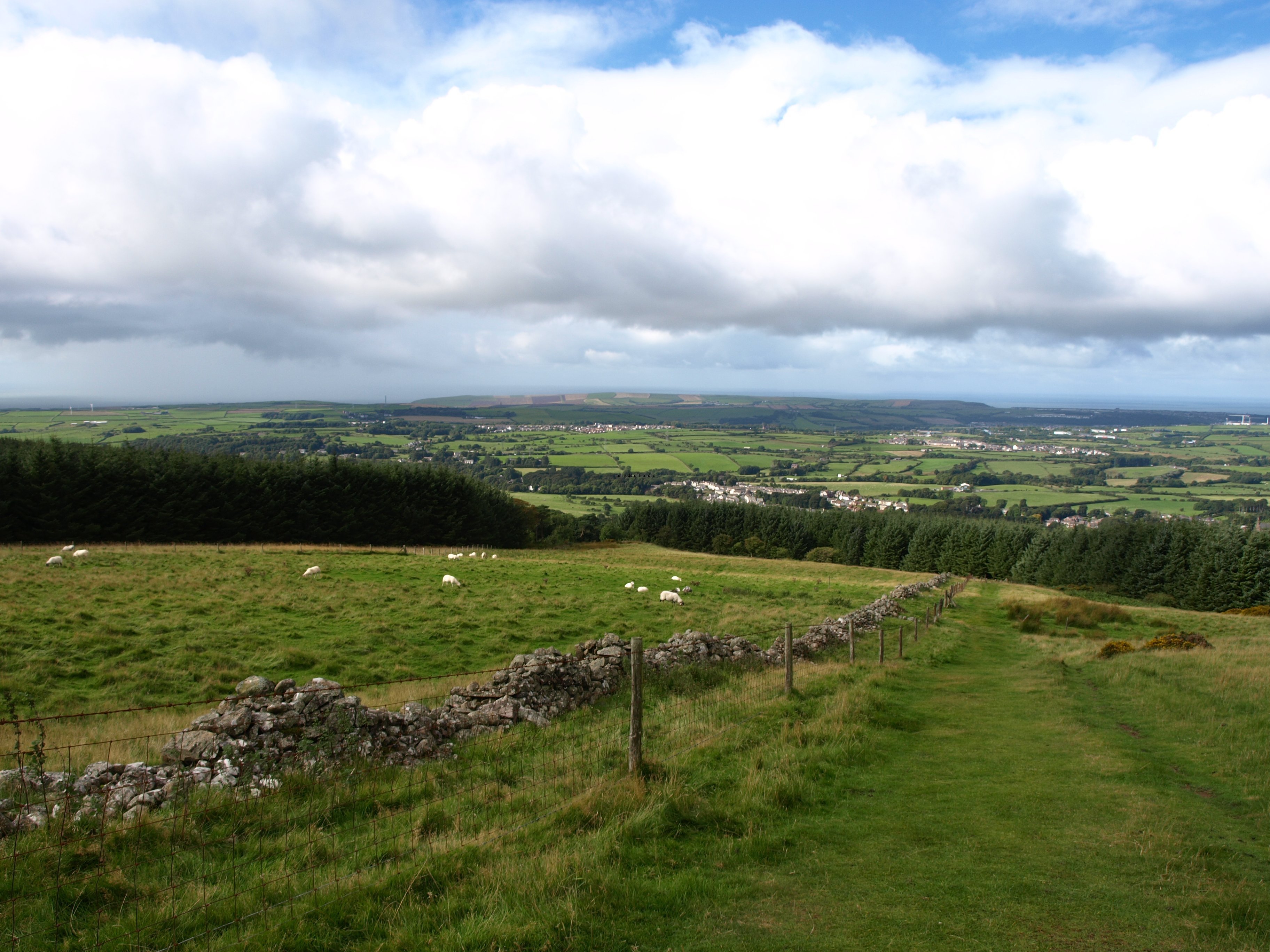
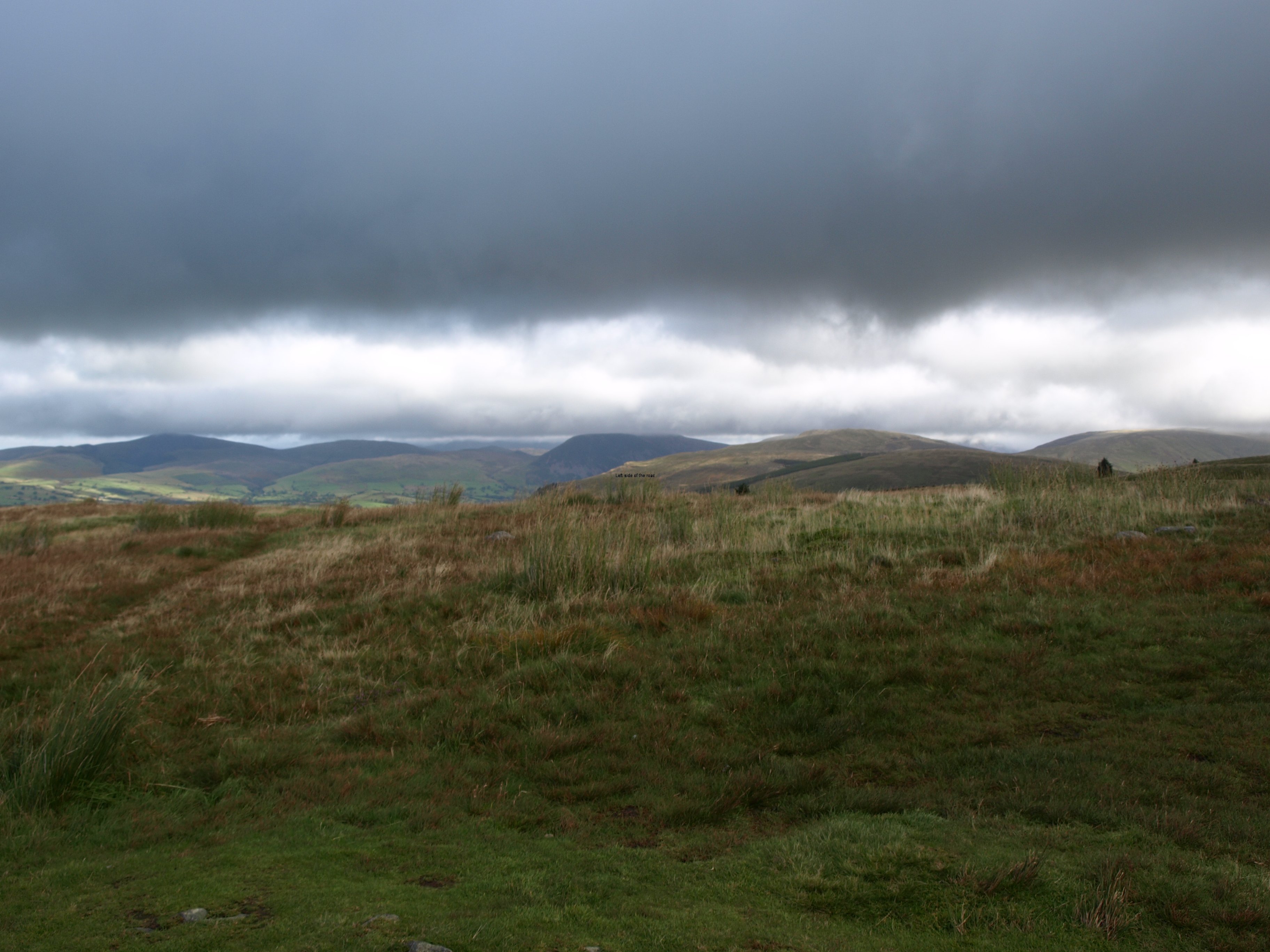
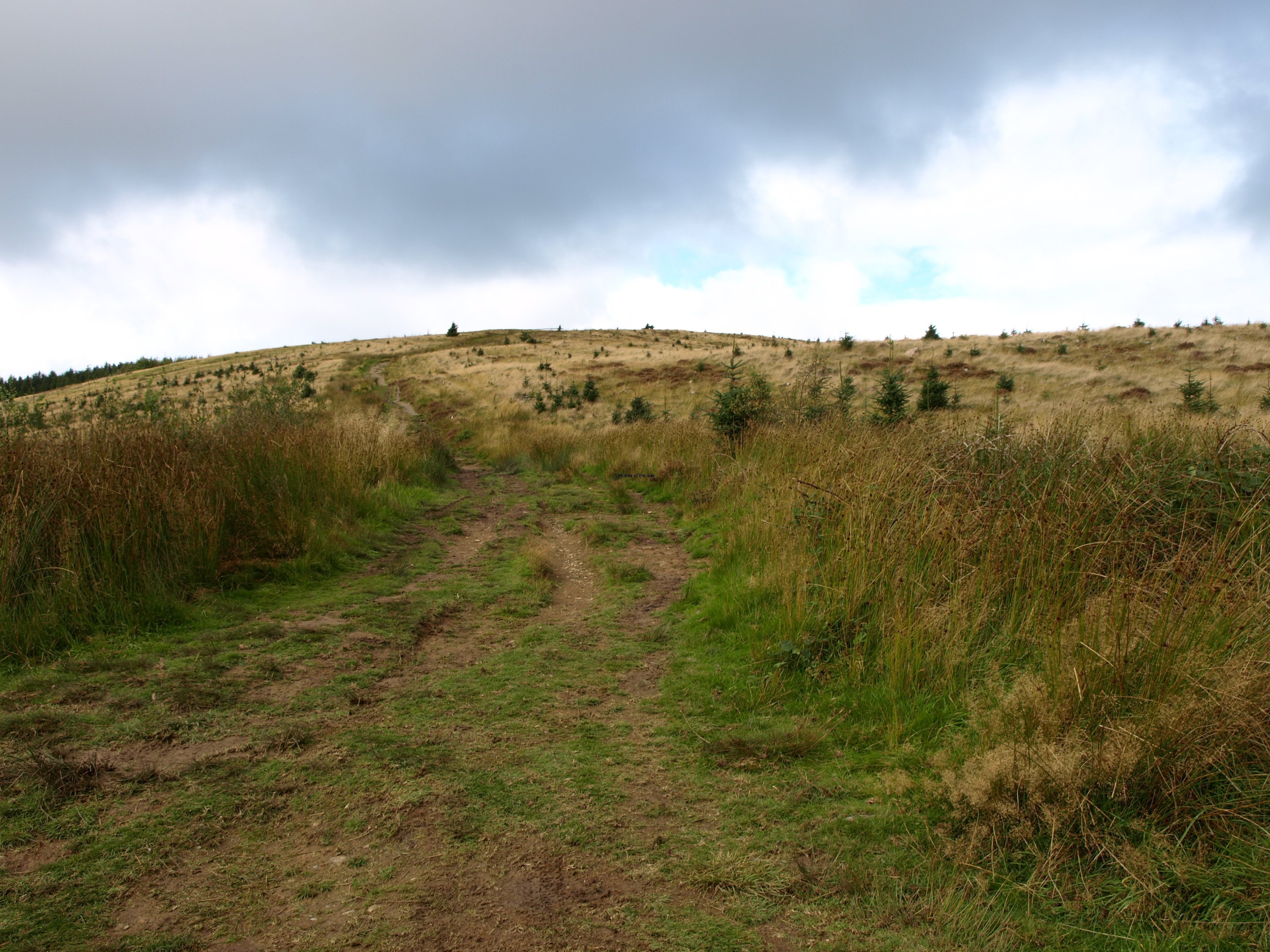
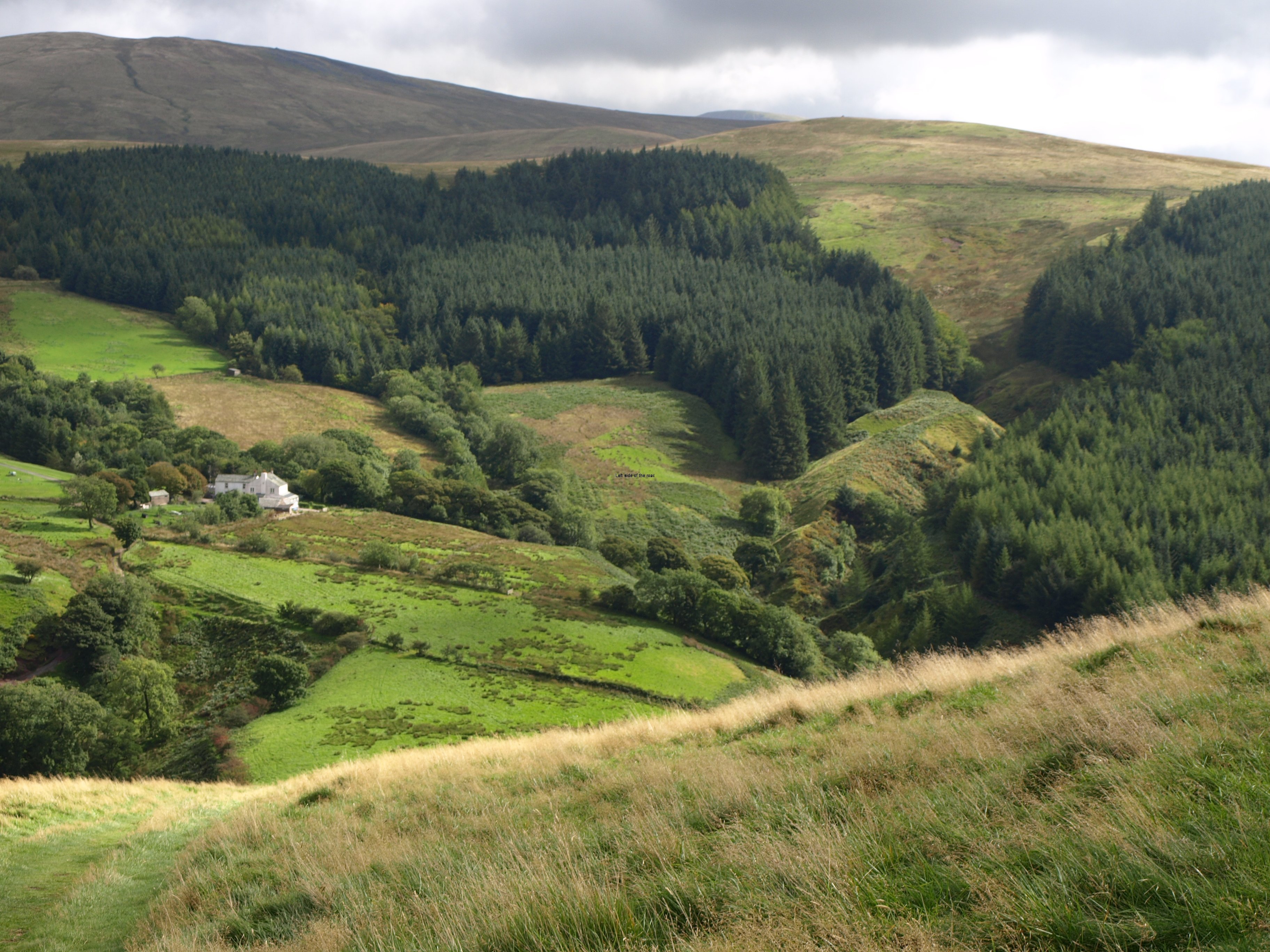
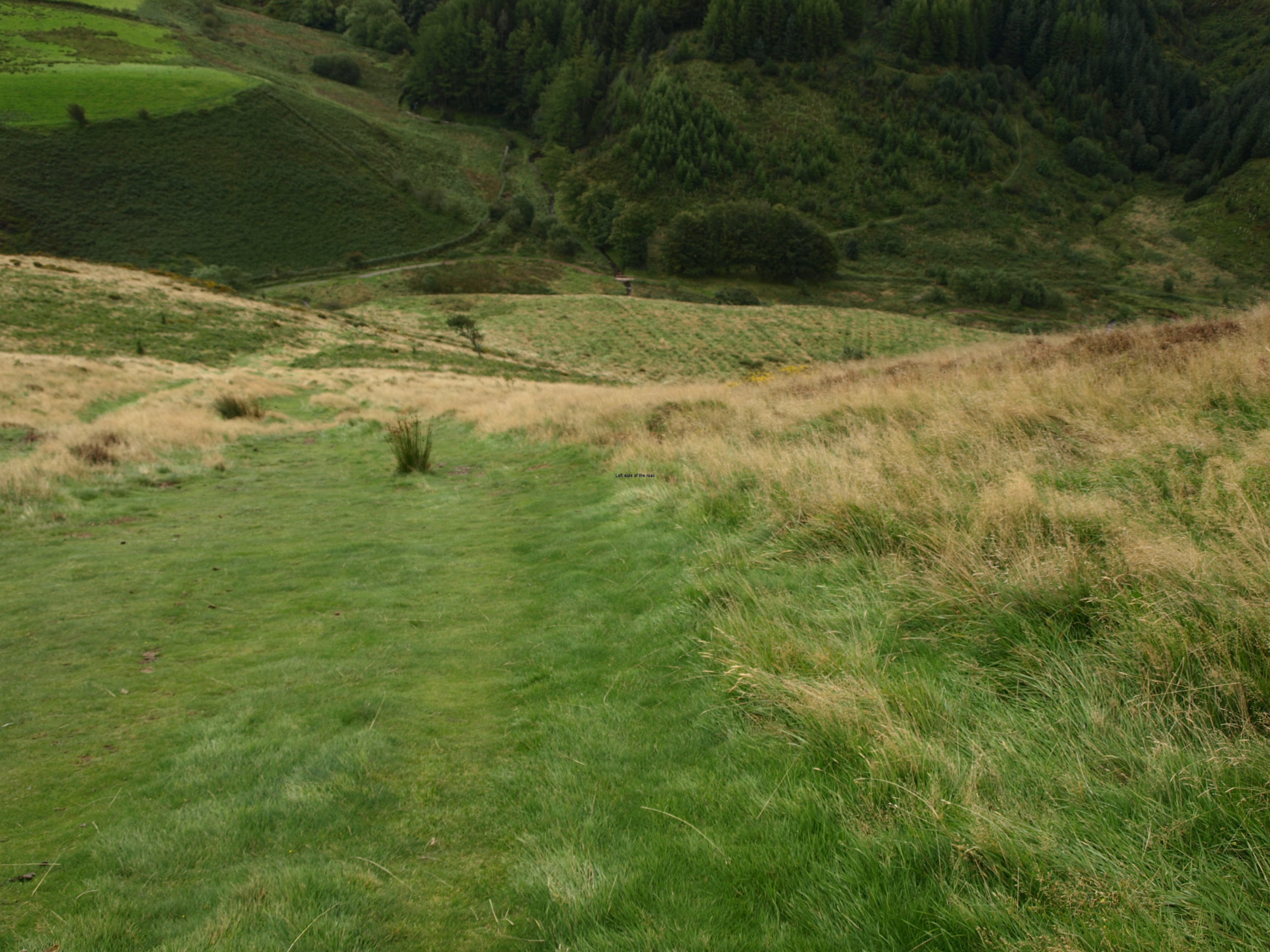
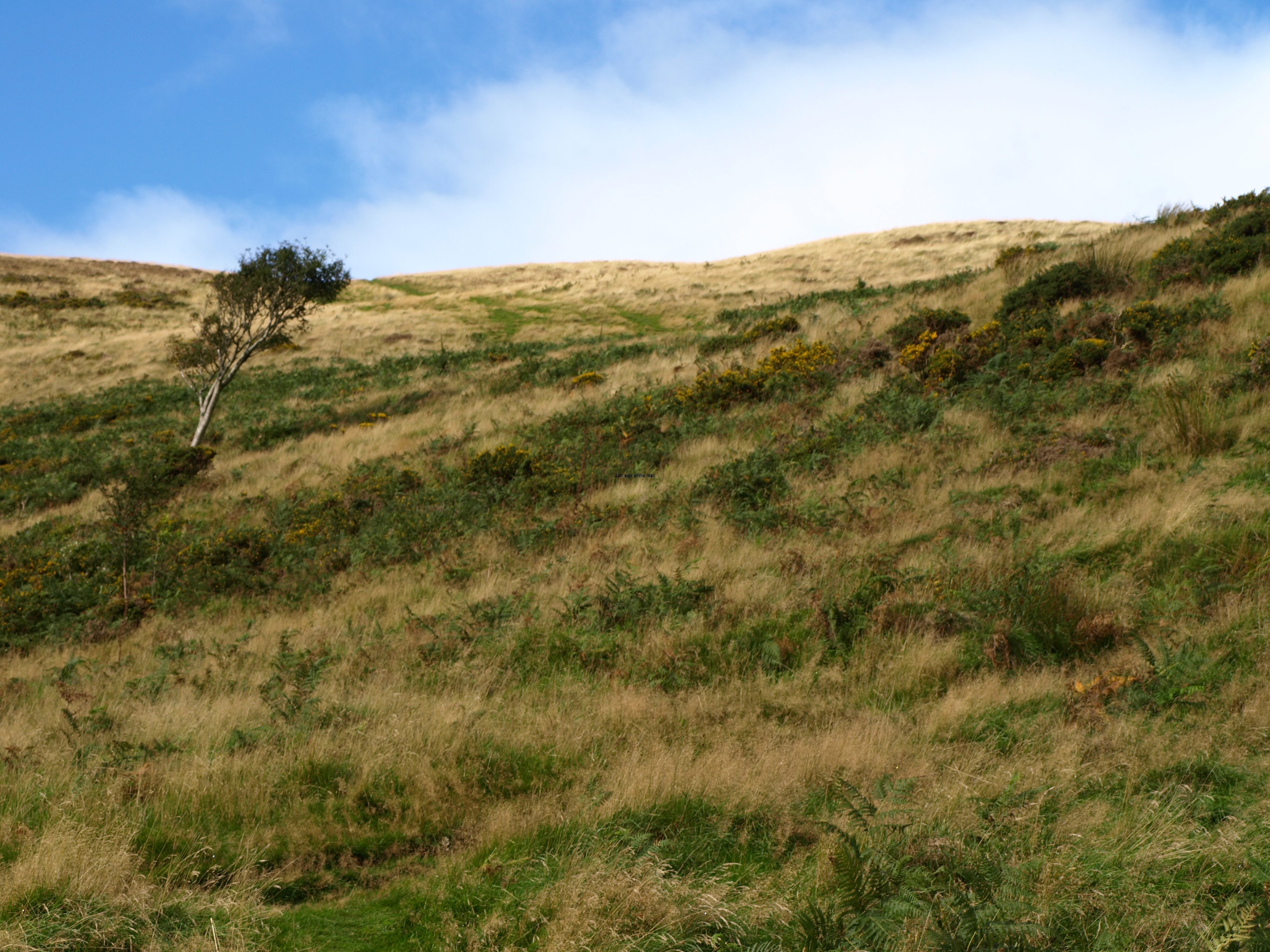
The main climb of the day was over Cleator Moor but that was made ‘easier’ by the fact that the sun was shining which took the bite out of the wind. As always the moor on the top was bleak, even in good weather and I wouldn’t have liked to have been there in low cloud, although it’s not long before you head back down to the river valley.
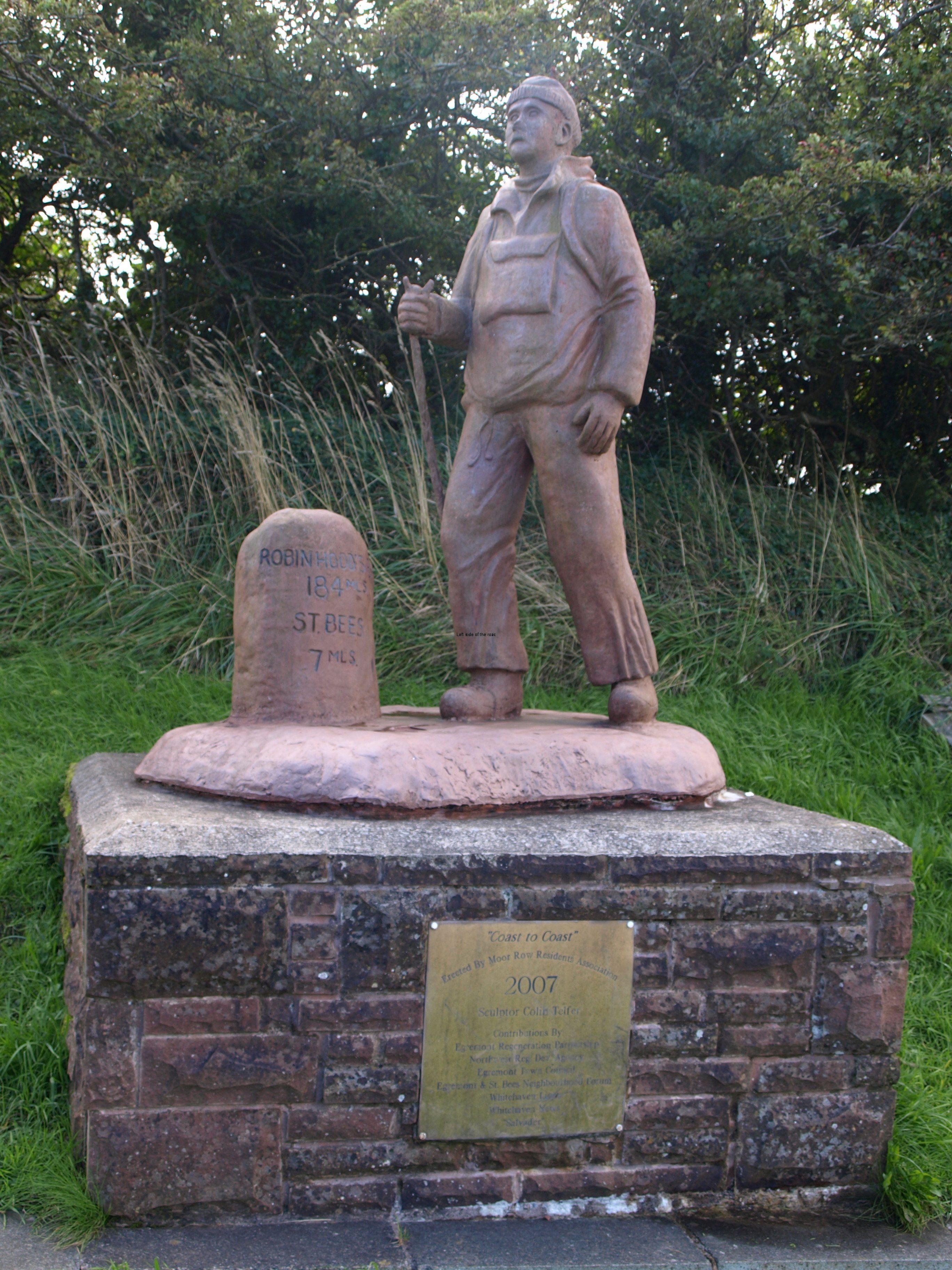
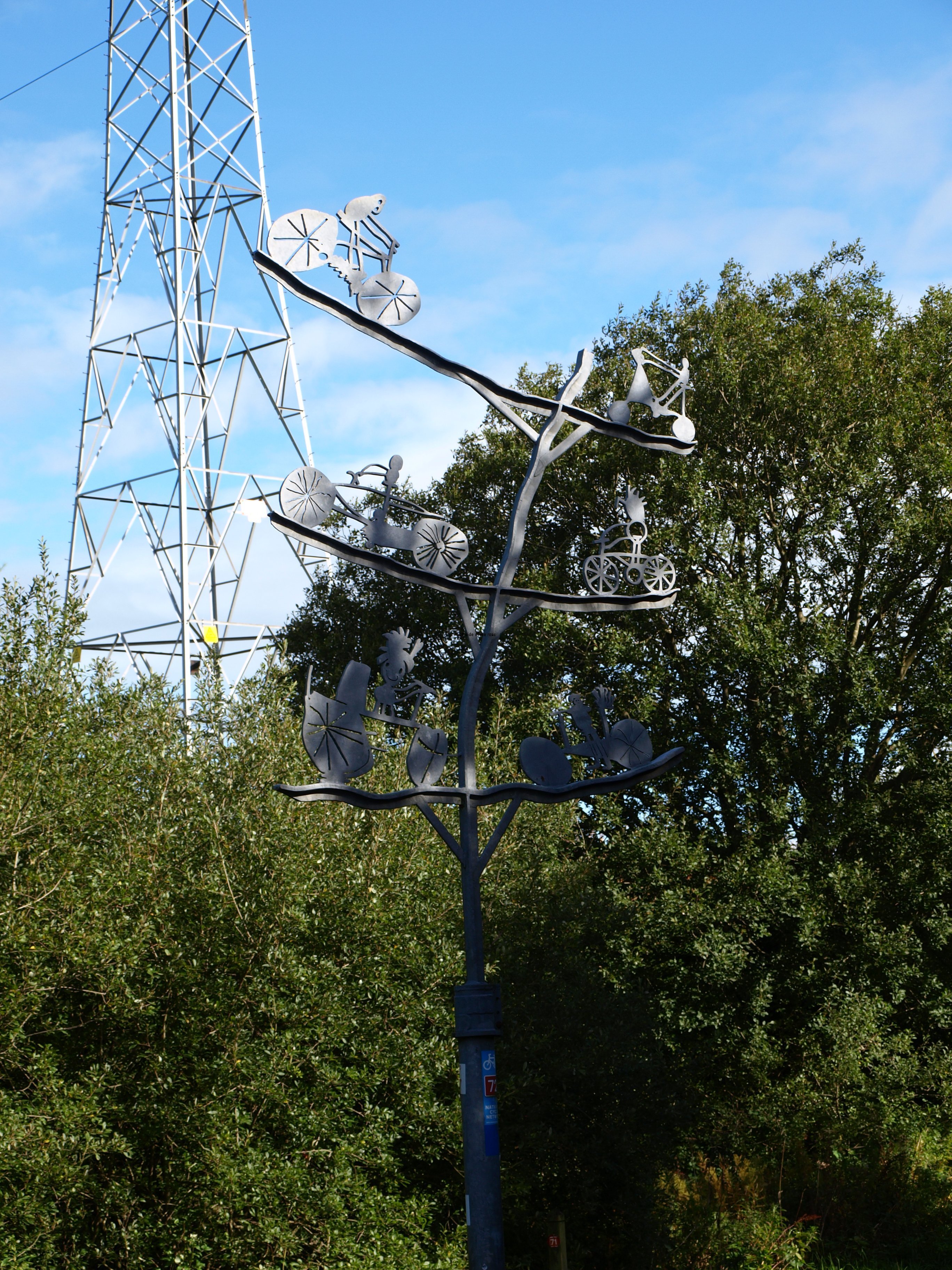
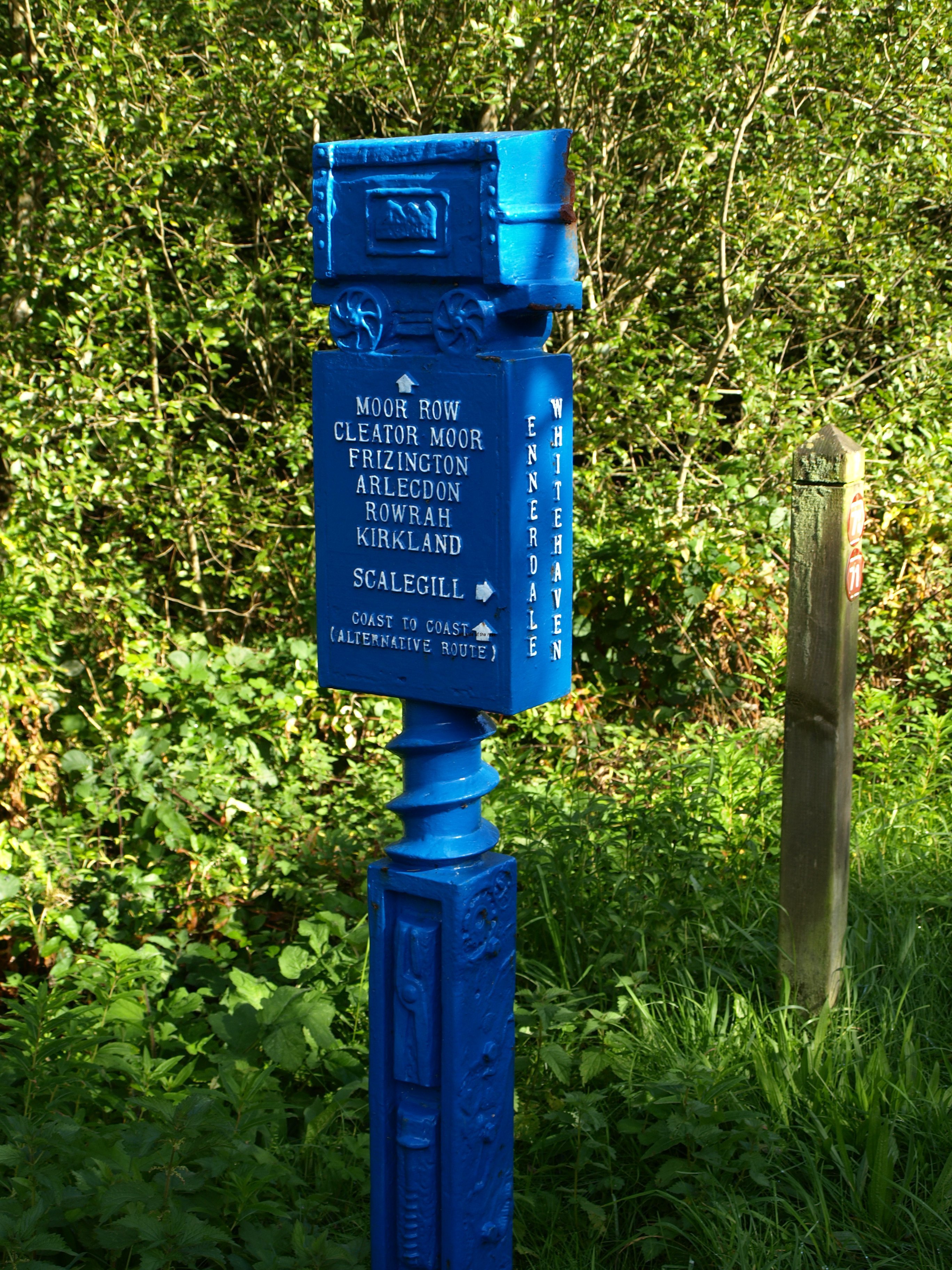
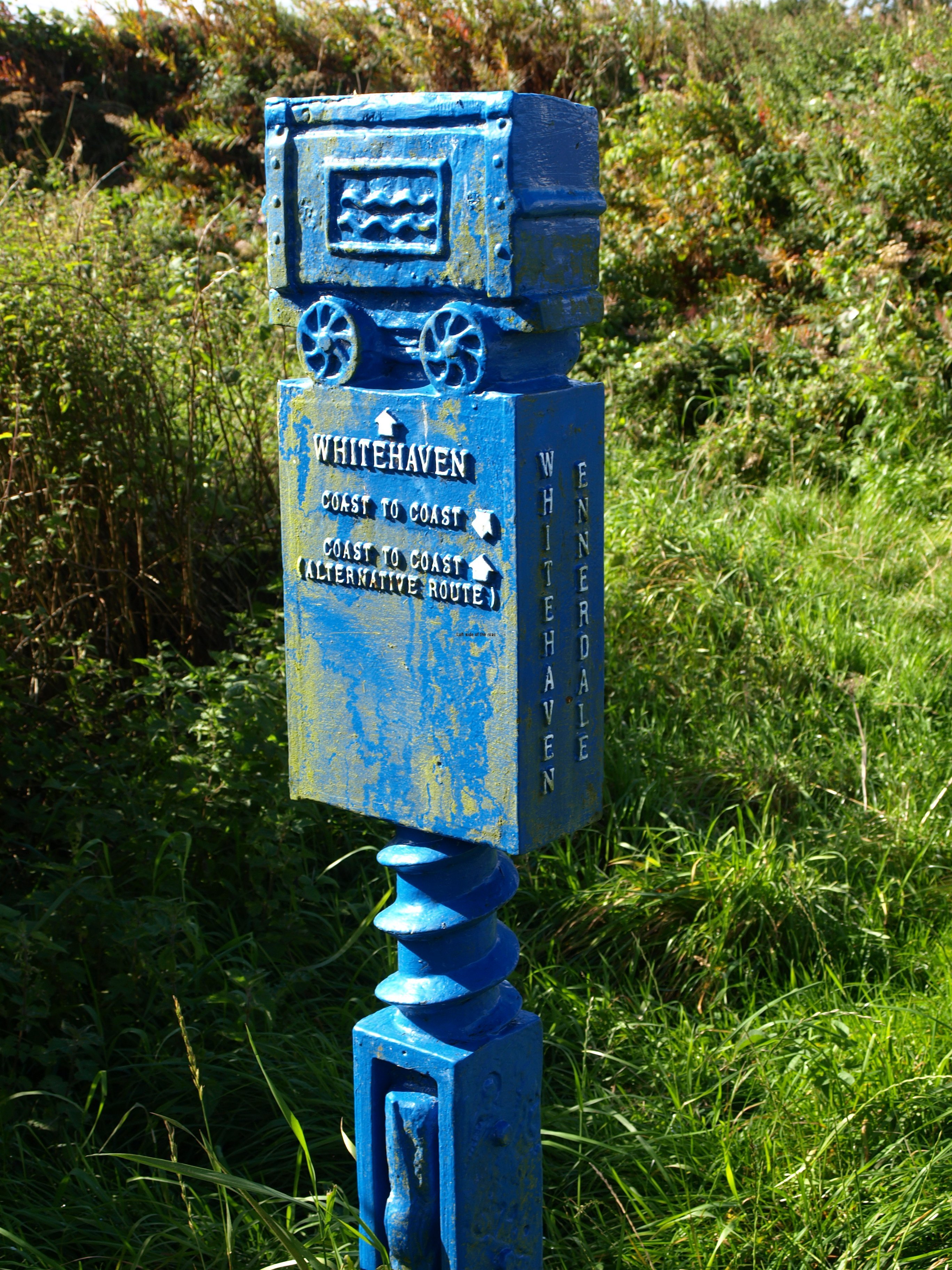
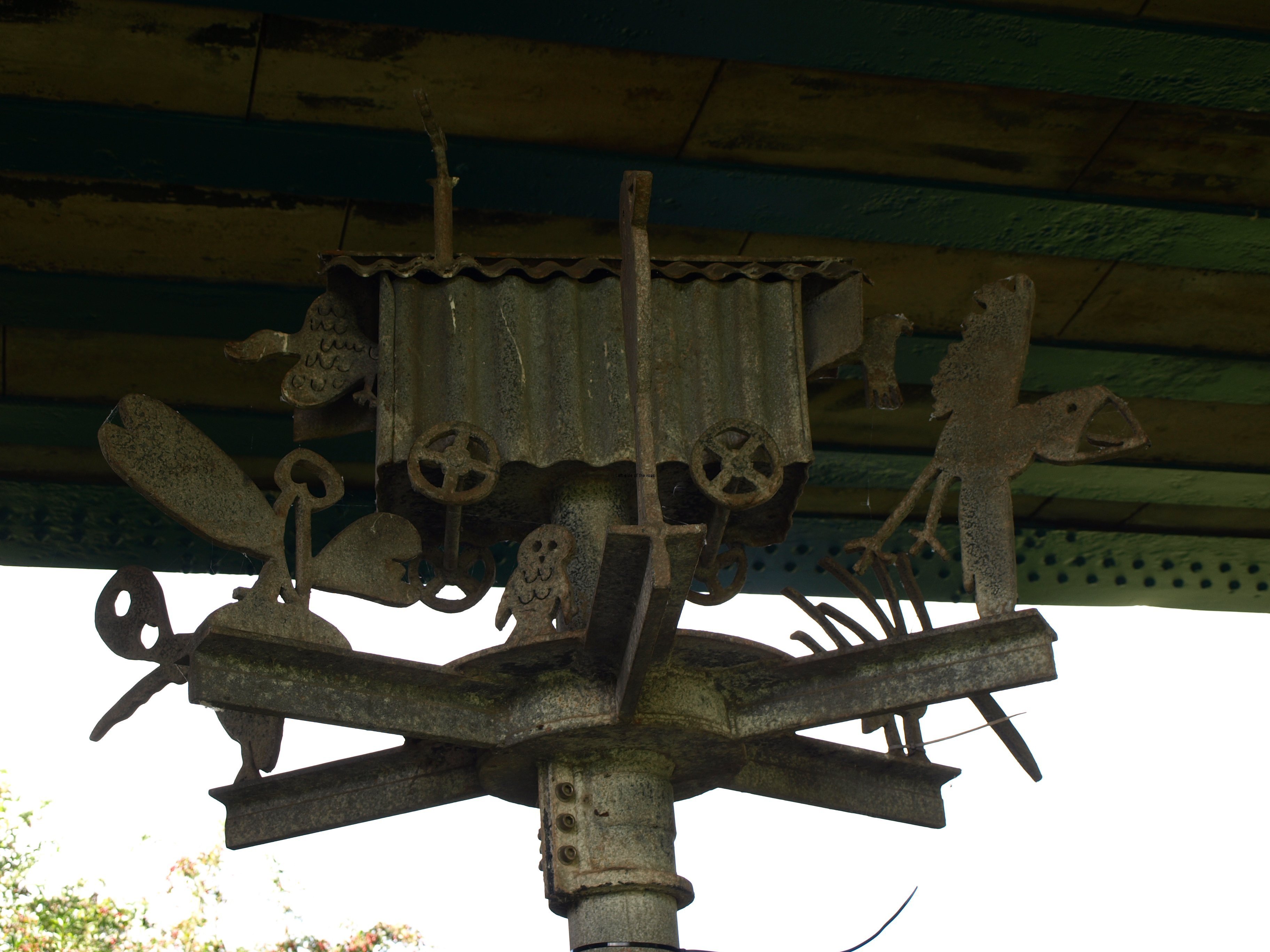
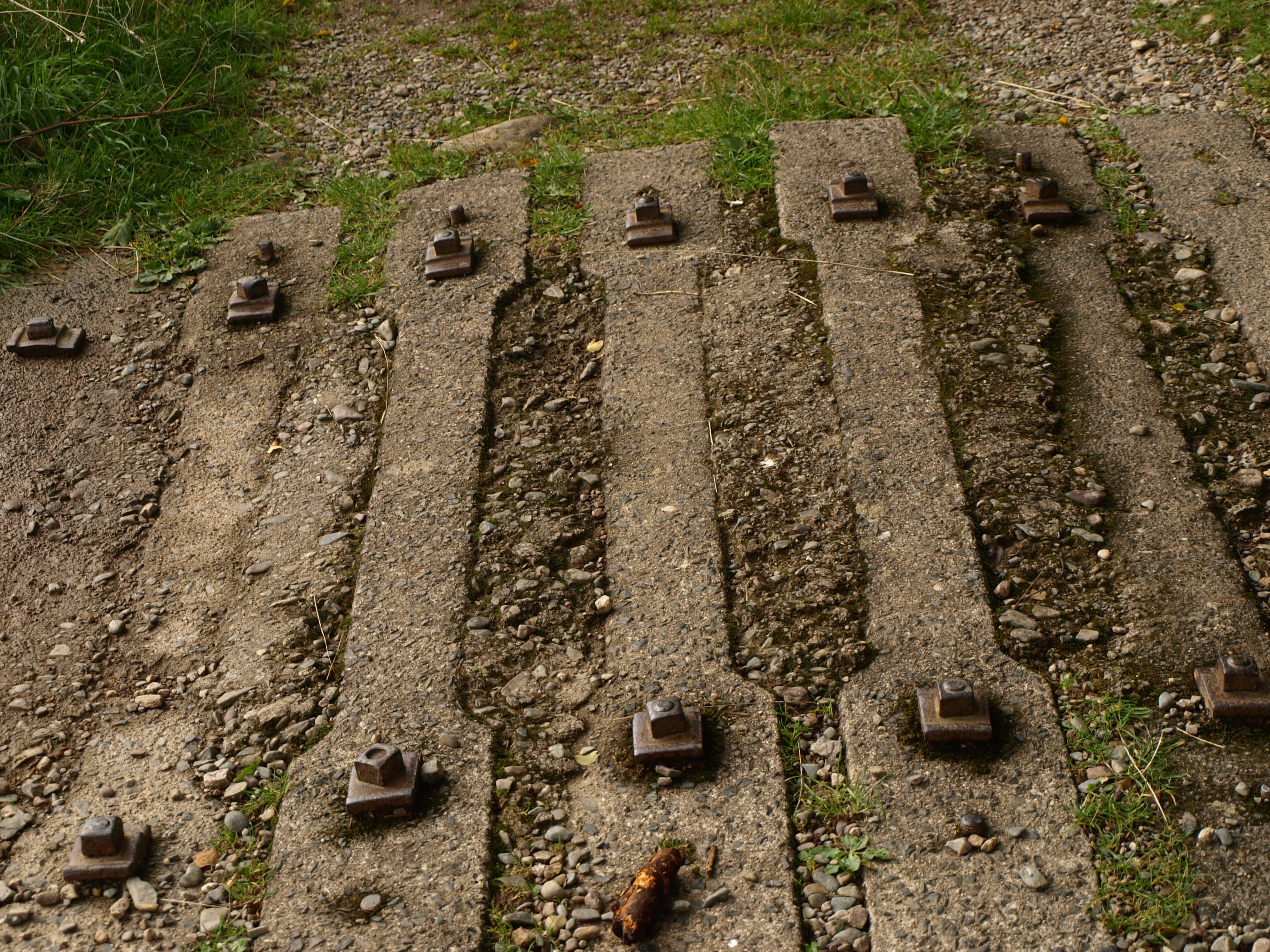
Prior to that there were some interesting, of varying quality, sculptures in and around the disused railway line now public path close to the village of Moor Row. These were paid for and created by people of the community and are worth a slight diversion off the recognised route to see them.
Just after this village and just before Cleator Moor I met up with a couple of Canadians, as far as I could see there weren’t many other people walking the same route that day. I stayed with them until they decided on a lunch break, my idea being if it is good weather make the most of it and if it’s bad keep on going to get into some proper shelter.
After leaving them, just under an hour from Ennerdale Bridge, I experienced a few short showers but nothing that required and drastic anti-rain action and arrived in the small village of Ennerdale Bridge 20 minutes before my scheduled time.
That was something else that I was pleased about on the first full day of walking. I had made route cards for every day and although I had allowed to short a time in one section I was able to pick that up at another and by the end of the day was in credit. If that remains the case I will be more than happy. Getting to a place early is preferable to miscalculating and arriving late, especially on the days where the distance to be covered is in the high teens, but I’ve got to try to understand why the timings are so different. It becomes a bit demoralising when you look at your watch and see that you had planned to have been at the destination but looking at the map you still have a couple of miles to go.
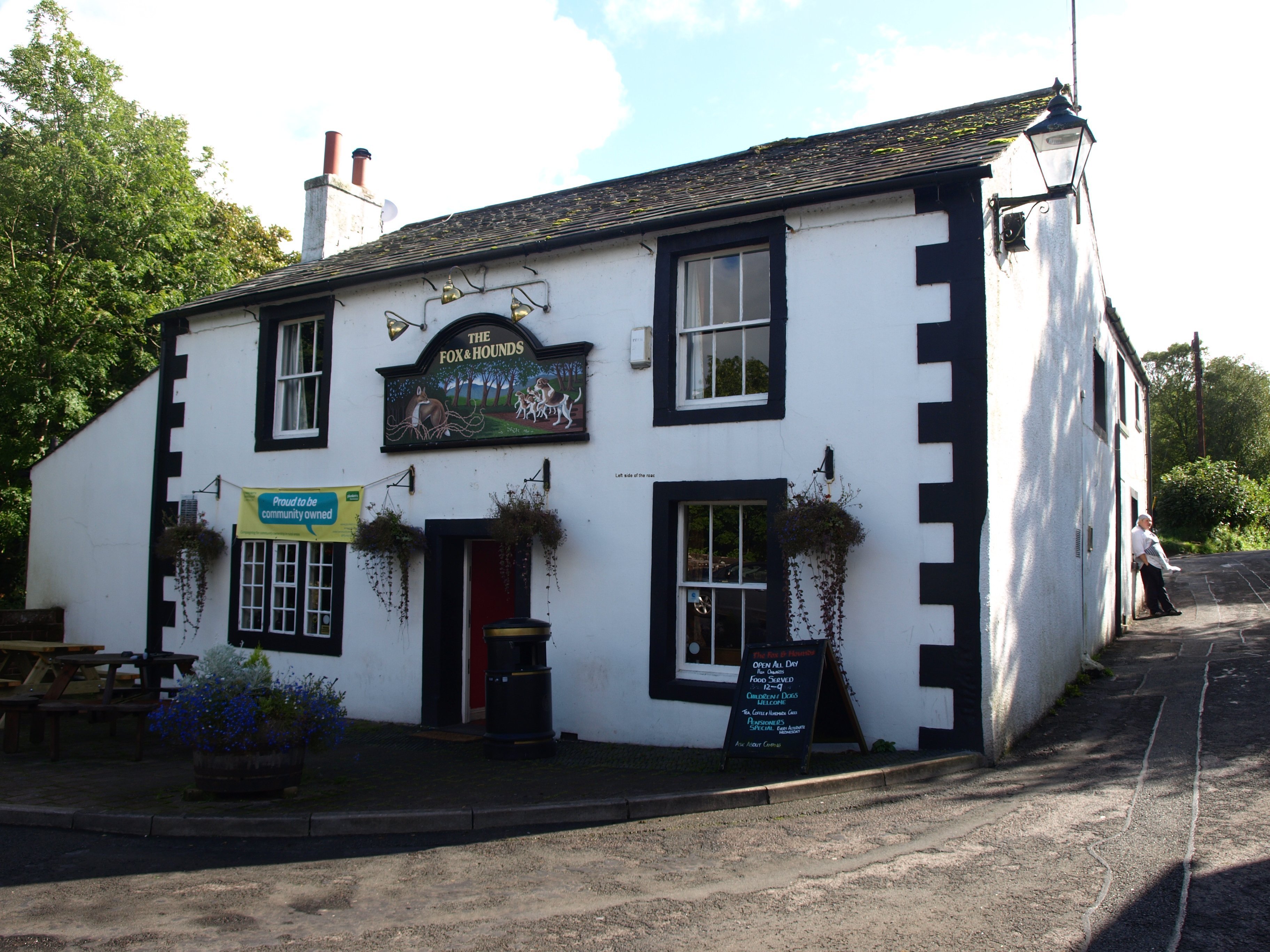
Spent 40 minutes in the Fox and Hounds in Ennerdale Bridge, one of the pubs that has been taken over by the community. Pint of 4.2% Wild Ennerdale, from the local Ennerdale brewery, at £2.90. Serves food all day but didn’t look at the menu or try anything.
Just before I left a walker came in declaring to the world that he was a Welshman doing the Coast to Coast walk. Why do people do that? If I entered a pub in the Lake District saying I was an Englishman the response would have been understandably, so what? I don’t understand why people do this in an almost empty pub, I’m merely broadcasting the matter to the rest of the world.
A nice little pub but there’s always a danger of stopping as getting started again is difficult when you still have 5 or so miles to go.
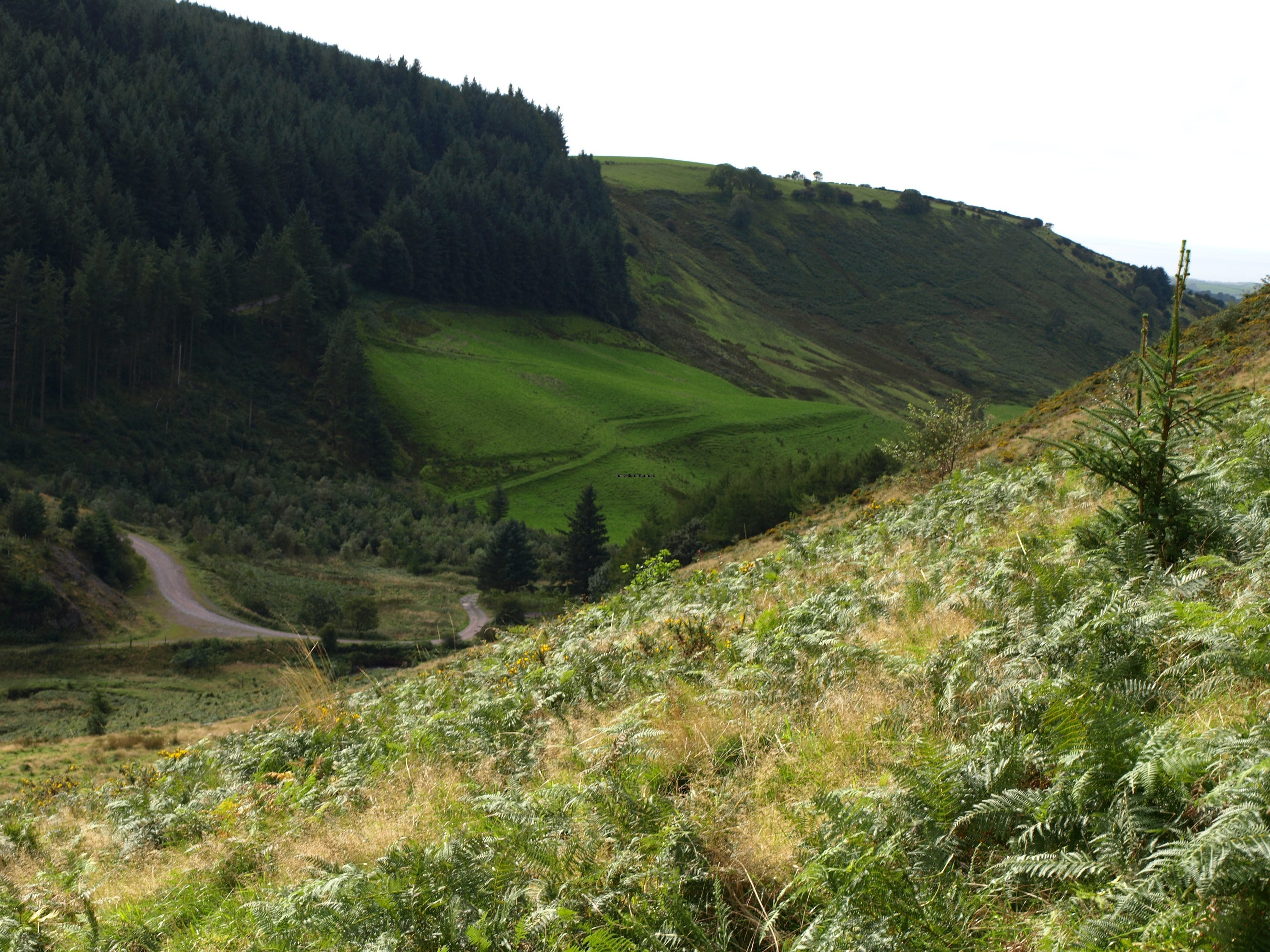
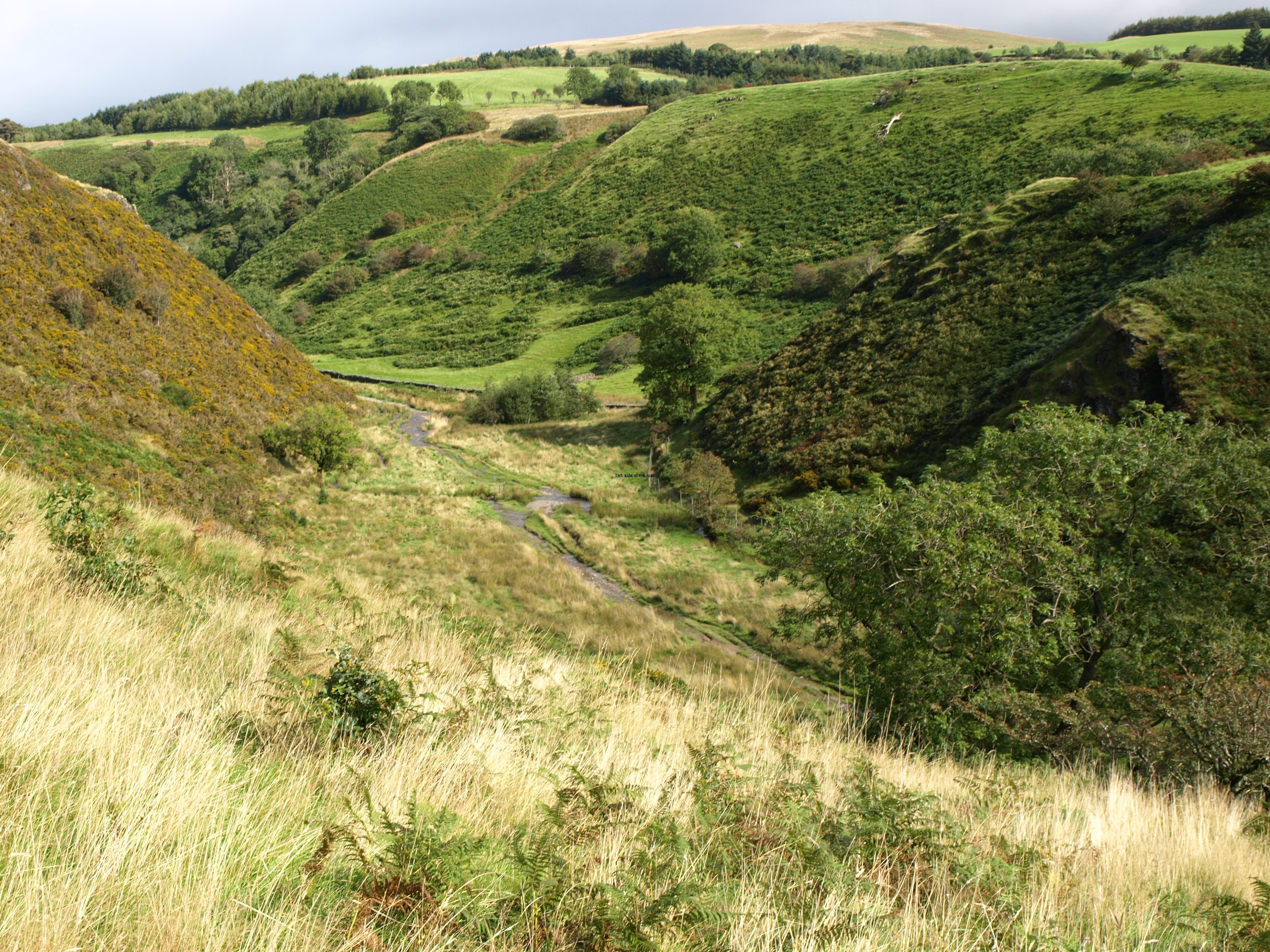
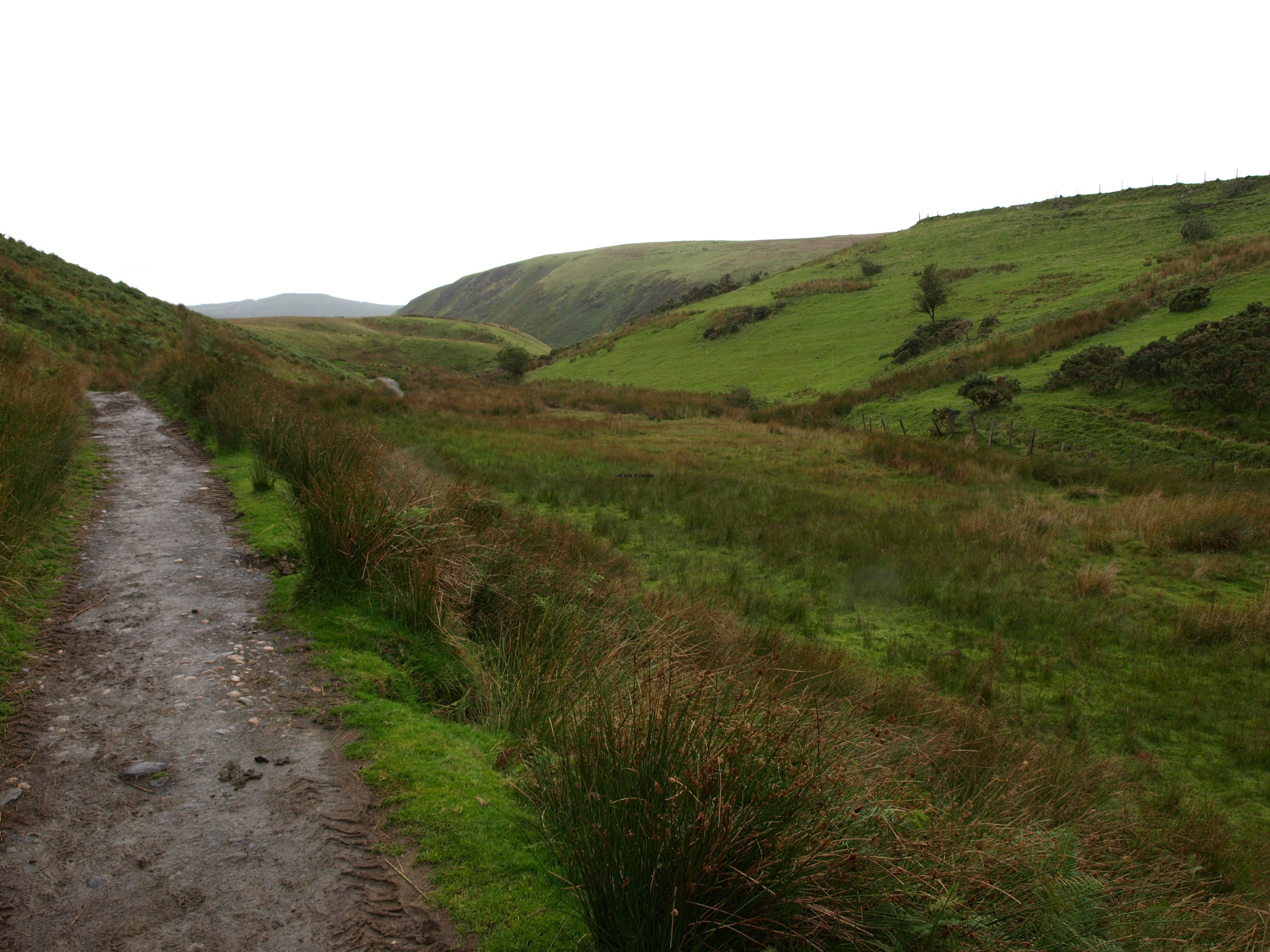
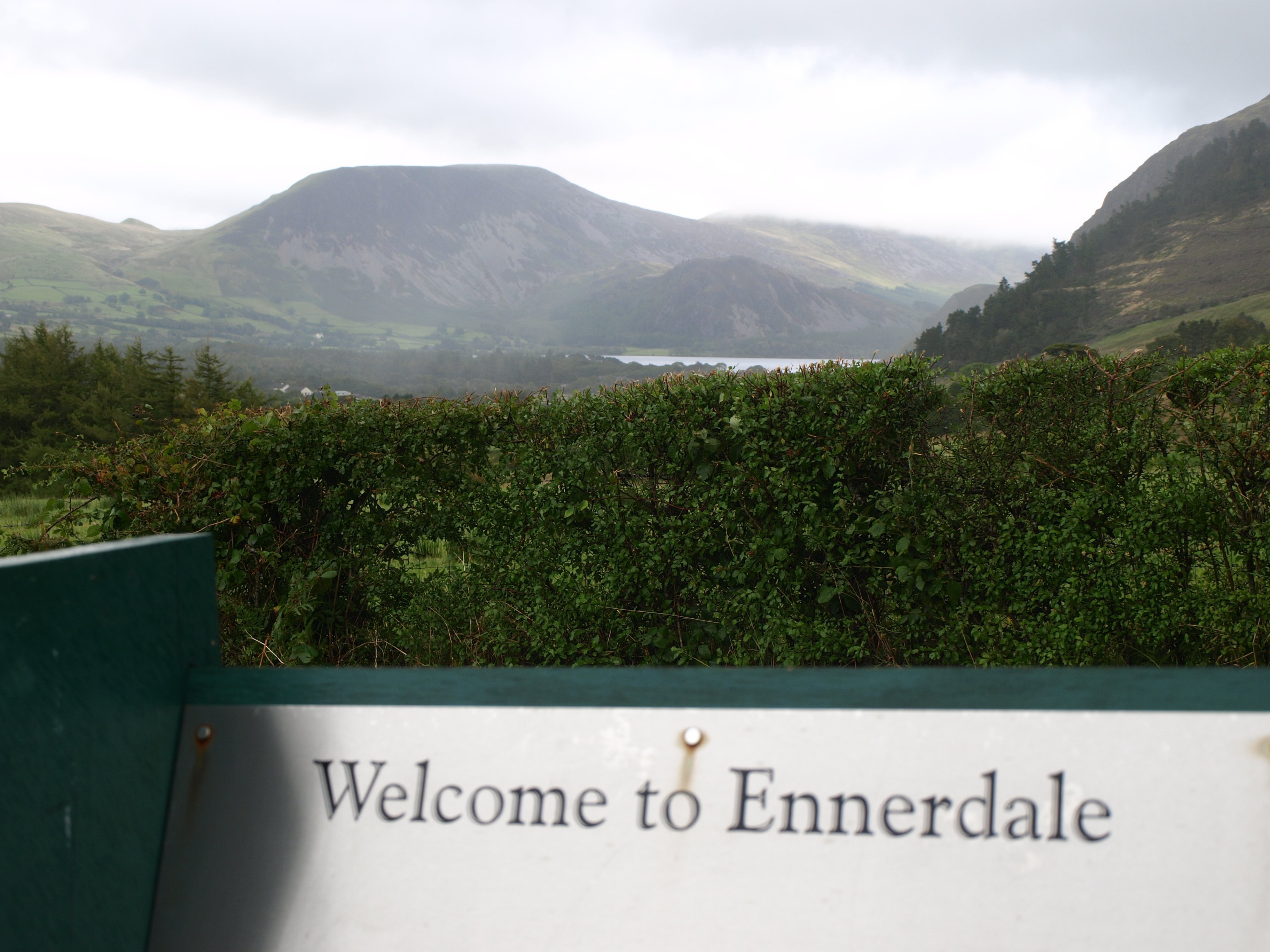
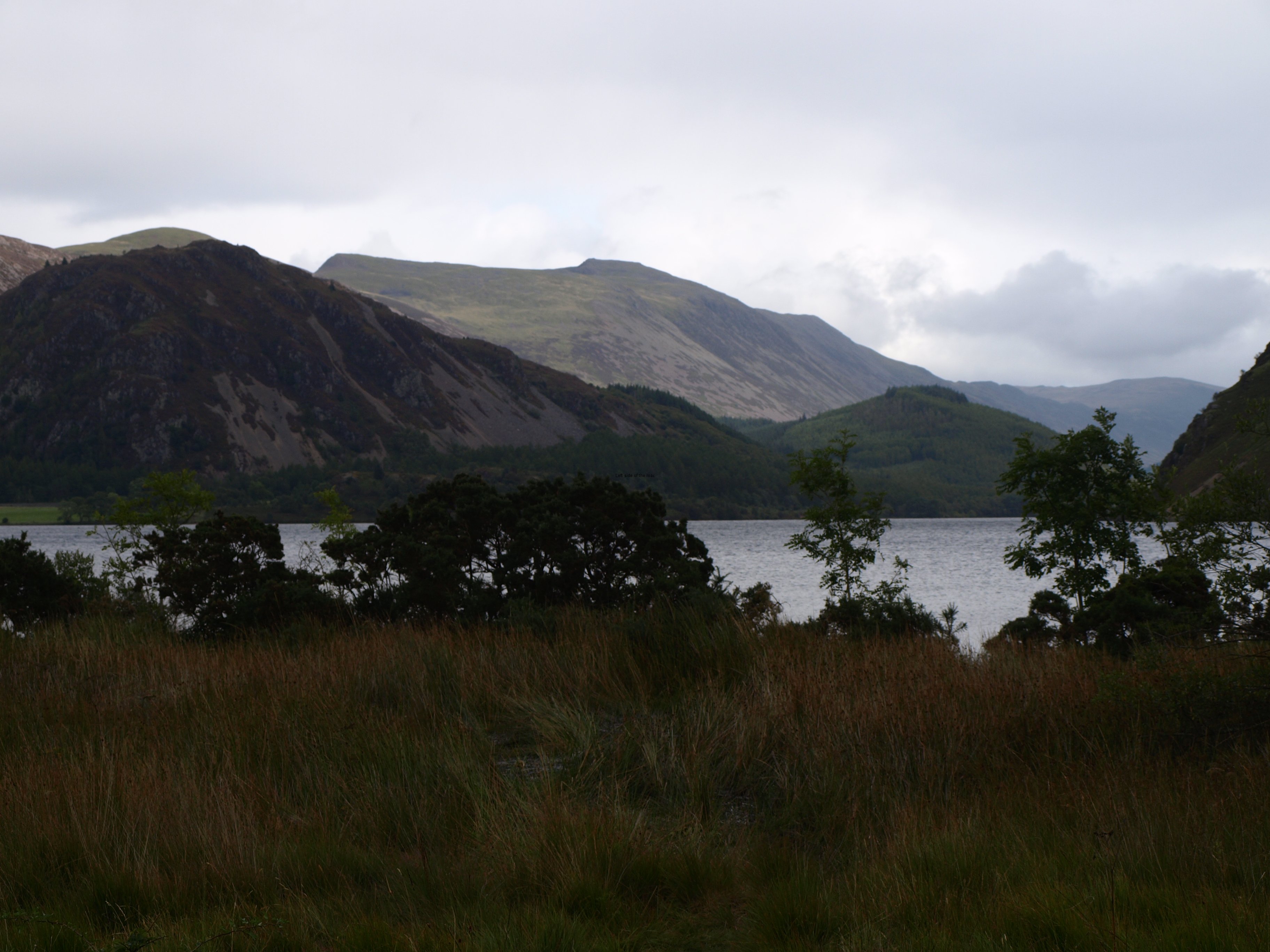
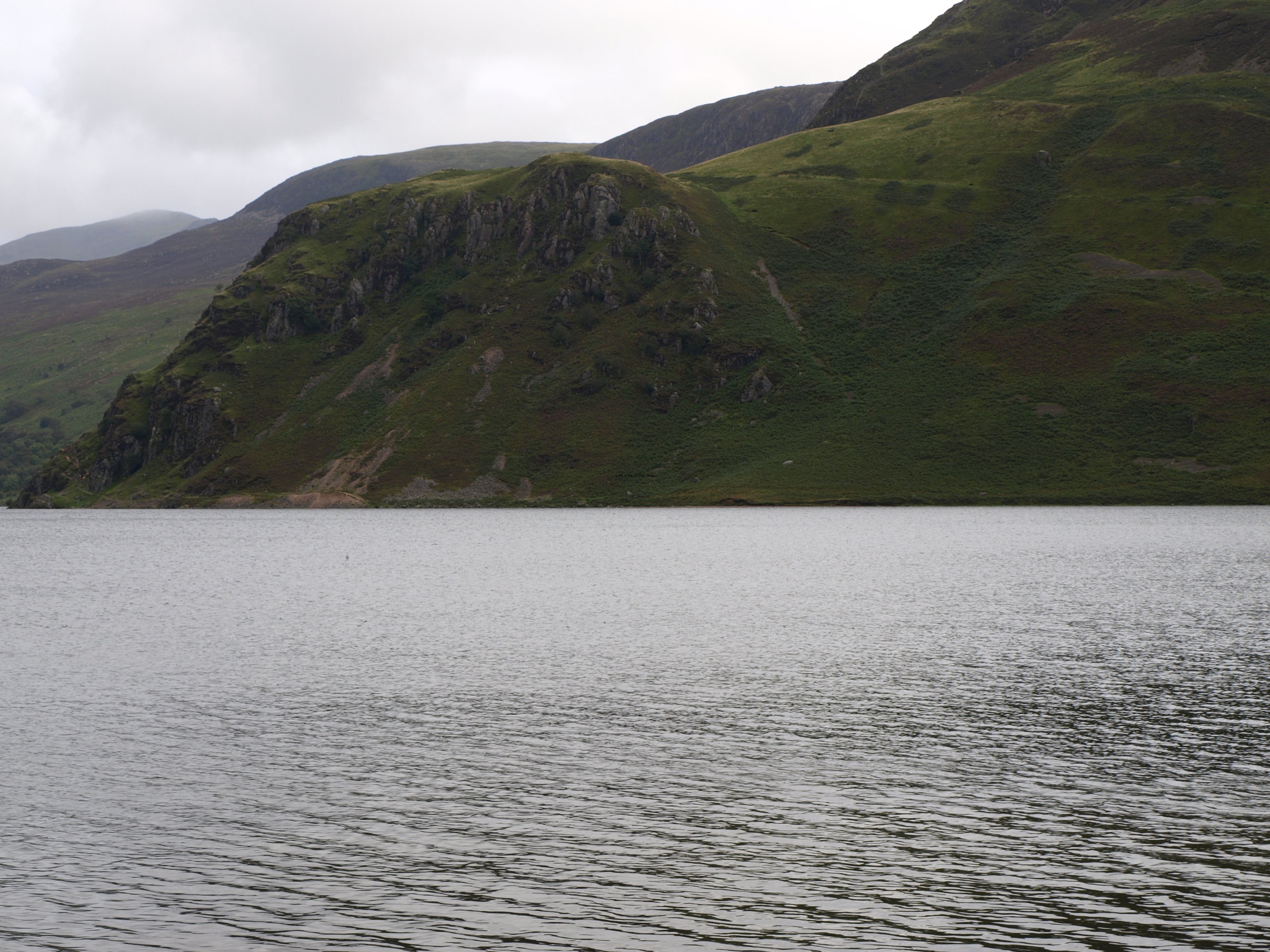
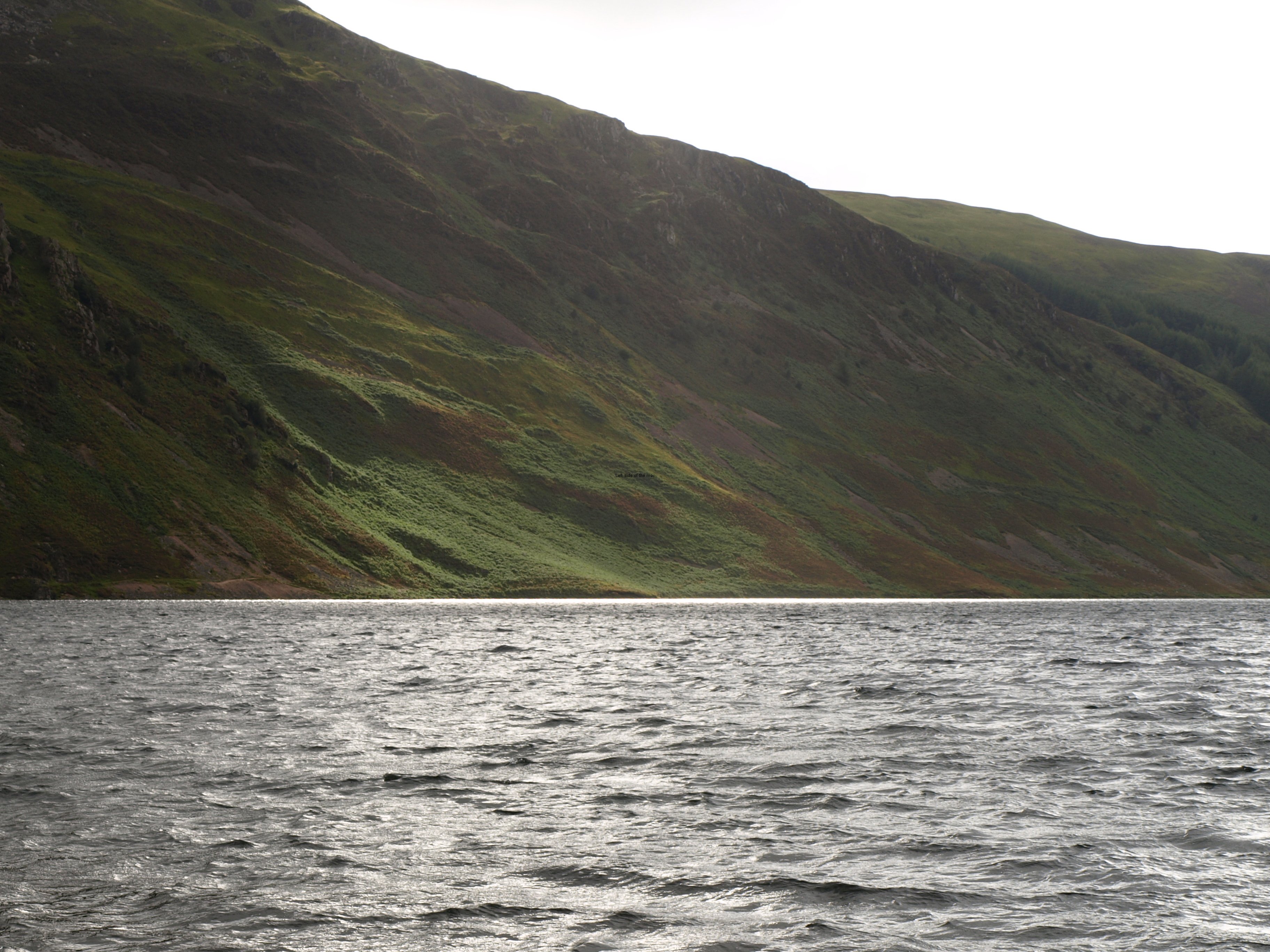
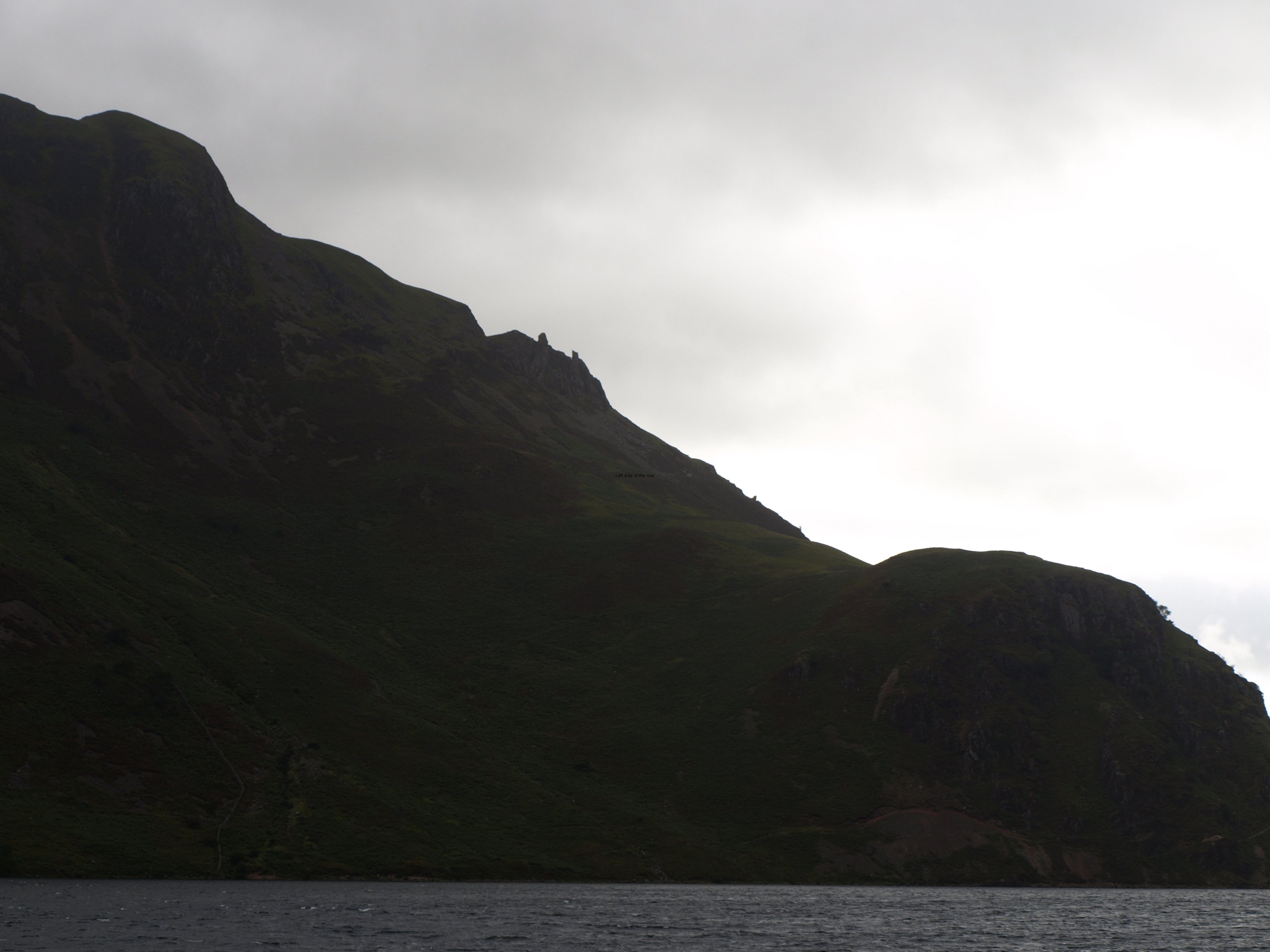
The northerly diversion around the edge of Ennerdale Lake (taken to avoid possible wet conditions on the southerly route) was easy at first, then there was a shortish stretch along a narrow path that wound its way through the bracken until meeting a forest track which eventually reached the Ennerdale YHA.
Why does the last mile or so always seem so long?
This hostel was very quite, only 5 people staying out of a maximum of 24. Things are getting quiet in general and accommodation doesn’t seem that difficult to find. Might have got away with not booking and just turning up but at the end of a long and potentially miserable day weather-wise why may more difficulties for yourself?
If it was difficult to move on from the pub earlier on it was even more difficult to move after a shower. The body seems to know it doesn’t have to go any further and goes into shut down mode but all those aches and pains – which were no more than those I normally wake up trying to identify – seemed to disappear by the next morning.
(As I’m writing this I’ve just looked up at a YHA notice that says that 10p from the sale of a bottle of Jennings Cumberland Ale (a glass of which I have at the right hand side of the computer) goes to help provide breaks in YHA hostels for children from (presumably) deprived backgrounds. So does that mean I can drink as much as I like and claim that it’s all for charitable purposes?)
So at 17.15 on the afternoon of Wednesday 18th September it was 19 miles down, 181 to go.
Practical Information:
Accommodation
YHA – Ennerdale
Does evening meals but they ask for pre-booking to guarantee a meal, although if you arrive and they are cooking for some they can normally add a late booking without problems. The standard price for an evening meal in all the youth hostels (at least in the Lake District area 2013) are Mains £7.50, 2 Courses £9.95, 3 Courses £11.95. Breakfast £4.99.
Most, if not all, Youth Hostels now serve alcohol.