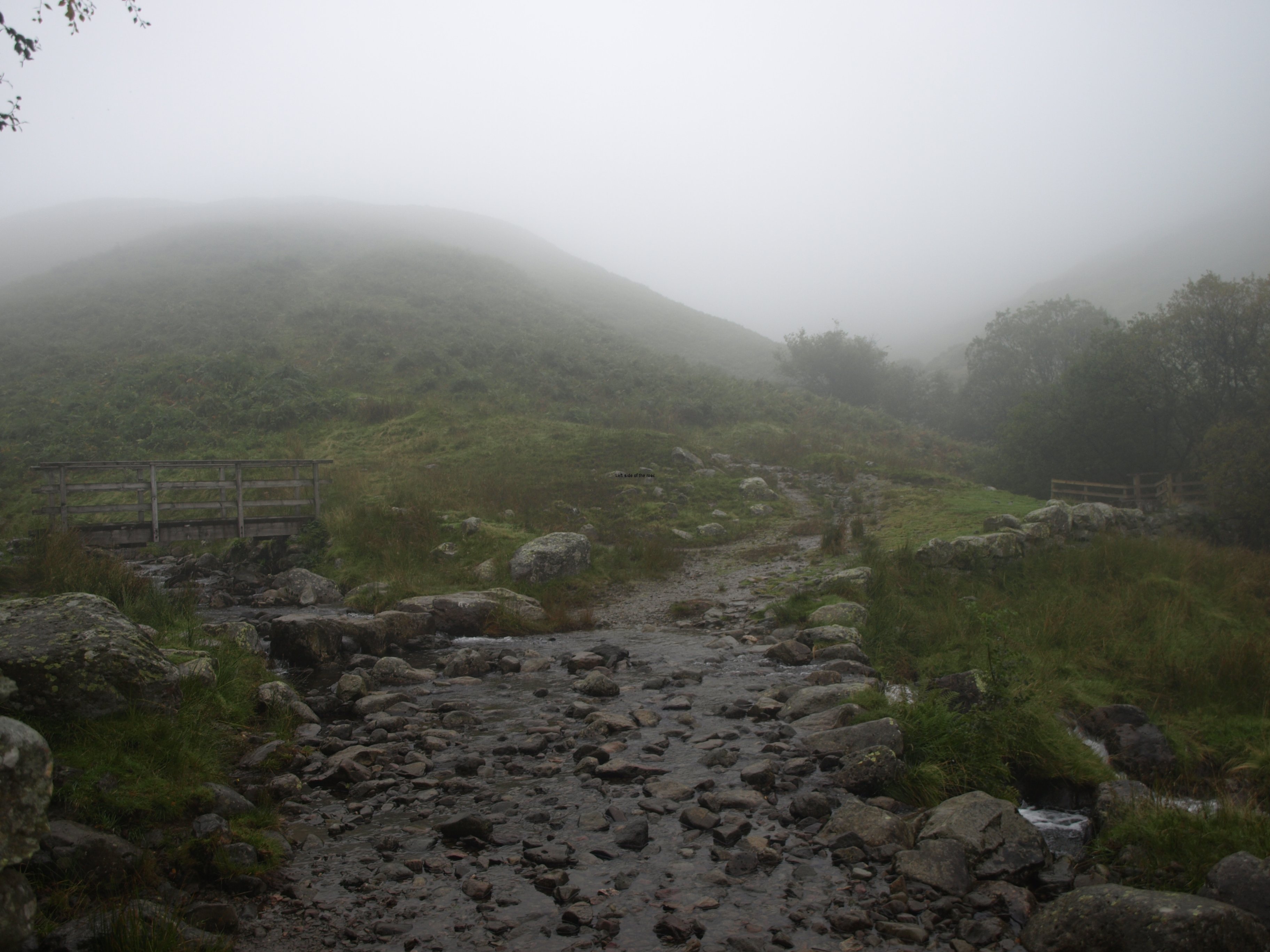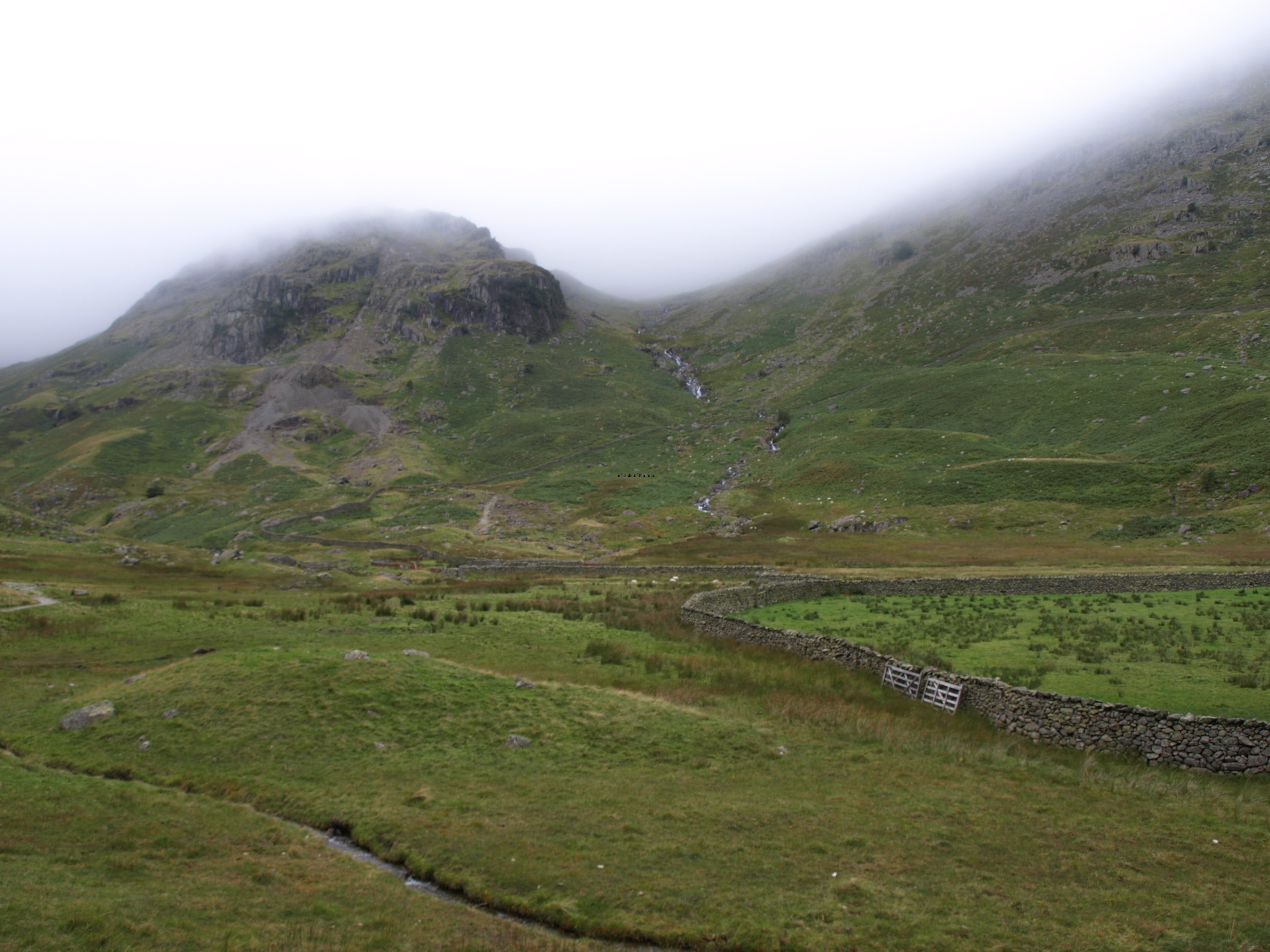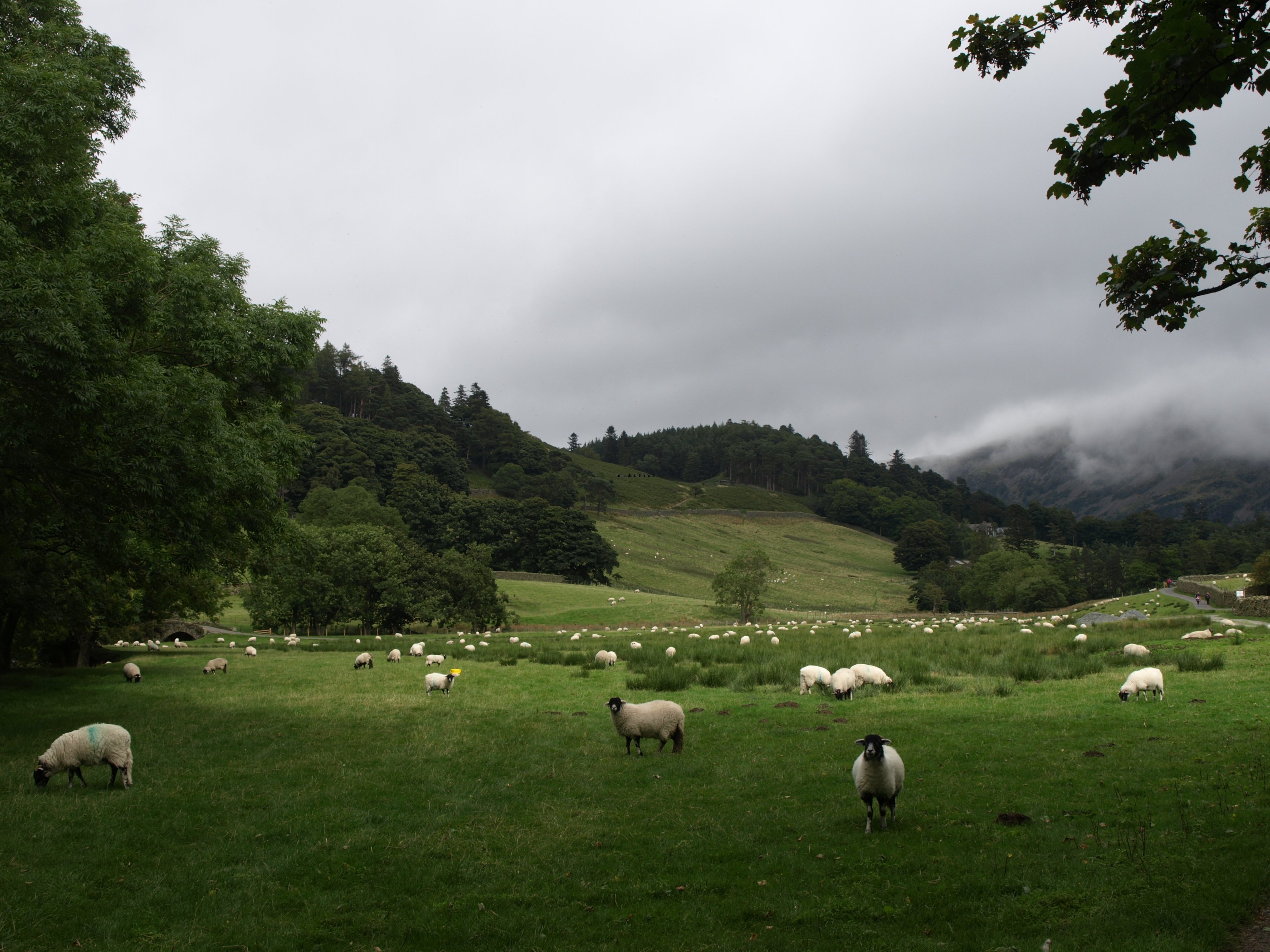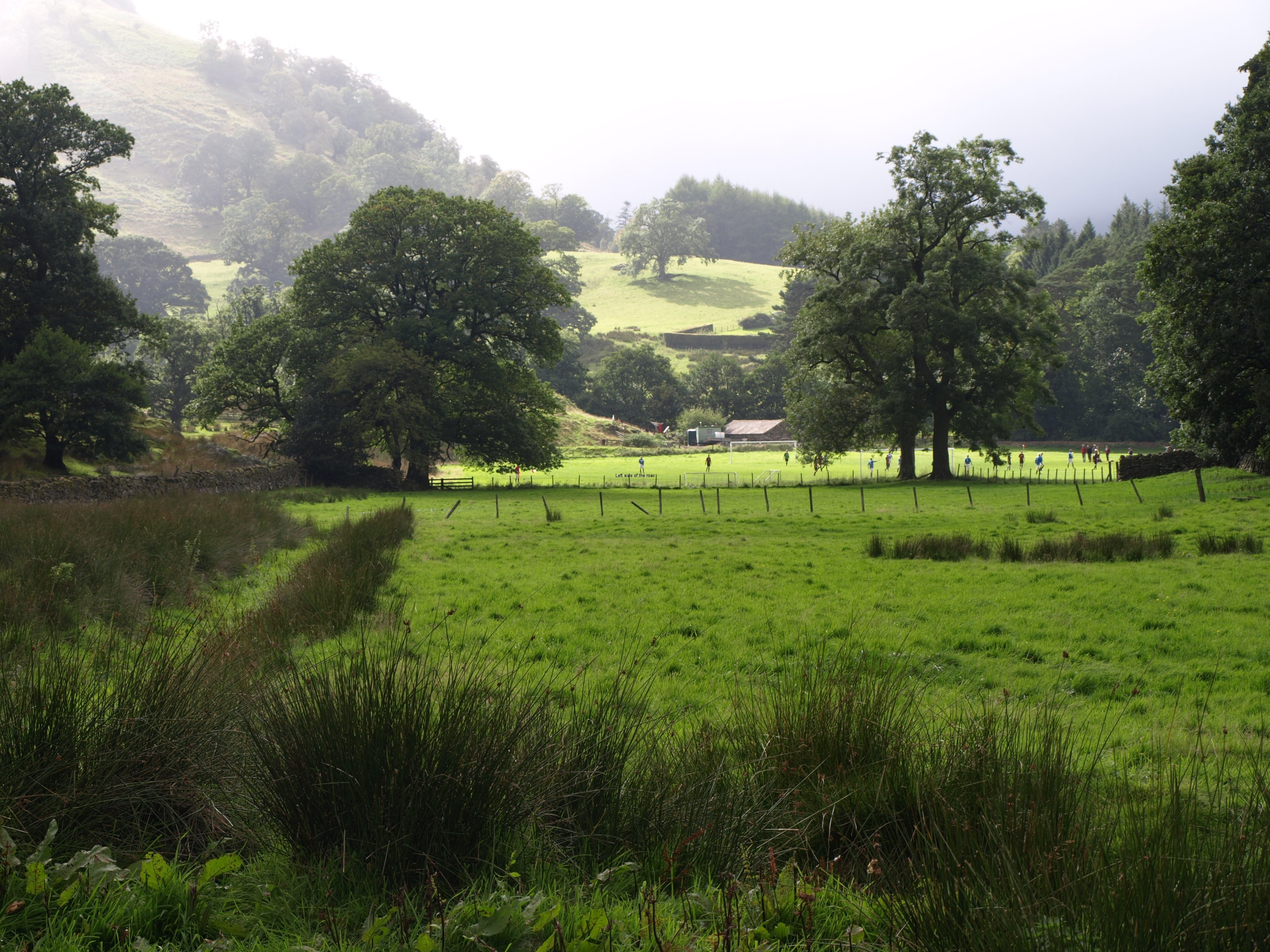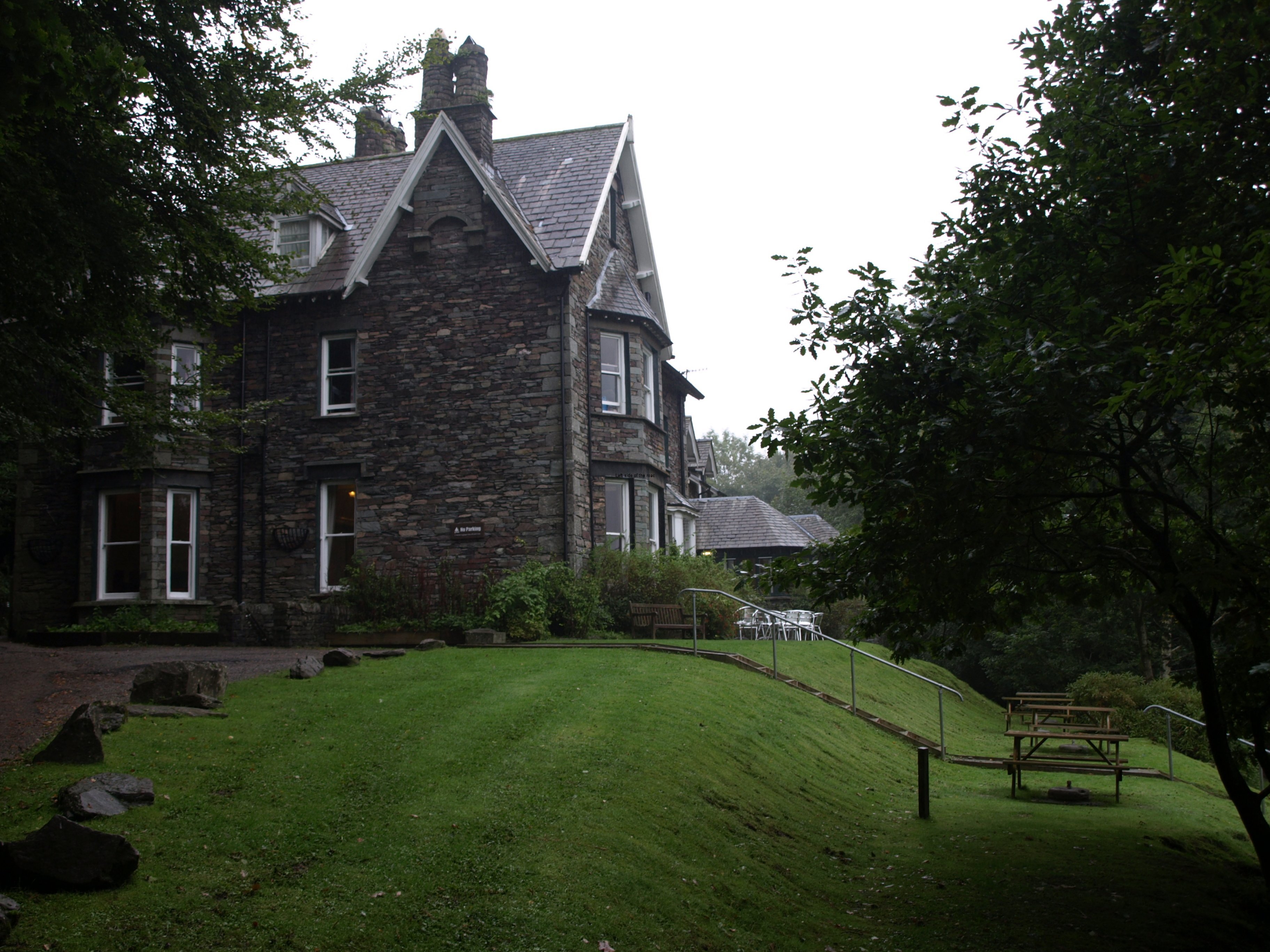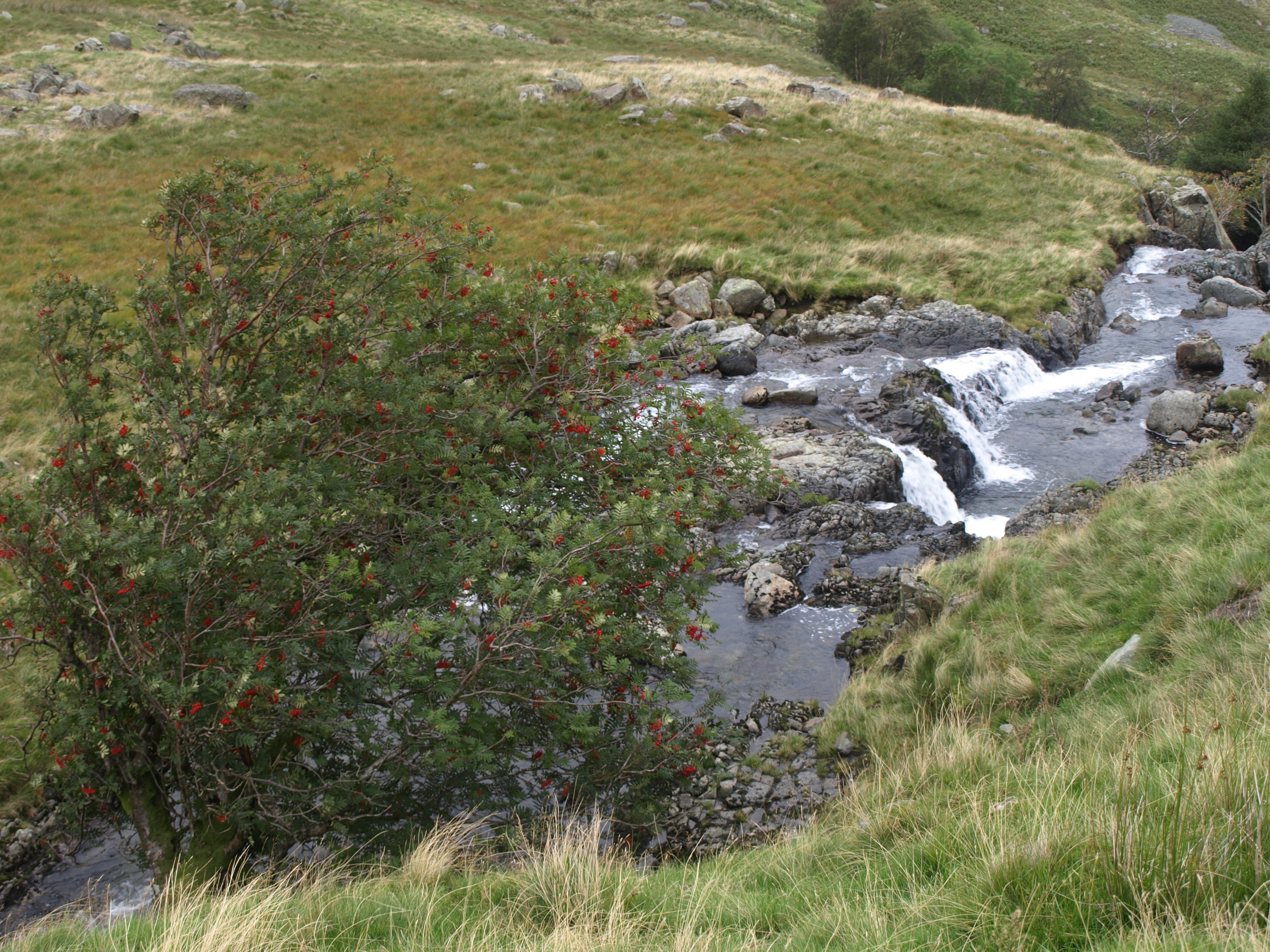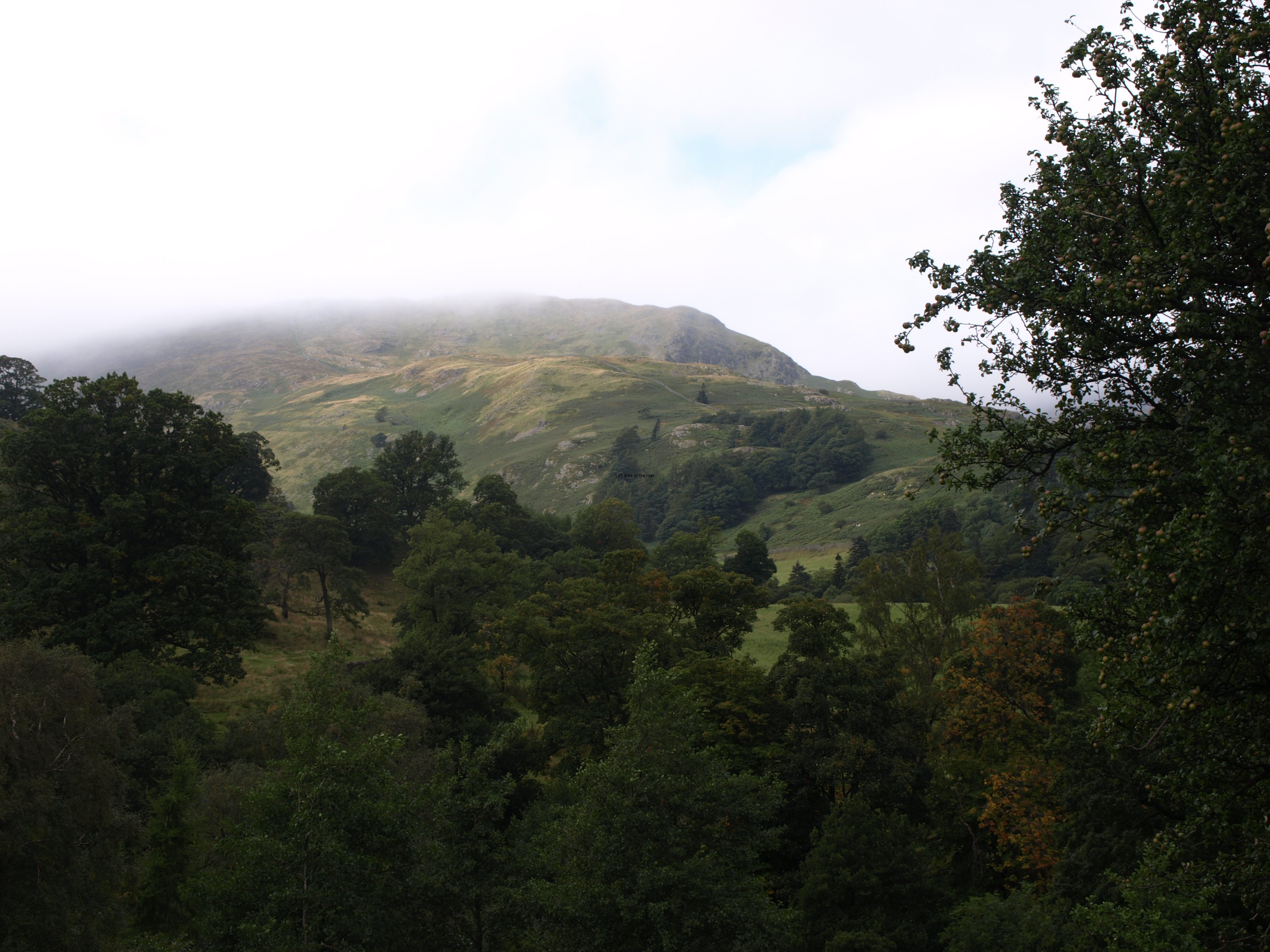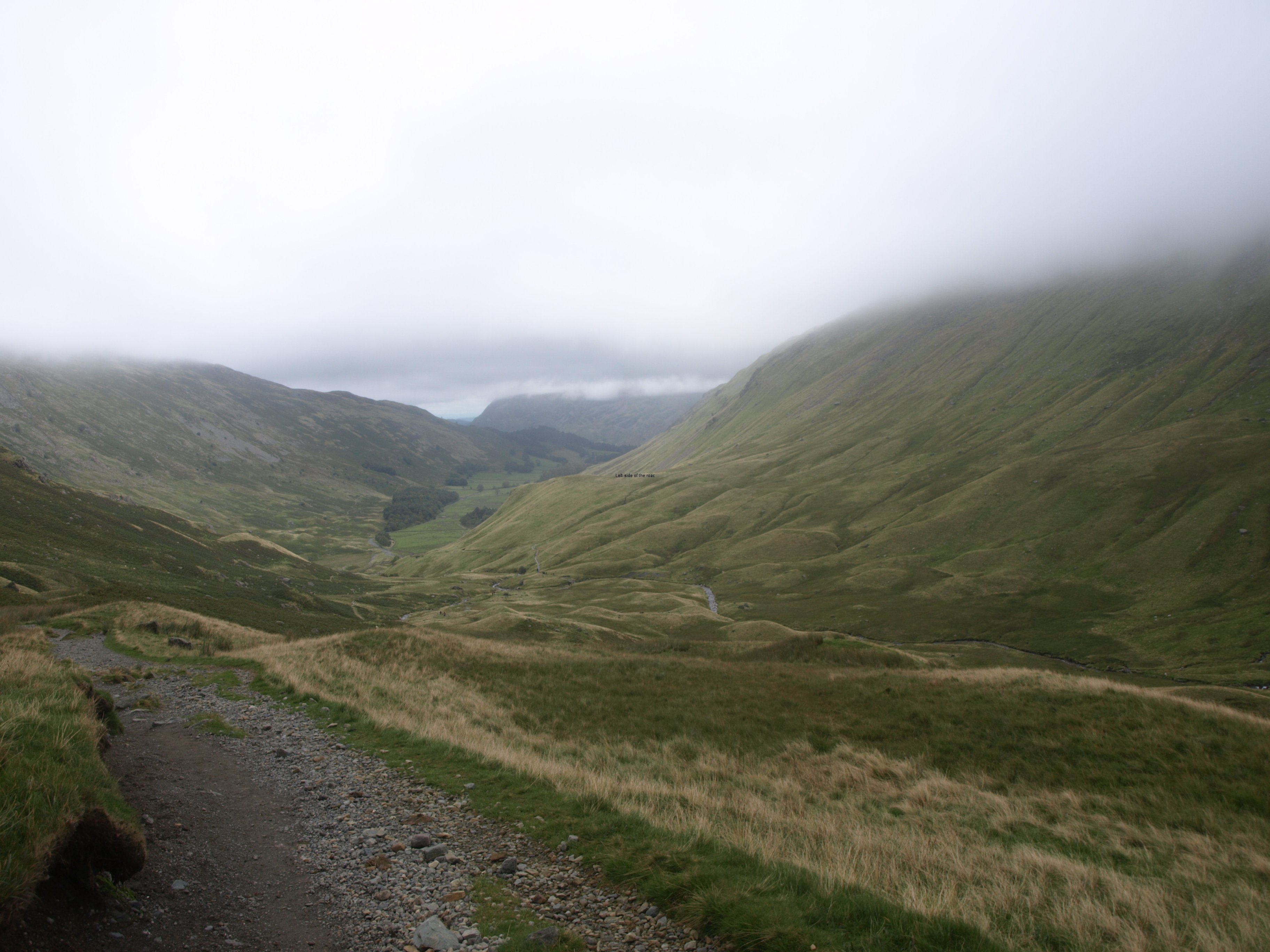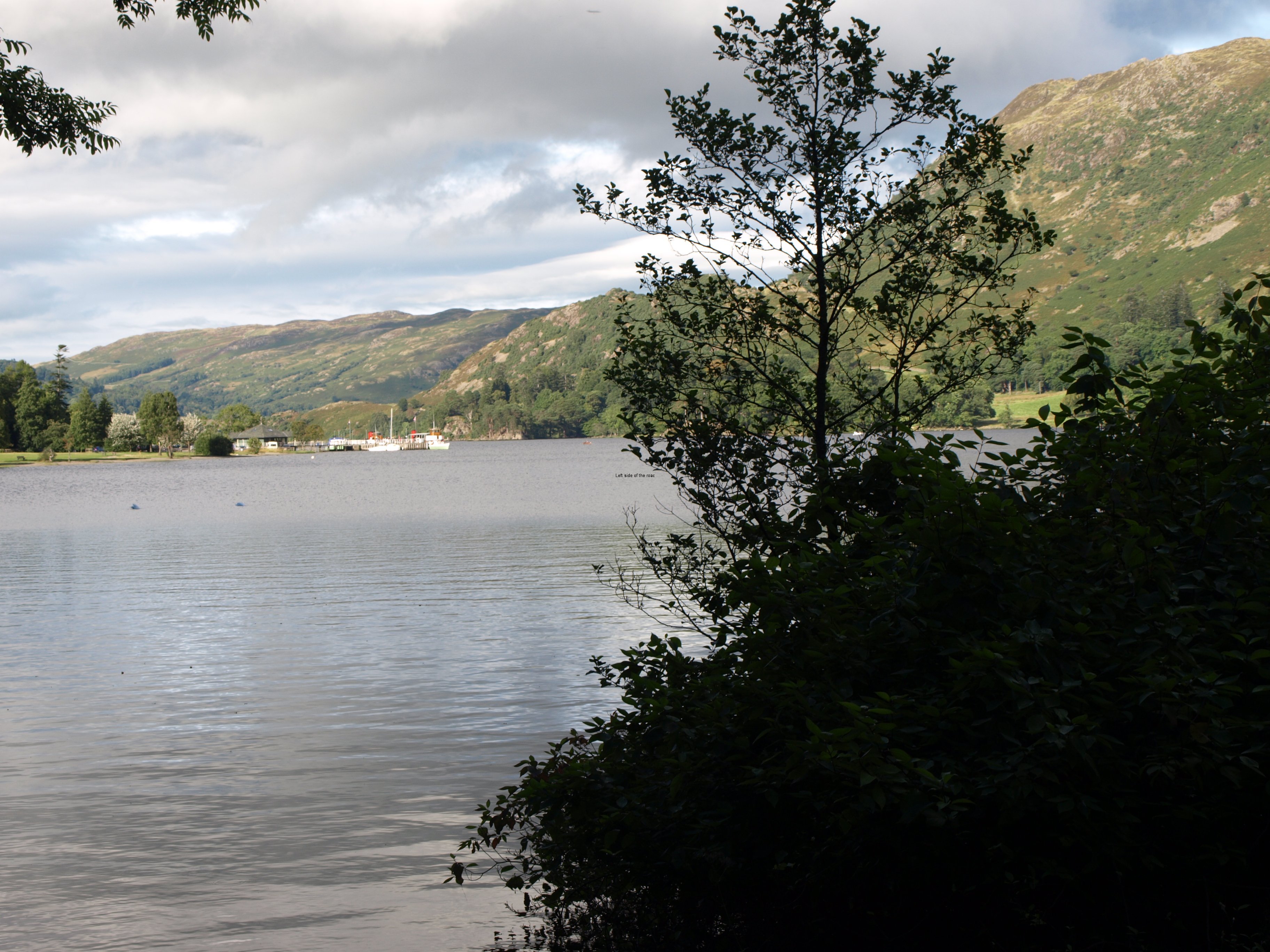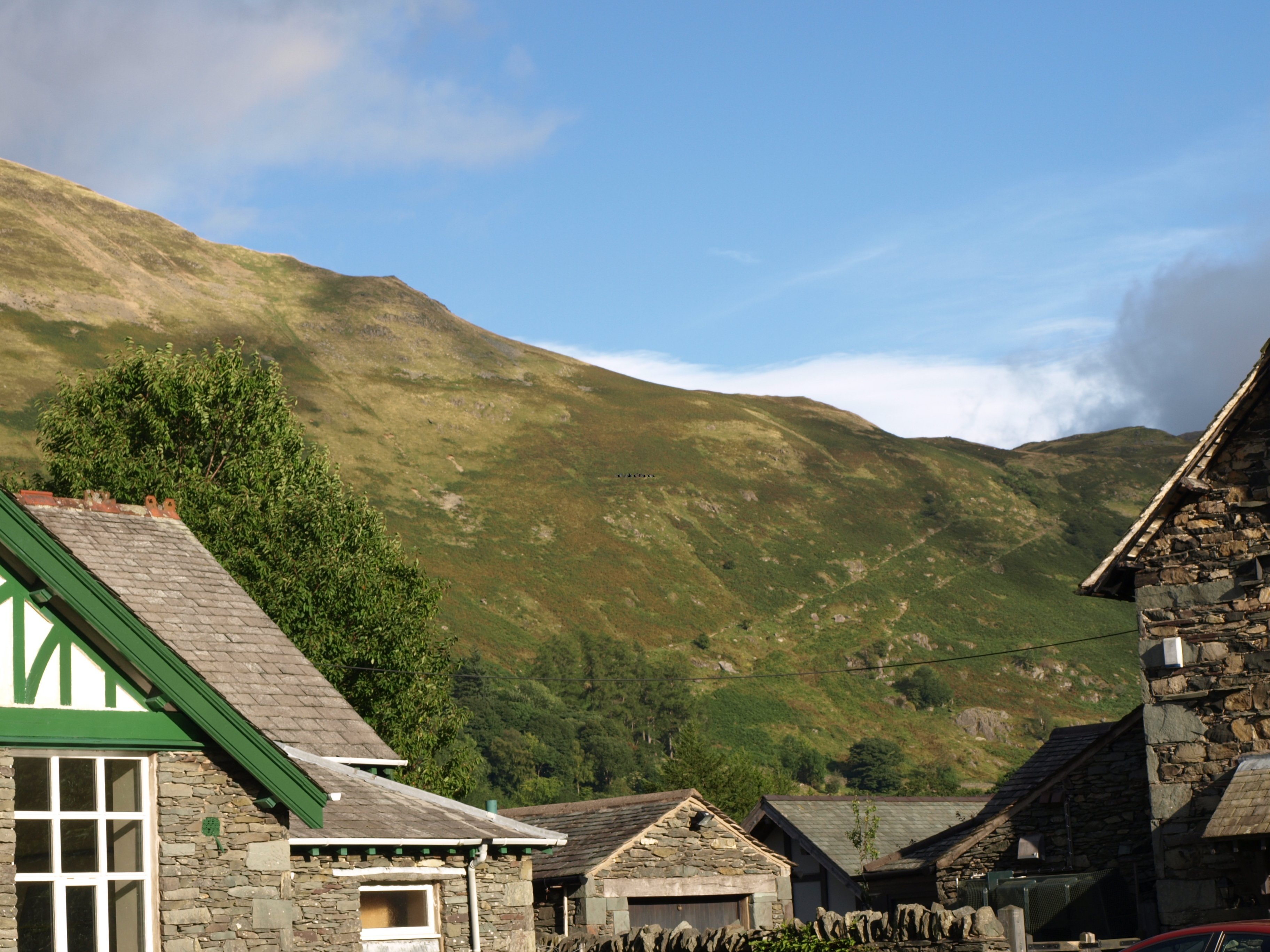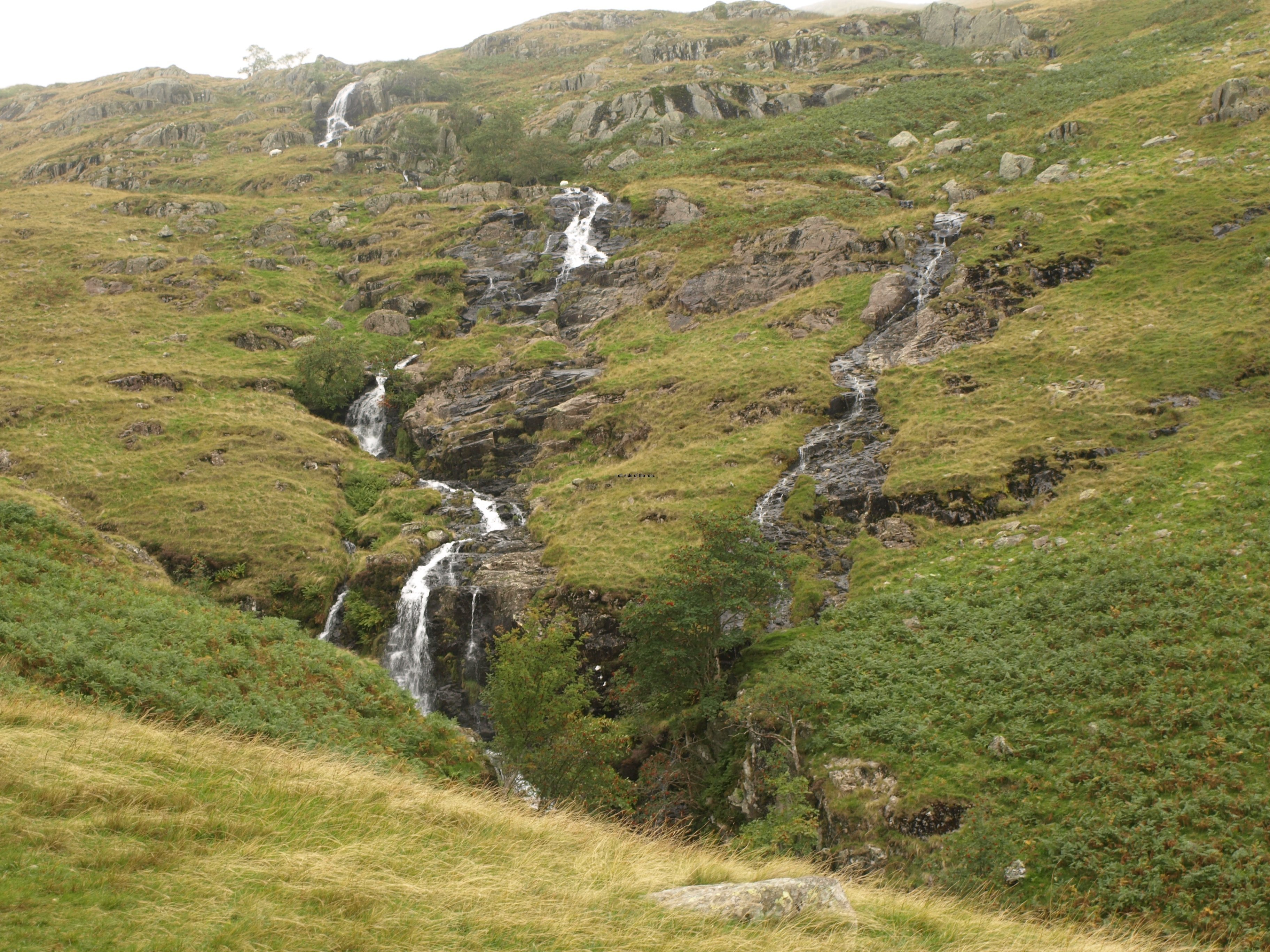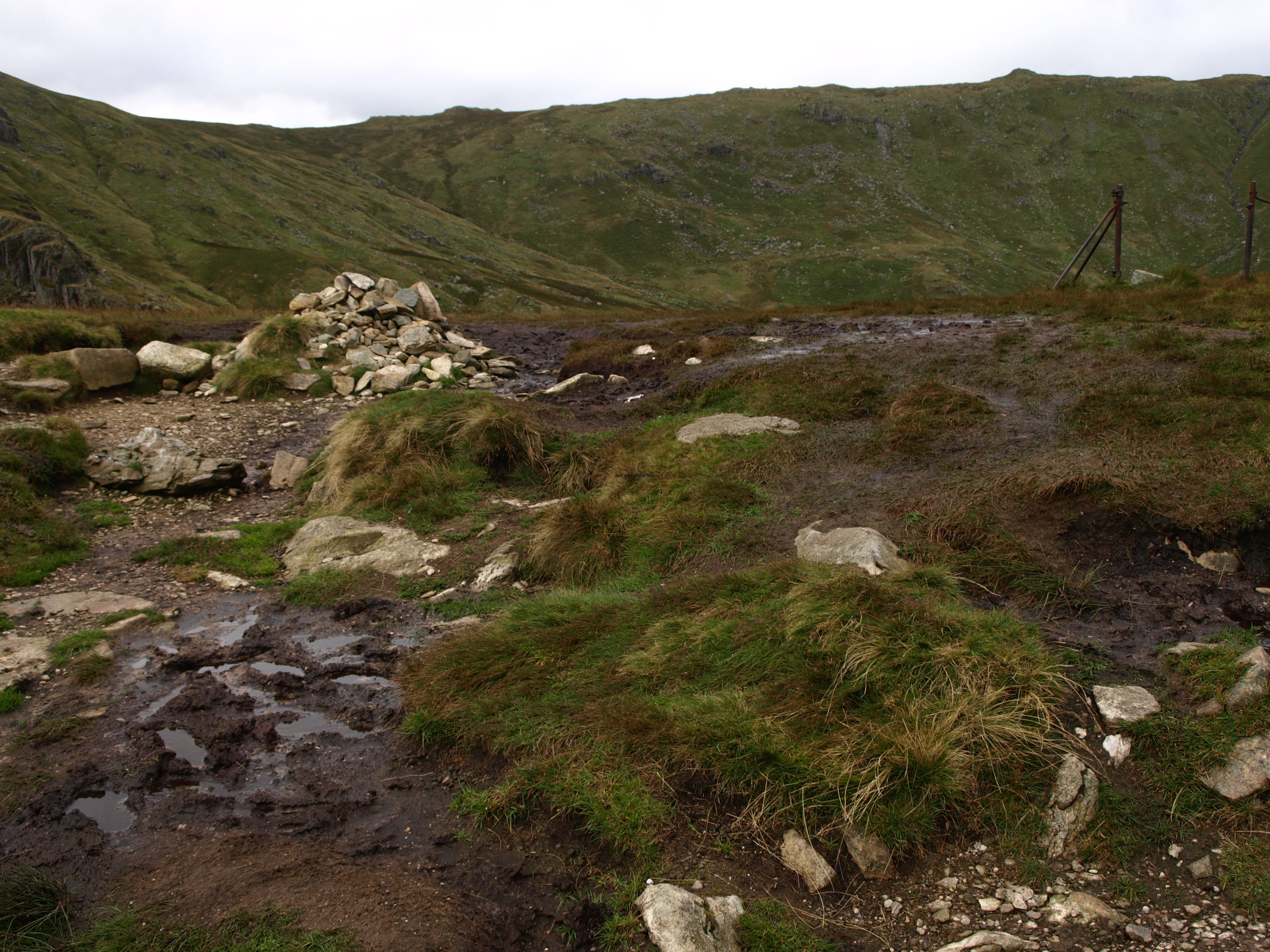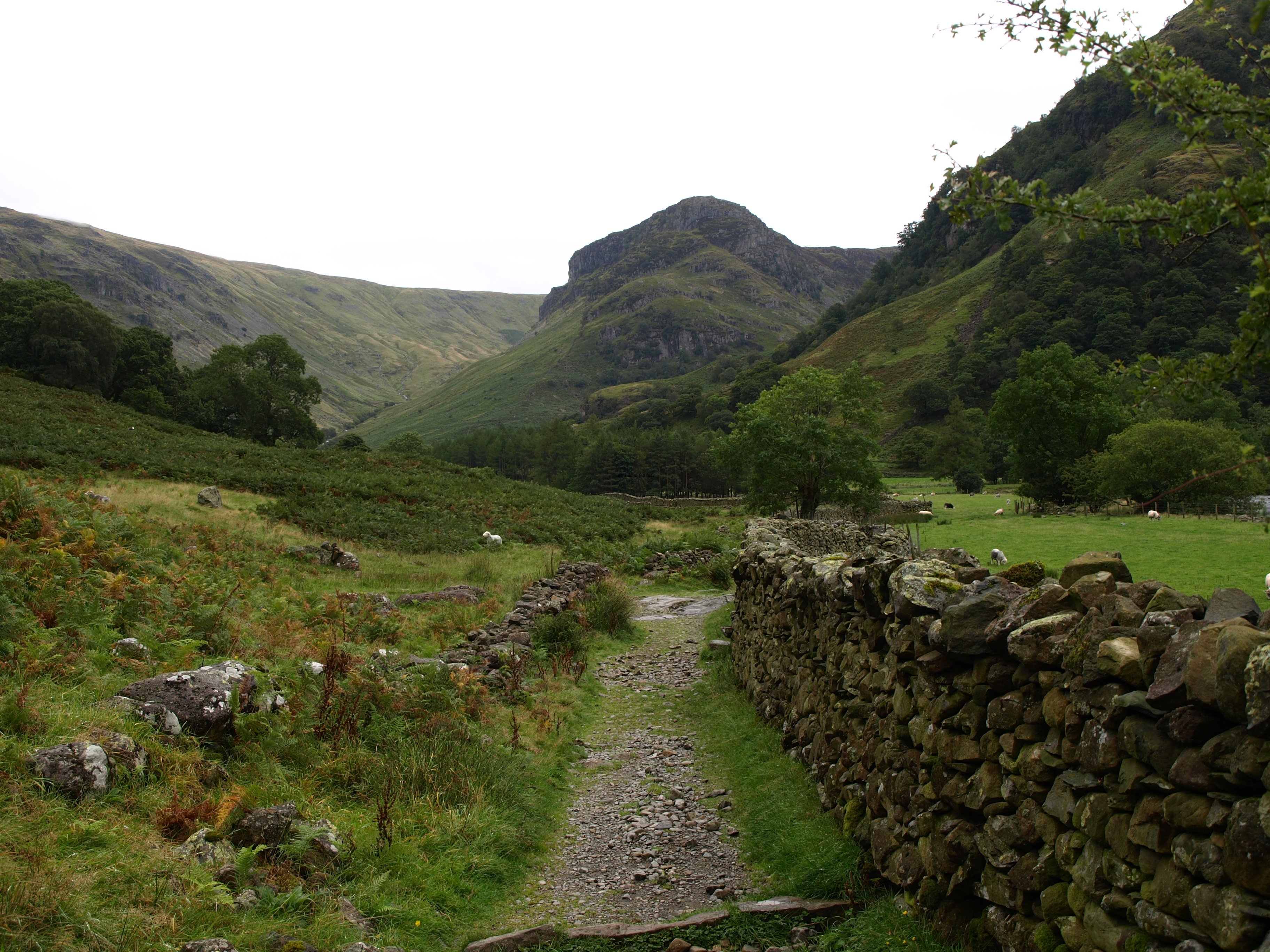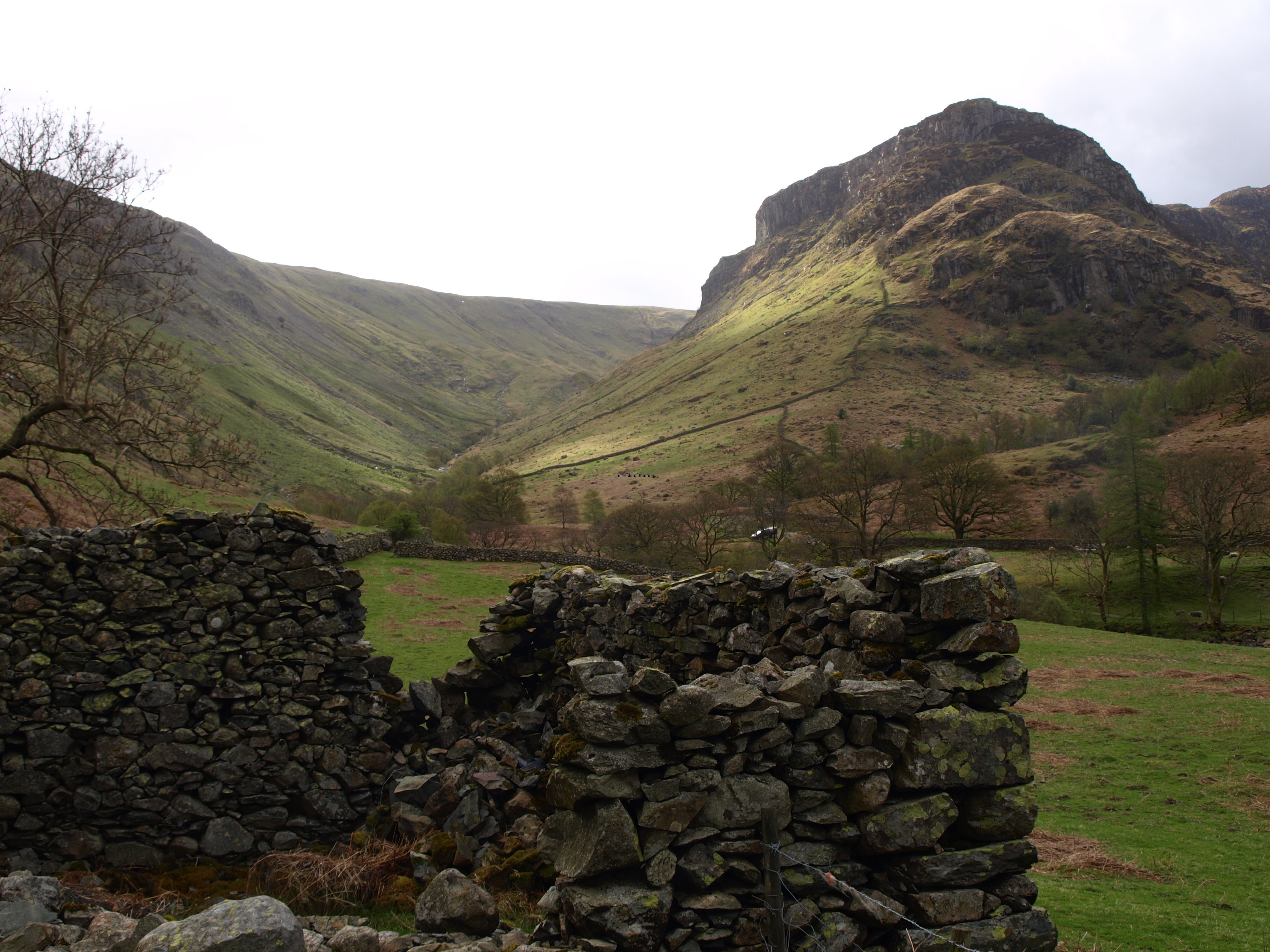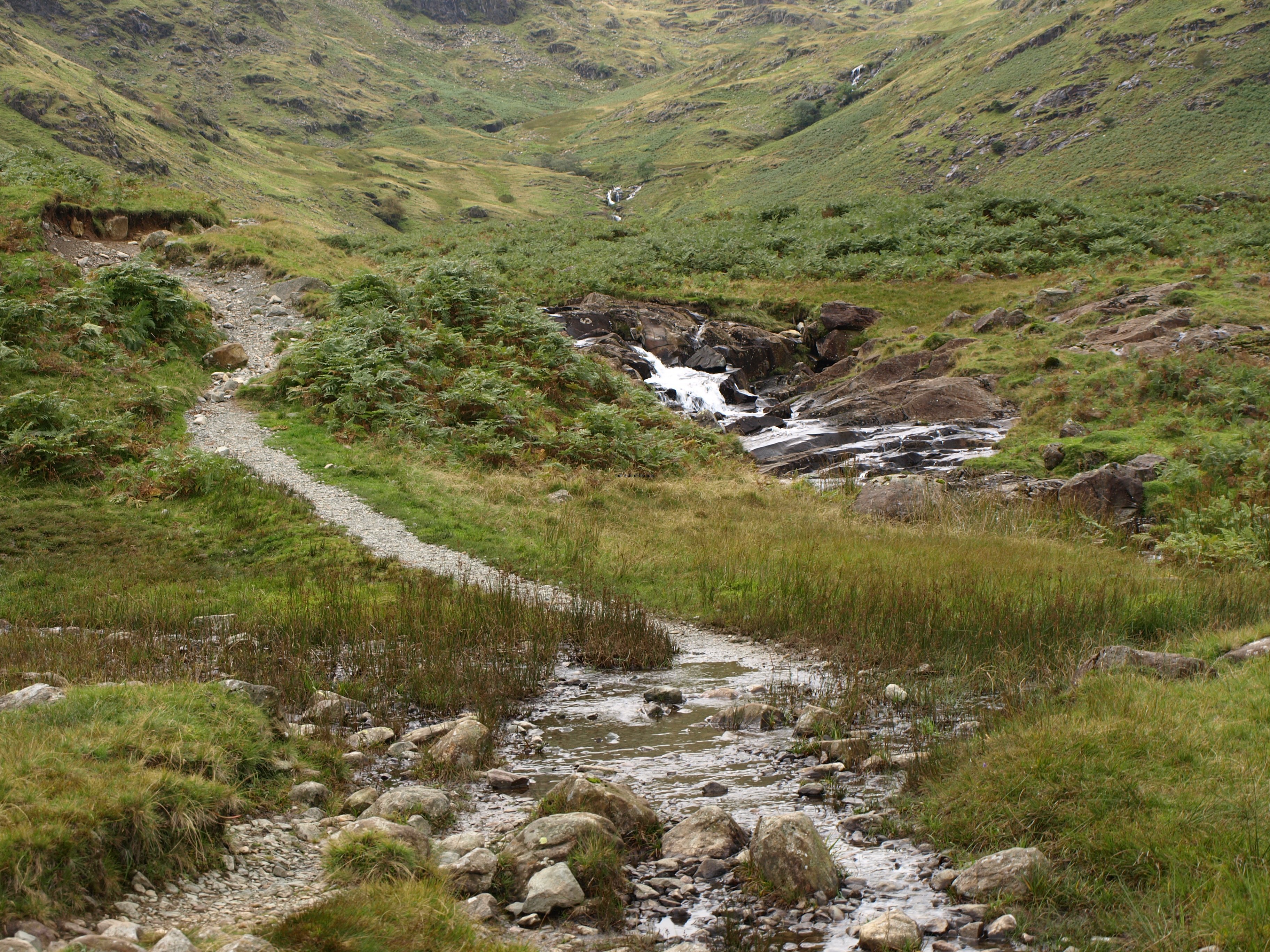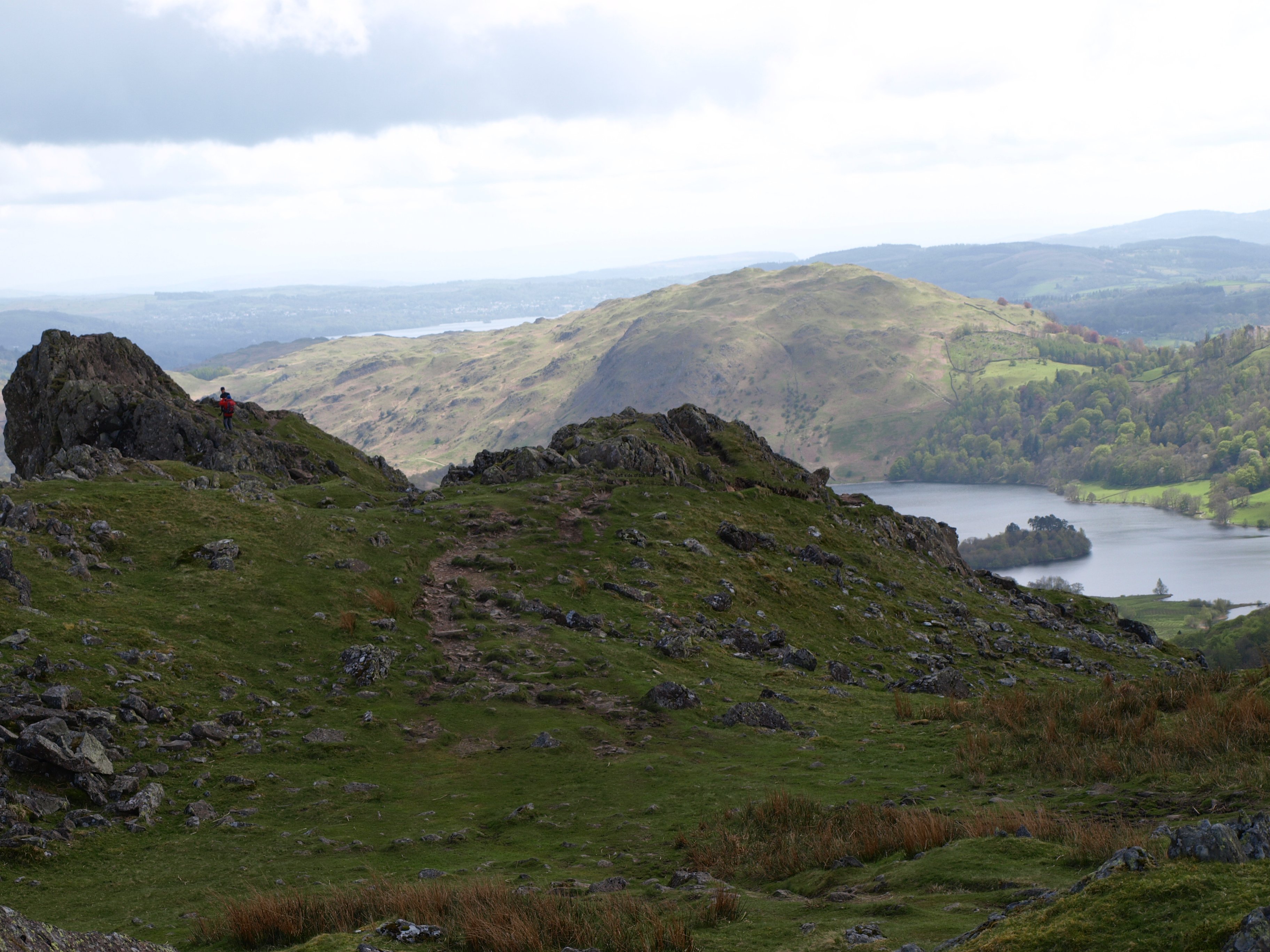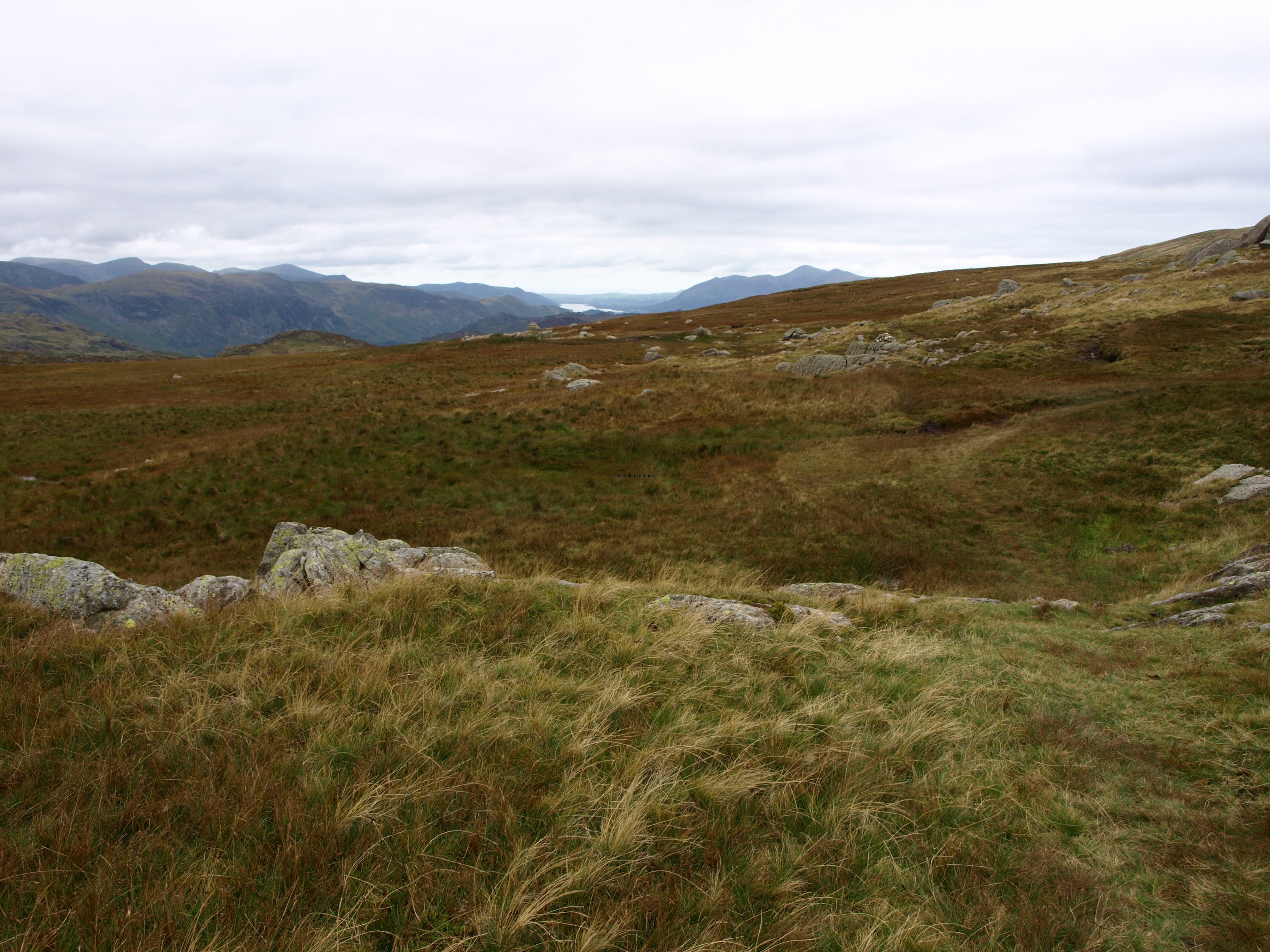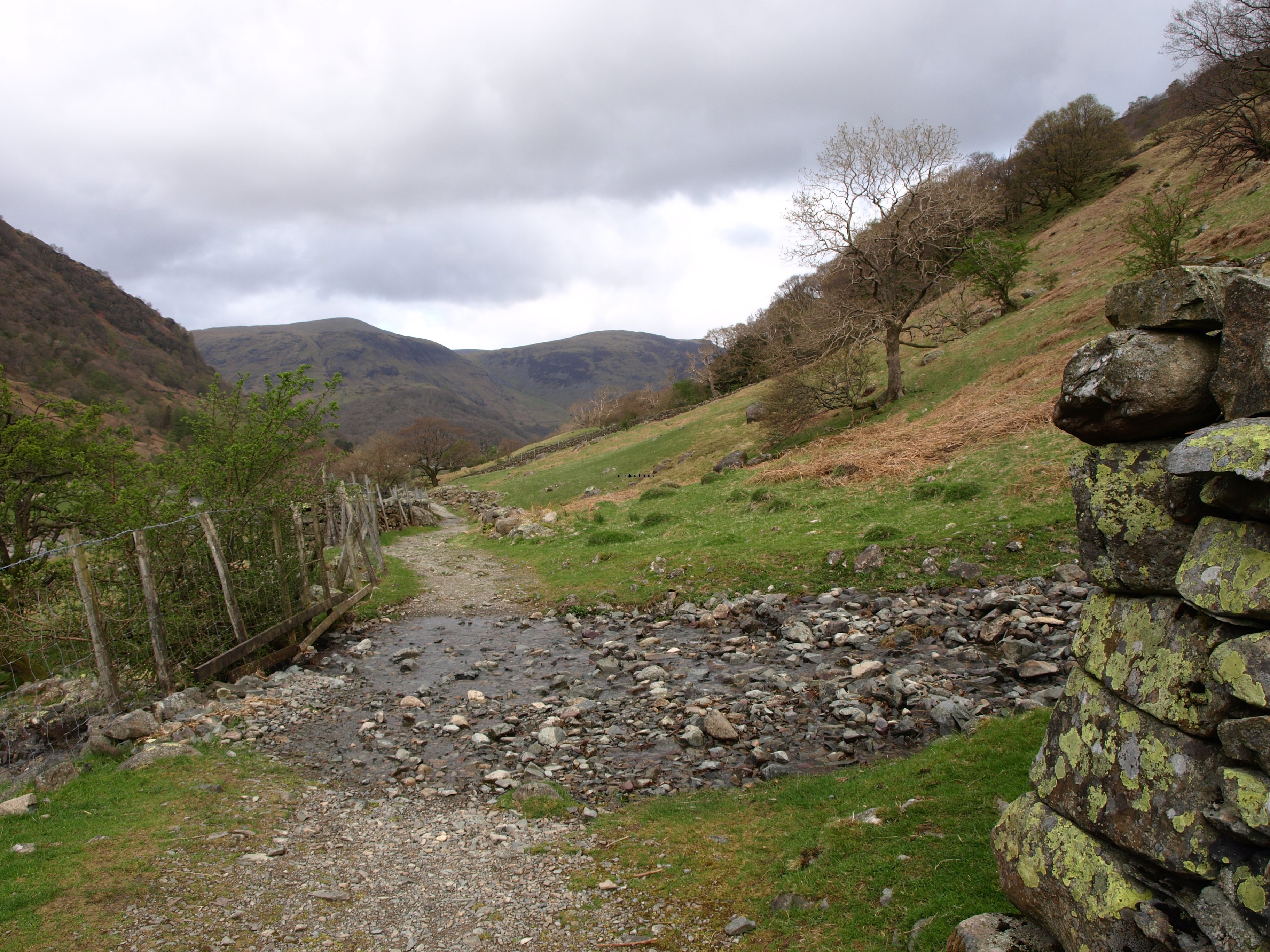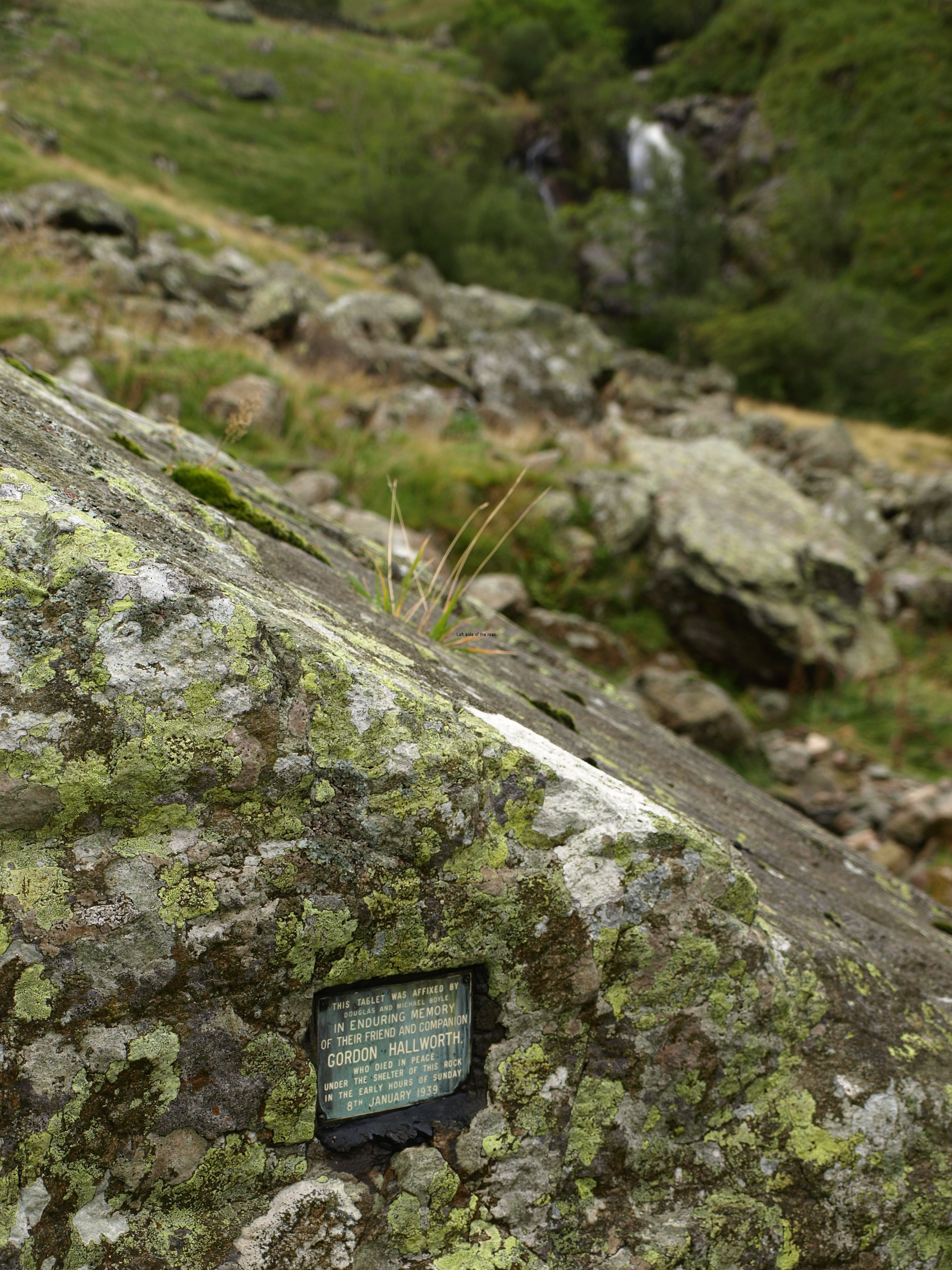
Coast to Coast Walk – Before even a single step

St Bega - St Bees - Cumbria

St Bega – St Bees – Cumbria

More on Britain …

Introduction – Before even the first step

I don’t know if it’s a sign of old age but I’ve had feelings of trepidation about this trip for a while. Having decided on attempting the trip well over a year ago, and putting it off on three occasions for different reasons, I felt myself being pushed into the adventure. If I had postponed the departure until next spring (I definitely have no intention of walking in this country in the winter over such a long distance) then I’m sure it would never have happened.

But I did start to make all the arrangements for accommodation and transport, etc., in the hope/expectation/desire/ that there would be a true ‘Indian summer’ in the north of England in 2013 – now it seems they (the meteorological pundits) are suggesting that we may even have an earlier than usual winter this year. Walking in snow in my sandals in the next couple of weeks is not something I am looking forward to with relish!

As the crunch date came closer I started to wonder how I would cope with the weight I’d have to take with me. Over the years I’ve really managed to cut down on what I take away on my travels. If flying by plane I take everything as cabin luggage – it makes life easier and escape from the arrival airport much faster if you don’t have to wait by the carousel for another bag. That’s OK for most locations but it doesn’t work for walking in the UK – at any time of the year.
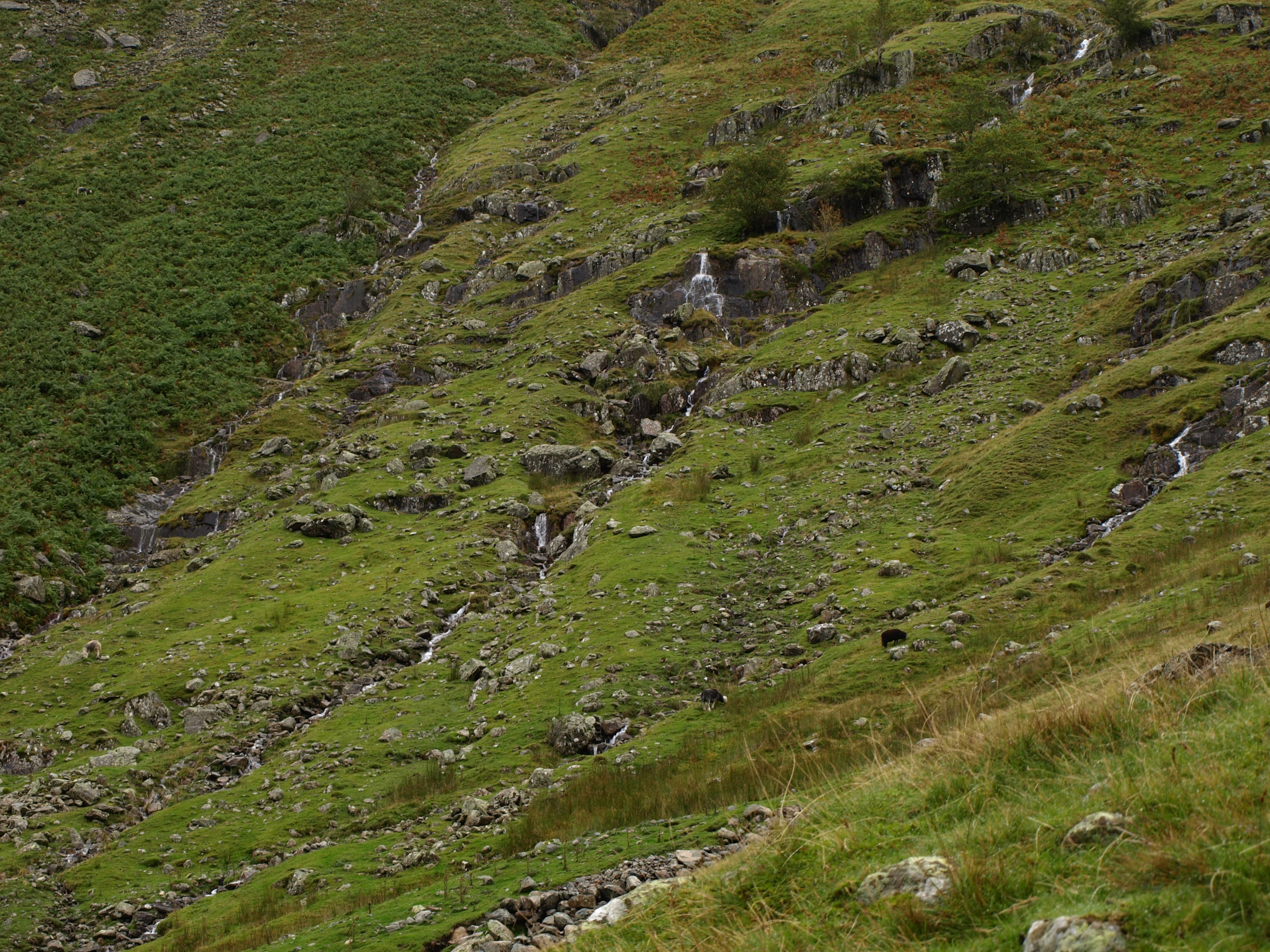
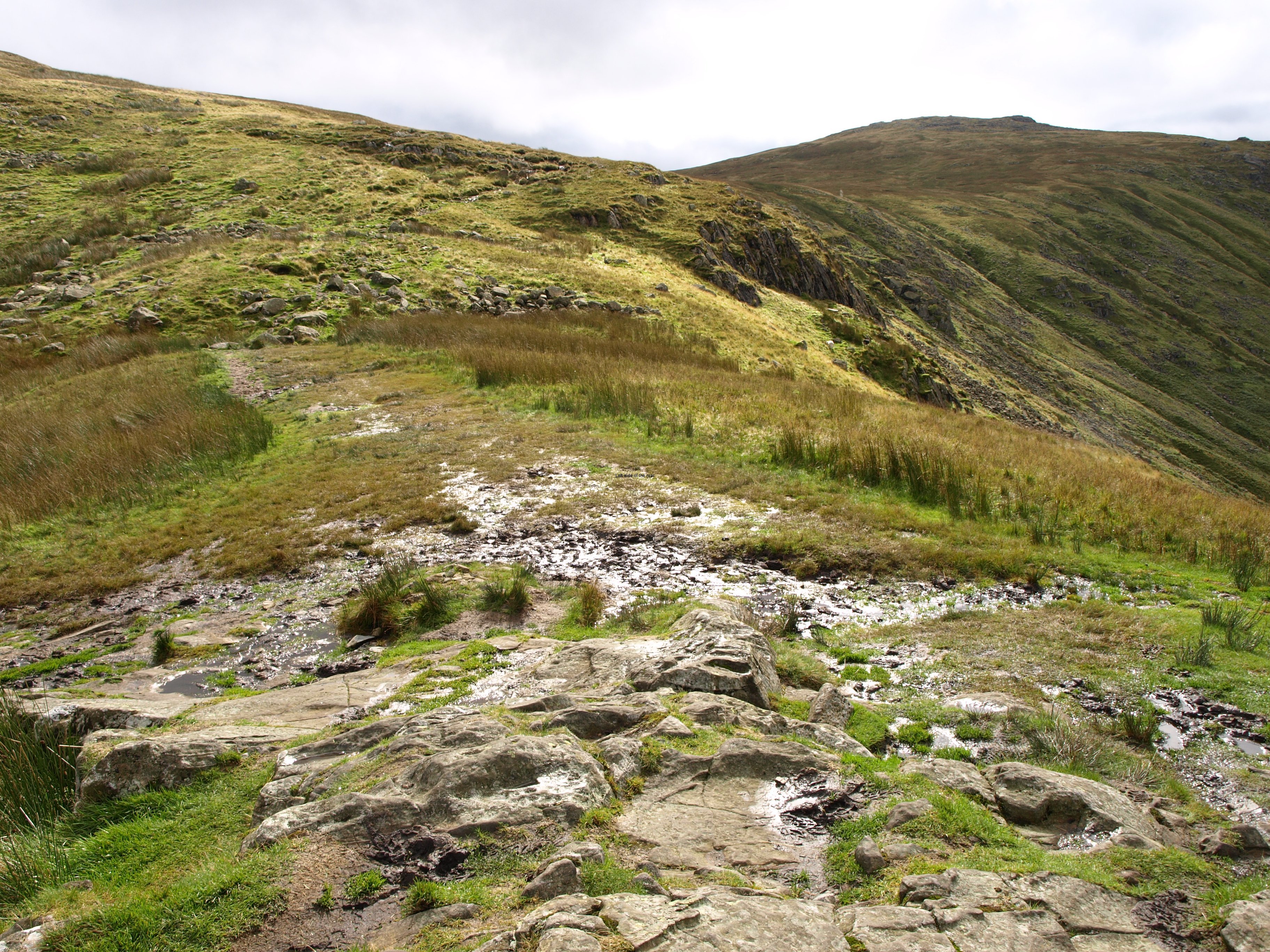
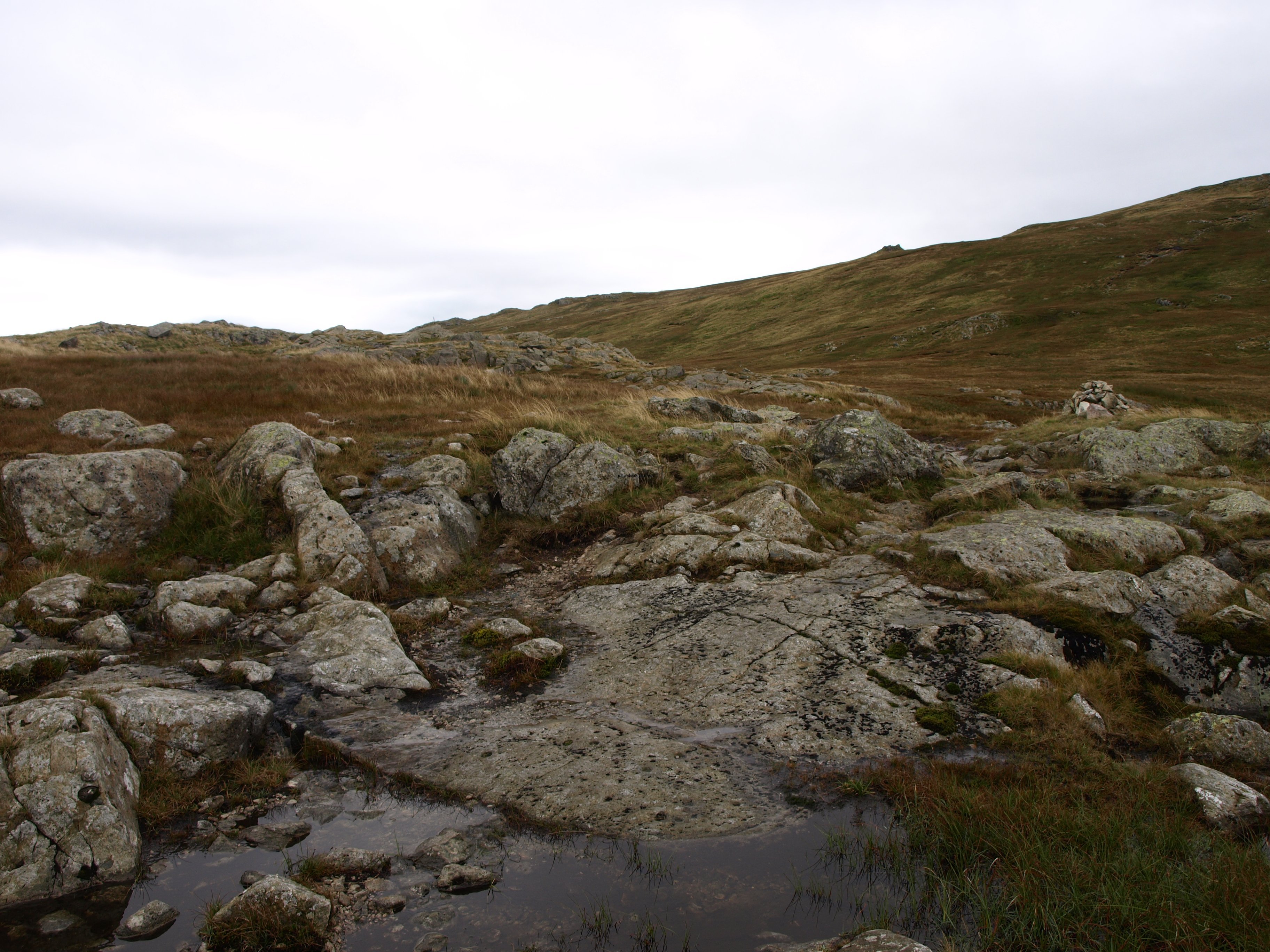
As it has been getting wetter and colder, with stronger winds and now the prospect of the temperatures dipping into single figures IN THE DAY TIME HOURS the problem of what to pack becomes quite a dilemma. Take too little you could hit problems, take too much and you will spend days and weeks bemoaning the extra weight.

As I was trying to resolve this issue over the last weekend I was getting more concerned as the rucksack was getting more full and I still had things to pack.

It doesn’t make life much easier in that I have to include this computer (and it’s power supply) together with my camera and all its bits and pieces. In order to transform this walk from no more than an effort of an old fart to prove the assumption about old farts wrong I need a project – and that entails writing this diary and illustrating it with pictures. If there are words but no images I could just be writing everything in a cosy B+B somewhere – after all the very basis of fiction is the use of the imagination.

But I fought against all of that and at about 09.00 on Tuesday 17th September I picked up the heavier than I would have liked rucksack and started the journey to St Bees in Cumbria, on the Irish Sea.

That’s an important barrier to cross. Closing the door behind you and starting the process to all intentions puts these fears to rest, in the background, in the rubbish bin. They are really only excuses for not doing something that might be difficult to accomplish. They just come easier to use as a crutch as time goes on.

Because it’s true that once you embark on an ‘adventure’ the very fact of doing it pushes any doubts out of the way. If you think about the doubts then you won’t be able to deal with any issues or problems that arise. So even though I will almost certainly be cursing the weather, the rucksack and ‘God’ during the course of the next couple of weeks now that on the way the goal is the Irish Sea – whatever the conditions.

Before even making the first step on the walk itself I have to get there. Yes, it saves money by using the Gold Old Farts Bus Pass but it also becomes all part of the game. I know from my exploratory trip up to the Lake District earlier in the year that it is more than practical to arrive on different points of the walk in a day. It means an early start and a little bit of luck that you don’t encounter delays due to unexpected events (such as a train derailment on the line just south of Barrow-in-Furness that effected my plans this afternoon or an accident on the road that delayed all buses into Lancaster last June when I was trying to get back home) but it can be done. Sometimes with a three minute transfer but even with the occasional hiccup it was possible to arrive at St Bees just before it got dark, the only expense being the last short leg by train from Workington. The plan of using the buses throughout wasn’t helped by the fact that Stagecoach timetable one of their own buses to leave Keswick 2 minutes before the arrival of a connecting bus from Lancaster – meaning a wait of almost an hour for the next bus. What chance an integrated transport system if the same company is incapable of sensible and considered timetabling.

But as I started to work out how I would divide up the 200 miles of space between the 2 seas (fitting it into the availability of accommodation) I realised that getting to St Bees as early as possible and doing the short stretch along the cliffs at the very beginning on the travelling day would make life a lot easier. This could be done with no heavy pack and therefore much quicker. But the most significant gain would be psychological. Considering I was having doubts about the whole project – although those doubts diminished as I got closer to St Bees – once the first steps had been taken it would become a matter of ‘I’ve started so I’ll finish’.

It also solves another problem that seems to bedevil many of the long distance walks and that is that the very first section seems to be something that has to be done but is rarely the most interesting. This was the case with Hadrian’s Wall walk. On that walk the first section in the east started at an old Roman fort (although there’s not really a lot to see there) and then passes through a mixture of industrial decline and dereliction next door to yuppie housing and bar developments – although some of those bars didn’t seem to have a very long life. Doing that first (admittedly short) stage without having the burden of your worldly goods makes for a gentle introduction to the start of the 200 mile trek.

So the way I planned to get to the start of the walk was to use the pass on the buses Liverpool – Preston – Lancaster and then to catch the train that went along the southern coast of the Lake District passing through Barrow-in-Furness and Sellafield.

Things didn’t start out too well. Having got into the centre of town I was asked one of the most bizarre questions ever by a total stranger (and that says a lot living in Liverpool for most of my life). The question was ‘What do you think of someone who at the start of a relationship says that he only wants it to last three days?’ – this from a young woman. With such a strange question you have to think about the answer as the only correct answer is the one the woman herself wants to hear. She sat in the opposite double seat at the top front of the bus so I had a conversation that was getting more bizarre as time went on. Fortunately for me (being selfish) she got out at Southport, but a seriously damaged woman in need of some professional help.

The train journey was pleasant enough in fairly unpleasant weather conditions but would be one to experience in really fine weather. It starts by passing through Carnforth and Steamtown (though no evidence of any steam when I went through) then alongside the sea marshes, passing over causeways and dipping back inland and back to the sea. On the other side of the train you have the southern lakes and their peaks, though most covered in low cloud on the Tuesday.

But though rural there are some big towns along this route, and its the serving of these places that maintains the rail route. It might be busier in the holiday times with tourists but this is the commuter transport for school children and the workers of the two major industrial sites in this part of the country, Barrow-in-Furness shipyards and the Sellafield nuclear facility, both which employ hundreds, if not thousands, and the closure of either of these would turn this area into a backwater, suffering the fate of so much of Britain in the decline that has been overseen by respective post-war governments. It’s also very easy to see when you are up here that whatever the controversy that surrounds nuclear power has its social and economic consequences of those areas that have been chosen to house these plants. They are big money earners, and many of the surrounding small towns and villages have become commuter towns to relatively wealthy workers. It’s an interesting journey for many reasons and all in all a better train option than passing through Carlisle and then back west and east.

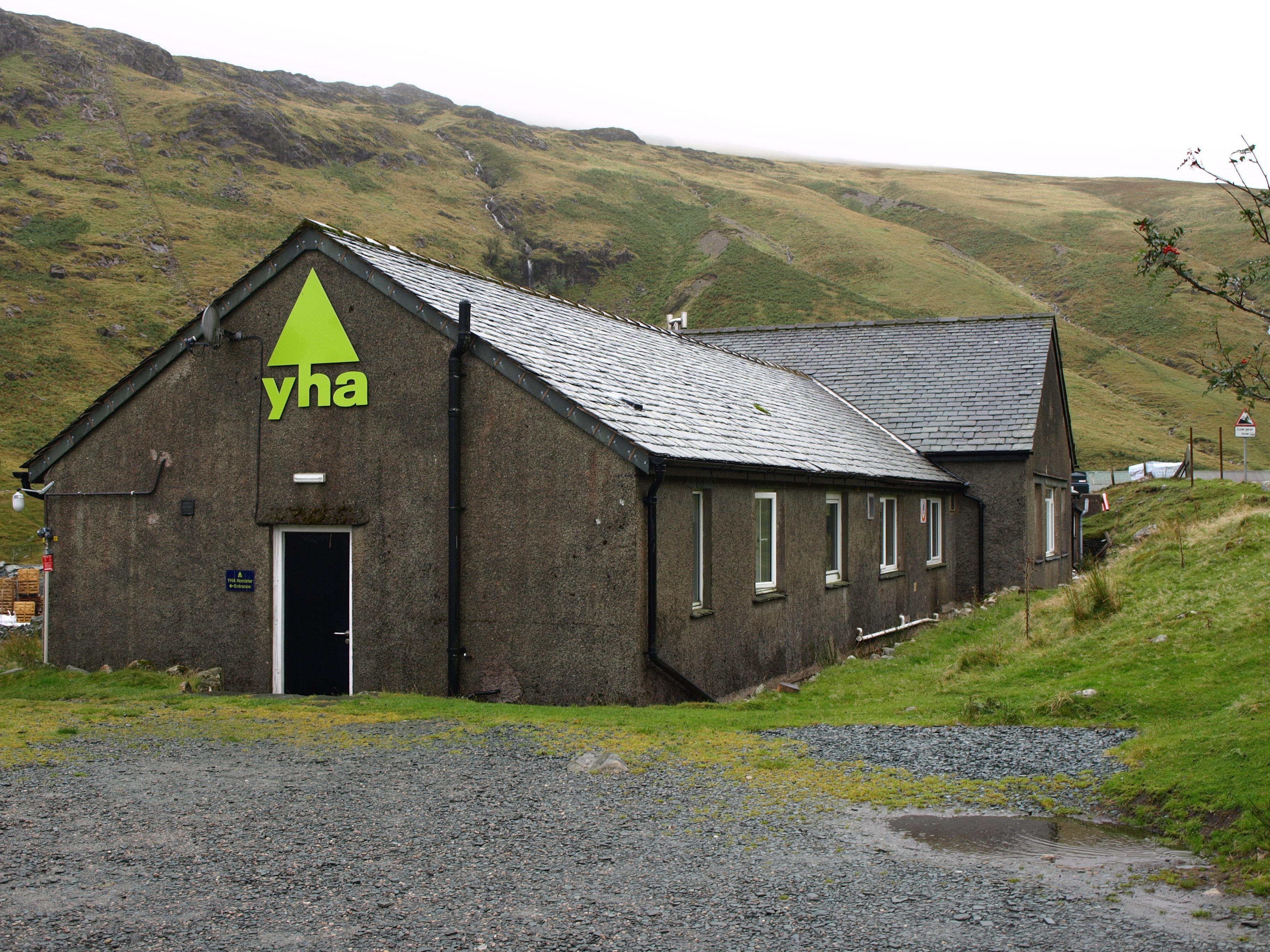
Although the weather had been changeable ever since leaving home I was greeted with a light shower as soon as I got off the train, not the sort of welcome I really wanted.

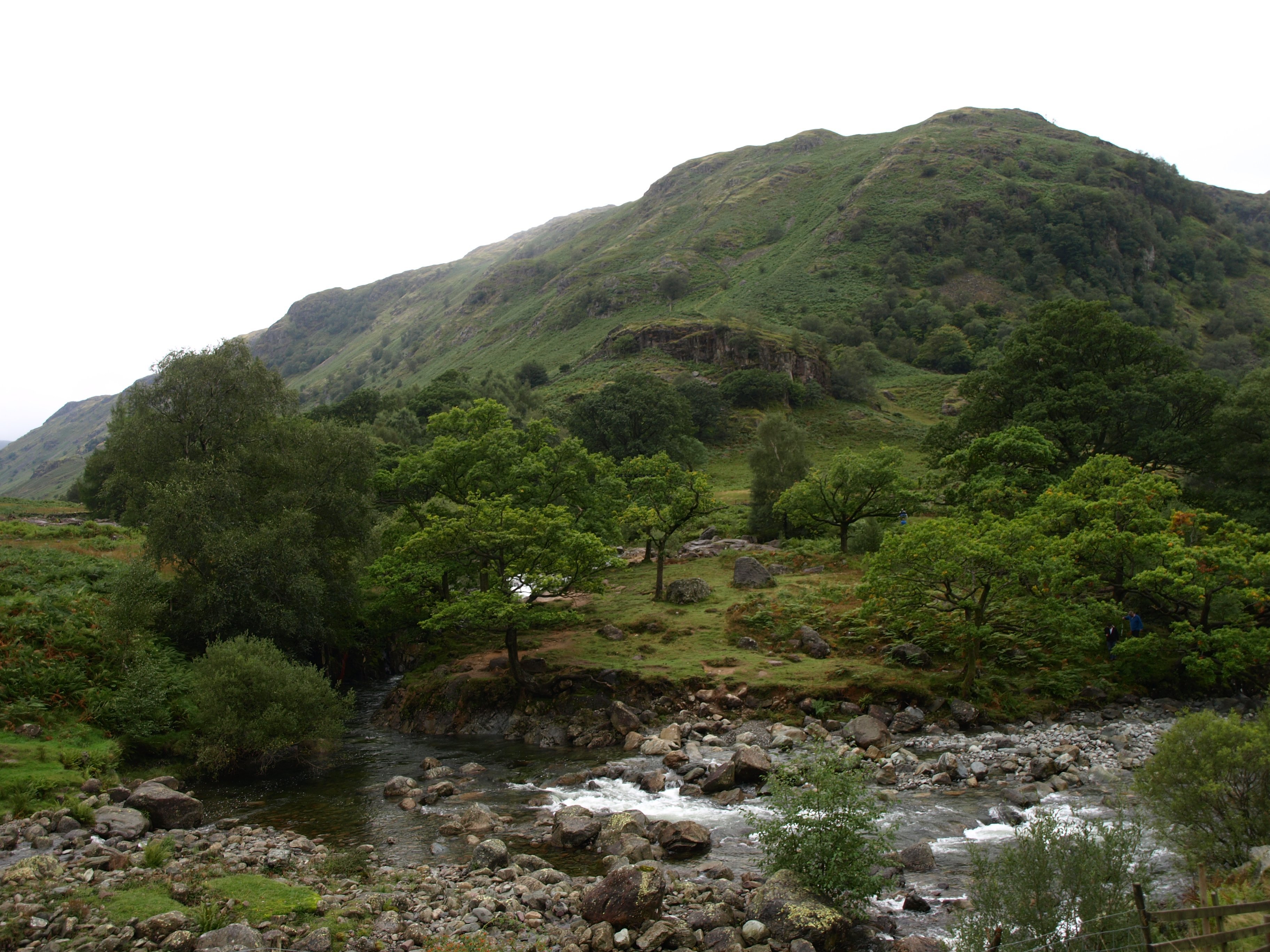
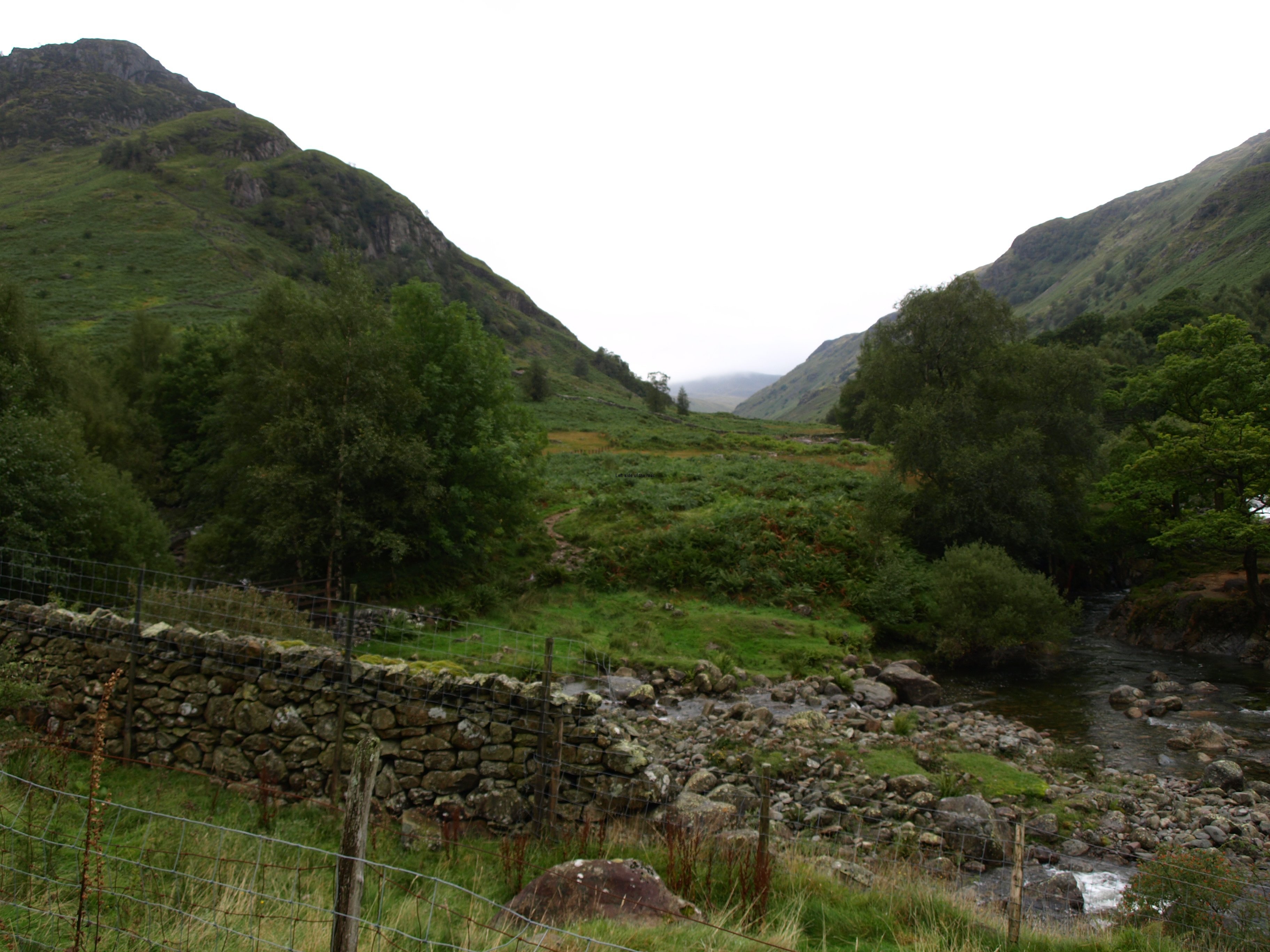
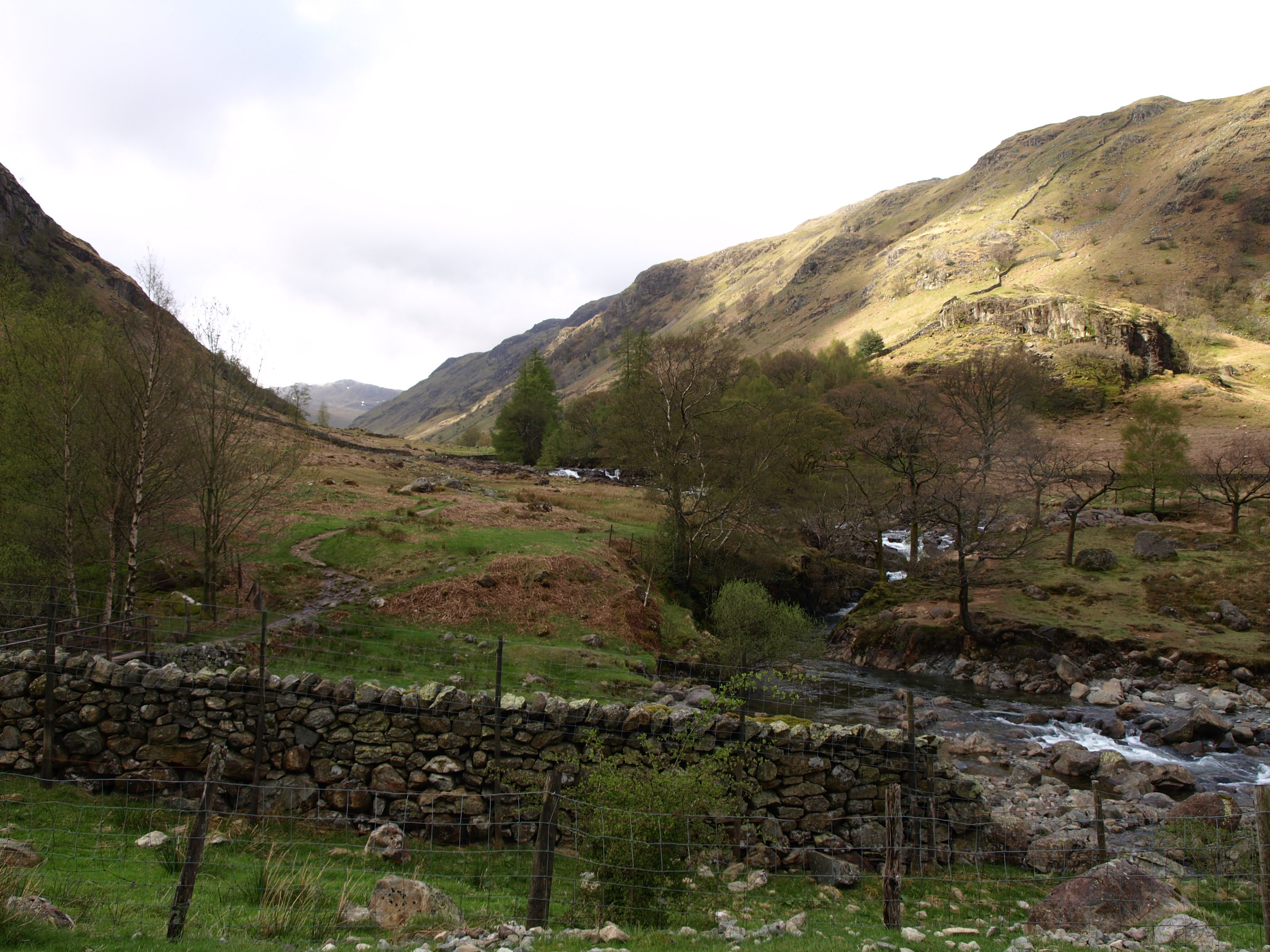
Buoyed up by the brief sunshine interlude whilst walking along the cliff path and an almost full moon in a cloudless night sky I retired for the night with more positive thoughts about the future trip than I had had for a while.

Practical Information:

Transport

Train

Workington – St Bees, 16.02, 17.21, 18.16, 27 minutes, single – £3.60

Whitehaven – St Bees, 16.22, 17.39, 18.36, 7 minutes, single – £2.20

The timetable from Lancaster – Carlisle

Single from Lancaster to St Bees £17.80

Bus

The bus from St Bees to Whitehaven is supposed to leave at the bus stop at the railway station car park at 09.14, and passes through Sandwith.

Food:

The Queens Arms

Just a bit further up the road from the Albert and the railway station. Has free wifi. Has a comprehensive menu but no snacks, such as sandwiches, available in the evening. Reasonably priced real ale (£2.90 pint of Jennings Cumberland Ale) – not yet into ‘Wordsworth country’, i.e., anywhere that can claim any connection whatsoever, however tenuous, to the great romantic/revolutionary (who might have suggested French Revolution solutions to exploiters of the poor and dispossessed) where the maxim seems to be ‘screw the tourists’.

More on Britain …

Next

Elysium – how not to attack a gated community

Elysium

Elysium

If there’s injustice then the Hollywood answer is to look for an individual hero to come up with the solution. This is merely a variation on the Christ story from the Bible where the oppressed are just sitting and waiting for someone to lead them into paradise. All that’s needed is a brave, fearless and self-sacrificing individual to come to the fore. This is basically the theme of the film Elysium.

Sometimes they chose themselves, sometimes they fall into the role by accident, sometimes they start off with selfish motives only to realise, during the struggle, that what they are really fighting for is the common good, often with a Damascene conversion event that tips him/her (although it must be said that the Christ as woman is the exception rather than the norm) over to the bright side.

We also have this repeated in the historical, political context. Auguste Blanqui in France in the 19th and Che Guevara in 20th centuries are merely modern equivalents of the Christ Redeemer. All right, they might have had good intentions but they got it entirely wrong. When such like movements have been able to gather a reasonable amount of support they inevitably end up being destroyed, with a greater or lesser loss of life. The movement in general suffers a set back, sometimes for a generation or more, and the ruling class are able to parade the dead body of the ‘messiah’ to show their foolishness and the futility of bucking the system.

Blanqui lived long enough to see the real way forward with the attempt of the Parisian working class to seize political and economic power in the Commune of 1871. It failed and tens of thousands paid the ultimate price of daring to challenge capitalism, but that failure was taken on board by Lenin who used the negative lessons to ensure the same didn’t happen during the October Revolution of 1917. Guevara’s body was thrown into the Bolivian jungle from a helicopter so that his grave wouldn’t become a place of pilgrimage and a possible rallying point for revolutionaries in the future. And the commercialism of his image in the almost 50 years since his death has had the effect of diminishing whatever revolutionary position he might have held.

Elysium also brings up another issue that plays in dominant role in 21st century society. That is the one that ‘the grass is always greener on the other side of the fence’. We see a flash back of the young hero looking up at this huge ideal place in inner space – close enough for the poor left on Earth to be taunted but far enough away so that they pose a limited threat. The accumulation of filth and pollution has made the planet an undesirable place to live for the rich and powerful and they have chosen to live in the present day equivalent of a gated community, where life can go on with the problems and distress of the vast majority of the population ‘out of sight and out of mind’.

(Here it might be worthwhile stating that the original idea of Elysium (or the Elysian Fields) comes from Greek mythology and it was a conception of the afterlife reserved for mortals related to the Gods – so not a place reserved for most of us! In fact, even dreaming about going to such a place is as meaningless as the promises given by all religions which was parodied in the popular song of the Wobblies (the Industrial Workers of the World) and written by Joe Hill in 1911. This song had a famous line which promised ‘Pie in the sky, when you die.’)

Those living in the slums which, in 2154 when the film is set, cover the whole of the planet, seek to get to this paradise which they can see every day (presumably only just through the thick layers of atmospheric pollution which over-population and lack of care for the environment has created over all the cities). They risk all, their wealth – which they hand over to gangsters to enable they to even make an attempt to reach the New Jerusalem, and their lives when they are the target of the missiles which are sent to blow them to smithereens when they get too close. This is an obvious reference to the way that immigrants risk all to get to countries they see as a better life opportunity than the countries in which they were born.

That’s not the problem with the film. It’s a clear allegory about present day society and what is happening all around us, in all parts of the world. That is the intention of the film-makers, their ‘good’ intentions in making a critique about the injustice that exists in the world, even more so in these days of ‘austerity’ when the brunt of the most recent economic crisis is being borne by the poor and the rich are getting even richer. (They even film in an existing shanty town of Mexico City – so the image of a future world of deprivation is already a reality for millions of people.) The problem with the film is the facile way in which it suggests the issues of inequality and injustice are to be resolved.

Immigrants have always got the dirty end of the stick. They leave their homes to go into an unknown. When they get to the place of their dreams, or even on the way, they are discriminated against, abused and robbed. (The reason there’s such a large population of Irish descendants in the Liverpool area is not because their ancestors chose to settle here, they were robbed of their meagre wealth by smart-arsed wide boys and they were stuck with nowhere else to go.) In present day Britain politicians of all political hues are out doing each other on the immigrant card, pandering to the lowest common denominator in the British population and similar is happening in Australia, all in preparation for upcoming elections and the thirst for power and having nothing to do with a considered policy on the international movement of people. And that’s not to mention the building of a barrier hundreds of miles long to prevent Latin Americans from crossing the Rio Grande and entering the ‘land of freedom and opportunity – bypassing the Statue of Liberty.

We get a perpetuation of the myth that it’s better to move away (run away, more like) from all the issues that exist in so many countries; the pollution, the overcrowding, the limited education, the lack of opportunities, the crime, the environmental degradation, the unemployment and the soul-destroying jobs when they do exist, the problems associated with drugs and booze, the racism, the sexism, the violence and all the other negative consequences that have arisen from and thrive under a class society. To where? To a place that all these things have miraculously disappeared? But that place doesn’t exist, at least for the majority of the population, and never will unless the underlying power structures are challenged and changed fundamentally.

In the place called Elysium everything that is negative on Earth is absent. The rich just spend their days having drinks parties out in the sun, lying by the swimming pool and their every whim being pandered to by subservient robots (human servants also having been replaced by machines). It seems quite bizarre that 150 years into the future the rich are still doing the same as they do today, only a few miles up from the surface of the planet – showing that there’s certainly no real development left within the capitalist system. It also seems to follow the argument of those who deny the human effect on climate change in that all we have to do is to place all our faith in technology, but here it is clear that technological advances are only for a select few.

Yet again the we are left with the impression that the poor are responsible for their own condition, that they choose to live in the filth that surrounds them. And to an extent they are, but not in the way that the film depicts. To build something the size of a small country in space would have taken an almost unimaginable amount of resources, and the only place they could have come from would have been the planet Earth. What were the people doing when their wealth was being stolen from them over the course of many years? Why did they assist in this plundering of scare and non-renewable resources? Why did they sit back and allow themselves to be robbed of what could have made the lives of the majority more bearable? Why did they allow the creation of an exclusive society that developed technology that virtually eliminated illness and death yet left the billions on the Earth’s surface with no resources to treat everyday common illnesses, diseases and infirmities? Why did they just let the rich do what suited them and to hell with the rest?

(But we don’t have to wait 150 years before asking those questions.)

They were probably watching mind numbing reality TV shows, soap operas or films like Elysium. The same attitudes that have led to the acceptance of the situation the world finds itself in at the moment, in mid-2013, where in country after country the people are being openly robbed by capitalism and in the vast majority of cases few are really fighting against it. Throughout the world too many people are thinking that maybe, just maybe, they will win the lottery and in that way escape from the bleak future which lays ahead. They want to join the rich, not make sure the rich aren’t able to treat the rest of us as chattel and servants to their desires.

The makers of Elysium might think that by proffering a hero led revolt against the elite that they are making a social comment, which might even stir people into action, but what they have made is a film which seeks to maintain the status quo. It might provide some viewers with the same sort of good feeling that I witnessed in a showing of Aliens in 1986, when Ripley (played by Sigourney Weaver) takes the controls of a huge machine to do battle with the Alien which raised a cheer around a packed cinema – something I’ve not experienced very often – but when they walk out the multiplex the situation will still be the same. That is, unless they forget the dream of a super hero coming to save them and get together and do the hard work of eliminating such privilege themselves – and making sure that it doesn’t return in the future.

And are we really supposed to accept that ‘the world will be turned upside down’ by the mere re-booting of a computer, however ‘super’ it might be?

The Bus from Bajram Curri to Tirana

Kosovo entry stamp

Kosovo entry stamp

More on Albania ……

The Bus from Bajram Curri to Tirana

or

How to officially enter a country without setting foot in it.

One of the joys of travelling is the unexpected. Well, I suppose, many people have come across a form of the unexpected they would rather not have experienced but those unpleasant situations can happen in your own country. The unexpected that I’m talking about is the experience when something happens, something changes, something develops in a manner that was totally unforeseen at the beginning, but all ends up well.

This was the case when I wanted to get from Bajram Curri, in the very north of Albania, back to the capital Tirana – more or less in the centre of the country.

I had arrived in the area via the Komani ferry and had spent some time (unsuccessfully) attempting to get to Thethi via Valbona. It was my fault (for a number of reasons) that I didn’t achieve my original goal but that wasn’t the first – and I’m sure it won’t be the last – time that such has happened.

But at some time I had to get back south and so decided on the bus route from Bajram Curri. I didn’t start out with no information, it’s just that the information wasn’t exactly accurate. This is where the adventure starts in a place/country where there is little accurate and up to date information. The only British guide-book I had at the time had so many flaws it was bordering on worse than useless. It might be argued that things are changing in Albania rapidly, and that’s true, but I came across errors that didn’t reflect changes that were made long before the particular edition was published. I don’t want to labour that point, just to say ‘beware of guide books’. Take into account the most important word in the phrase and use the information provided as an indication and not to consider it as gospel.

My guide-book gave the indication that the bus to Tirana would take a tortuous, uncomfortable and very slow route through the mountains. That wasn’t a problem. I wasn’t in any real hurry and it wouldn’t be the first time (or, again, the last) I had travelled on such bad roads. Getting older the pains last a little longer but a day or two of rest and a not insignificant amount of alcohol has always dissolved the aches and pains in the past. And, anyway, it was the chance to see another part of the country.

I was starting fairly early in the morning. The guide books seem to indicate that much of the transport in Albania tails off considerably after midday. That’s true in some places but my experience over my three trips to the country is that people in generally are wanting to travel later in the day and the buses or furgons (minibuses) are starting to fill the gap, one of the ‘glories’ of the free market. However, if you don’t have exact information it pays to start early, just in case.

I should have realised that something was not what I was expecting when I was asked by the driver, once I had discovered the next Tirana bound bus, to hand over my passport. Now, I don’t have a problem of not having my passport, especially when I’m out of the country. The worst that can happen is that I won’t be able to get home. When the request is unexpected it’s a little disconcerting but when I saw that he was asking for everyone’s passport (I was the only obvious tourist on the bus) I relaxed a little.

We left on time and I was trying to work out how long it would be before we made a turn off to the right. From the map the route would be, more or less, north-east for a few kilometres and then south-east along the rough road towards the town of Kukës. But we kept on going NE and climbing and coming down from the hills. A very attractive route as we were passing by the mountains and hills in the very north-east corner of the country. Everyone else was relaxed so I assume there was no attempt at a mass kidnapping.

Then we arrived at a border crossing, so now I understood why I had been asked for my passport. A big pile of passports was passed to the immigration but no one made any attempt to see if the passports bore any relationship to the passengers. I was now in Kosova.

At this point I still wasn’t sure of my eventual destination. I was sure that there wasn’t another major destination in the area that sounded like Tirana but not planning/expecting to enter Kosova I hadn’t done any research before leaving home. I few people got off at some of the towns we then passed through but the majority stayed on. I thought my best plan was to stay on to the bitter end and just play it by ear.

The bus picked up a better, faster and wider road and then I started to see signs for Prizren. That didn’t sound like Tirana and anyway we didn’t enter the town, skirting around it towards the south. The bus then took a major road, now moving quite quickly, in a south-westerly direction. Slow witted I might have been but I started to work out what was happening.

In place of going along a very rough, very slow mountain track that would have taken hours, we had kept to the best roads to make the most speed. The only way to do that was to leave the Albania and use the roads that had been paid for by the World bank, IMF and the EEC after they had successfully dismembered the old federation of Yugoslavia following a long, bitter and hugely expensive war, both in terms of resources and human lives.

On arriving at another border post my realisation was confirmed. Immediately after moving off at the border the passports were passed from the front of the bus to the back, mine arriving quickly as it was the only one where they didn’t have to check the photo to know who it belonged to. About 15 to 20 minutes later, overlooking the town of Kukës, we stopped for a break at a road side café, back in Albania with the known brand names for the beer and the like.

On moving off from there we travelled on an amazing motorway. Amazing for the effort needed in its construction and for the fact that there was so little traffic passing along it, in either direction. Again a road funded by foreign money but I couldn’t really see how it benefited the Albanians. Thousands travel every day along the coastal highways, from Shkodër in the north to Saranda in the south. Parts of that road are atrocious and work, in places, had been stalled for as long as I’ve been going there, presumably due to lack of resources.

Why this motorway in the isolated mountain area of eastern Albania was a priority has nothing to do with the Albanian people or their economy, but more for any future foreign interests. Mainly military, I would have thought, to get to the heart of the country and its capital Tirana, in the quickest possible time, in the event of anything developing that might have an adverse effect on foreign control of the country that has been an aim since the end of the 19th century. That’s my theory but would welcome any other ideas.

So I eventually got to Tirana, my original goal, and probably much quicker than my expected route. I wasn’t kidnapped and held to ransom. It was just the quickest way. The next time I’m in that area I will attempt the rough route and keep hold of my passport.

But now I have a stamp (only one – I didn’t get one for leaving Kosova) in my passport for entering a country in which I, literally, have never set foot.

More on Albania …..