Petru Costin Gallery – Ialoveni – Moldova

Petru Costin Gallery - Ialoveni

Petru Costin Gallery – Ialoveni

More on Moldova – on the Post-Socialist Countries – Eastern Europe and Asia page
Petru Costin Gallery – Ialoveni – Moldova

This gallery in a small town just on the edge of Chișinău (full official name Galeria colecțiilor Petru Costin a consiliului raional Ialoveni) is a strange place.

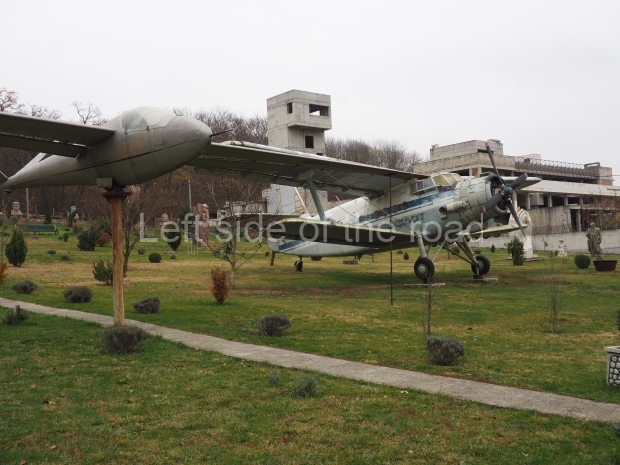
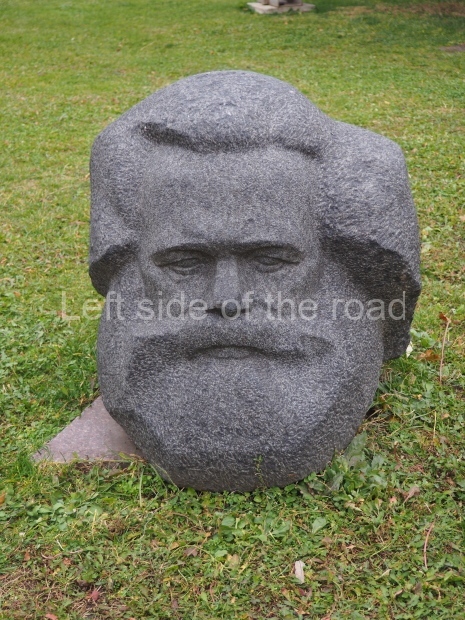
Housed in what was a school for special needs children before the collapse of the Soviet Union in 1991 this four story ‘museum’ is certainly unique. Petru Costin was a Romanian Customs Official and hoarder. He collected anything and everything from Moldova during the Socialist period – together with some earlier religious works.

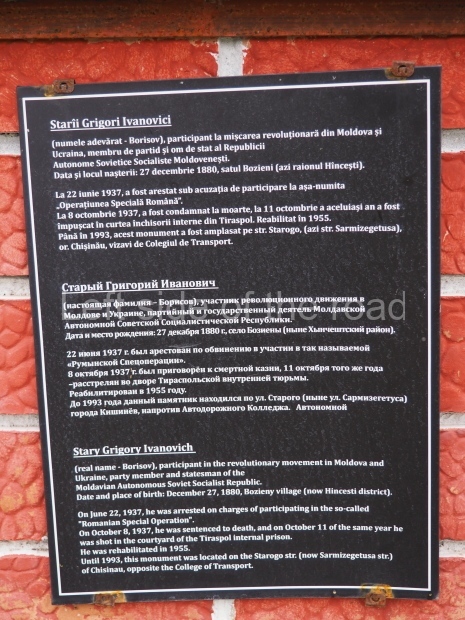
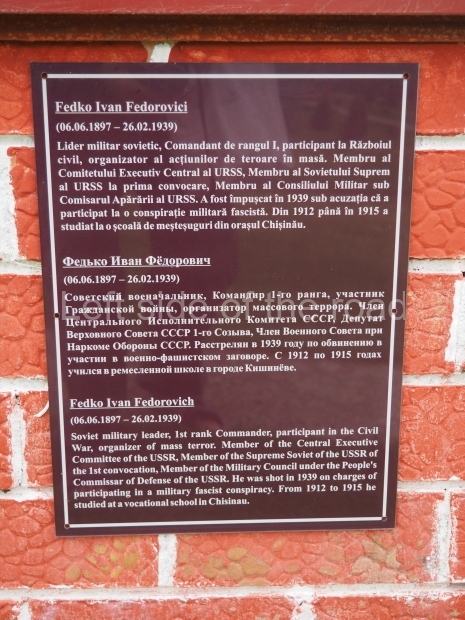
It’s not really curated in the sense you would expect in a ‘normal’ museum which makes visiting some of the rooms overwhelming. There’s little in the way of description of most of the articles and missing dates on some items makes if difficult to recognise any development in the technology, for example, in the electrical equipment rooms.

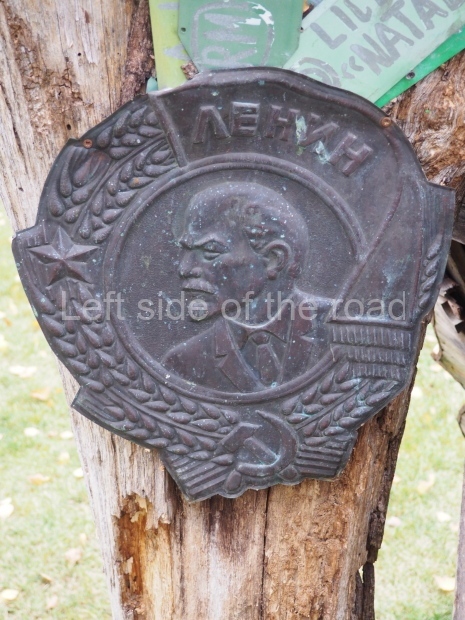
Although there are items related to the decoration and propaganda produced in the Soviet Union, for example, many hundreds of enamel badges in one of the first floor rooms – but surprisingly no badges of VI Lenin (unless I missed them in the general chaos) – those especially interested in such material have to wait until you are taken to the very last room on the ground floor.

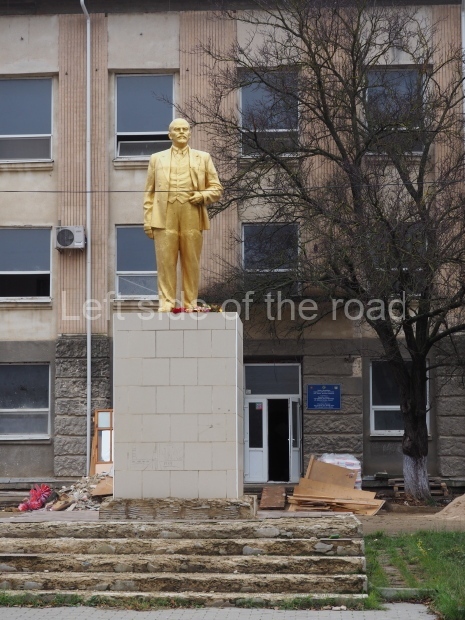
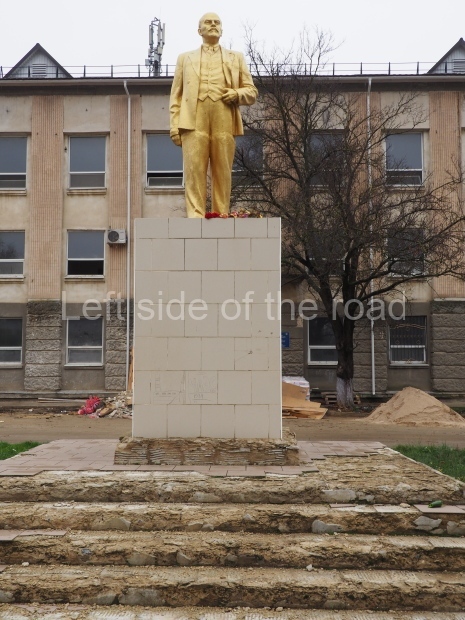
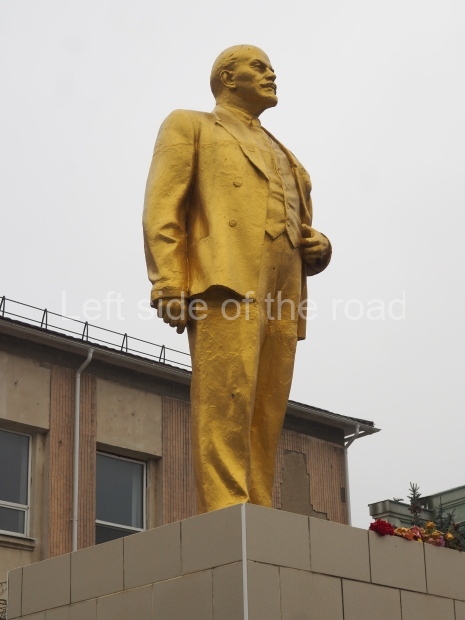
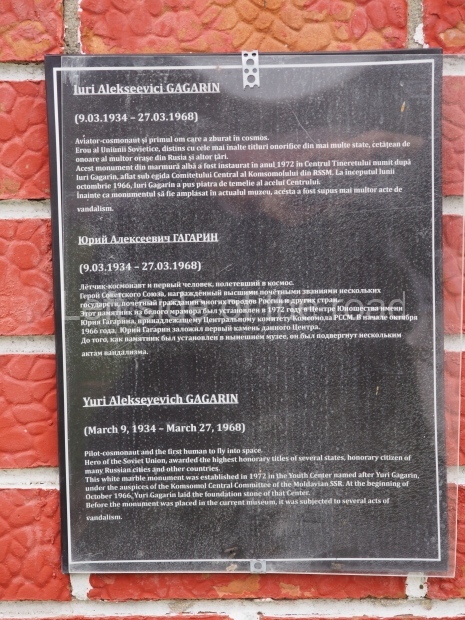
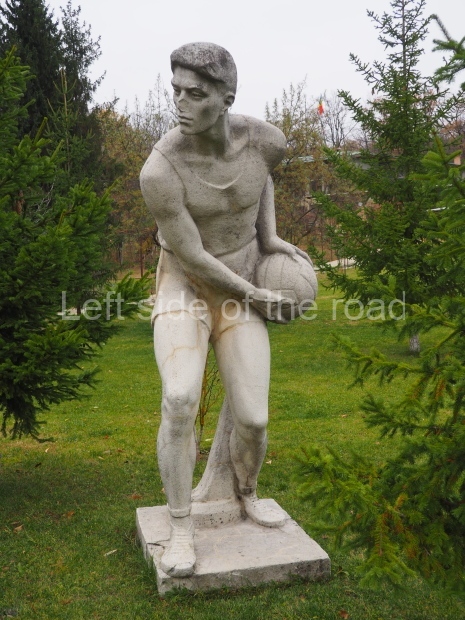
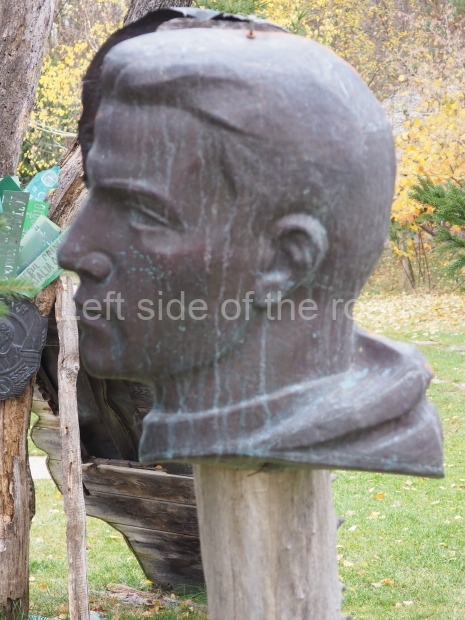
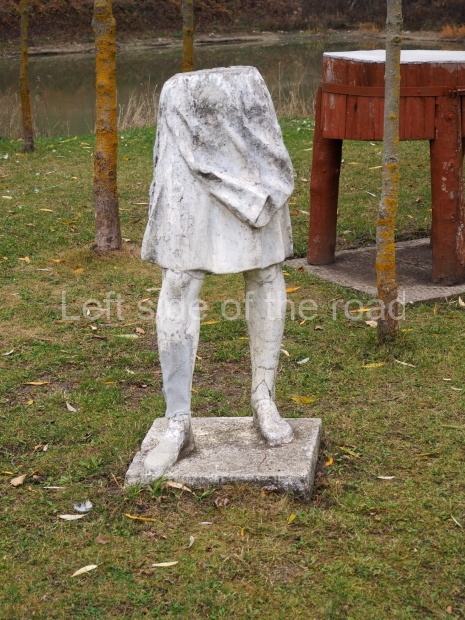
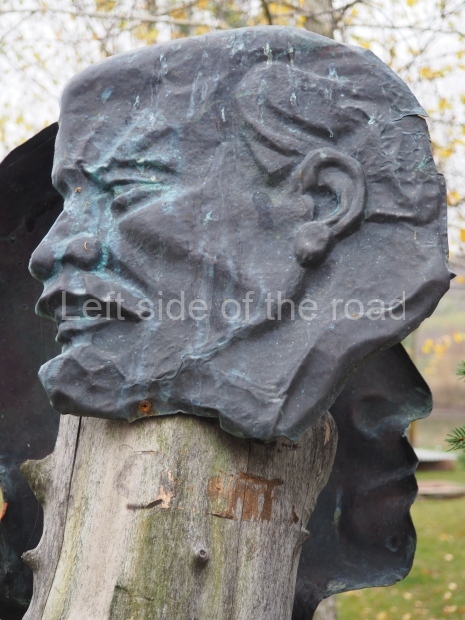
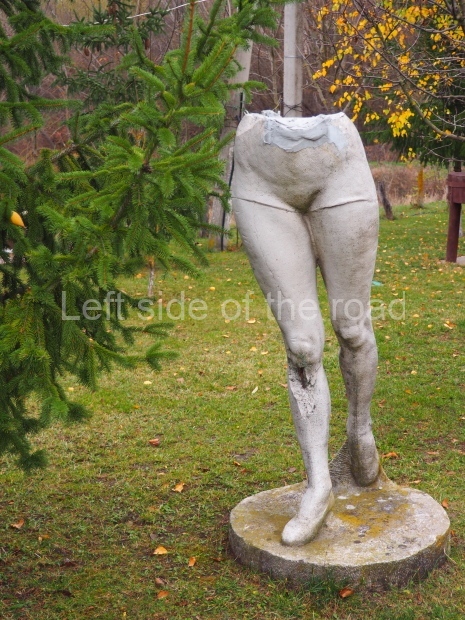
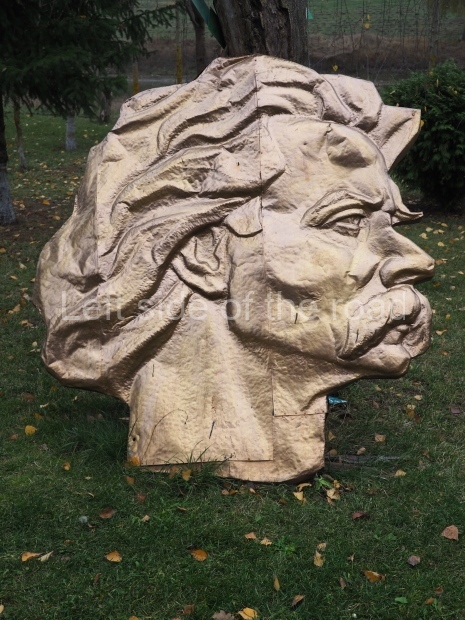
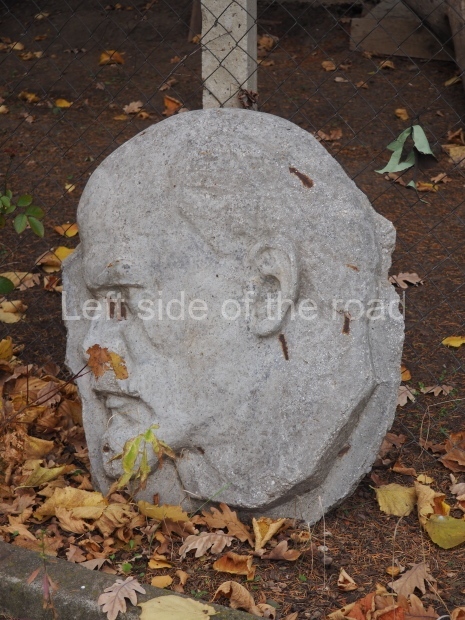
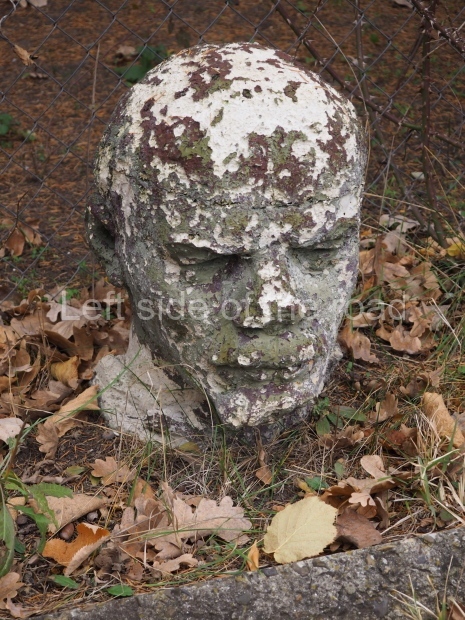
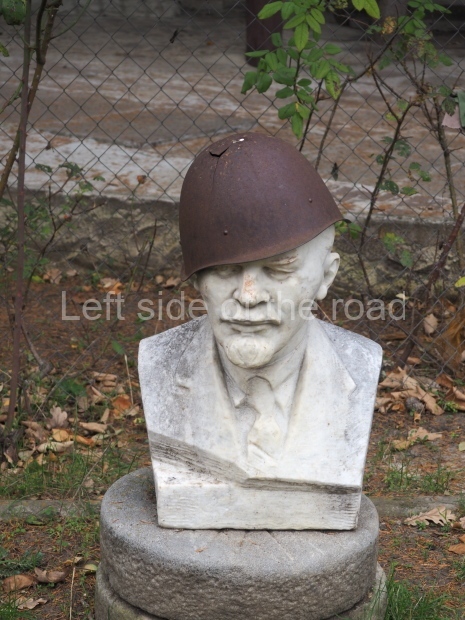
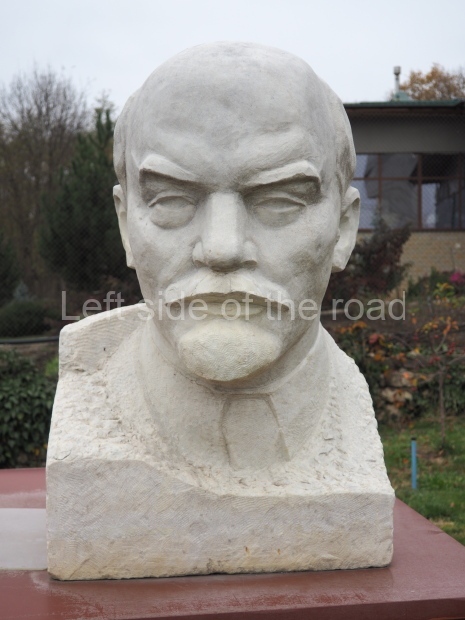
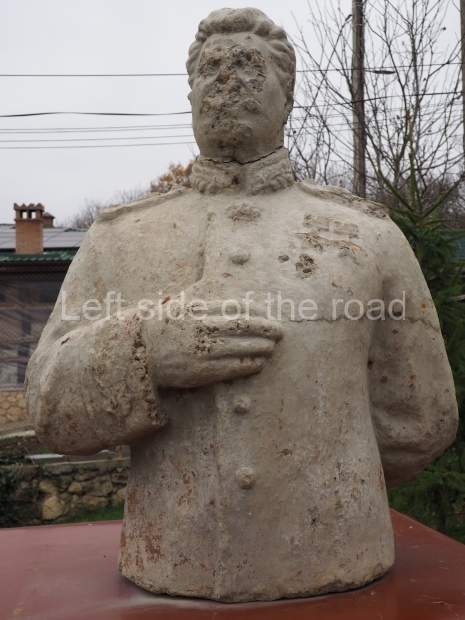
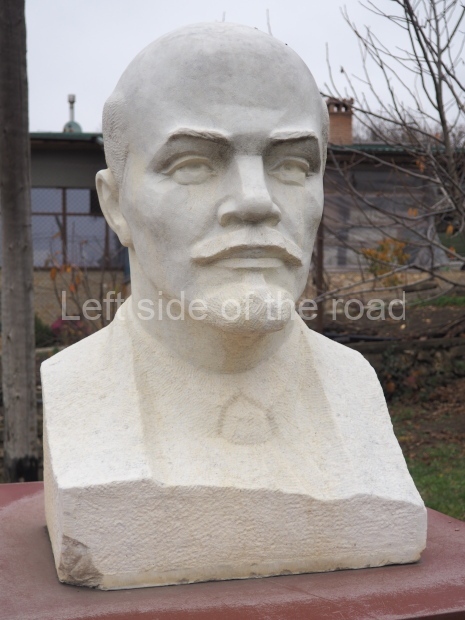
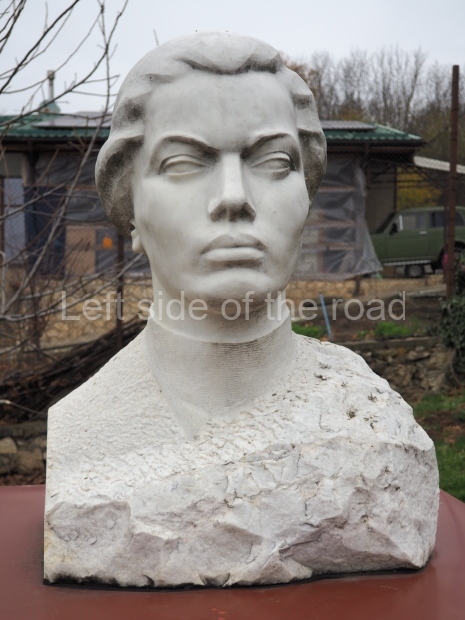
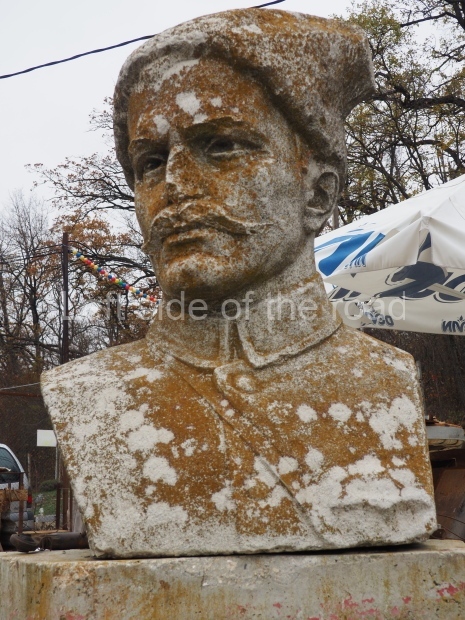
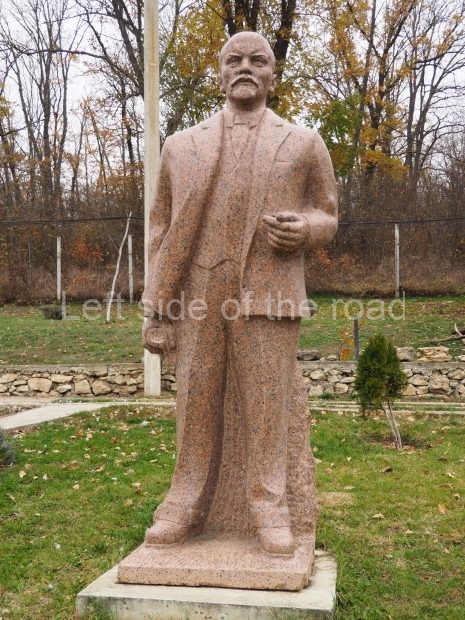
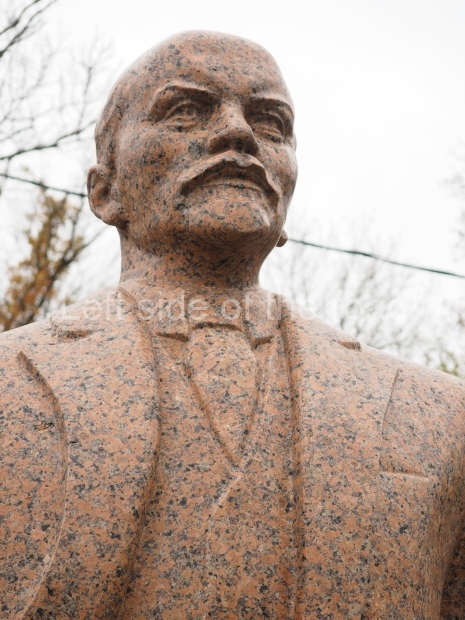
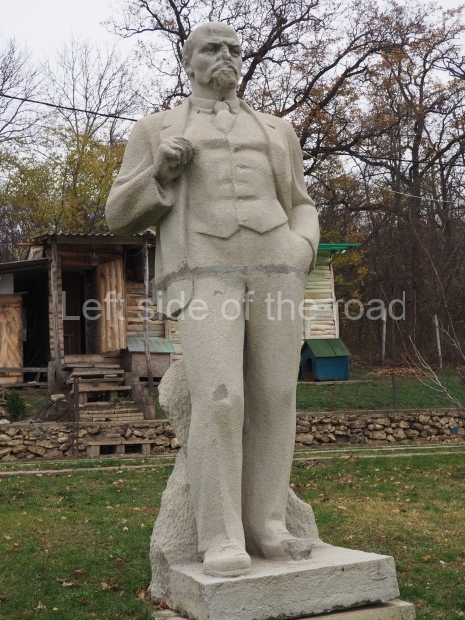
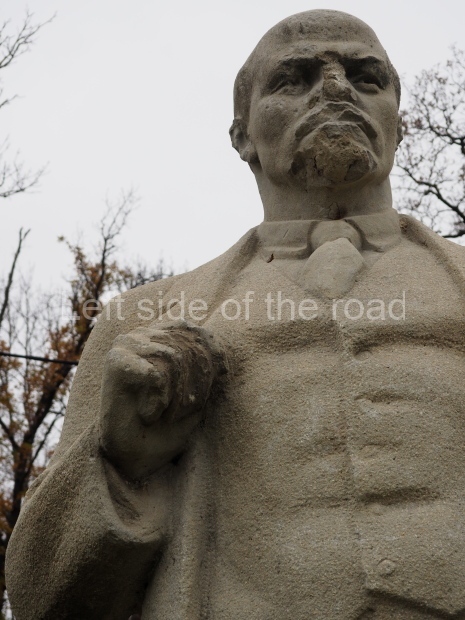
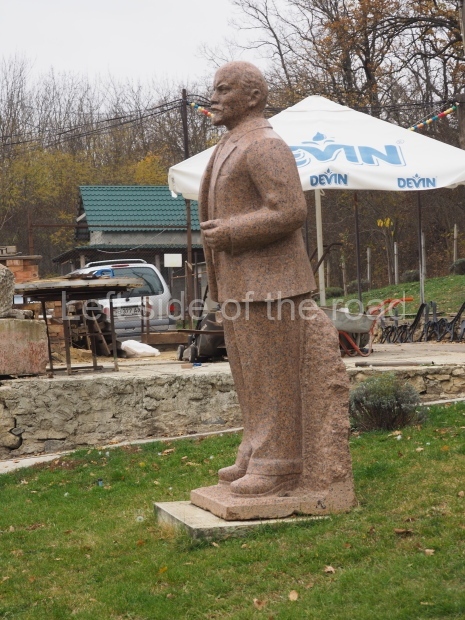
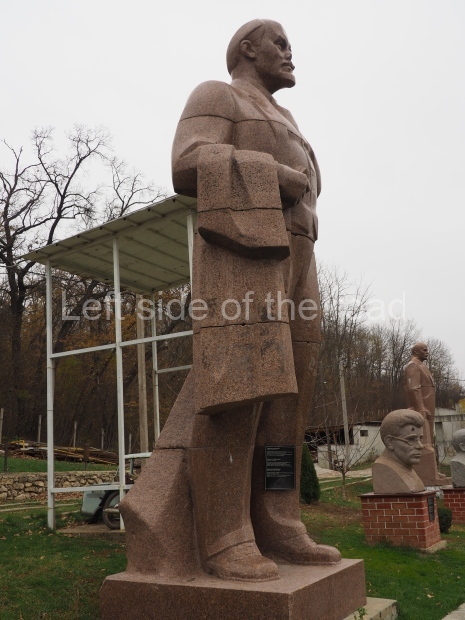
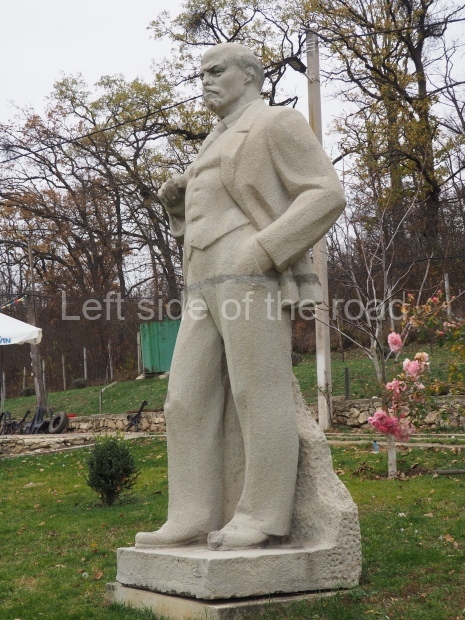
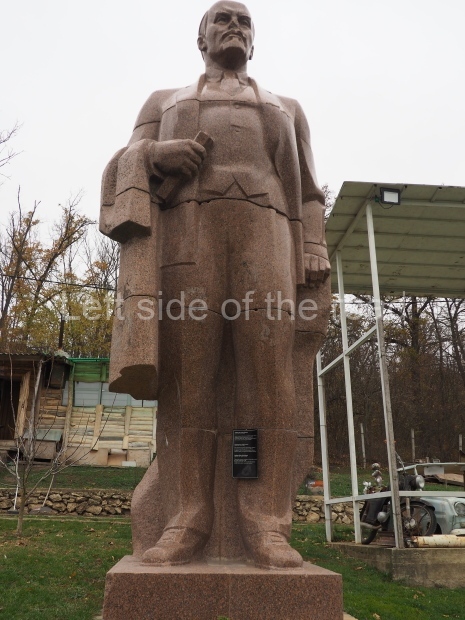
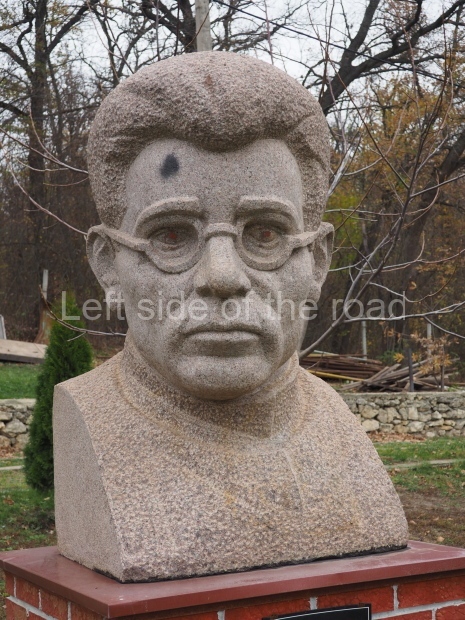
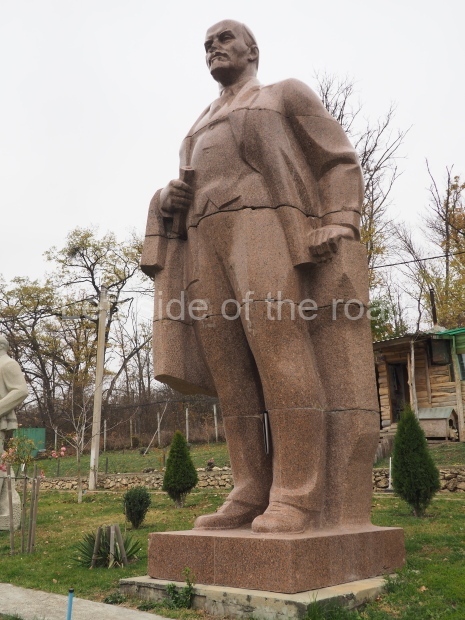
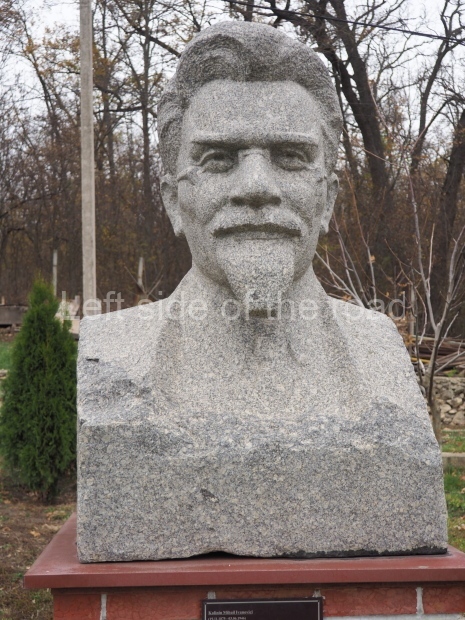
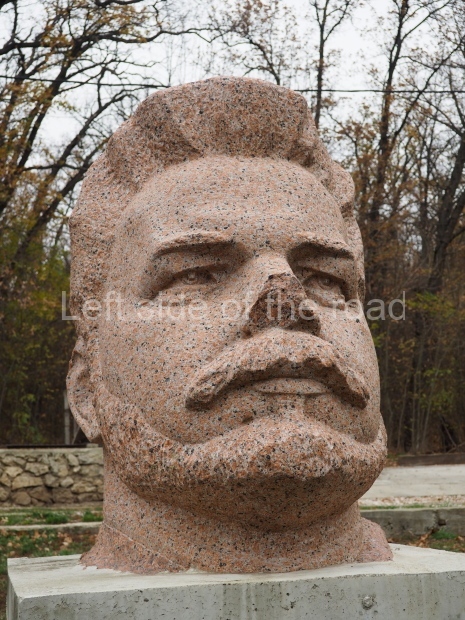
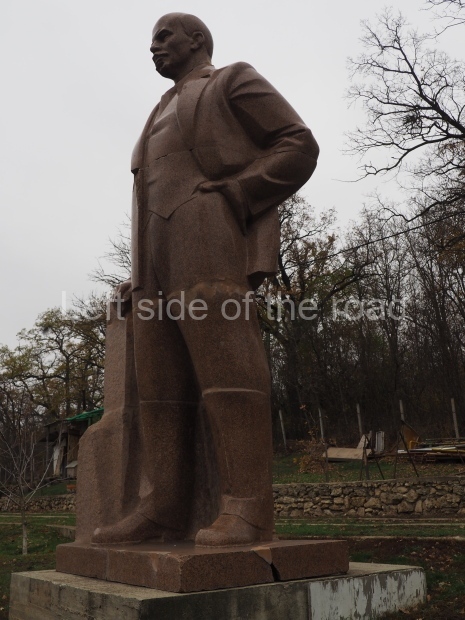
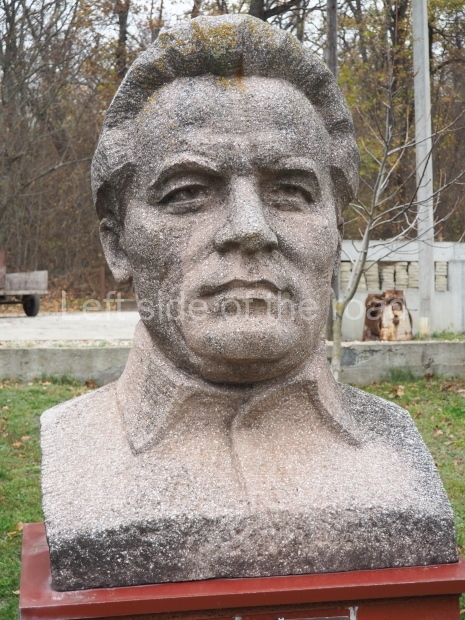
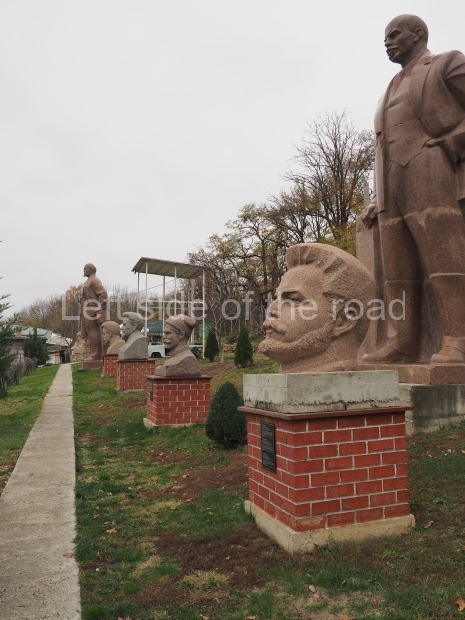
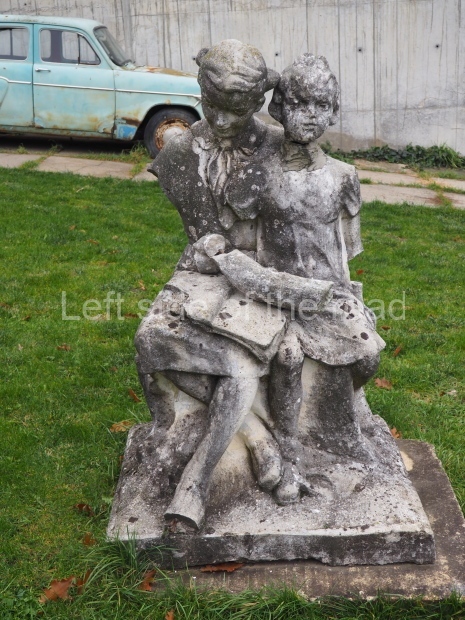
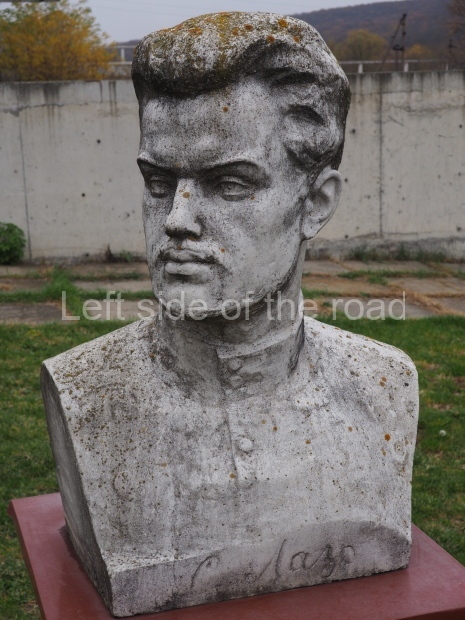
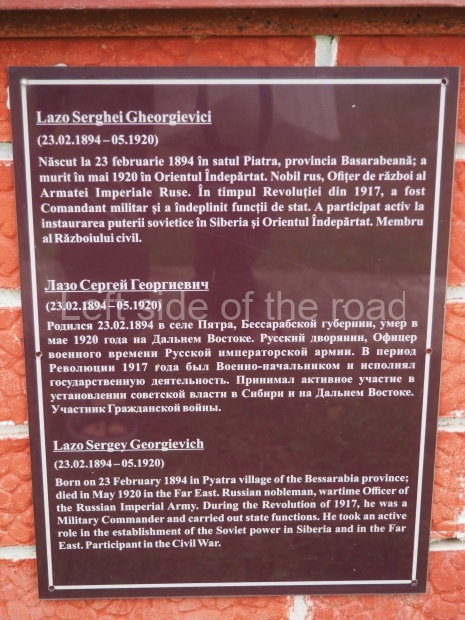
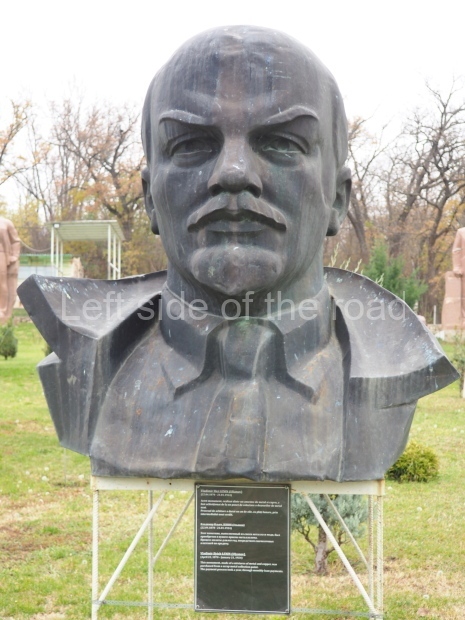
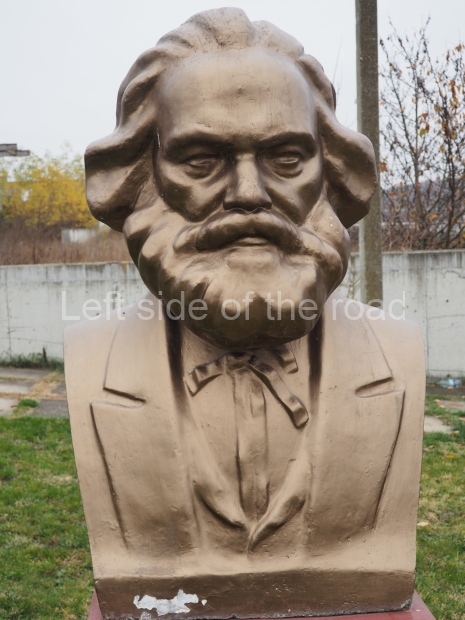
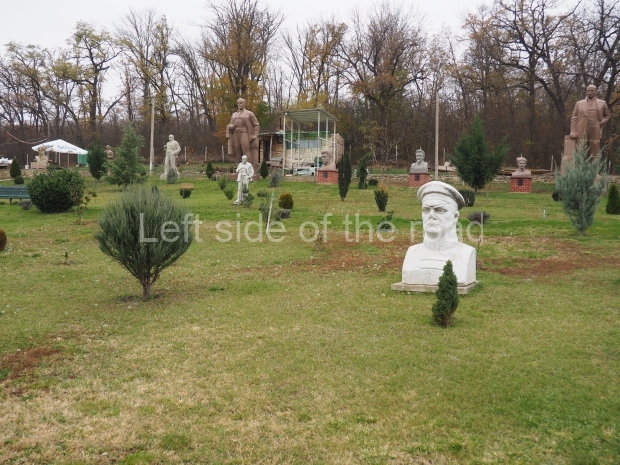
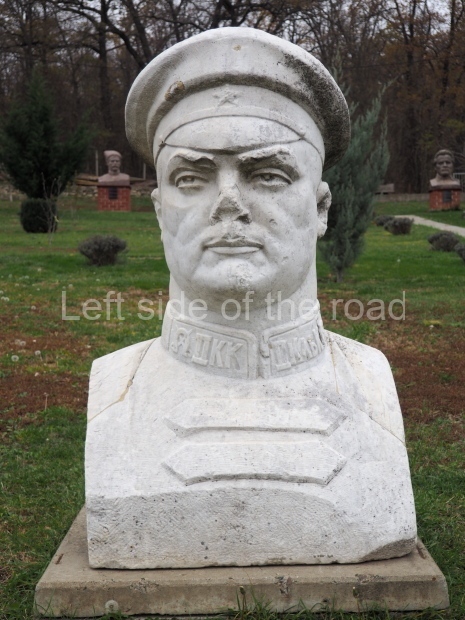
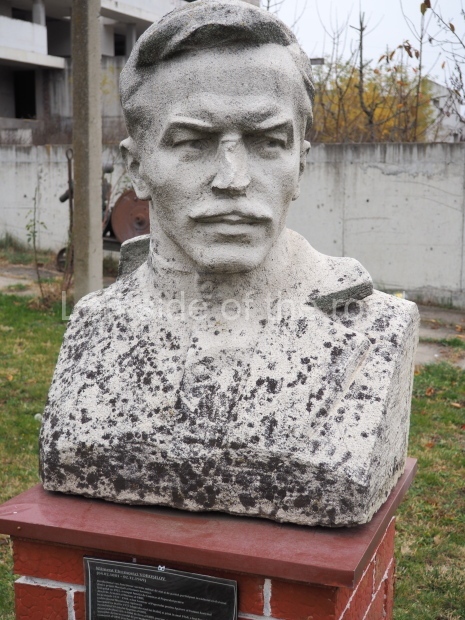
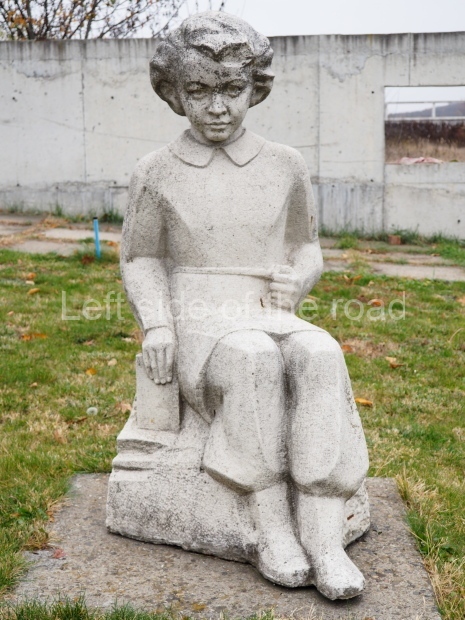
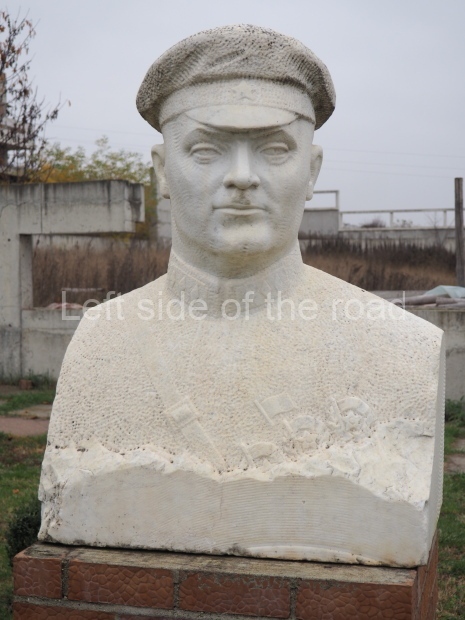
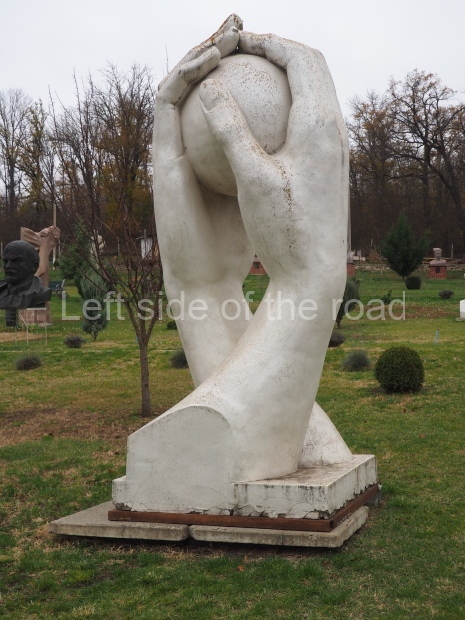
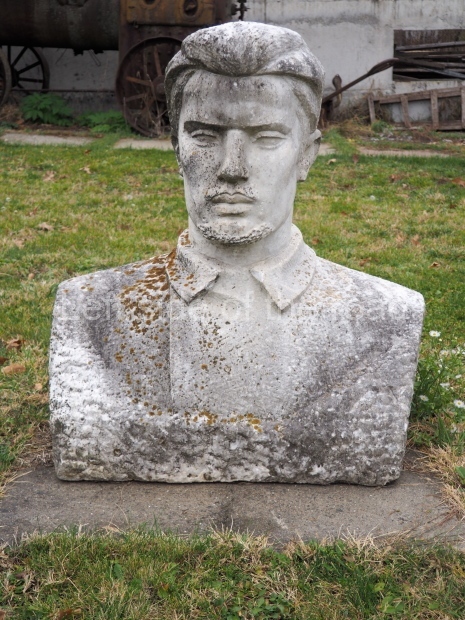
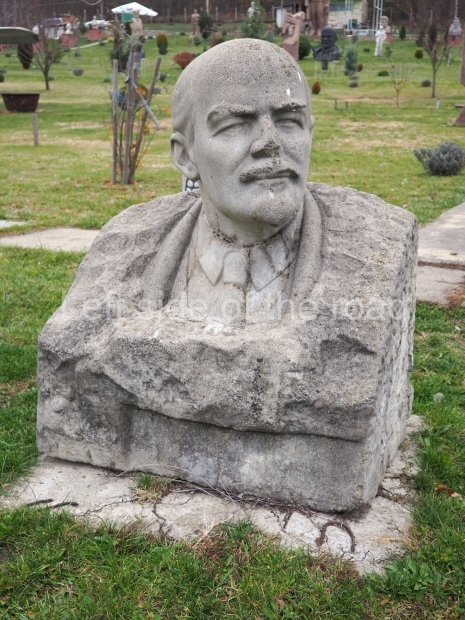
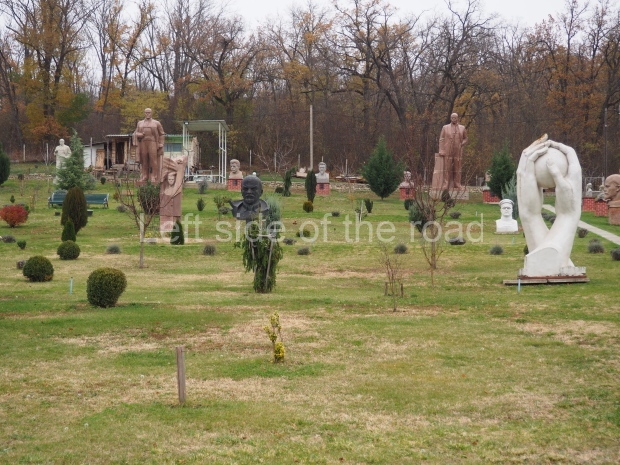
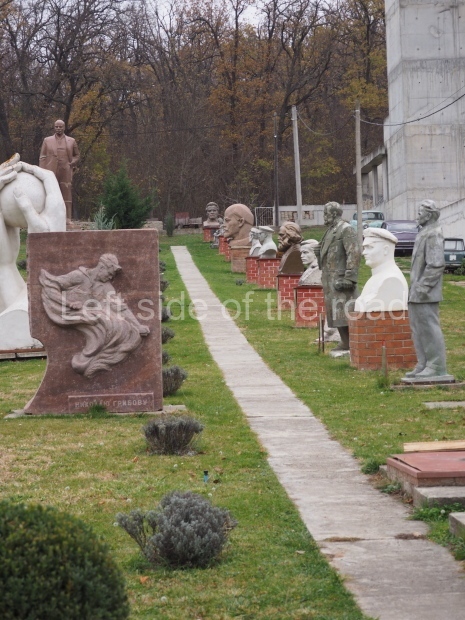
This would have originally have been the school’s assembly hall and is the largest single room in the building. It’s packed with statues, busts, paintings, banners, pendants and general ‘memorabilia’ from the Soviet era. Although there has been some element of organisation of the material there is so much, and so little space, that the curator just seems to have eventually given up.

That’s a shame. We know that all museums have much more material than they have on public display (I read recently an article where the V and A Museum in London is trying to make more of its collection ‘in storage’ available to the general public) but the decision in this gallery is to make everything available on show – even if it means it’s difficult to properly see and appreciate what’s there. I suppose the only solution would be more space – but that would provide its own problems.

Most museums have so much to see that you end up missing some of the most interesting items – not seeing the wood for the trees. And that’s even more the case here.

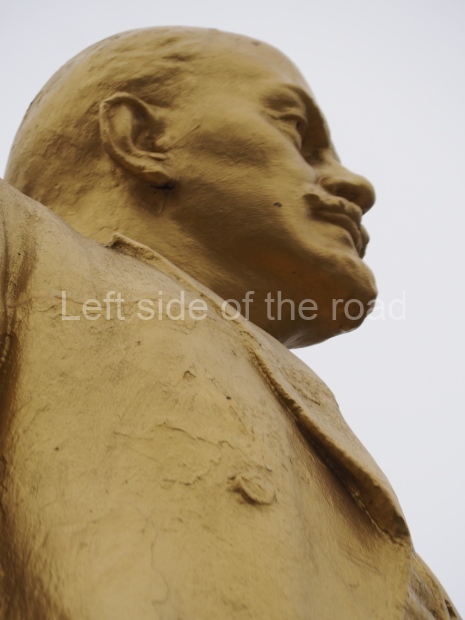
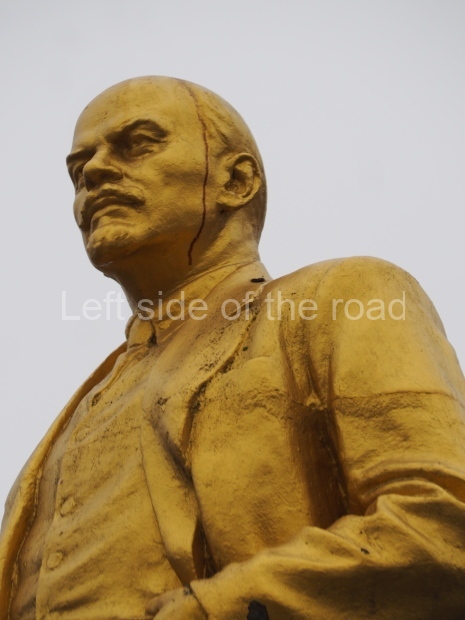
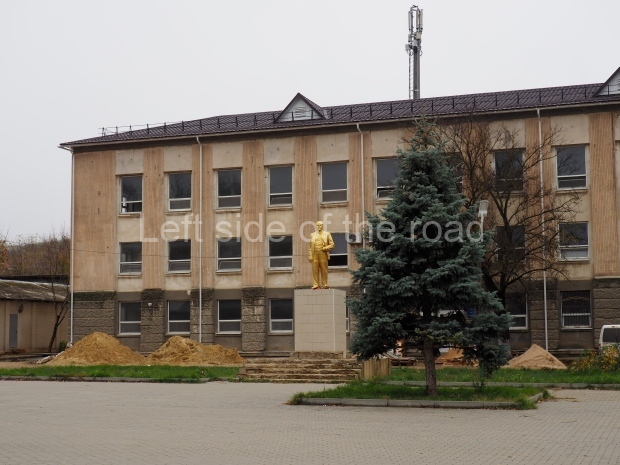
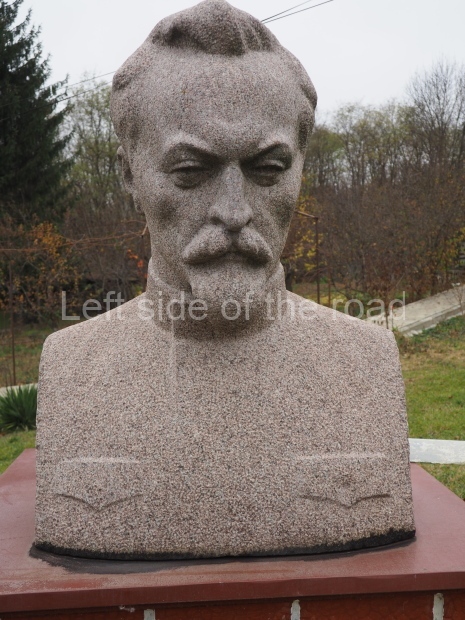
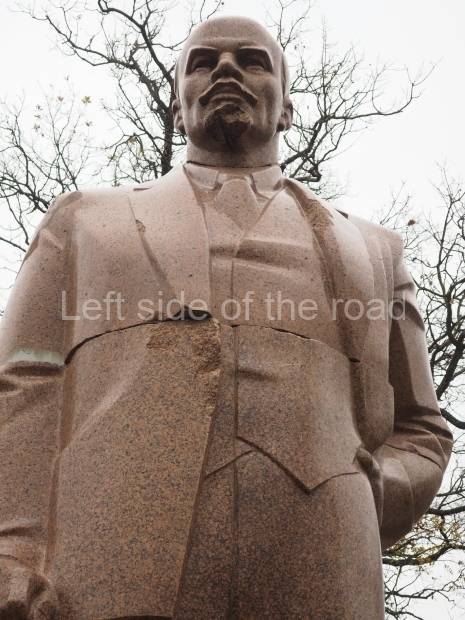
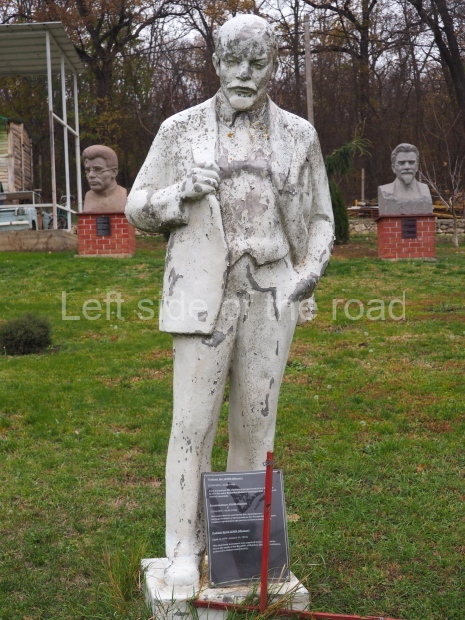
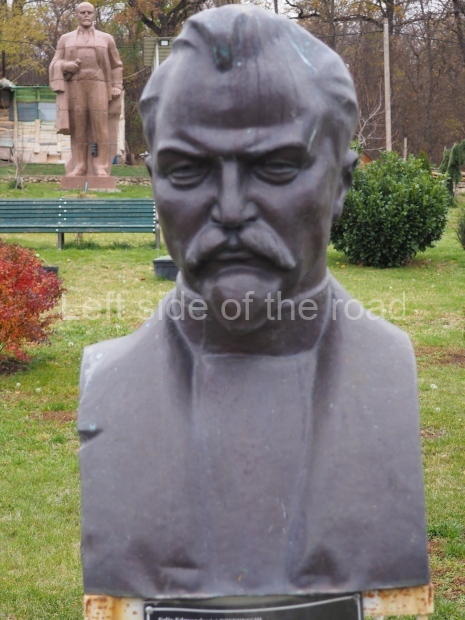
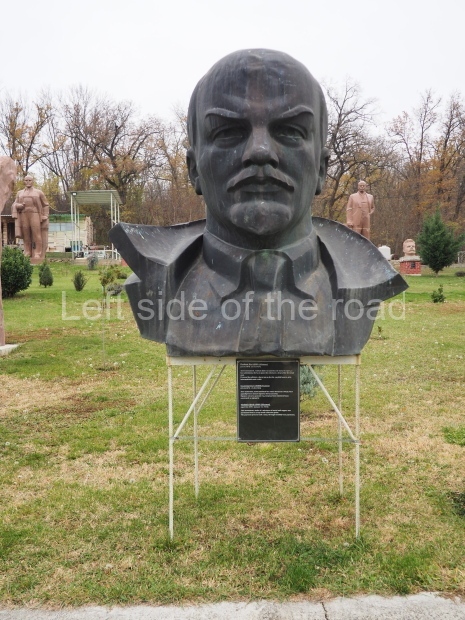
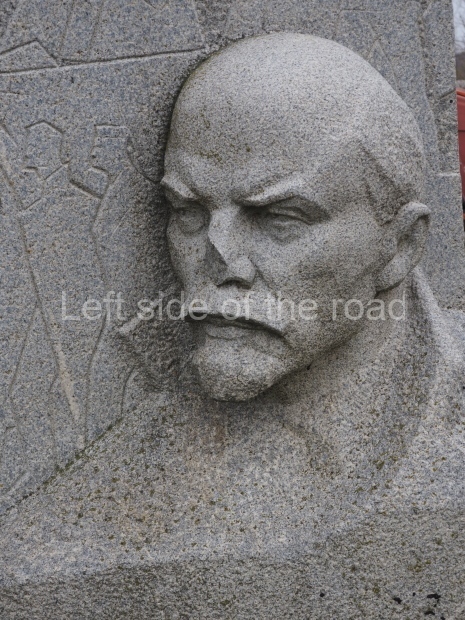
I didn’t even make a start on counting the images of VI Lenin, both in statuary and in other forms. JV Stalin makes a number of appearances followed, in number, by images of FE Dzerzhinsky, I understand both Lenin and Stalin and I can appreciate the role ‘Iron Felix’ played in the early defence of the Revolution but I have never been able to work out exactly why (amongst some of the other important Bolshevik leaders of the 1920s and 30s) he seemed to be so respected by so many of the Soviet population – even into the Revisionist period.

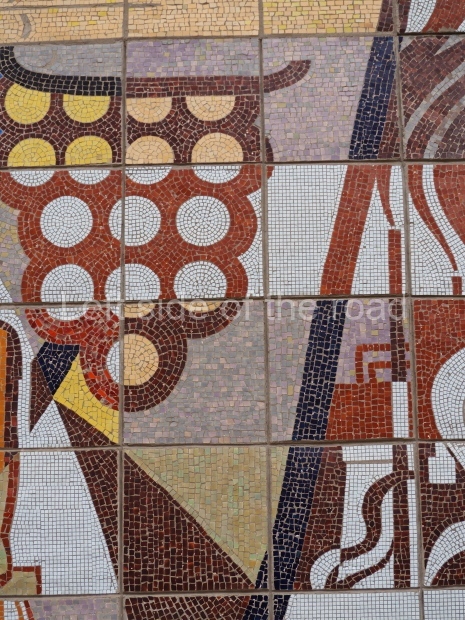
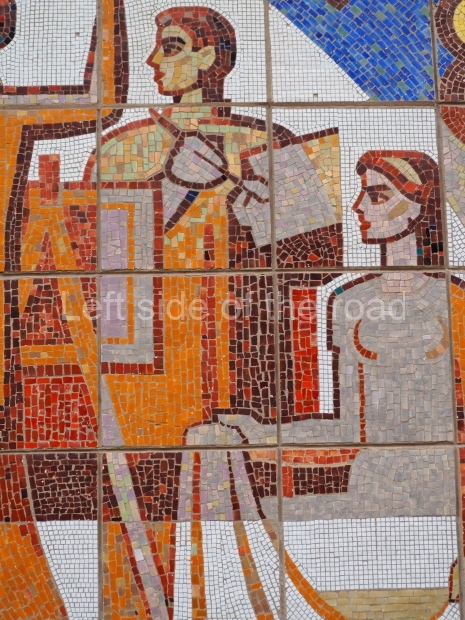
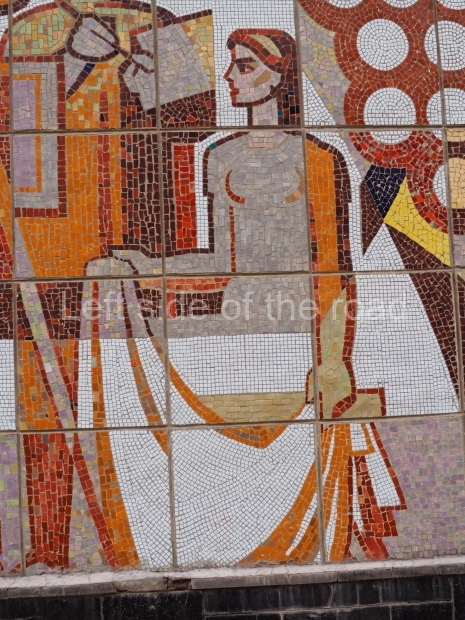
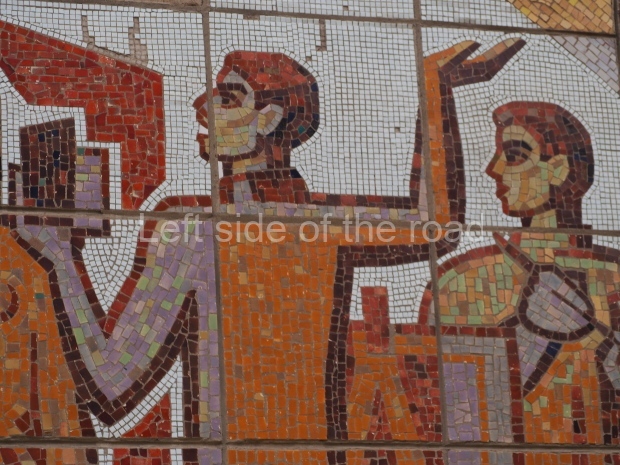
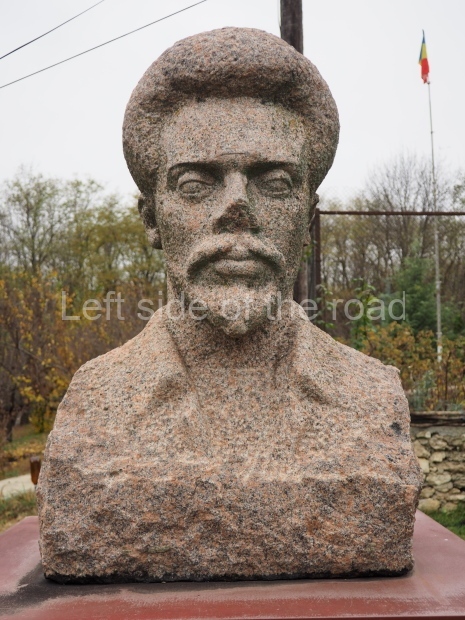
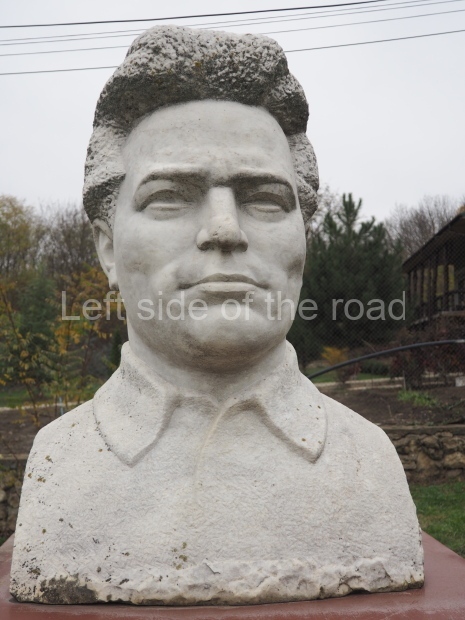
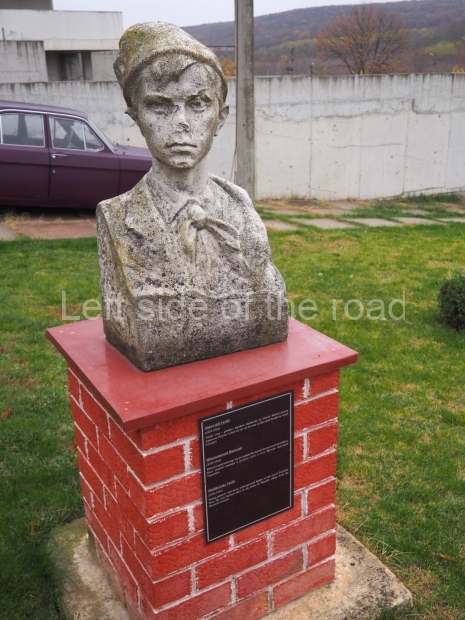
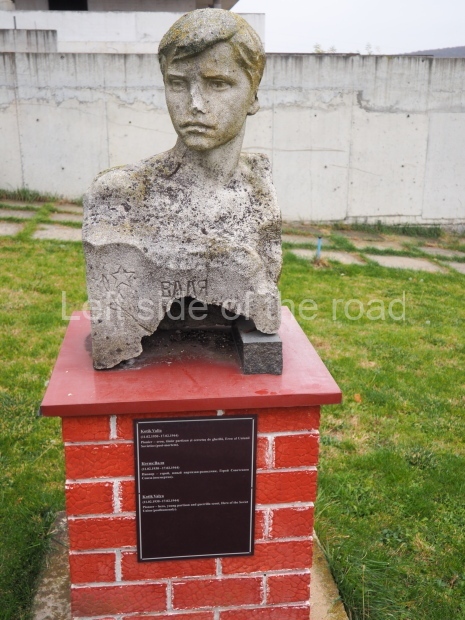
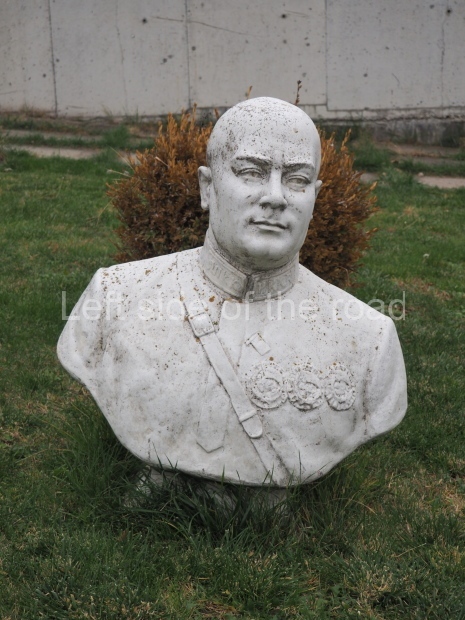
The slide show below aims to pick out some detail from the chaos – perhaps a second visit might be warranted to discover what I might have missed the first time.

Location;

Strada Stefan cel Mare 4, Ialoveni

Telephone;

373 (0)69294556

GPS;

46.95136 N

28.78376 E

How to get there;

Trolleybus No 36 (destination Ialoveni) heading south-east down Boulevard Stefan cel Mare in Chișinău will take you within a few minutes walk of the gallery. Get off just before the roundabout at the bottom of the very long hill. Be careful if you return to Chișinău on the no. 36. The second half of the return route is completely different from the outward and you end up close to the Triumphal Arch by the back way.

Cost is 10 leu (6 leu for Chișinău and 4 leu for Ialoveni).

The matrushka No. 35, from the Central Bus Station, will also take you there.

Website – in Romanian only;

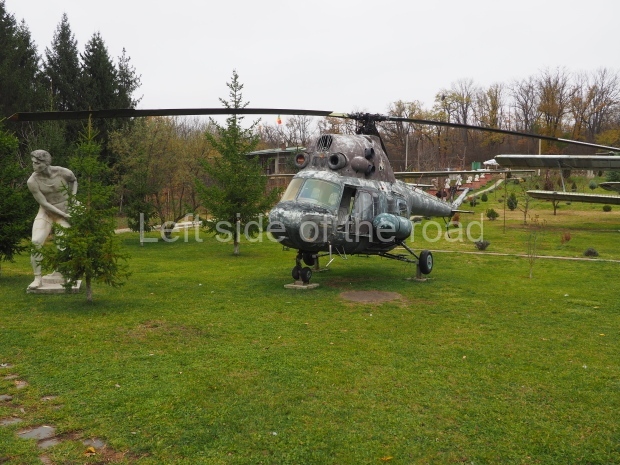
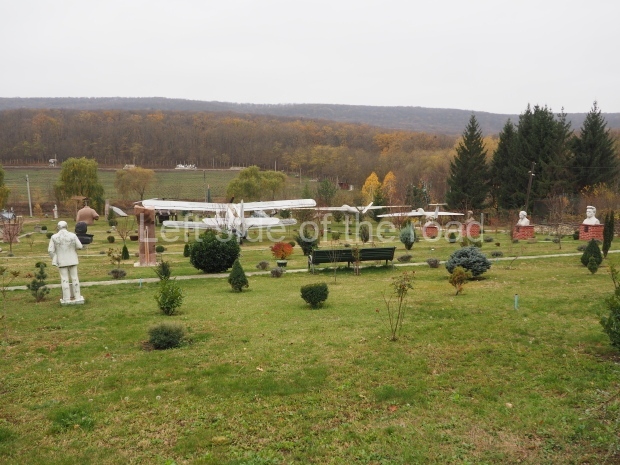
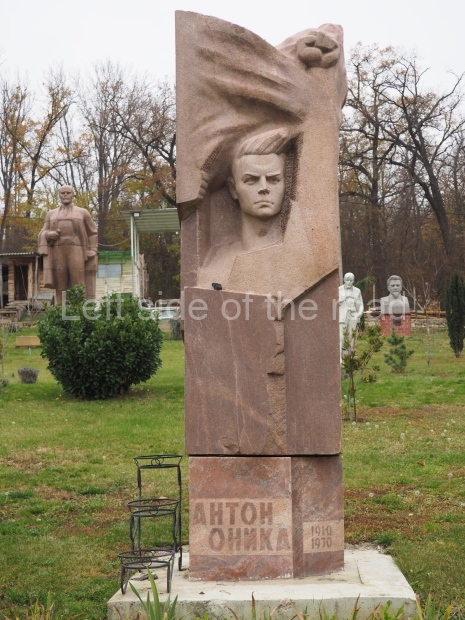
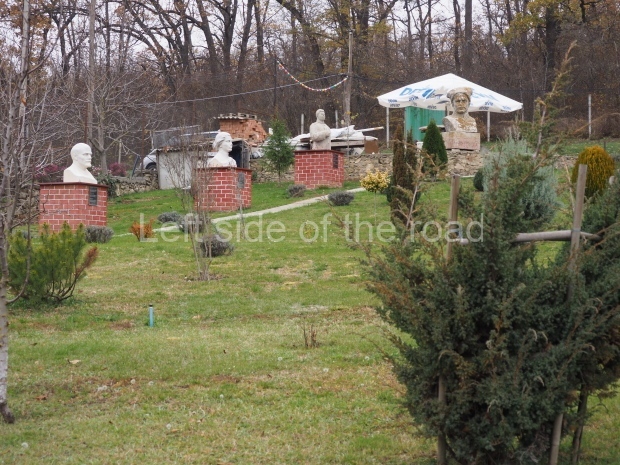
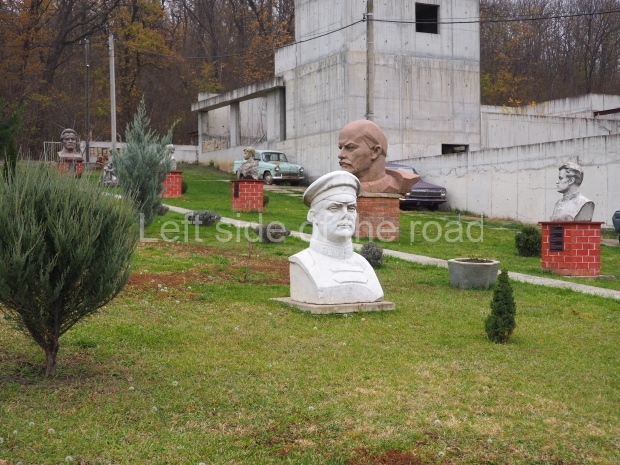
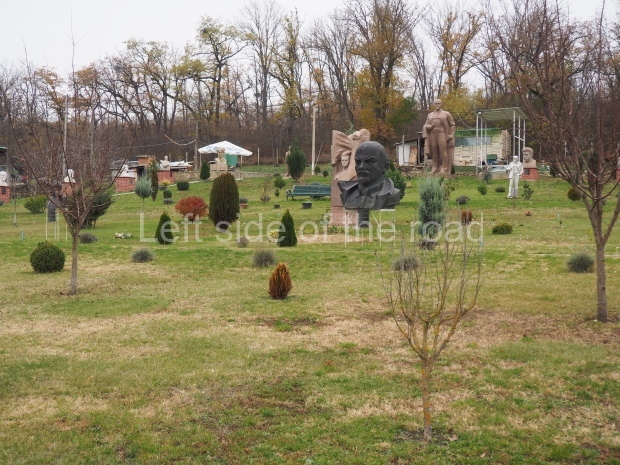
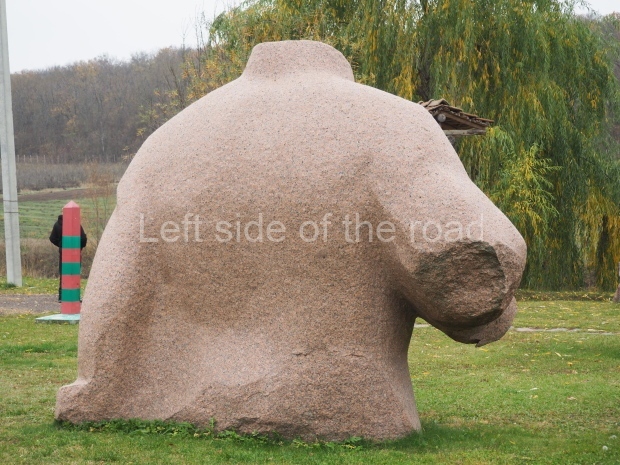
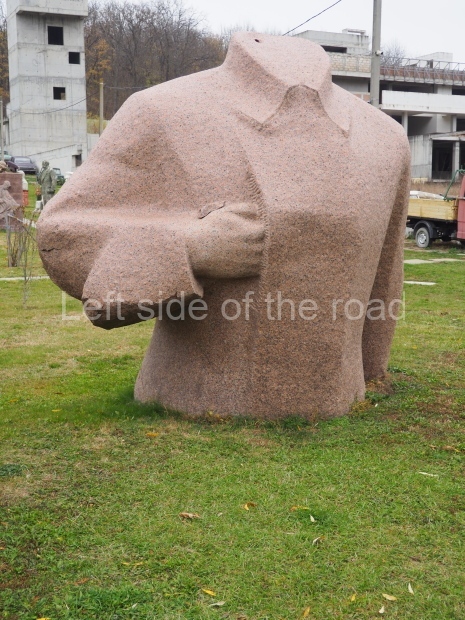
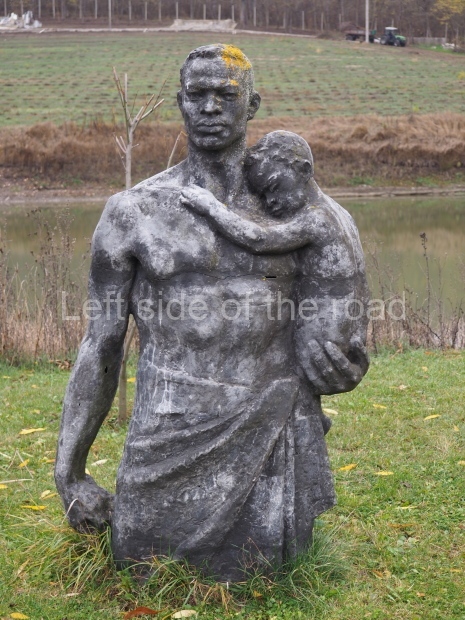
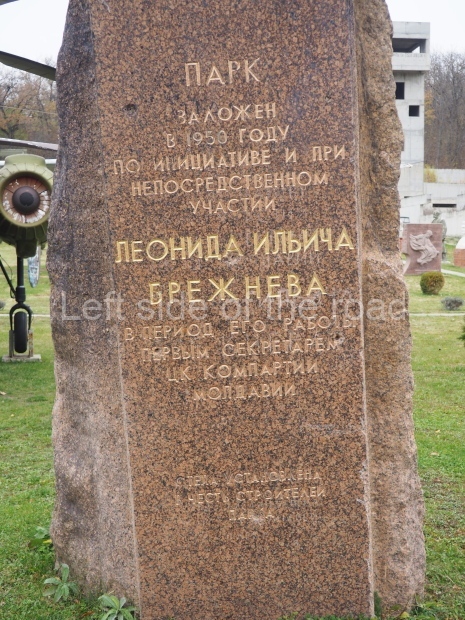
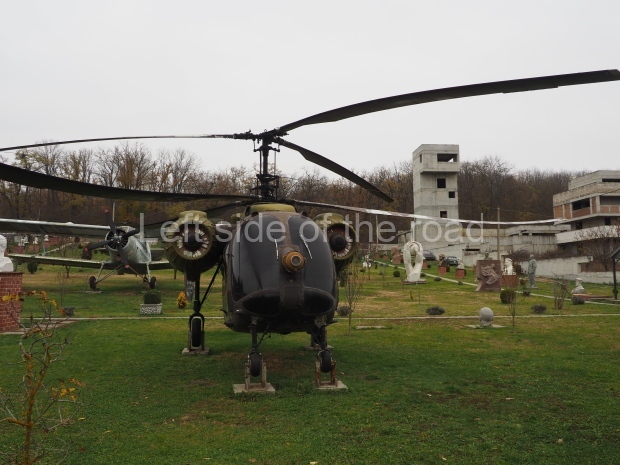
A companion piece to the internal gallery (and well worth the effort of visiting) is the Petru Costin Open Air Museum (see the separate page on this blog for what is on display there) but this is not easy if you are dependent on public transport. One of the best options is to talk to (the English speaking) Natalia at the Gallery. She can arrange for one of the local volunteers (or a local taxi driver) to take you there, wait whilst you walk around the site and bring you back to Ialoveni. Cost around 400 leu/€20.

More on Moldova – on the Post-Socialist Countries – Eastern Europe and Asia page

Agricultural bas reliefs – Valea Morilor Park – Chișinău – Moldova

Bas relief at the Valea Morilor Park, Chișinău

Bas relief at the Valea Morilor Park, Chișinău

More on Moldova – on the Post-Socialist Countries – Eastern Europe and Asia page

Agricultural bas reliefs – Valea Morilor Park – Chișinău – Moldova

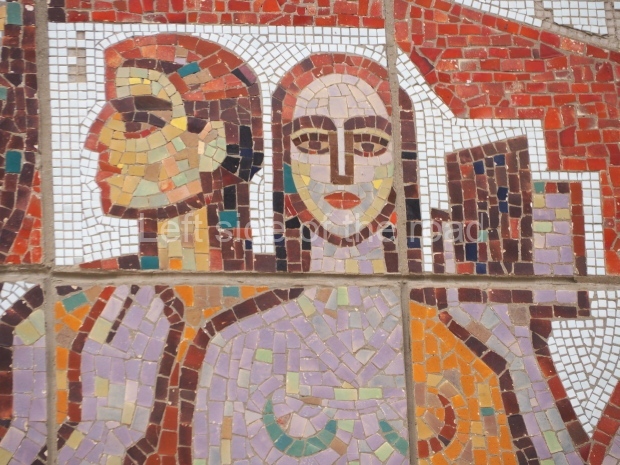
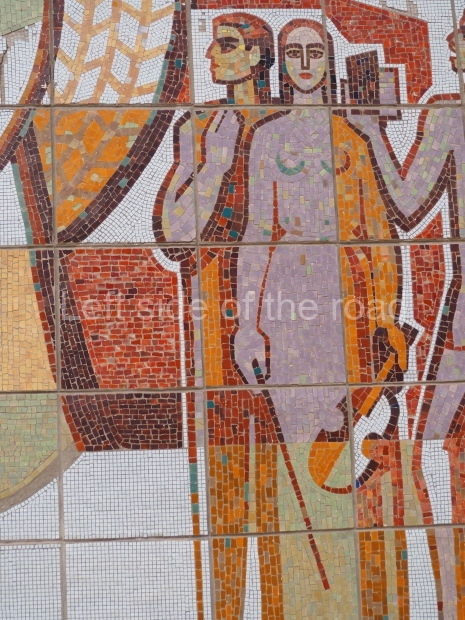
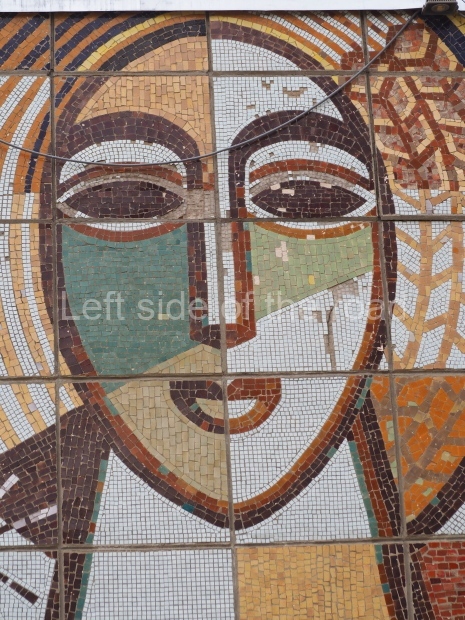
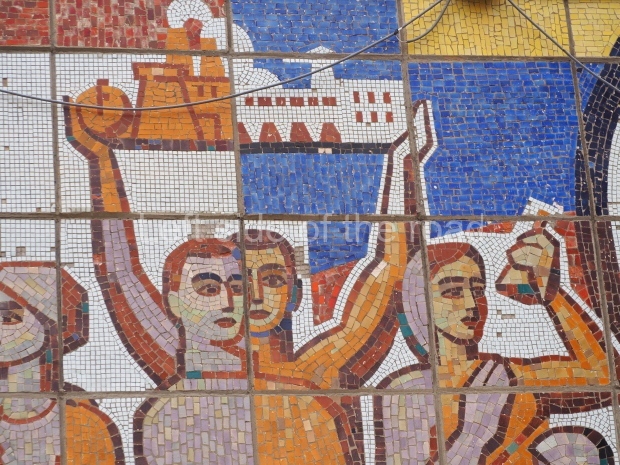
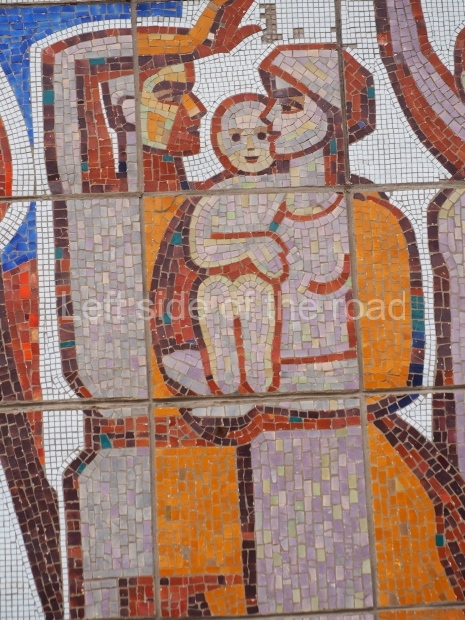
There’s a limited amount of Soviet decoration still visible in Moldova and only one example of this art work in the form of bas reliefs (so far) in Chișinău, the capital of the country.

This is on the façade of a building which is now some banal events venue but which must have had a more official function in the Soviet past.

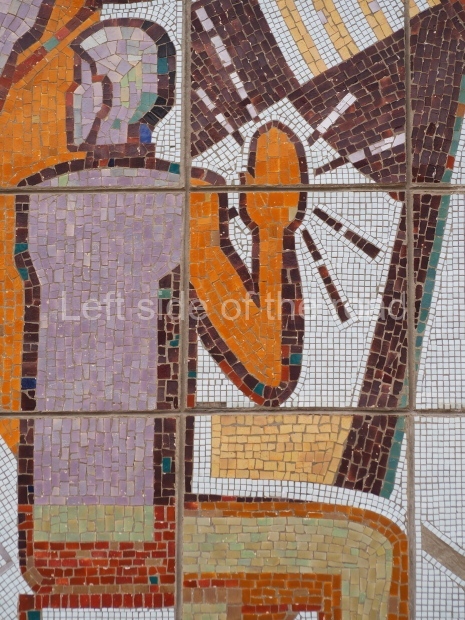
What we have here are two tableau depicting agricultural, collective farm, life during the period of the construction of Socialism in the Soviet Union.

These are very reminiscent of the images that can be seen on the external walls of the Republic pavilions at the Exhibition of Achievements of the National Economy (VDNKh) in Moscow, but I didn’t – at the time of my visit – note exactly what images were representing which Republic.

What we have in all such bas reliefs is a respectful representation of working people, productive and working not just for themselves but for the benefit of the collective. We have men, women and children all involved in the productive process from which all will receive the awards and not having the fruits of their labour stolen by the capitalist owners of the means of production. There was a time when the workers of the USSR (Union of Soviet Socialist Republics) had the reins of power in their hands. The fact that they allowed those reins get into the hands of the exploiting class following the death of Comrade Stalin (in 1953) is, for the sake of this discussion, irrelevant. For a time they had the power – why they allowed that power to be taken away from them is an important matter but not something which can be covered here. (That ‘debate’ is available on other pages of this blog.)

In these images there’s always a gentle relationship between the collective farmers and the animals they tend. This would always be an idyllic representation. Farm life, when it comes to livestock, is invariably cruel. The animals are there for one reason – that it to be exploited for what they can produce whilst alive and to provide protein on their deaths. But even though that would have been the reality on any Soviet State/collective farm it would have lacked the industrial slaughter that exists under capitalist food, factory production process. I don’t want to romanticise Soviet agriculture but I don’t believe it ever reached the level that was already a long established norm in the ‘killing fields’ of the like of the Chicago stock yards as was depicted in Upton Sinclair’s ‘The Jungle’. In that capitalist environment it was (and is?) difficult to work out who was the more abused, the animals or the human workers.

Whether that situation would have arisen even if revisionism and the restoration of capitalism had not occurred in the Soviet Union is a moot point. Whatever the future might have been the past of a gentile relationship between man and animal is still preserved in the bas reliefs on the building close by the Valea Morilor Lake in Chișinău.

These images also tell the history of the country, in that those agricultural products that were important in the country in the 1960s/70s (when I assume the bas reliefs were produced) are there on the wall – the grapes (for the wine), the sunflowers (for the oil), the maize (for the cobs) and wheat (for the flour).

Somewhat surprising (to me) is the lack of a significant reference to industry. The unique representation is in a male with spanner. No mechanisation, no tractor/combine harvester in the imagery, no indication that agricultural production was moving away from a situation of ‘idiocy of rural life’. This is not meant as a criticism of the skills of agricultural workers but of the fact that their working life had traditionally led them to an existence of isolation and a lack of organisation which was forced upon industrial workers with the development of factories and the concentration of hundreds (and thousands) of workers in a restricted area. They wouldn’t have chosen that move if given free will – they would have preferred working in a ‘cottage industry’ with their cow, pig and chickens on common land and a small vegetable patch – but that was stolen from working people by the first major privatisation of the modern age with the Enclosure Acts (where the rich stole from the poor in a blatant act of ‘legalised’ theft).

So these public works of art told a part of the history of the common people in Socialist societies. When they were/are obliterated in a purge of the past because capitalism doesn’t want the working class to even remember what the construction of Socialism (with the potential to lead to Communism) had meant to their lives then they will just accept the ‘norm’ that capitalism offers – to stay in your place, to accept what is given and allow the billionaires to rake in unbelievable amounts of wealth whilst the poor get poorer and as their ranks are increased.

That is why the images of Socialist Realism are being destroyed and, in an attempt to combat that revision of history, why that imagery that remains is being documented on the pages of this blog.

If you head to the lakeside to see these bas reliefs then you cannot but avoid also visiting the tableau of the three outstanding Communists – Karl Marx, VI Lenin and Georgi Dimitrov.

Location;

Strada Ghioceilor 1, Chișinău,

By the Moldexpo International Exhibitions Centre and at the edge of the Valea Morilor Lake.

GPS;

47.01631 N

28.80432 E

More on Moldova – on the Post-Socialist Countries – Eastern Europe and Asia page

VI Lenin, Karl Marx and Georgi Dimitrov – Chișinău – Moldova

Karl Marx, VI Lenin and Georgi Dimitrov in Chisinau, Moldova

Karl Marx, VI Lenin and Georgi Dimitrov in Chisinau, Moldova

More on Moldova – on the Post-Socialist Countries – Eastern Europe and Asia page

VI Lenin, Karl Marx and Georgi Dimitrov – Chișinău, Moldova

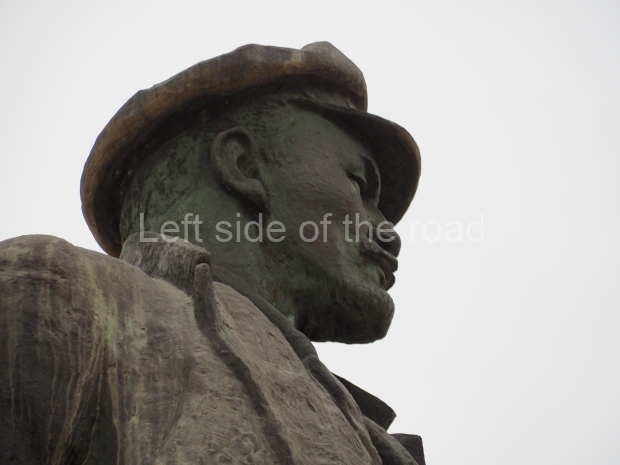
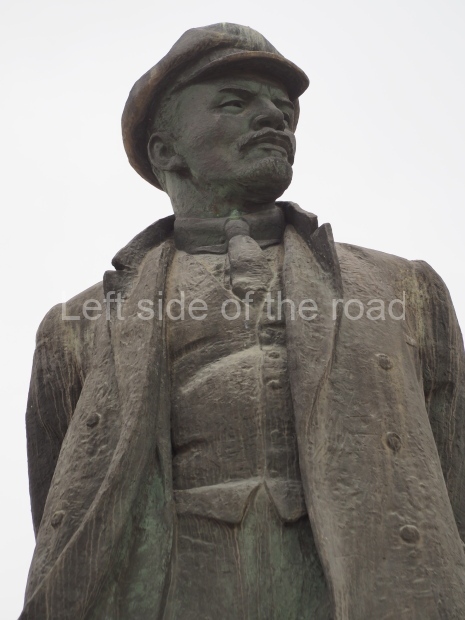
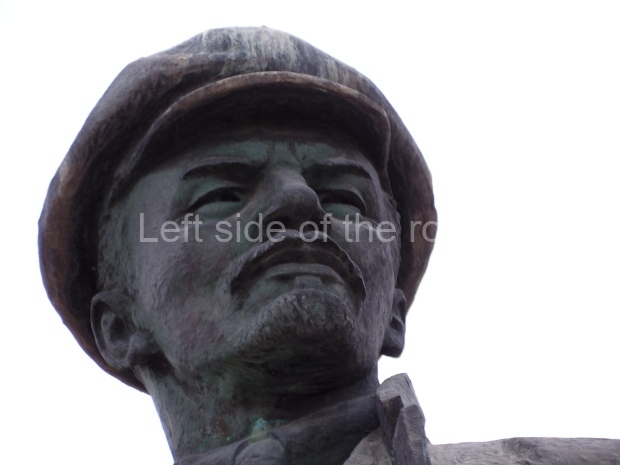
The new location of the Lenin statue is much more pleasant than its original location in the centre of town (in front of the Government building, I understand), having to endure the noise and pollution from the traffic. Now he stands in the park beside quite a large lake, used for boating, to the west of the city centre. However, in his new location Vladimir Iliych isn’t alone. On his right hand side is a large bust of Georgi Dimitrov (the Bulgarian Communist leader, defiant defendant against the Nazis over the accusation of being involved in the Reichstag fire of February 27th 1933 and General Secretary of the Communist International) and on his left Karl Marx (the founder, with Frederick Engels, of the revolutionary theory of the working class).

In translation this location is described as an ‘honour board’ or ‘hall of fame’ neither of which seem appropriate but I have been unable to come up with an alternative that sounds correct in English.

I have no idea where the the busts of Dimitrov and Marx came from but the whole group has been treated with respect and not having been dumped here as some afterthought. A formal, marble back drop, together with honorific laurel scrolls, had been created for the new location demonstrating that consideration and expense had been involved in the relocation.

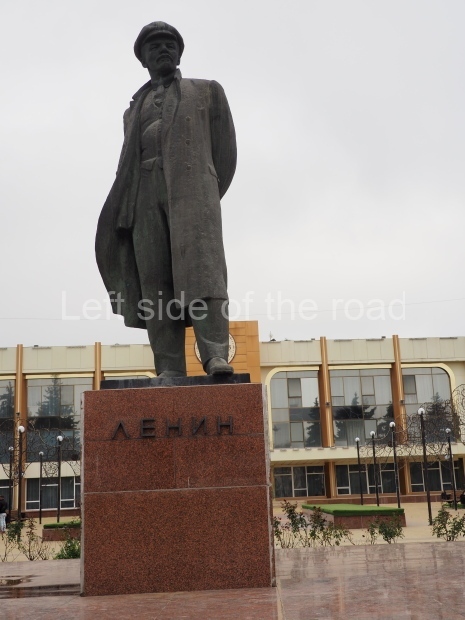
Although the plinth on which VI Lenin stands bears his name there’s no indication of who his two companions are. Why that’s the case remains a mystery to me. I also don’t understand why the lettering is in Cyrillic and not also in Romanian.

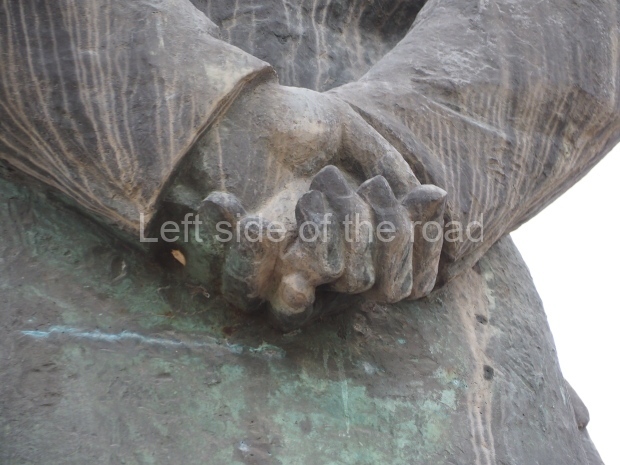
Apart from a slight mark on Vladimir Ilyich’s groin, there’s no damage, as far as I can see, to any of the three statues. And the area is generally clean and shows signs of regular maintenance.

If you visit Comrades Lenin, Marx and Dimitrov be sure to have a look at the bas reliefs on either side of the main entrance to the building beside the ensemble. This is now an events venue – but which must have had a more official, governmental purpose in the past.

Location;

Strada Ghioceilor 1, Chișinău,

By the Moldexpo International Exhibitions Centre and at the edge of the Valea Morilor Lake

GPS:

47.01623 N

28.80492 E

More on Moldova – on the Post-Socialist Countries – Eastern Europe and Asia page