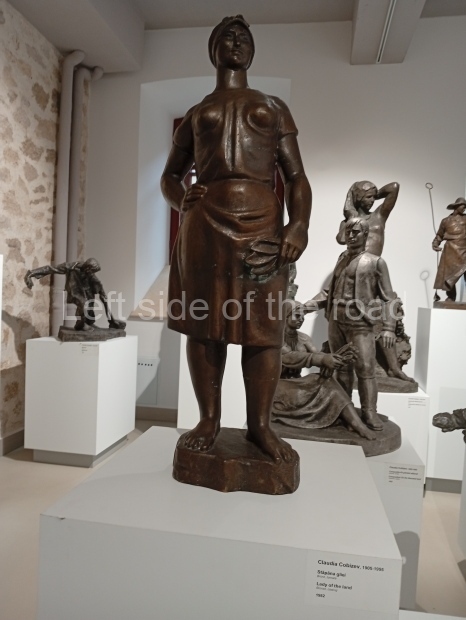

Lady of the Land
Chișinău National Fine Arts and National History Museums
Fine Arts Gallery
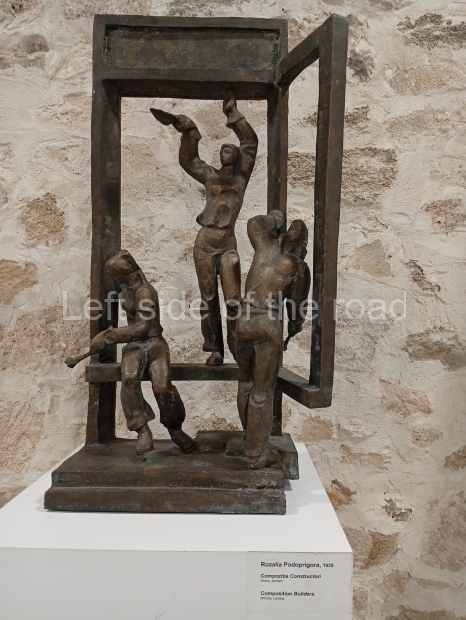
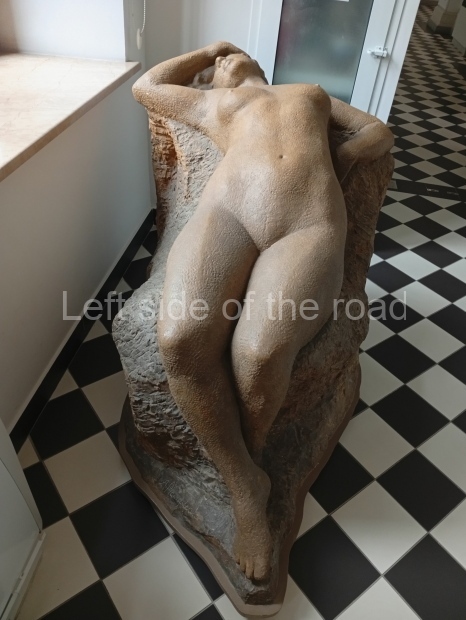
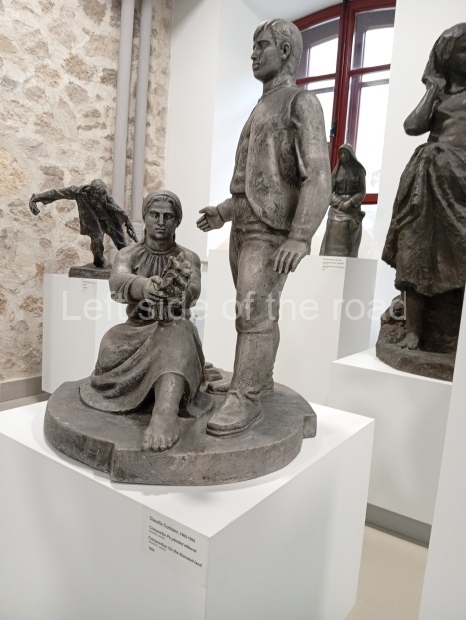
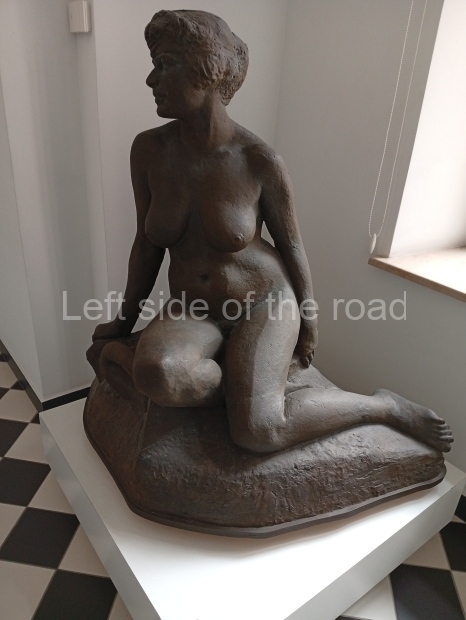
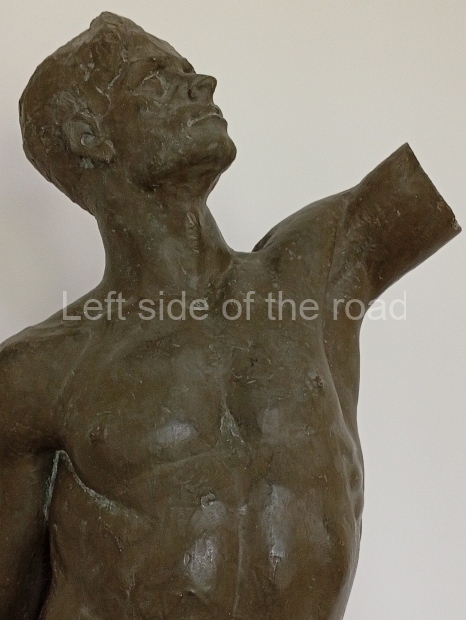
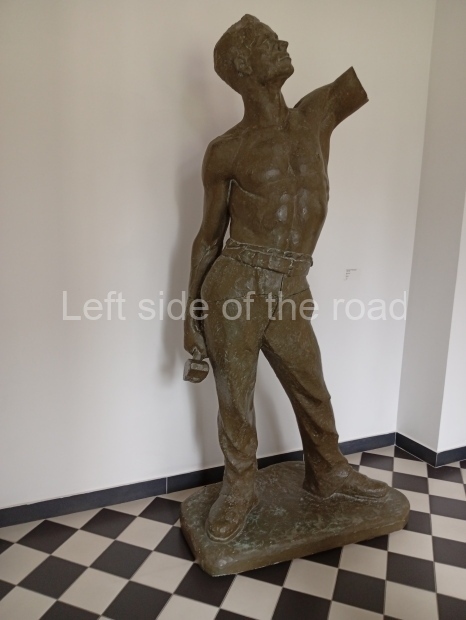
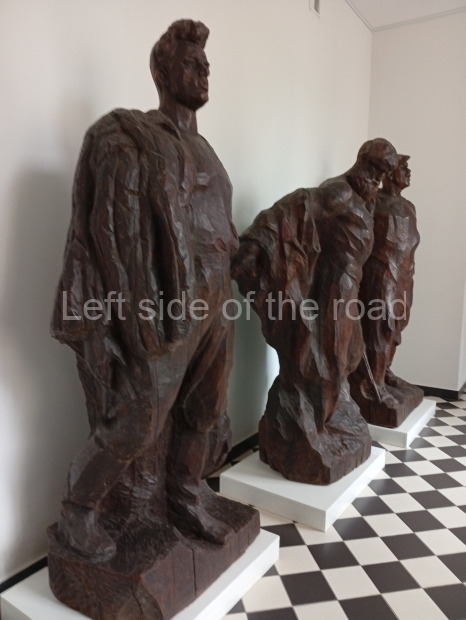
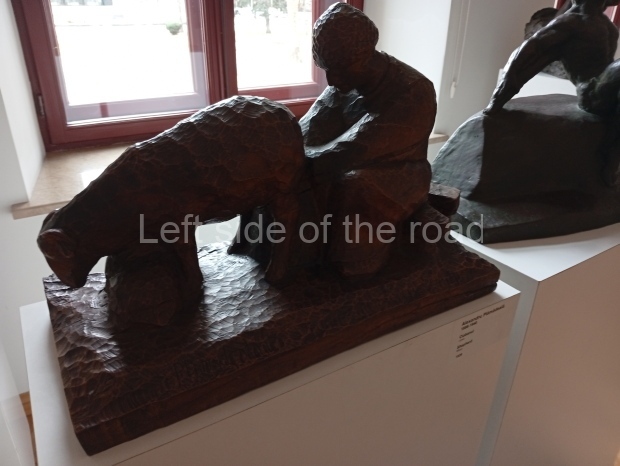
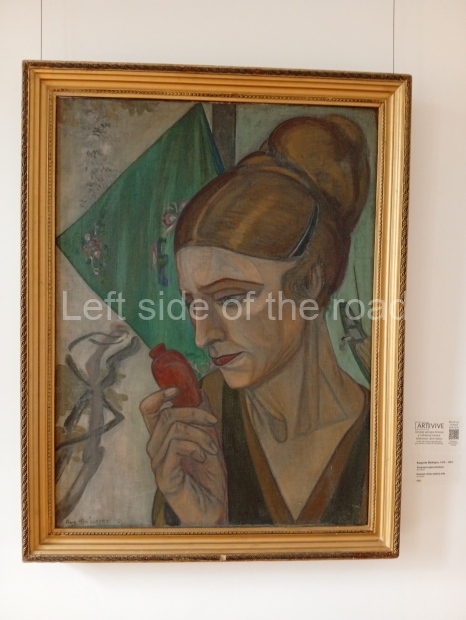
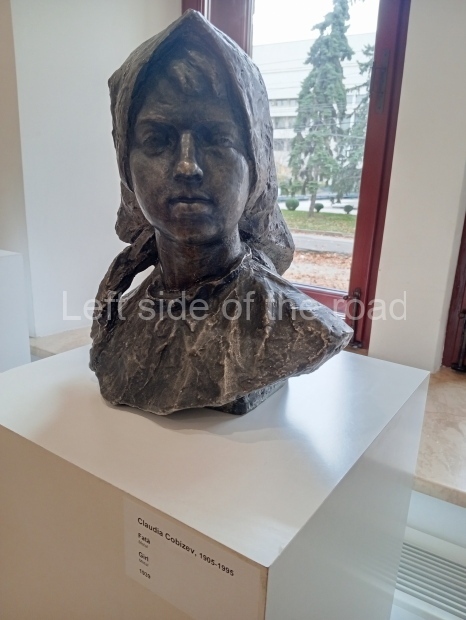
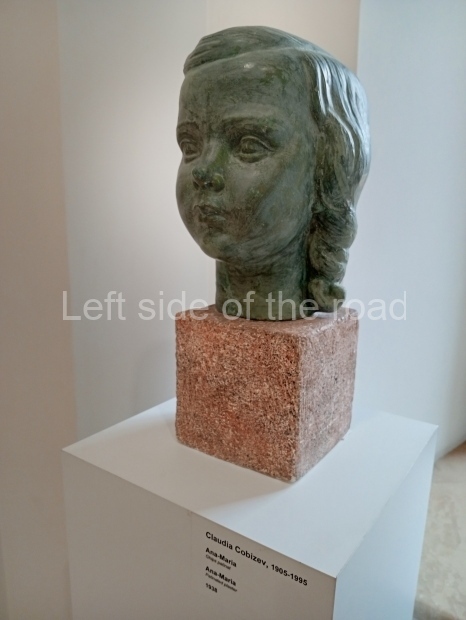
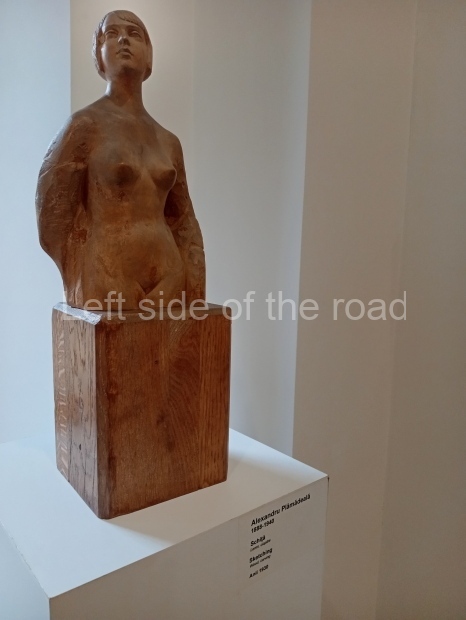
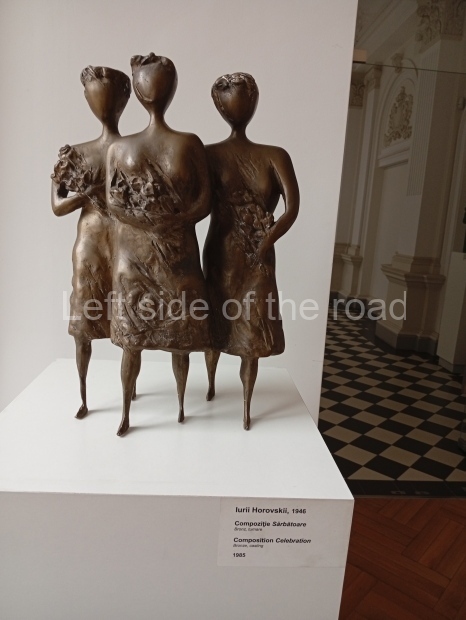
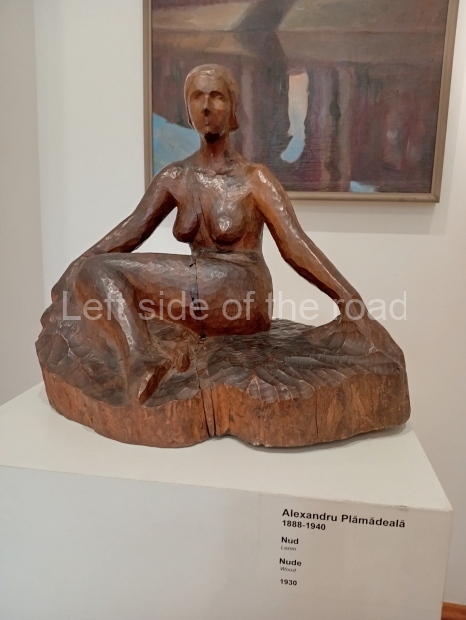
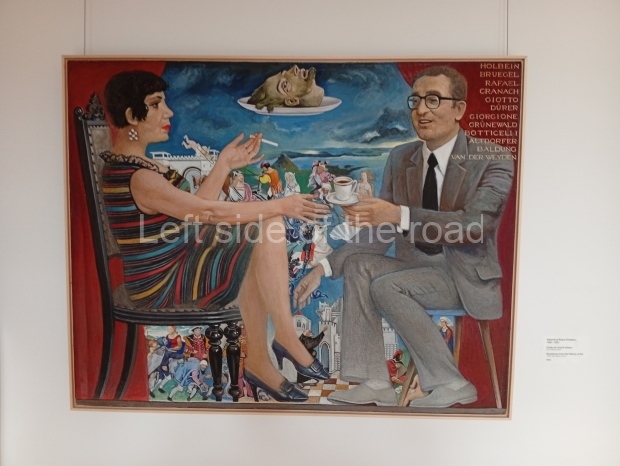
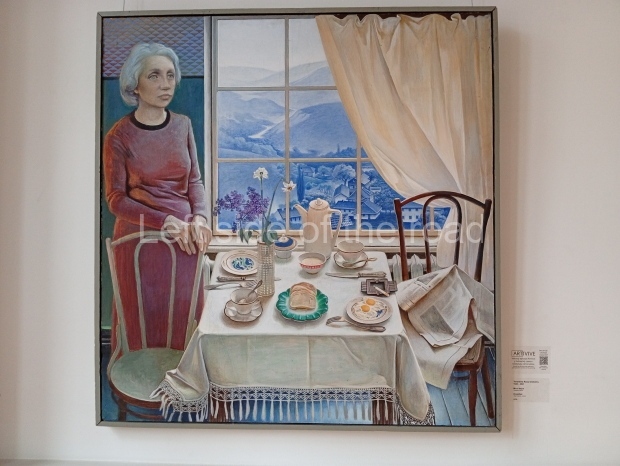
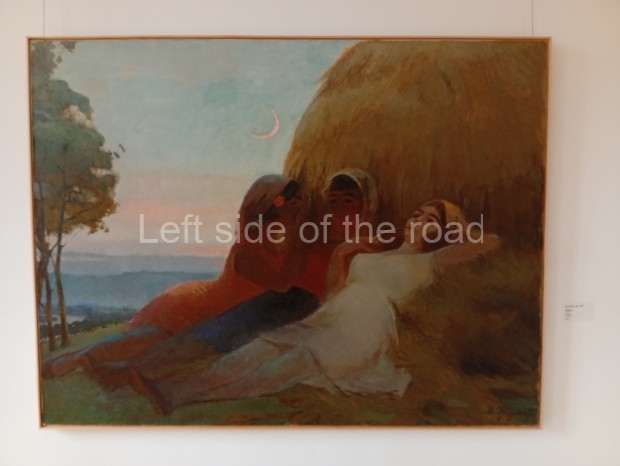
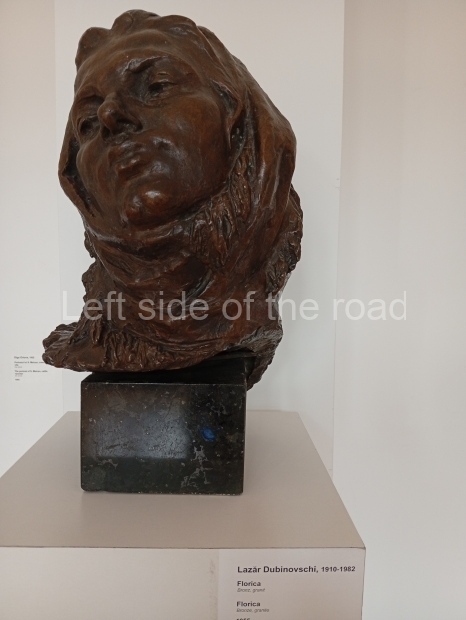
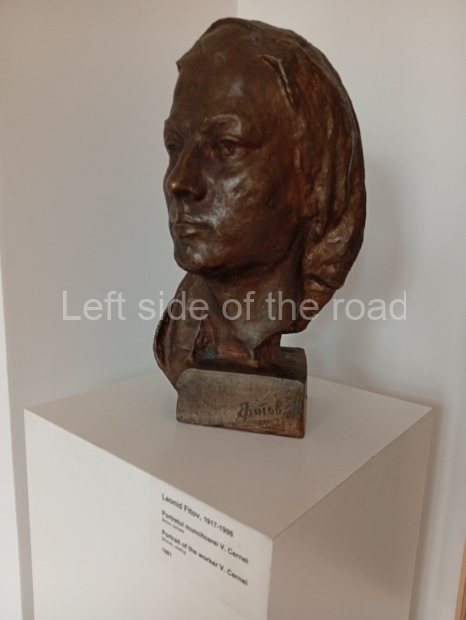
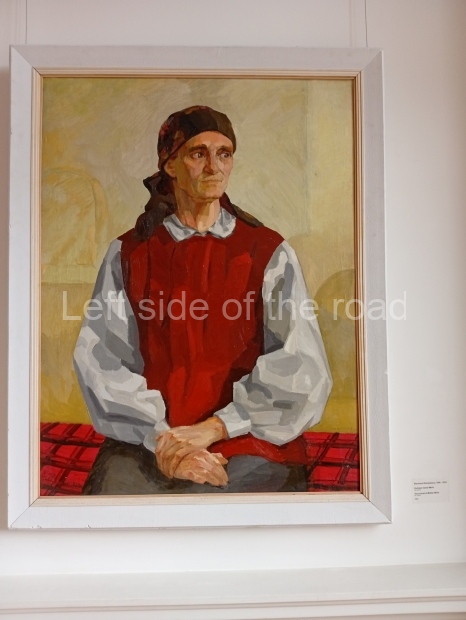
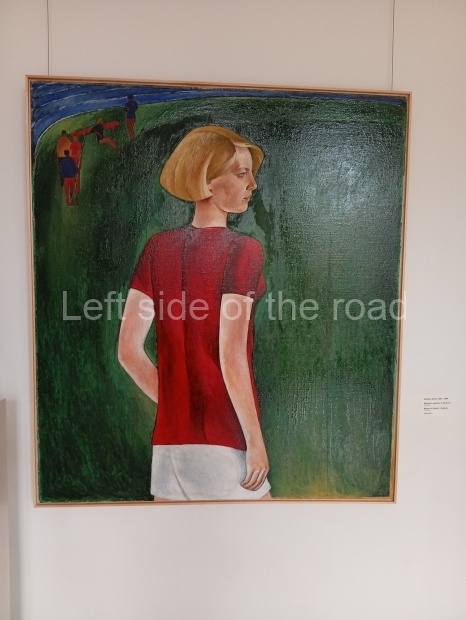
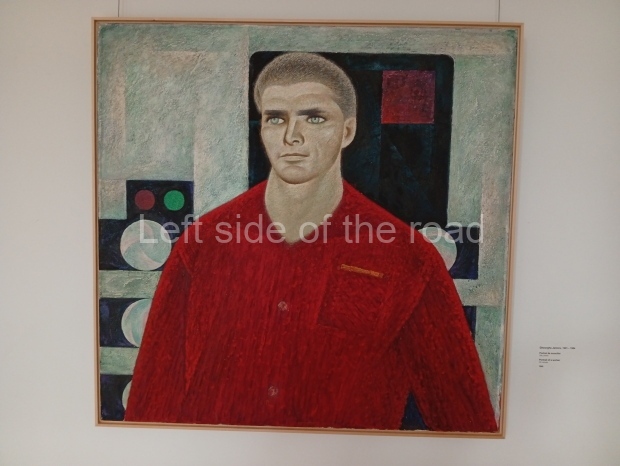
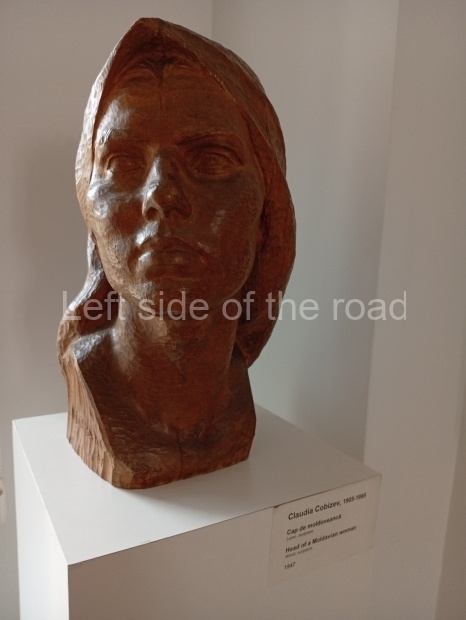
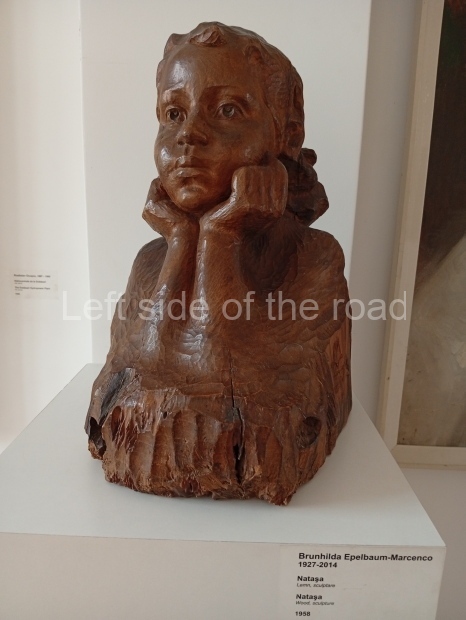
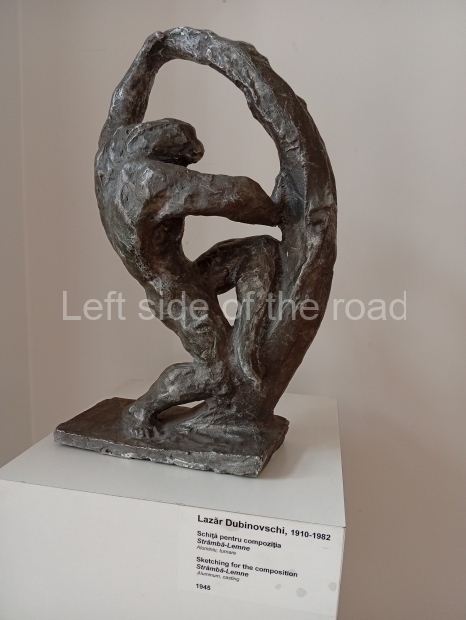
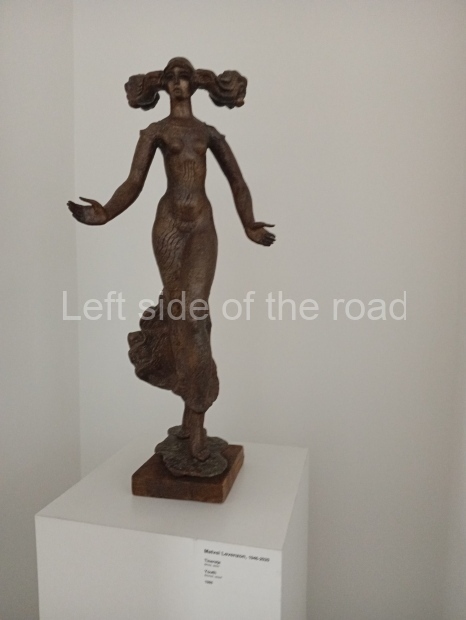
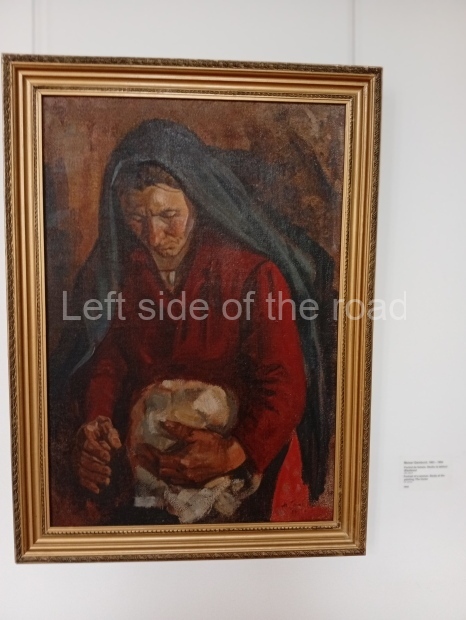
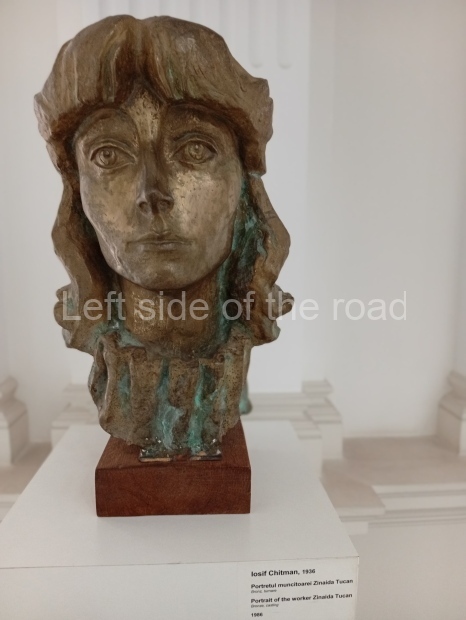
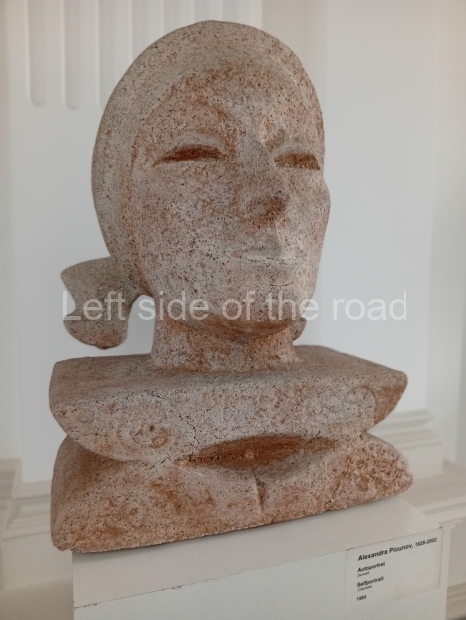
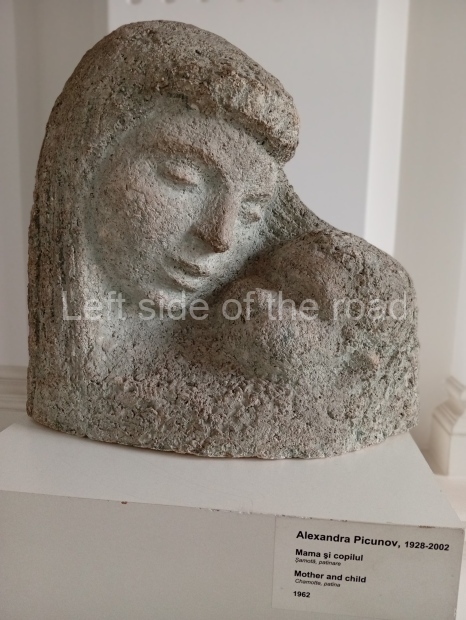
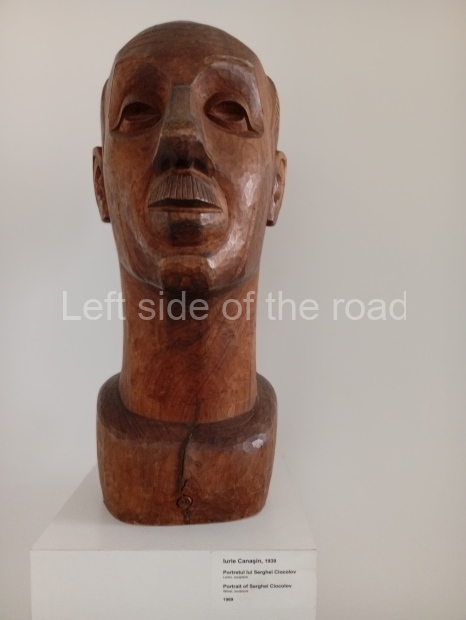
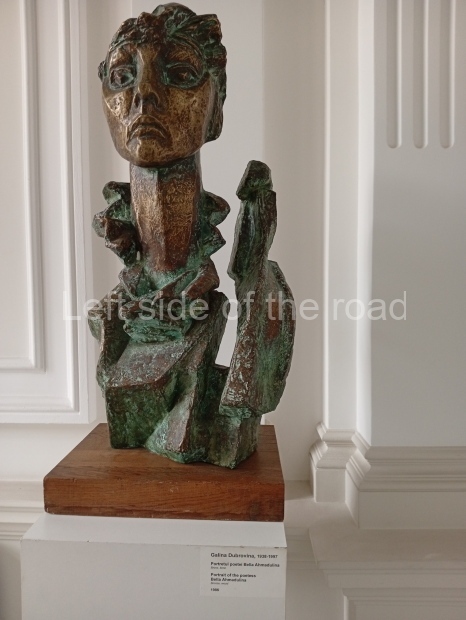
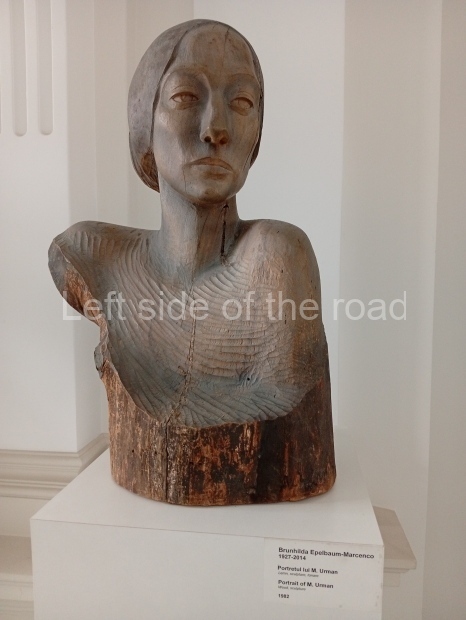
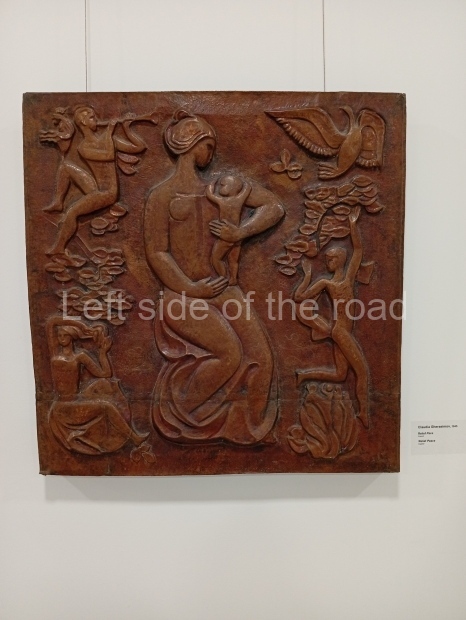
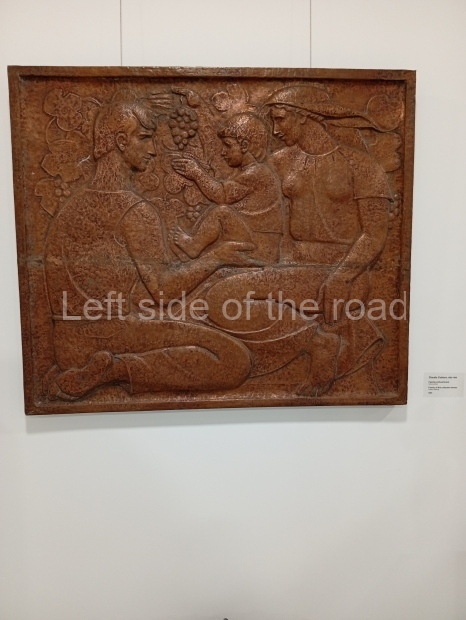
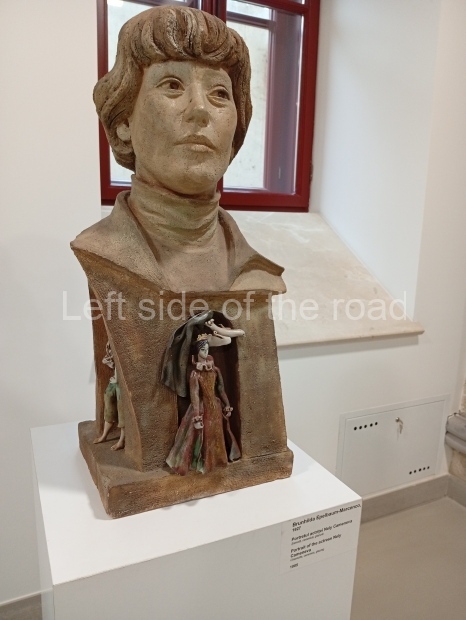
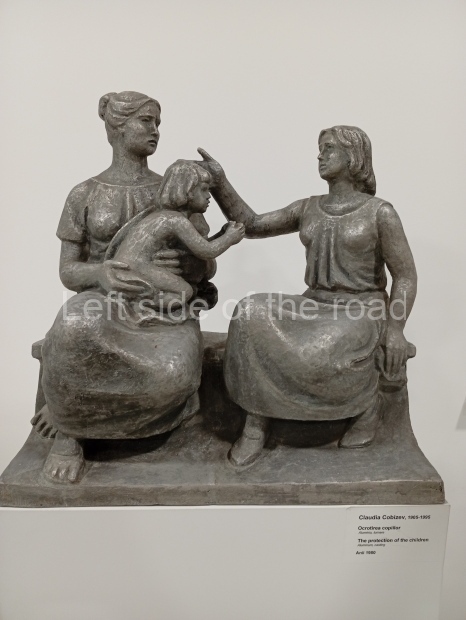
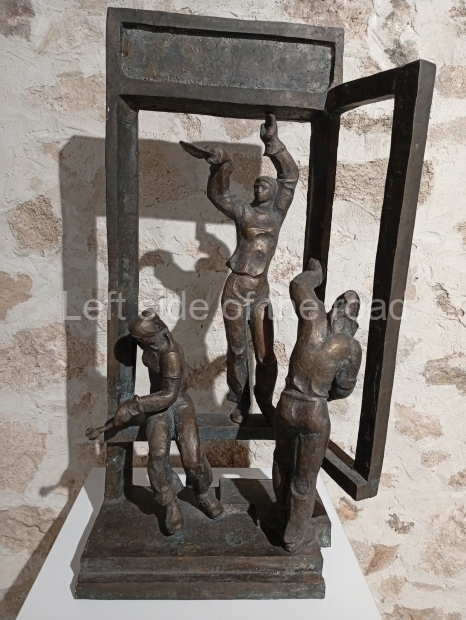
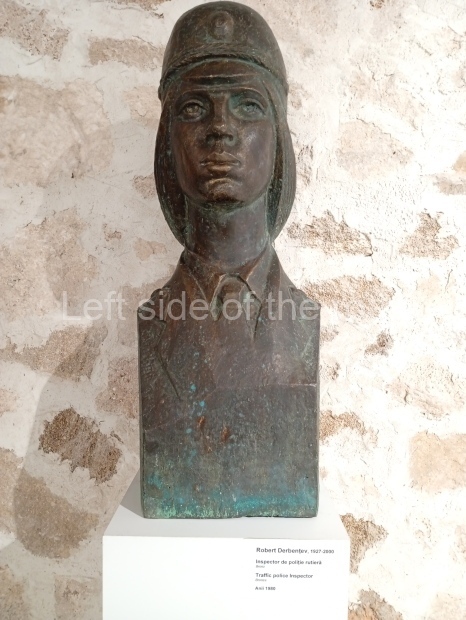
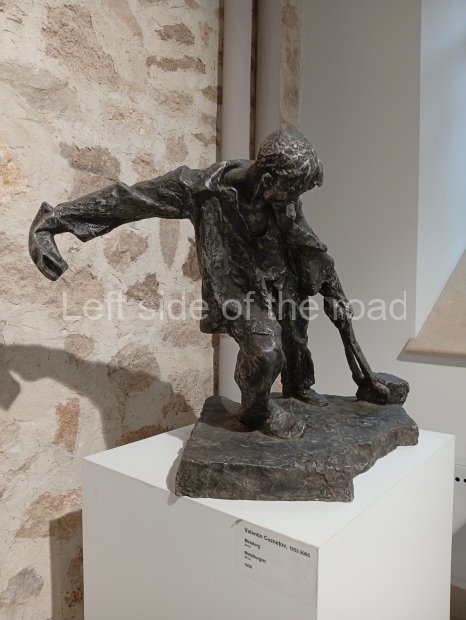
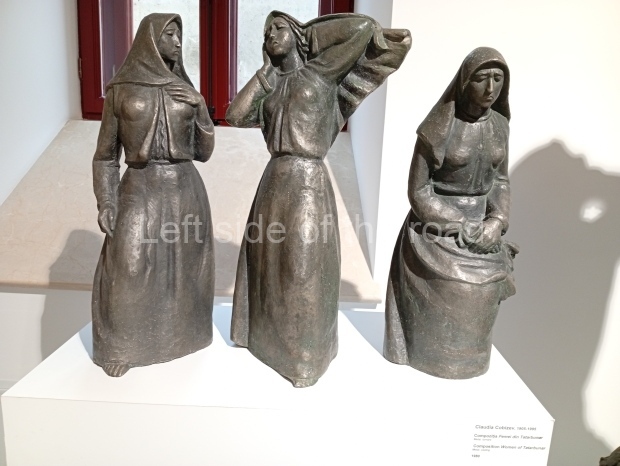
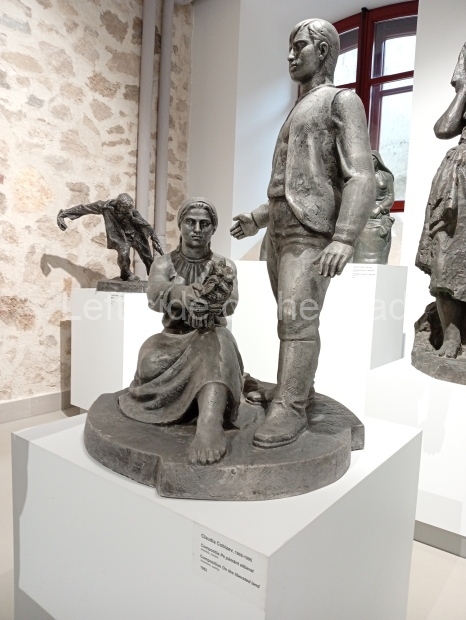
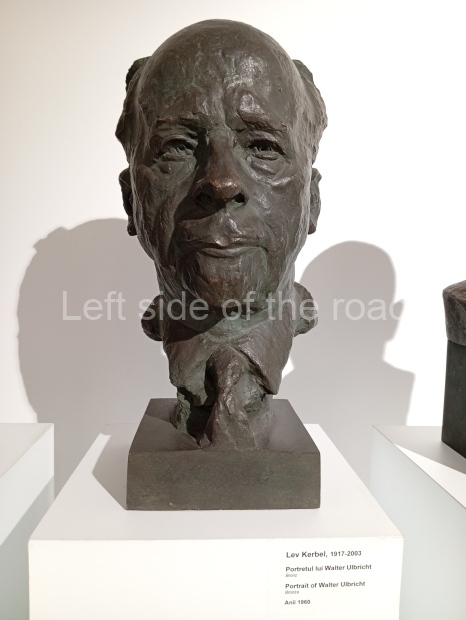
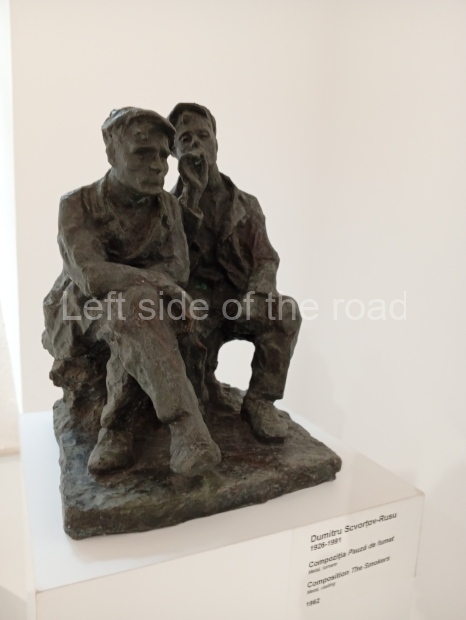
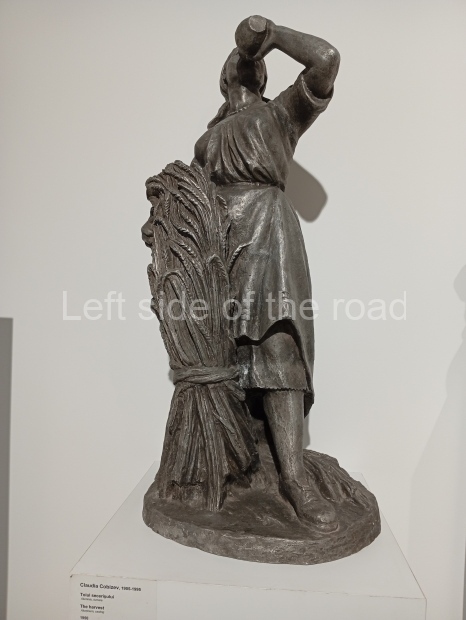
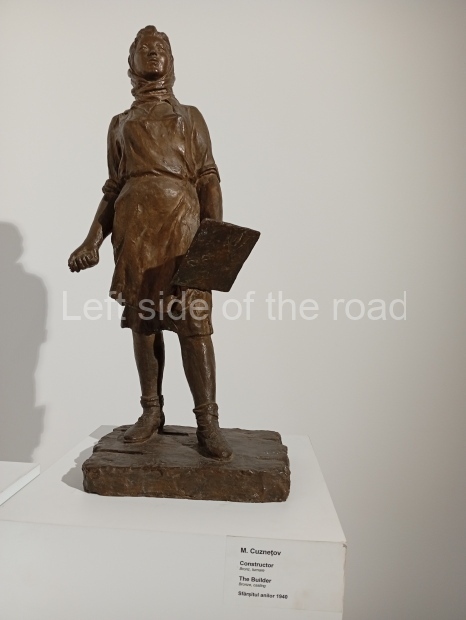
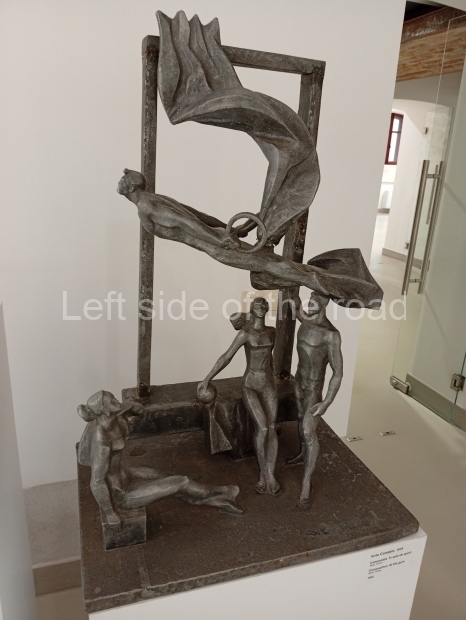
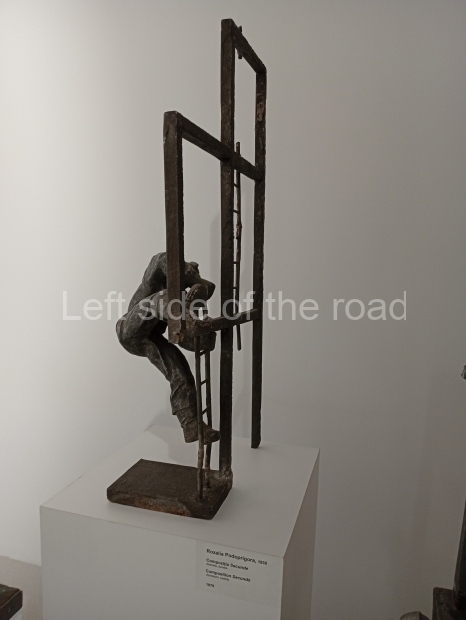
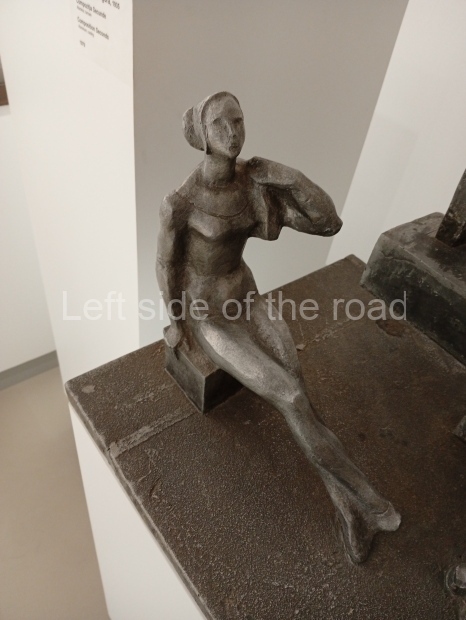
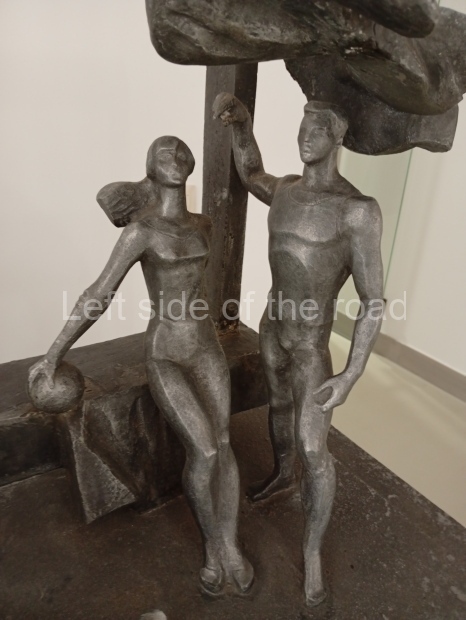
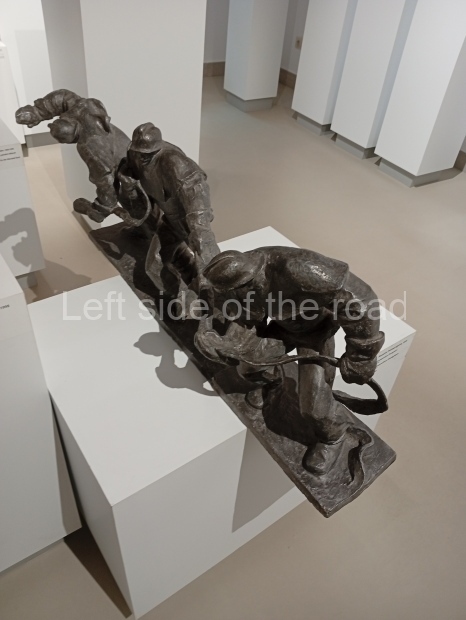
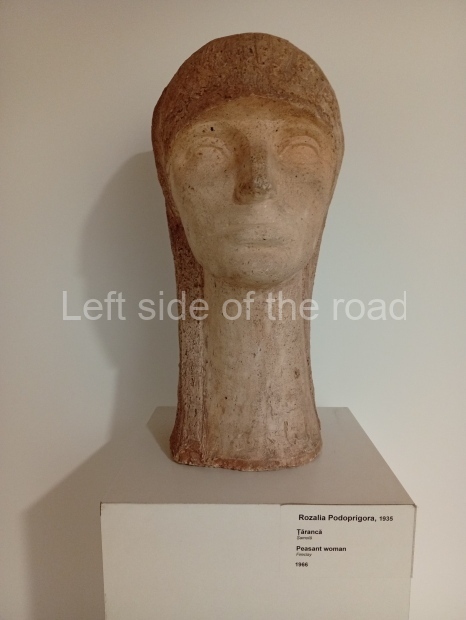
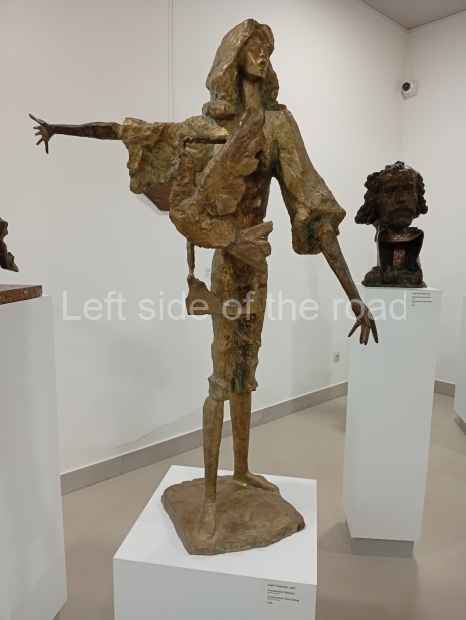
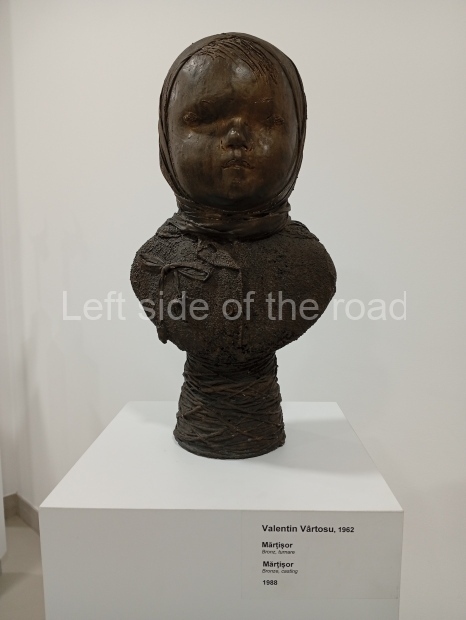
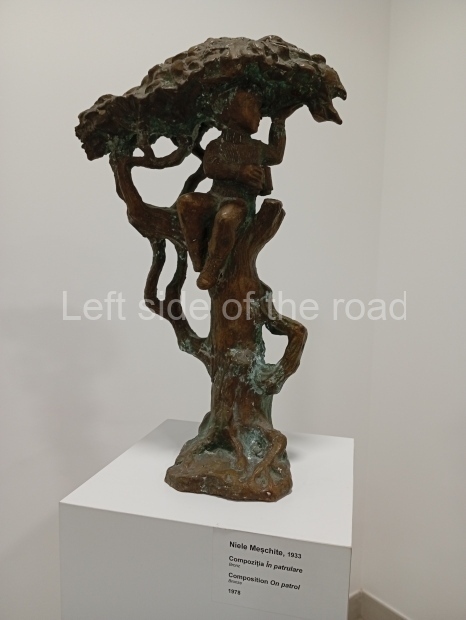
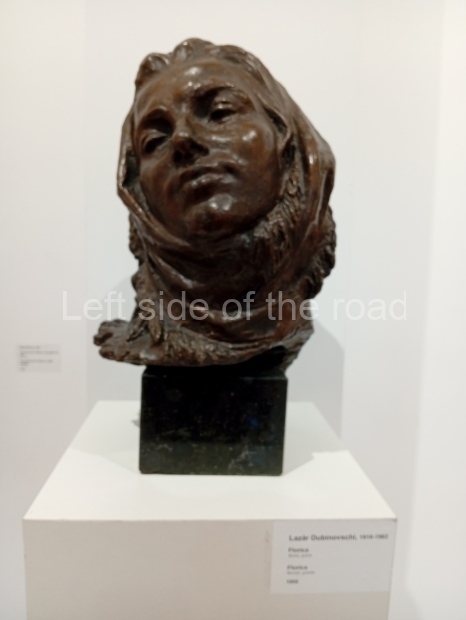
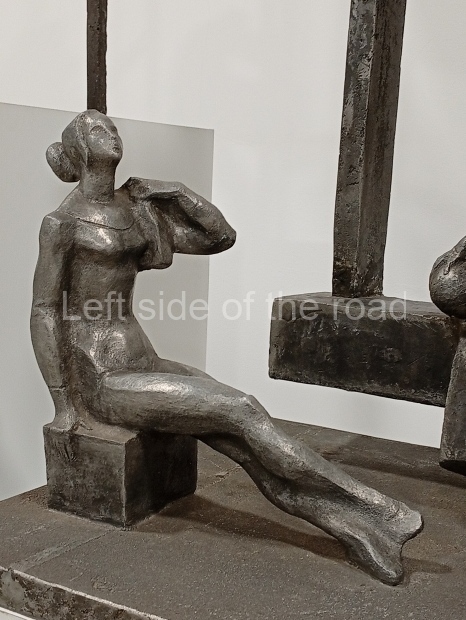
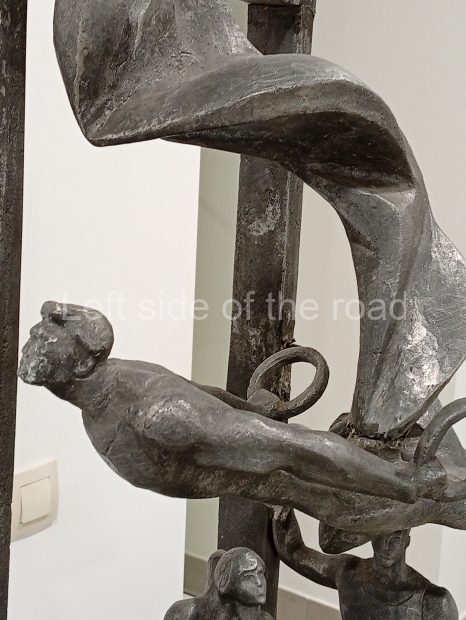
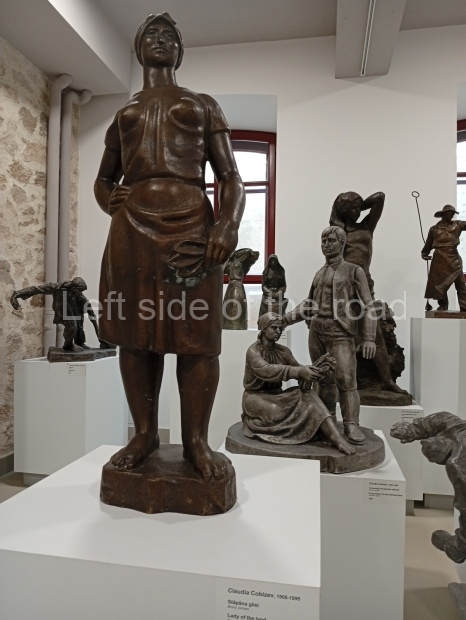
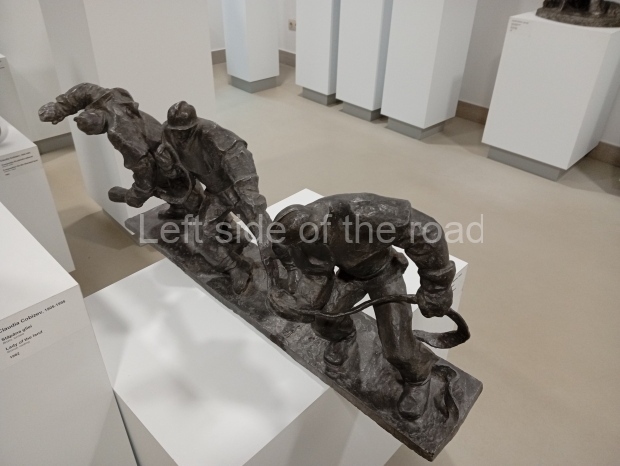
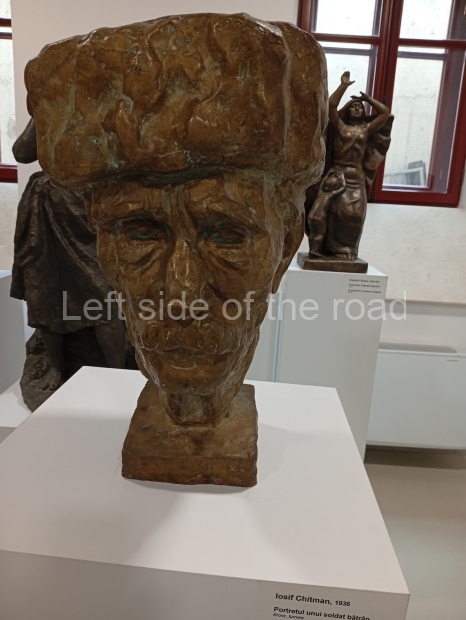
One of the notable aspects of the National Fine Arts Gallery in Chișinău is the way it’s been ‘curated’ to eradicate any overtly political reference to the period of Moldova’s socialist period. In this gallery the main concentration of Socialist Realist art is in the basement of the building and was predominantly represented by sculptures.
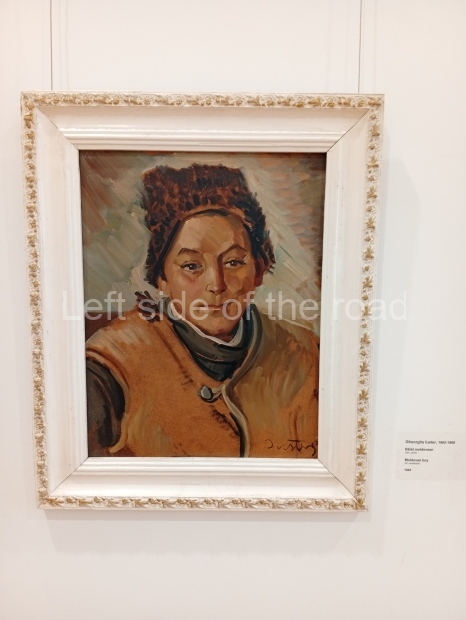
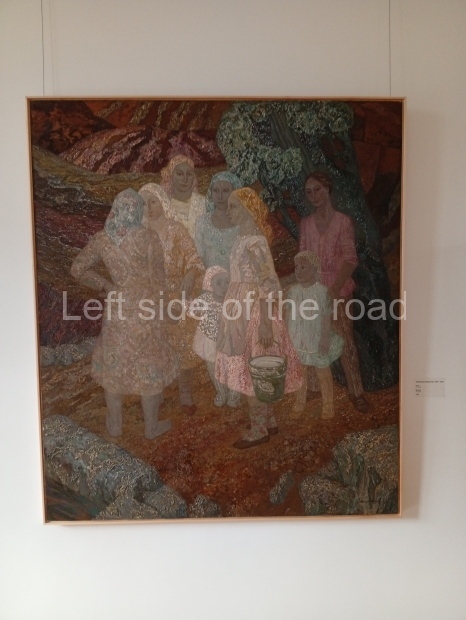
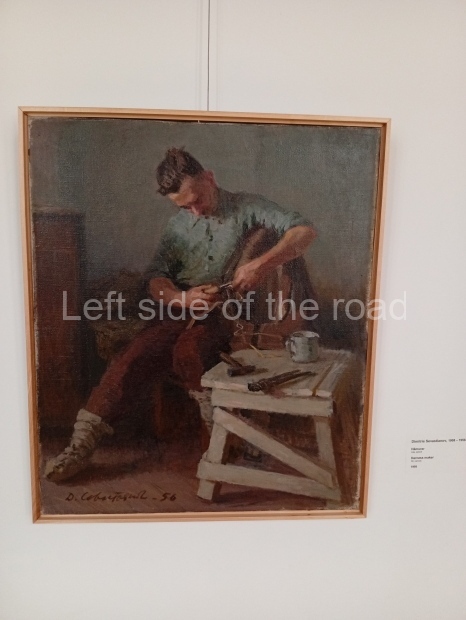
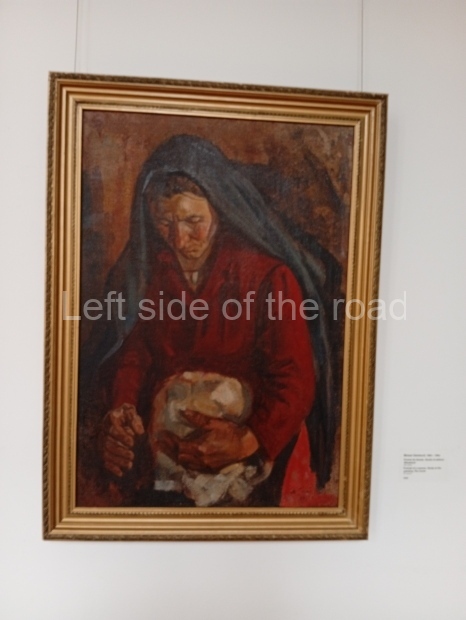
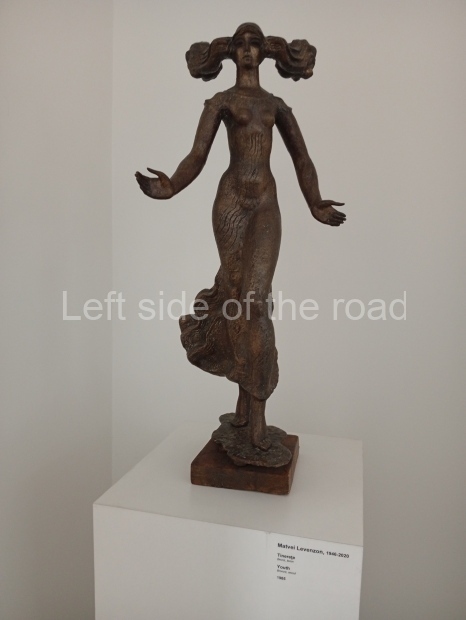
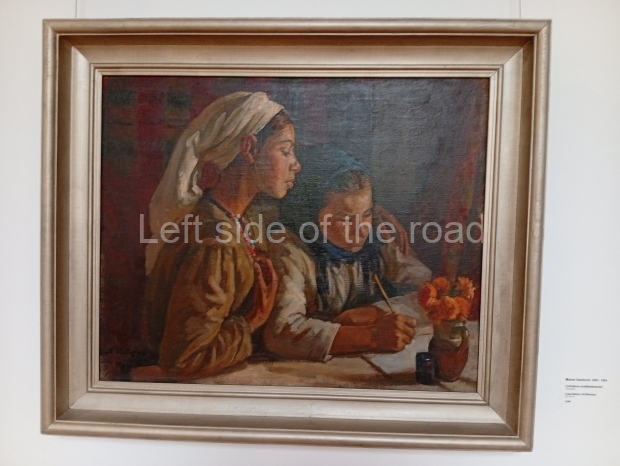
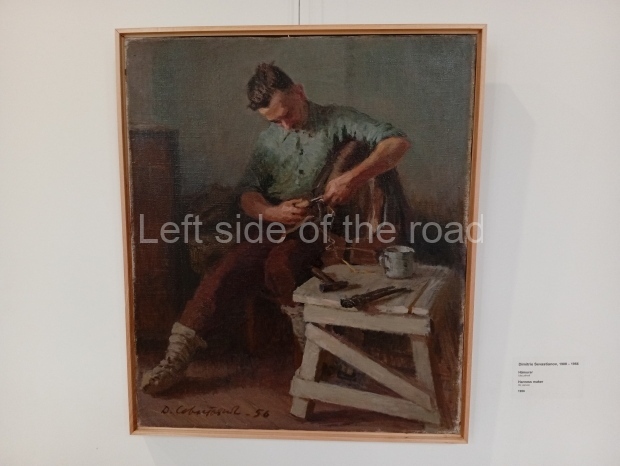
In these sculptures there is often a reference to the workers or peasants as a part of society, as individuals but part of a community, even though they may be depicted alone. An image of a worker isn’t the image of that person rather he or she is a representative of the participants in that particular work place, whether it be in industry or in agriculture.
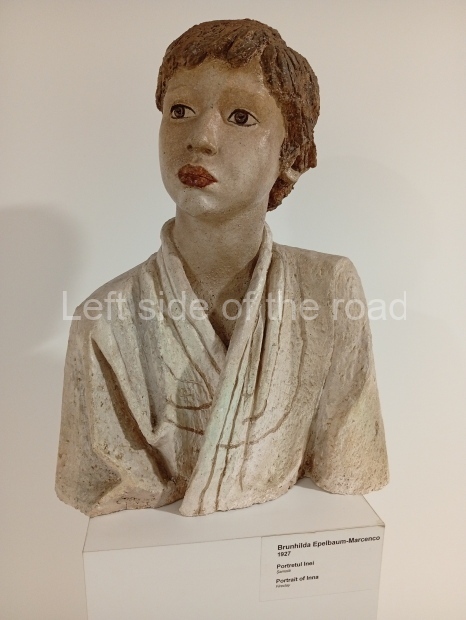
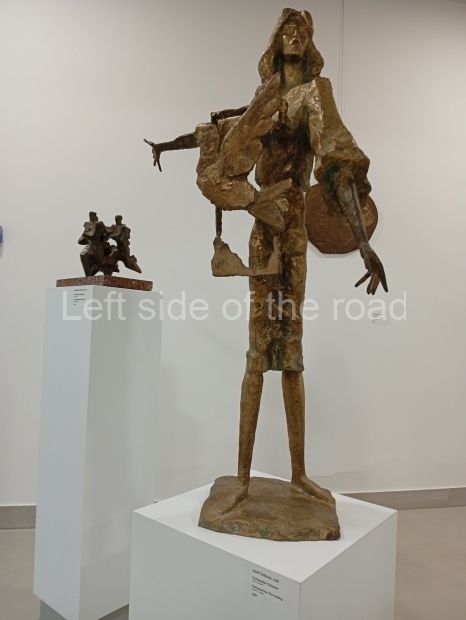
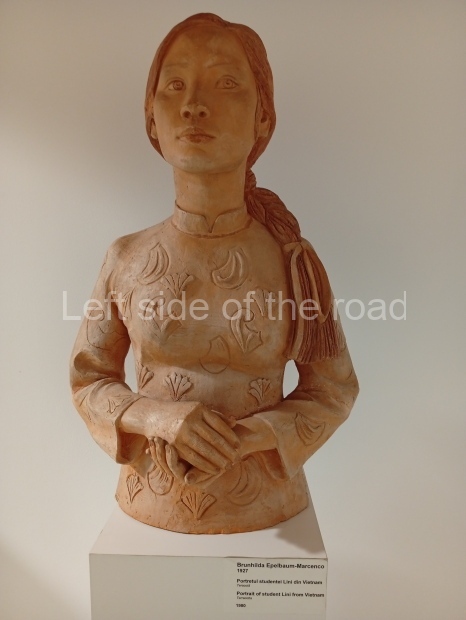
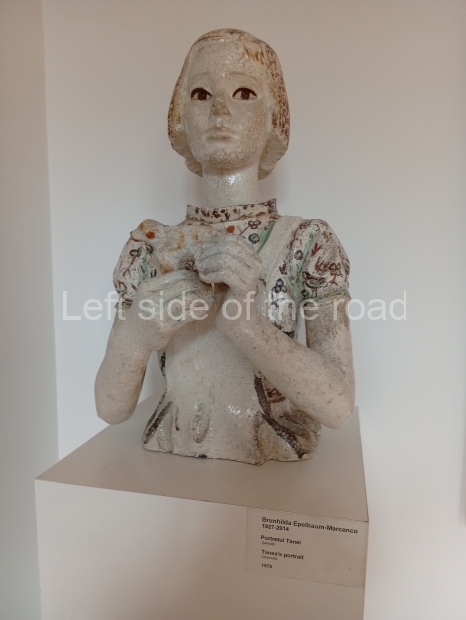
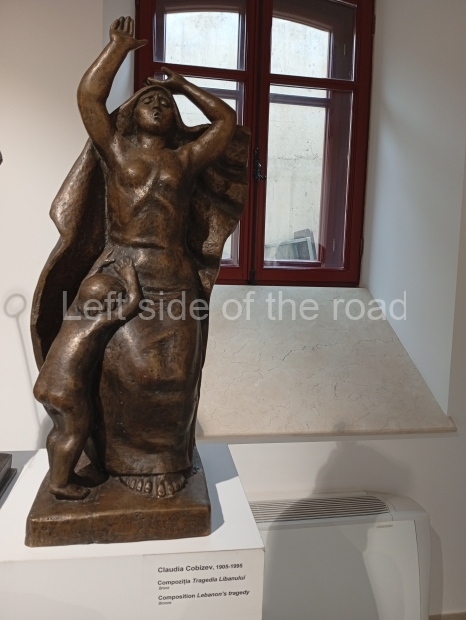
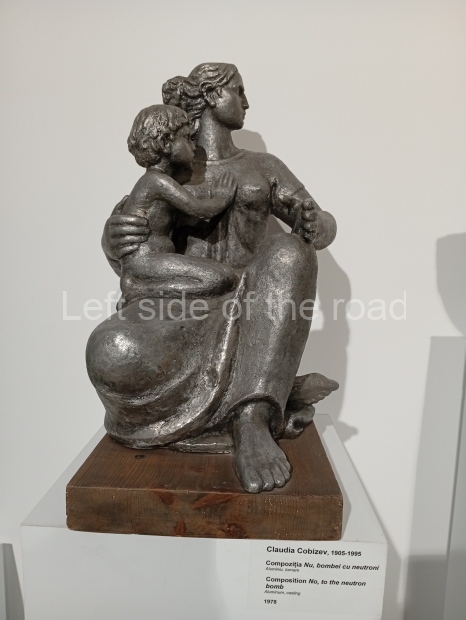
But the sculptures don’t just make reference the national situation but also to international issues. For example, there’s a statue of a grieving mother (making reference to the Zionist bombing of Lebanon) and there’s a ceramic sculpture of a young Vietnamese woman – an idea of international solidarity amongst Socialist nations with the US imperialist aggression in Vietnam. Here we have a physical, artistic representation of the Socialist concept of solidarity with other peoples – something which doesn’t exist in present day Moldova whose concept of internationalism is in doing anything that will make the European Union accept their supplications for membership.
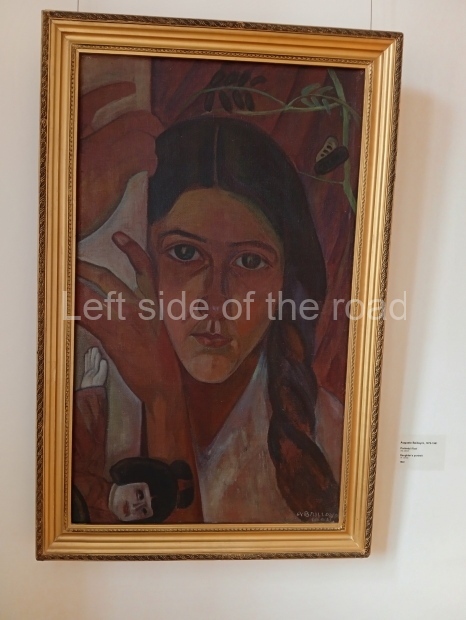
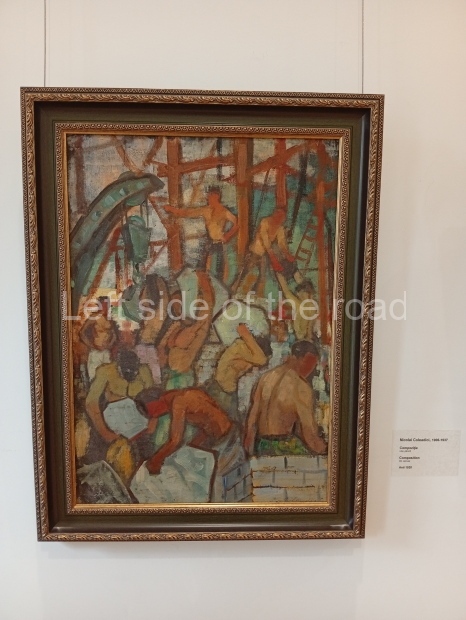
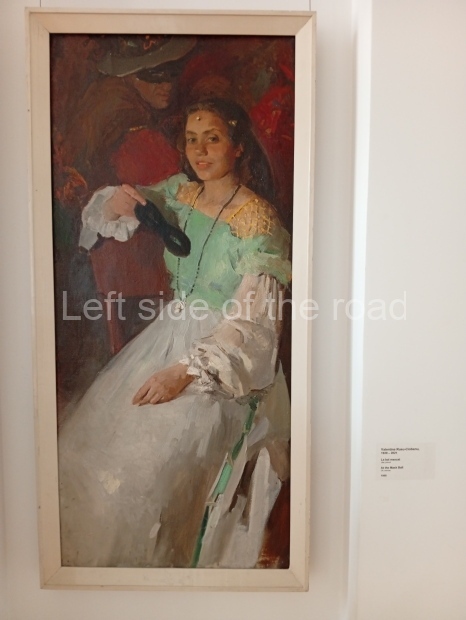
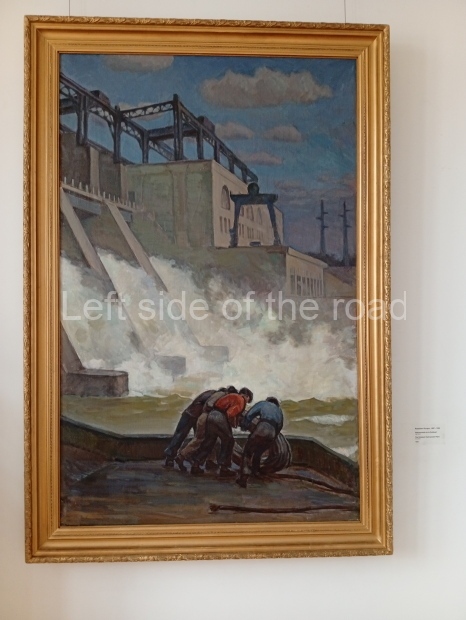
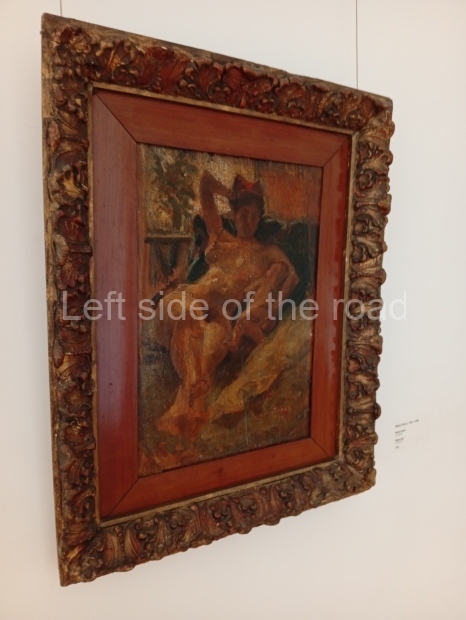
The exhibits on the other floors were very much displayed without any real effort of organisation as there didn’t seem to be any logic in what was on the walls in the majority of the rooms. A picture depicting workers during the 1960s at a hydroelectric dam, for example, would be next to one of an aristocrat/wealthy merchant from the end of the 19th century. But this lack or organisation (or, at least, any that I could see) does demonstrate the difference in emphasis from the different historical periods.
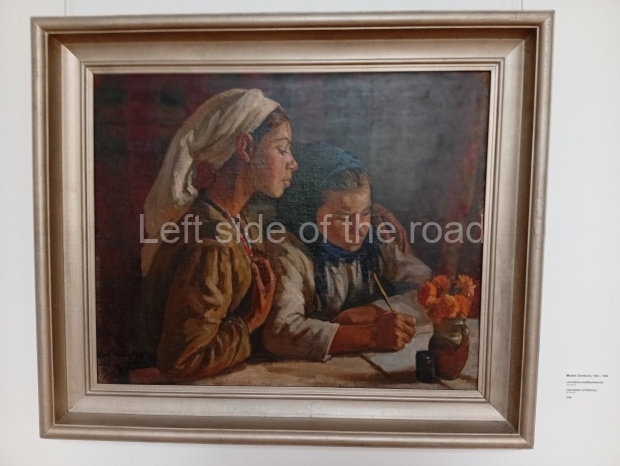
It shows the different way in which workers are depicted in Socialist Realist art from that under capitalism. Before the October Revolution ‘realist’ paintings of workers would emphasise the drudgery, the monotony, the drabness of labour. Socialist Realist art stresses the importance and necessity of labour but instead of a worker bring under the control of capitalism and working for the benefit of a few under a Socialist system the workers are working for themselves. Whether that always was the case is not important. That was the aim of the new society. Under capitalism labour is ALWAYS appropriated by the capitalist and insecurity is ALWAYS the lot of the worker.
And if workers are not depicted as being exploited and oppressed there is often a condescension oozing out of the canvas. For example, in this gallery there was a painting of a young (child) shepherdess playing a flute in the countryside – but she is bare footed. We have here a ‘cute’ image but it depicts the subject as if she is happy with her lot and poverty is not the scourge that it is – then and now.
It’s also noticeable that in the art produced following the collapse of the Soviet Union in the early 1990s (and the rejection to a greater or lesser extent by the various republics of the socialist ethic) is that the art then turned back to what it was pre 1917. Basically, we have the return of religious imagery, depictions of the rich and the powerful, and again the marginalisation of workers in the true sense. (‘Good’ examples of this dark and depressing religious post-Soviet art can be seen in the last rooms of the New Tretyakov Gallery in Moscow.)
Workers only appear as the backdrop. They’re only there to serve the rich and the powerful. The last thing they are allowed to have is choice and an active part in the society. They can vote, but only if they vote for what the oligarchs, the powerful, the rich, the capitalists actually want. If not, with the aid of the western powers (principally of America but also those of Europe and of Britain) local capitalists and reactionaries will do their best to foment dissension and division. Hence, in the last few years there have been demonstrations calling for ‘democracy’ which were disrupting daily life in Georgia and Moldova itself. These events follow the pattern that was so ‘successful’ in the Ukraine in 2014 and which led, inevitably, to the now more than four year proxy war in that country between the US/UK/NATO/EU and Russia. The role of organisations such as USAID and the National Endowment for Democracy (and all the other clones of those US financed ‘soft power democratic change’ organisations) has become more widely known in recent years but there will always be some who are prepared to betray their class and their country for a mess of pottage.

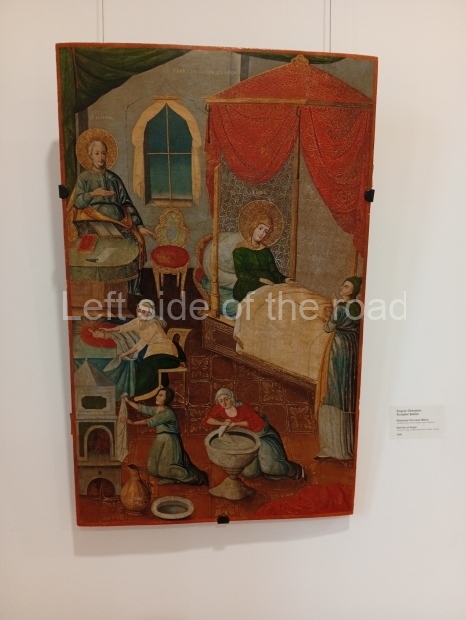
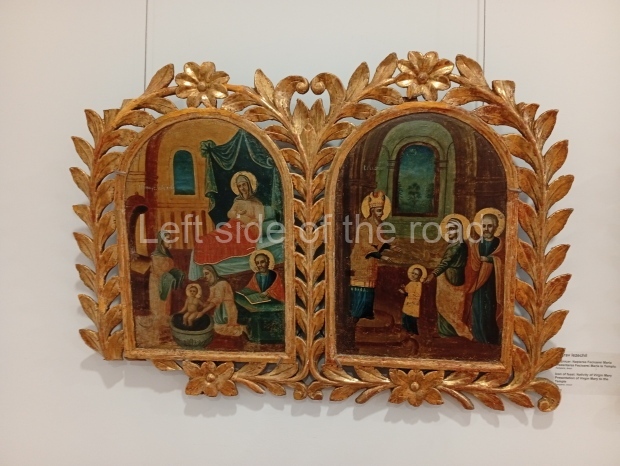
The birth of the Virgin
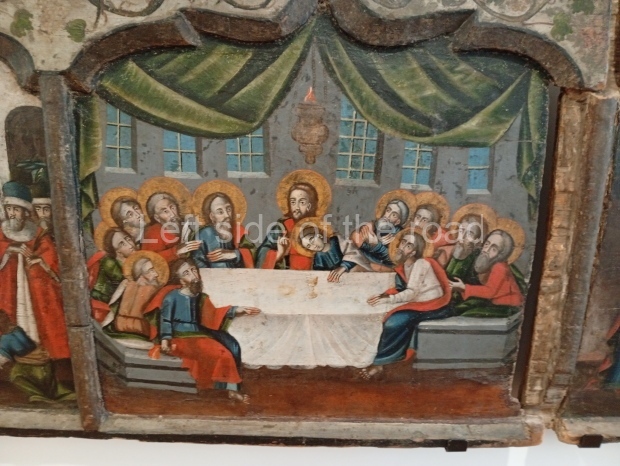
There was a small collection of religious art in one room of the gallery but it was mainly from the 19th century. However, these relatively late examples followed the same conventions which had been established three or four hundred years previously. A couple of images I found interesting in this particular exhibition (and which you’ll come across in many European art galleries) was the depiction of the birth of the Virgin – not referenced at all in the Bible – as a child coming from a wealthy family although in the traditional Christian story of the Nativity Mary is just an ordinary peasant woman – who’s married to a carpenter! Yet come the Renaissance she was converted into someone from an aristocratic background, with her birth being attended by many women in a very sumptuous bedroom. I’m not exactly sure when and where that idea first came into the Christian story but it seems to be all part of the appropriation of the original, humble story, to fit in with the life styles and ideology of the wealthy and powerful in society. After all, when they had themselves depicted as attending the Nativity they didn’t want to have to be seen, in all their finery, standing knee deep in cow dung.
When I visited the art gallery at the end of 2025 there was a temporary exhibition of photographs on the top floor of the building. These were photographs of people who were defined by their relationship to the means of production. It was interesting to compare this exhibition of ‘workers’ with the images of the workers from the socialist period in the basement. The impression you got from these photographs was that these were purely individuals who happened to work in a particular industry or a particular profession. They were presented as individuals, their relationship to society in general being absent.
National History Museum
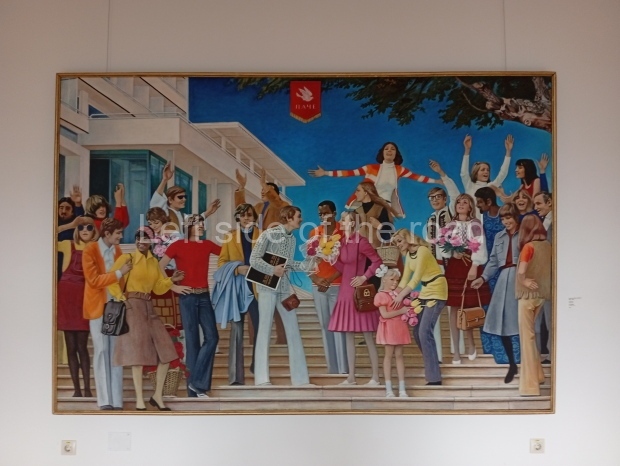
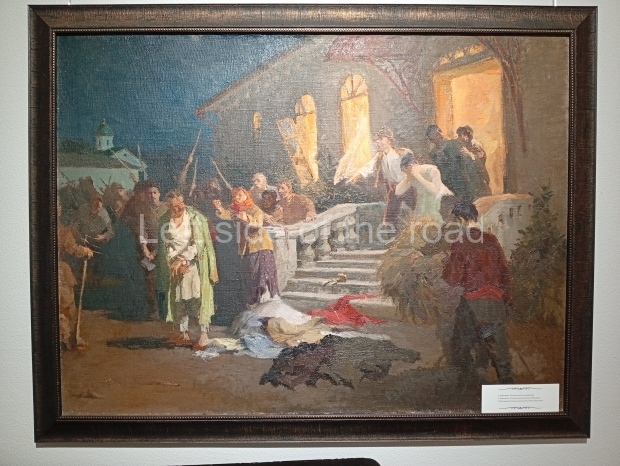
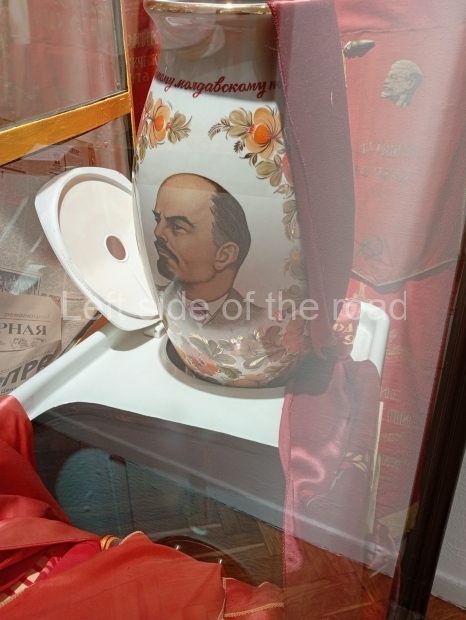
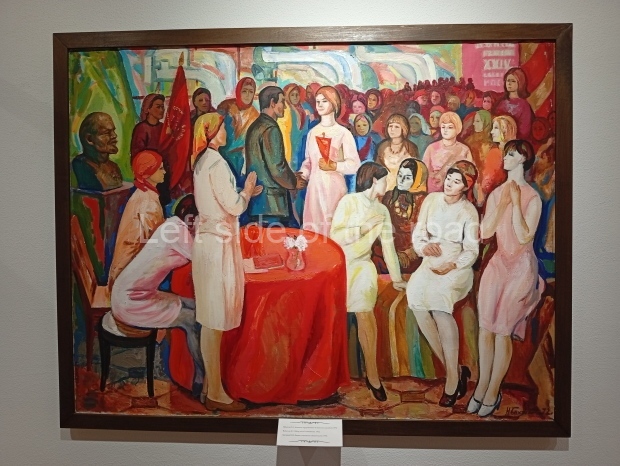
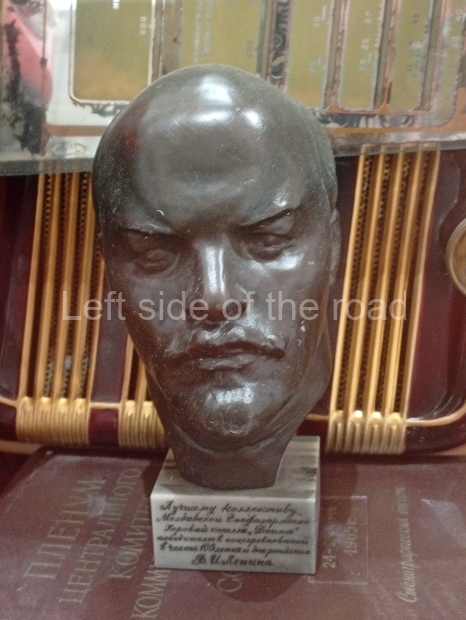
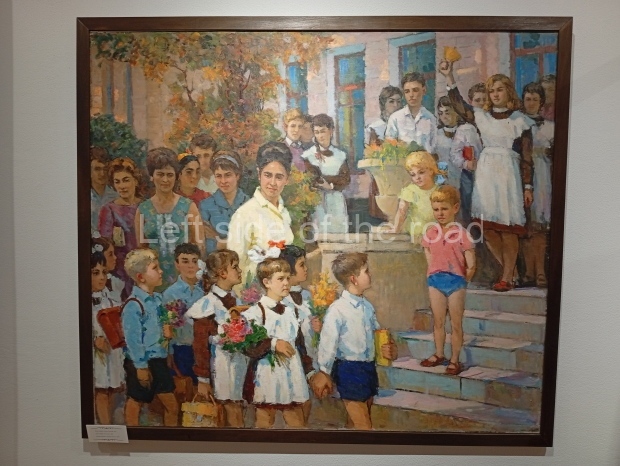
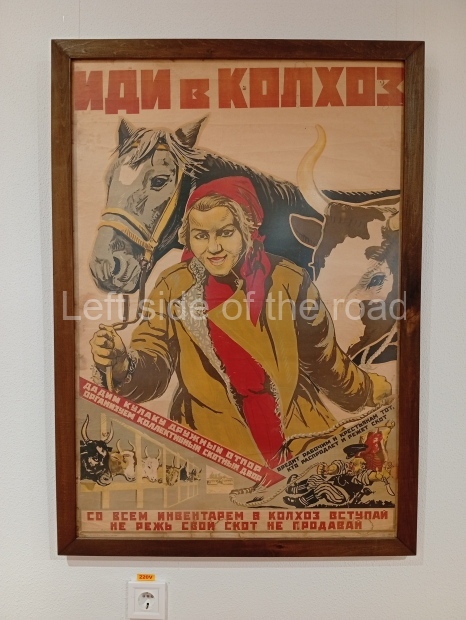
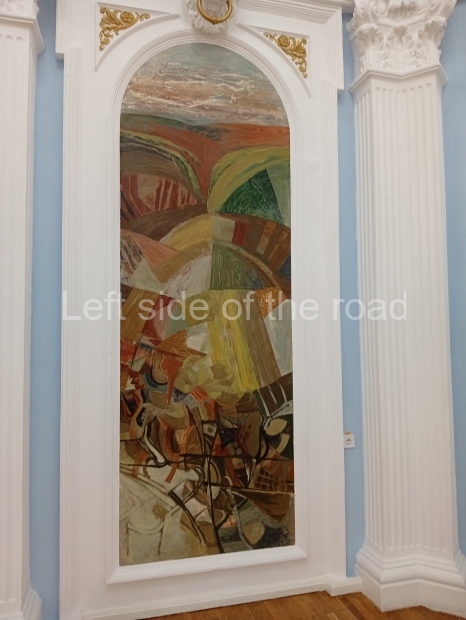
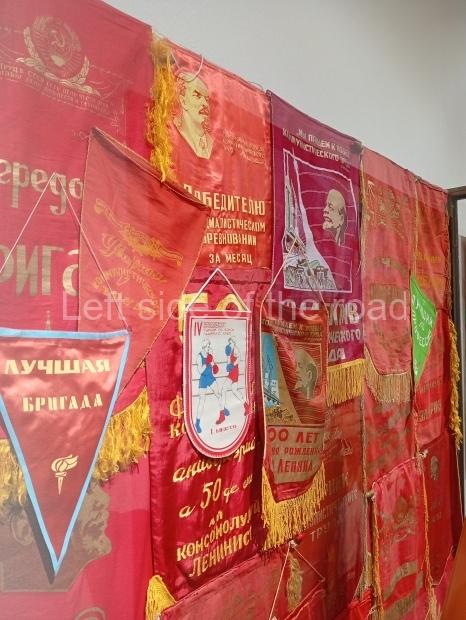
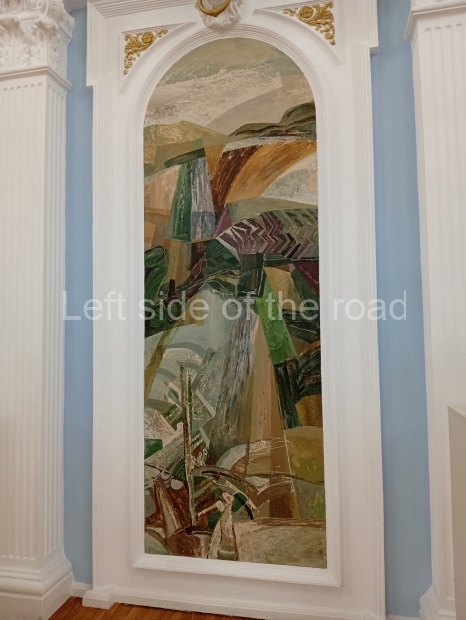
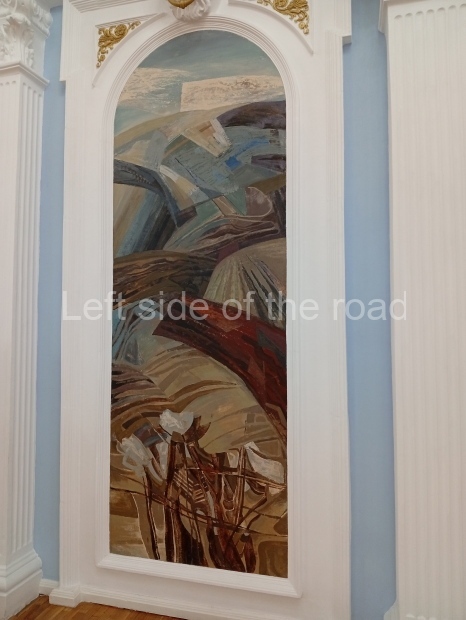
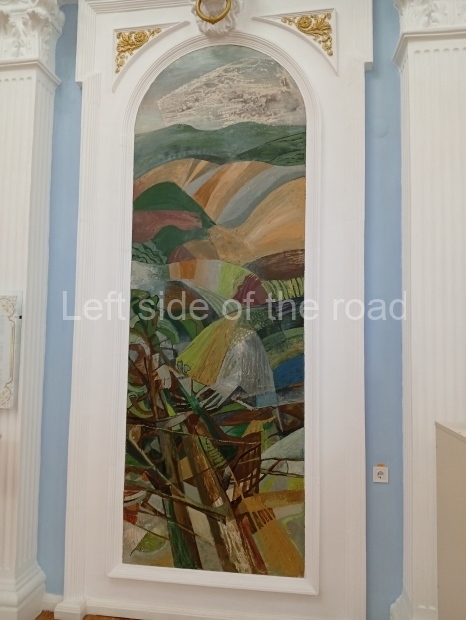
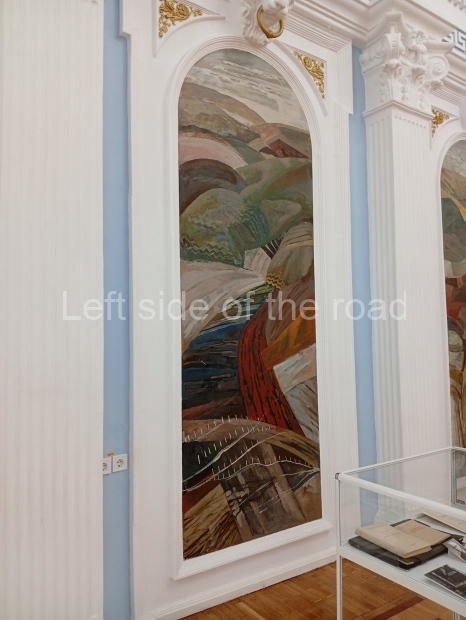
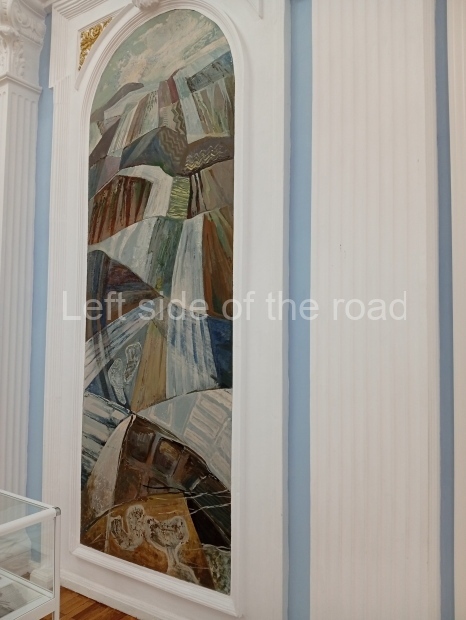
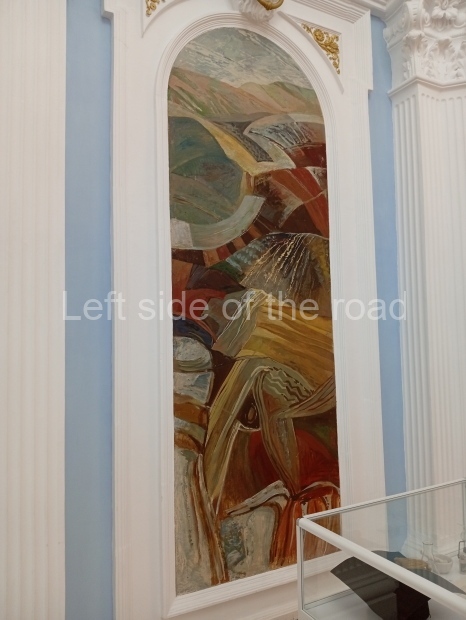
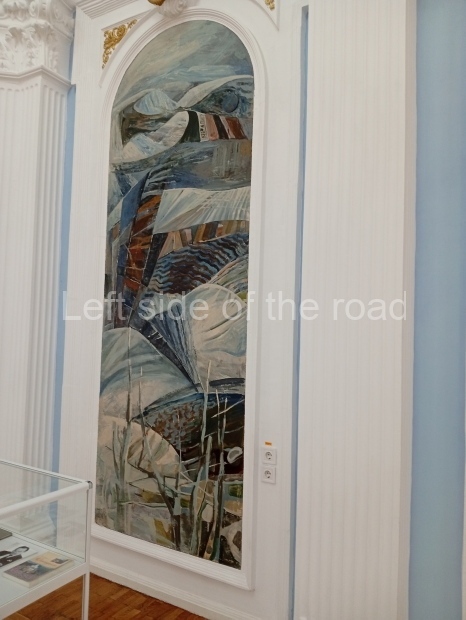
The Socialist period of Moldova’s history barely gets mention in this museum. There’s a small, although quite colourful reference to the art of that period in a small section of the top floor. Here there are a few ‘classic’ paintings of Socialist Realism, a few posters and in one large glass case different artefacts that would have been common pre-1990s. These include busts of VI Lenin, banners and pendants with Soviet imagery, ceramics with images of revolutionary heroes and the like. Also a series of abstract murals which were not that common in Socialist art.
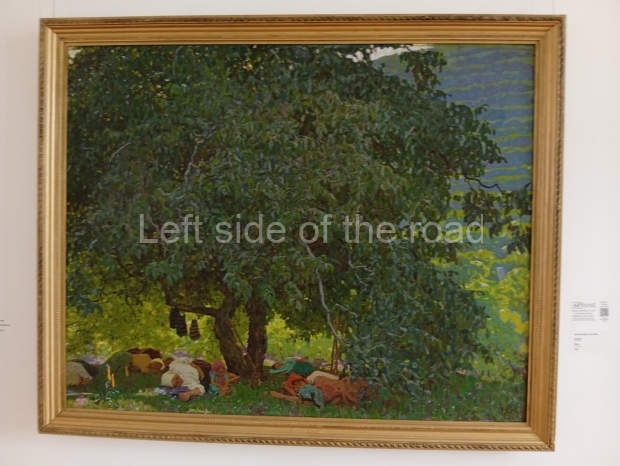
Anyway, the images in the slideshow below will hopefully give you an idea of what is on show in the Art Gallery/Historical Museum in Moldova’s capital city of Chișinău. As well as in the art in a ‘formal’ context you can also see examples of Socialist art in the mosaics in Chișinău itself (as well as in Cahul and Bălți).
Location;
National Museum of Fine Arts of Moldova
31 August 1989 St 115, Chișinău
GPS;
47.02199 N
28.83021 E
Open;
Tuesday-Sunday 10.00-18.00
Closed Monday
Entrance;
Adults; 50 MDL
Pensioners/students; 25 MDL
National History Museum of Moldova
Location;
31 August 1989 St 121A, Chișinău
GPS;
47.02269 N
28.82811 E
Open;
Tuesday-Sunday 10.00-18.00
Closed Monday
Entrance;
Adults; 50 MDL
Pensioners/students; 20 MDL