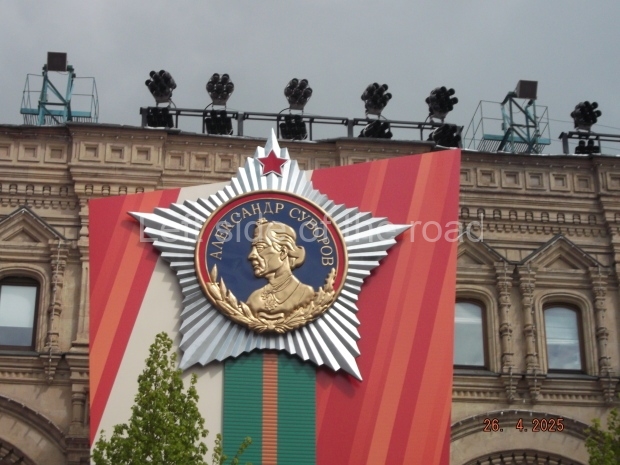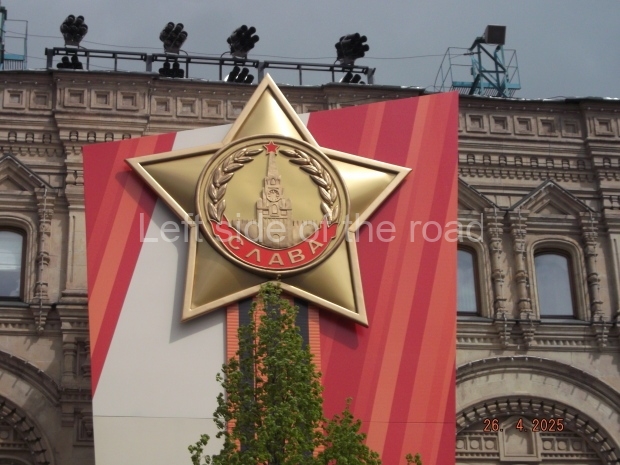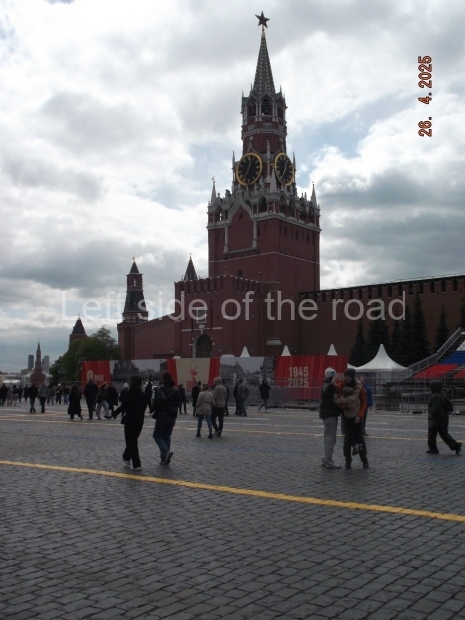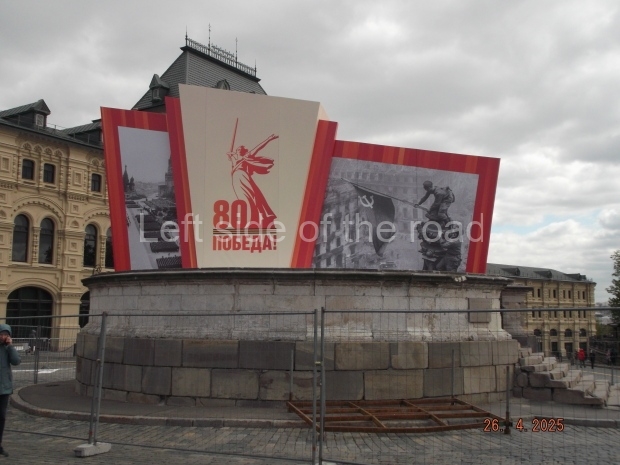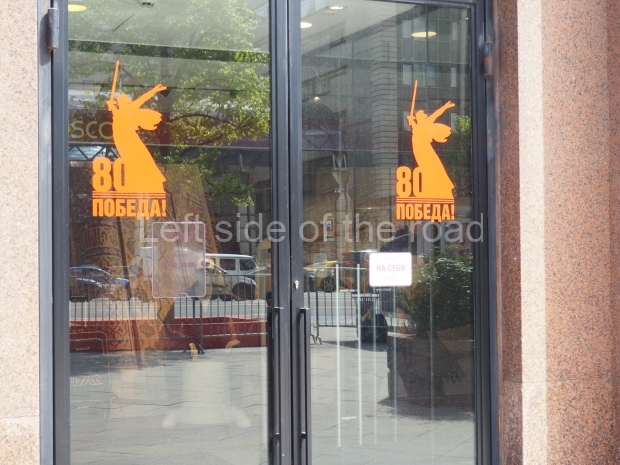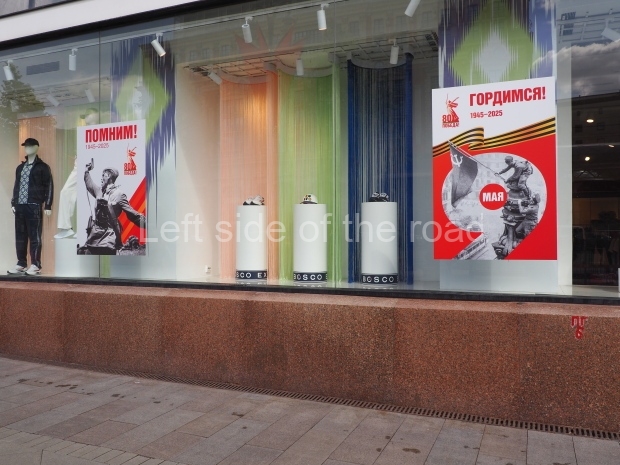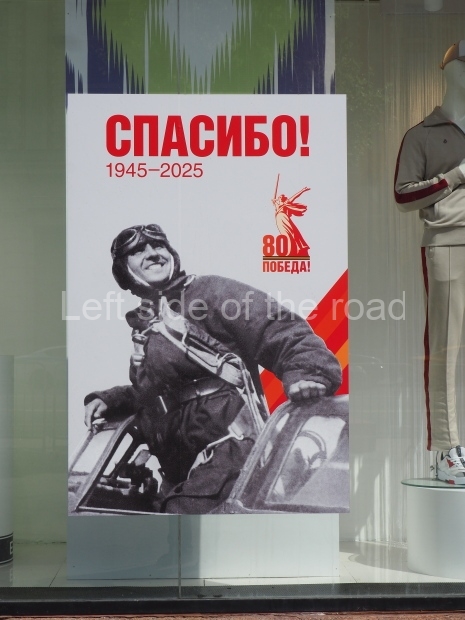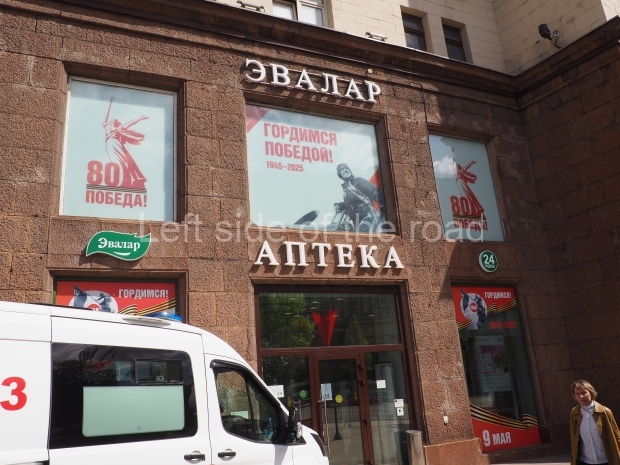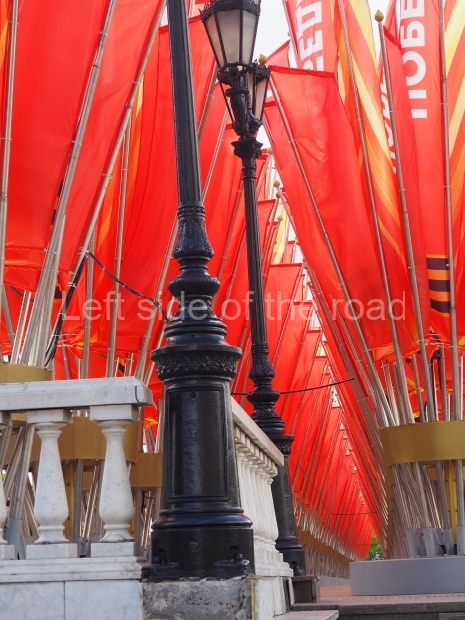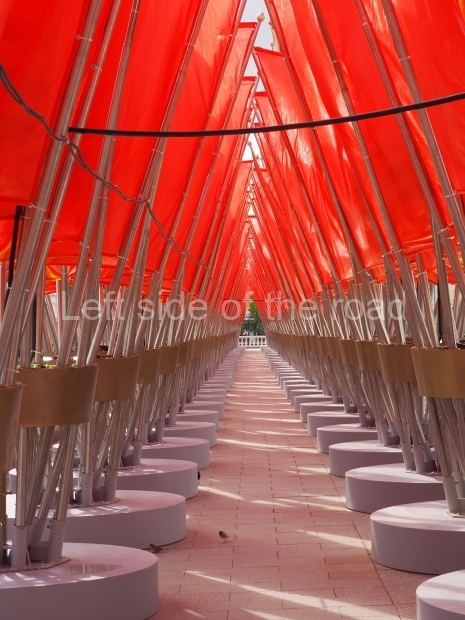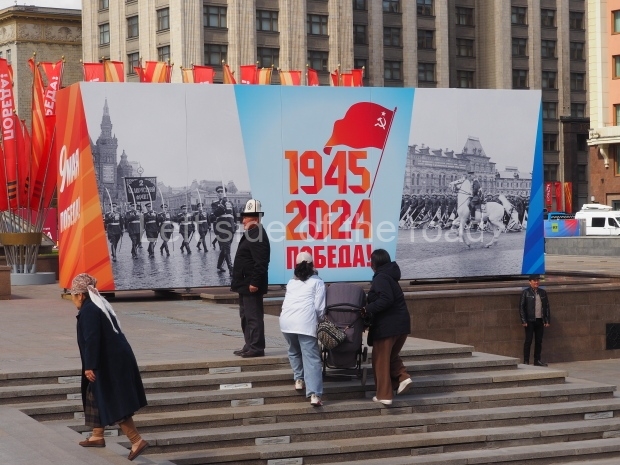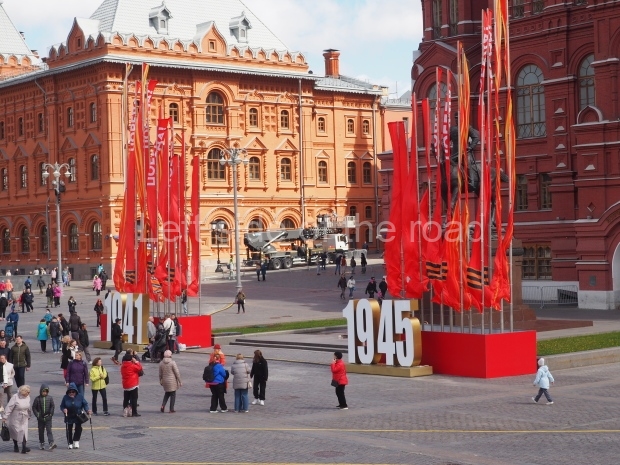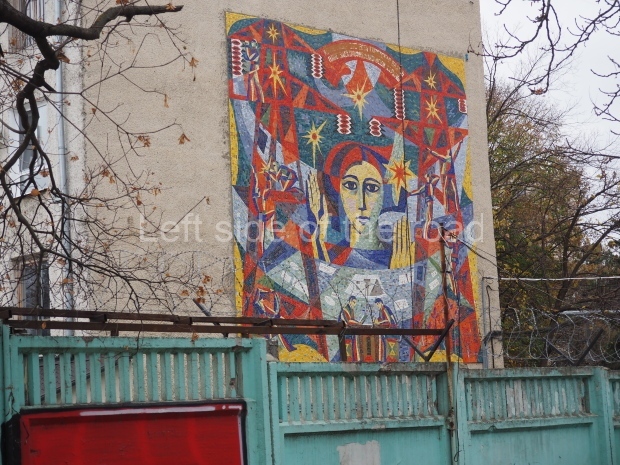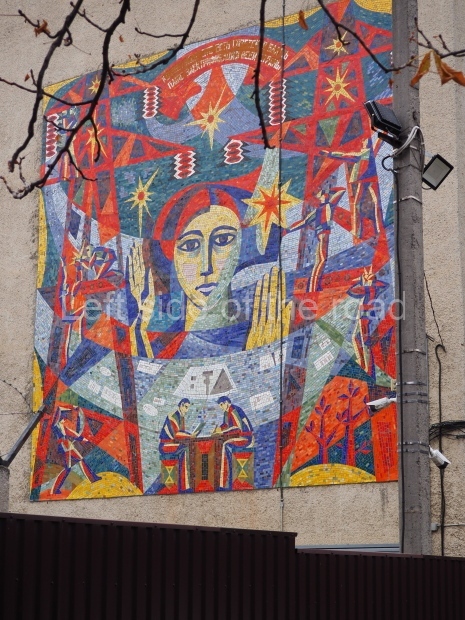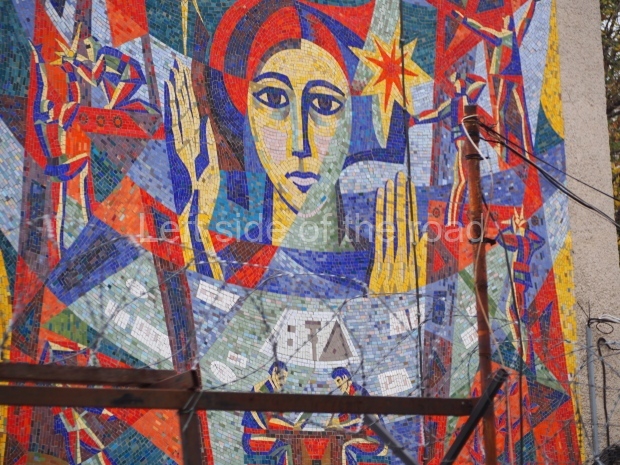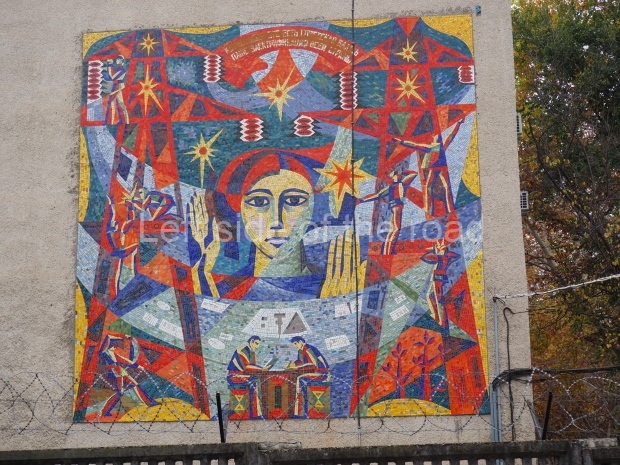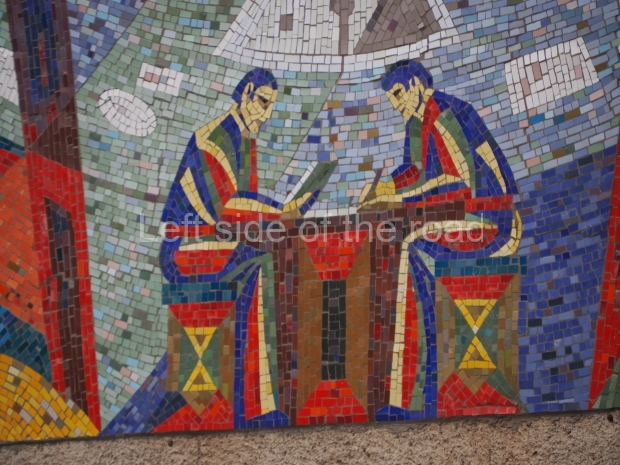

The triumph of the Conquering People
More on the ‘Revolutionary Year’
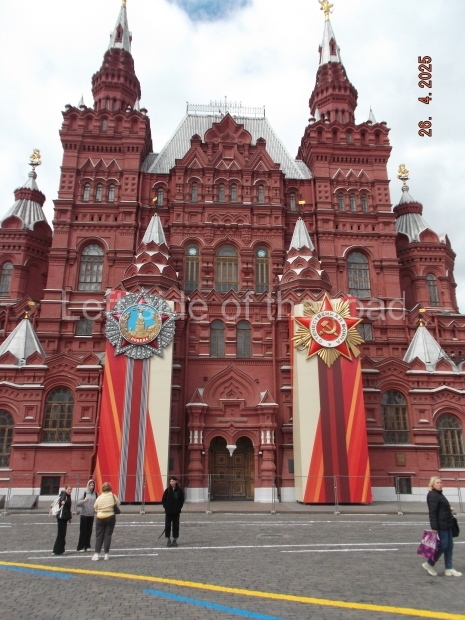
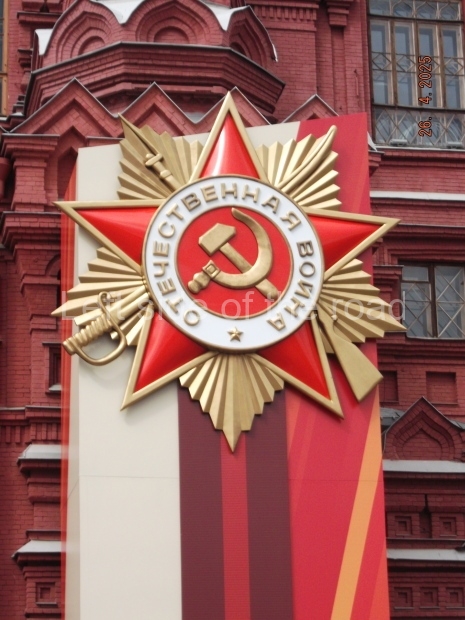
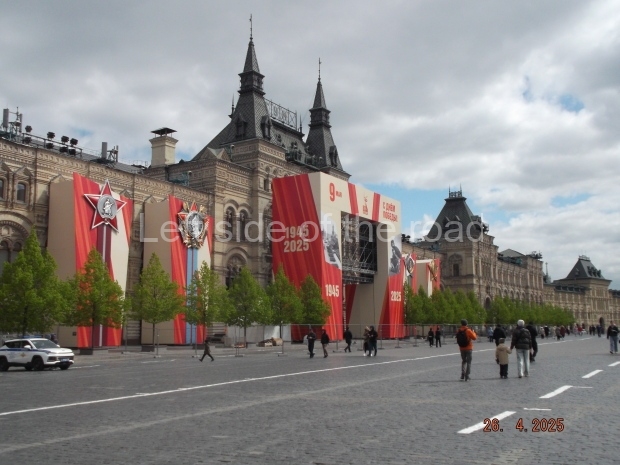
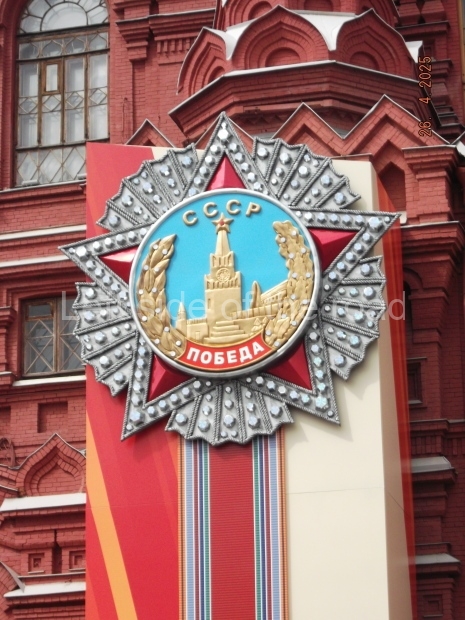
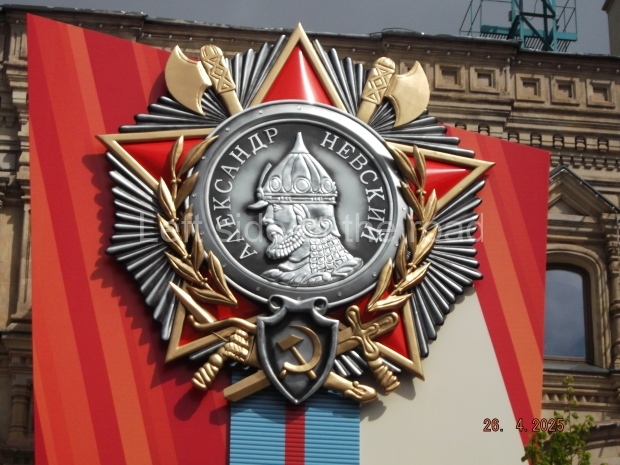
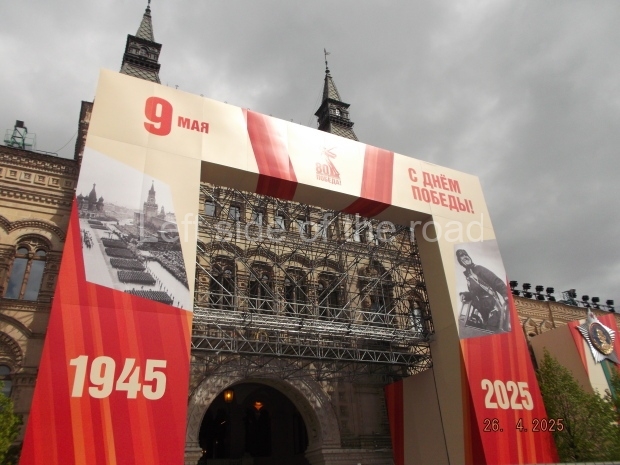
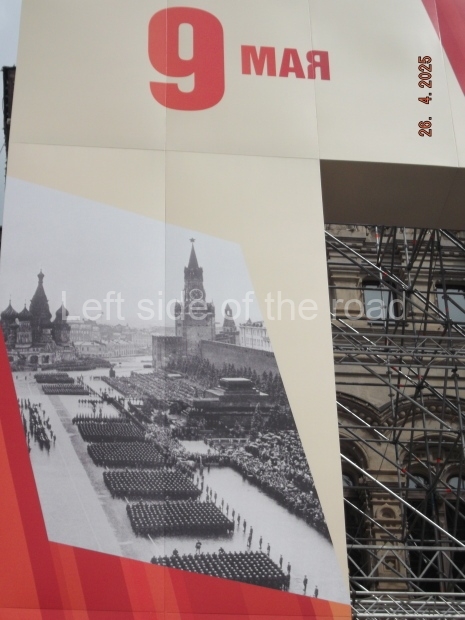
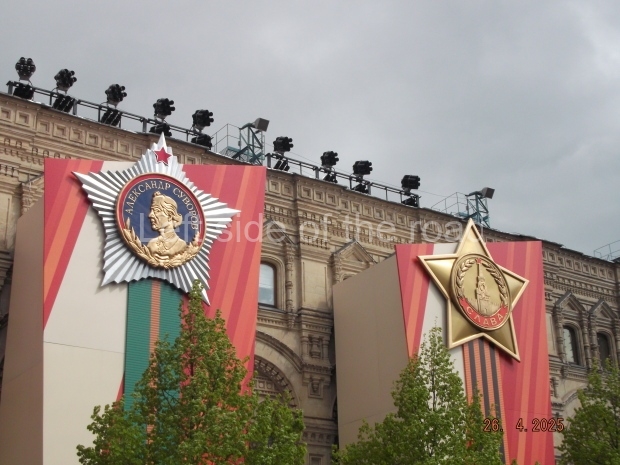
May 9th – Victory Day in the Soviet Union (Russia)
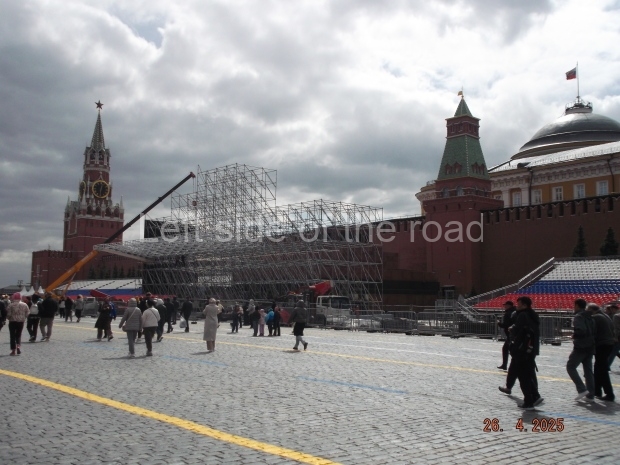
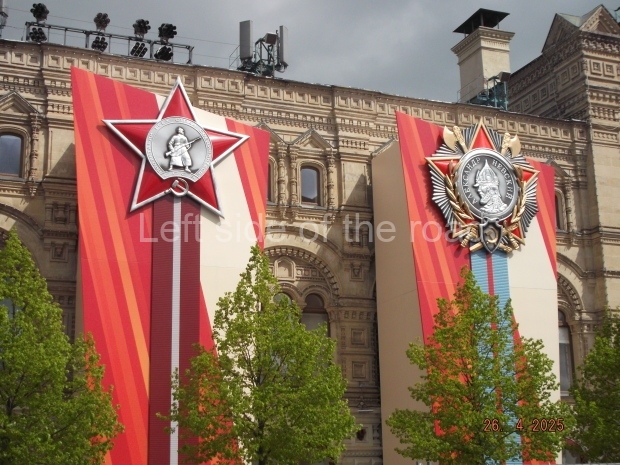
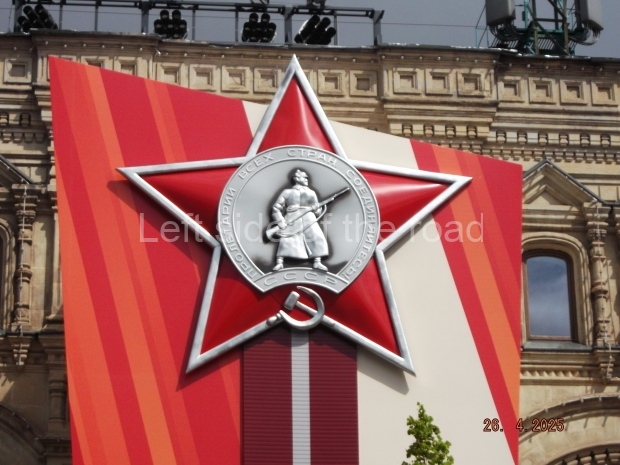
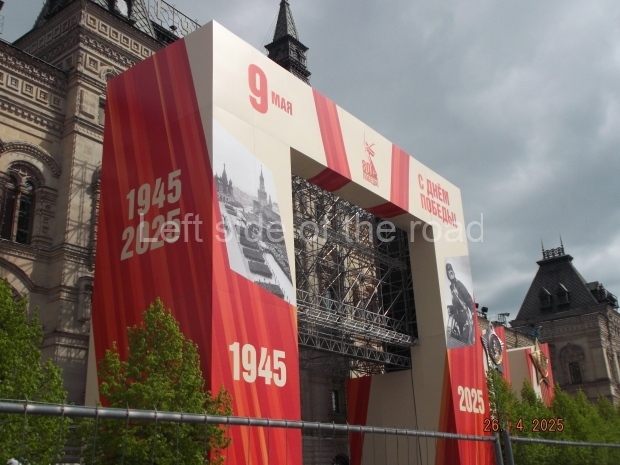
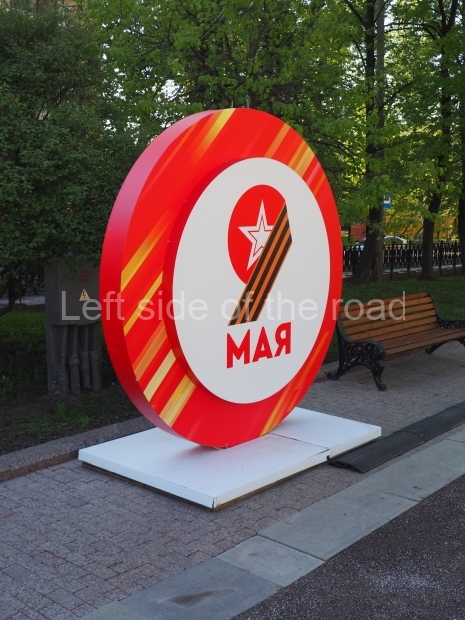
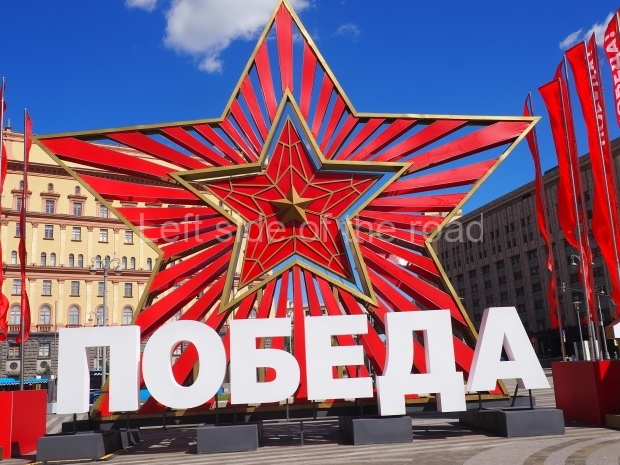
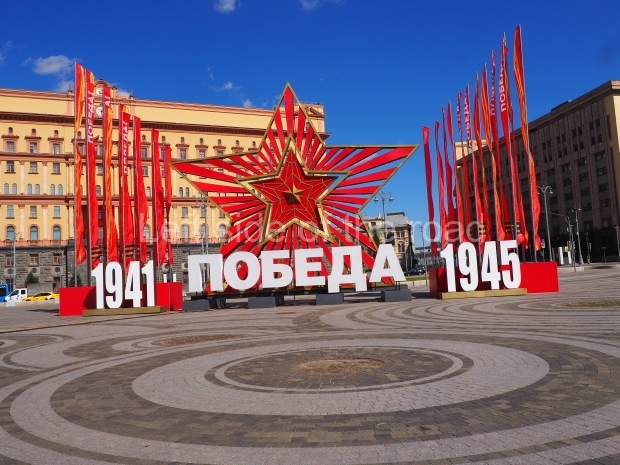
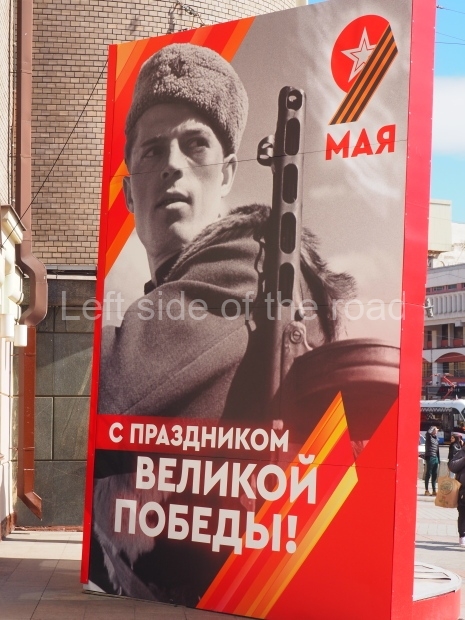
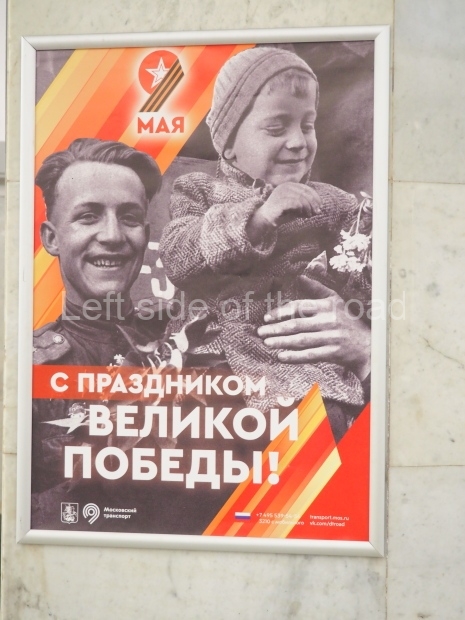
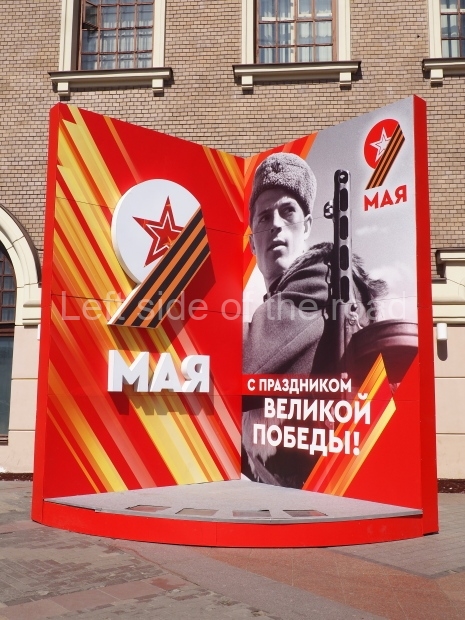
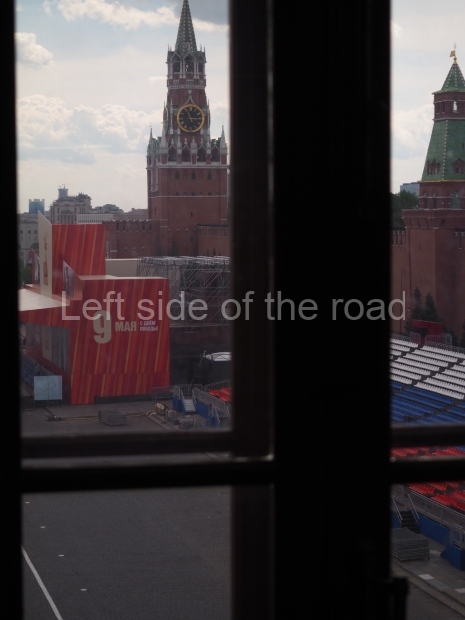
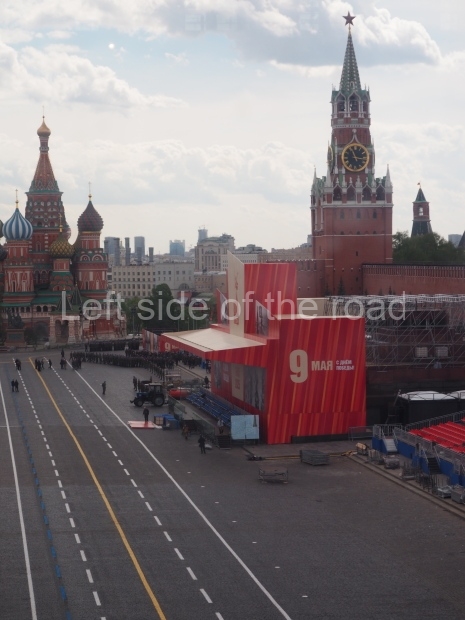
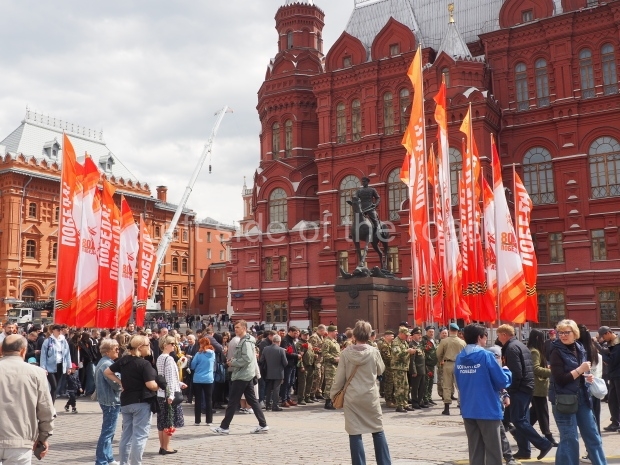
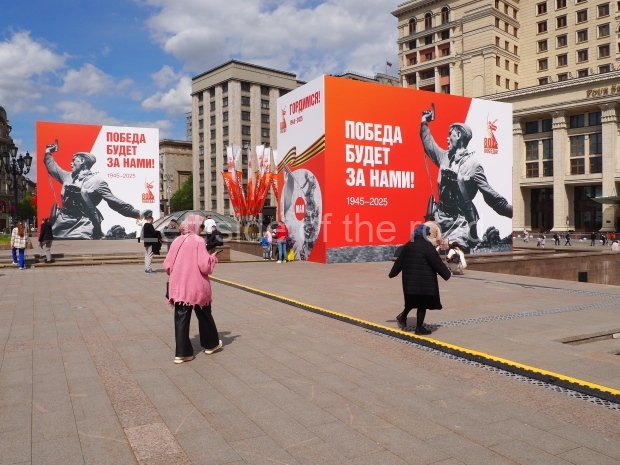
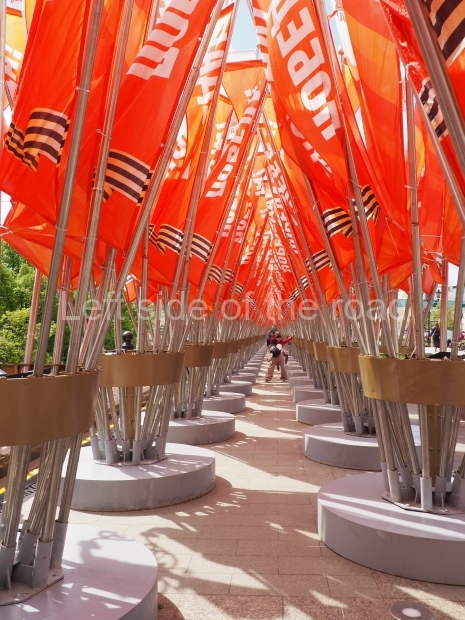
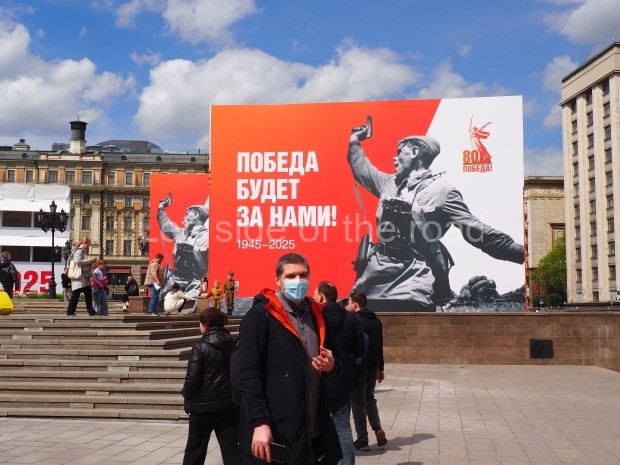
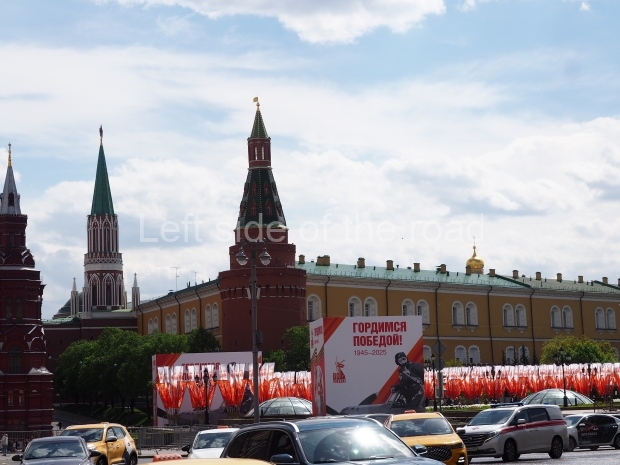
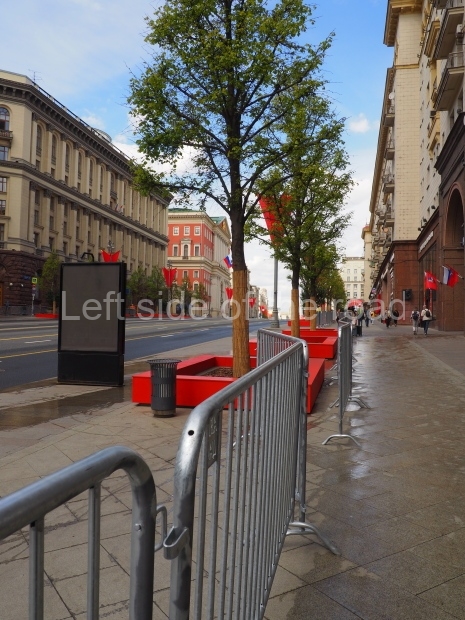
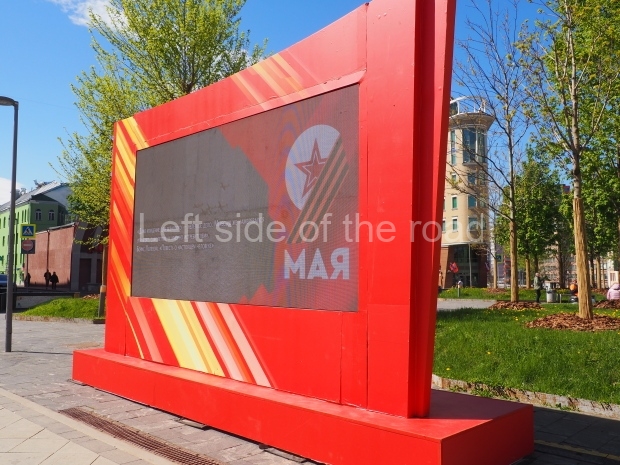
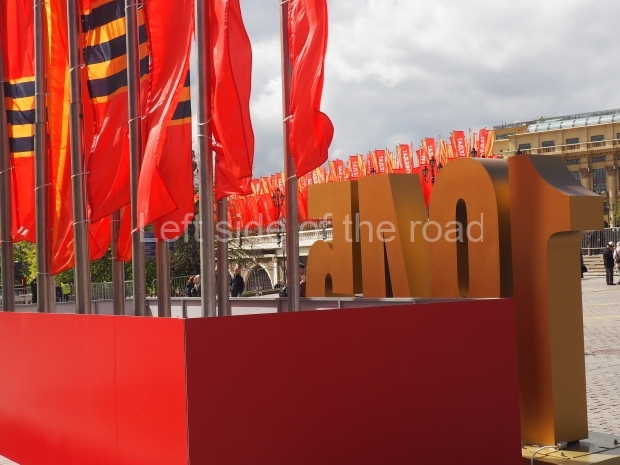
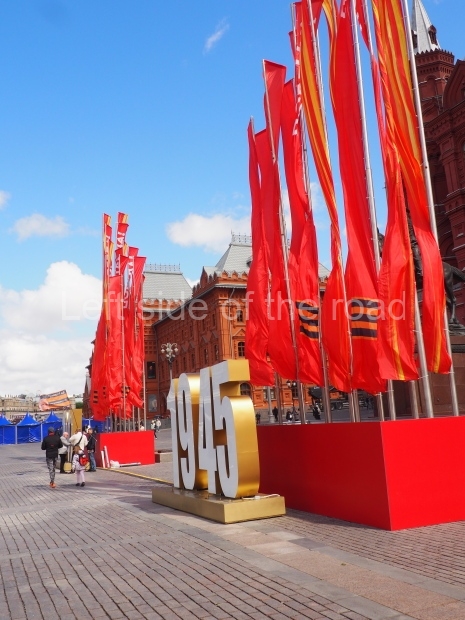
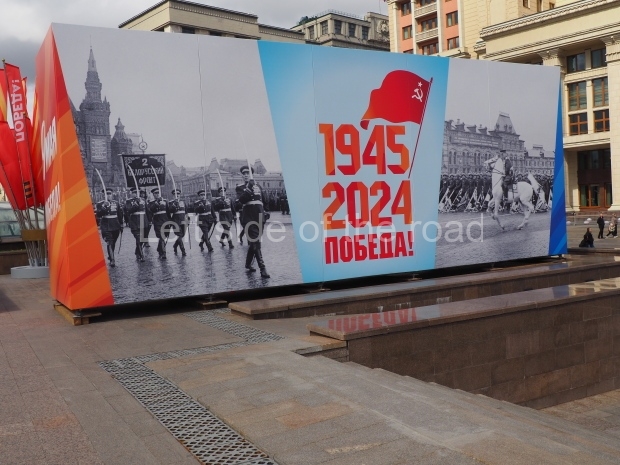
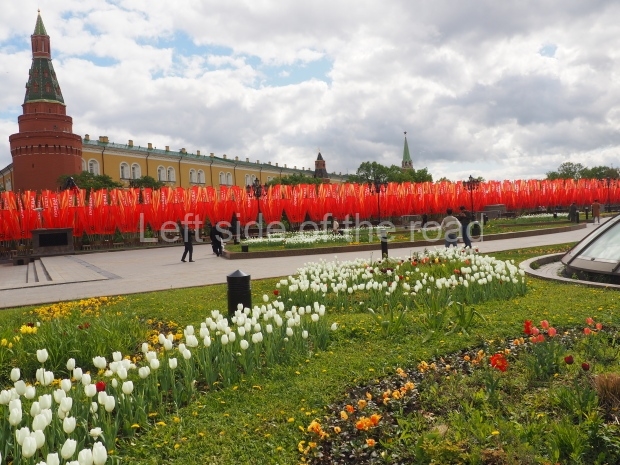
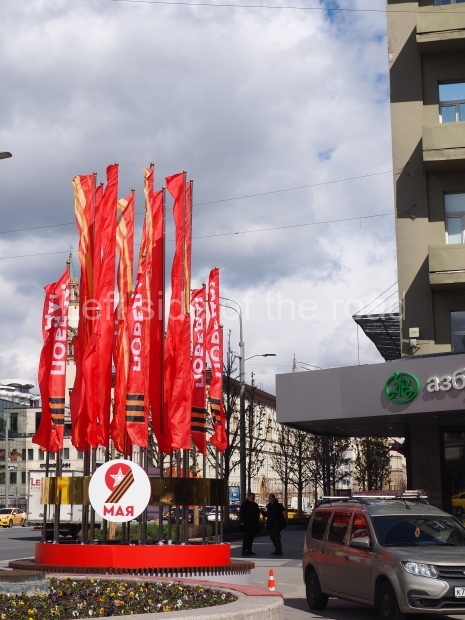
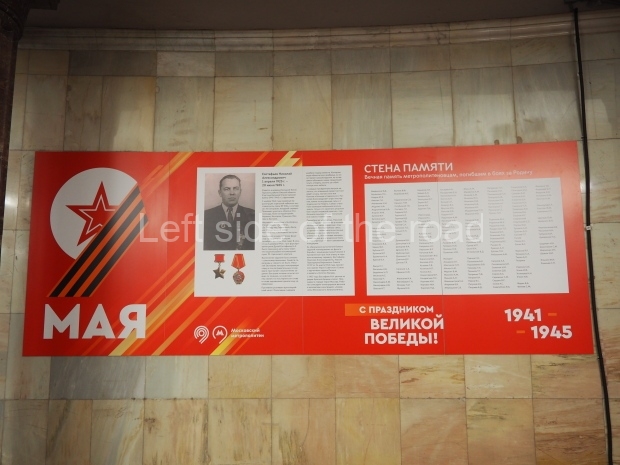
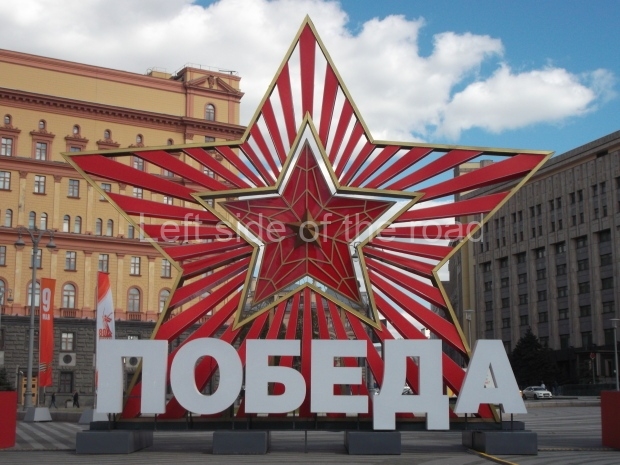
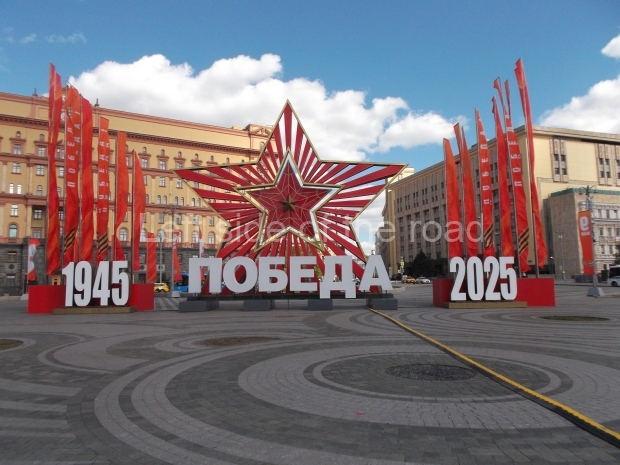
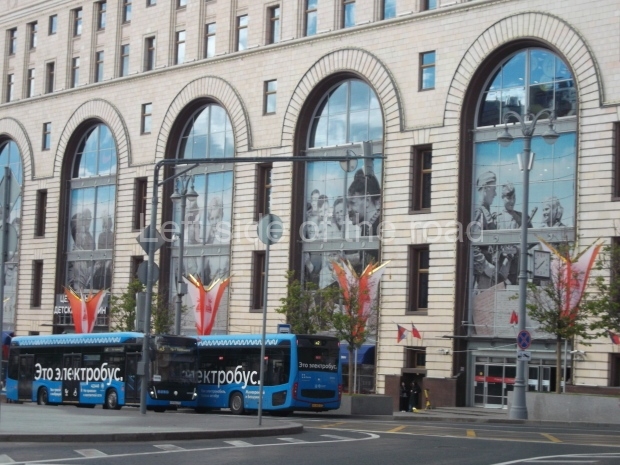
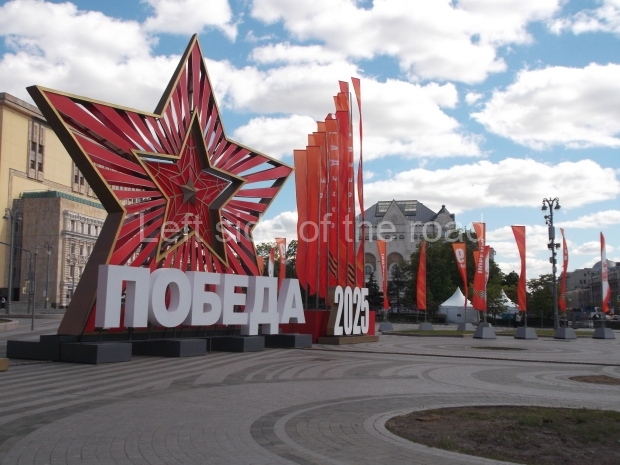
Whilst much of western Europe commemorate May 8th as the official end of the Second World War in the Soviet Union the date for the end of the Great Patriotic War was, and has been since 1945, May 9th. After the collapse of the Soviet Union at the end of 1991 the celebrations have been sporadic but in recent years Putin has realised there’s political capital to be made out of the event and it has now become a major affair, especially in Moscow, and under normal circumstances there would have been hundreds of thousands of Moscovites, covering four generations, on the streets today. It was only in the middle of April, when the covid-19 outbreak started to really take hold in Russia, that the planned parade was cancelled.

Soviet Troops – Berlin – 9th May 1945
Why the difference in the end of the same war?
When the defeat of the Nazi forces was only a matter of time the Fascist leadership after the death of Hitler started to play a bit of a game – deadly for those needlessly killed in the last 6 or 7 days of the conflict.
The Red Army was coming from the east like a steamroller, destroying everything in its path. The British/American et al were making equally fast progress from the west. By the beginning of May it wasn’t a matter of when the Fascists had to surrender it became to whom – and when. The Fascists knew they would be able to get the best deal for themselves if they negotiated with the allies coming from the west – after all British and American capitalism wasn’t that far removed from German Fascism. They knew they would get short shrift from the Soviets.

The Soviet flag flies above the Brandenberg Gate, Berlin
Somehow (and I don’t know if anyone ever discovered exactly how this was allowed to happen – the documents coming into German hands during the Ardennes Offensive – also called the Battle of the Bulge which came to an end in January 1945) the Fascists got hold of a map that had been drawn up which showed how Germany would be divided between the allies. With that knowledge Karl Dönitz’s, Hitler’s ‘appointed successor’, main task was to let the war drag on for as long as possible so as many Fascists as possible could escape into those sectors that would be under the control of the British, American or French forces.
To get an idea of Dönitz’s ideology a couple of quotes from national radio broadcasts in the early part of May 1945.
On 1st May, just after the broadcast of the news of Hitler’s death, Dönitz added the following;
‘My first task is to save Germany from destruction by the advancing Bolshevik enemy. It is to serve this purpose alone that the military struggle continues.’
For ‘Germany’ read as many as possible Nazis and Hitlerites.
A public broadcast, so these words and intentions would have been known by all the Allies’ commanders. Added to this Dönitz had never made a secret of his sympathies, being a staunch supporter of Hitler (so much so that even the normally paranoid and suspicious ‘Führer’ had designated him ‘heir apparent’), anti-Communist and anti-Semite.
(To show how correct the new Fascist leader was in his approach to surrender he was only given a 10 year prison sentence at the Nuremberg Trials (arguing the ‘just obeying orders’ defence) – then surviving till 1980 – whilst of those sent to negotiate with the western allies one (von Friedeburg) committed suicide and two (Jodl and Keitel) were hung.)

Soviet flag flies over the Reichstag, Berlin, May 1945
After the end of hostilities he wasn’t arrested in Flensburg (almost in Denmark), by British forces, until 23rd May. Why it took so long demonstrates the attitude of the western allies to the Nazis especially as, on the day the unconditional surrender was signed, he had made the following broadcast.
‘Comrades, we have been set back as thousand years in our history. Land that was German for a thousand years has now fallen into Russian hands … [but] despite today’s military breakdown, our people are unlike the Germany of 1918. They have not been split asunder. Whether we want to create another form of National Socialism or whether we conform to the life imposed upon us by the enemy, we should make sure that the unity given to us by National Socialism is maintained under all circumstances.’
But back to the machinations of the Nazis, in efforts to save as many of their kind as possible, and the collaboration in this by the top commanders of both the British and American armed forces. By Montgomery sticking to protocol (and sending the Fascist envoys to Eisenhower – the Allied Supreme Commander) and then Eisenhower giving the Nazis an extra 48 hours before borders were closed) an untold number of war criminals were allowed to escape to and then later prosper in the parts of the country controlled by the western allies. Although not breaking the letter of the agreement with the Soviets it certainly went against the spirit of those agreements. But then what do you expect?
After all the time wasting, game playing and vacillation the first unconditional surrender was signed in Rheims on 7th May. However, there was a very large and angry Red Army coming in from the east and on Stalin‘s insistence any final capitulation had to be signed in the presence of the Commander of the Red Army in Germany, Marshal Zhukov.
That unconditional surrender was signed just before midnight Central European Time on 8th May – which was already 9th May in Moscow – hence the difference in dates.
Celebrations in Moscow
News of the surrender was broadcast over the radio at around 02.00 Soviet time and people congregated in Red Square soon after. Although you rarely see pictures of the reaction to news of the end of the Great Patriotic War by the citizens of the Soviet Union Red Square was as full that day as Trafalgar Square in London or Time Square in New York.

For Motherland, for Stalin – 9th May 1945

Red Square – 9th May 1945

Red Square – 9th May 1945
I have read reference to, but haven’t been able to confirm it or seen photographic proof, that there was a simple ceremony later in the day of the 9th when captured standards of the Nazi army were thrown down on to the ground in front of the Lenin Mausoleum with Soviet leaders on the podium. This did happen, but the only time I know for certain when it did was during the Victory Parade which took place on 24th June 1945.
Early on the day of the 9th May, Comrade Stalin issued the following Order of the Day;
ORDER OF THE DAY, No. 369, OF MAY 9, 1945,
Addressed to the Red Army and Navy
ON May 8, 1945, in Berlin, representatives of the German High Command signed the instrument of unconditional surrender of the German armed forces.
The Great Patriotic War which the Soviet people waged against the German-fascist invaders is victoriously concluded. Germany is utterly routed.
Comrades, Red Army men, Red Navy men, sergeants, petty officers, officers of the army and navy, generals, admirals and marshals, I congratulate you upon the victorious termination of the Great Patriotic War.
To mark complete victory over Germany, to-day, May 9, the day of victory, at 22.00 hours (Moscow time), the capital of our Motherland, Moscow, on behalf of the Motherland, shall salute the gallant troops of the Red Army, the ships and units of the Navy, which have won this brilliant victory, by firing thirty artillery salvoes from one thousand guns.
Eternal glory to the heroes who fell in the fighting for the freedom and independence of our Motherland!
Long live the victorious Red Army and Navy!
J. STALIN
Supreme Commander-in-Chief, Marshal of the Soviet Union
Moscow
[30 salvoes from a thousand guns – that’s quite a firework display!]

The end of the Great Patriotic War celebrated in Moscow’s Red Square, May 9, 1945
Joseph Stalin’s Victory Speech
Broadcast from Moscow at 20.00 hours (Moscow time) on May 9, 1945
COMRADES! Men and women compatriots!
The great day of victory over Germany has come. Fascist Germany, forced to her knees by the Red Army and the troops of our Allies, has acknowledged herself defeated and declared unconditional surrender.
On May 7 the preliminary protocol on surrender was signed in the city of Rheims. On May 8 representatives of the German High Command, in the presence of representatives of the Supreme Command of the Allied troops and the Supreme Command of the Soviet Troops, signed in Berlin the final act of surrender, the execution of which began at 24.00 hours on May 8.
Being aware of the wolfish habits of the German ringleaders, who regard treaties and agreements as empty scraps of paper, we have no reason to trust their words. However, this morning, in pursuance of the act of surrender, the German troops began to lay down their arms and surrender to our troops en masse. This is no longer an empty scrap of paper. This is actual surrender of Germany’s armed forces. True, one group of German troops in the area of Czechoslovakia is still evading surrender. But I trust that the Red Army will be able to bring it to its senses.
Now we can state with full justification that the historic day of the final defeat of Germany, the day of the great victory of our people over German imperialism has come.
The great sacrifices we made in the name of the freedom and independence of our Motherland, the incalculable privations and sufferings experienced by our people in the course of the war, the intense work in the rear and at the front, placed on the altar of the Motherland, have not been in vain, and have been crowned by complete victory over the enemy. The age-long struggle of the Slav peoples for their existence and their independence has ended in victory over the German invaders and German tyranny.
Henceforth the great banner of the freedom of the peoples and peace among peoples will fly over Europe.
Three years ago Hitler declared for all to hear that his aims included the dismemberment of the Soviet Union and the wresting from it of the Caucasus, the Ukraine, Byelorussia, the Baltic lands and other areas. He declared bluntly; ‘We will destroy Russia so that she will never be able to rise again.’ This was three years ago. However, Hitler’s crazy ideas were not fated to come true-the progress of the war scattered them to the winds. In actual fact the direct opposite of the Hitlerites’ ravings has taken place. Germany is utterly defeated. The German troops are surrendering. The Soviet Union is celebrating Victory, although it does not intend either to dismember or to destroy Germany.
Comrades! The Great Patriotic War has ended in our complete victory. The period of war in Europe is over. The period of peaceful development has begun.
I congratulate you upon victory, my dear men and women compatriots!
Glory to our heroic Red Army, which upheld the independence of our Motherland and won victory over the enemy!
Glory to our great people, the people victorious!
Eternal glory to the heroes who fell in the struggle against the enemy and gave their lives for the freedom and happiness of our people!
[Personally I would have liked Comrade Stalin to have added;
Long Live Socialism,
Long Live Marxism-Leninism.]

Soviet Victory Parade
Victory Parade, 24th June 1945
The Moscow Victory Parade of 1945 was a held by the Soviet army (with a small squad from the Polish army) after the defeat of Nazi Germany in the Great Patriotic War. It took place in the Soviet capital, mostly centring around a military parade through Red Square. The parade took place on a rainy June 24, 1945, and it was during this parade that the Nazi standards were definitely thrown on the ground in front of the Lenin Mausoleum, with Stalin and other Soviet leaders of the podium.

The fate of Nazism
Some of these standards were, for many years, inside a huge glass case on the floor of one of the rooms of the Revolution Museum in Moscow, close to the then Pravda offices and the Mayakovsky Metro station.
After 1991 this museum went through a number of changes and has little to merit a visit today (or at least it didn’t at the end of 2017). I understand that some (or all) of these standards are currently in the Central Armed Forces Museum in Moscow. If or how they are displayed would be interesting. When I saw them in the early 1970s I liked the idea they were in a jumble (thought well organsiaed jumble) on the floor – as they were at the Victory Parade in 1945. ‘Trophies of war’ are often displayed in the way they would have been when in the hands of their original producers – that was not the fate for the Nazi symbols in the Soviet Union.
More on the ‘Revolutionary Year’