The ‘Archive’ Exhibition at the Tirana Art Gallery

The singing partisan

The singing partisan

More on Albania …..

View of the world

Ukraine – what you’re not told

The ‘Archive’ Exhibition at the Tirana Art Gallery

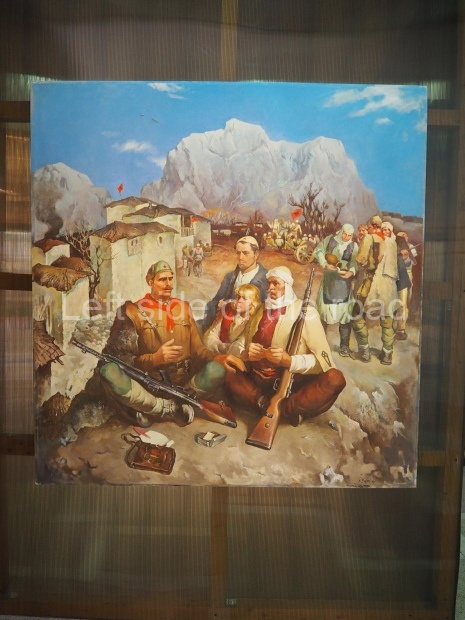
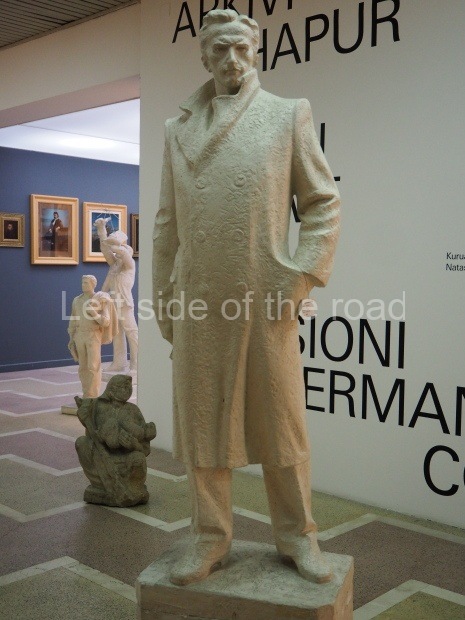
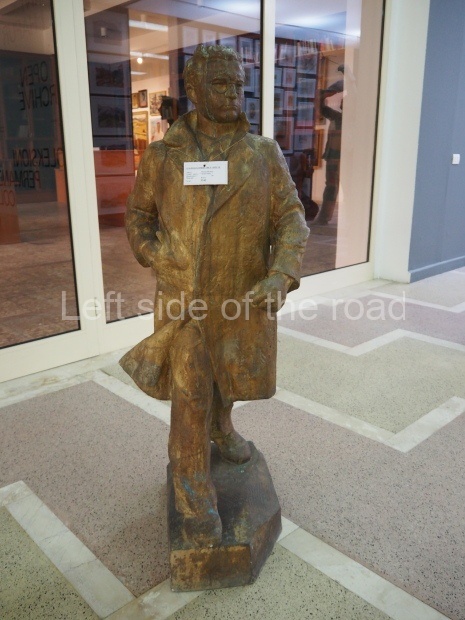
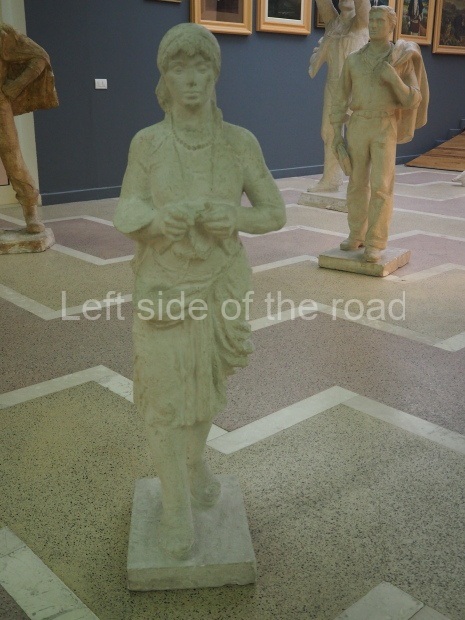
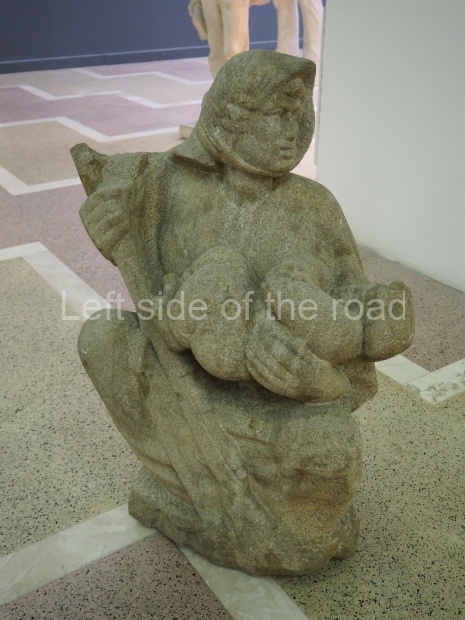
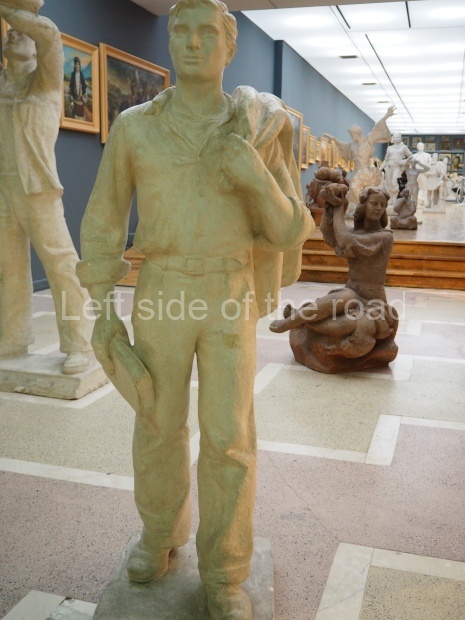
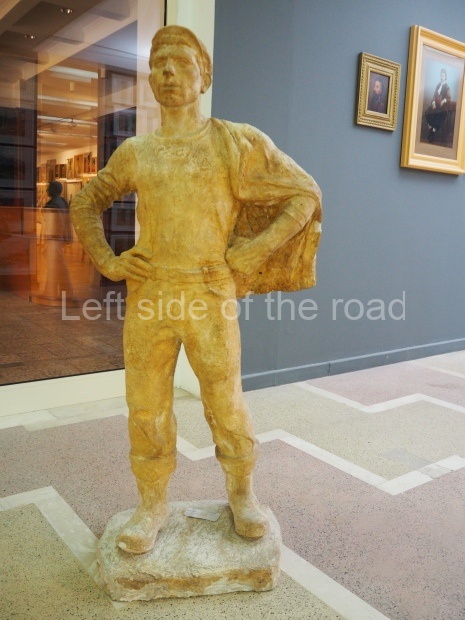
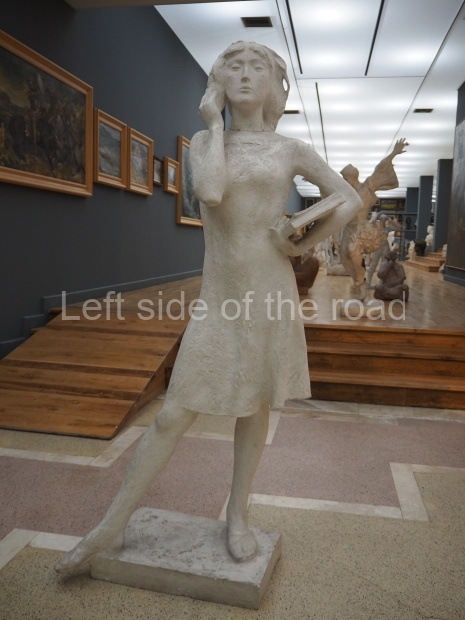
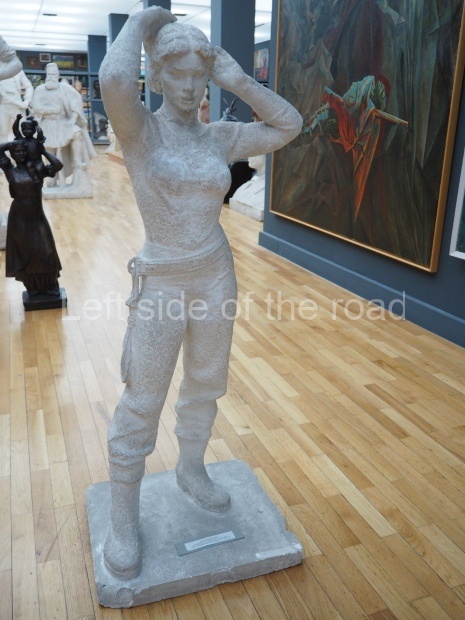
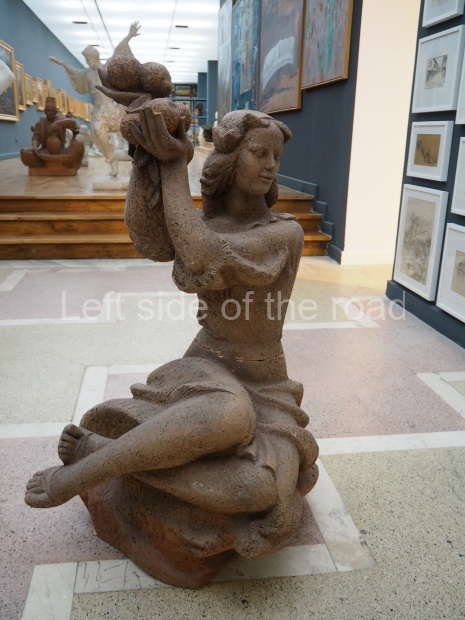
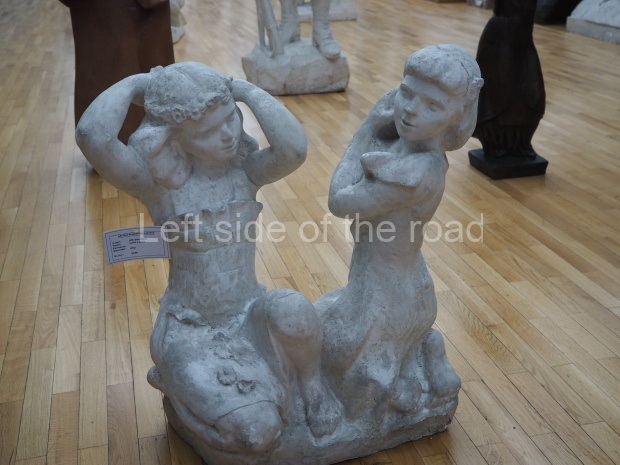
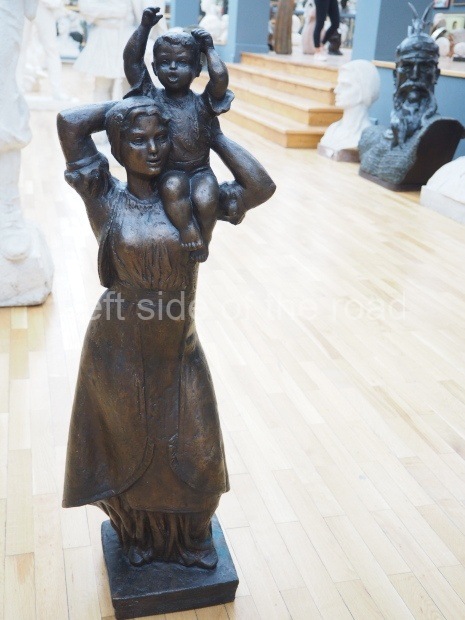
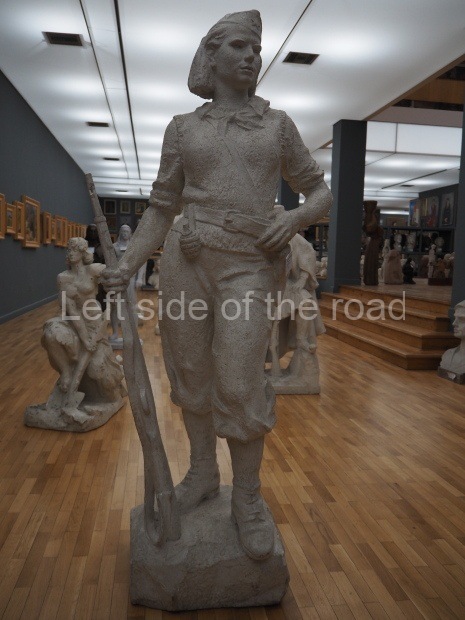
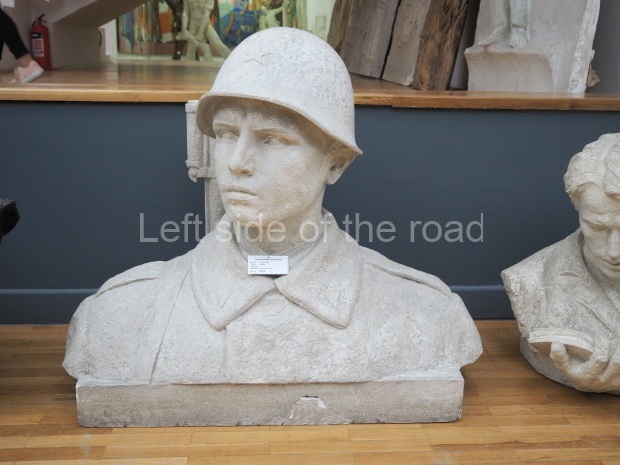
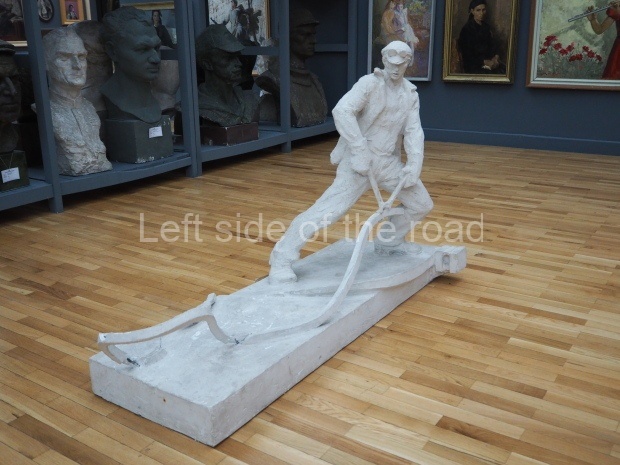
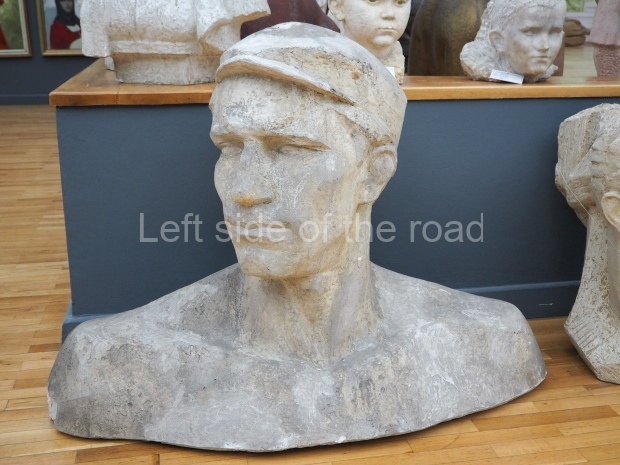
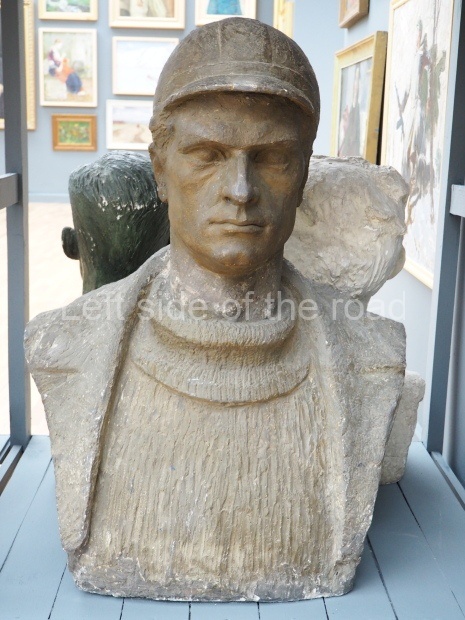
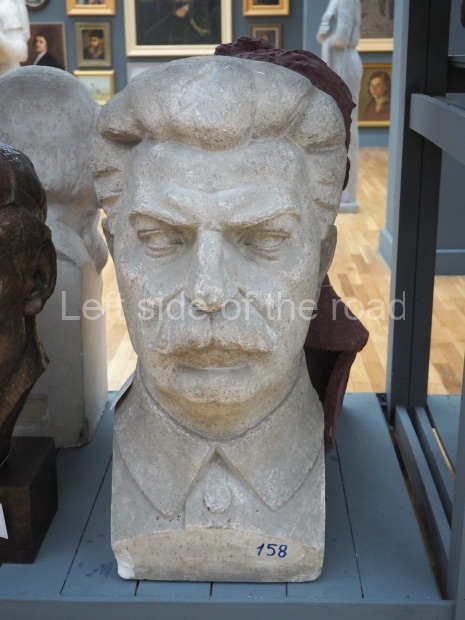
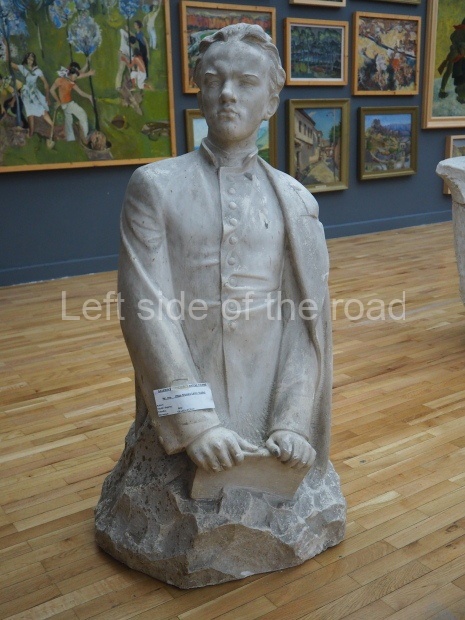
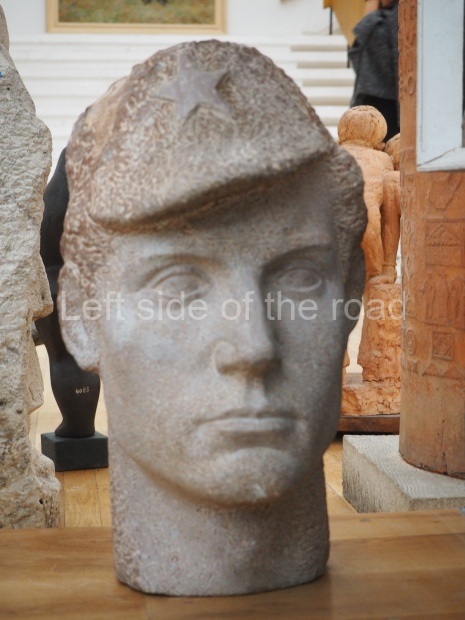
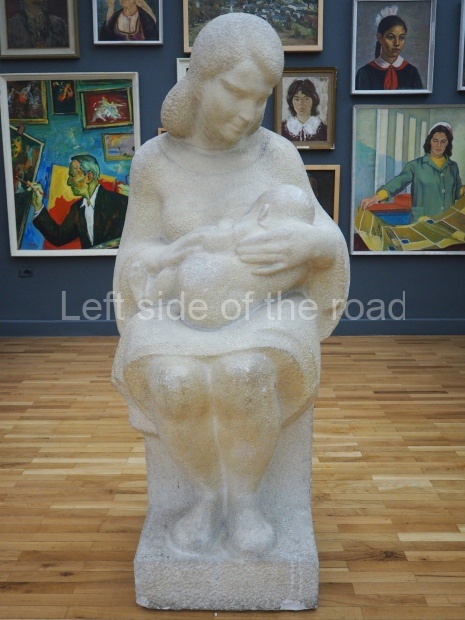
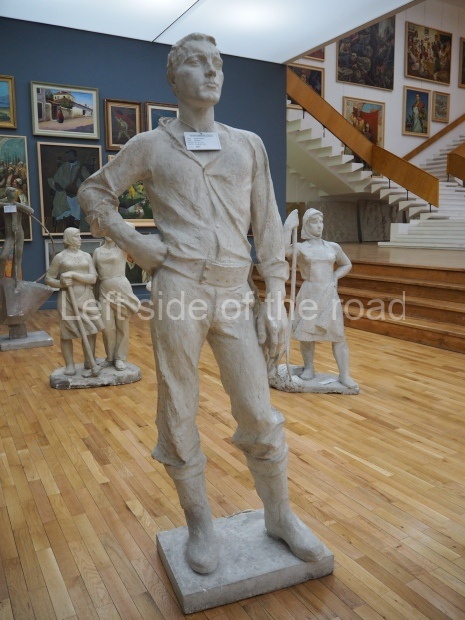
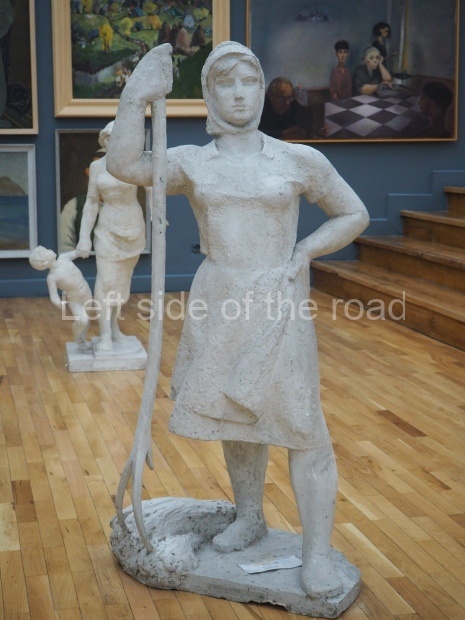
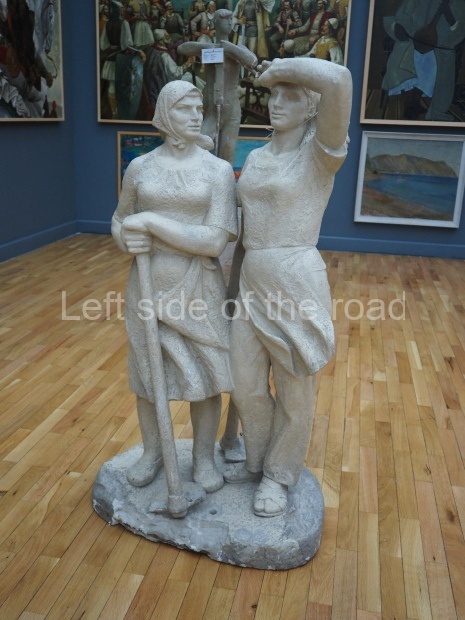
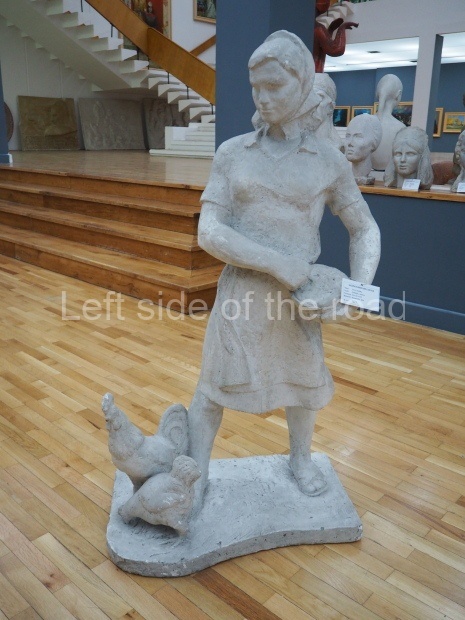
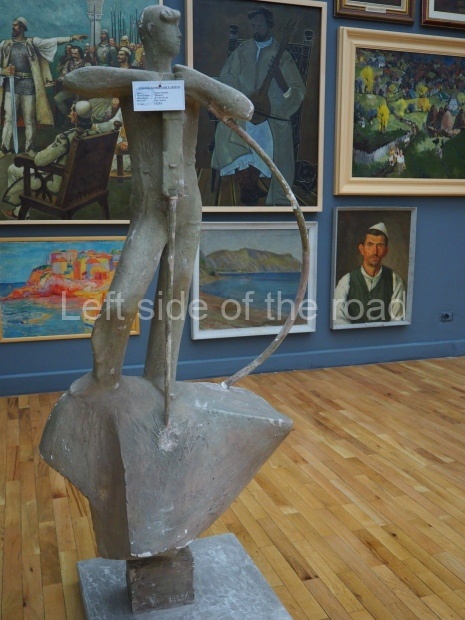
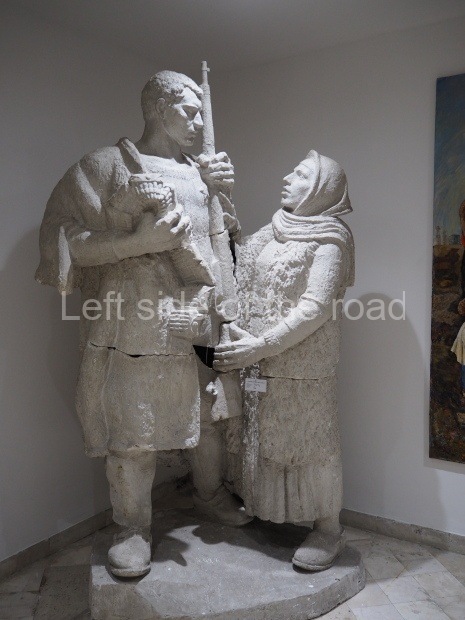
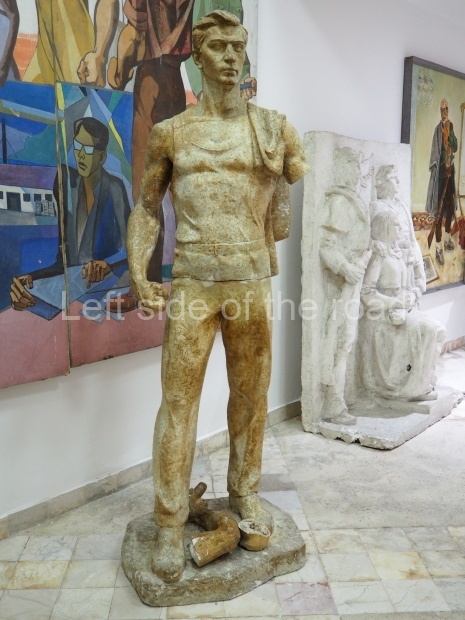
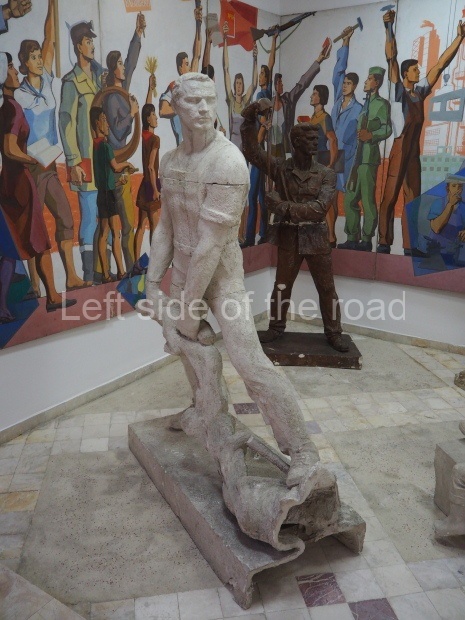
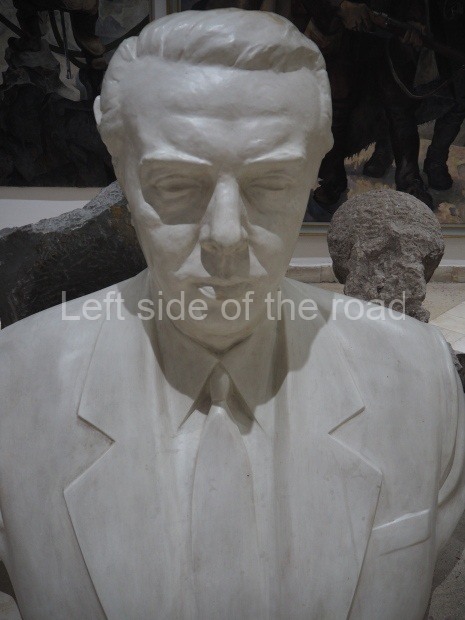
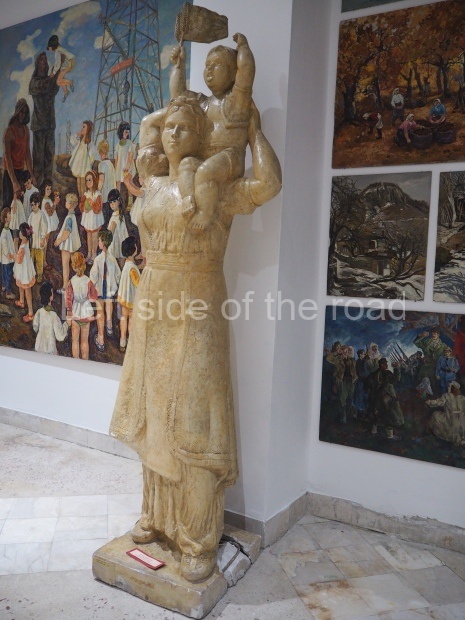
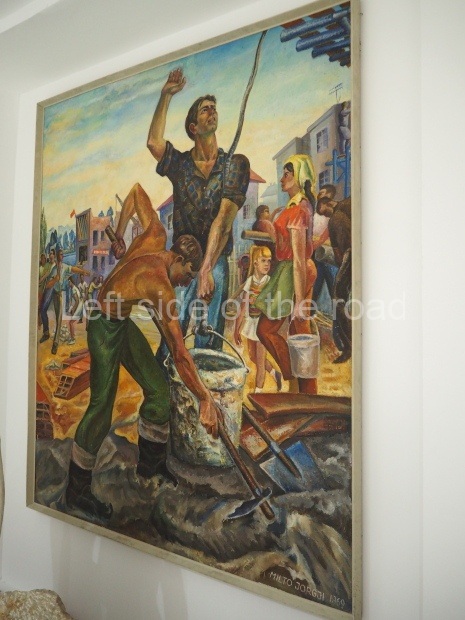
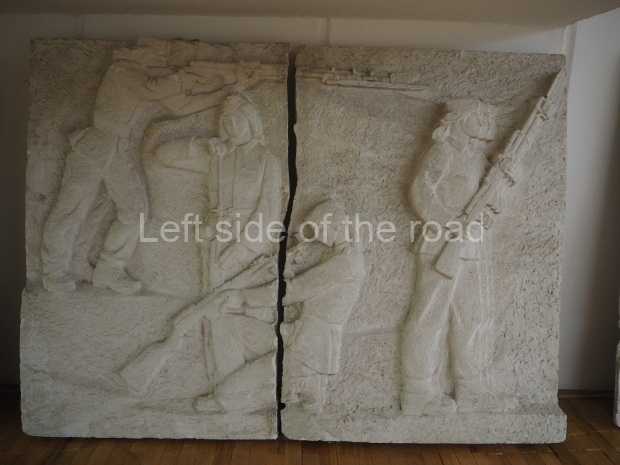
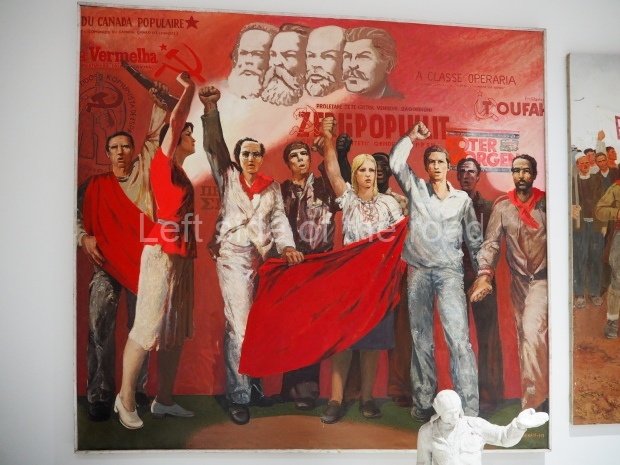
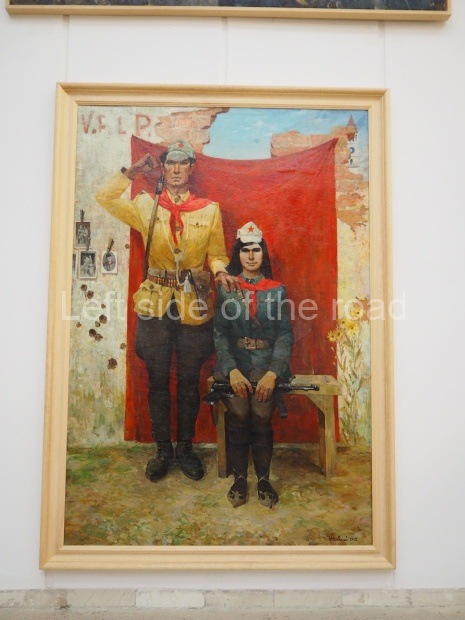
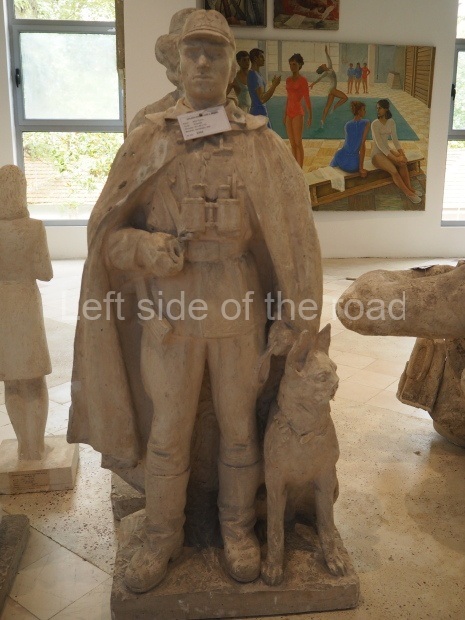
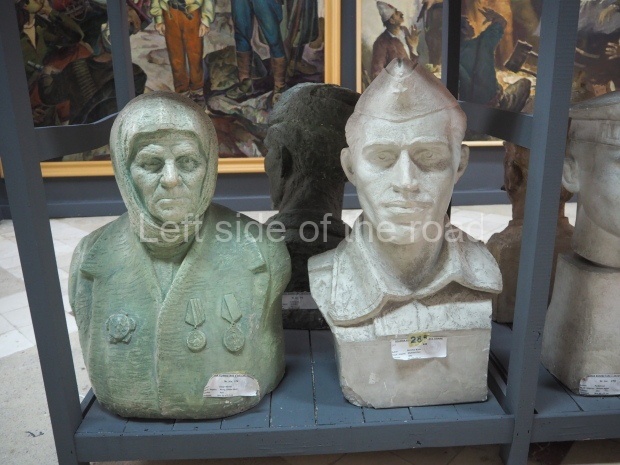
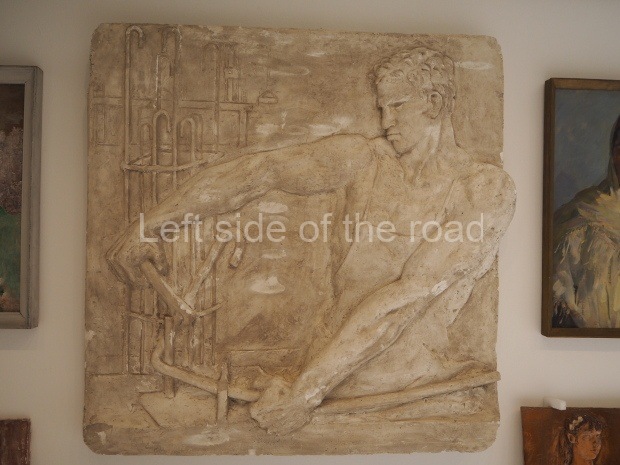
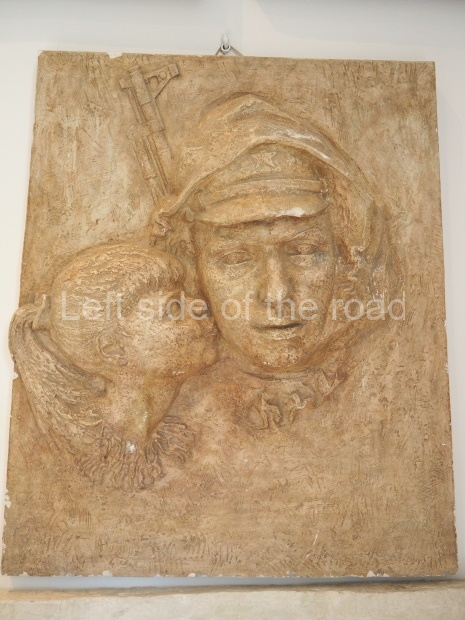
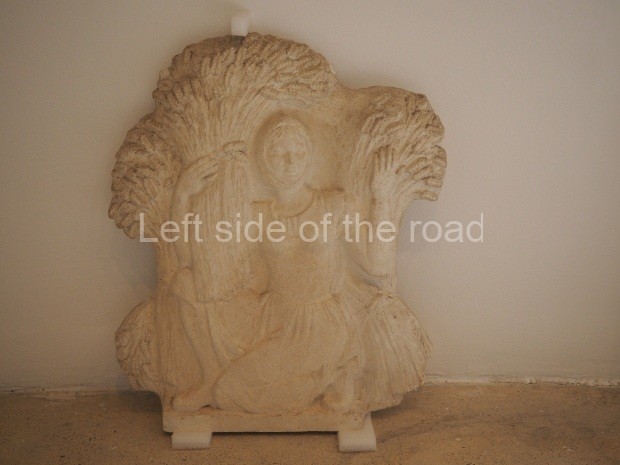
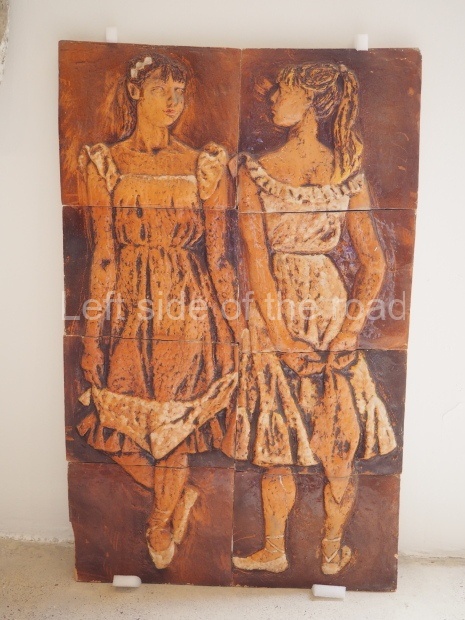
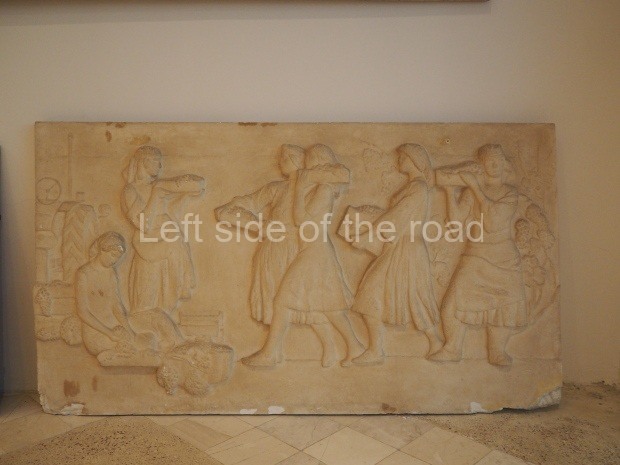
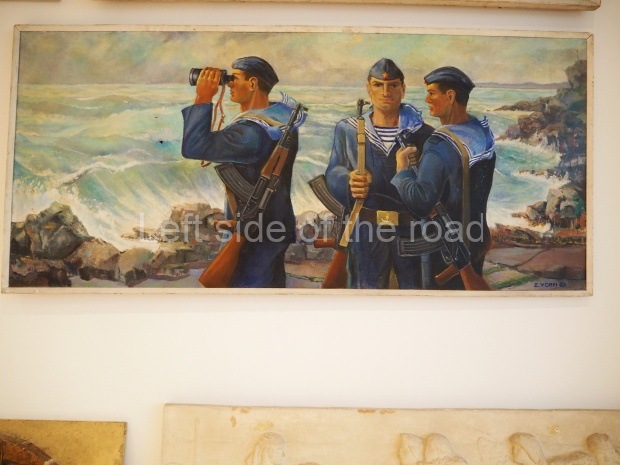
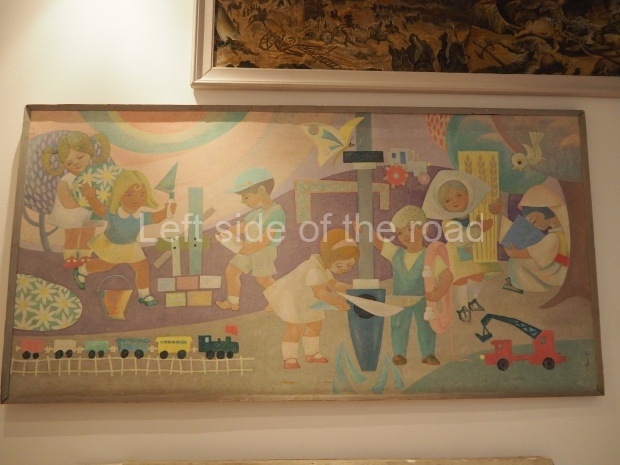
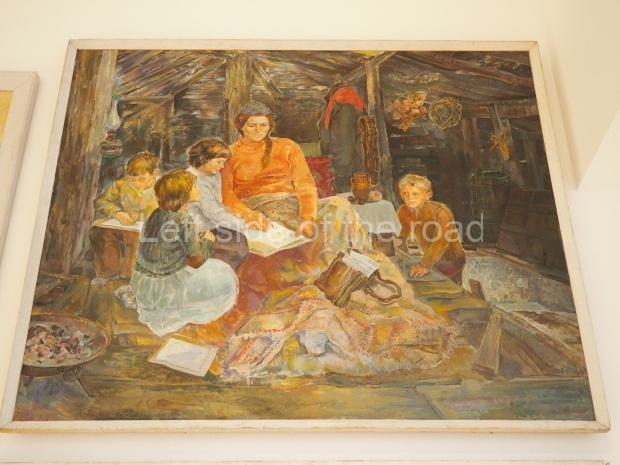
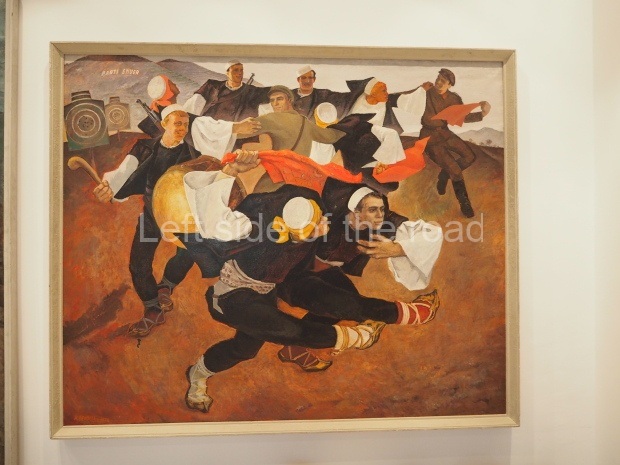
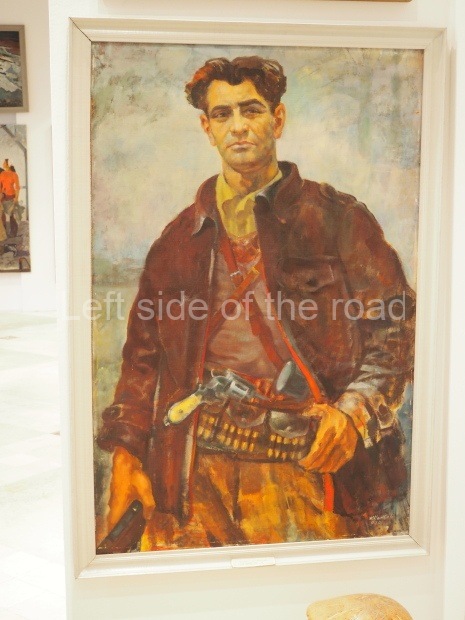
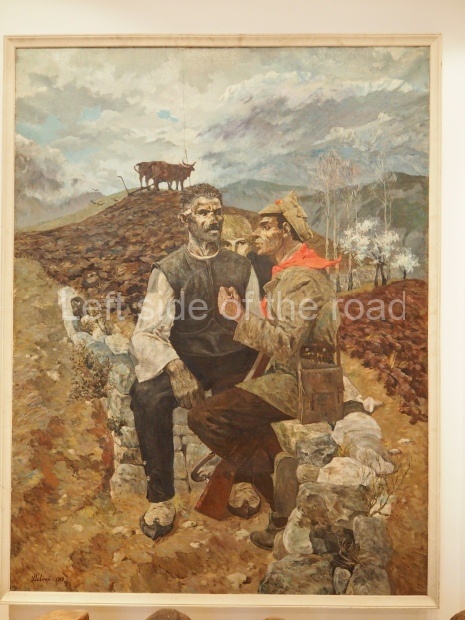
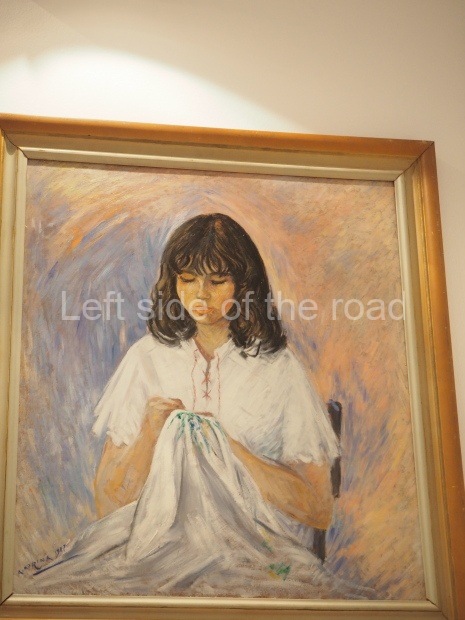
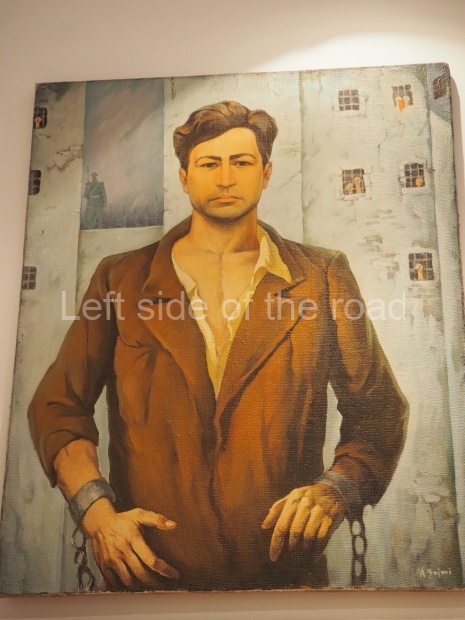
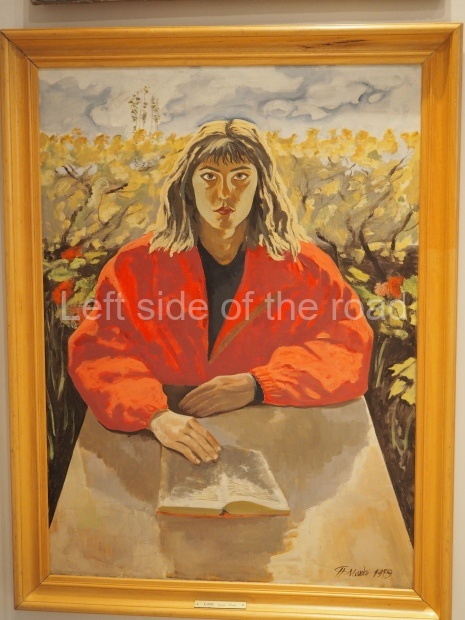
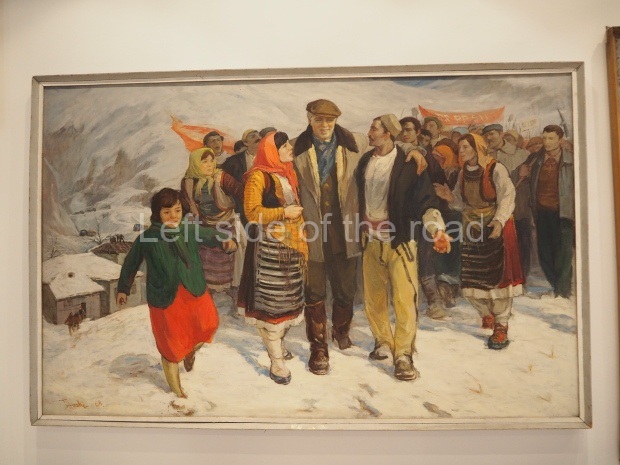
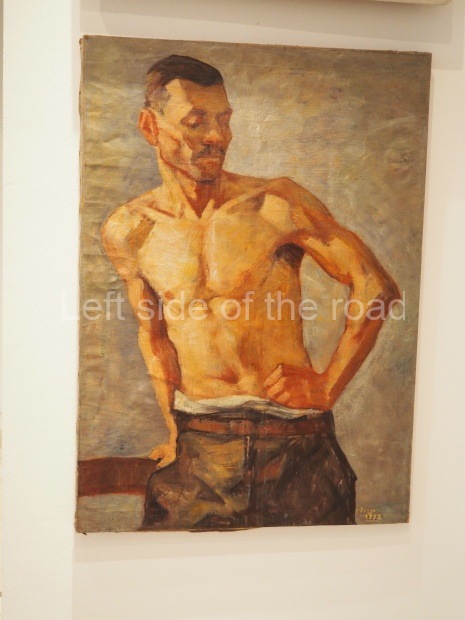
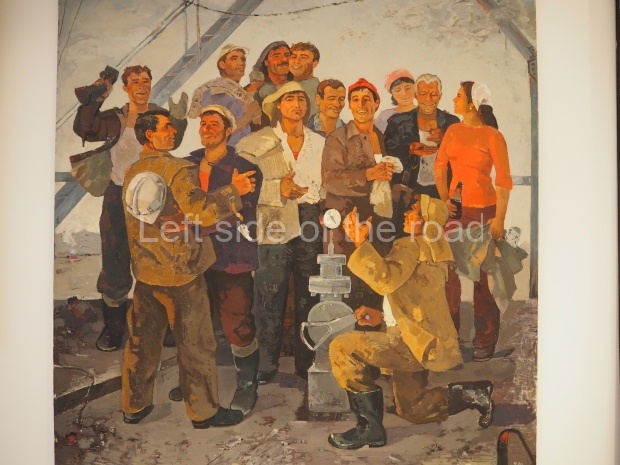
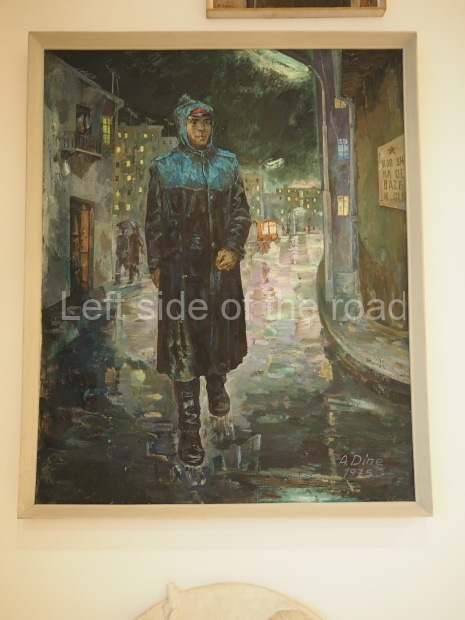
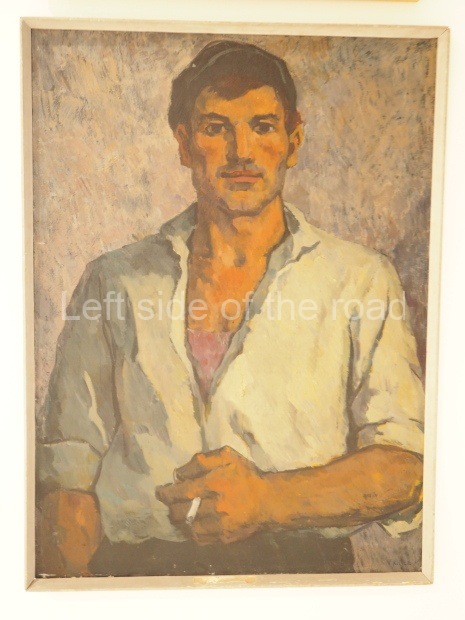
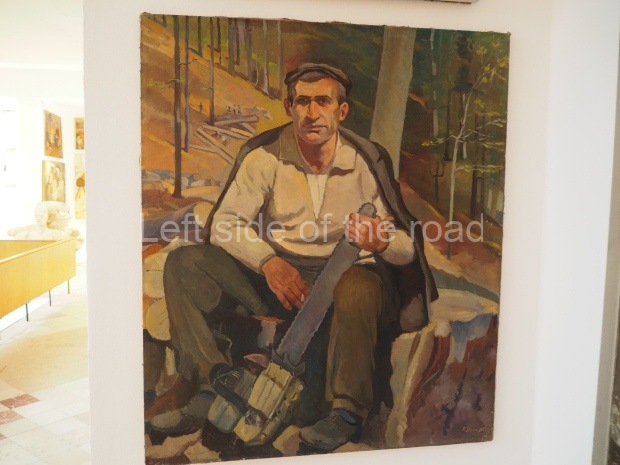
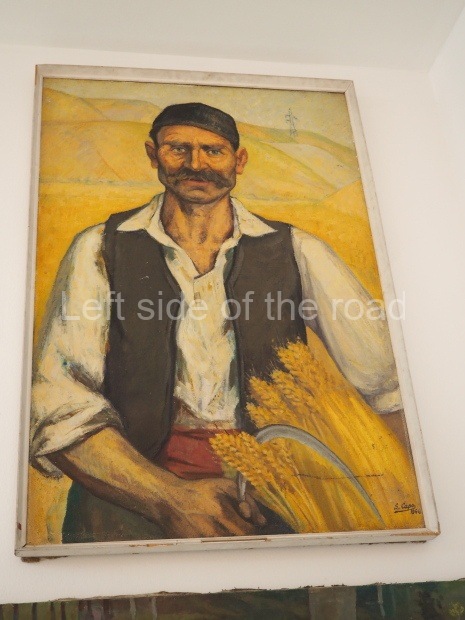
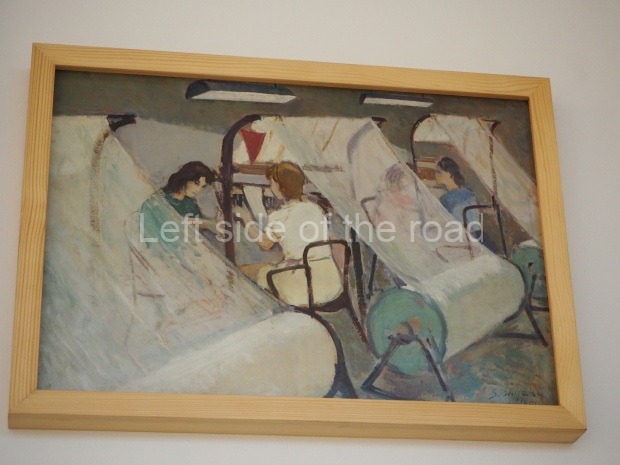
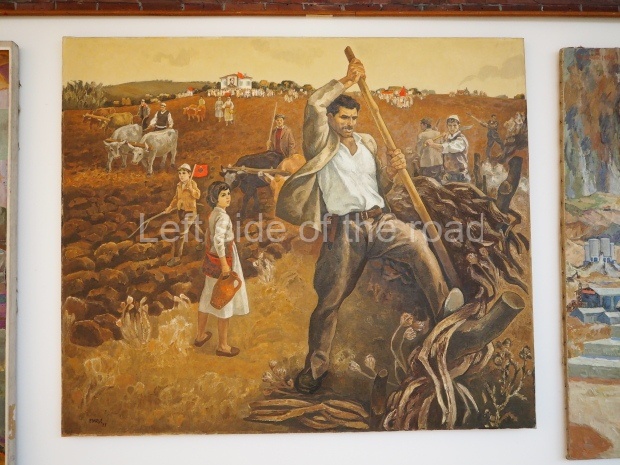
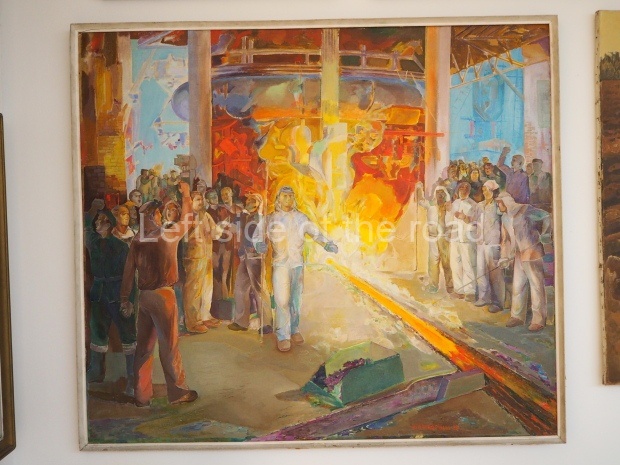
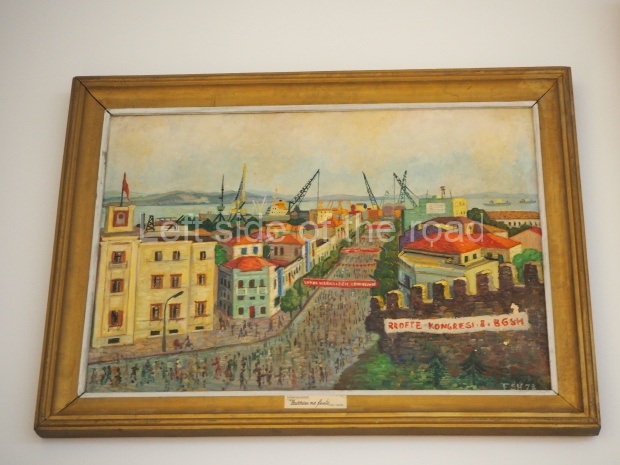
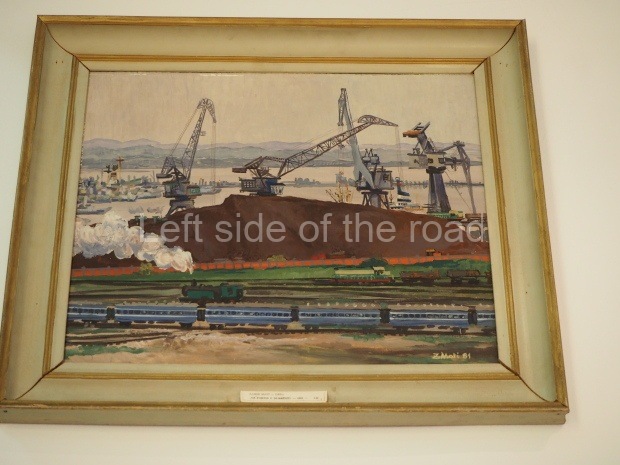
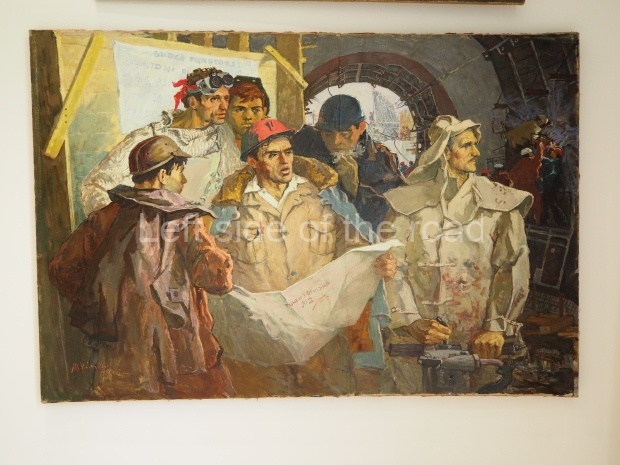
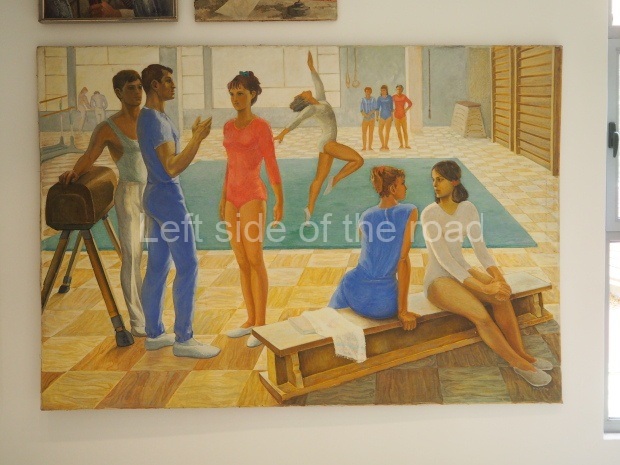
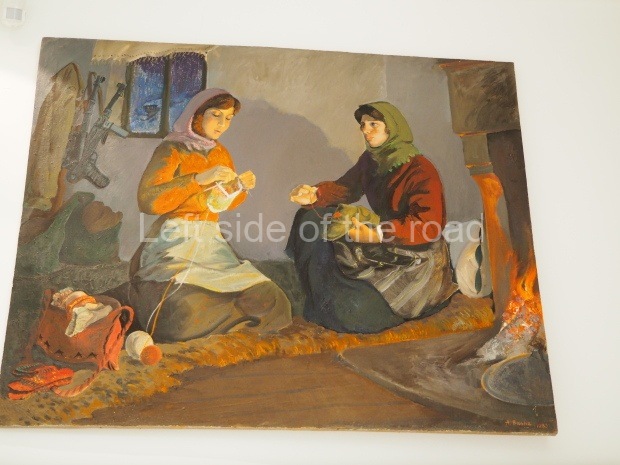
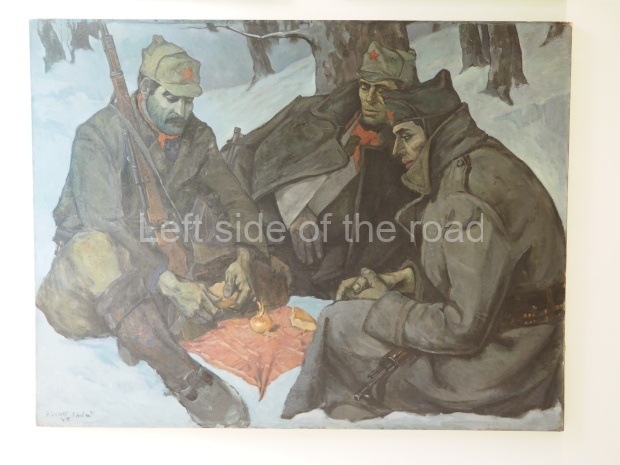
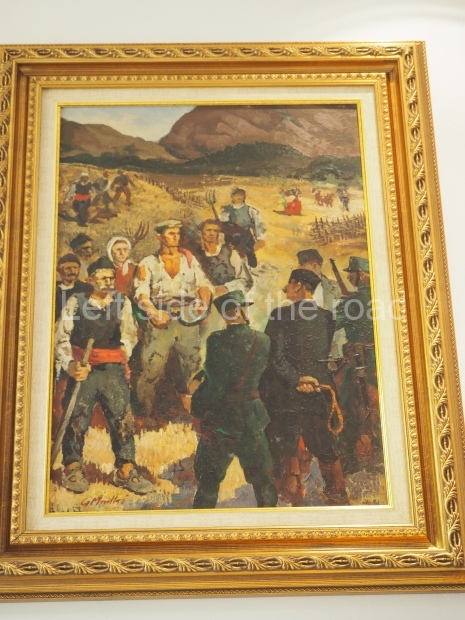
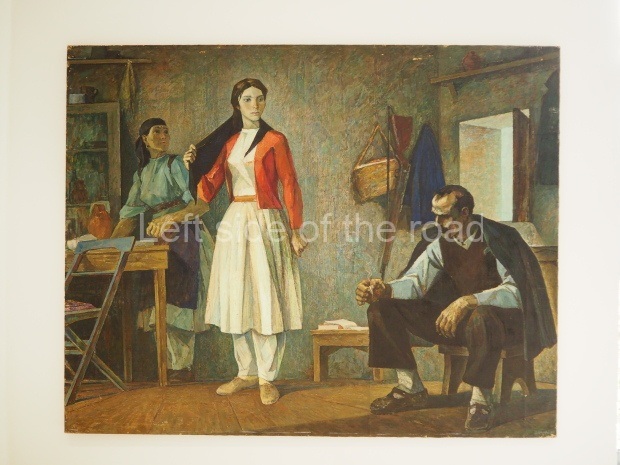
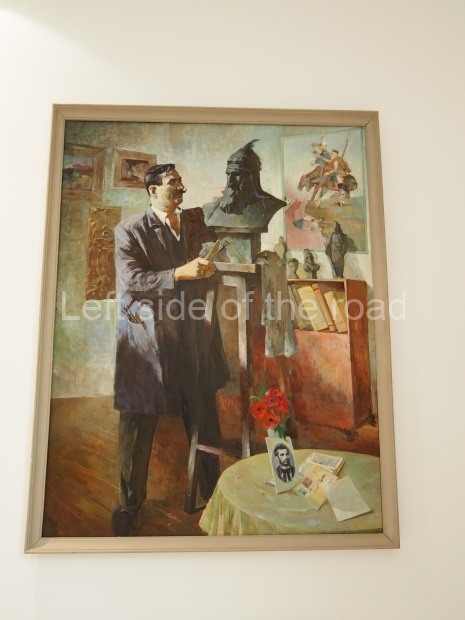
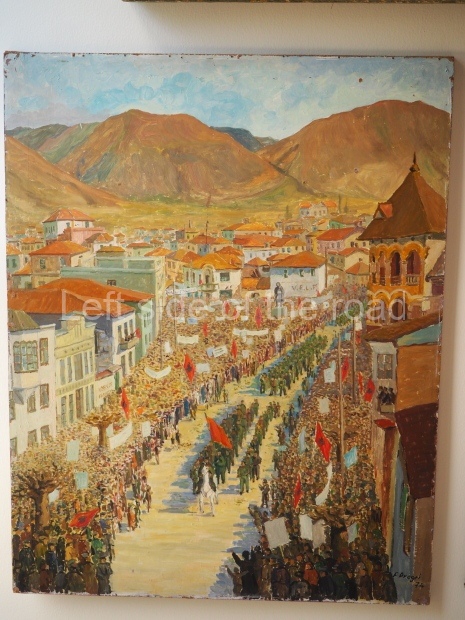
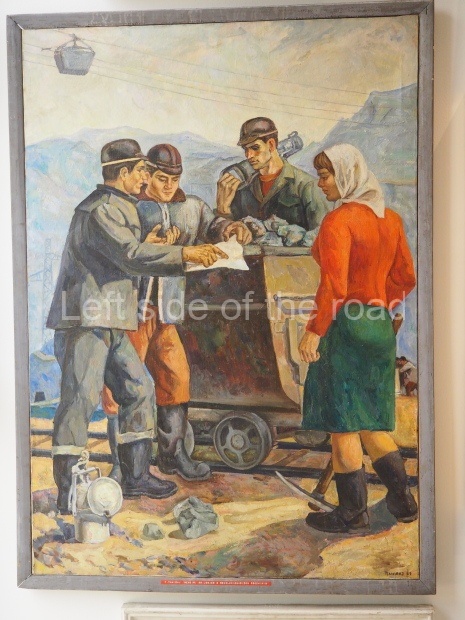
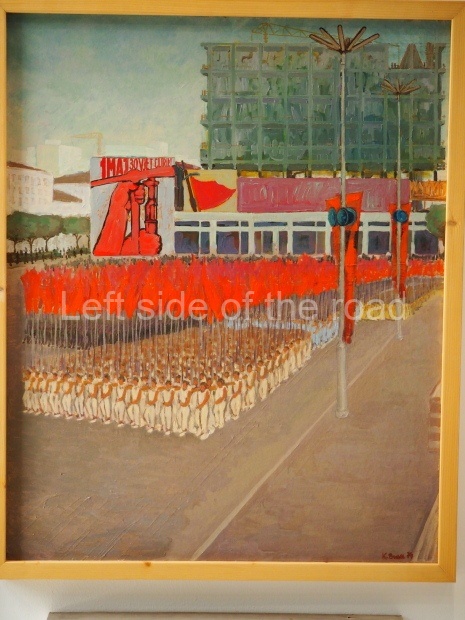
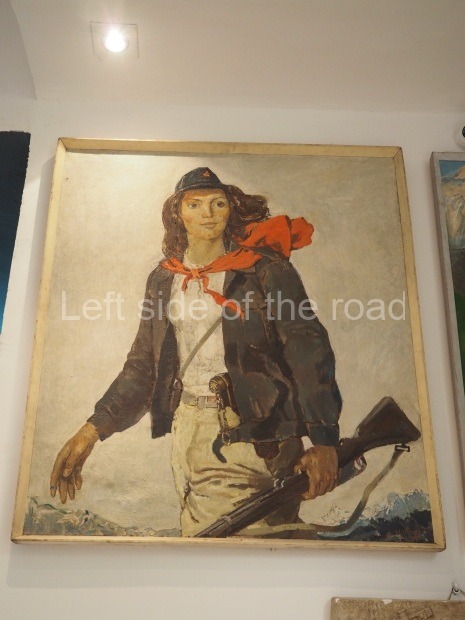
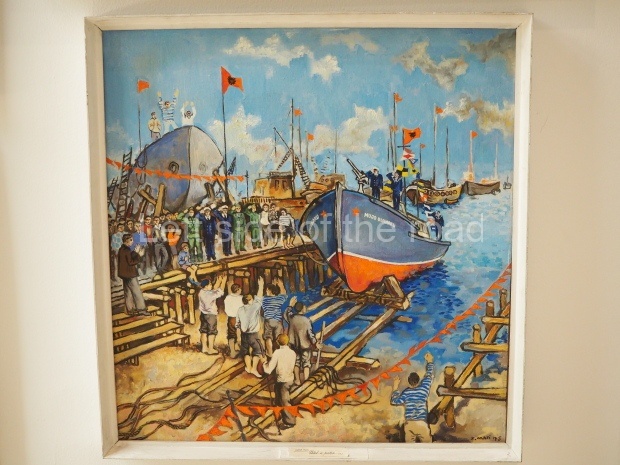
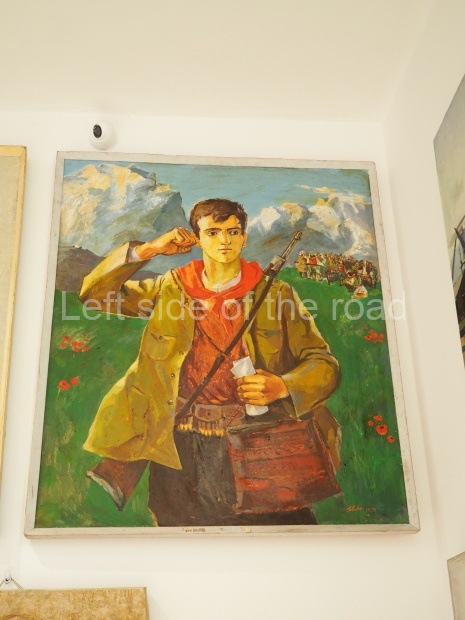
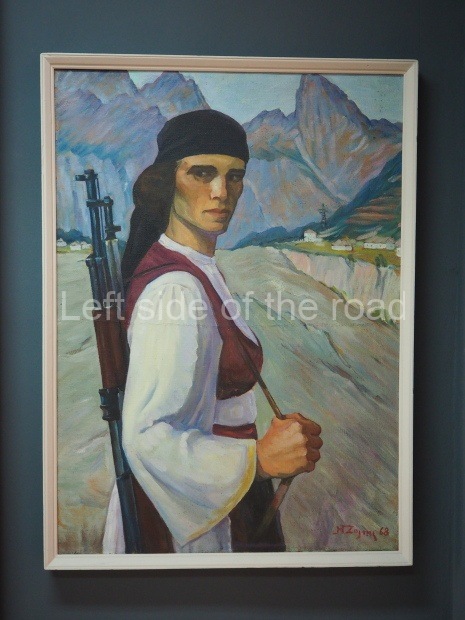
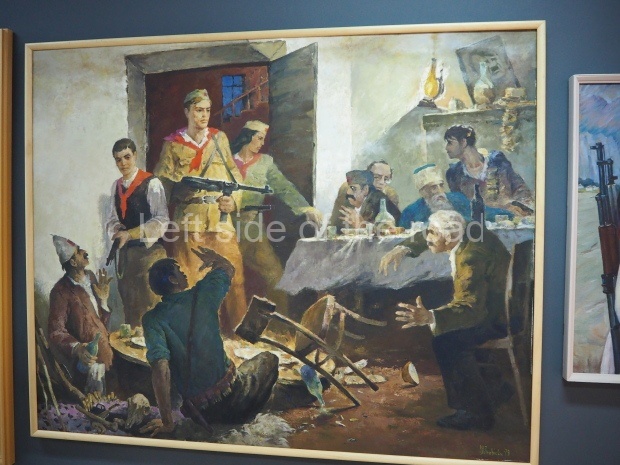
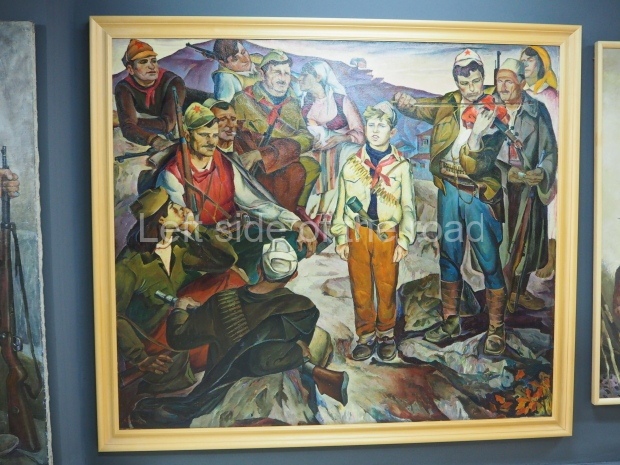
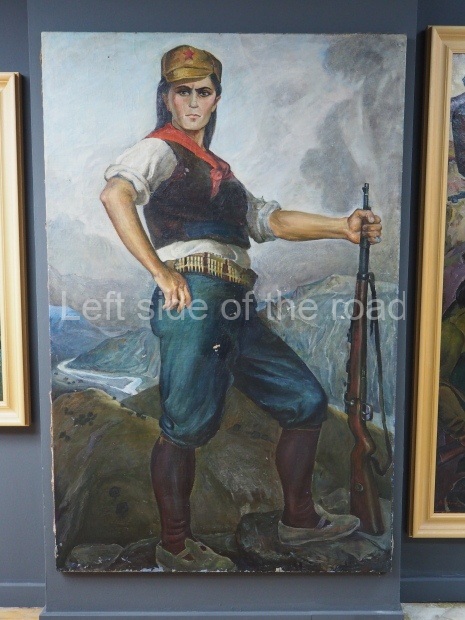
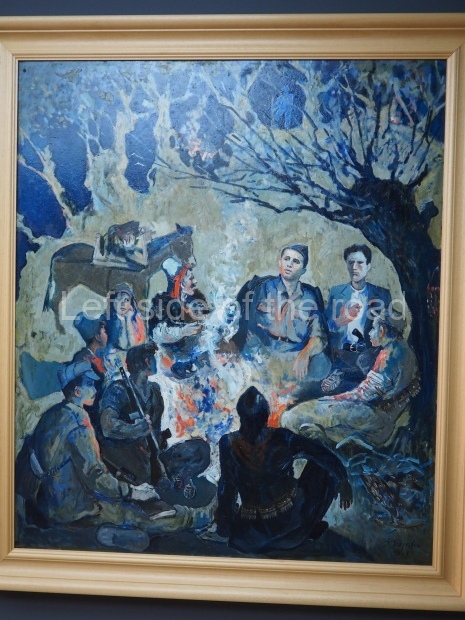
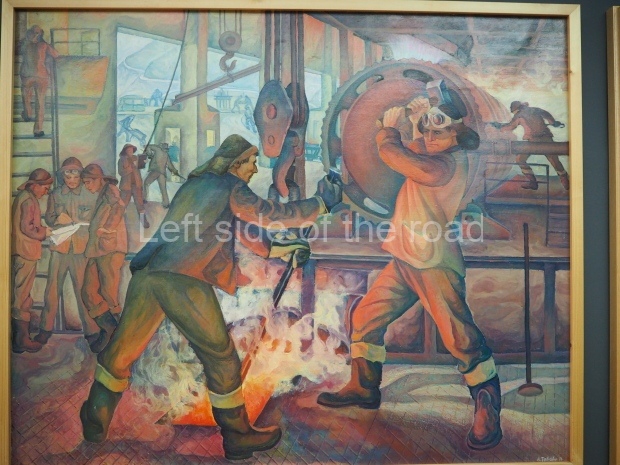
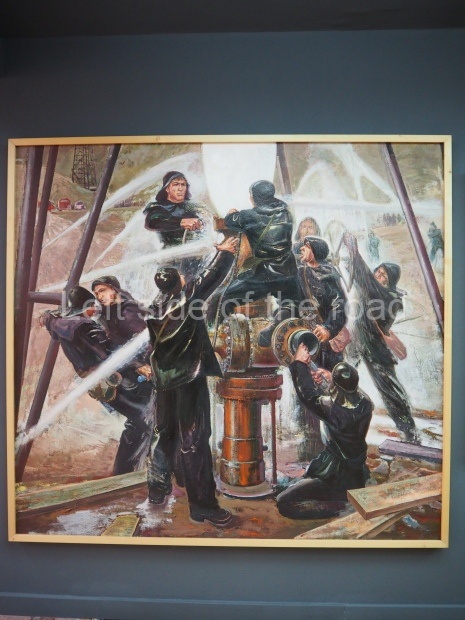
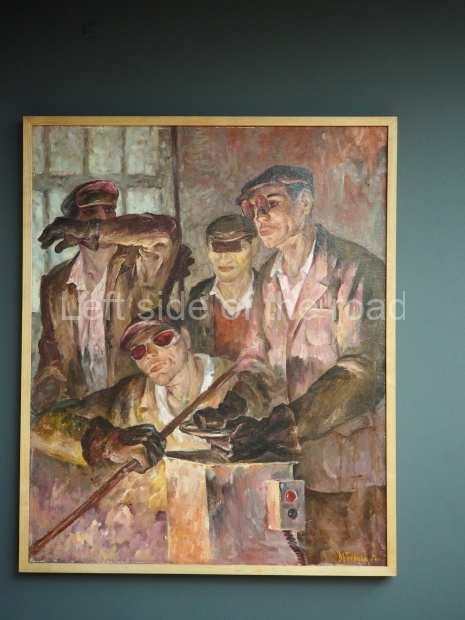
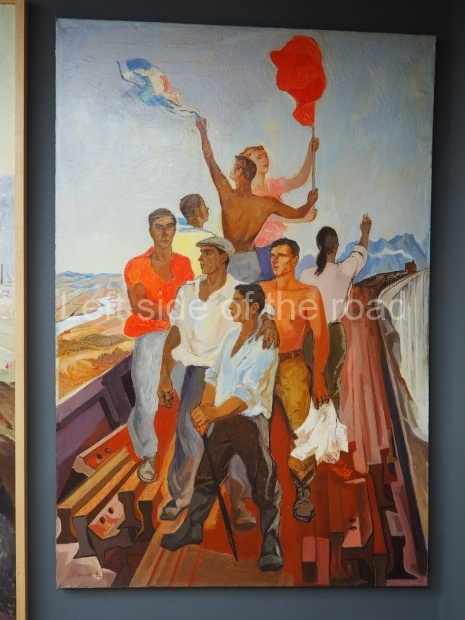
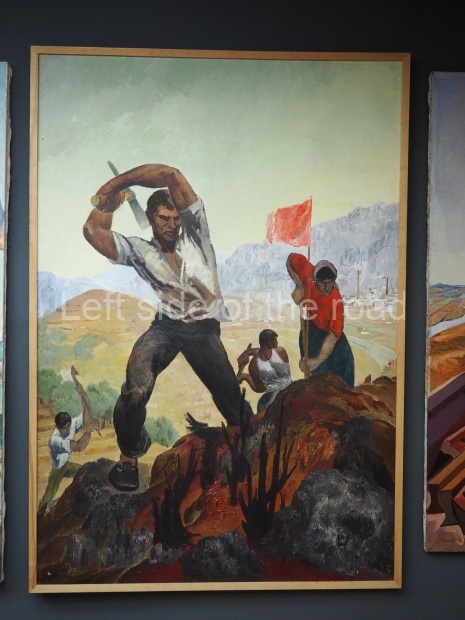
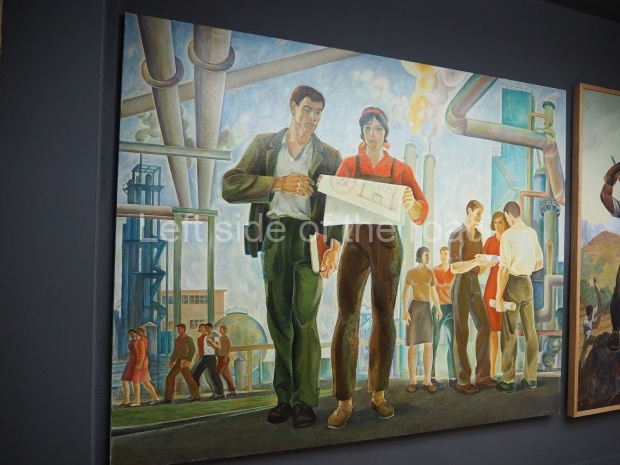
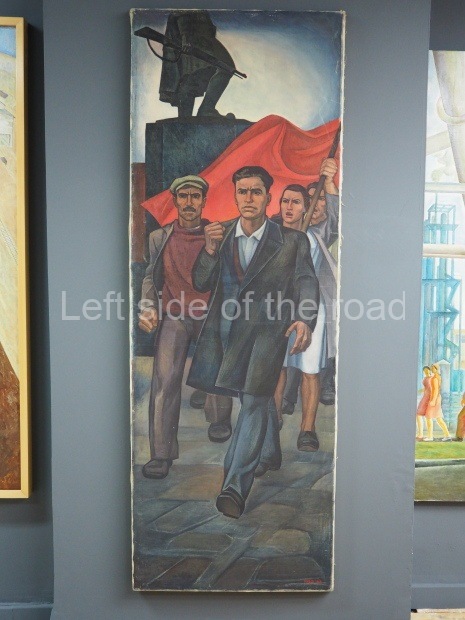
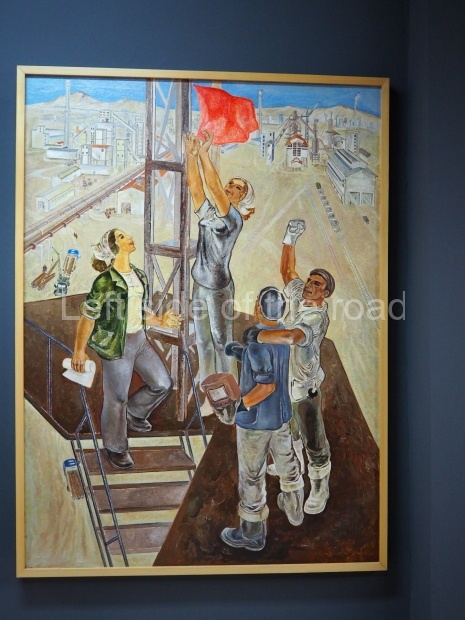
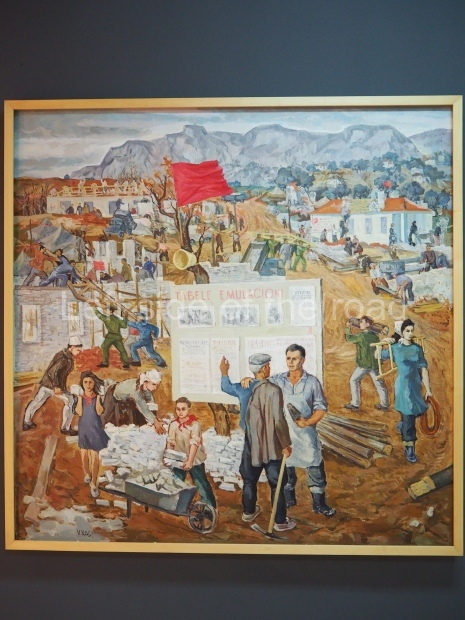
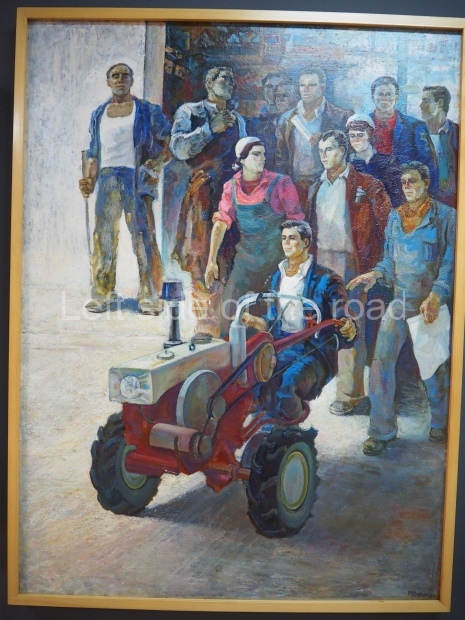
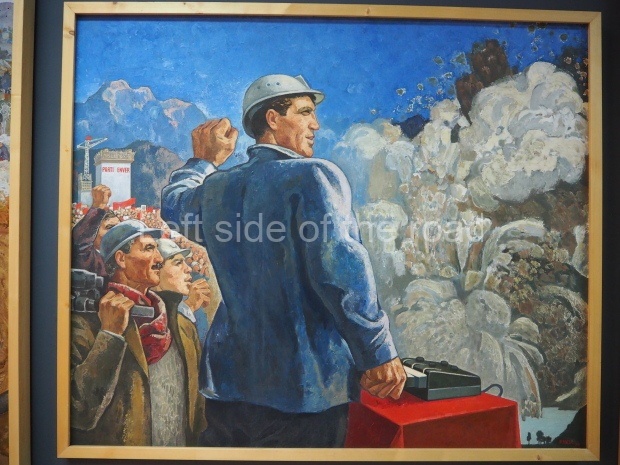
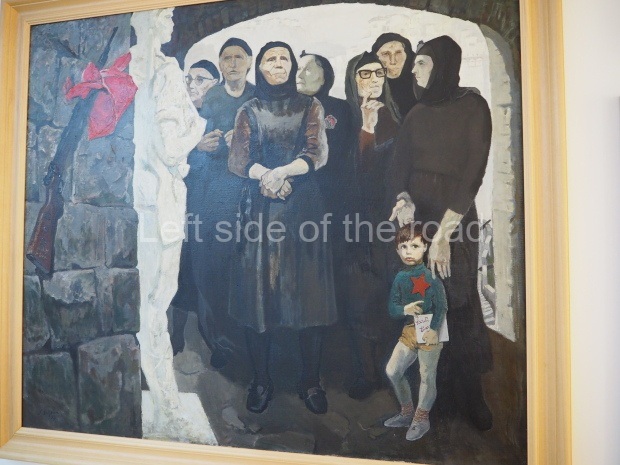
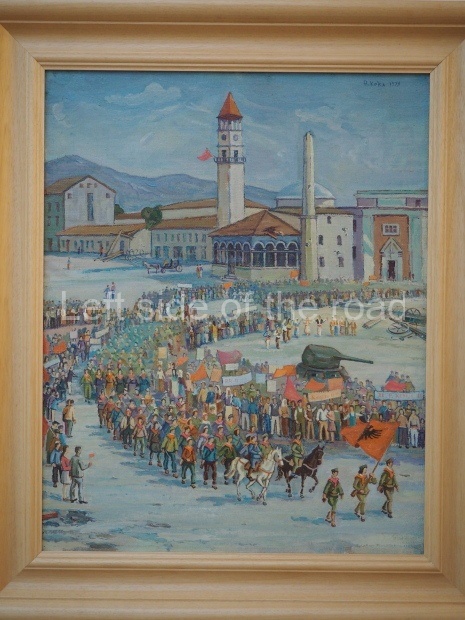
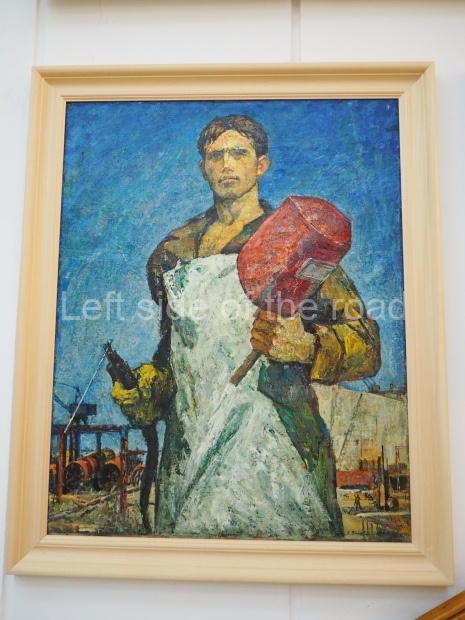
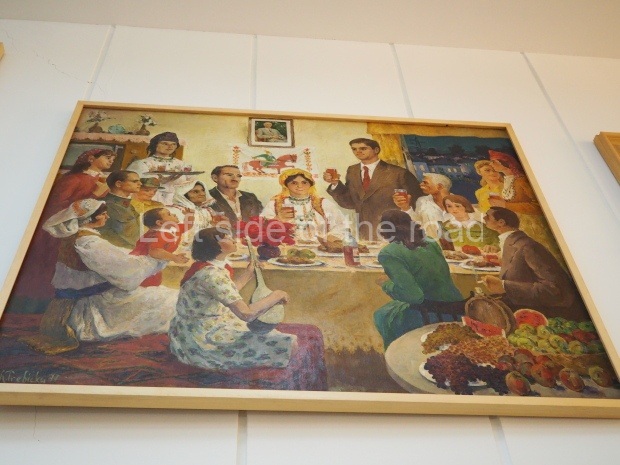
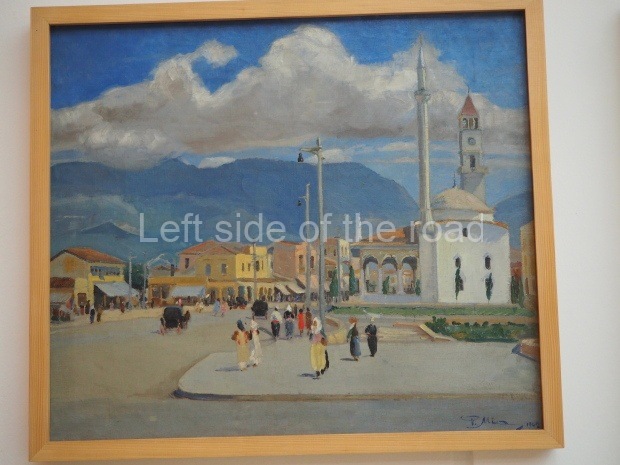
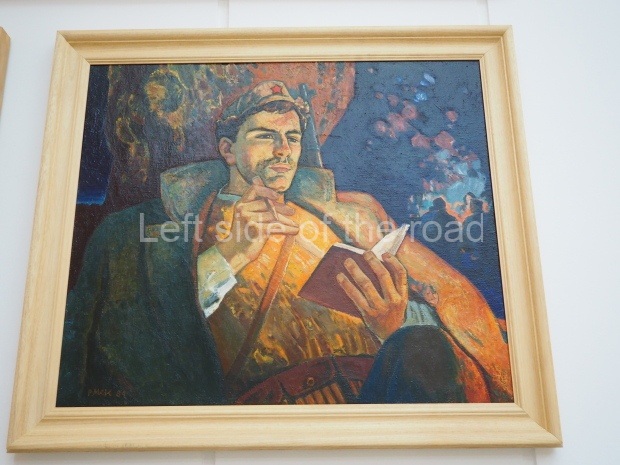
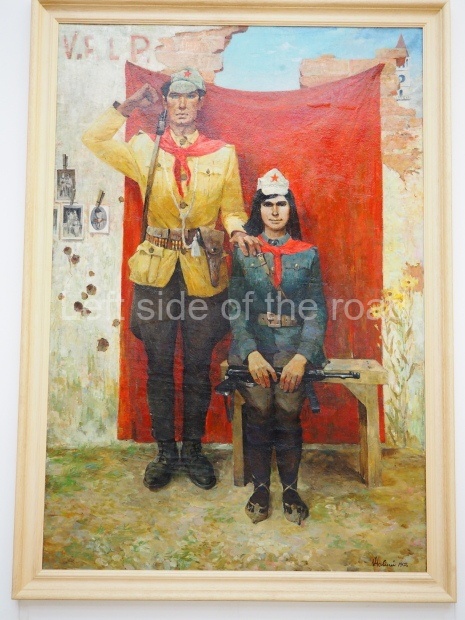
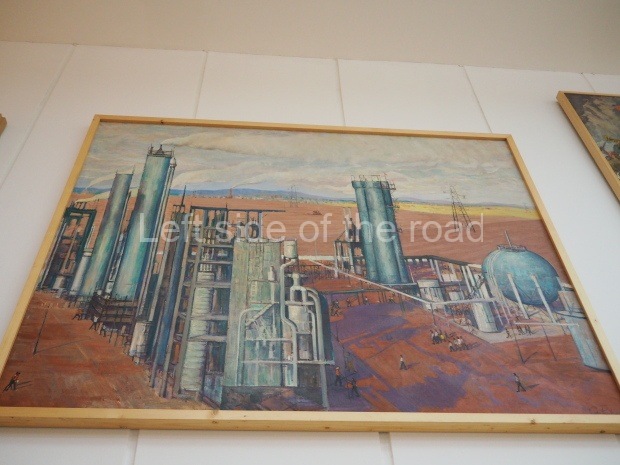
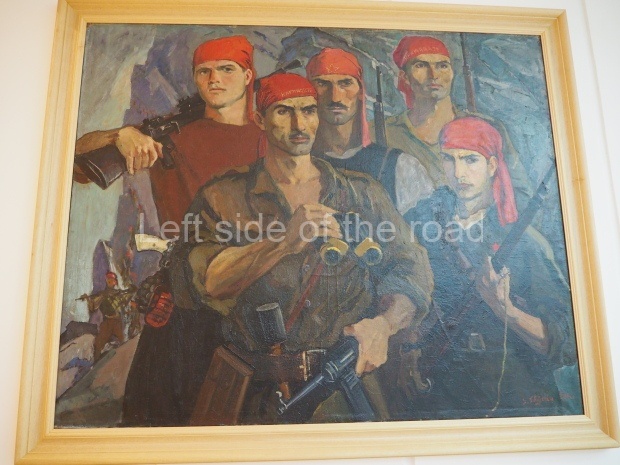
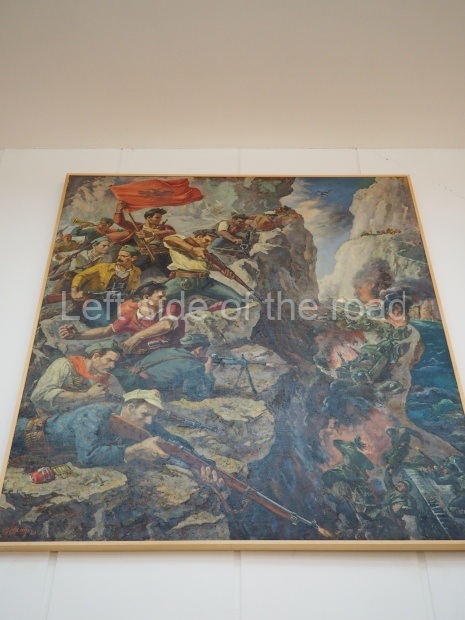
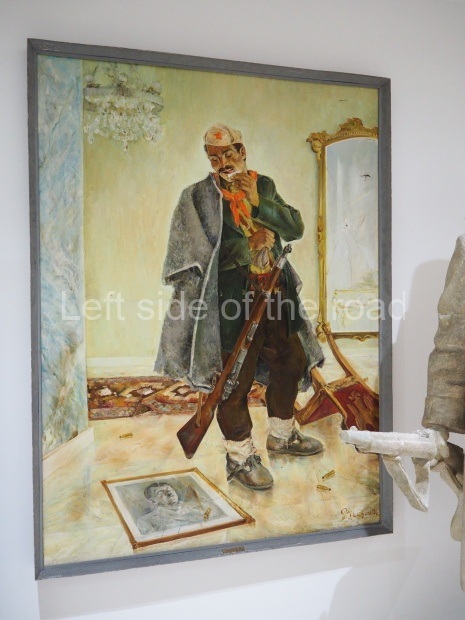
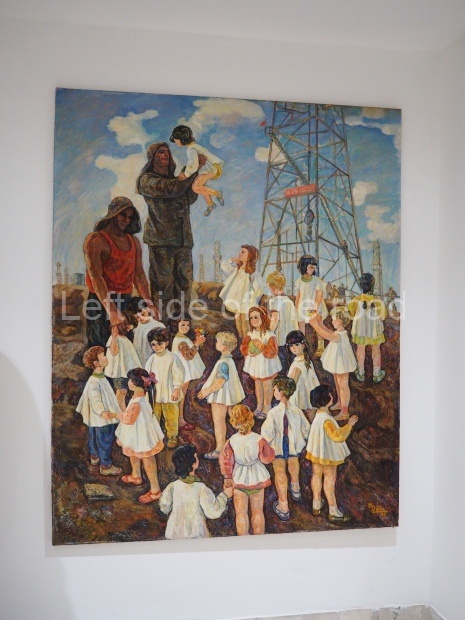
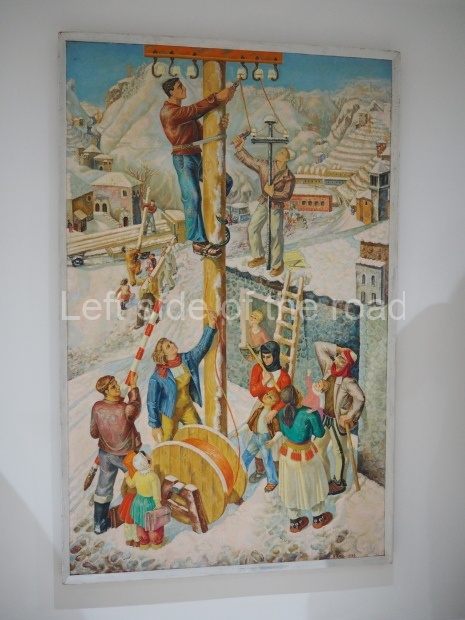
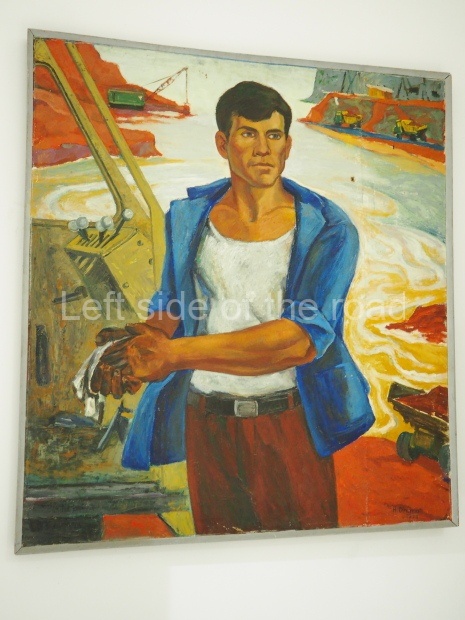
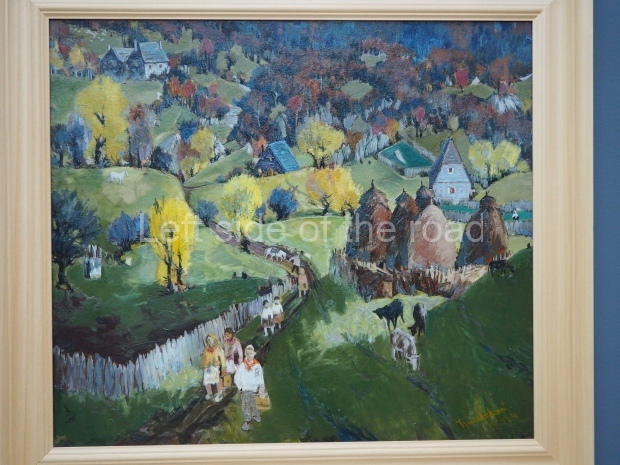
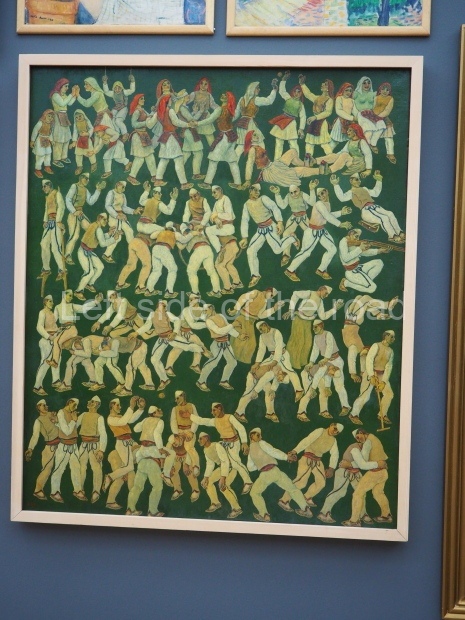
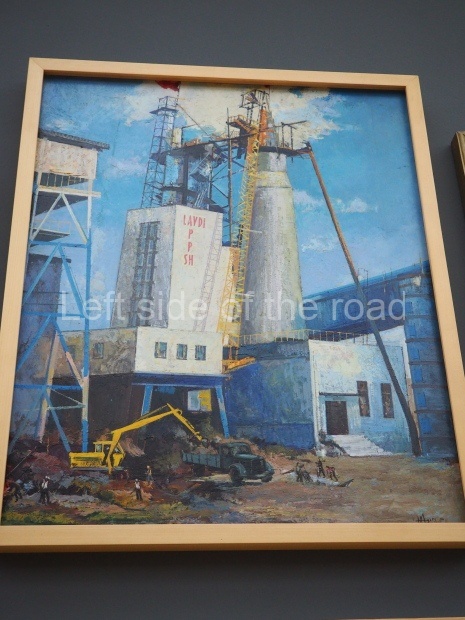
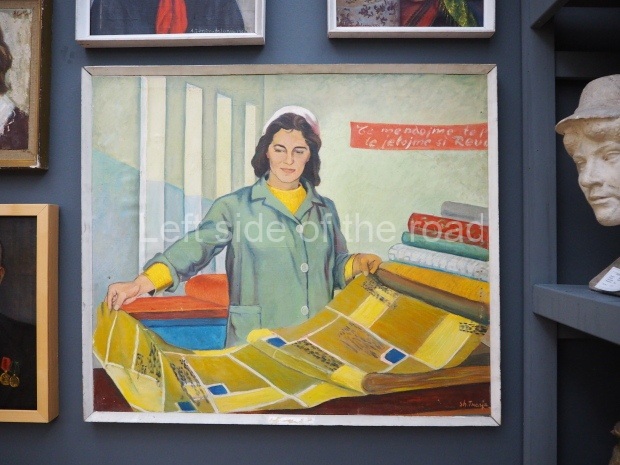
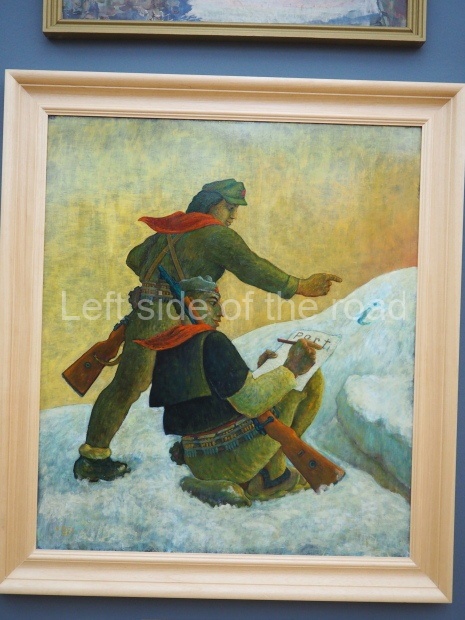
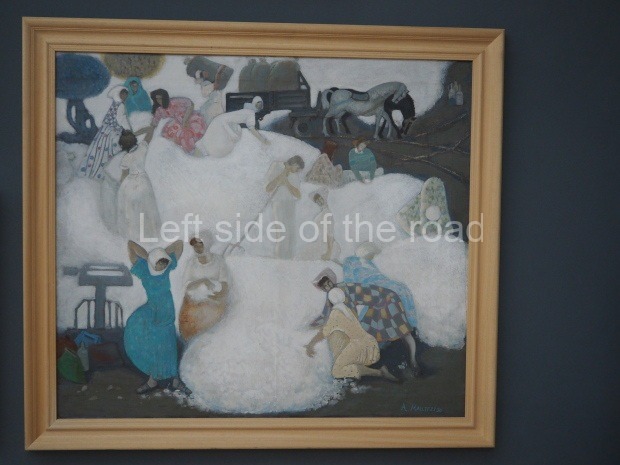
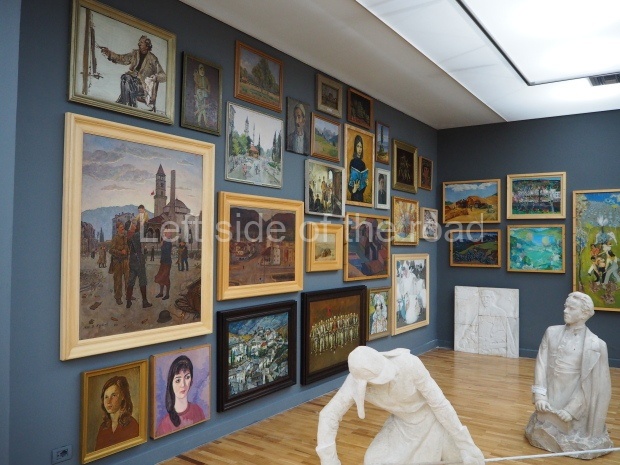
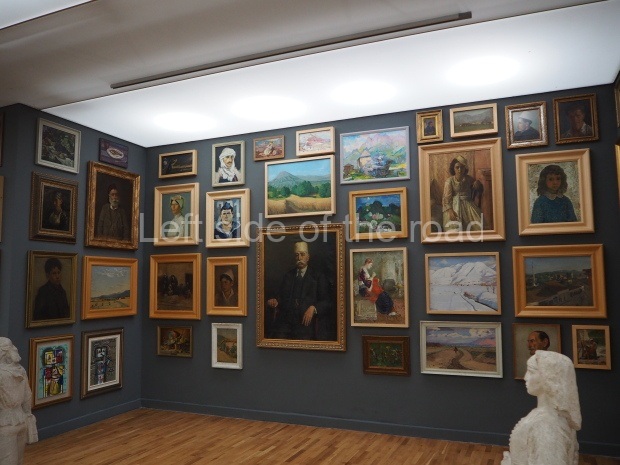
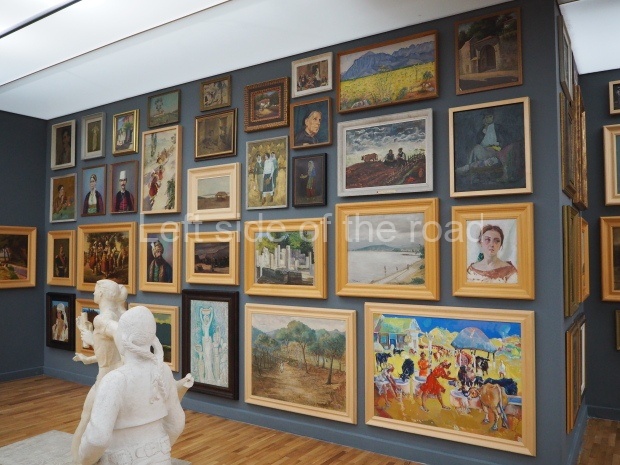
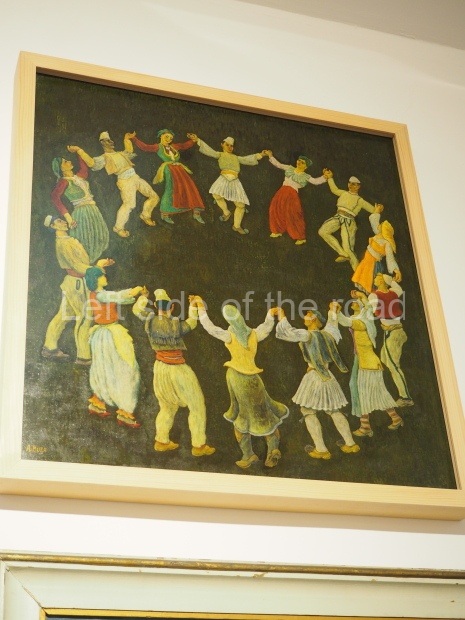
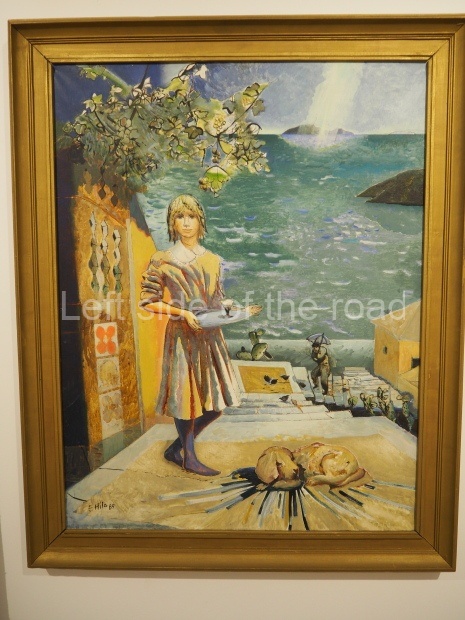
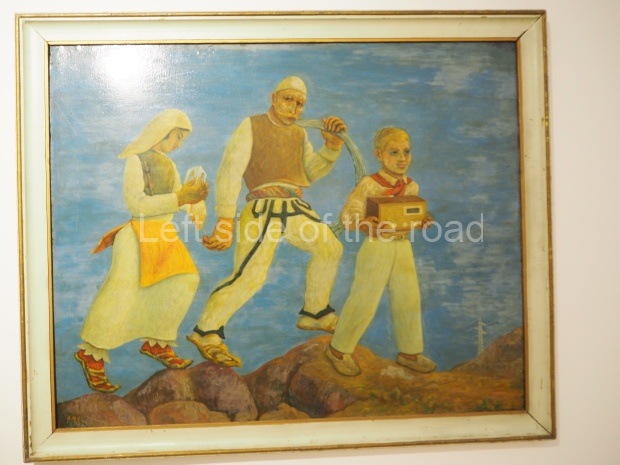
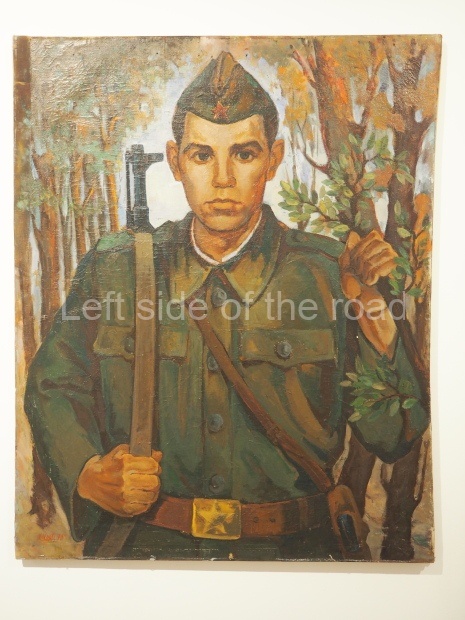
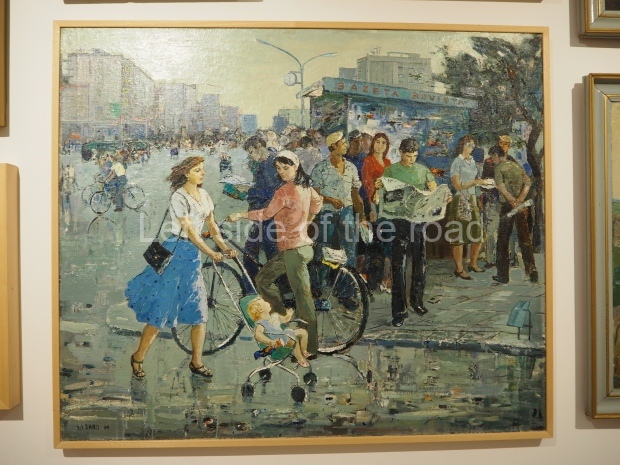
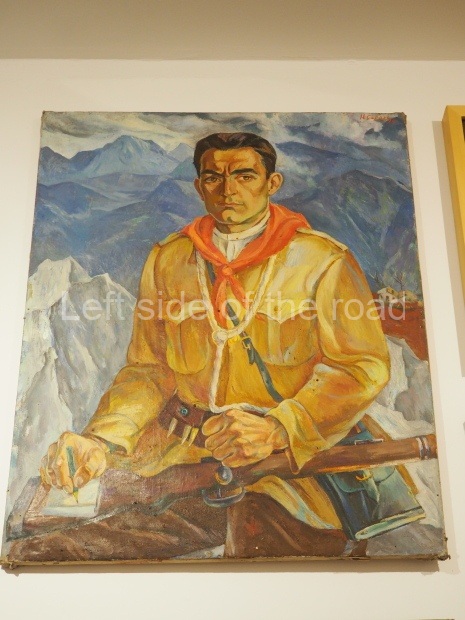
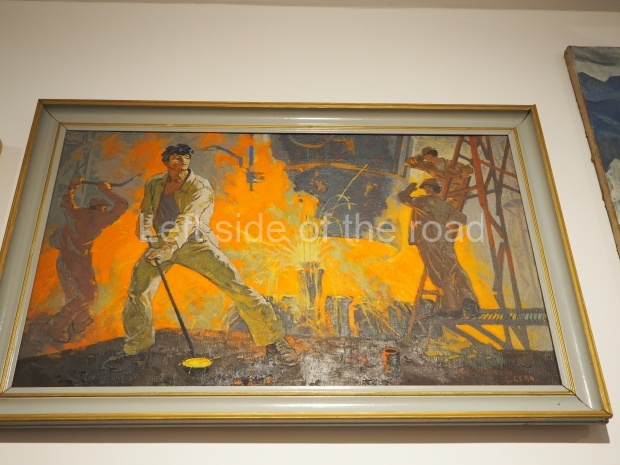
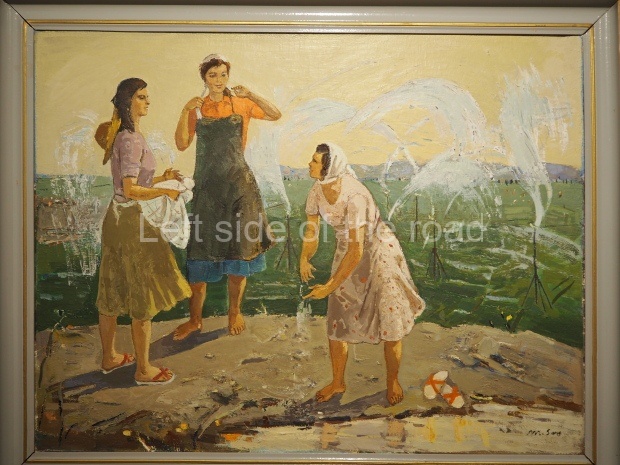
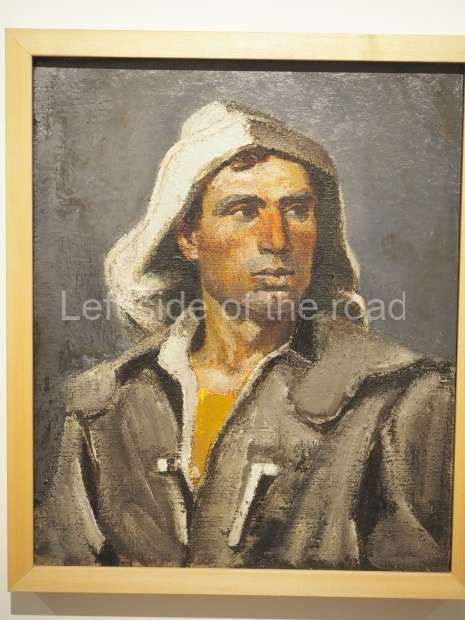
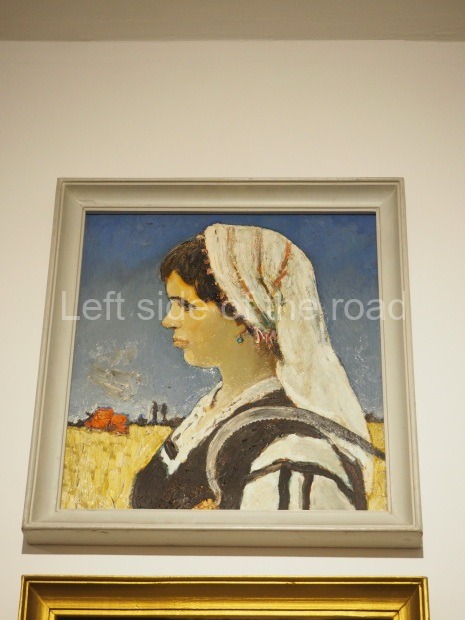
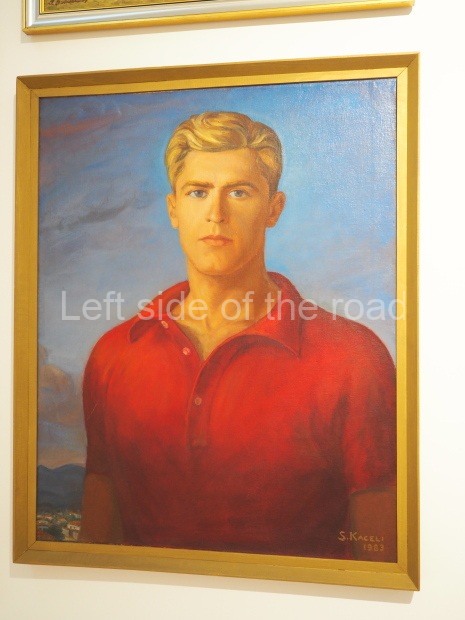
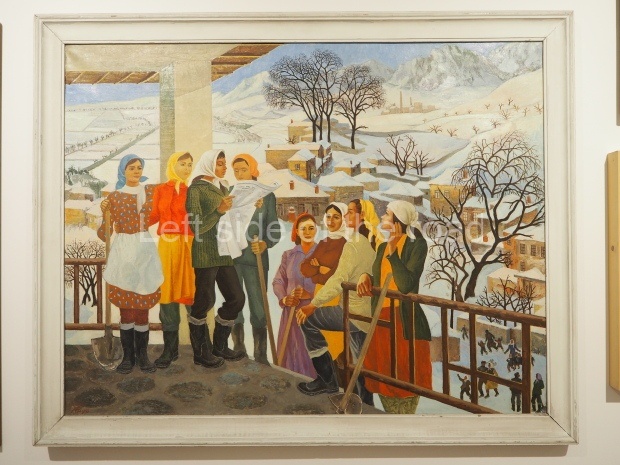
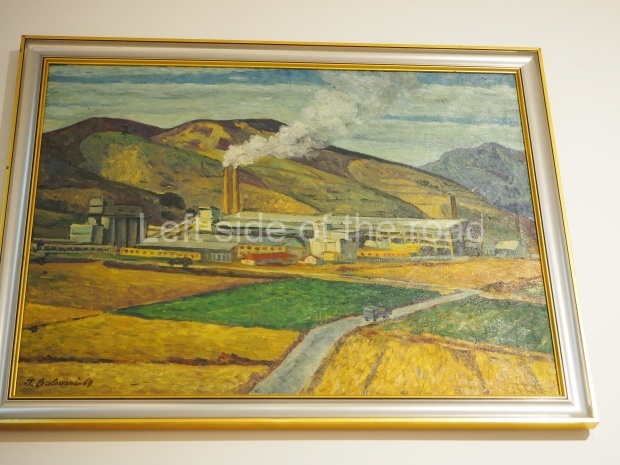
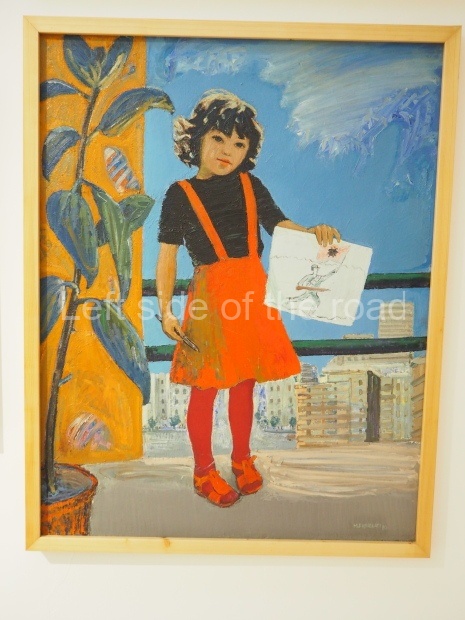
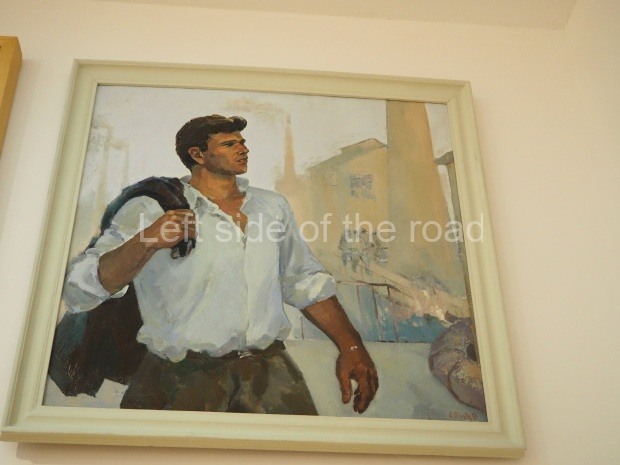
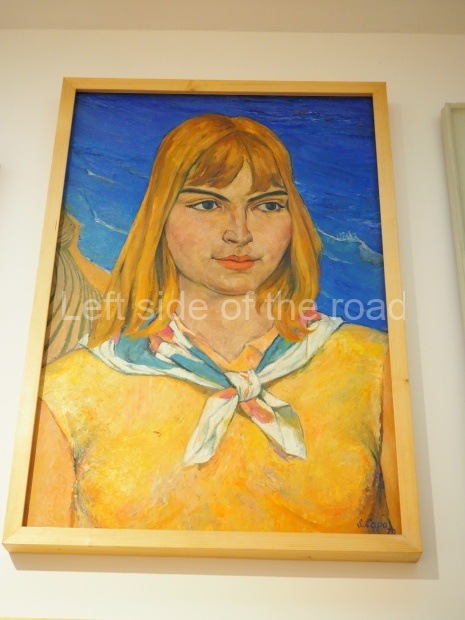
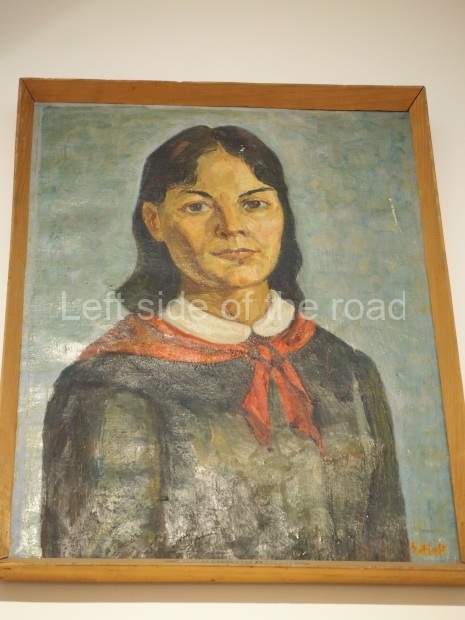
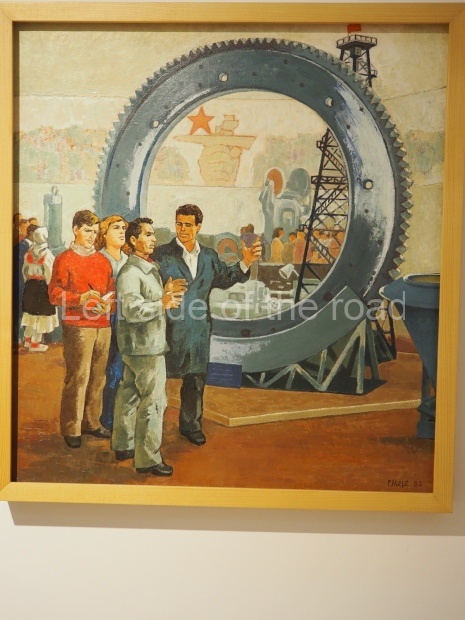
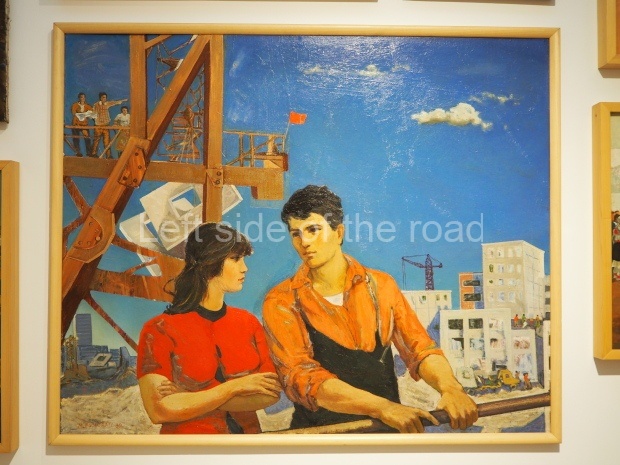
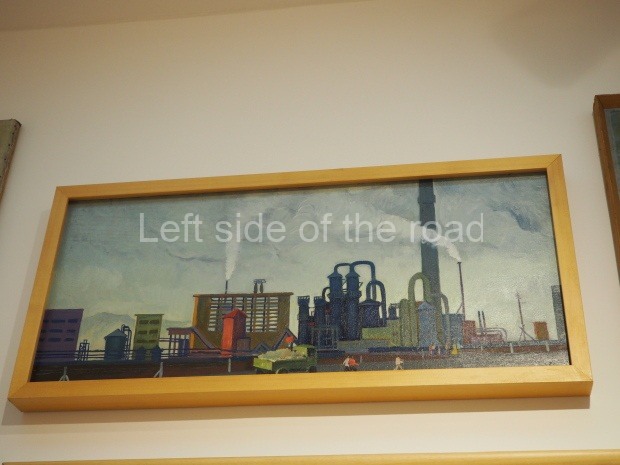
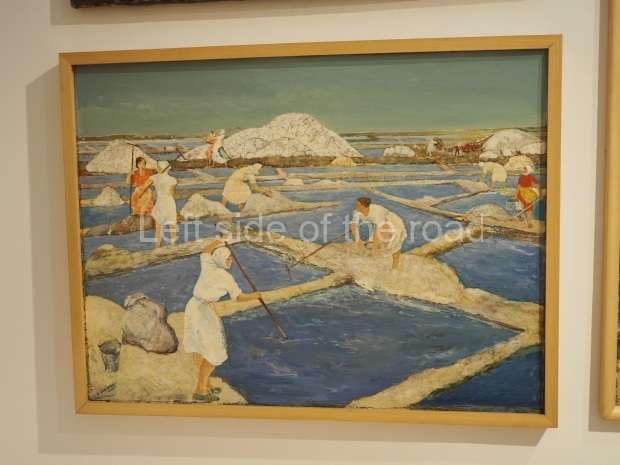
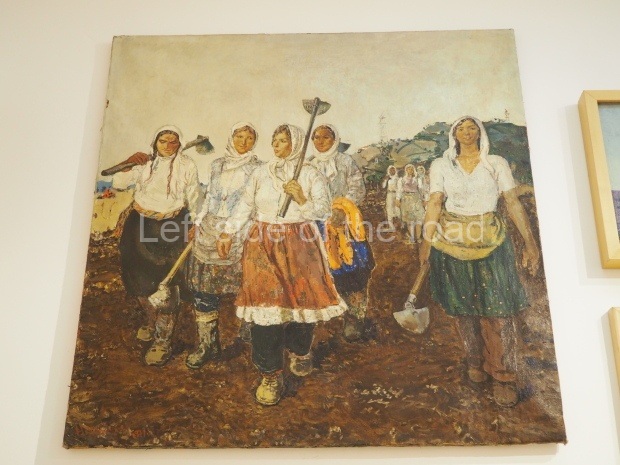
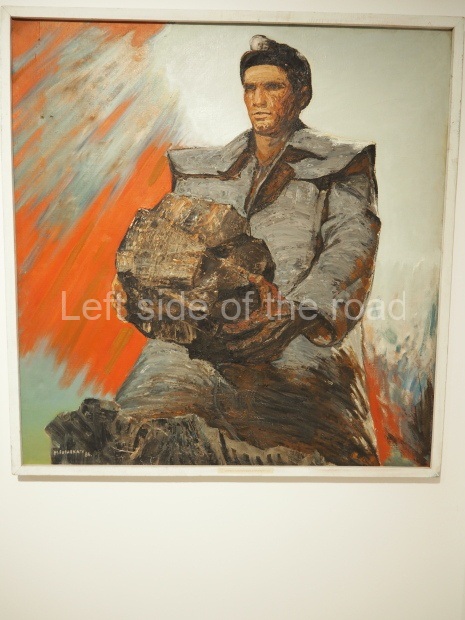
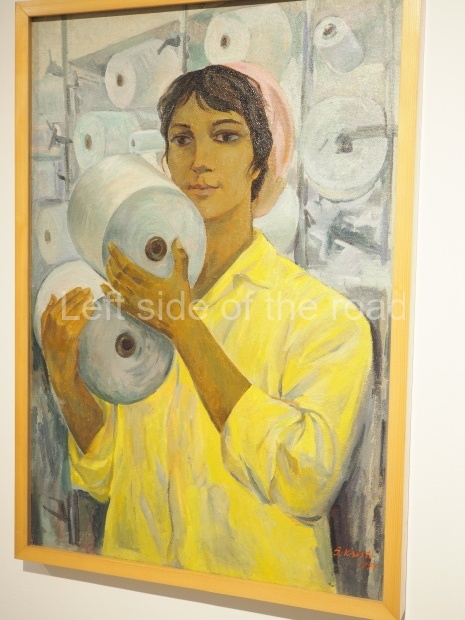
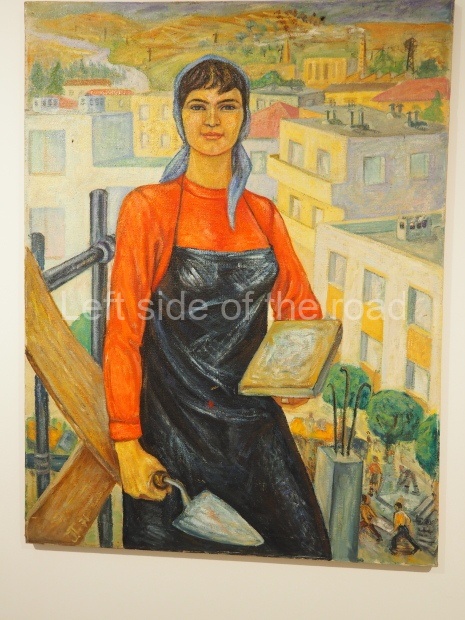
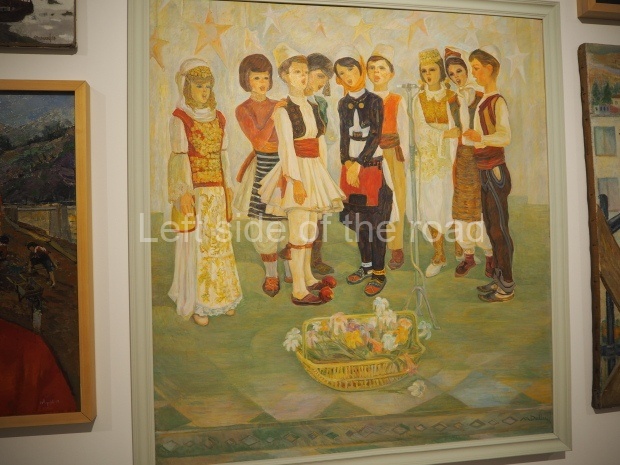
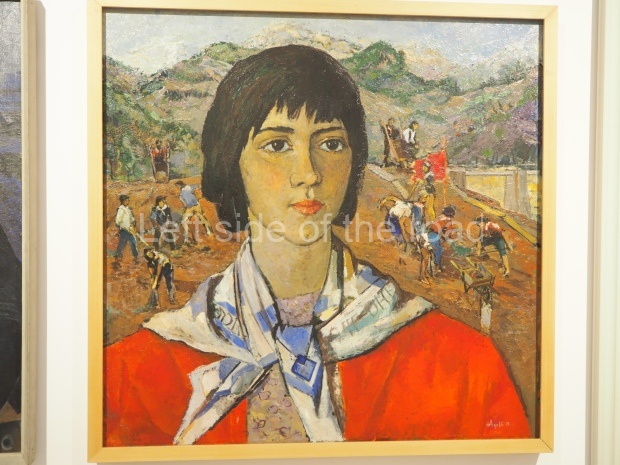
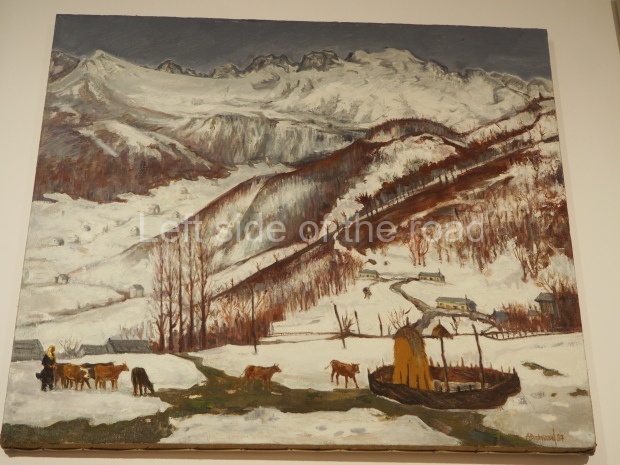
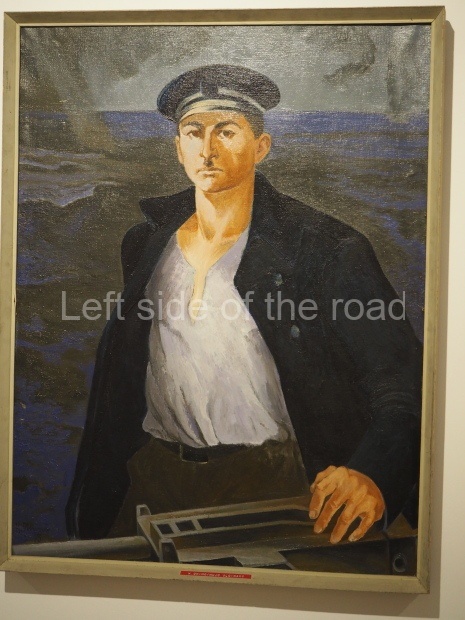
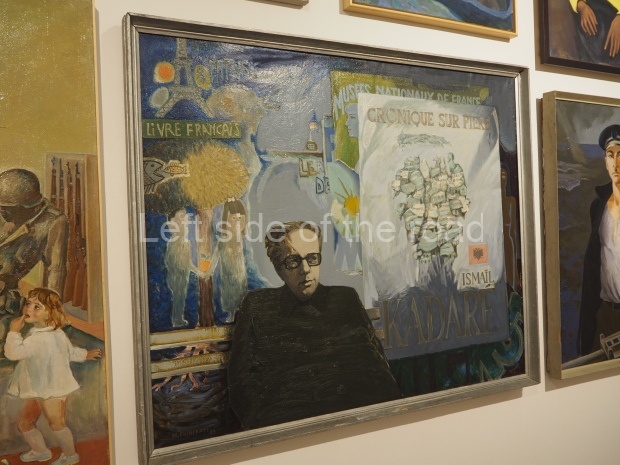
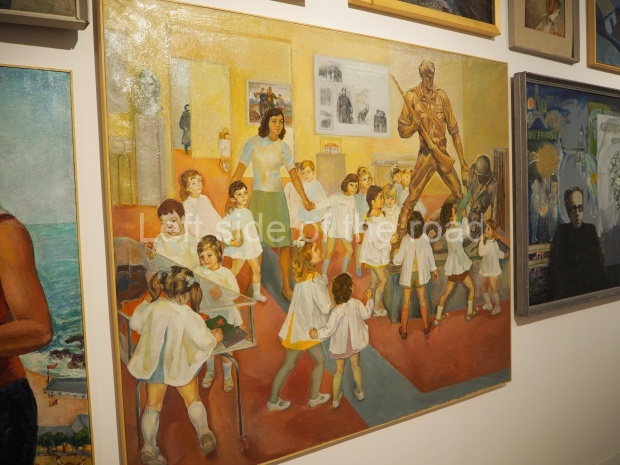
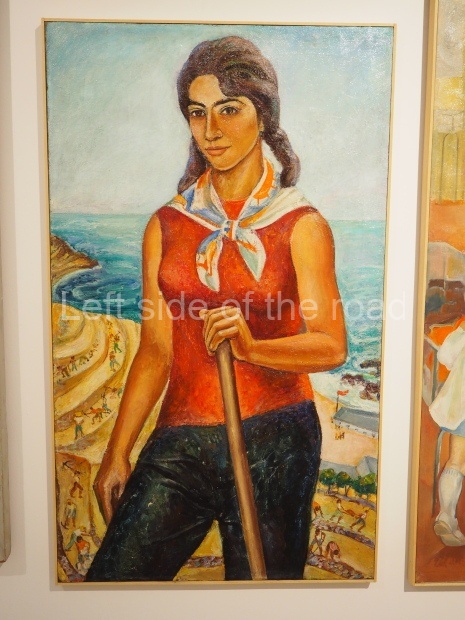
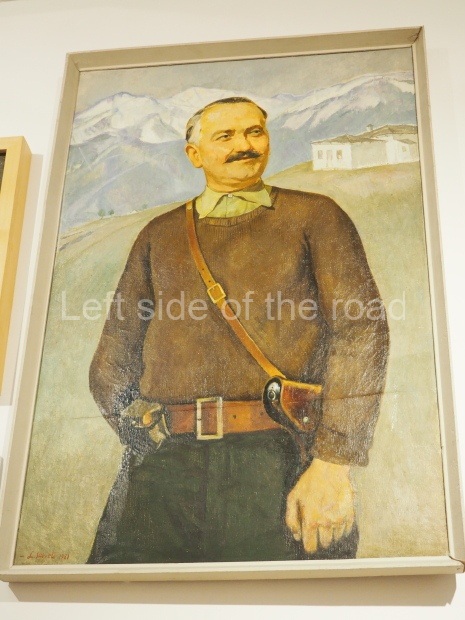
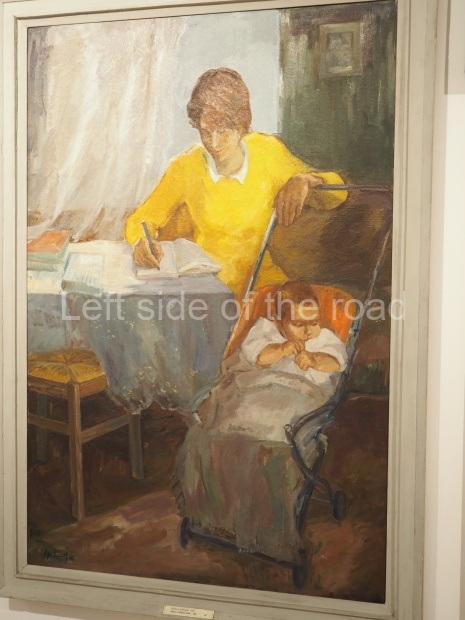
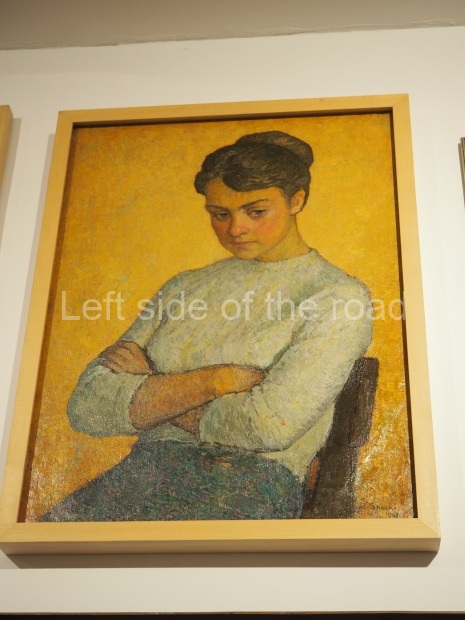
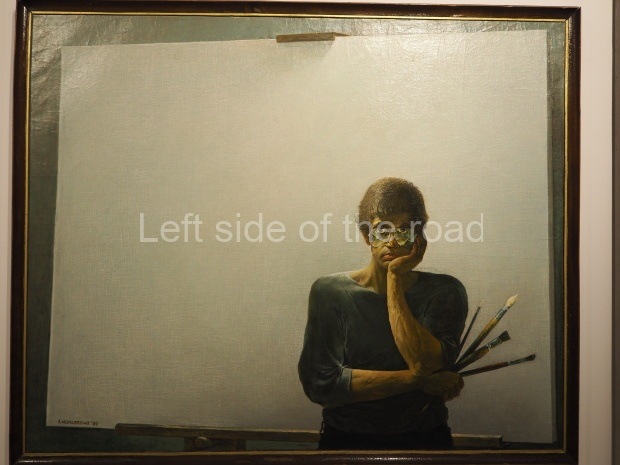
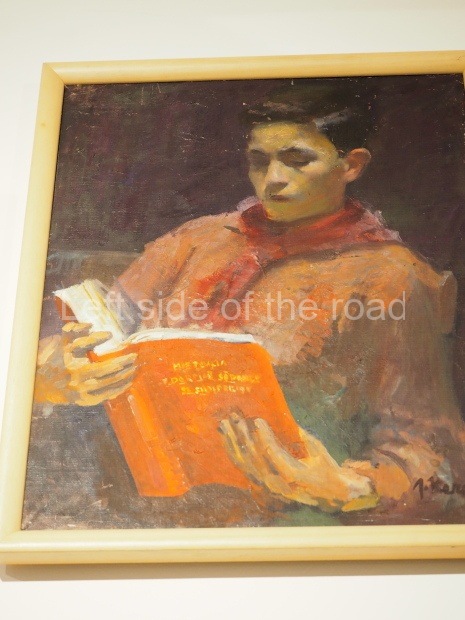
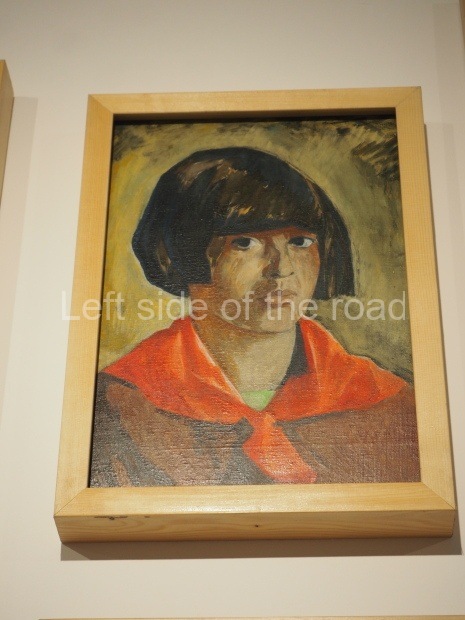
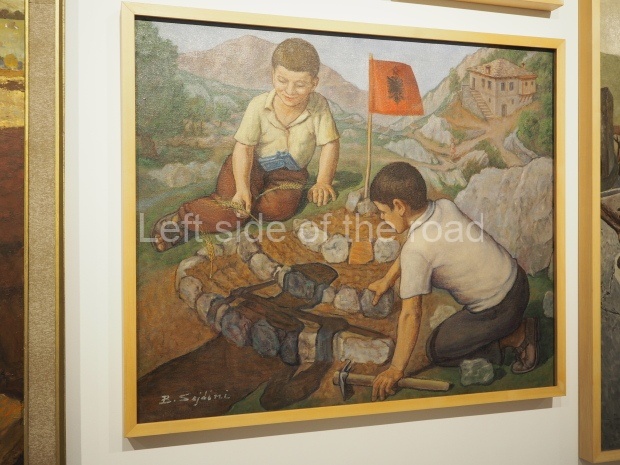
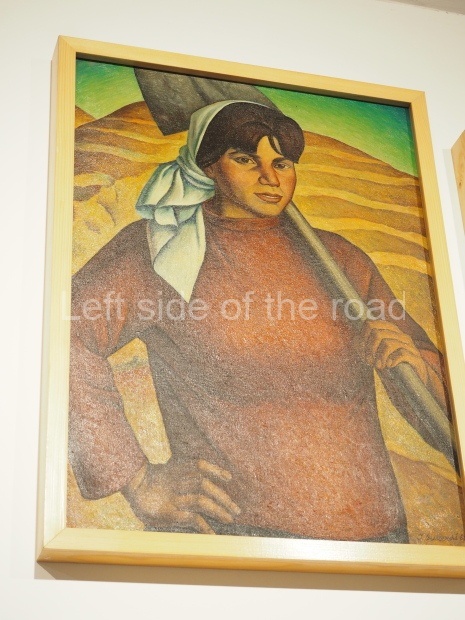
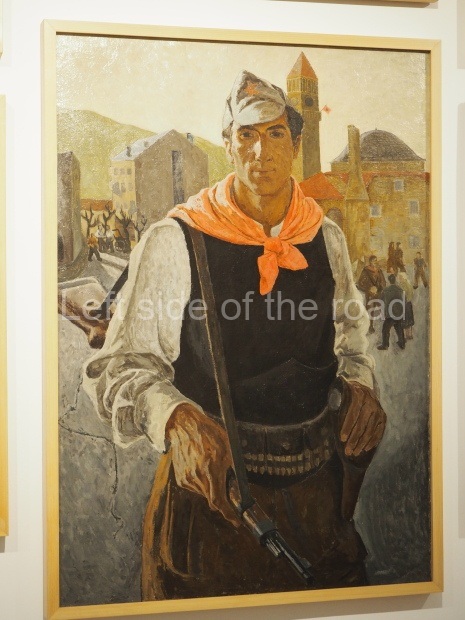
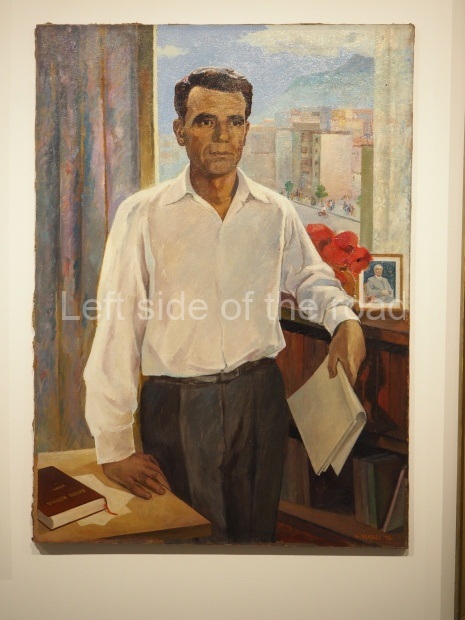
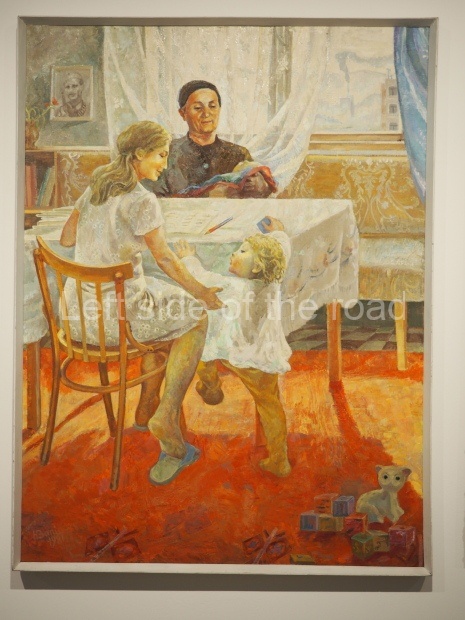
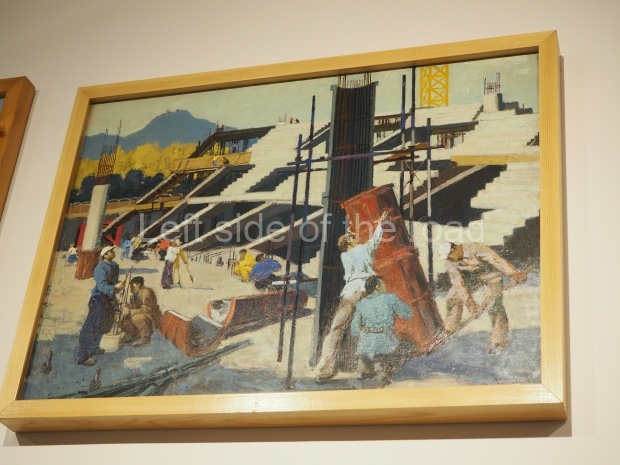
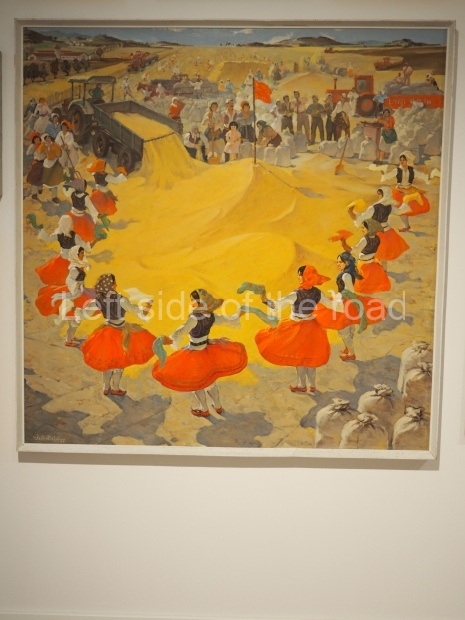
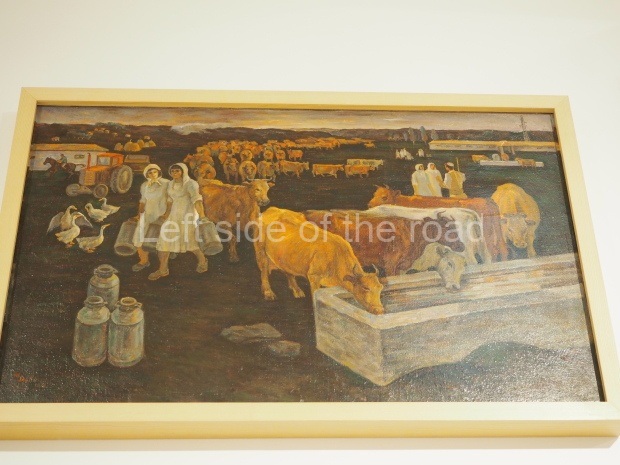
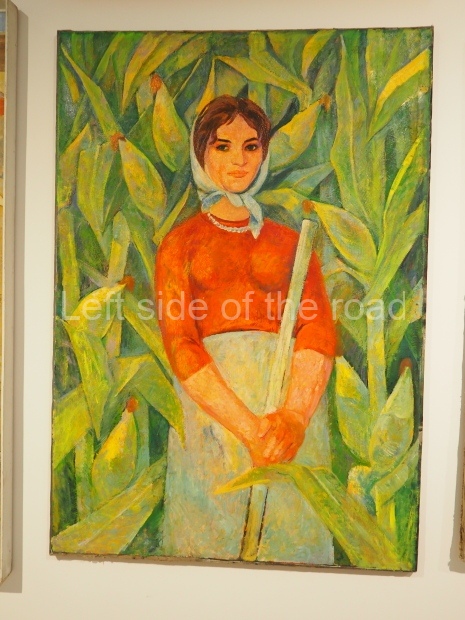
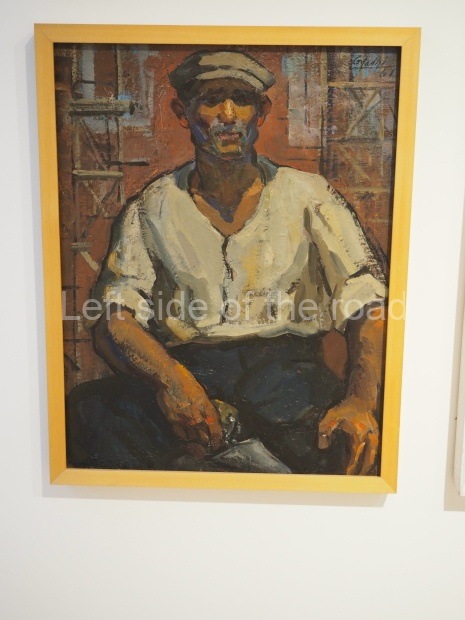
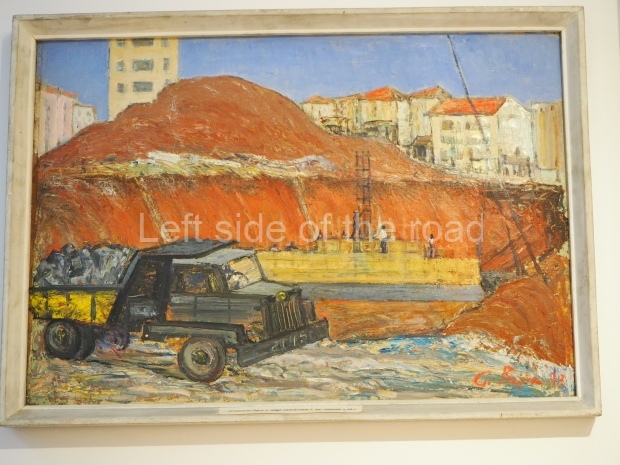
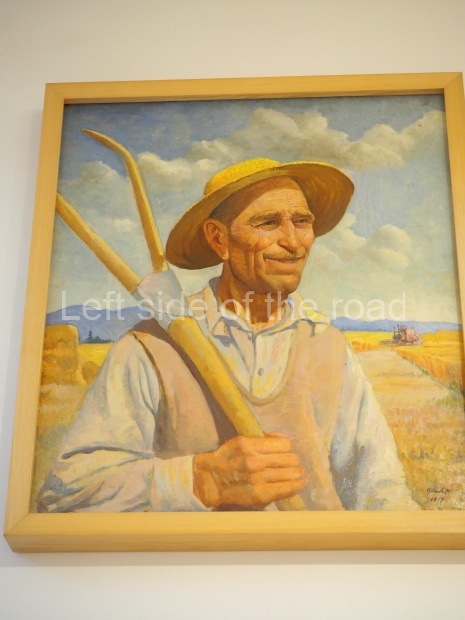
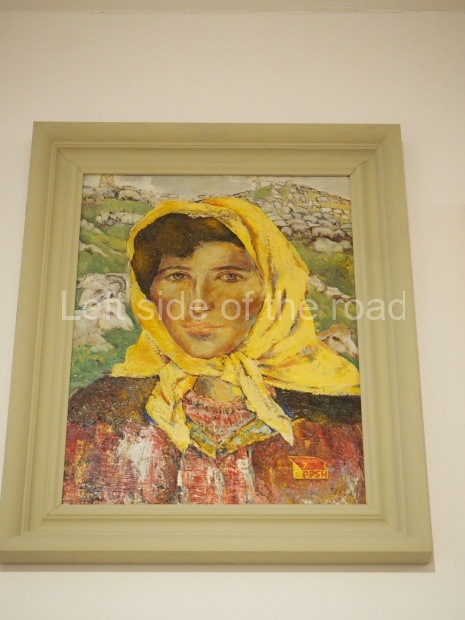
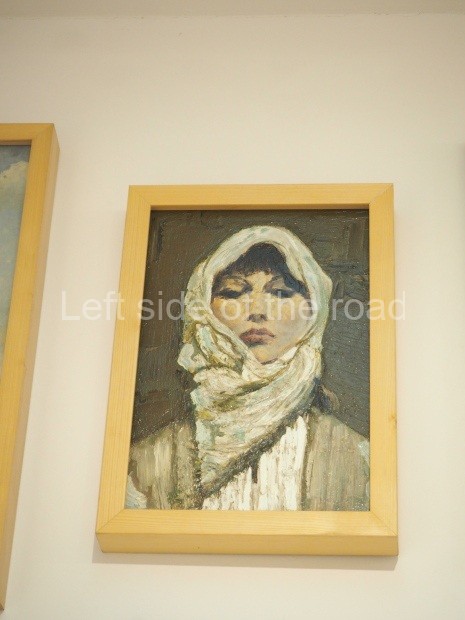
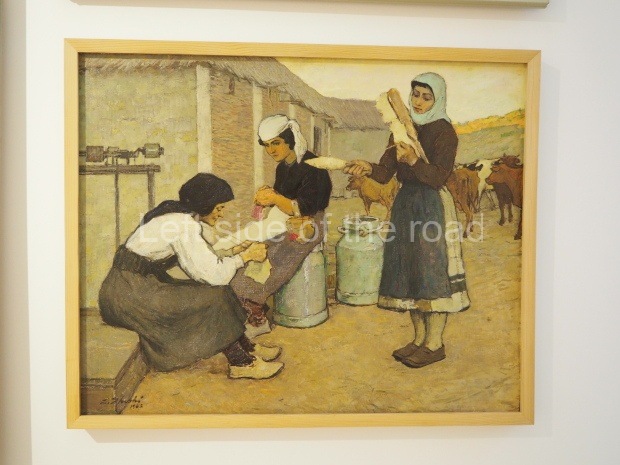
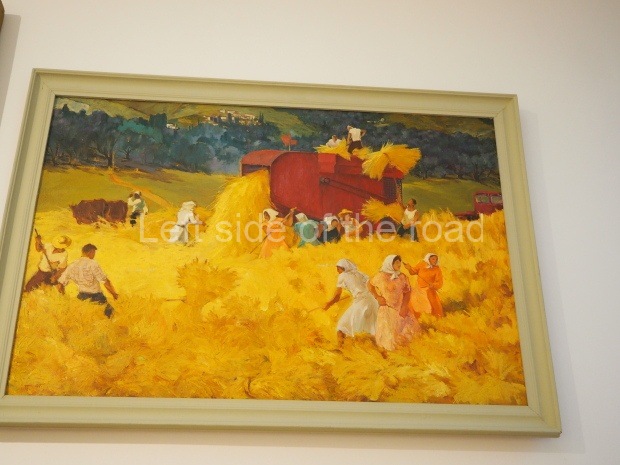
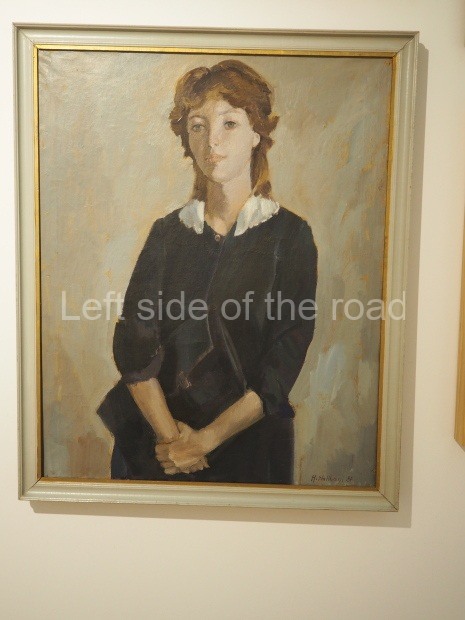
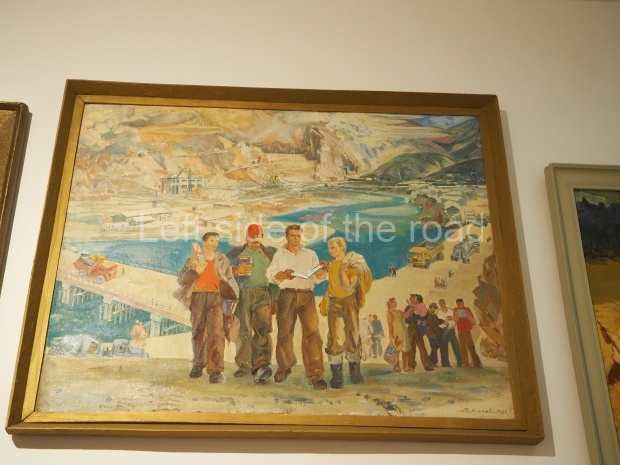
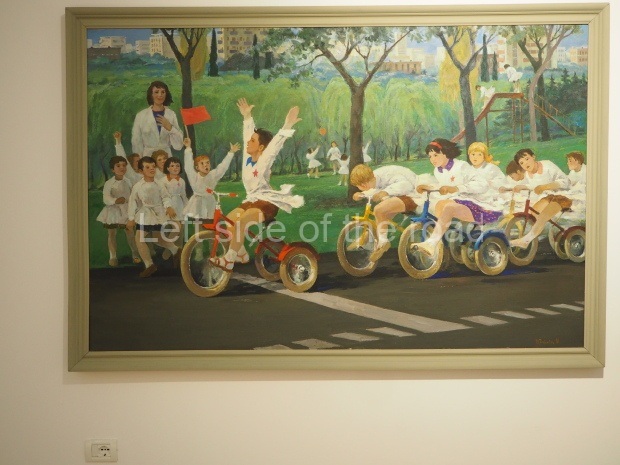
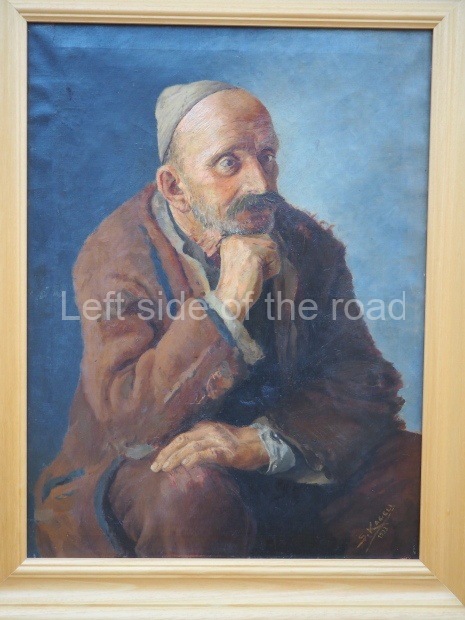
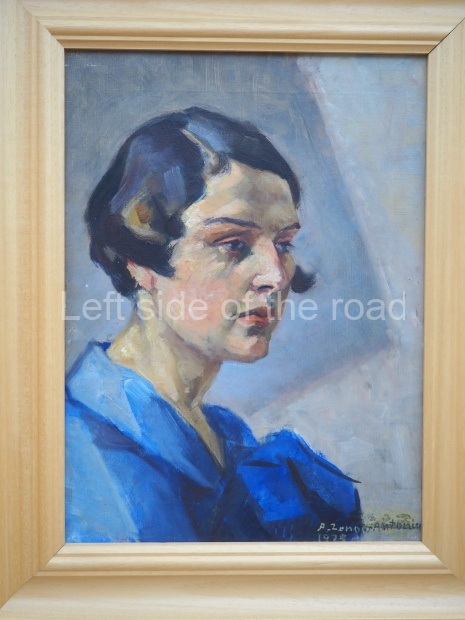
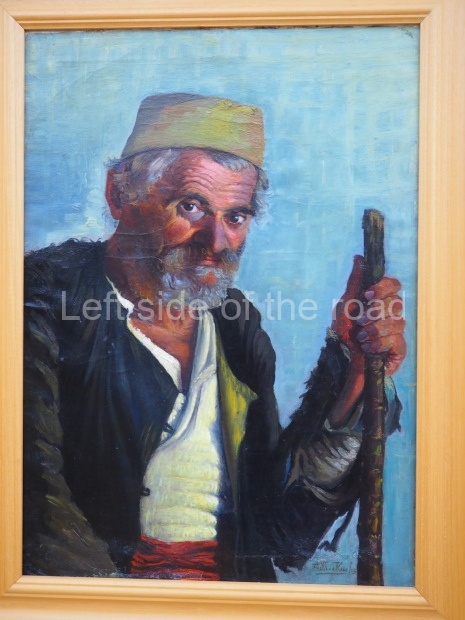
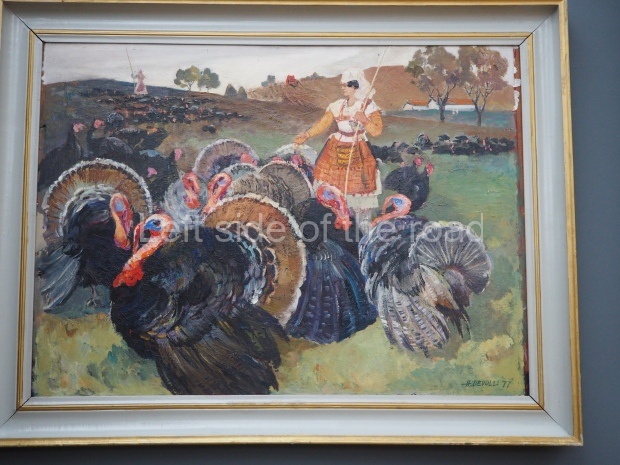
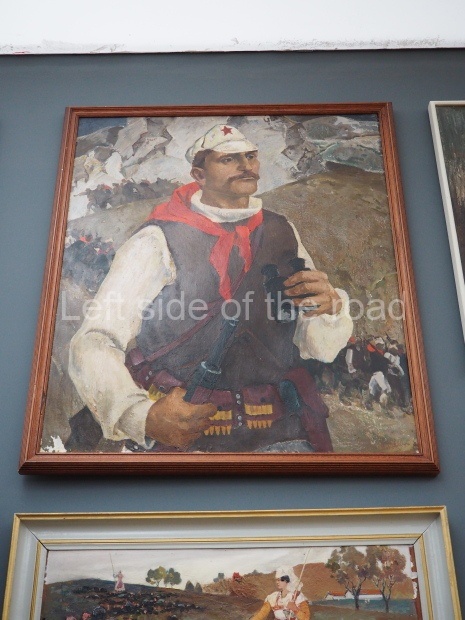
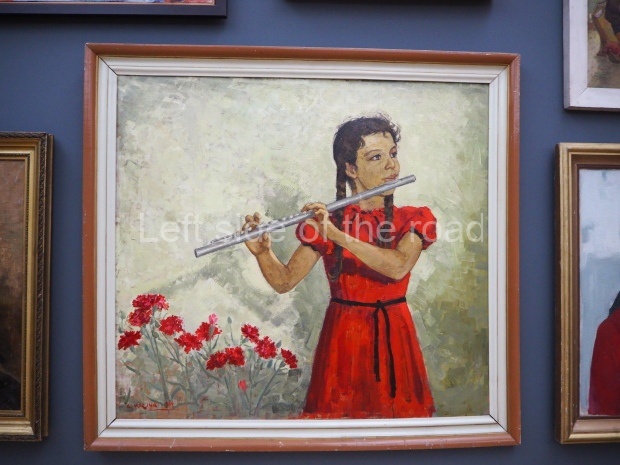
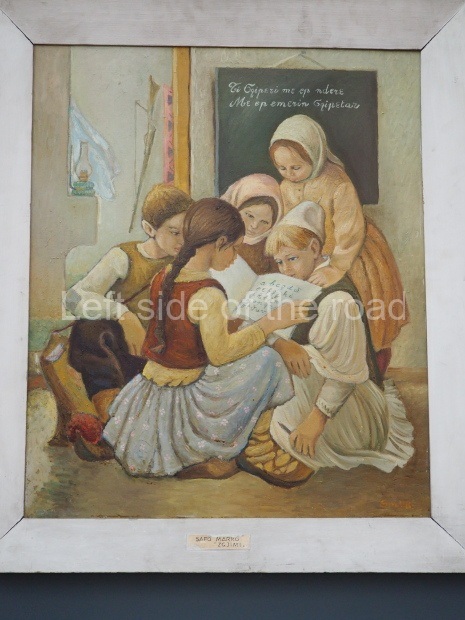
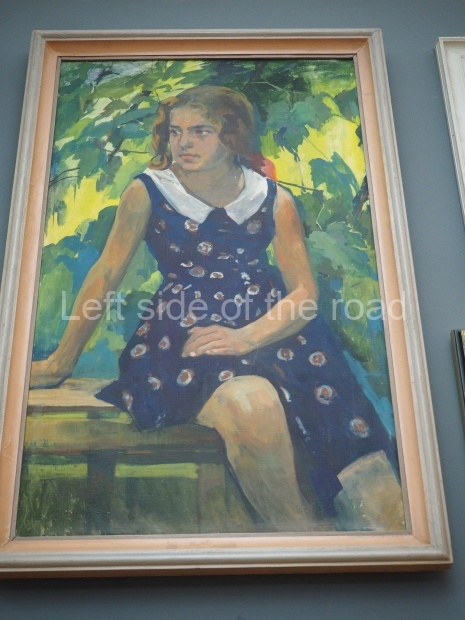
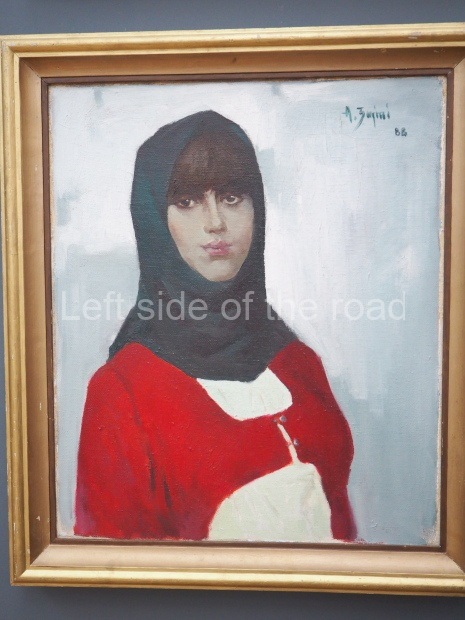
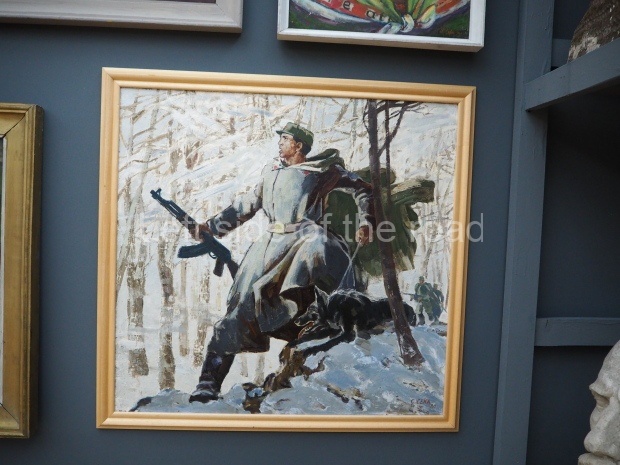
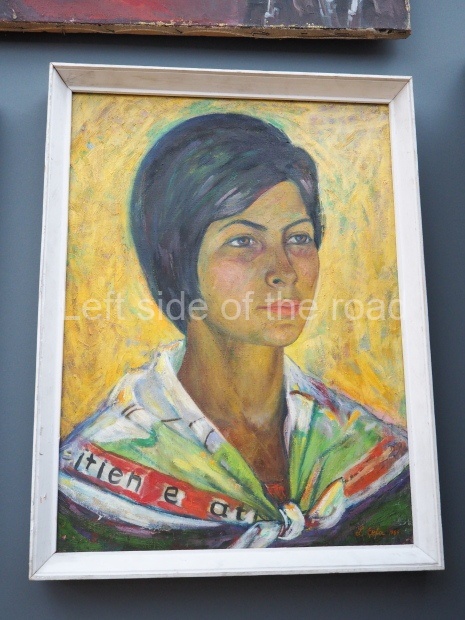
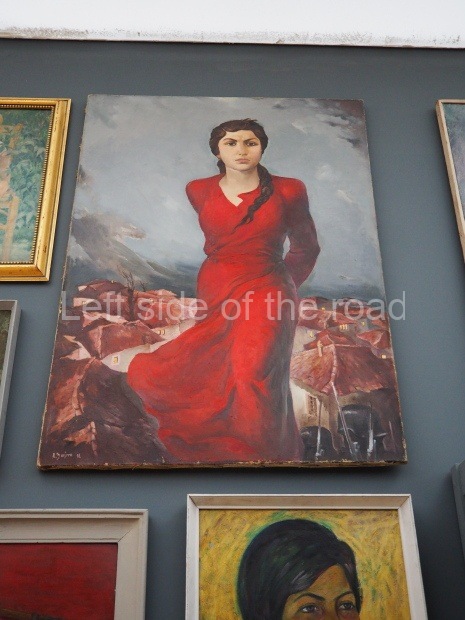
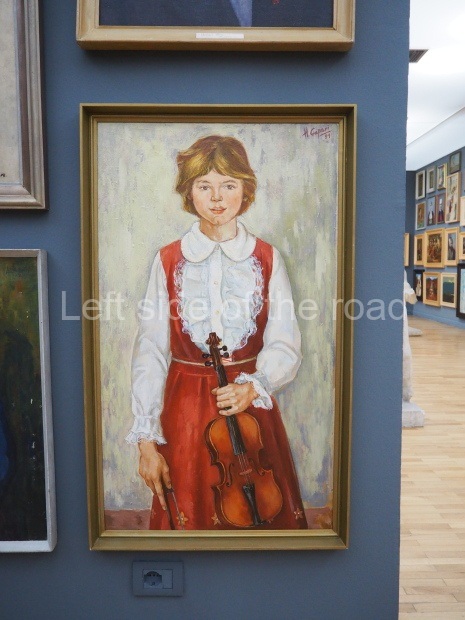
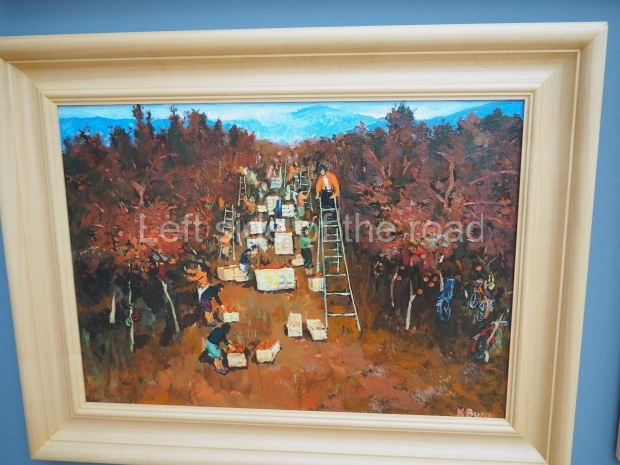
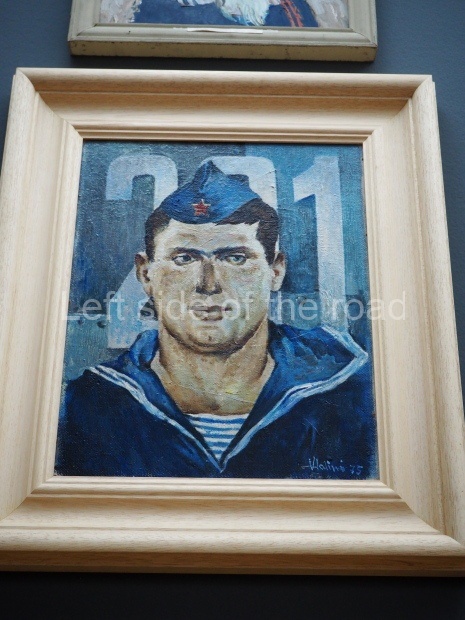
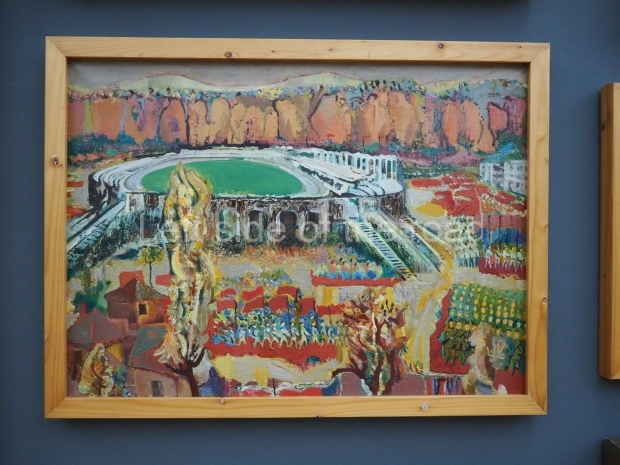
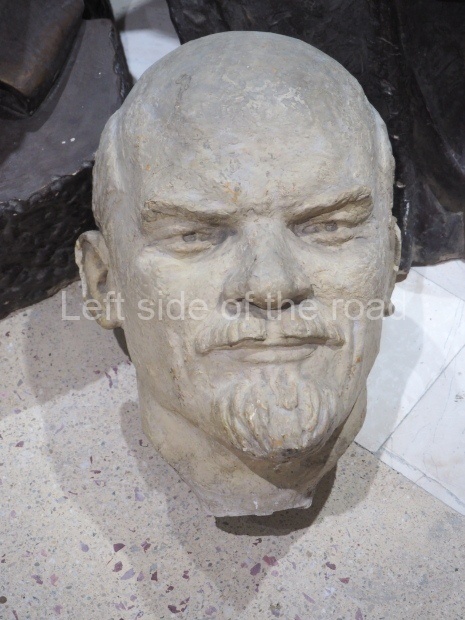
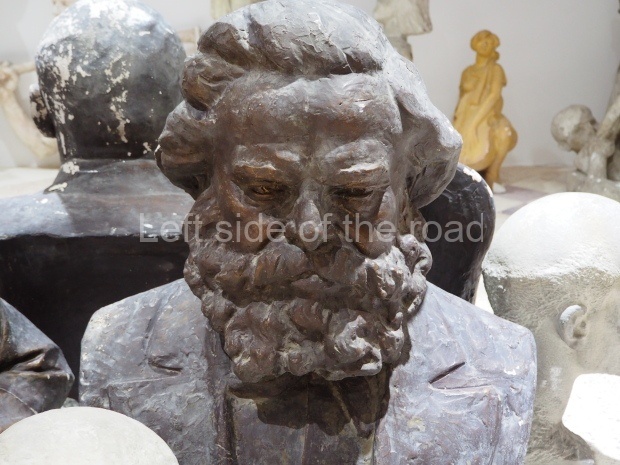
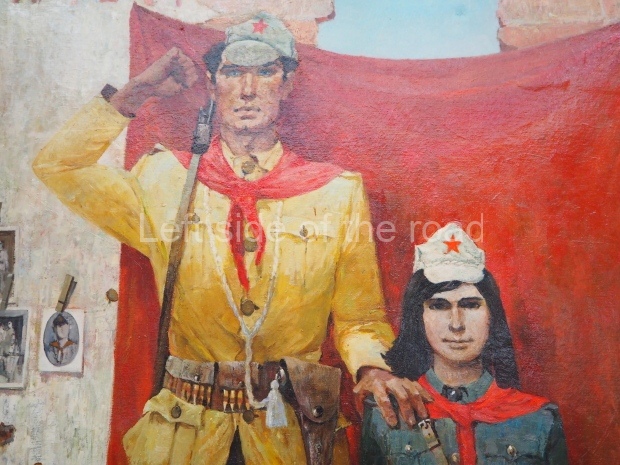
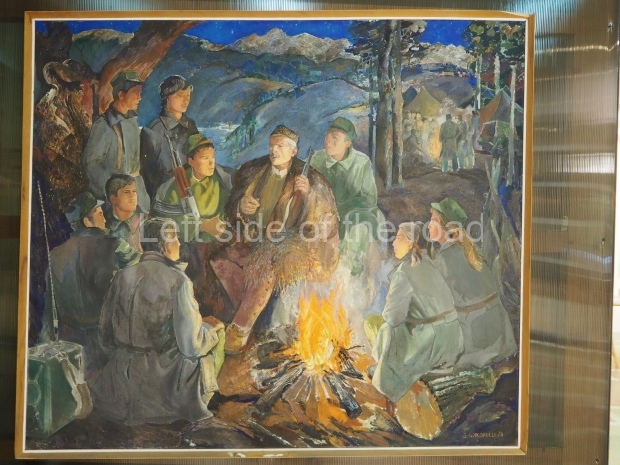
At present (September 2021) the ‘exhibition’ at the National Art Gallery in Tirana seems to be virtually everything that has been in storage over the last 30 years. But calling it an exhibition is a bit of a misnomer. The word exhibition gives the impression that a bit of thought and consideration had been put into the mounting and display of a collection of art. That is supposed to be the art of a curator – although that has been neglected in this case.

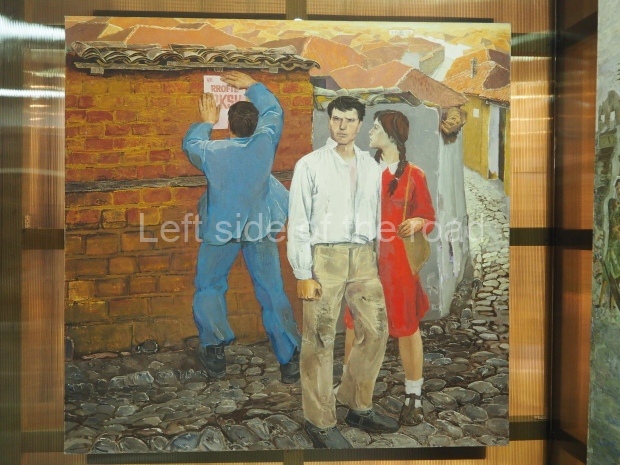
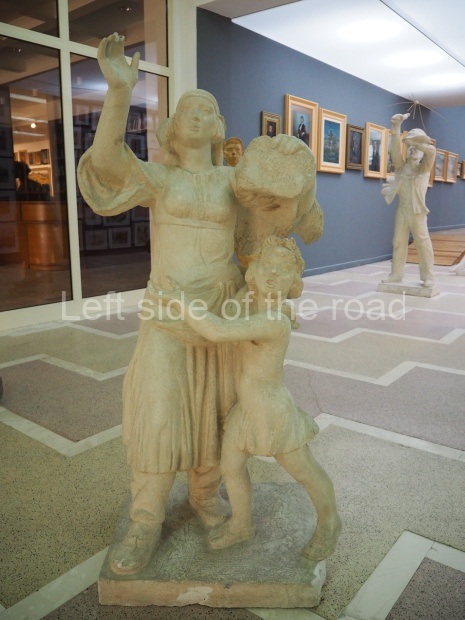
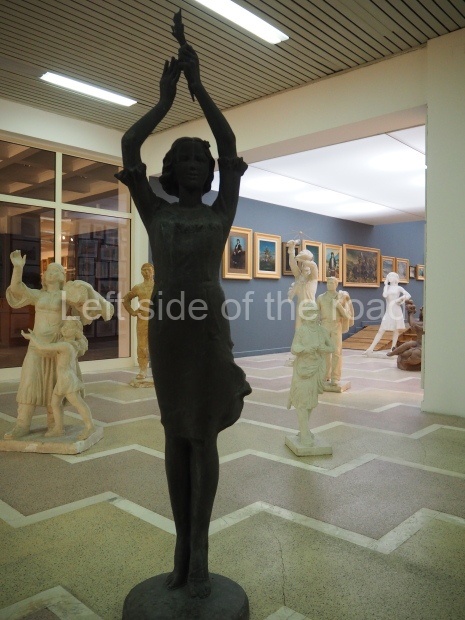
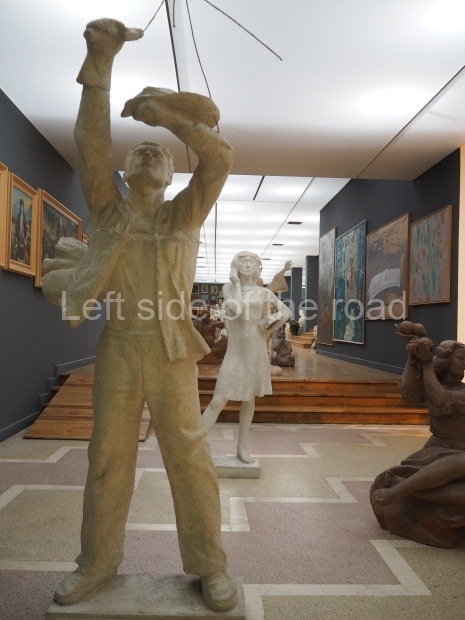
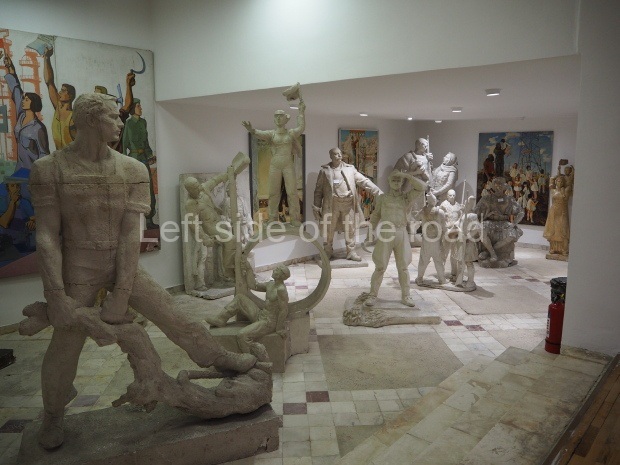
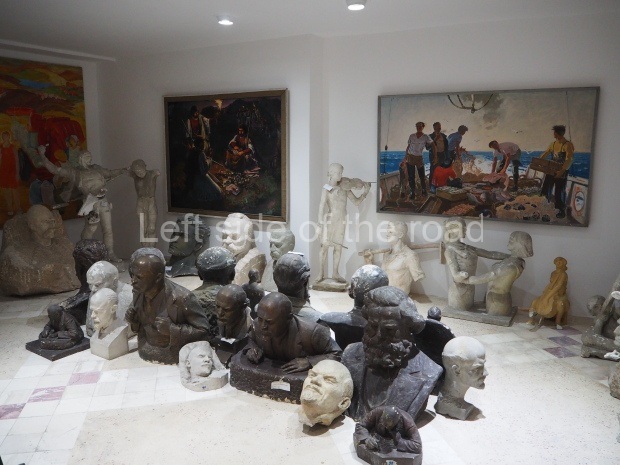
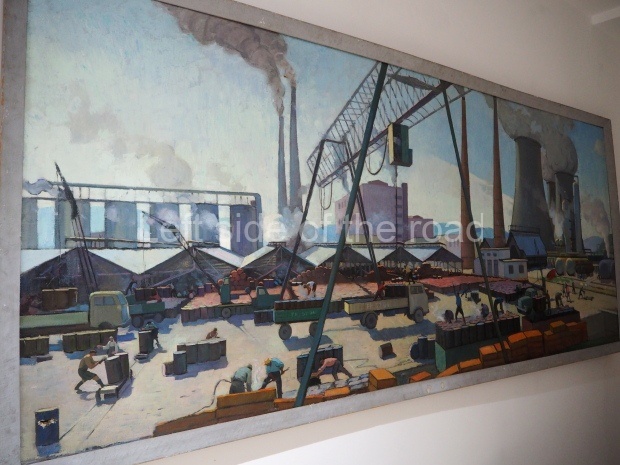
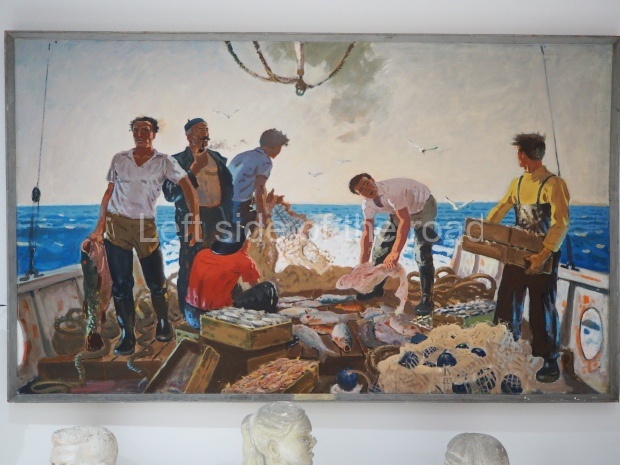
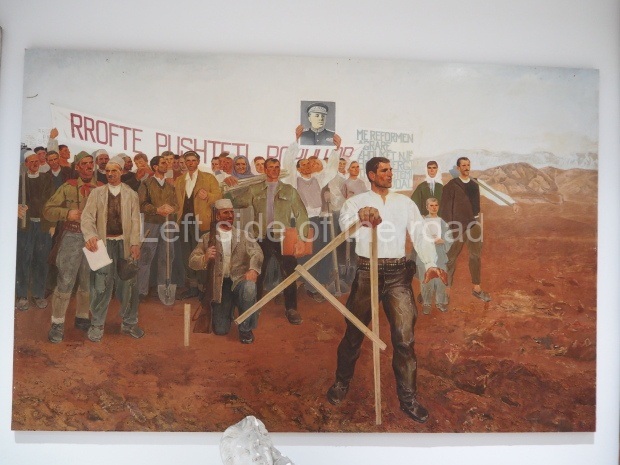
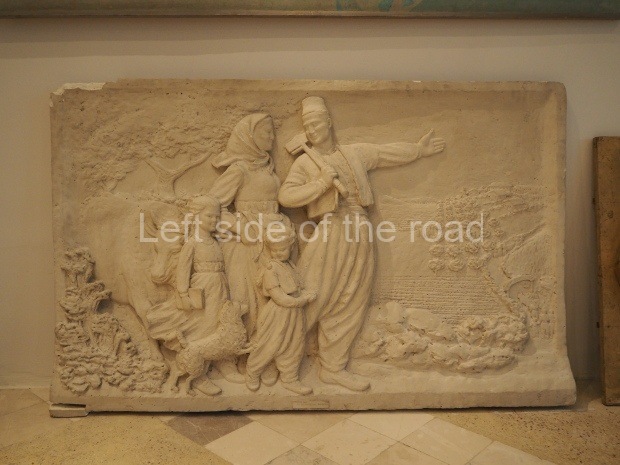
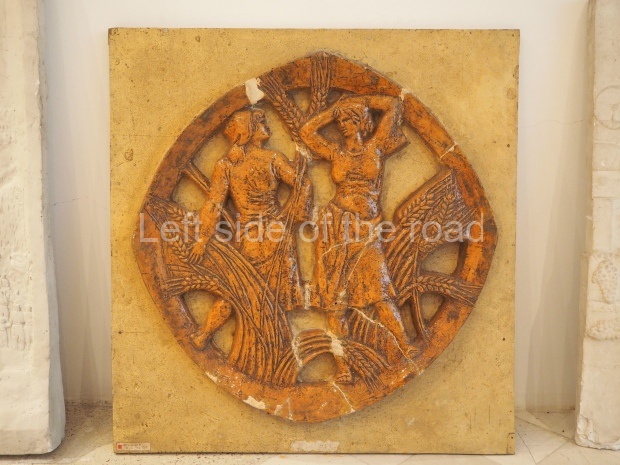
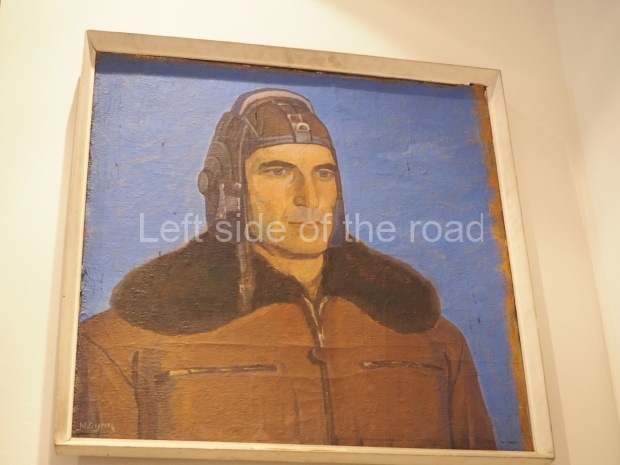
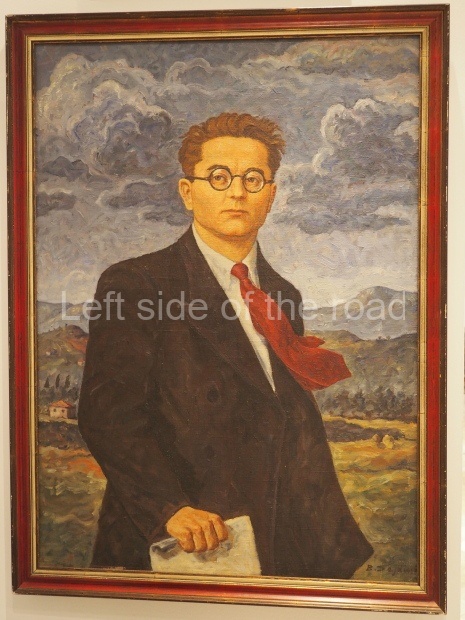
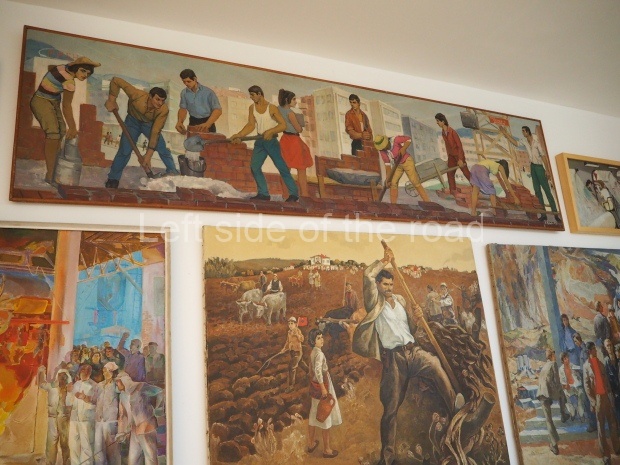
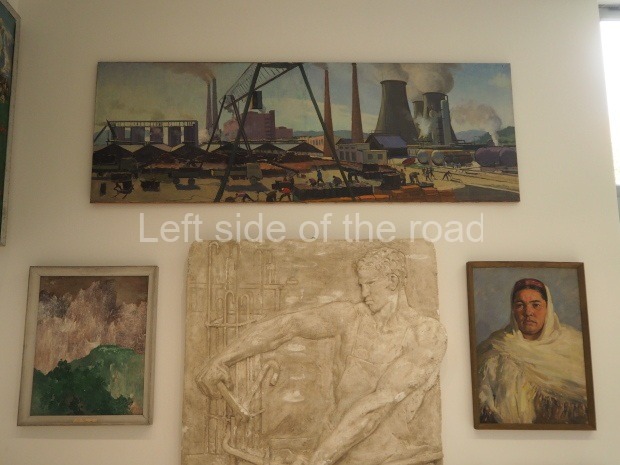
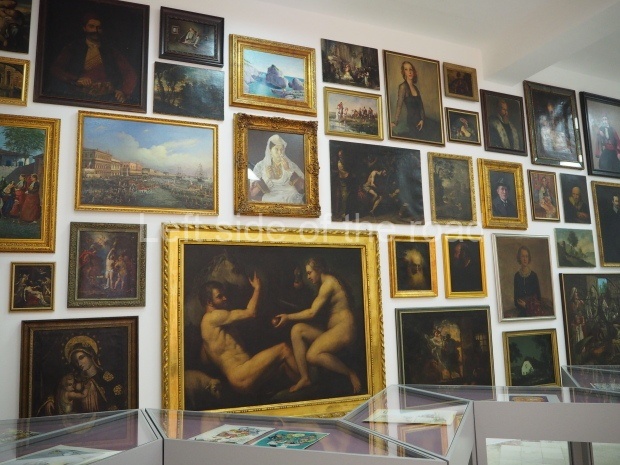
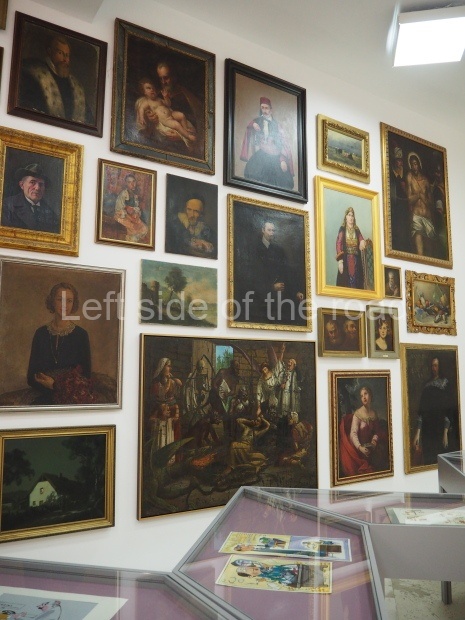
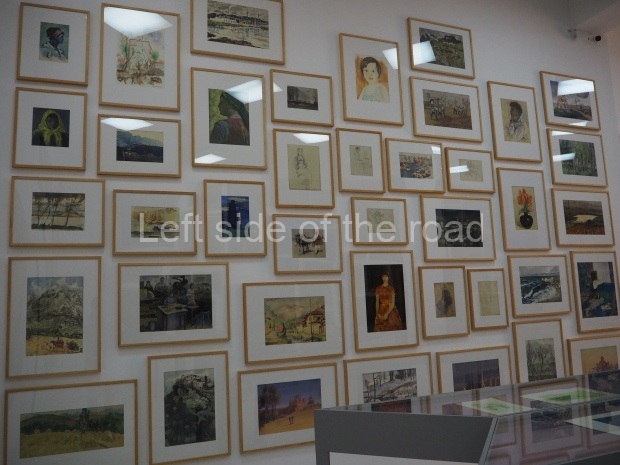
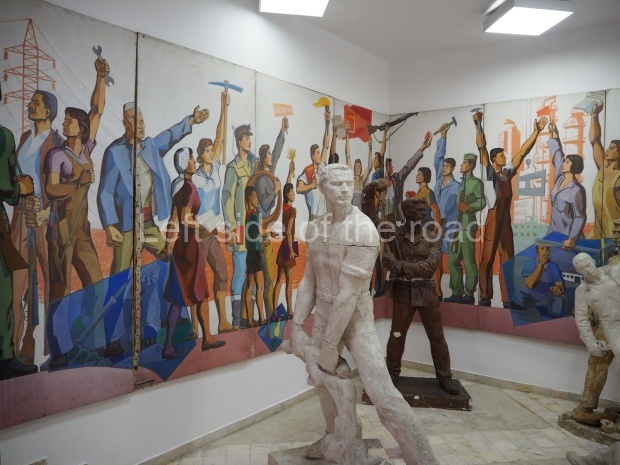
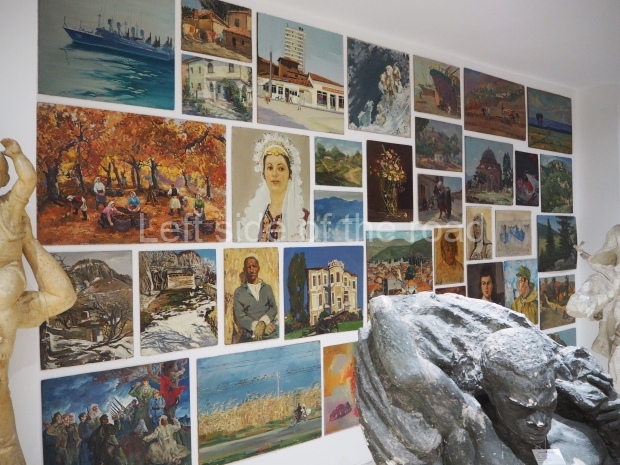
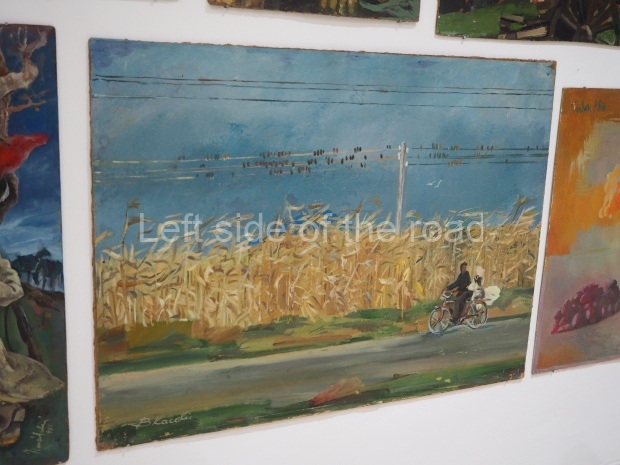
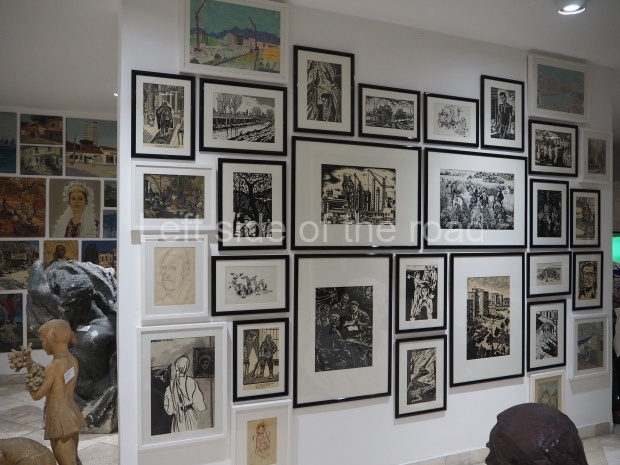
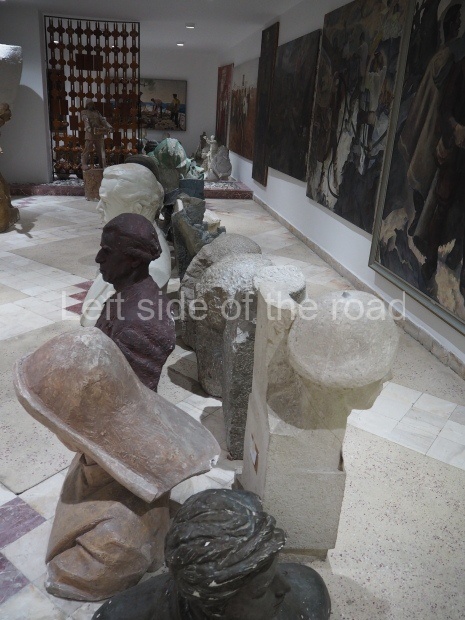
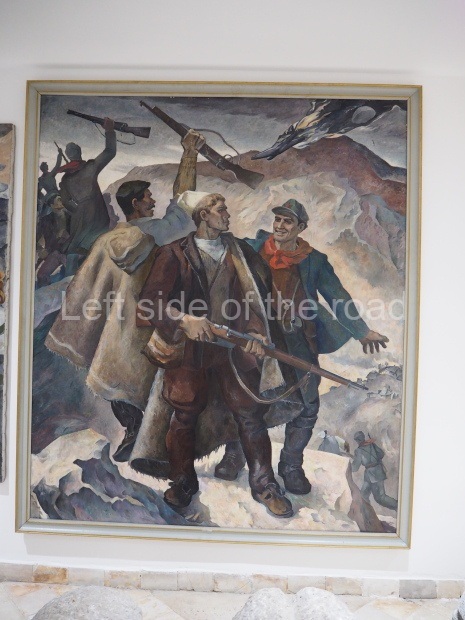
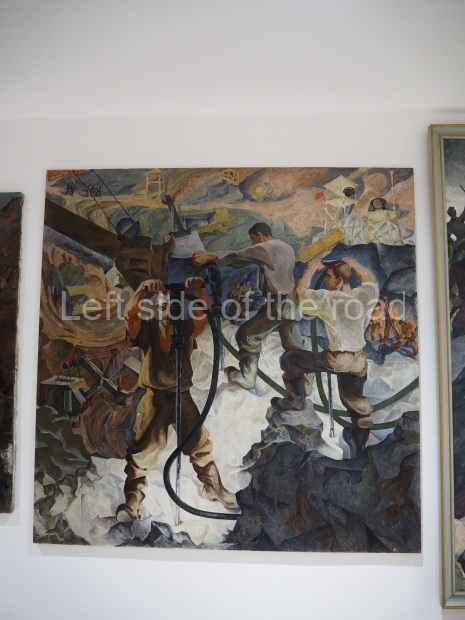
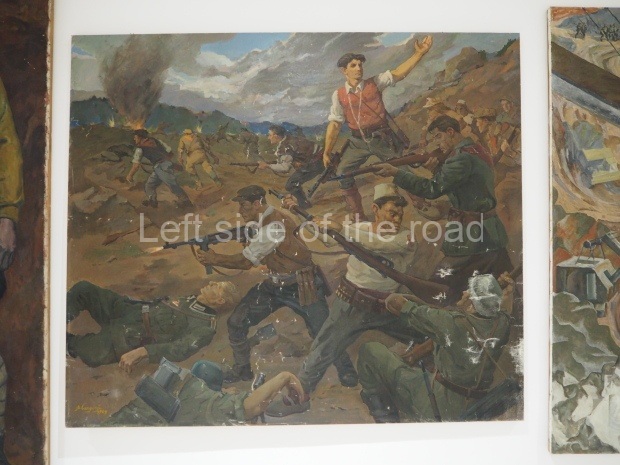
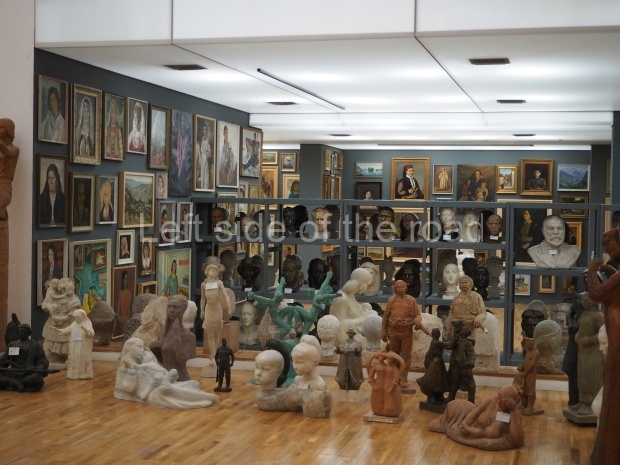
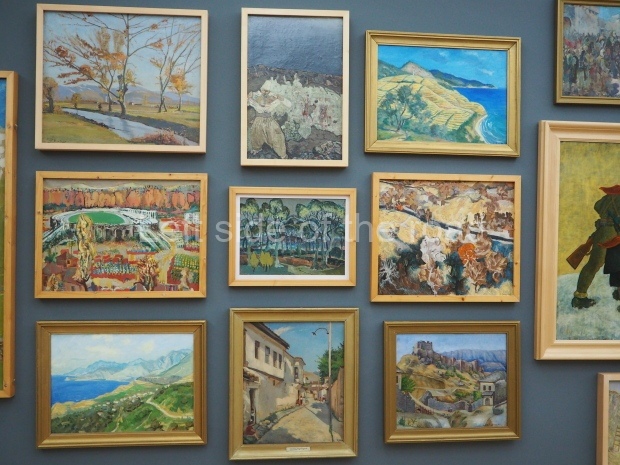
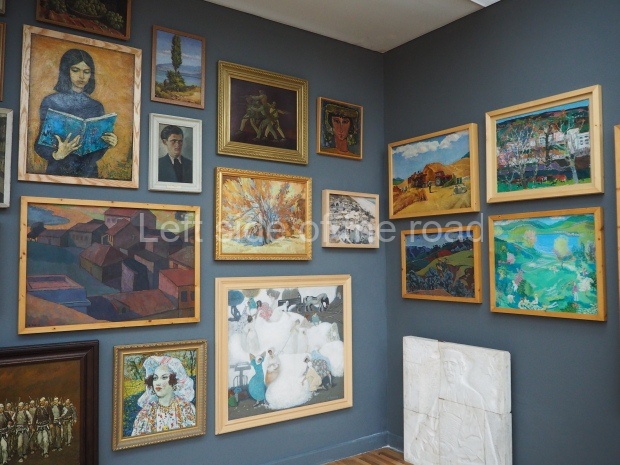
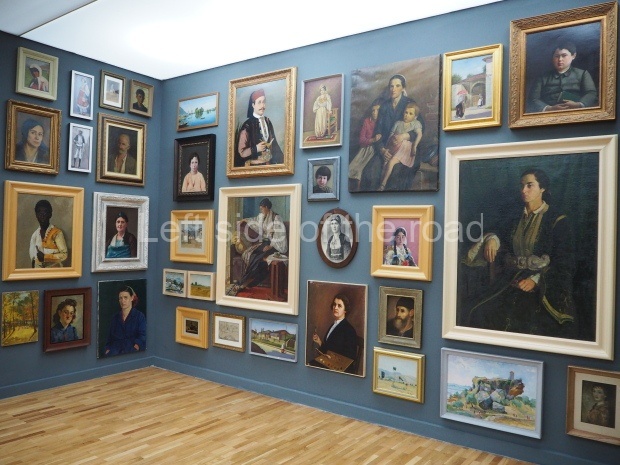
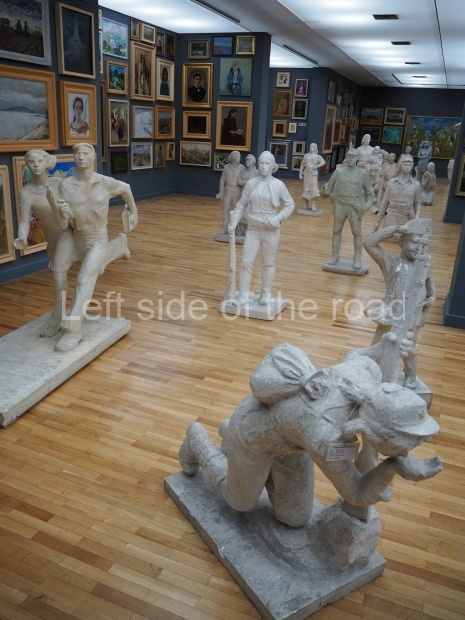
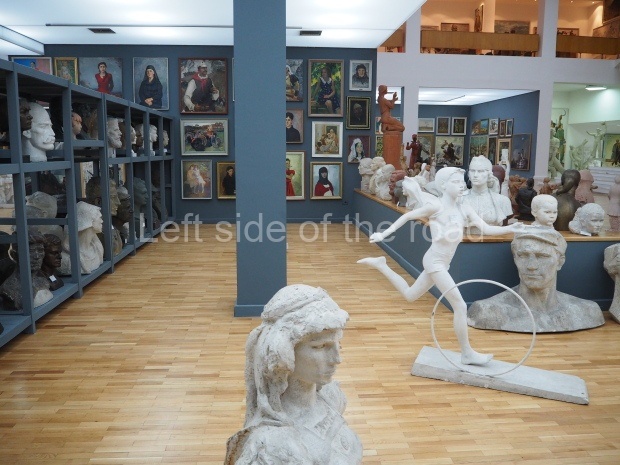
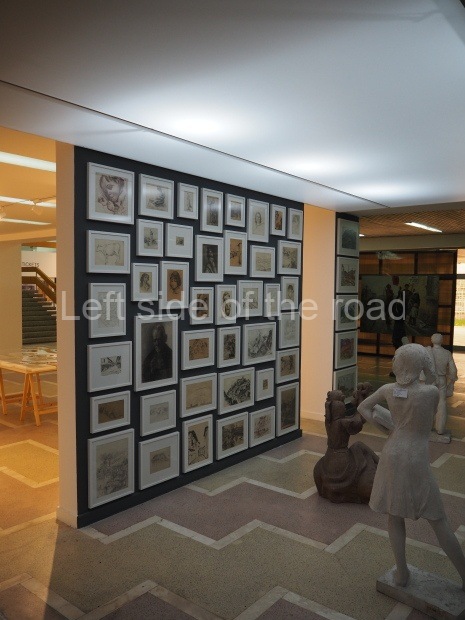
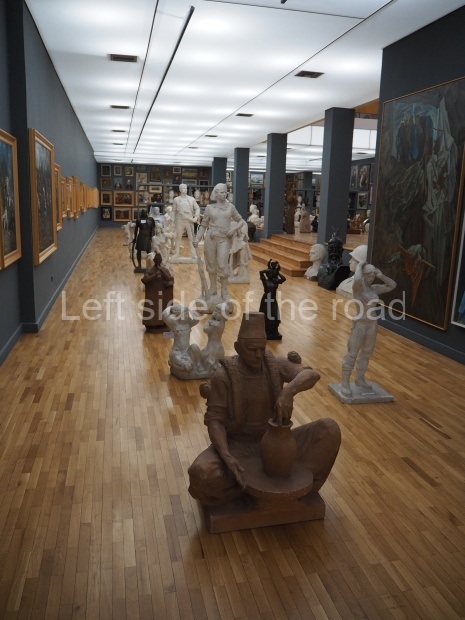
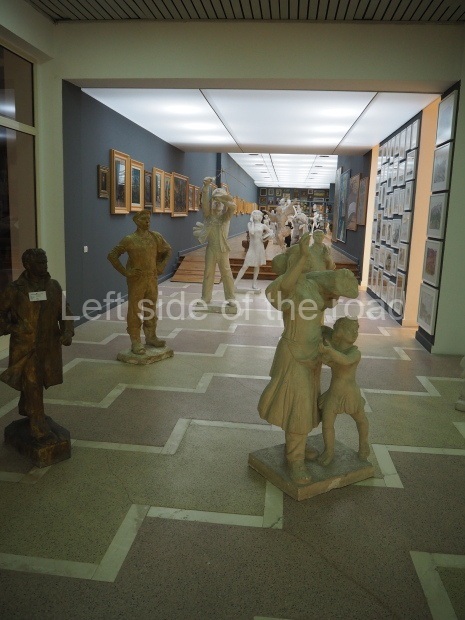
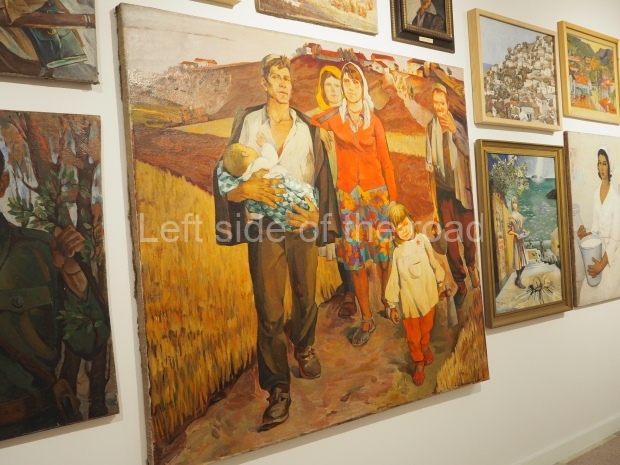
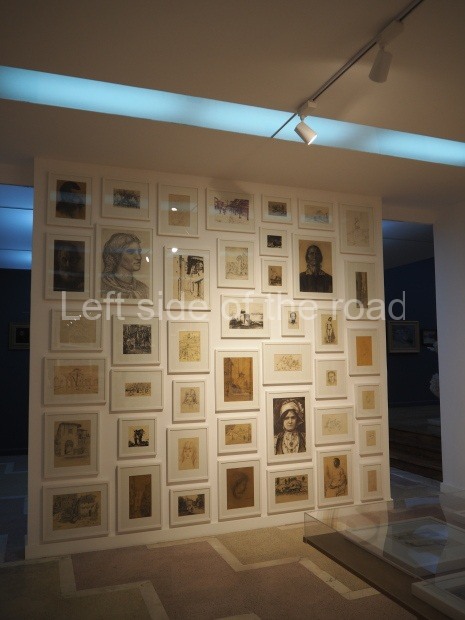
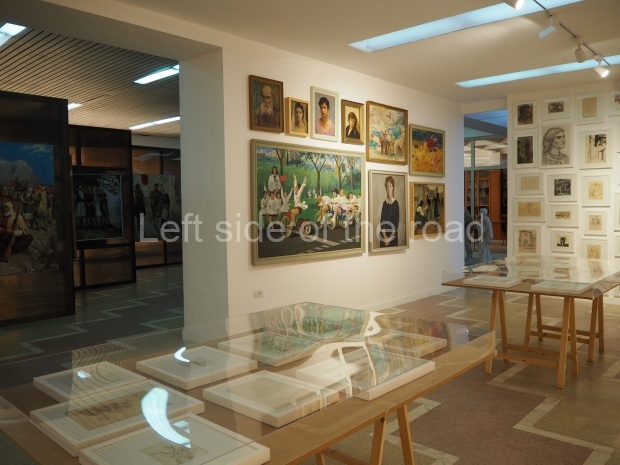
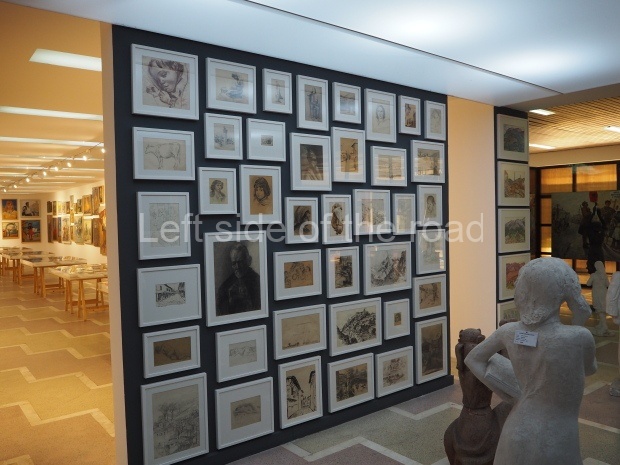
What is, in theory, a good idea – and something welcomed by anyone with an interest in the art of the Socialist Period in Albania – just turns out to be a mess. Virtually all available wall space has been used to mount the pictures and the sculptures take up virtually all available space on the floors.

But its all placed without any context, without any information, without any chronology, without any order or logic.

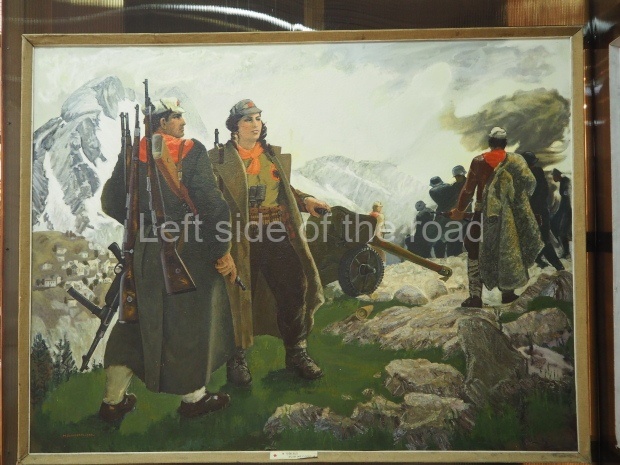
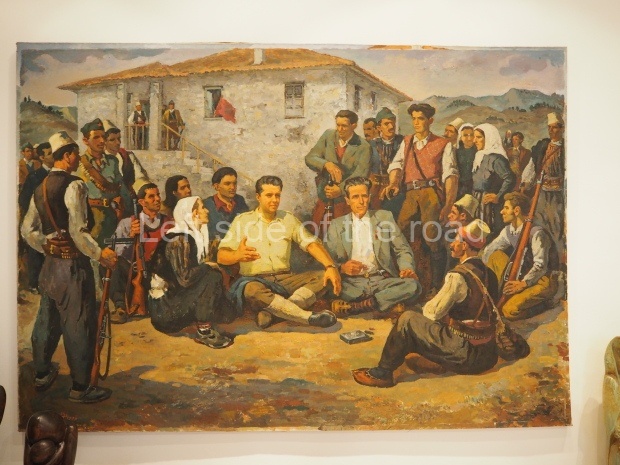
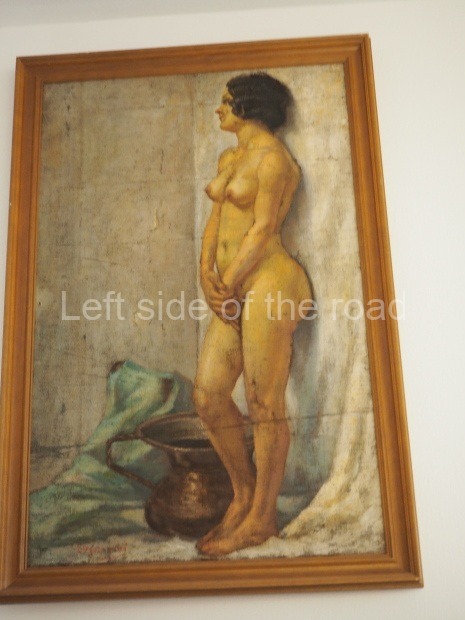
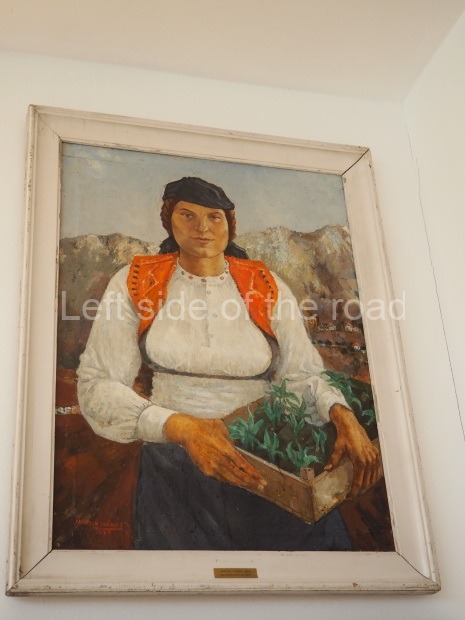
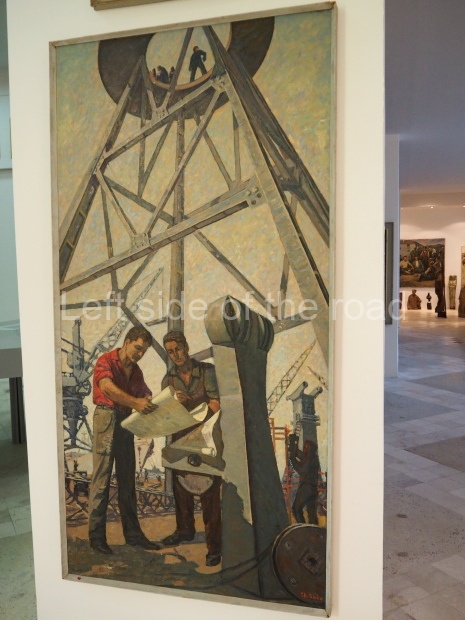
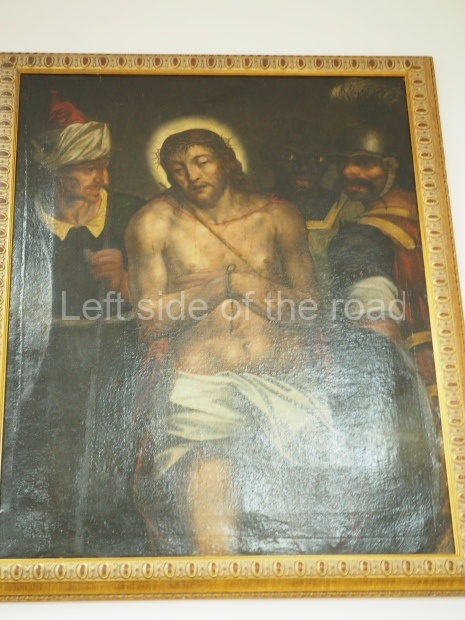
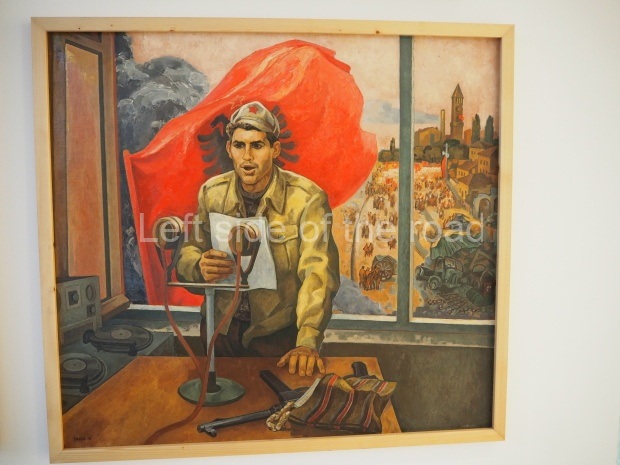
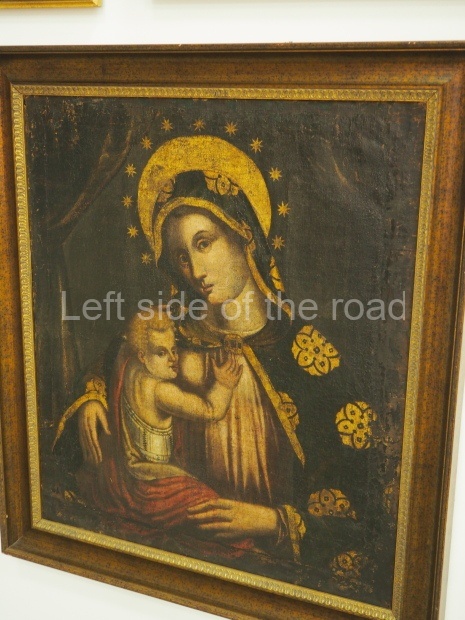
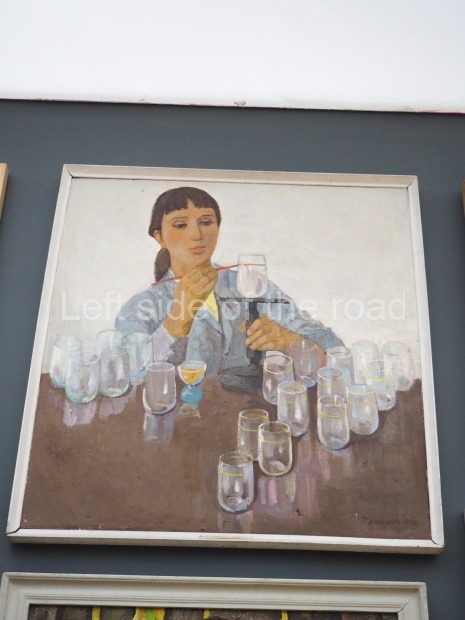
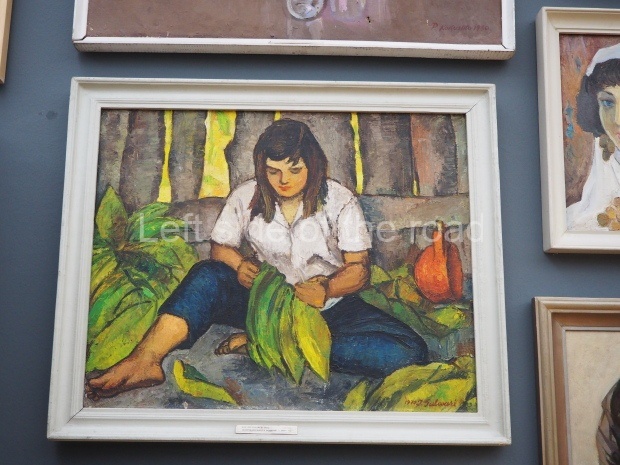
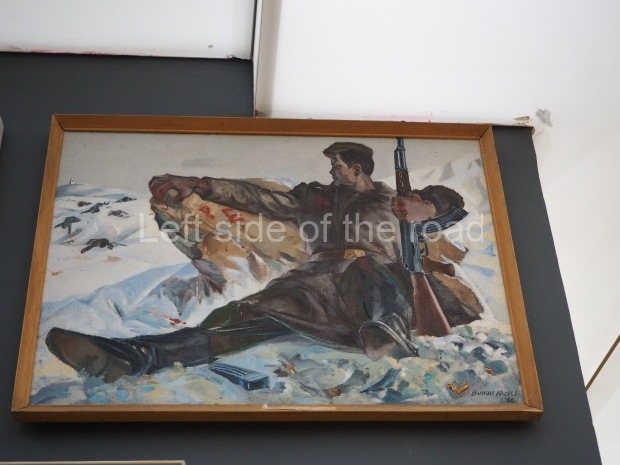
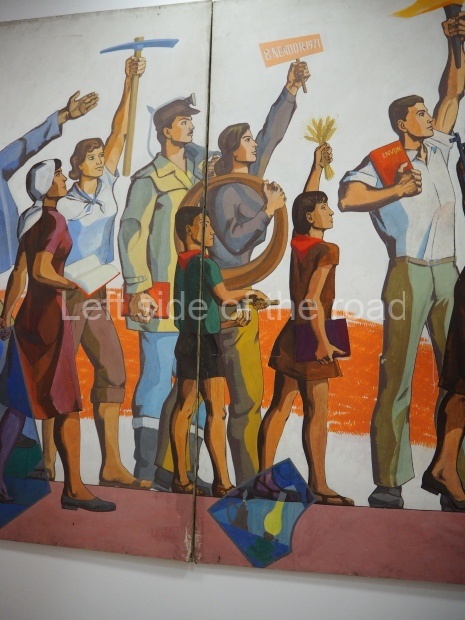
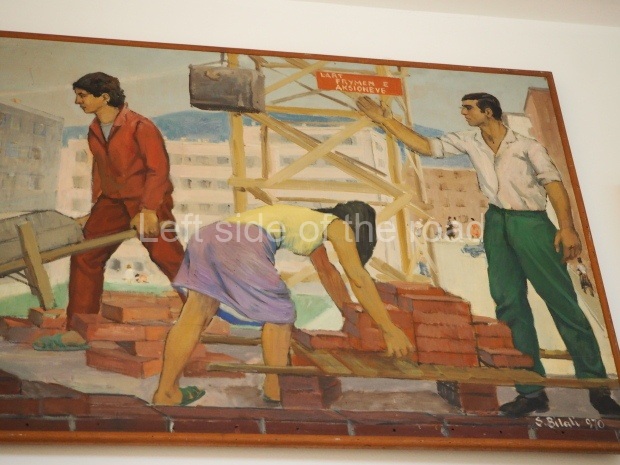
Paintings of pre-revolutionary times are displayed next to some of the last paintings produced under socialism. The works of particular artists can be found anywhere on the two floors which the exhibition occupies. It’s so chaotic that you are never able to understand any development in the ideas of socialist realism in what was Albania’s Cultural Revolution – which started at about the same time as the more famous one in China (the mid-60s) but which lasted longer, going into the 1980s.

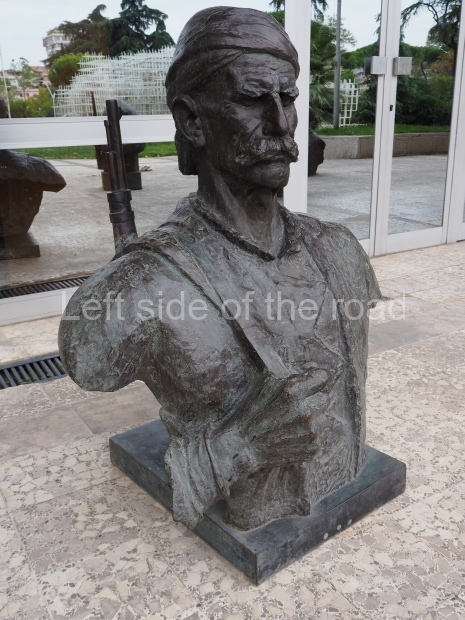
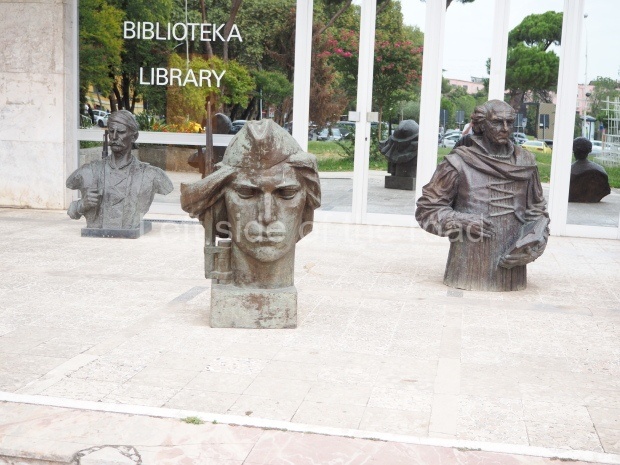
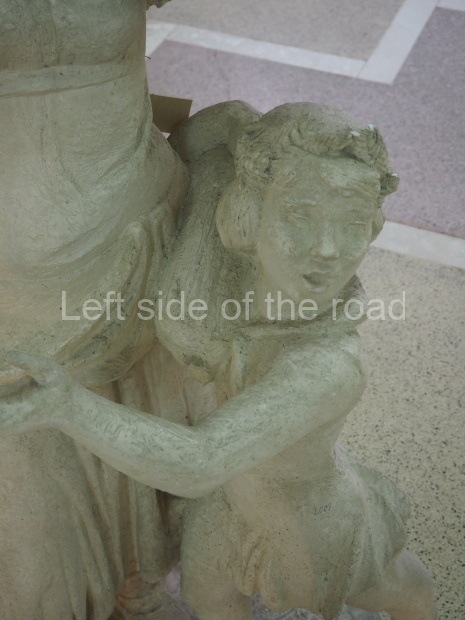
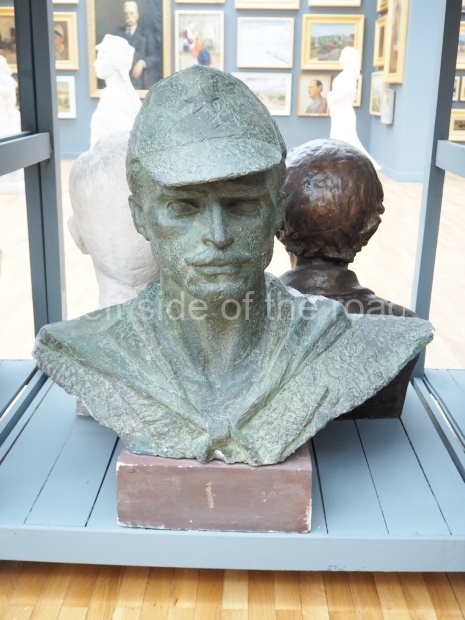
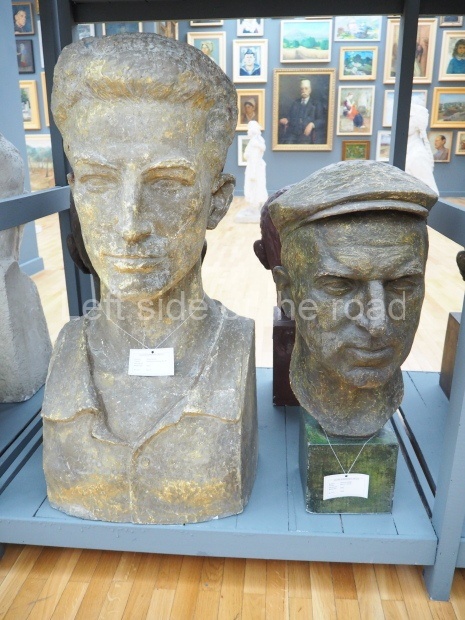
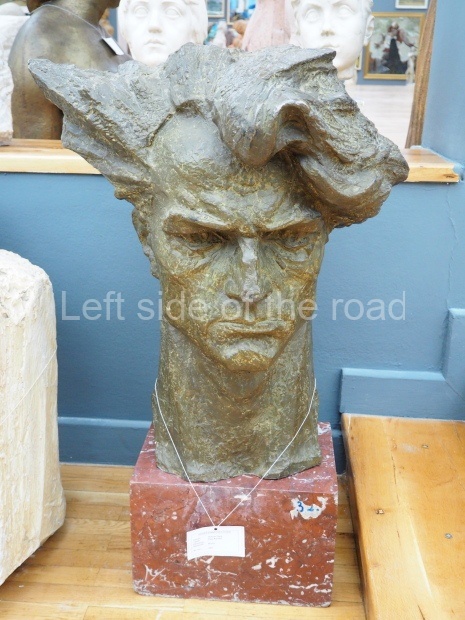
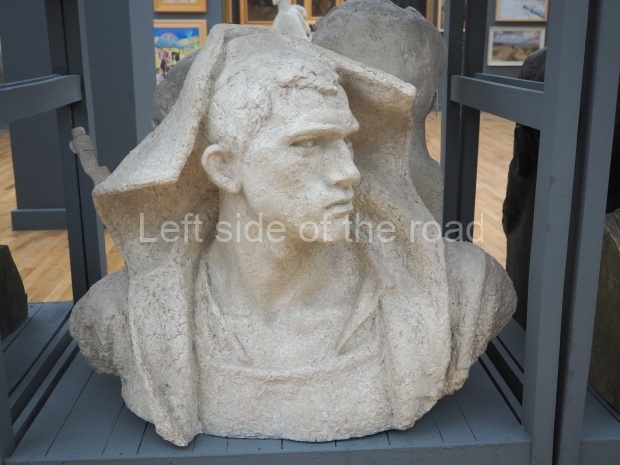
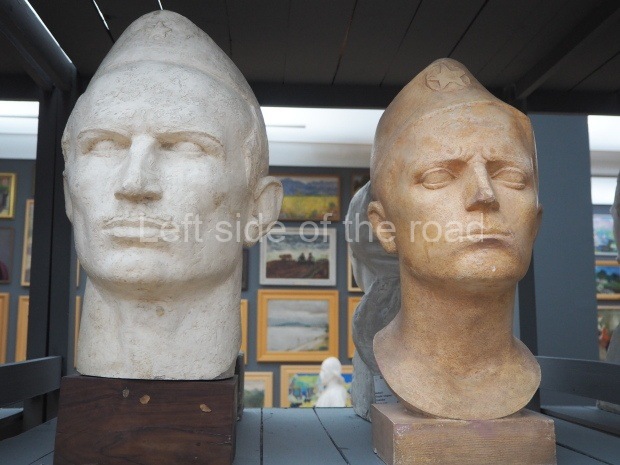
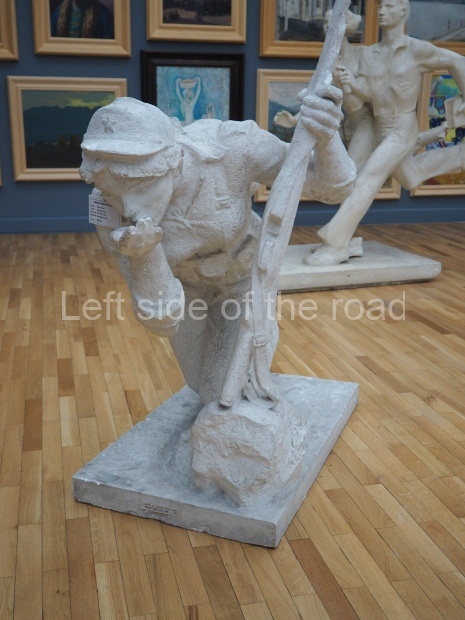
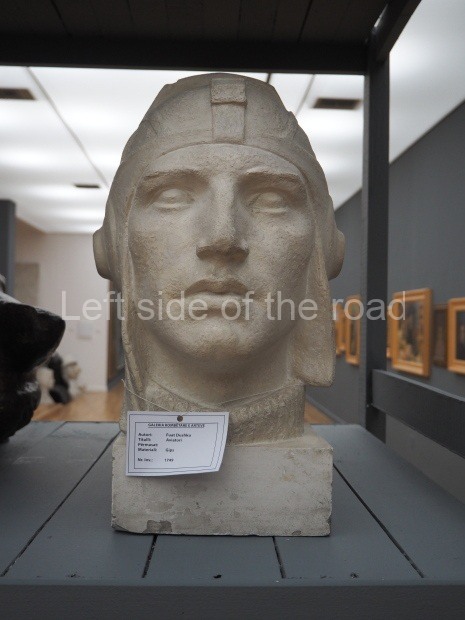
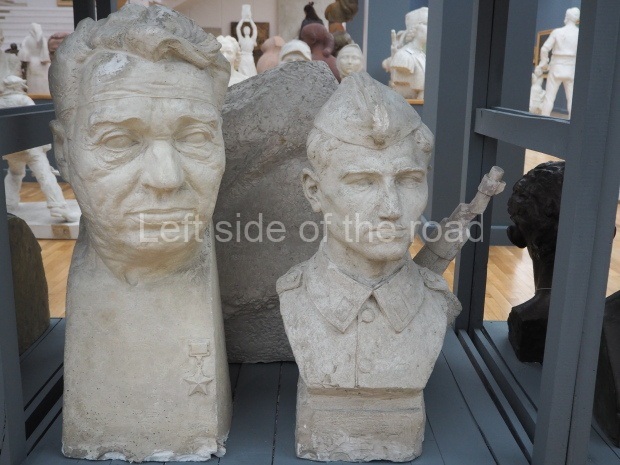
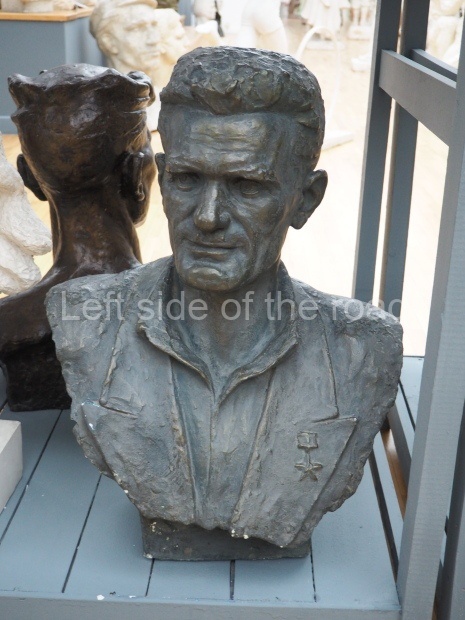
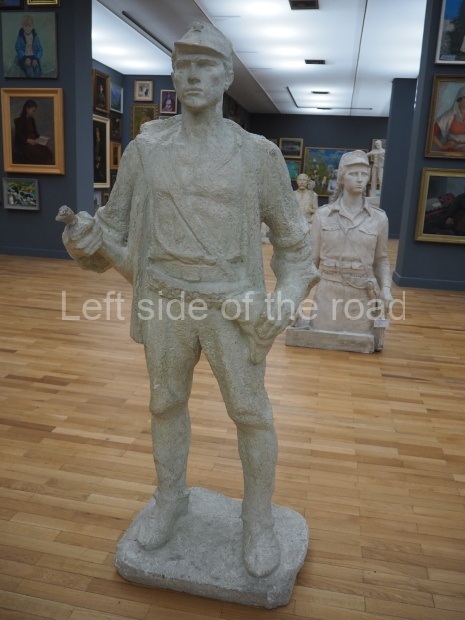
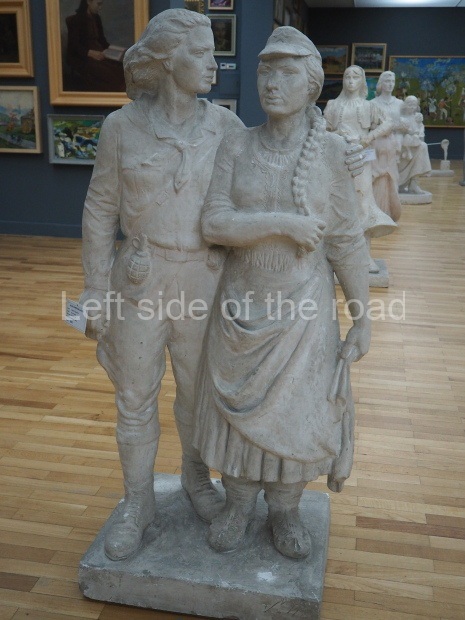
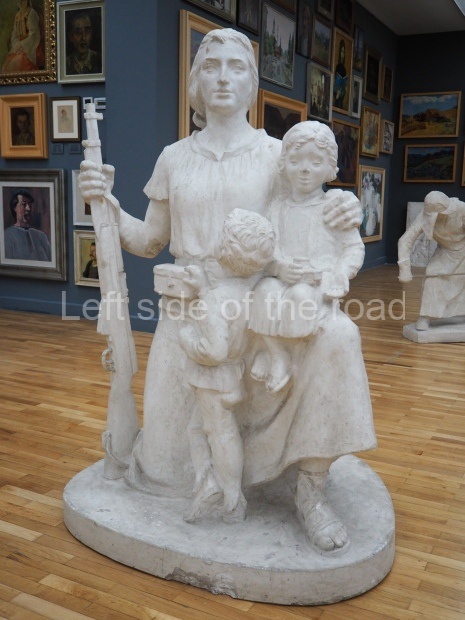
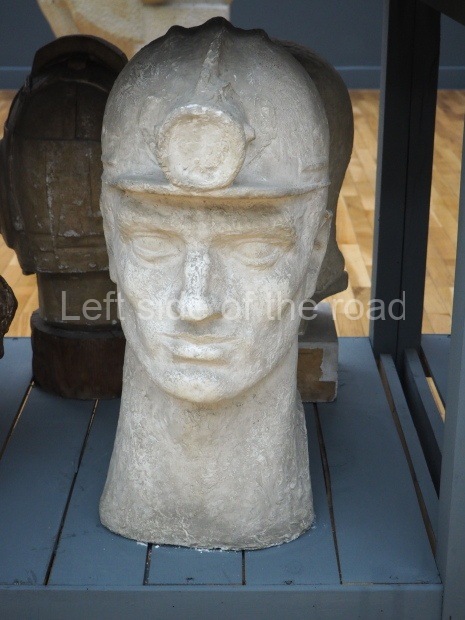
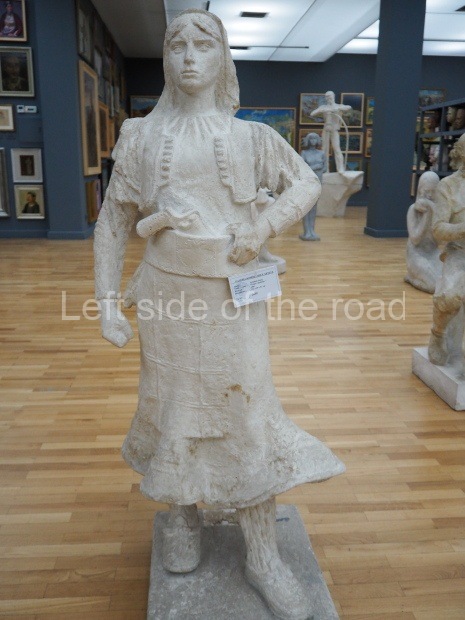
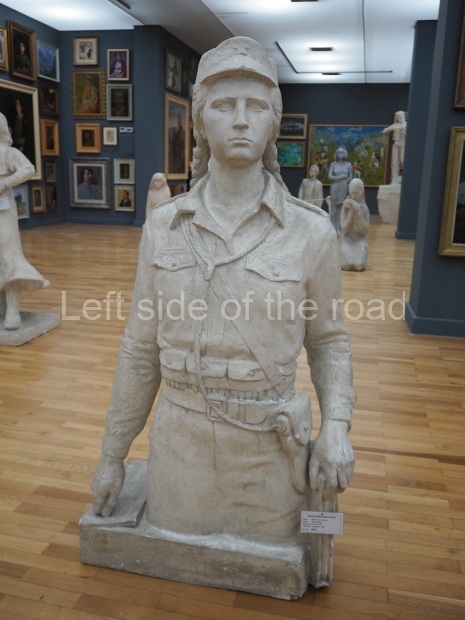
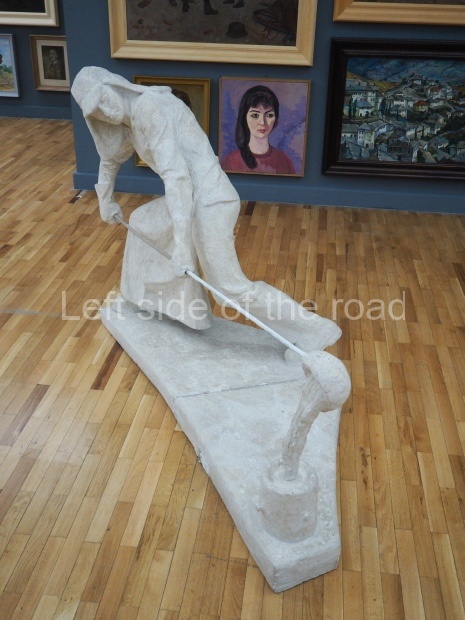
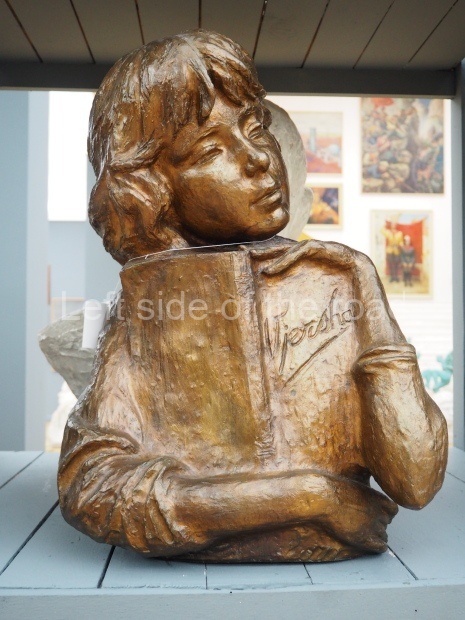
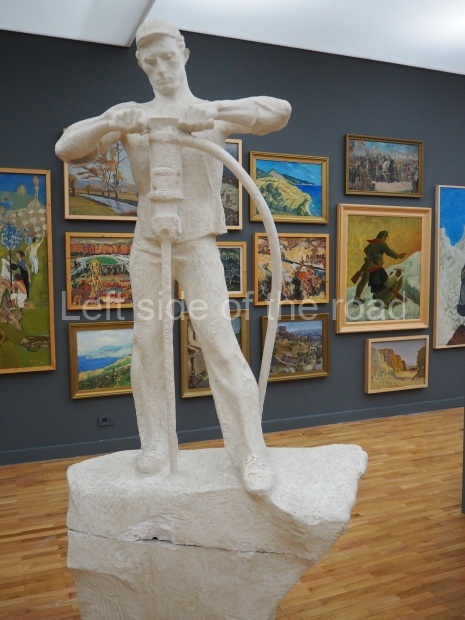
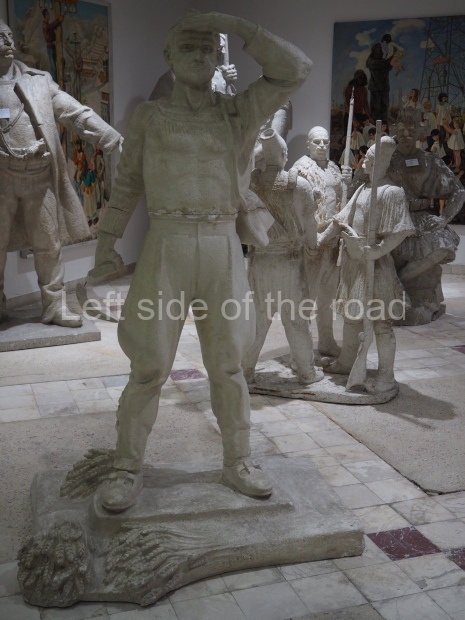
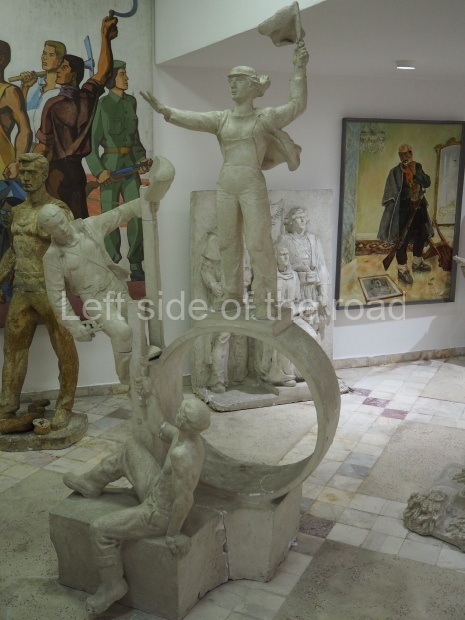
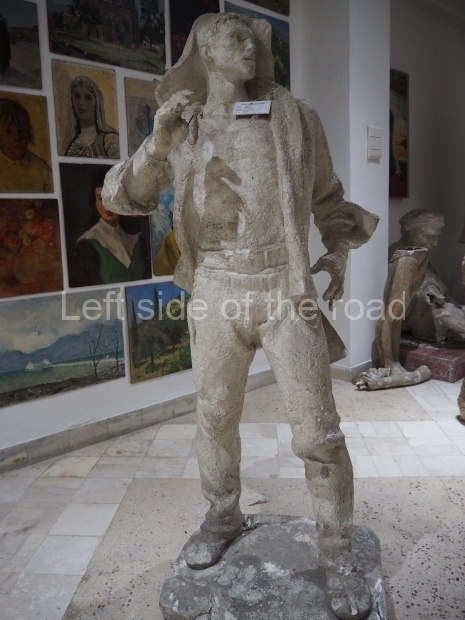
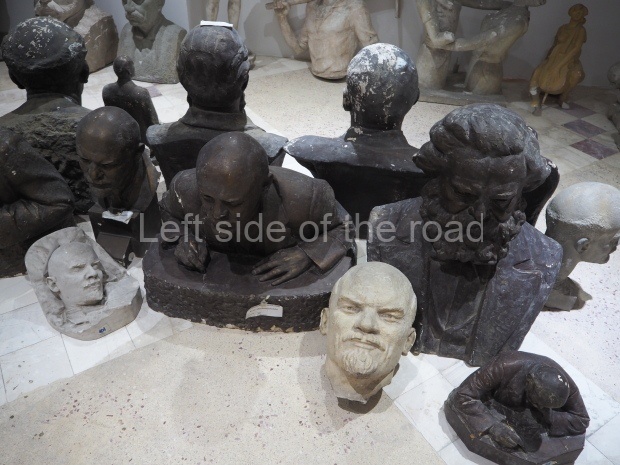
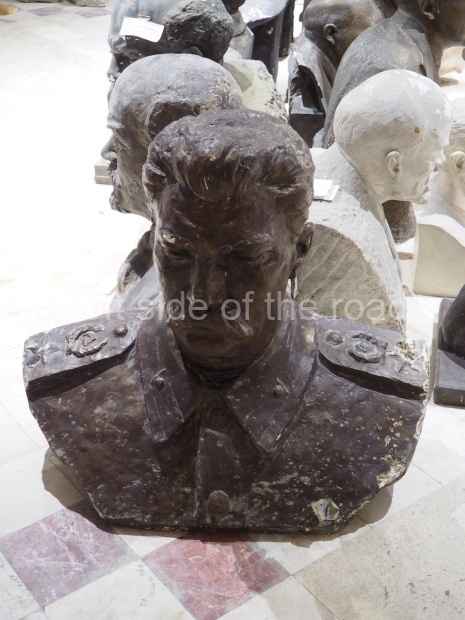
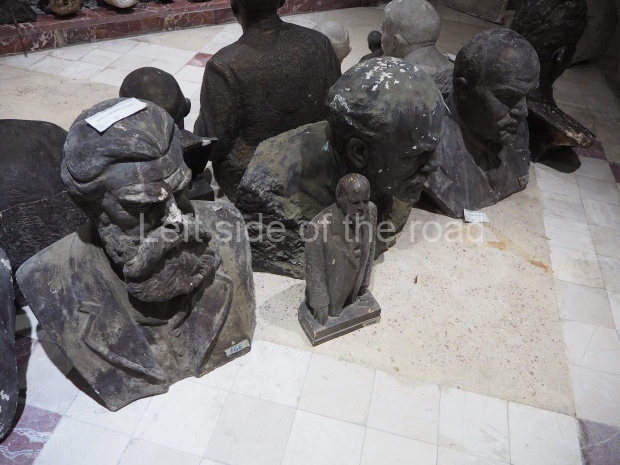
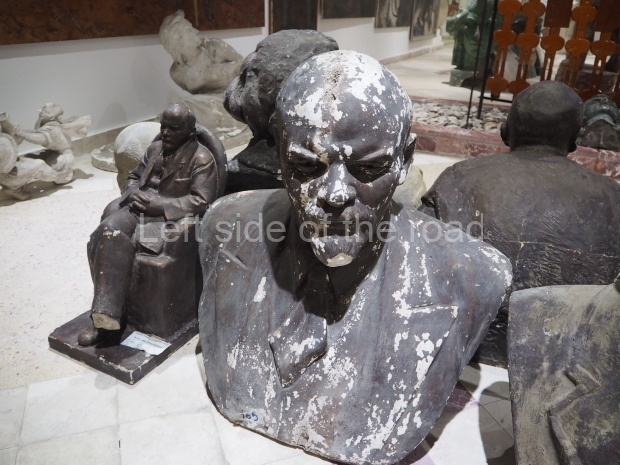
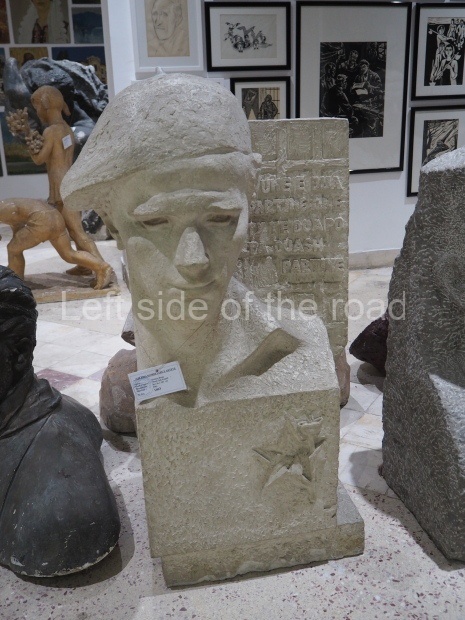
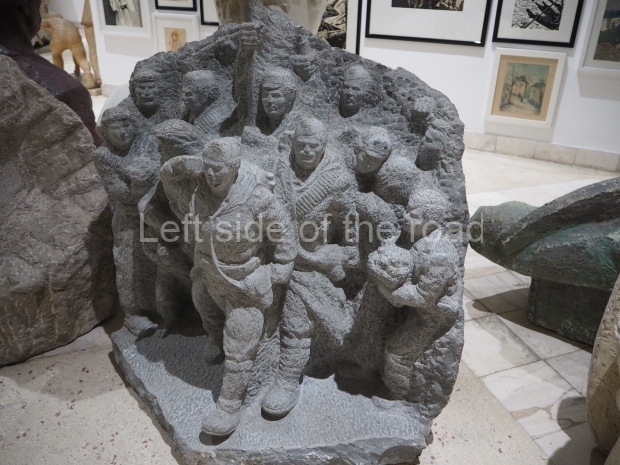
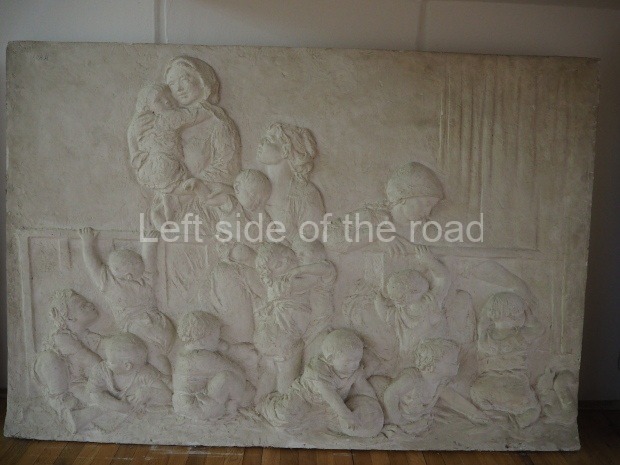
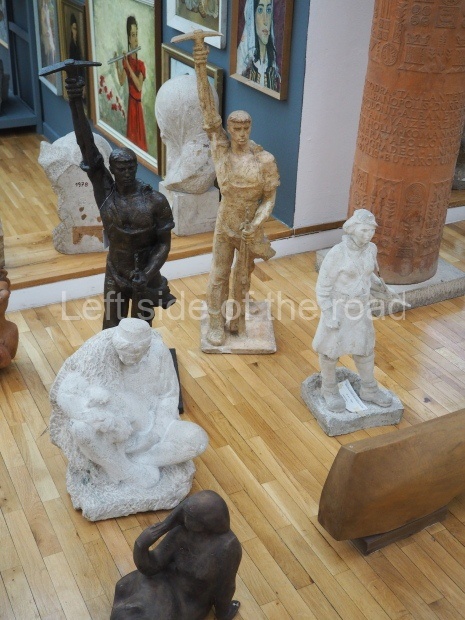
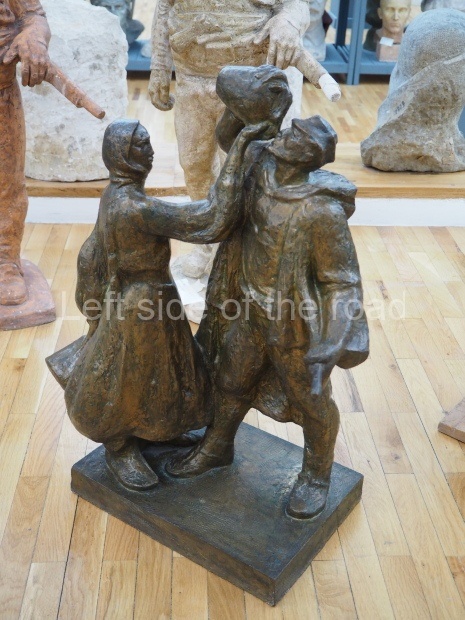
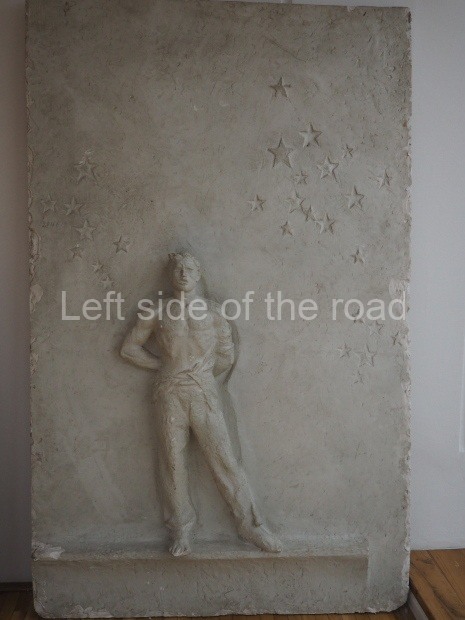
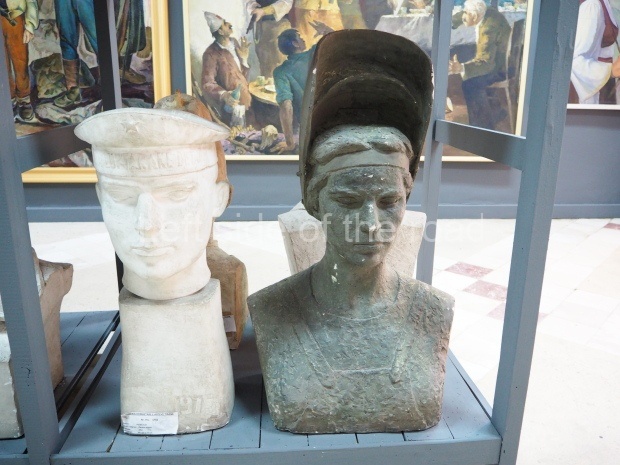
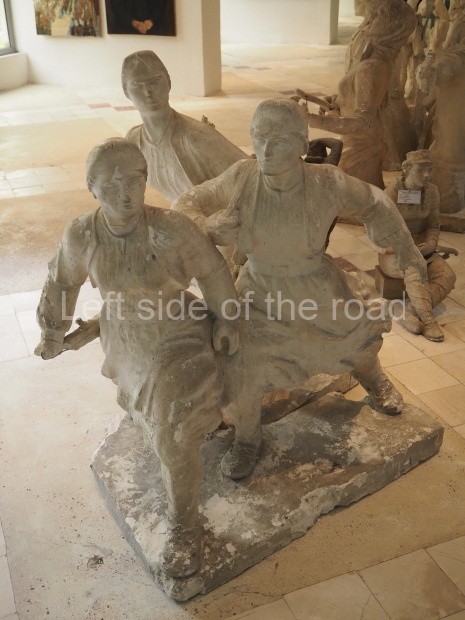
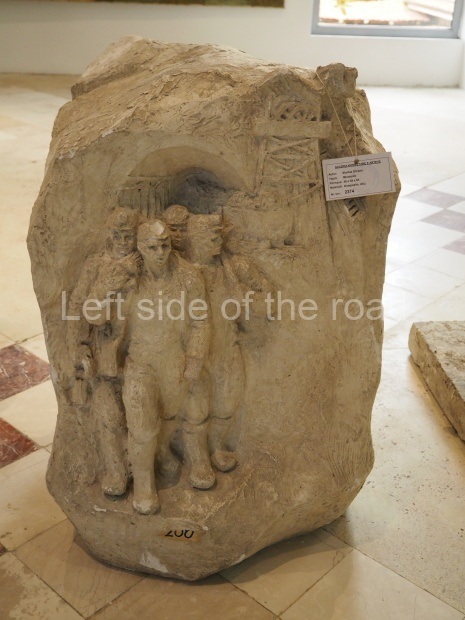
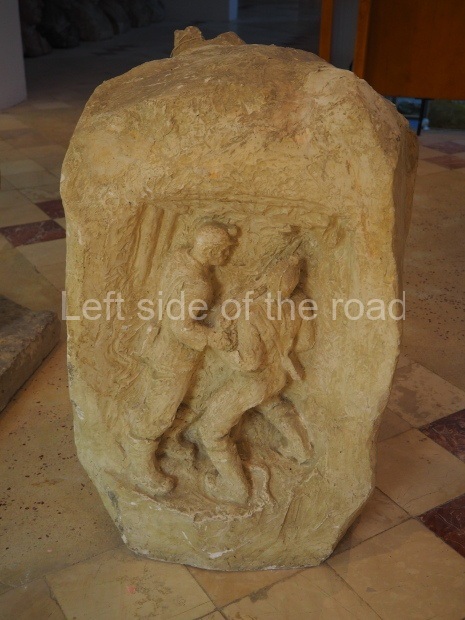
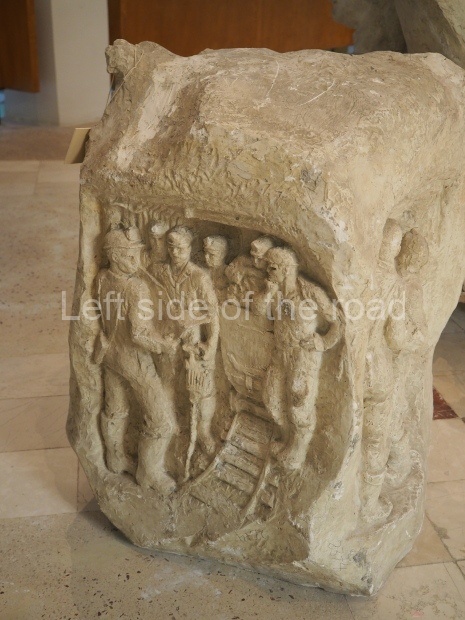
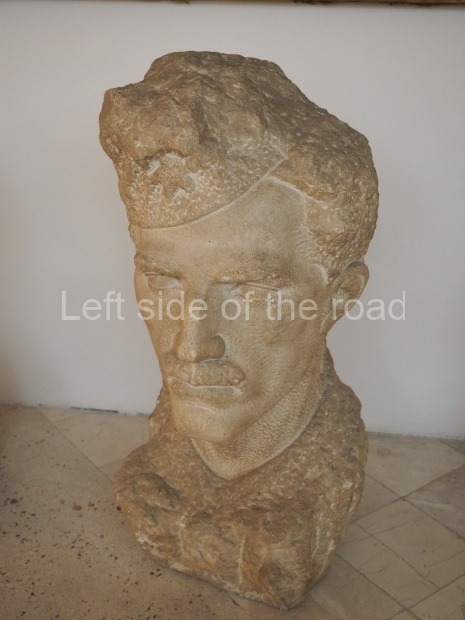
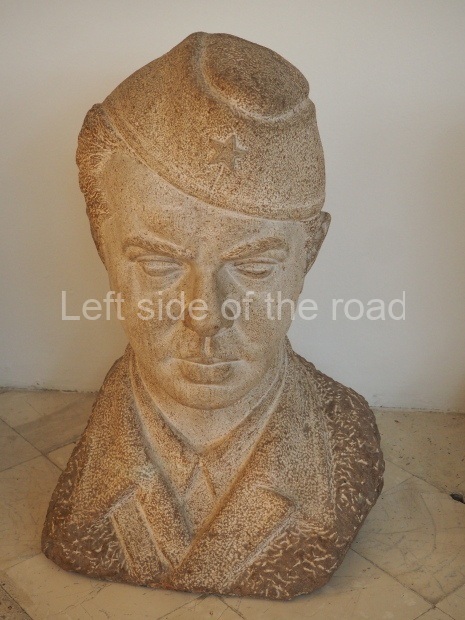
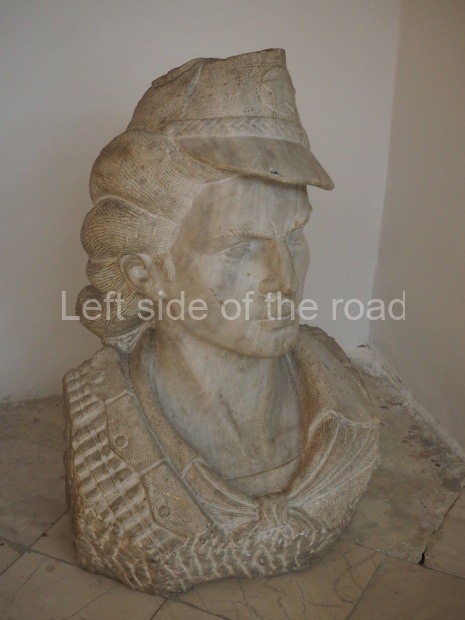
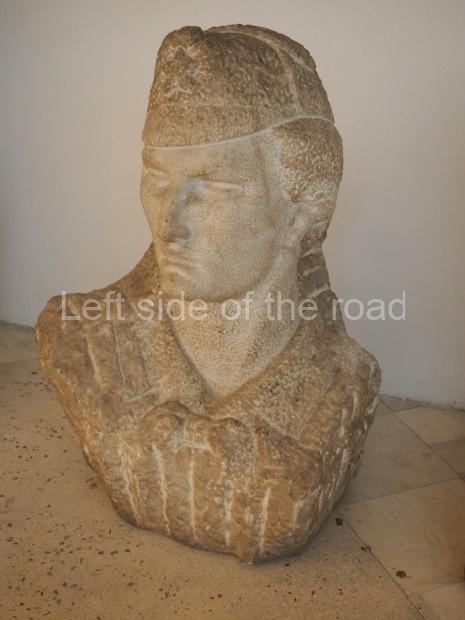
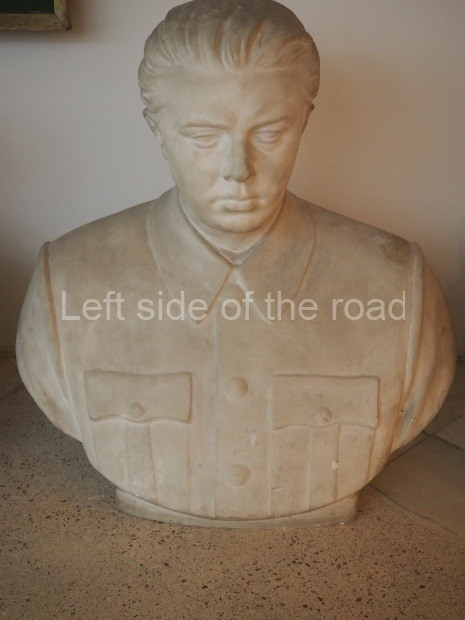
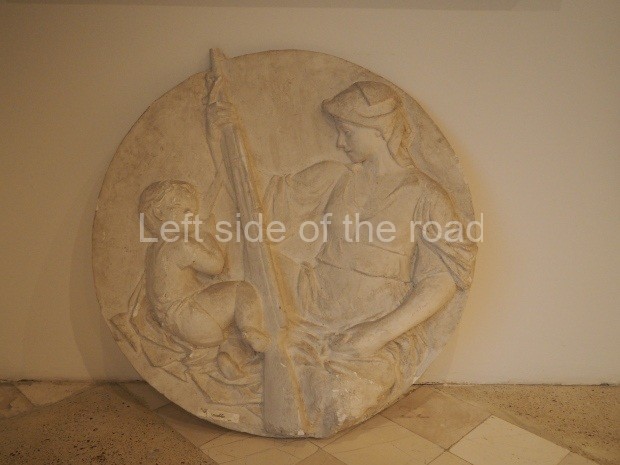
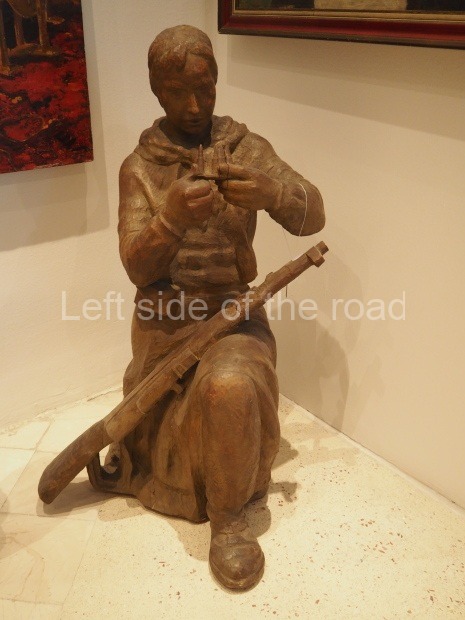
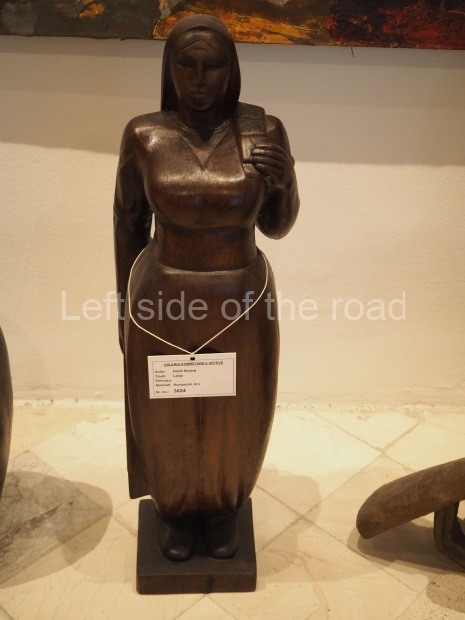
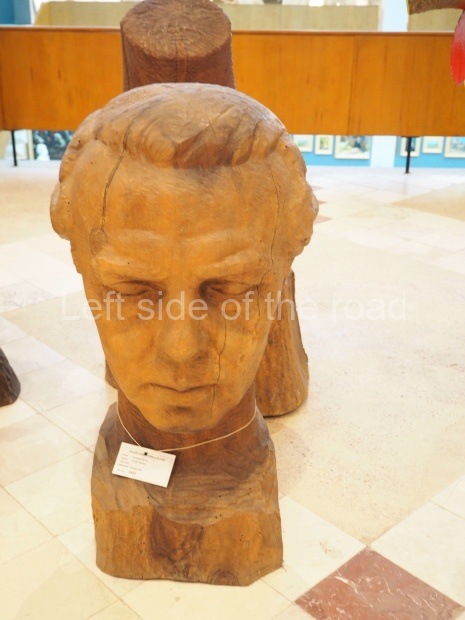
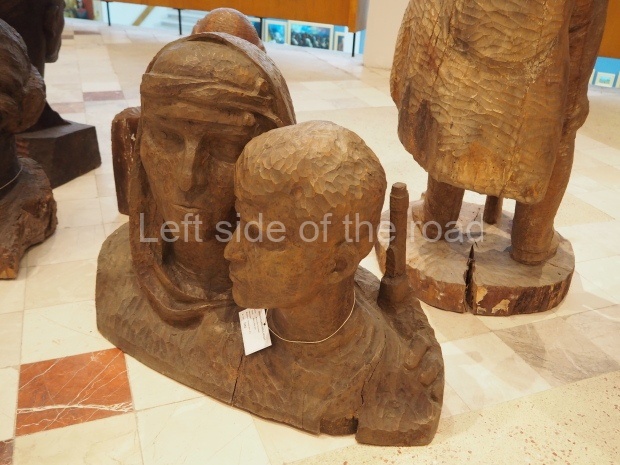
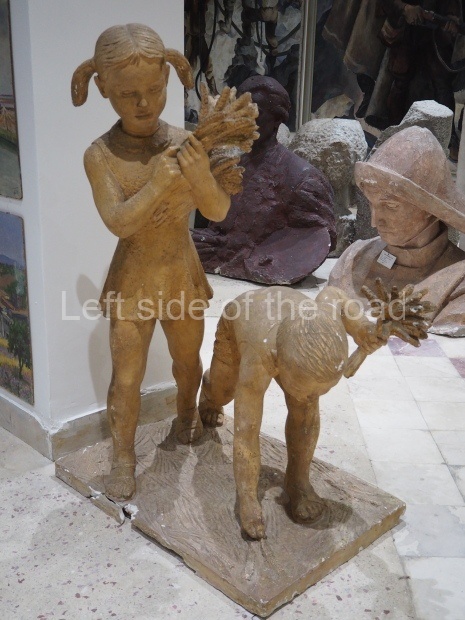
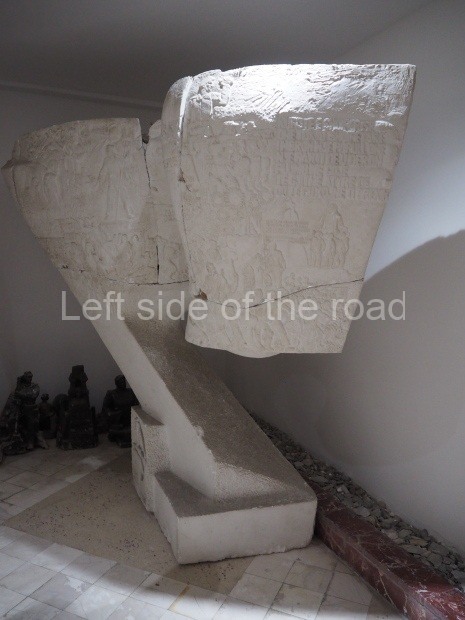
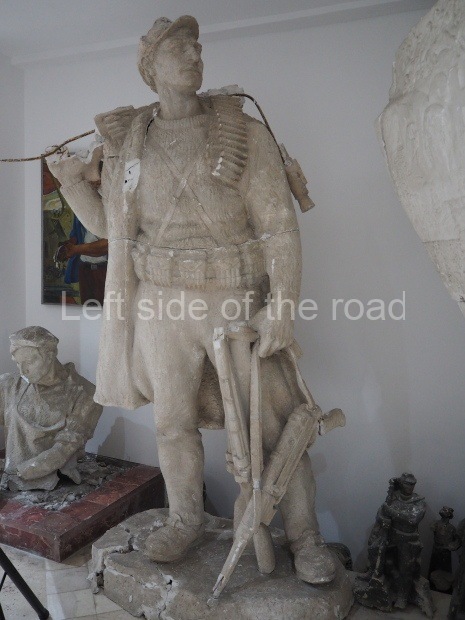
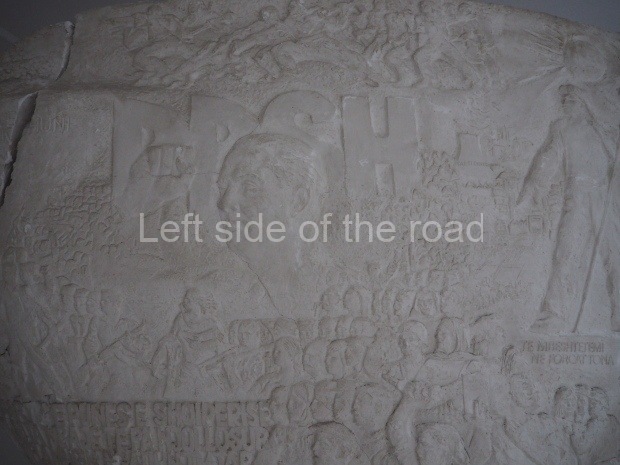
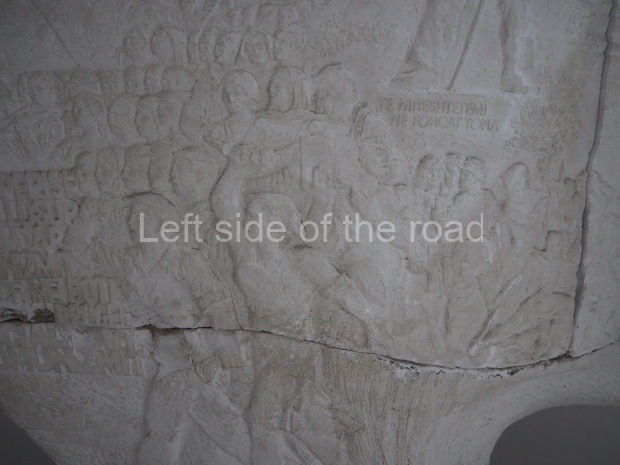
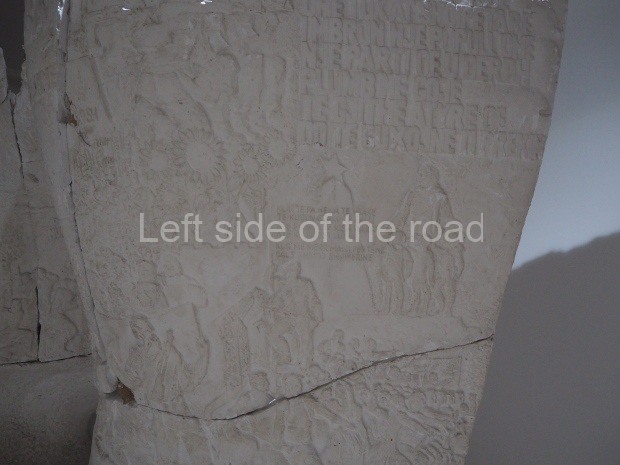
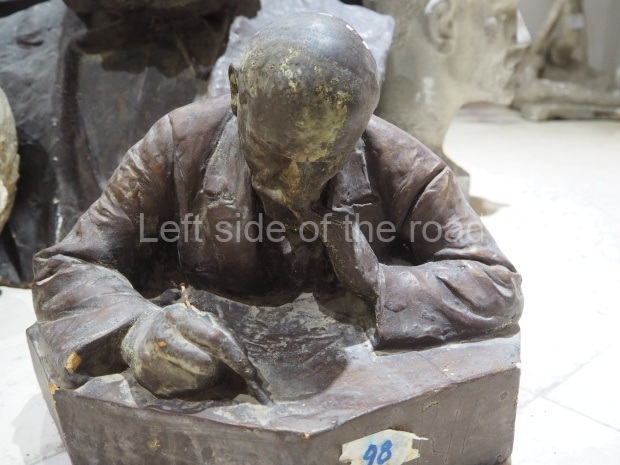
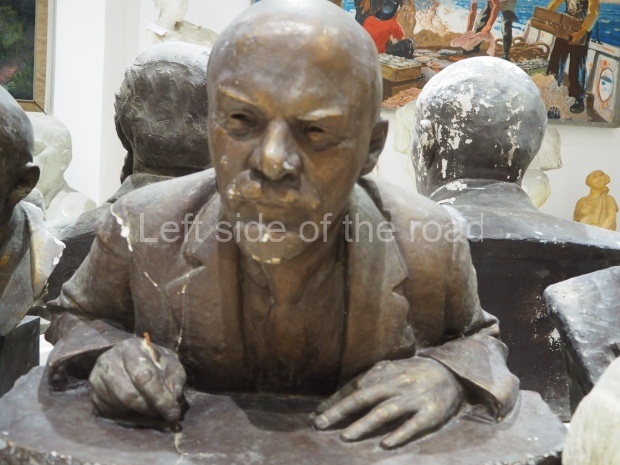
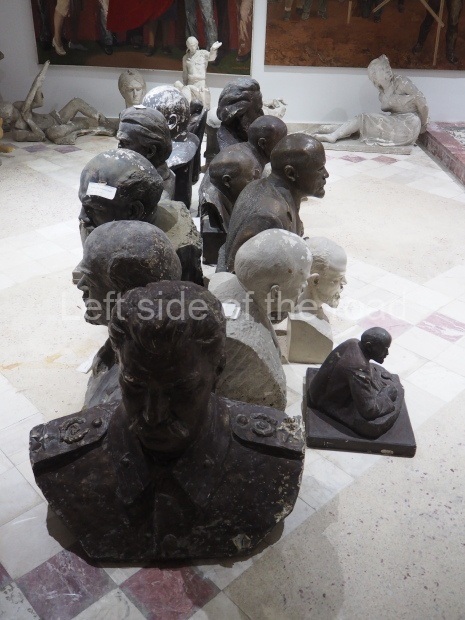
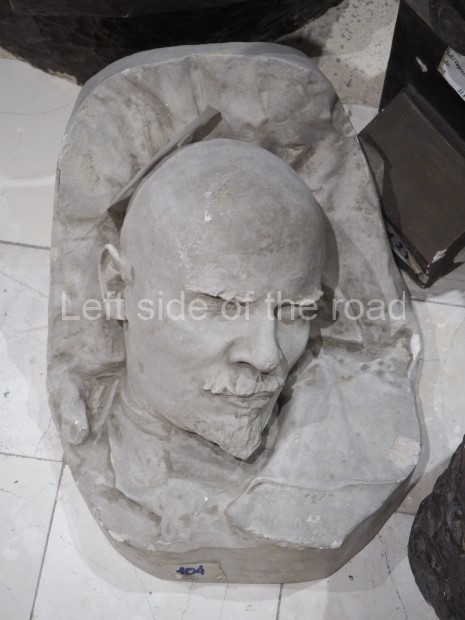
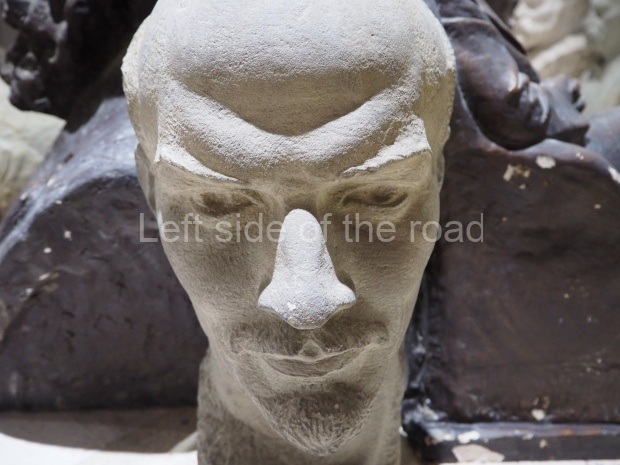
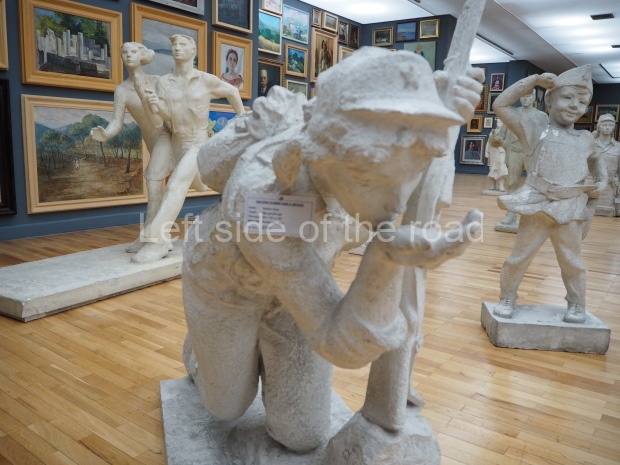
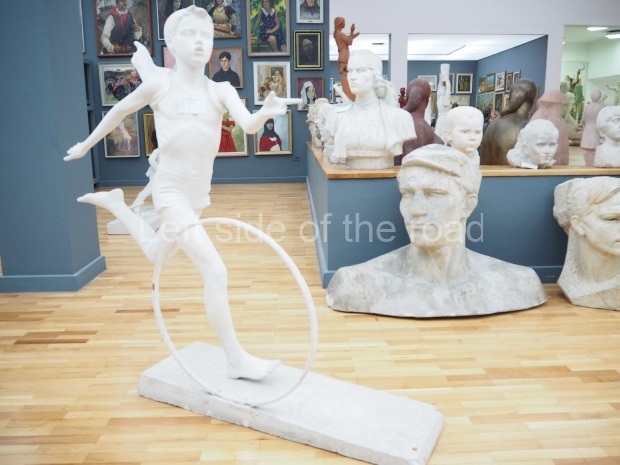
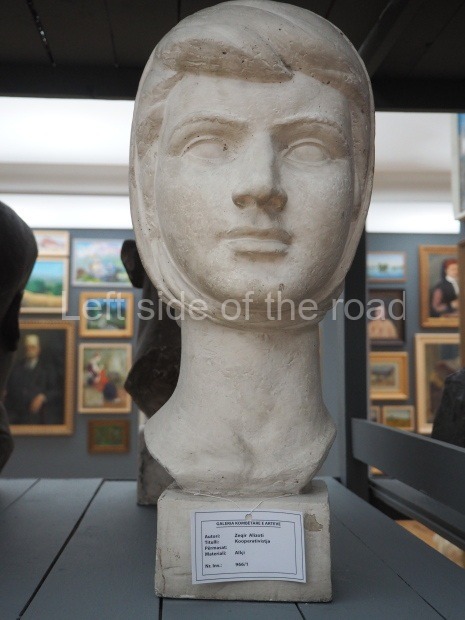
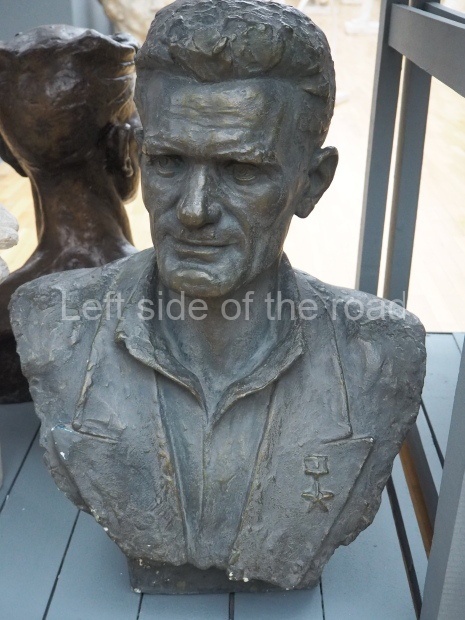
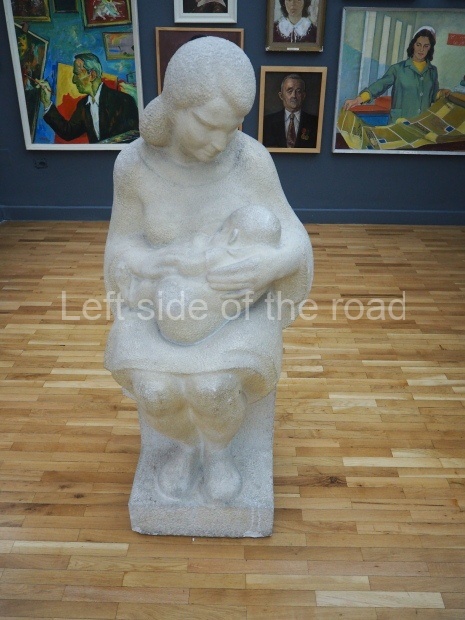
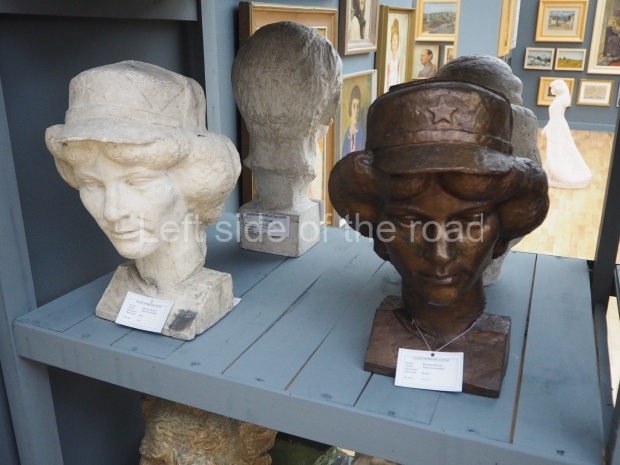
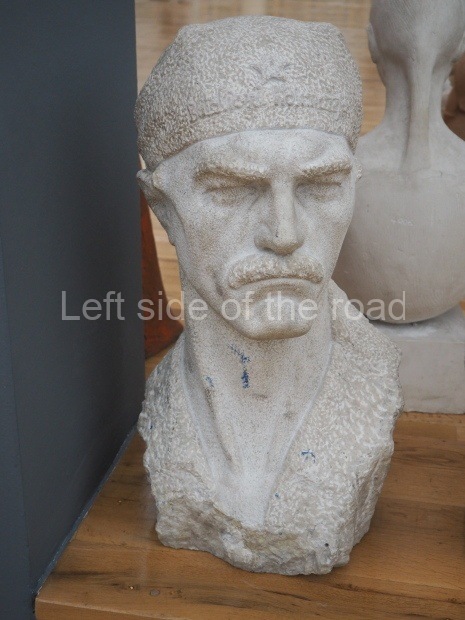
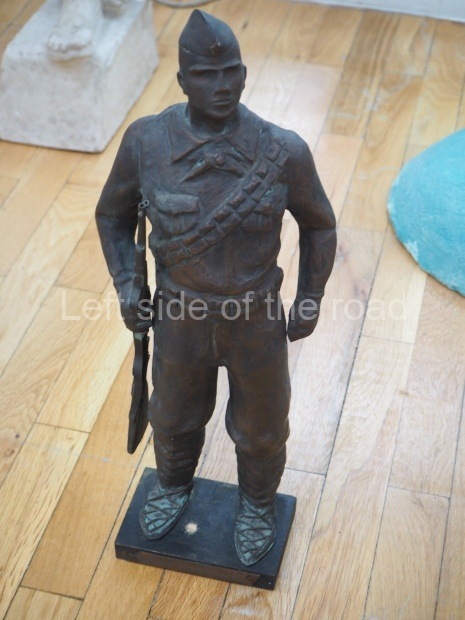
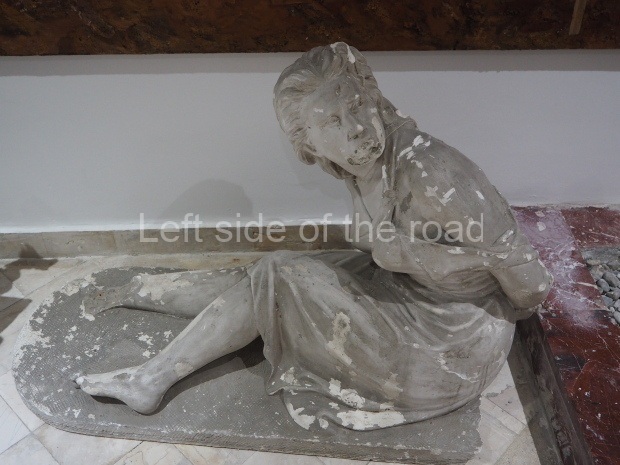
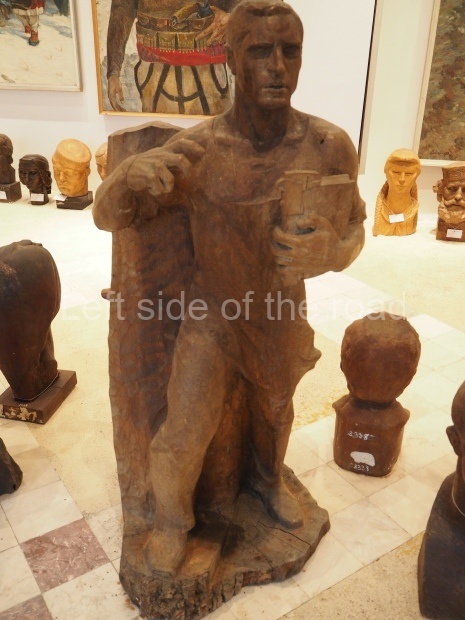
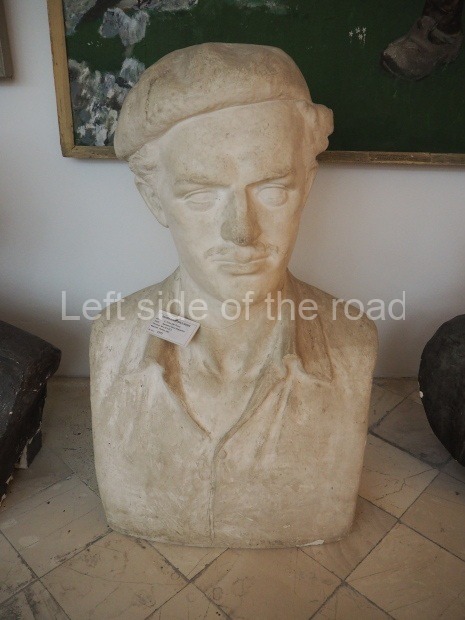
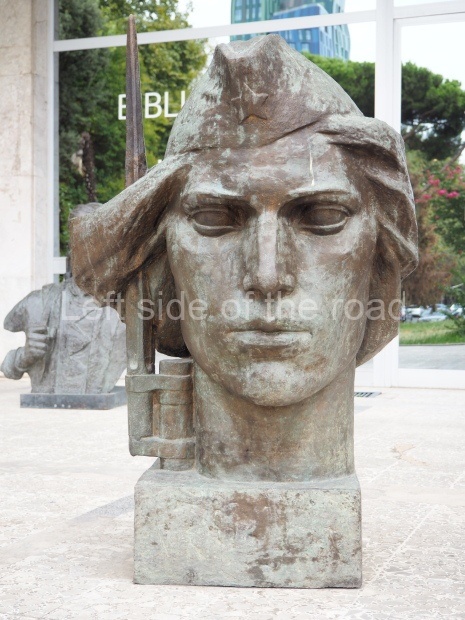
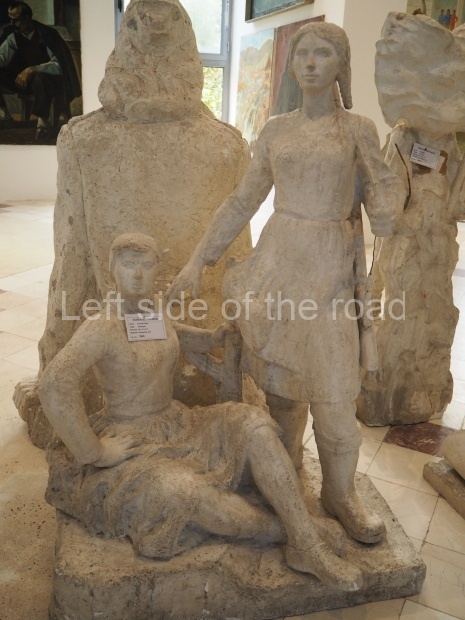
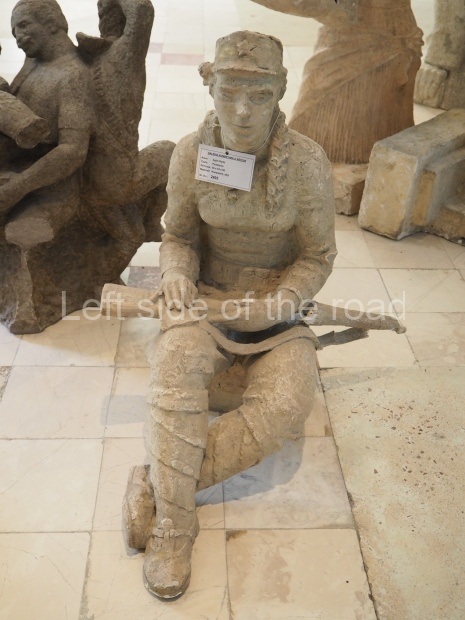
This is the situation with the paintings but this is mirrored with the sculptures. Many are ‘displayed’ on the same storage racks that would have been used in the building’s basement, many more are just placed on the floor. This means you can’t appreciate any one sculpture in itself as it is so close to another, either to its side or behind. A number of the sculptures have an original label attached so you get discover the name of the artist and work title but little more. The fact that so many of them have even those labels missing gives the impression that even the gallery itself probably doesn’t know for certain the artist, date or subject matter.

And you can’t appreciate a sculpture if the only way to get a decent view is to lie on the floor (if that was indeed possible without knocking over its neighbour).

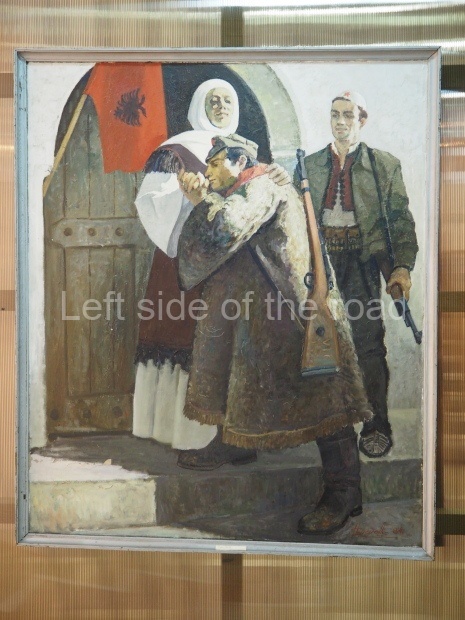
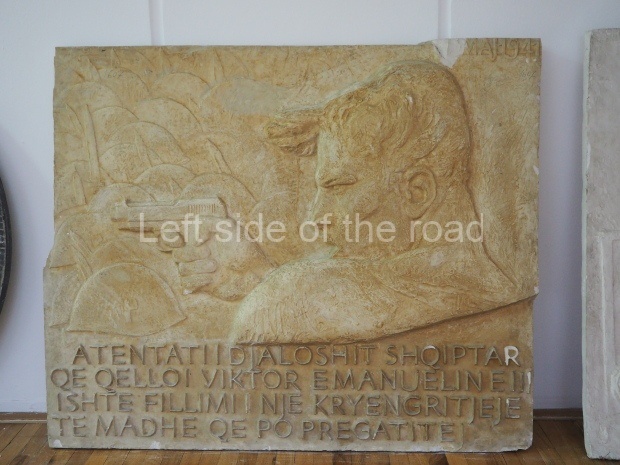
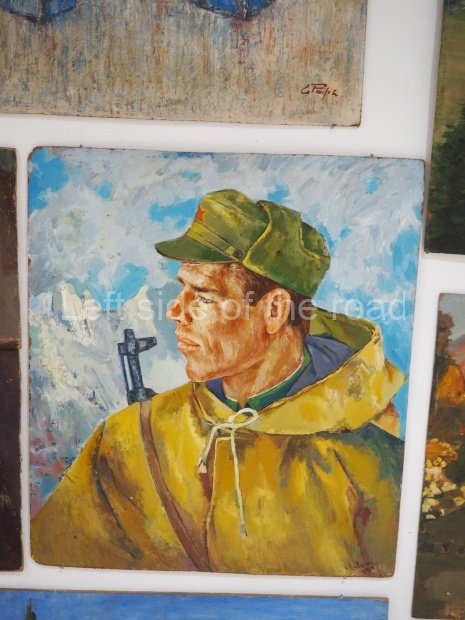
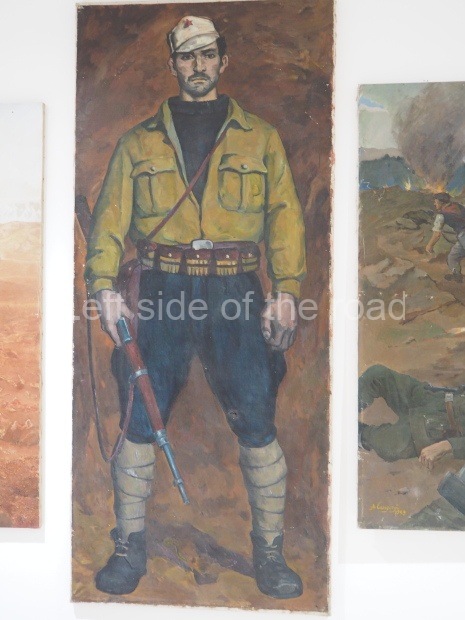
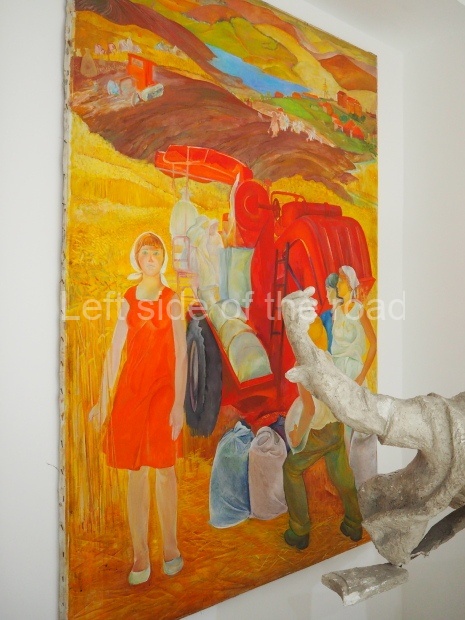
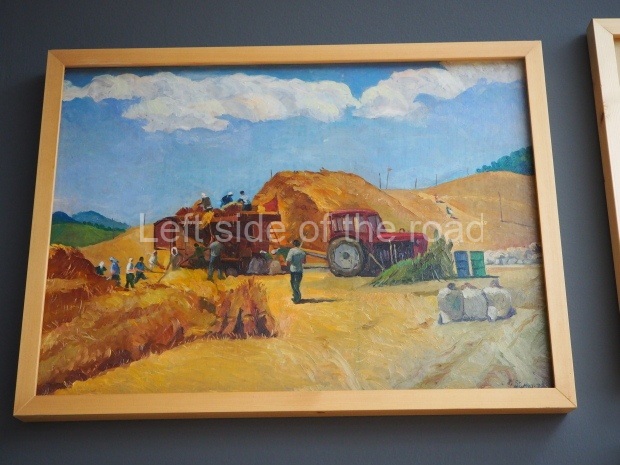
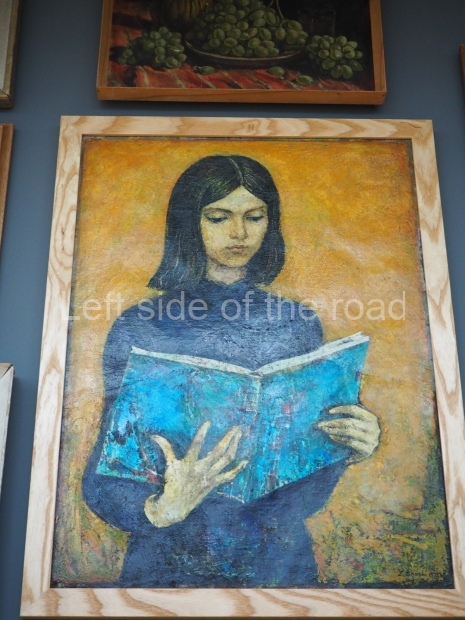
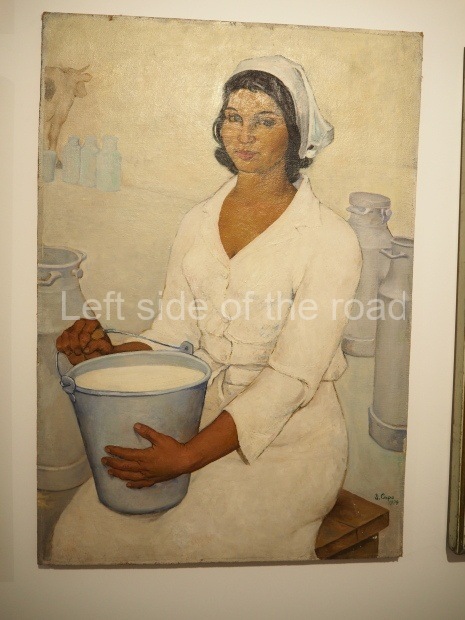
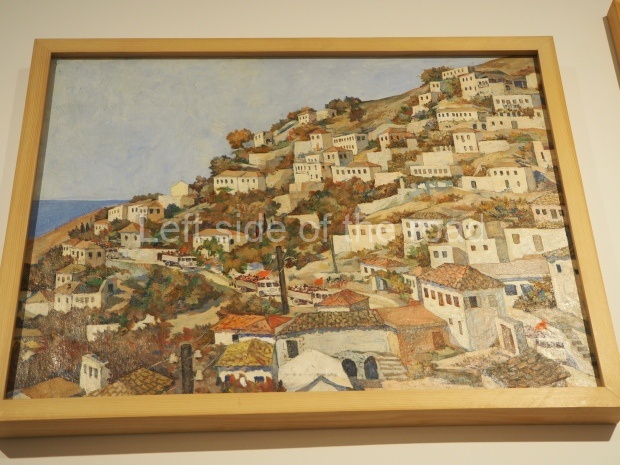
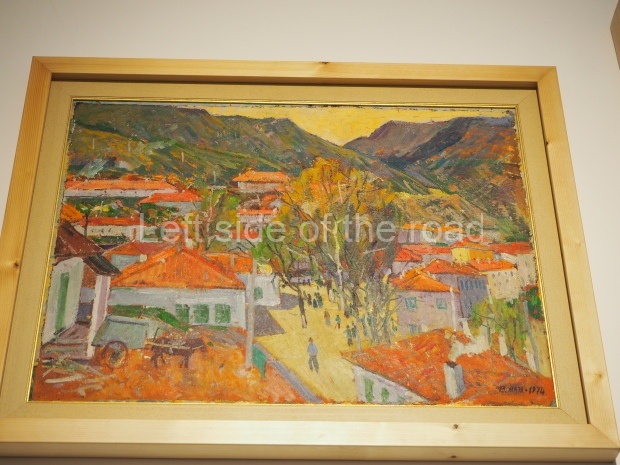
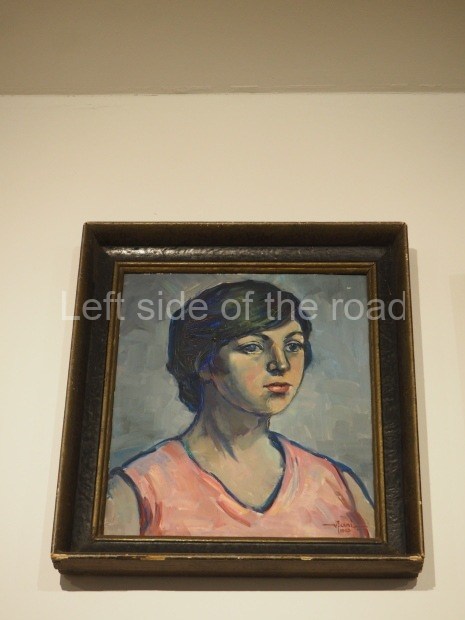
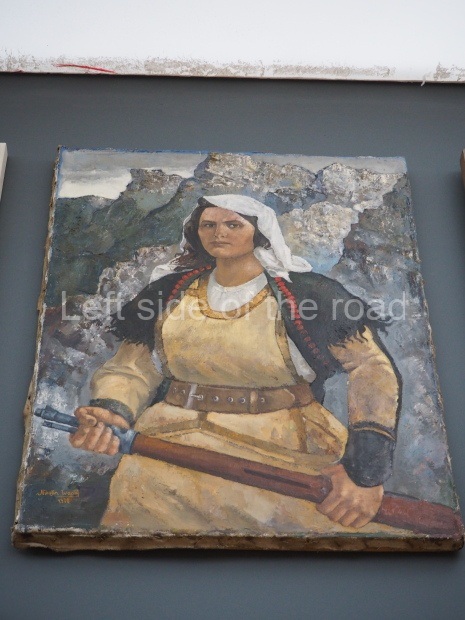
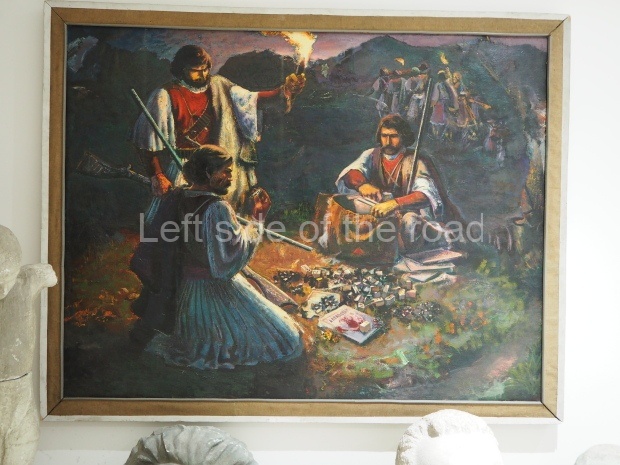
To add to the ad hoc feel of the exhibition a number of the paintings are lacking a proper frame and are just as they would have been after the artist had completed the task.

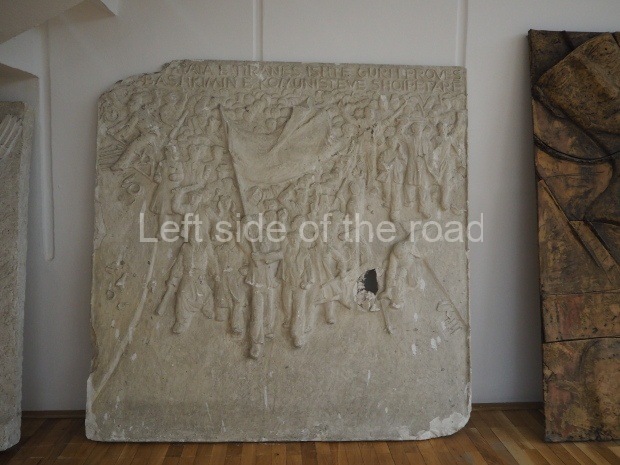
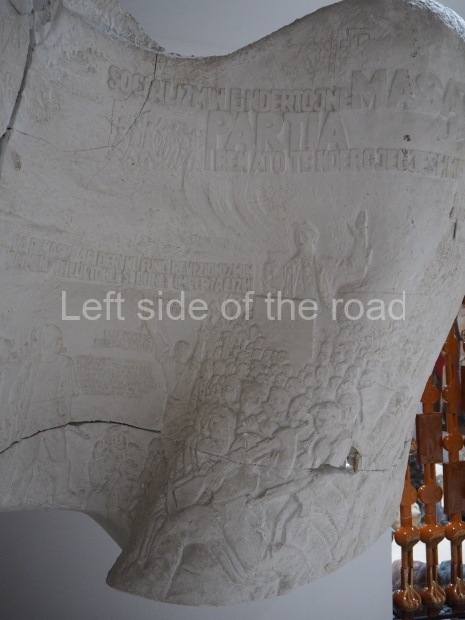
One important matter is clear from the taking of these works of art from storage is that no one employed by the art gallery really cares at all about this part of the country’s heritage. As with the lapidars throughout Albania many of the sculptures show signs of damage, presumably due more to lack of care rather than deliberate cultural and political vandalism but the results are the same.

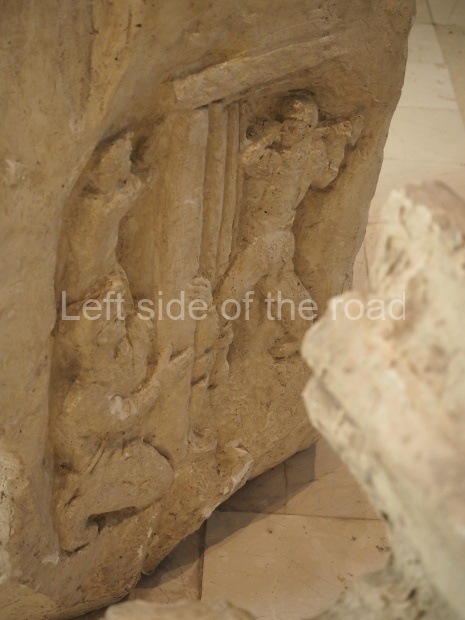
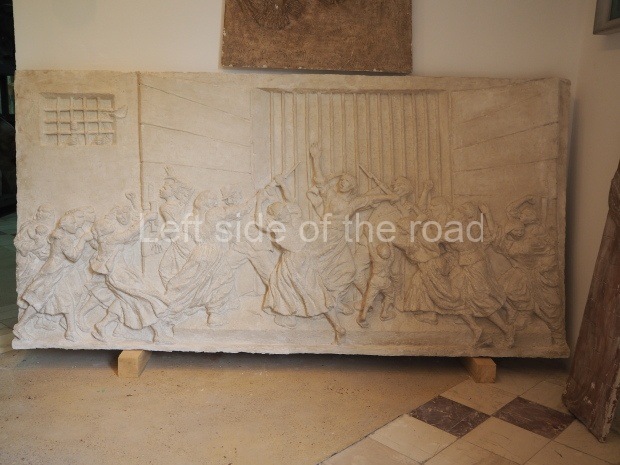
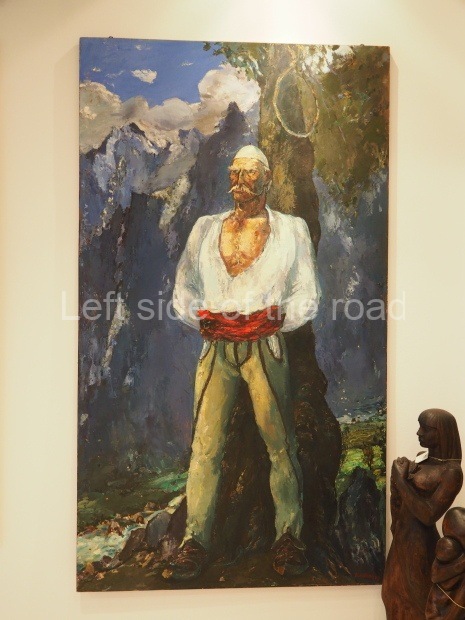
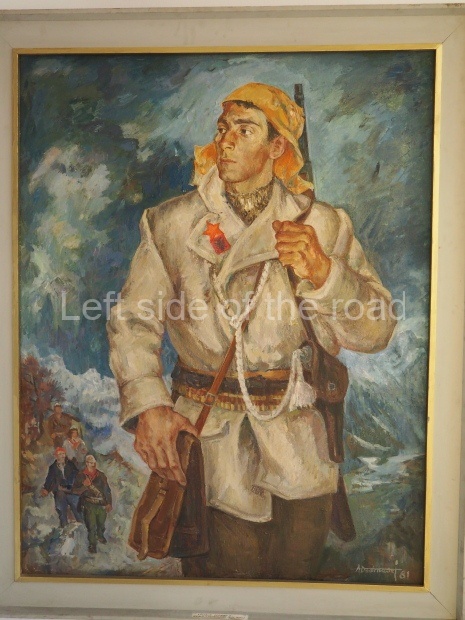
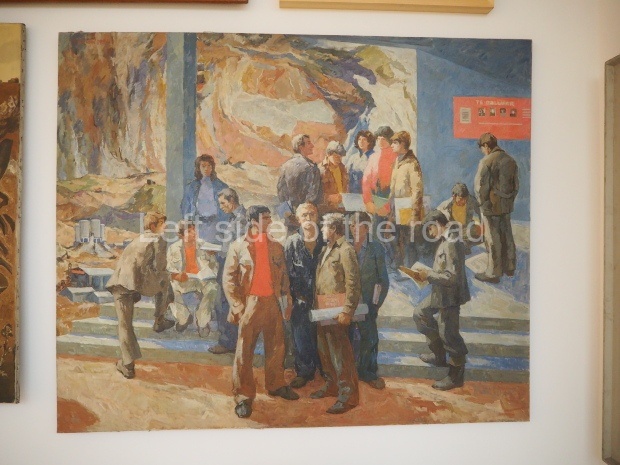
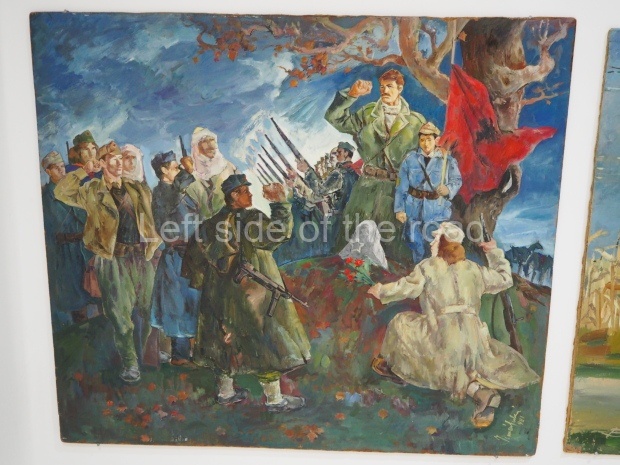
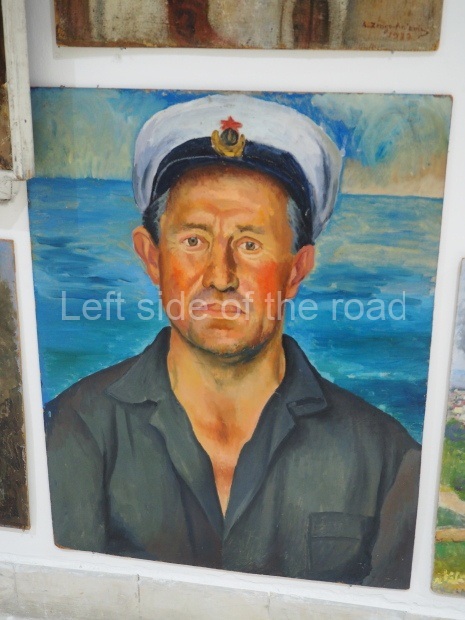
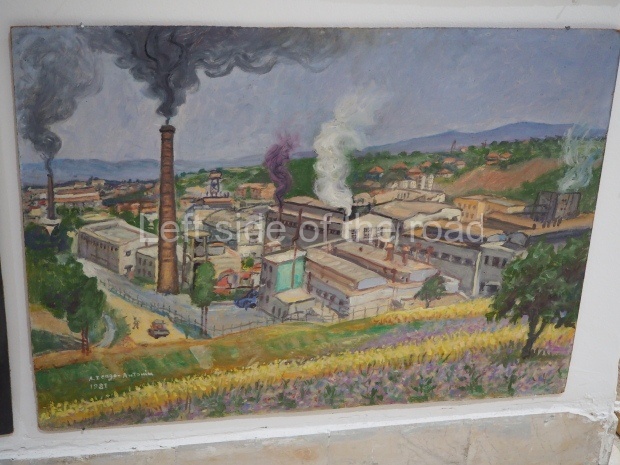
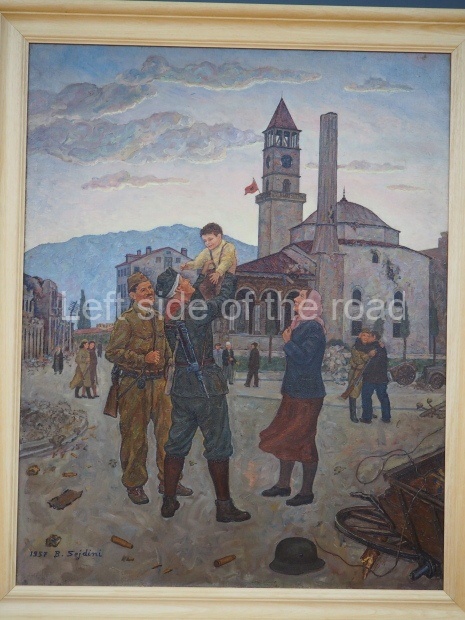
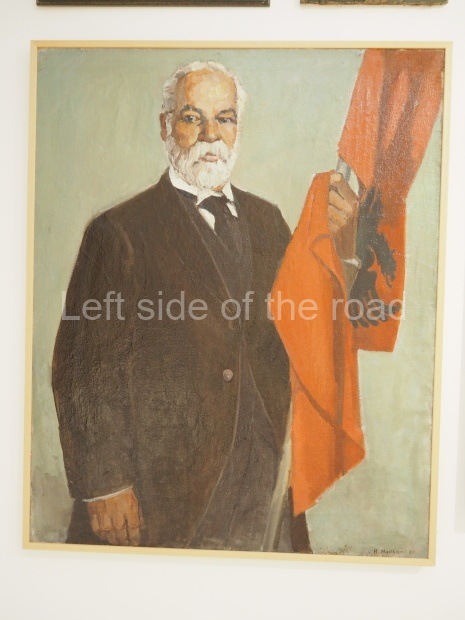
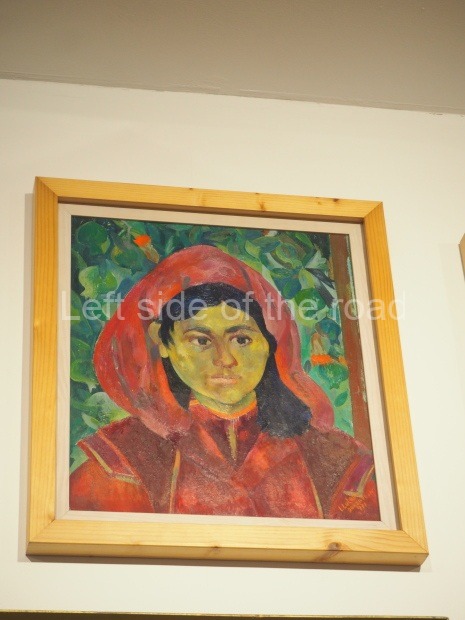
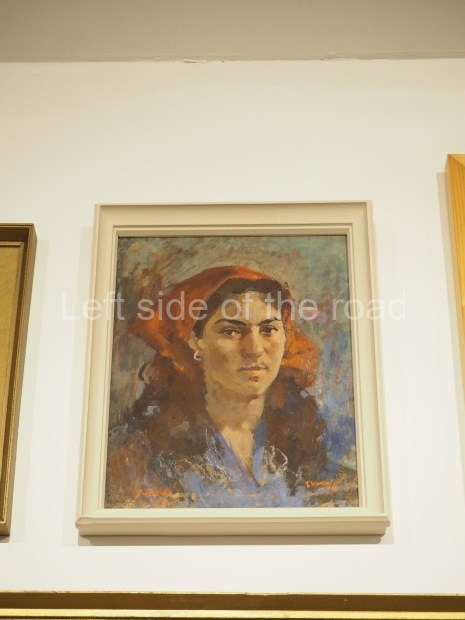
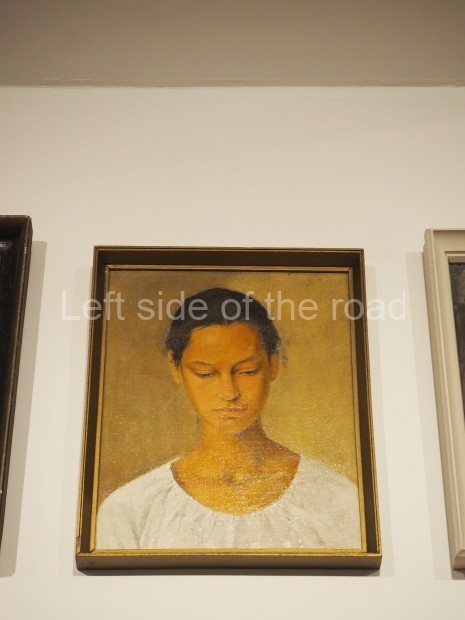
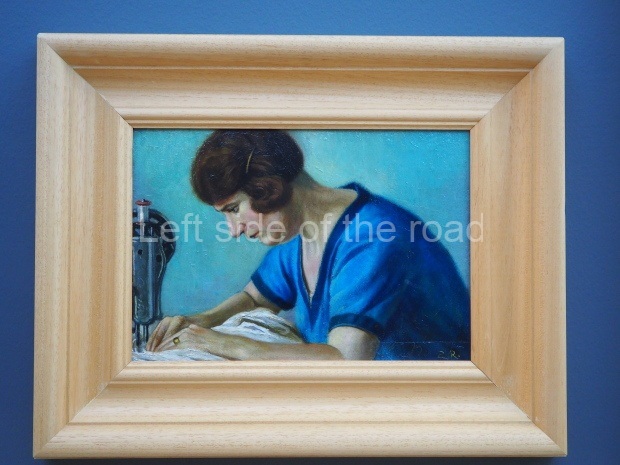
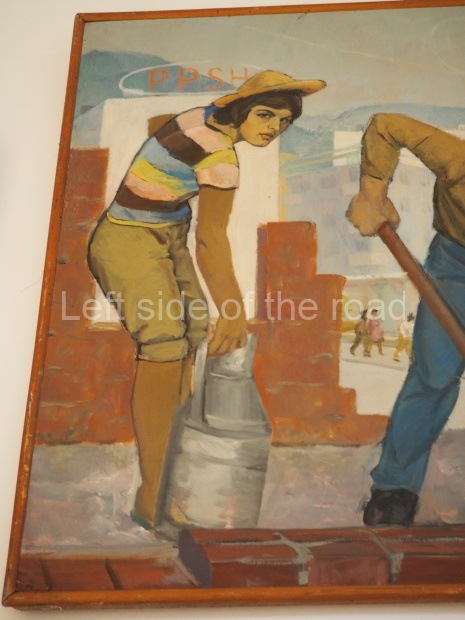
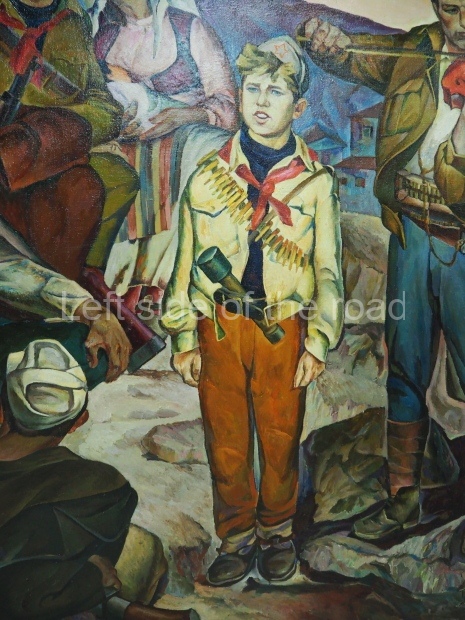
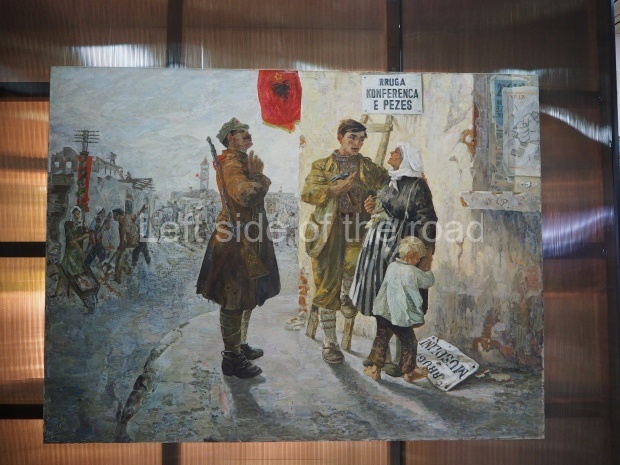
The pictures in the gallery/slide-show below are in an as chaotic order as the exhibition itself. Some are not as I would have liked as the lighting was so harsh in places that to avoid the reflection the photo had to be taken from an angle. Also the pictures that were mounted high up on the walls have obviously been taken from below and hence a certain amount of distortion. And the general ‘crush’ of the exhibits prevents any true appreciation from a distance.

One of the reasons for making such an extensive record of this exhibition is I fear that these objects are very unlikely to be ever displayed again – certainly as a whole representation of Socialist Realist Art. My greatest fear is that some of the more seriously damaged sculptures will move from the exhibition space to the nearest skip to end up in landfill. The State won’t pay for the time and effort that would be needed to return them to something akin to their original state and as such will just take up valuable space. The same could be the fate of the damaged paintings.

These fears are reinforced by decisions which now seem to being made in some other aspects of the depiction of the country’s Socialist past. Not only are those examples of socialist art that have for many years formed part of the permanent exhibition in the sme gallery now covered – for some inexplicable reason – but also the rooms devoted to the anti-fascist struggle in the National Historical Museum are presently closed to the public.

Perhaps the answer will be partly given when The Albanians (the name given to the huge mosaic on the facade of the Historial Museum) which is currently undergoing ‘restoration’ is unveiled. The word ‘restoration’ implies repairing and returning to an original state. However, the mosaic had much of its political significance removed by one of the original five artists (Agim Nebiu) sometime at the beginning of this century – still haven’t been able to find out exactly when – who was willing, for his equivalent of ‘thirty pieces of silver’, to remove the stars from the flags carried by the central characters. A few red stars remained after this act of political and artistic vandalism but whether they will survive the present ‘restoration’ is another matter.

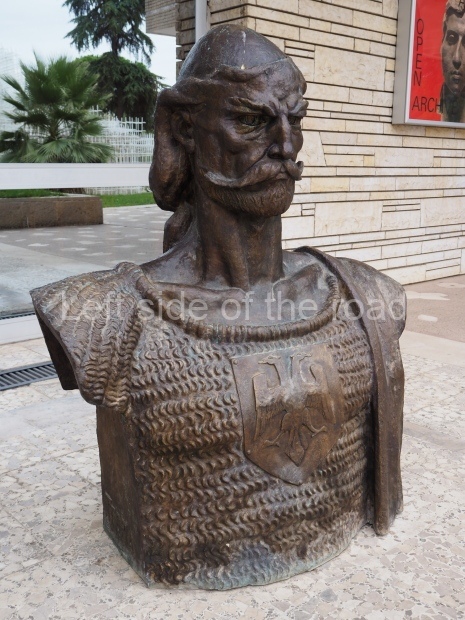
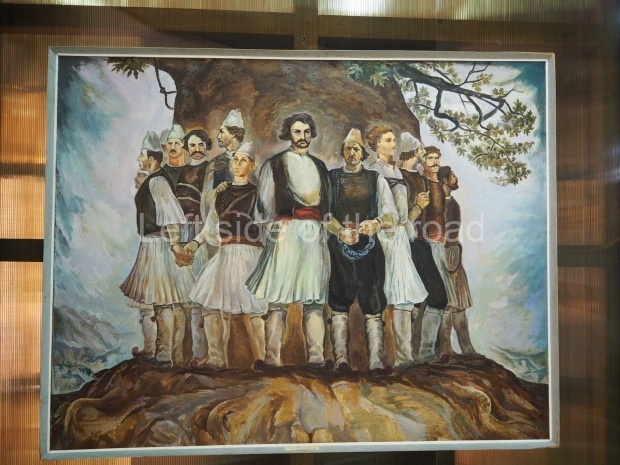
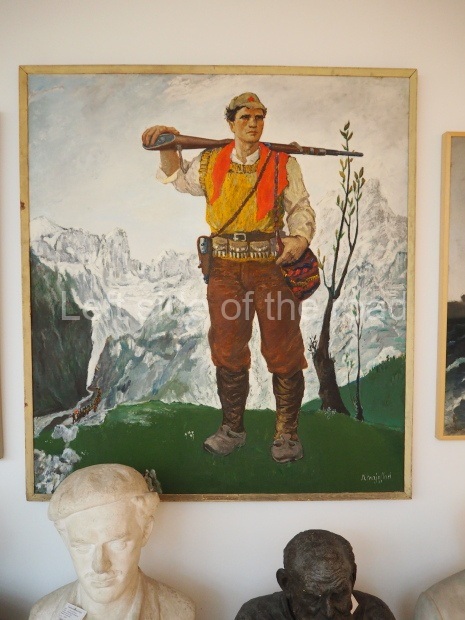
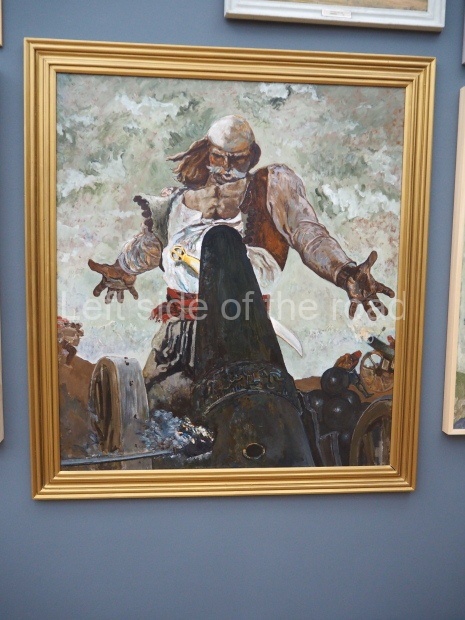
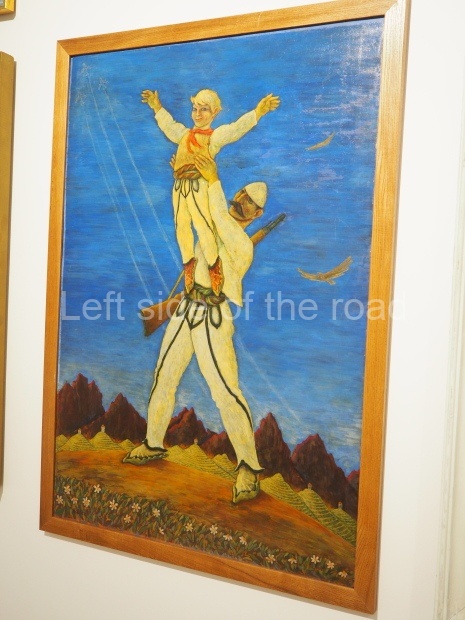
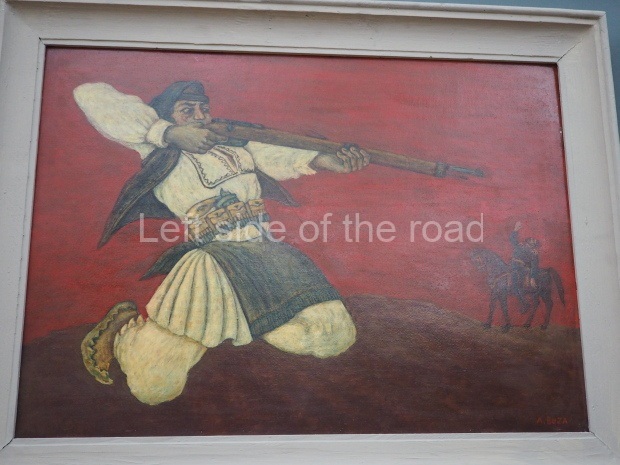
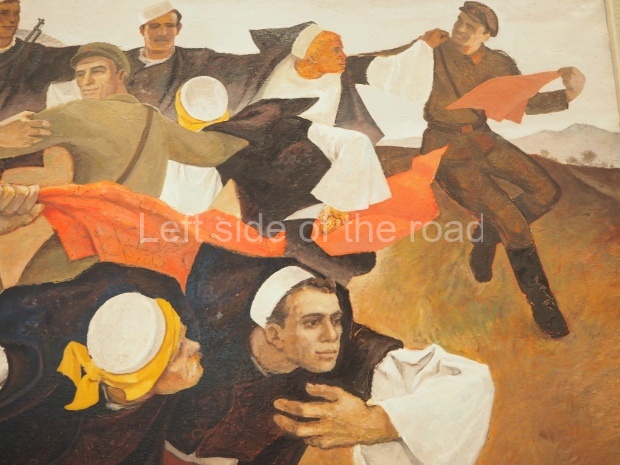
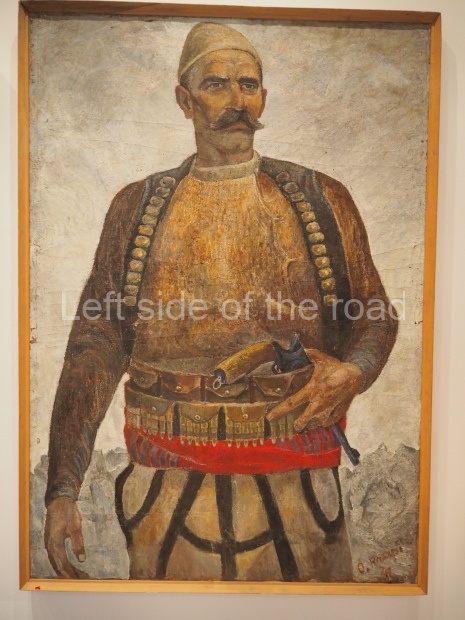
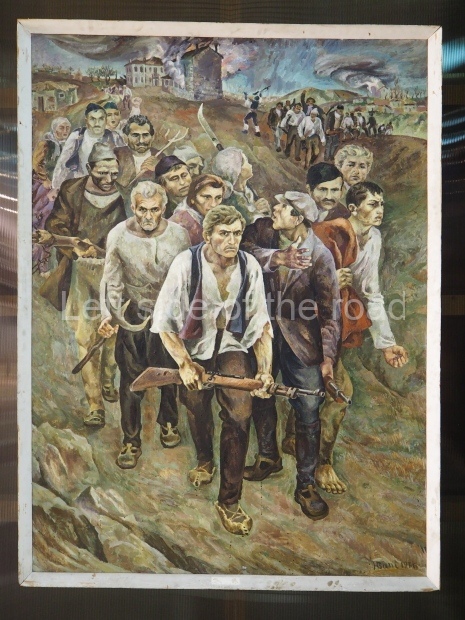
As well as the examples of socialist realist art there were a considerable number of paintings that represent the past struggles of Albanians for independence. Such imagery played a role during the Socialist period as the country was constantly under threat of invasion (or intervention) from either neighbouring Yugoslavia or any of the imperialist nations who couldn’t reconcile themselves to the fact that this small, yet strategically situated, Balkan country had chosen a future not under the control of capitalism.

But even during the 1970s and 1980s this glorification of a 15th century aristocrat was a little over the top. Banging the nationalist drum whilst attempting to construct socialism will always have its dangers as that nationalism can distract from the principal task in hand. And this very nationalism, that was used to reinforce the idea of independence under socialism, is what the present capitalist leaders of the country rely on to give them some sort of historical credibility – as they certainly have no interest in independence, fighting each other in deciding to which imperialist force to sell the country.

What to look out for

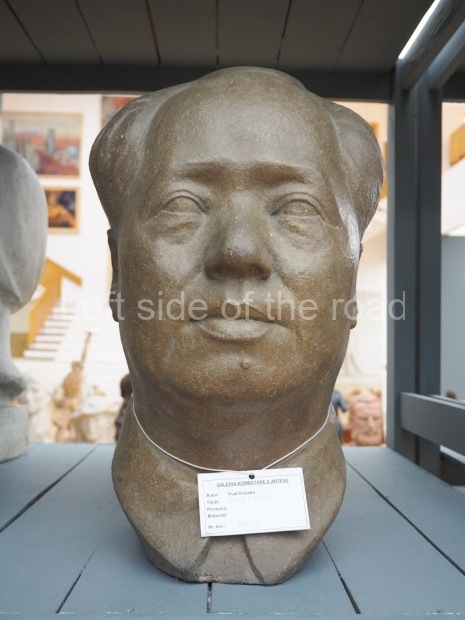
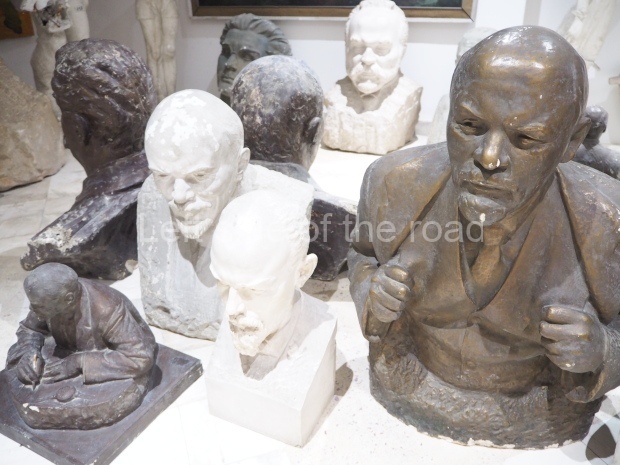
  • a bust of Chairman Mao Tse-tung
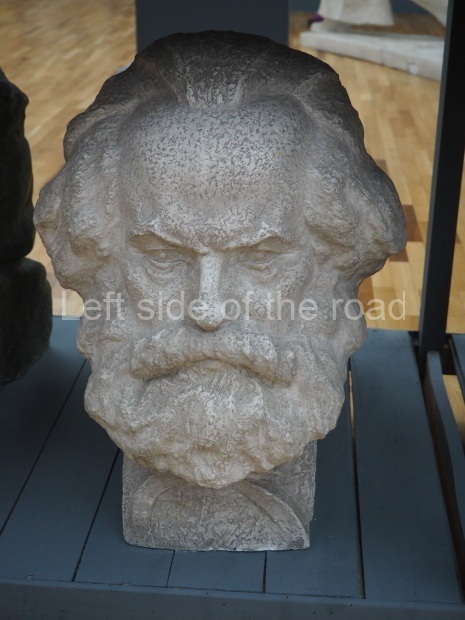
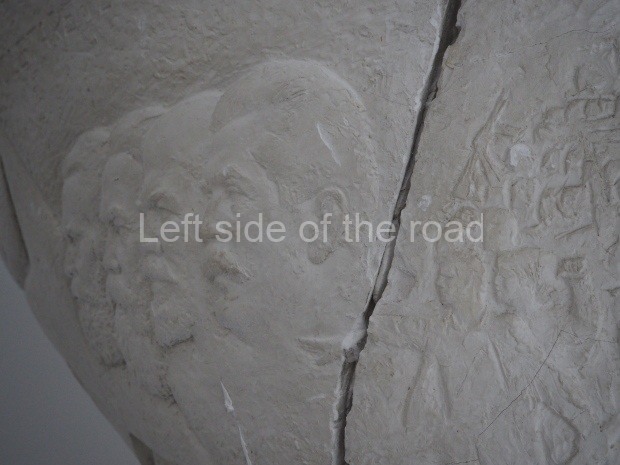
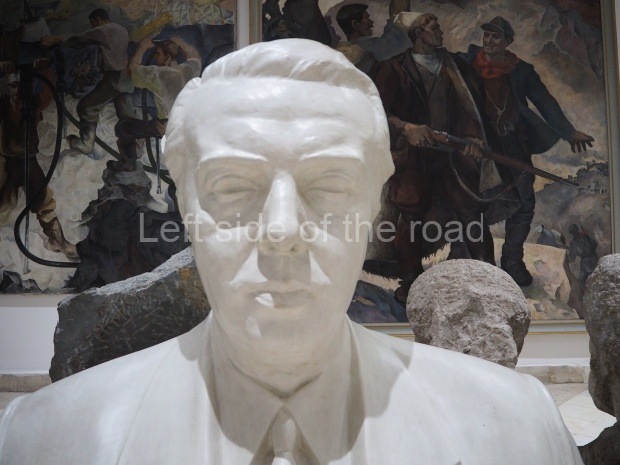
  • busts of Karl Marx, Frederick Engels, Vladimir Ilyich Lenin and Joseph Stalin – most of these would have previously been displayed in the Lenin and Stalin Museum (the building now used as a government office, next to the big, new mosque in the centre of Tirana, just behind the Art Gallery itself)
  • at least four busts of Comrade Enver Hoxha, all in ‘good’ condition and without having been vandalised (as is the example in the ‘Sculpture Park’ at the back of the building, on the right hand side)
  • maquettes of a number of sculptures that were later made into much larger structures which can still be seen in various parts of the country such as the ‘Thirsty Partisan’ (ALS10) and Pickaxe and Rifle – one of the sculptures in the ‘Sculpture Park’
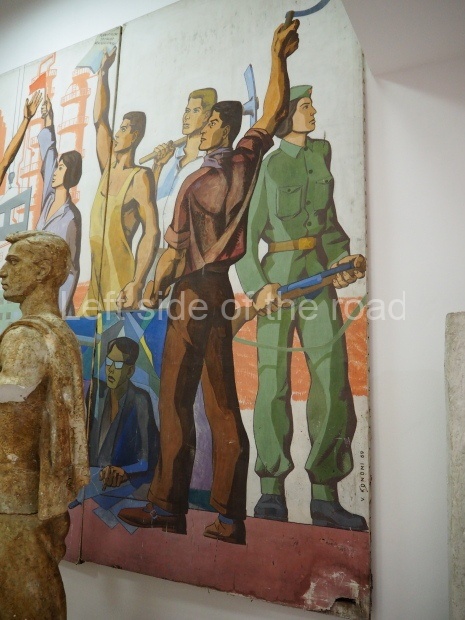
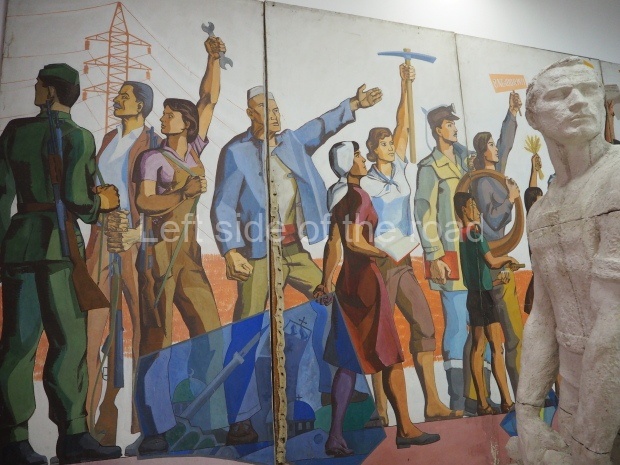
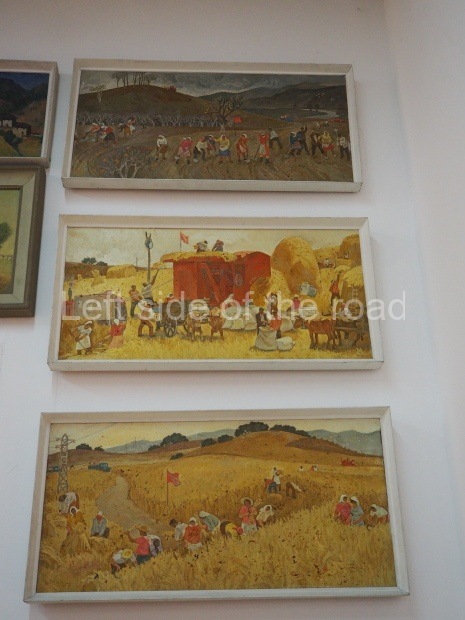
  • those images show the lives of working people, using their efforts to create a different type of society to the one devoted to capitalist profit – the art that makes Socialist Realism so radically different (and advanced) than all the art that has gone before
  • the many images, in both the paintings and in the sculptures, where women are presented as being armed and prepared to make the ultimate sacrifice in the achievement of victory against the Fascist invaders or in the construction of Socialism
  • and generally the preponderance of ordinary working people in all the images rather than the ‘celebrities’ and the ‘rich and famous’ which dominate in capitalist society.

NB From the end of 2021 the gallery has been closed. I have no information about exactly why but there had long been signs of the need for structural repairs. When it will reopen I have no idea. There didn’t seem to be much activity when I was in Tirana in the summer of 2022. Neither do I have any idea of what will be exhibited. There is, I’m sure, a possibility that the items that were part of the permanent exhibition, works of Socialist Realist Art, might well be confined to the depths and the gallery will become a centre of decadent capitalist ‘art’.
More on Albania …..

View of the world

Ukraine – what you’re not told

Britain turns it’s back on the world with its vaccination programme

More on covid pandemic 2020-2?

View of the world

Ukraine – what you’re not told

Britain turns it’s back on the world with its vaccination programme

If you wanted to be generous, you could probably have said that any government would have had a problem facing the pandemic that hit the world at the end of 2019/beginning of 2020. Indeed, it was unprecedented – a word which has been so overused (as have so many others) in the, now, just under two years. But at the same time we were told (in Britain), over many years, that the government was prepared for such an event. It’s just that when covid arrived it was ‘the wrong type of pandemic’.
From the beginning we were faced with a government which had no idea what it was doing, had no strategy (and still doesn’t) as it bounced around from decision to decision. Supposedly, decisions made ‘following the science’, but in reality they’ve been clutching at straws when it comes to the action they’ve taken.
We’ve been struck by innumerable U-turns, so many it’s impossible for most people to give you an exact number. And after such a long time Buffoon and his government seem to have become accustomed to this way of doing things. Before any decision is made there’s speculation going on for days. There’s uncertainty. There are contradictory statements being made – even at the highest levels of Government. Nobody really knows what’s happening and when there is a decision made, few people in the country really understand what’s been decided.

And this is the case with the change in the vaccination policy which has taken place in the last few days.

12- to 15-year-olds will now be vaccinated as well as something like close to half the population, getting a third, so called ‘booster’, injection.

In a sense, this was bound to happen and should come as a surprise to no one. Not because of the science, not because of how it keeps people healthy. It’s because it’s playing to the audience.

In a country of rabbits people are looking for something, anything, which will assuage their fears.

And children getting vaccinated, older people getting a third ‘booster’ jab just panders to all those fears.

But what it doesn’t do is play any role in social justice with the recognition of the fact that there are still vast parts of the world where you could count the number of those who are fully vaccinated on the fingers of one hand.

Some scientists have been arguing against this extension to the very young and the so-called ‘vulnerable’, not on esoteric grounds (i.e., that it’s the ‘right thing to do’) but that vaccinating as many people as possible in the poorer parts of the world would be, ultimately, beneficial to all, even in Britain.

But even those arguments don’t go down well in a country which has reverted to simple tribalism and narrow-minded parochialism.

Rich countries take advantage of their wealth and their accessibility to vaccines and the rest of the world can just go hang. And that’s the situation we are in in Britain at the moment – a selfish little island nation scrambling for more and more vaccines and finding the weakest ‘reasons’ to justify their approach.

It’s been quite interesting the way the vaccine rollout started with the old and ‘vulnerable’ and the age has gradually gone down to include more and more people – with more and more spurious arguments to justify it. Yes, arguments can be made for vaccinating everyone on the planet but not the least vulnerable when there are still billions of people who won’t see hide nor hair of a covid vaccine needle until well into 2022 – at the earliest.

No doubt once the 12- to 15-year-olds have been given their one jab someone will start looking at extending the programme to even younger children. After all, it’s the really young, primary school children who have been the principal vectors for the annual flu outbreaks in the past.

What is also interesting (and important) is that the extended vaccination programmes will both be using the expensive and difficult to store Pfizer Biontech vaccine.

As time has gone by the efficacy of the Pfizer vaccine has not proven itself to be any better than virtually all the other vaccines that are around. Each one seems to ‘shine’ during a different period in the life cycle of the virus and the battle against it. But what makes the Pfizer vaccine stand out is the smear campaign the company carried out (with willing accomplices such as the Zionist Settler State of Israel) to denigrate and create a climate of fear in many so that the cheaper, just as effective and more manageable AstraZeneca vaccine is being effectively shunned in the ‘civilised’ world.

So, in Britain, not only is the extension of the programme fundamentally immoral it also has the effect of, yet again, shovelling even more public money into the bank accounts of ‘Big Pharma’.
Vaccination programme in Britain ……

Take-up of second covid jab in England levelling off – concern as scientists say vaccinating adults is more important than inoculating children or booster shots.
Vaccine passports will make hesitant people ‘even more reluctant to get jabbed‘.

Mandatory jabs for health staff being considered in consultation.

UK scraps covid-19 vaccine deal with French firm Valneva – why would anyone be foolish enough to have any dealings with ‘perfidious Albion’?

….. for children ….

NHS planning covid vaccines for children from age 12.

Ministers could defy Joint Committee on Vaccination and Immunisation and go ahead with covid jabs for all 12- to 15-year-olds.

Covid-19: 12 to 15-year-olds to get ‘final say’ over covid jab if disagreement with parent occurs.

UK vaccine advisers ‘acted like medical regulators’ over covid jabs for children.

All children aged 12 to 15 in the UK will be offered one dose of the (surprise, surprise – the hugely expensive and not necessarily more efficient) Pfizer-BioNTech covid jab.

….. and/or boosters ….

Vaccine boosters are likely to increase protection against variants. Presumably, if you keep pumping all the available vaccine into the same arms you’ll eventually produce a super resistant race amongst the dead population from the rest of the world.

Britons with severely weak immune systems to be offered third covid jab.

No urgency on covid booster shots for healthy adults.

AstraZeneca bosses warn against rush for boosters.

Boosters not needed for all, says Oxford jab creator – send to countries in need, instead.

Covid booster vaccine roll out to begin next week – and the winner is ….. (surprise, surprise – again) the hugely expensive and not necessarily more efficient Pfizer formula.

….. and the rest of the world

Russia’s covid-19 response slowed by population reluctant to take domestic vaccine.

Third coronavirus vaccines aren’t ‘luxury boosters’ taken from people without their first, WHO Europe boss says – the ‘rich’ countries will always find a way to justify their greed and denial of a fair share to the rest of the world.

Why it’s time for the UK to start sharing its vaccine doses.

Israel was a leader in the covid vaccination race – so why are cases spiralling there?

Immunity?

Covid infections may give more potent immunity than vaccines – but that doesn’t mean you should try to catch it.

Four factors that increase the risk of vaccinated people getting covid.

How other countries deal with the pandemic

China crushes Delta spike after weeks of strict measures.

Against all odds: how New Zealand is bending the Delta curve – but for how long?

The ever changing virus

Covid variants: we spoke to the experts designing a single vaccine to defeat them all.

Mu: everything you need to know about the new coronavirus variant of interest.

Covid – effects on children

Long-lasting symptoms rarer in children than in adults.

The care home ‘crisis’

Volunteers may be required in staffing shortfall at English care homes.

Who is dying of covid?

Scientists are comparing the profiles of those who are dying with previous waves – here’s what they know.

What will happen in the winter?

Further lock downs unlikely but some winter restrictions are possible.

‘Collateral damage’

Front-line nurses did not receive the mental health support they deserved.

Poverty in Britain

One in three working-age families with children to be hit by cut to Universal Credit. This came from a report carried out by the Joseph Rowntree Trust. Constituency Analysis (this is an Excel file) and the Technical Appendix.

Cuts to housing benefits led to over 75,000 more overcrowded households during the pandemic.

School spending in England: trends over time and future outlook – briefing or full report.

Teachers gaming pupils’ A-level grades highlights need for fundamental change.

The effect of local housing allowance reductions on overcrowding in the private rented sector in England.

Schools in poorest areas of England to be worst hit by pupil premium change.

Ending universal credit boost will hit sickest areas the hardest.

The truth will out! Perhaps not

The Government’s refusal to make messages between ministers public is (perhaps) an indication of how thorough the inquiry into the dealing with the covid pandemic (supposed to take place some time next year, i.e., 2022) will be.

Attempt to force release of Johnson’s messages on covid in care homes fails.

British Medical Association (BMA) to issue damning critique of government over Covid crisis.

Travel tests

Ministers doing bare minimum to stop covid travel test ‘rip-offs’.

More on covid pandemic 2020-2?

View of the world

Ukraine – what you’re not told

New Korea 1950-1958

Children playing

Children playing

More on the DPRK

View of the world

Ukraine – what you’re not told

New Korea 1950-1958

Name changed to Korea Today in 1959. Published in Russian, Chinese and English.

1951

6 – June, 63 pages. Missing covers.

1957

6 – June, 38 pages.

Supplement, 13 pages. Missing pages 2-3. Includes an interesting decision of the DPRK government on supplying relief rice gratis to South Korean foodless peasants.

7 – July, 46 pages. Missing pages 34-35.

Supplement, 10 pages. Includes: ‘Visit of Delegation of USSR Supreme Soviet’, and ‘Statement of Government of DRPK’ (about U.S. threats to Armistice Agreement).

8 – August, 52 pages.

9 – September, 45 pages. [Missing pages 40-41 and back cover.]

Supplement, 13 pages. ‘Speech by Premier Kim Il Sung before Electorates of Moonduk Constituency’.

10 – October, 52 pages. Missing pages 48-49 and back cover.

Supplement, 22 pages. Includes: ‘Decisions of the Supreme People’s Assembly of the DPRK’, ‘Speech by Premier Kim Il Sung at the First Session of the Second Supreme People’s Assembly’, and ‘Speech by Premier Kim Il Sung at National Conference of Activists of Machine-building Industry’.

11 – November, 52 pages.

Supplement, 14 pages. Includes: ‘Joint Statement of the Government of the DPRK and the Government of the Bulgarian People’s Republic’, and ‘Statement of Minister of Foreign Affairs, DPRK, on Atrocities of U.S. Aggressive Army in South Korea’.

12 – December, 50 pages. Missing pages 48-49.

Index to Numbers 6-12, 1957, 4 pages.

More on the DPRK

View of the world

Ukraine – what you’re not told