VI Lenin in Ribniţa – Pridnestrovie
More on Moldova – on the Post-Socialist Countries – Eastern Europe and Asia page
Soviet Mosaics – Bălți – Moldova
VI Lenin and Palace of Culture Mosaic – Ribniţa – Pridnestrovie
VI Lenin and Palace of Culture Mosaic – Ribniţa – Pridnestrovie
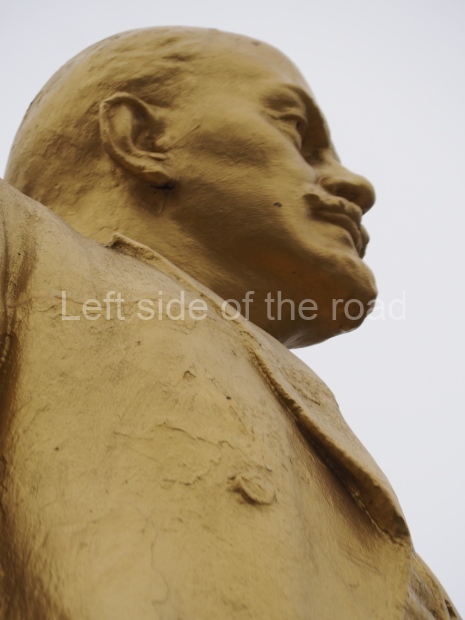
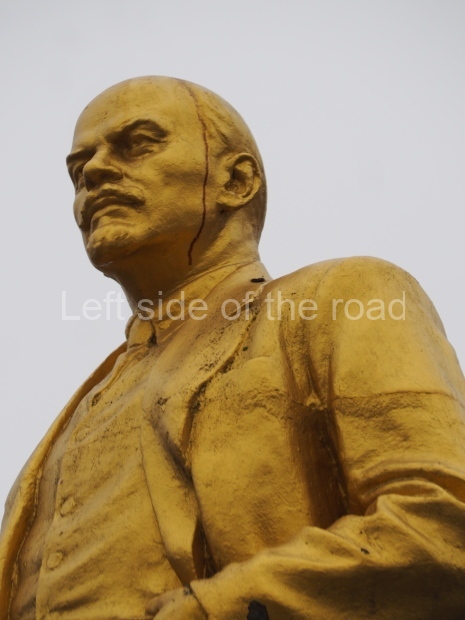
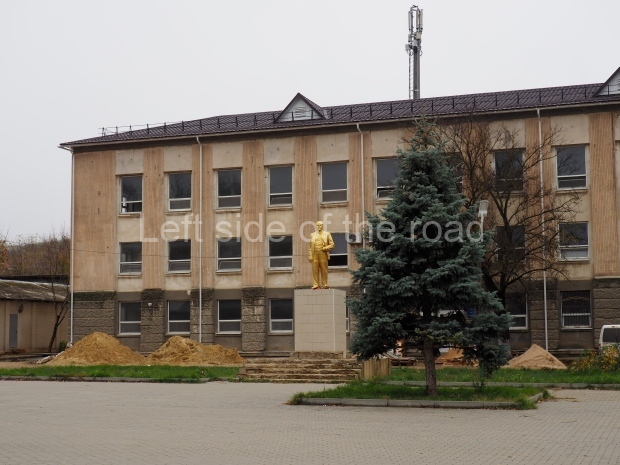
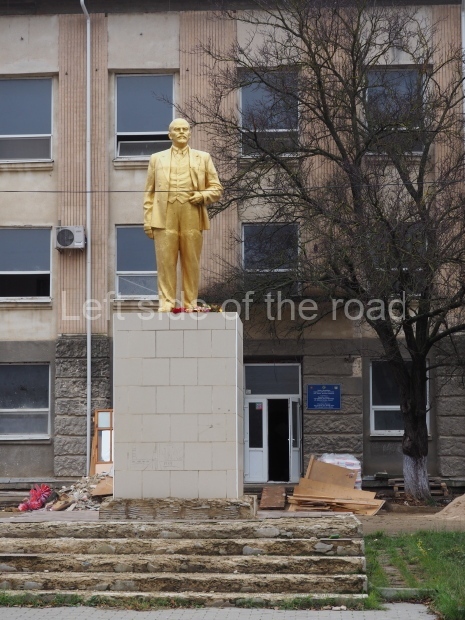
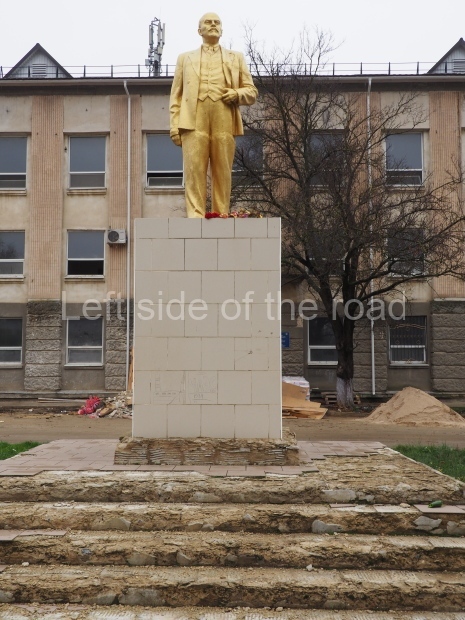
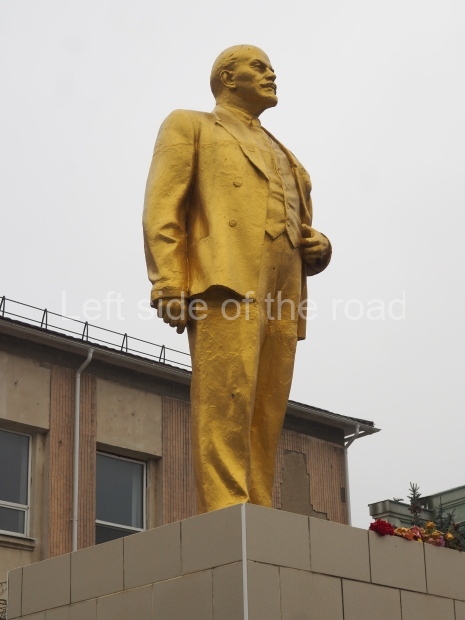
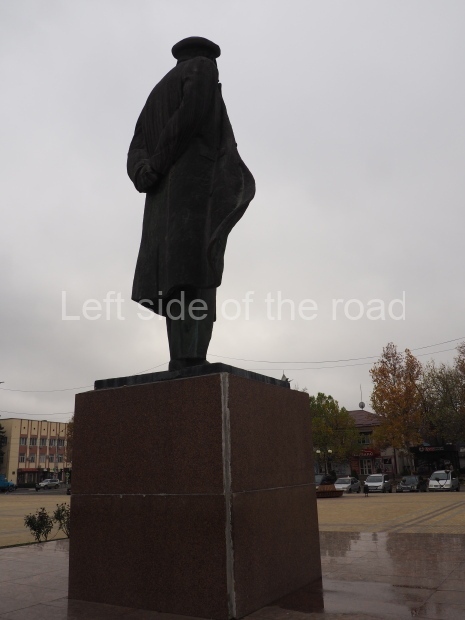
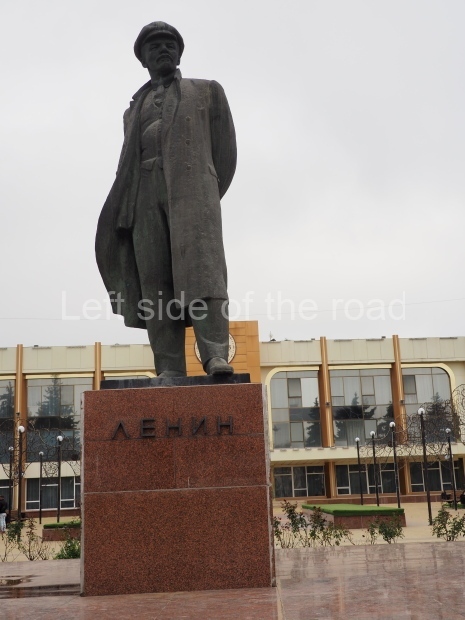
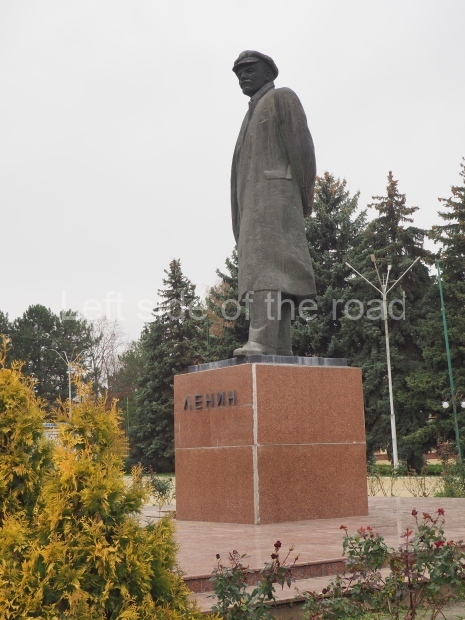
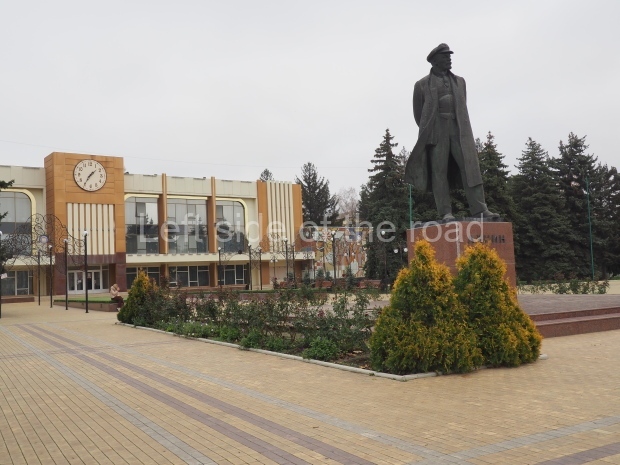
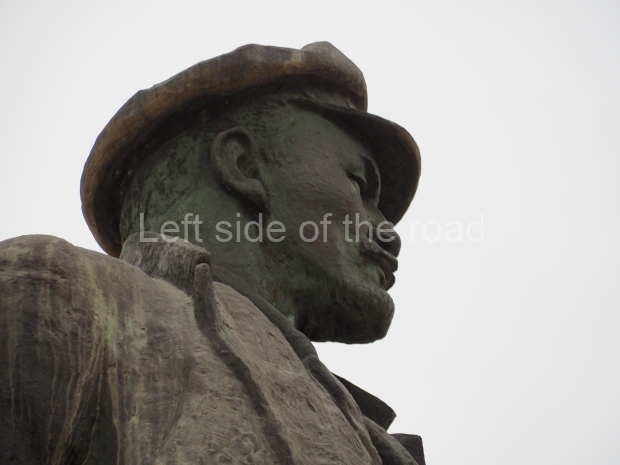
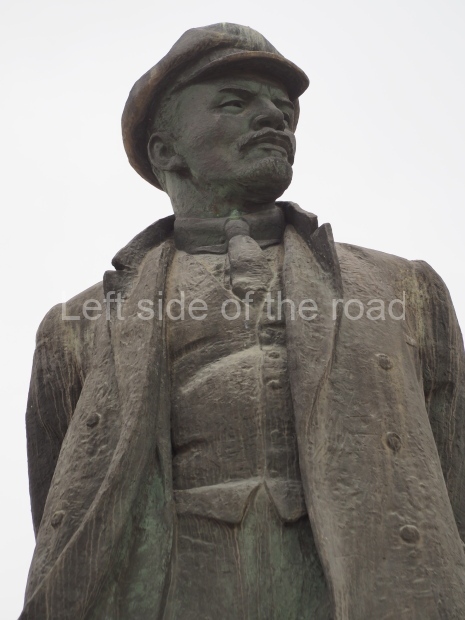
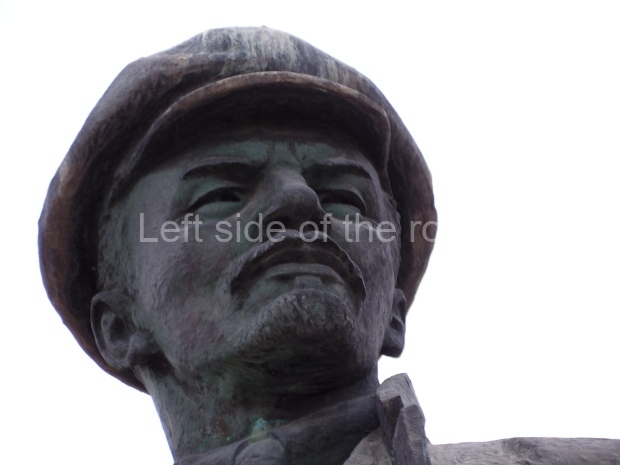
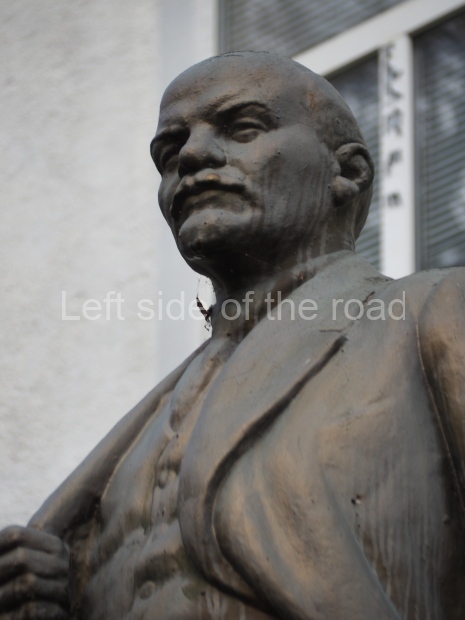
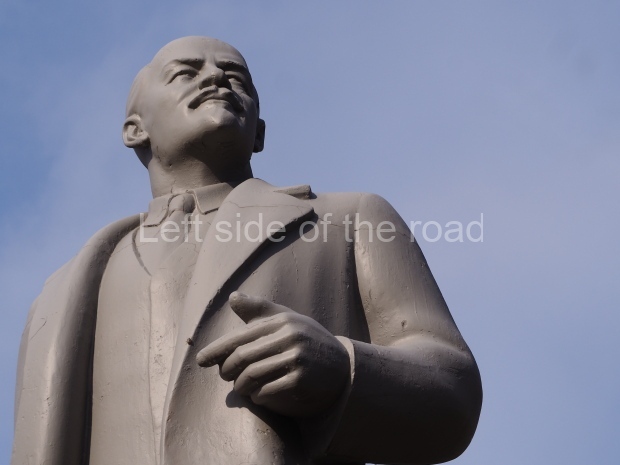
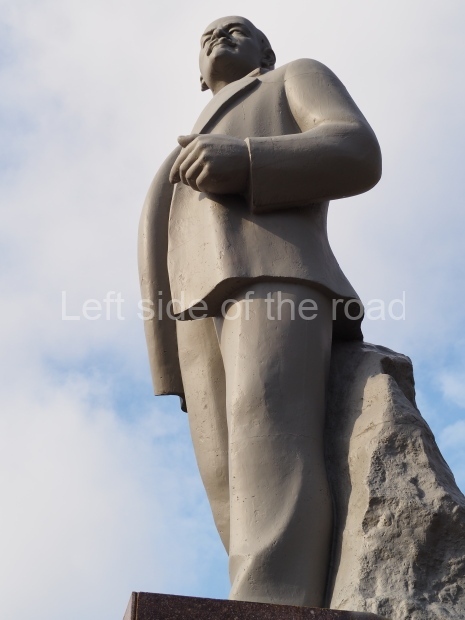
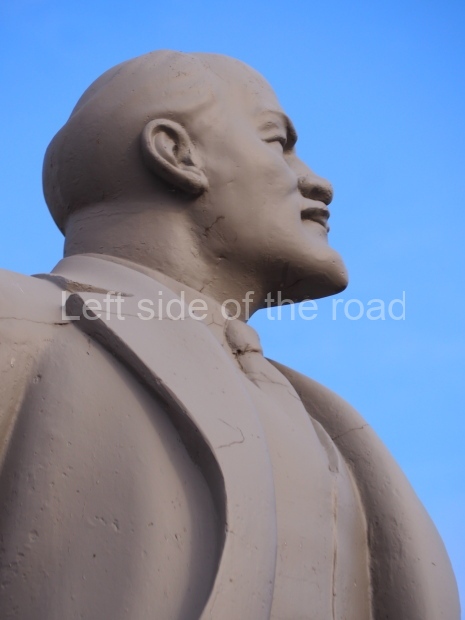
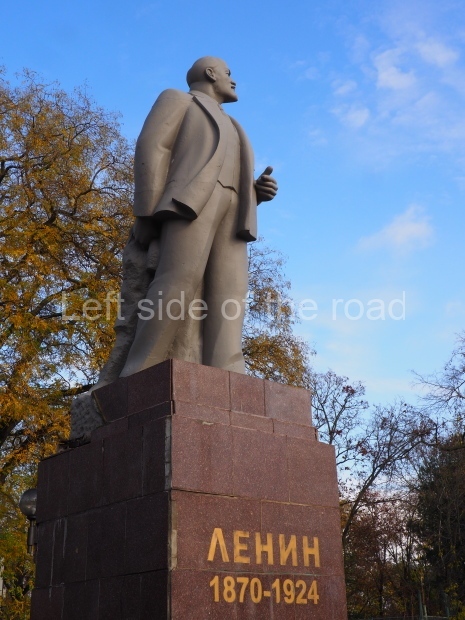
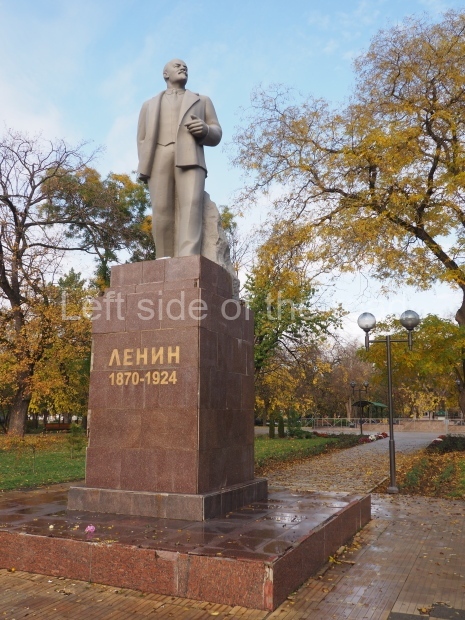
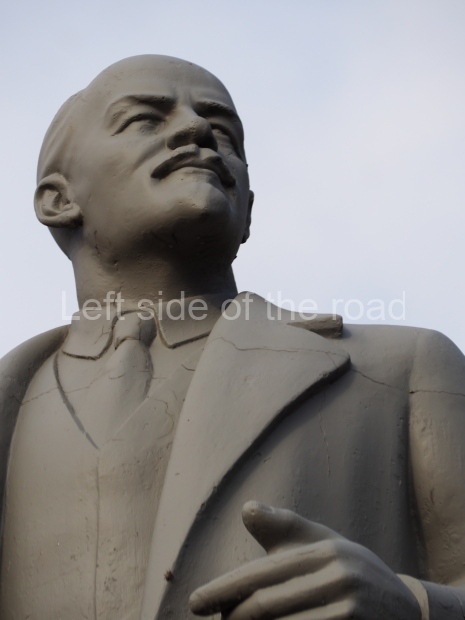
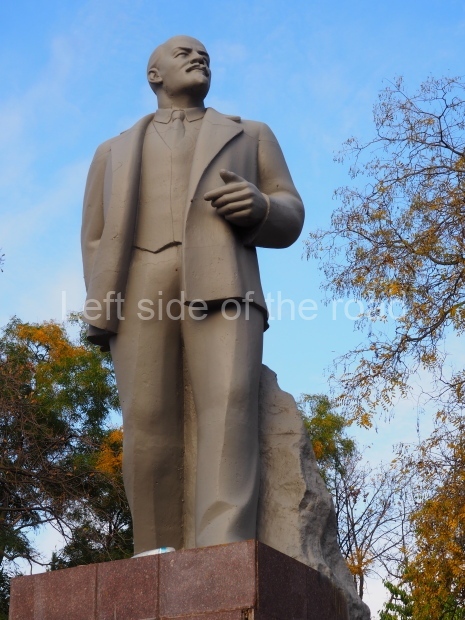
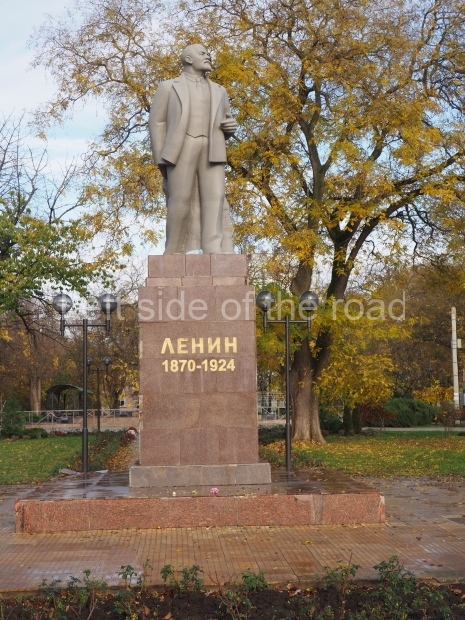
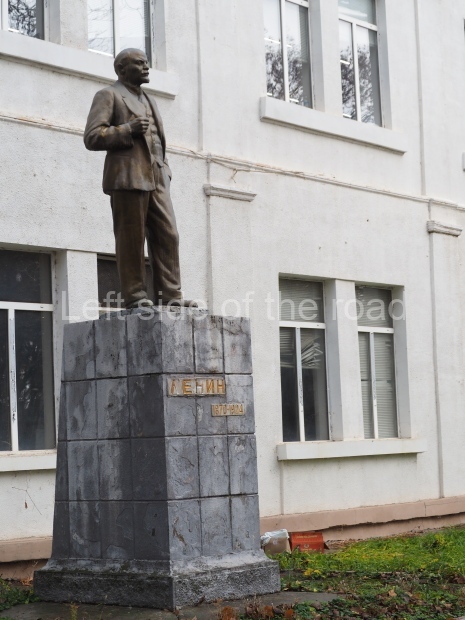
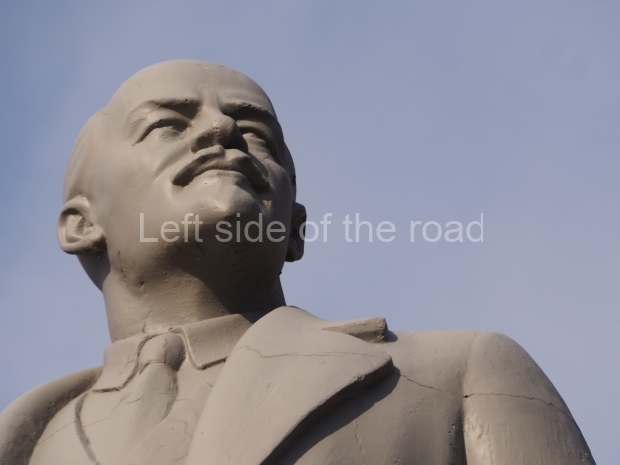
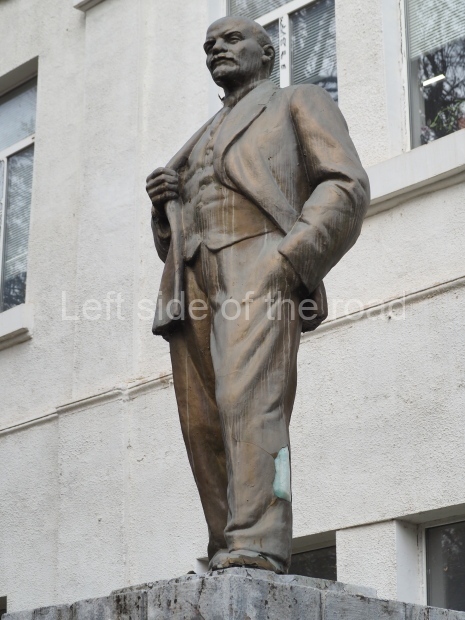
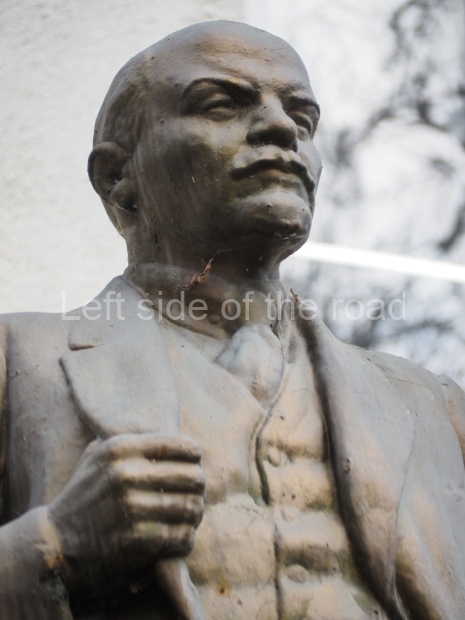
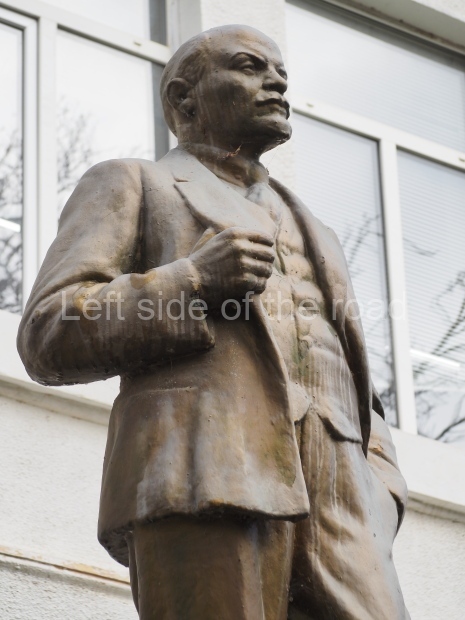
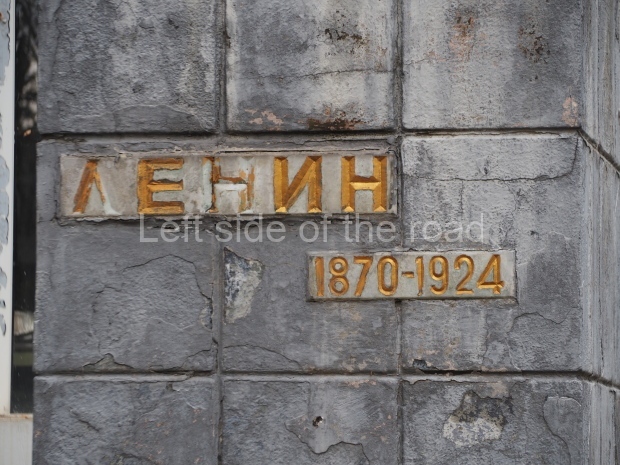
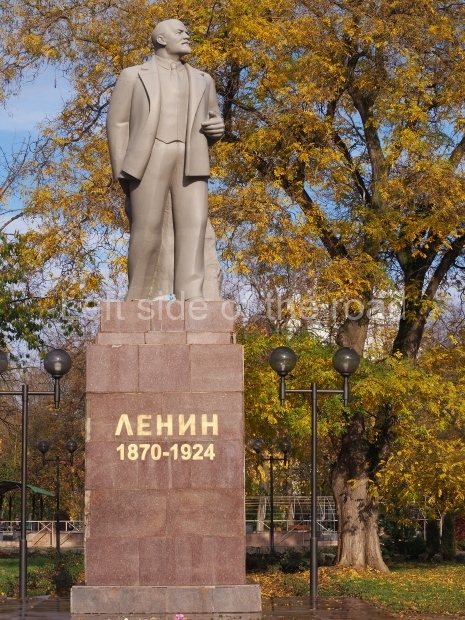
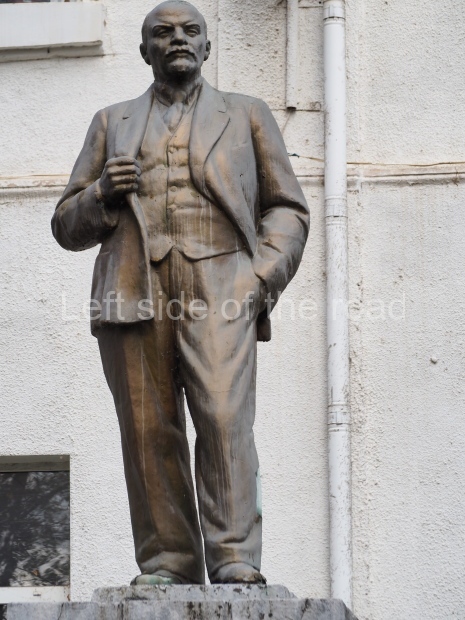
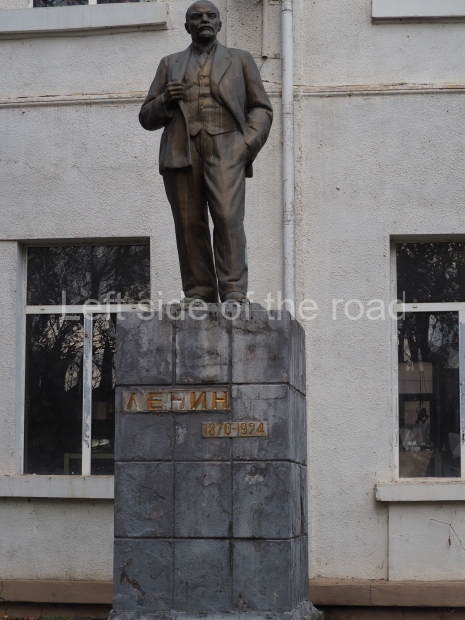
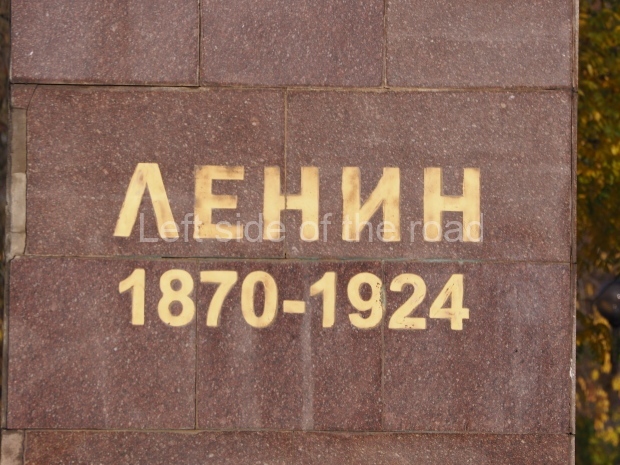
The statue of VI Lenin in Ribniţa is located in a square that still bears his name (after all Ribniţa is in Pridnestrovie, a part of the territory that doesn’t want to be dominated by European diktats) in front of the Palace of Culture.
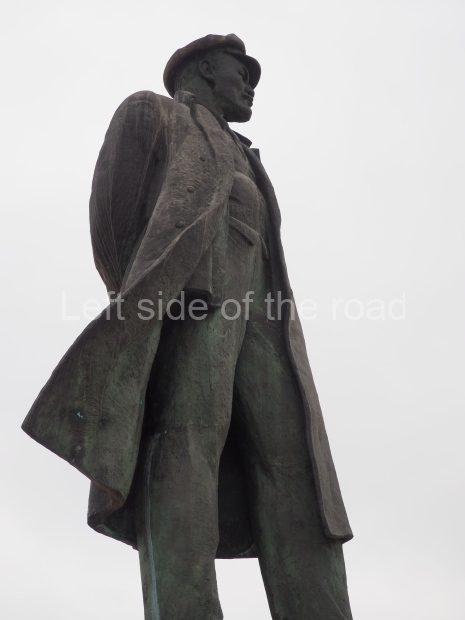
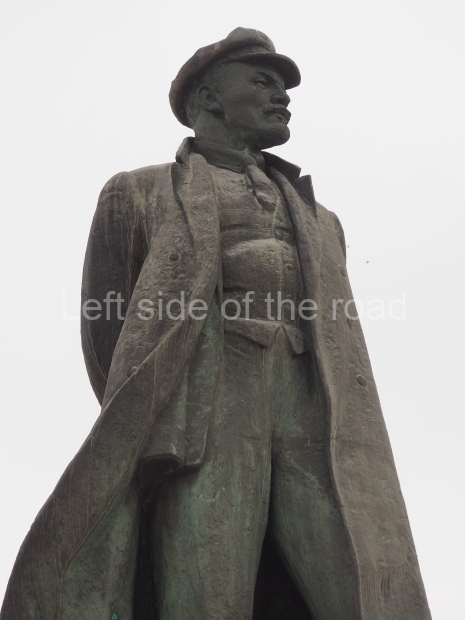
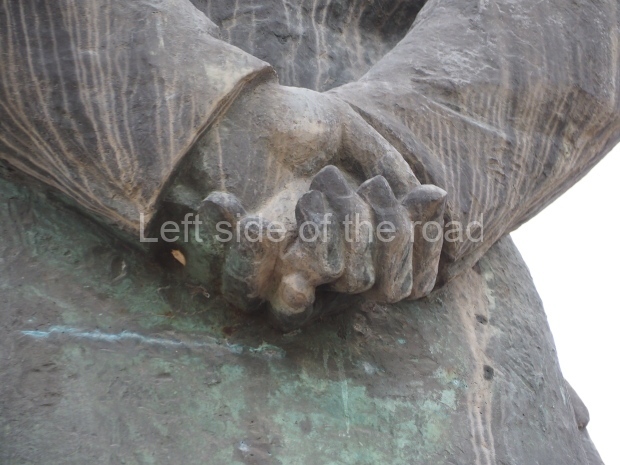
Vladimir Ilych is standing, wearing an open overcoat, the right hand side of which has been caught by the wind. (Quite a few statues of VI Lenin have him depicted with his coat being blown by the wind and I sometimes wonder if his early demise might not have been due to standing outside in adverse weather conditions.) He wears his normal flat cap and his hands are clasped behind his back. A quite informal stance as he looks out over the town and in the general direction of the steel works across the valley. As is, unfortunately, normally the case I have no information about the artist or when the statue was inaugurated.
During the Soviet period this square would have been the most important public space in the town. Outside celebrations of, for example, the anniversary of the October Revolution, would have taken place in the area surrounding his statue and any community events of a city wide importance would have taken place in the building behind him.

Palace of Culture mosaic – Ribniţa – Pridnestrovie
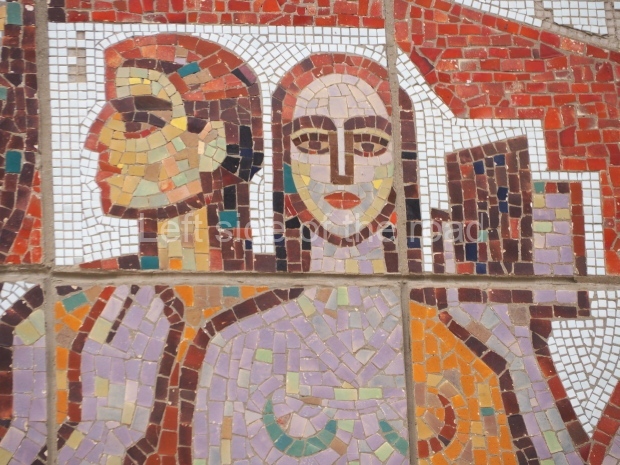
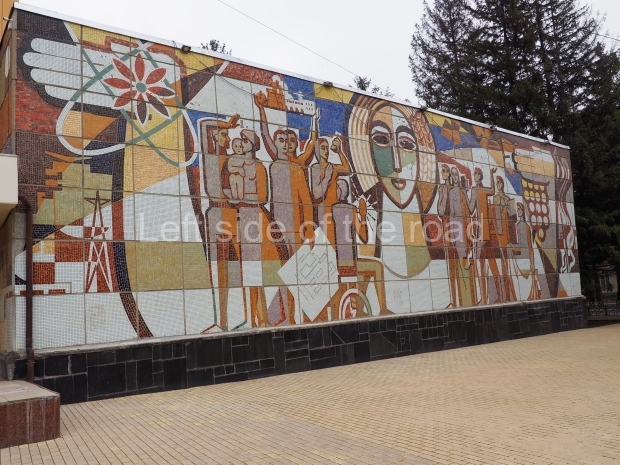
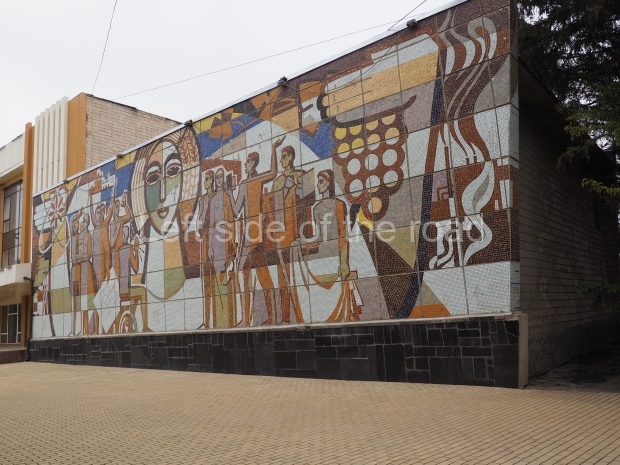
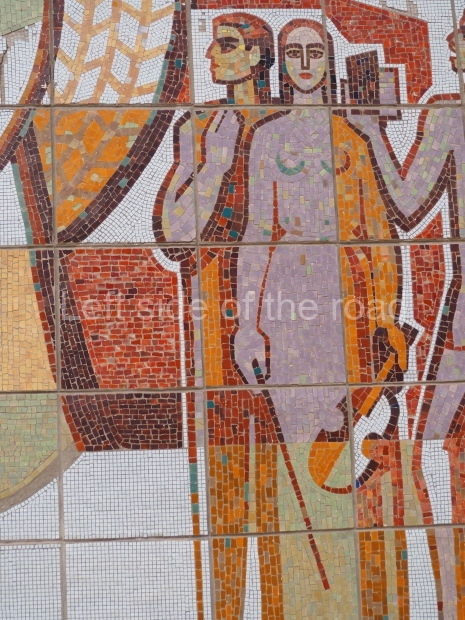
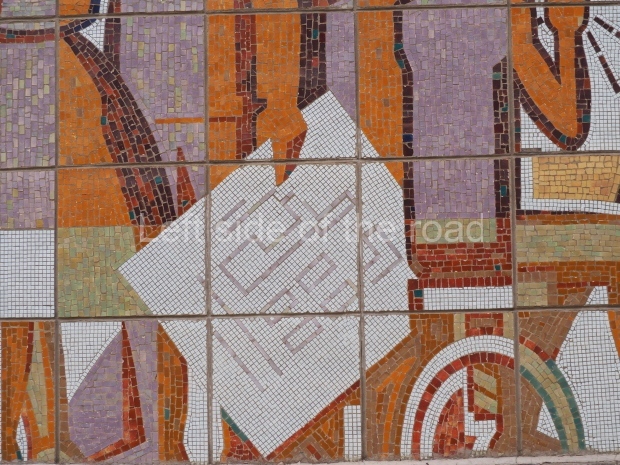
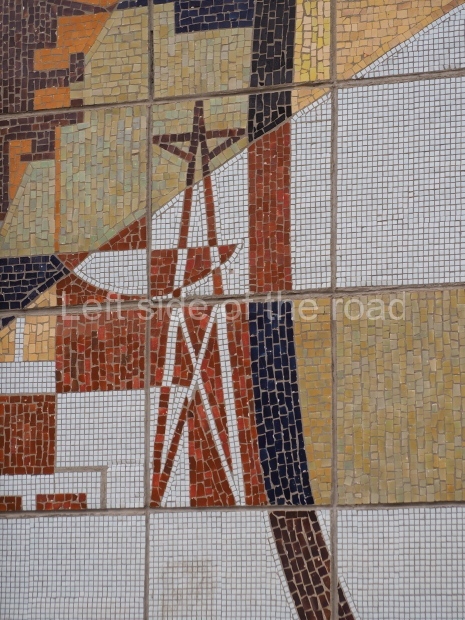
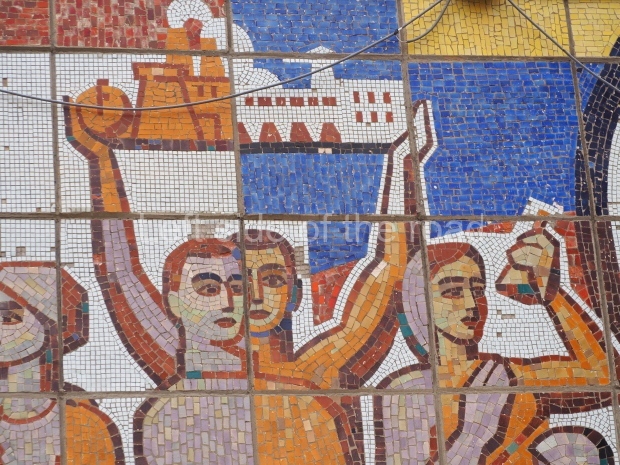
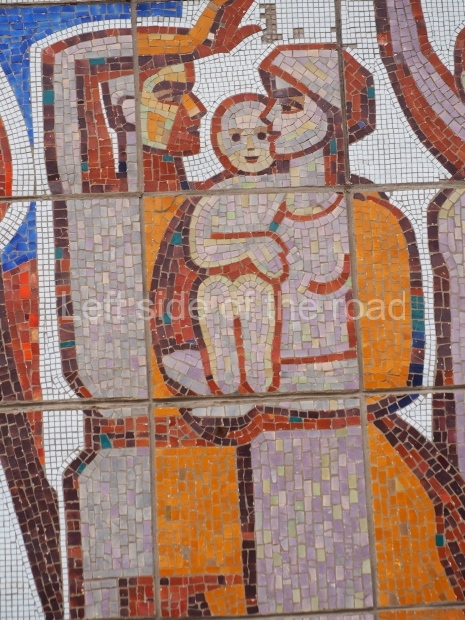
The mosaic, although not ‘overtly’ political (that is, with any representation of past or current Soviet leaders) still makes a political statement. On the left hand side of the huge mosaic you will see representations of science in general (with the atomic symbol) and the electrification of the country (one of the initial aims for Socialism established by Vladimir Ilych in the early days of the revolution) represented by the pylon.
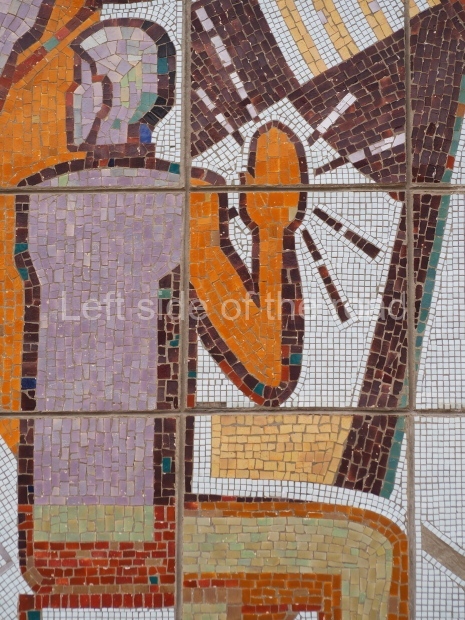
Then we have a representation of the family (indicating stability but not really challenging the bourgeois relationships that were posited by the founders of Marxism, Karl Marx and Frederick Engels); then we have industry – the maquette held aloft – and it’s important to remember that to date Ribniţa is the centre of Pridnestrovie’s steel industry; then there’s chemistry with the woman holding a glass Erlenmeyer flask; next is architecture/building/planning with the image of a street plan; then we have something I’m not sure what it represents, this is a male figure with what looks like sparks coming from his hand (any ideas?).
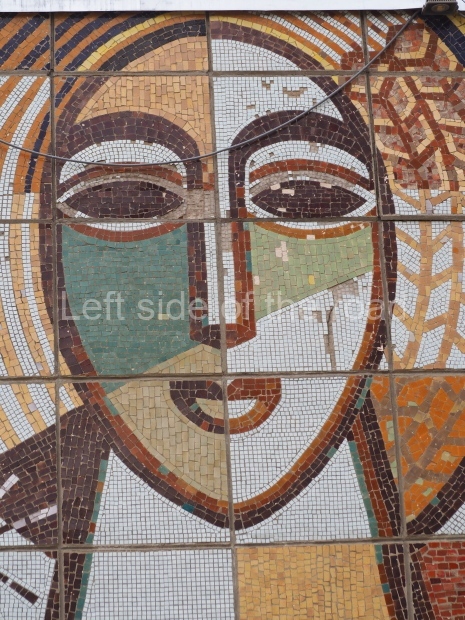
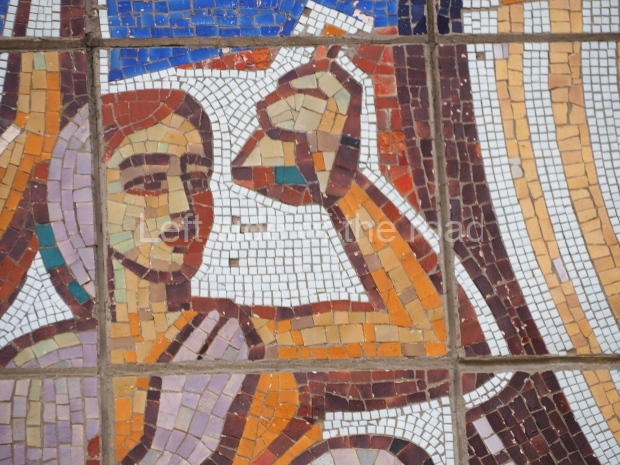
The two different narratives of the mosaic are separated by a large, oval head and shoulders of a female figure with a smiling face – I’m not sure if this is not to represent Moldovan folk heritage.
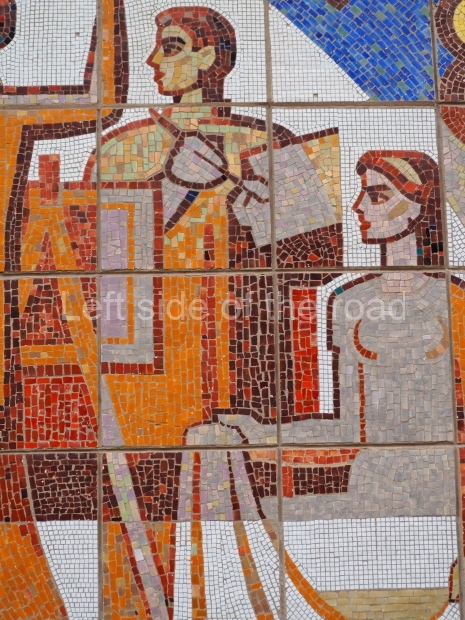
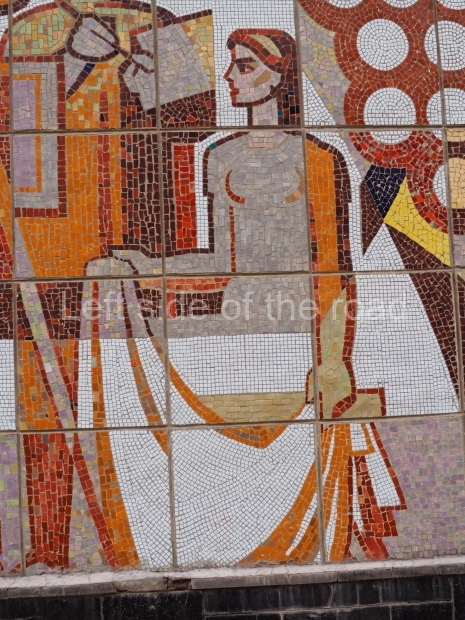
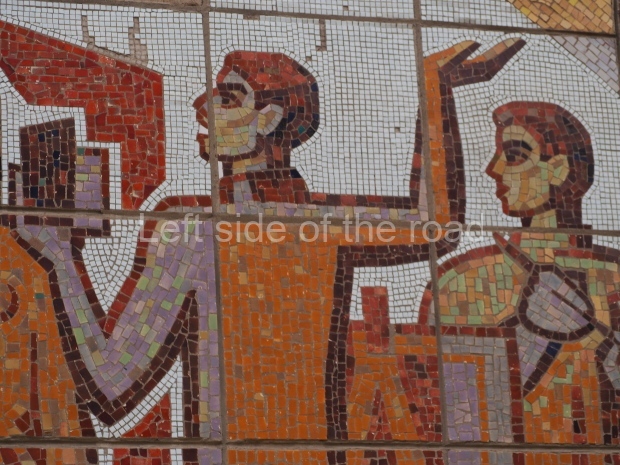
The right hand side of the mosaic represents various forms of culture, and also indicating the sort of events that would have taken place in the Palace of Culture. There’s a female violinist and standing behind her a male – this is music and he could possibly be a singer; next is a male with an open book in his left hand and his mouth is open as if he is reciting, he’s also gesticulating as his right arm is outstretched above him – so this is theatre; behind the actor a male stands behind an easel, with a paint brush in his rights hand which is gathering paint from the palette held in his left hand – so here we have the plastic arts; the last figure shown is a seated female figure (in classical dress) – I think she might just represent the artistic Muse in general rather than anything specific.
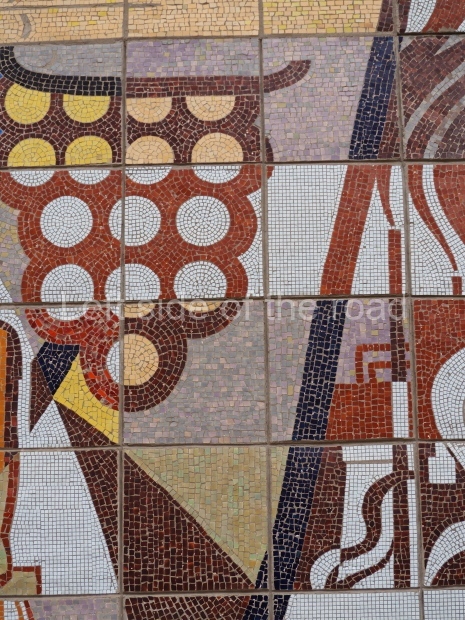
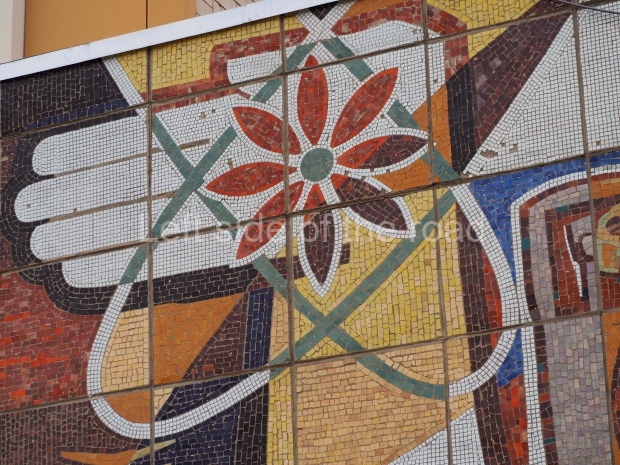
The extreme right of the image includes a huge bunch of grapes to illustrate the importance of the production of wine in the country – something which is obvious if you travel out of the main cities and pass vast areas of vines – and finally a factory belching out smoke. At the time of the production of this mosaic chimneys belching out smoke were considered a sign of progress and industrialisation. Images of factories from Britain, for example, during the hey days of the industrial revolution often showed such images (although often with a reference to Hell) and the Soviet Union was seeking to reach the same level of industrial production. In hindsight, whether such a policy was the best is, perhaps, questionable. However, these smoking chimneys reference steel production in Ribniţa.
Location;
In Lenin Square, at the junction of Biruintei Boulavard and Strada Kirov.
GPS;
47.76599 N
29.00760 E
More on Moldova – on the Post-Socialist Countries – Eastern Europe and Asia page
Soviet Mosaics – Bălți – Moldova
VI Lenin and Palace of Culture Mosaic – Ribniţa – Pridnestrovie