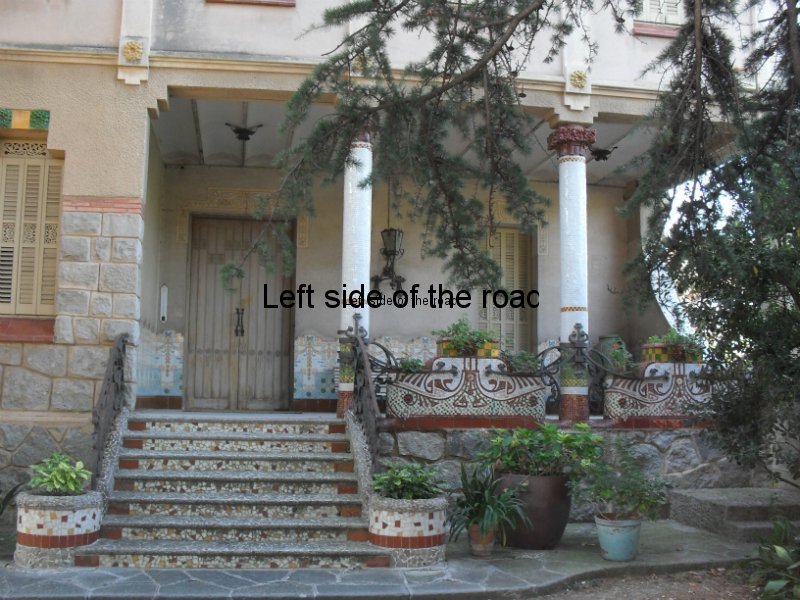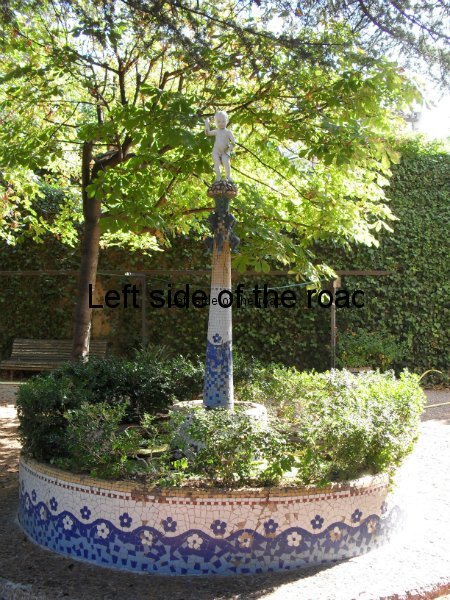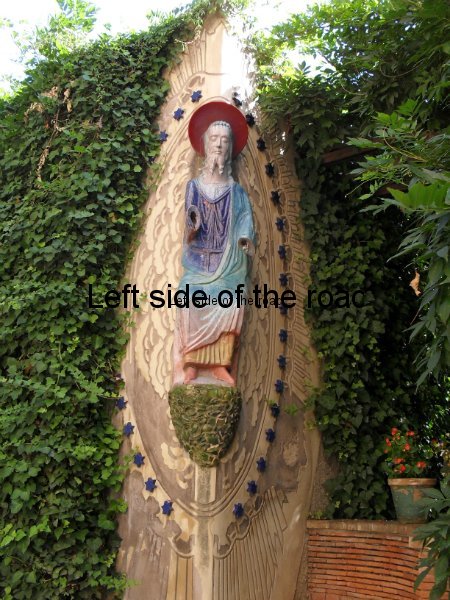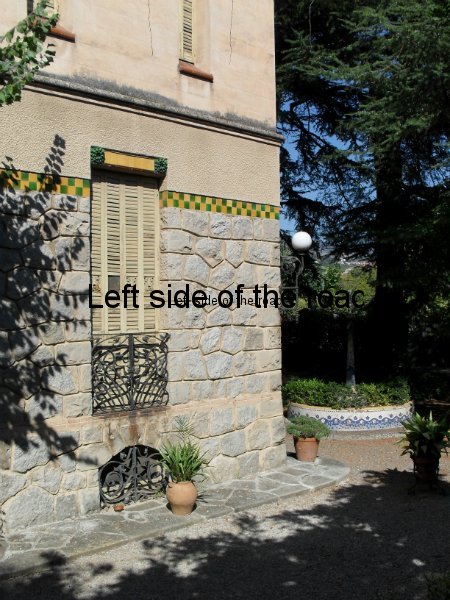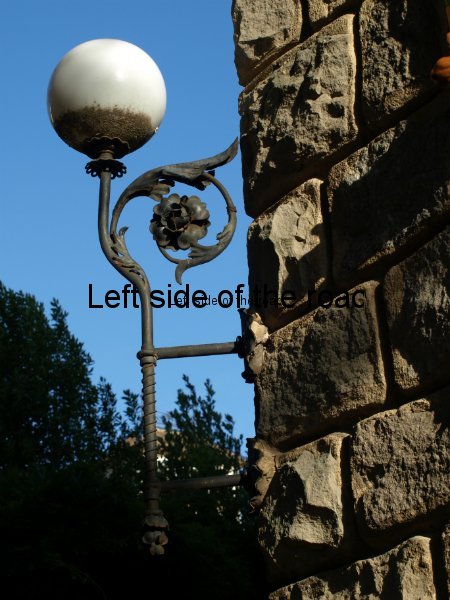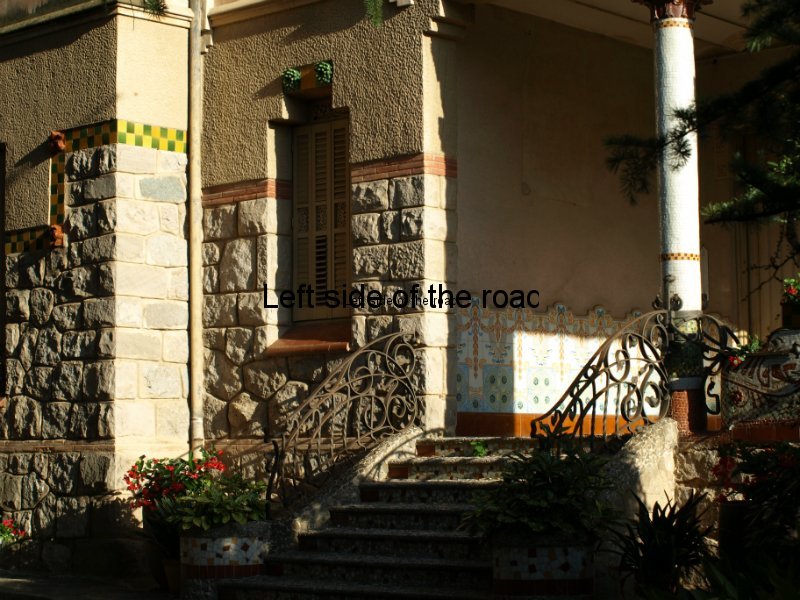
Casa Barbey – A Modernist summer house in La Garriga

Casa Barbey, La Garriga

More on Catalunya/Catalonia

Casa Barbey – A Modernist summer house in La Garriga

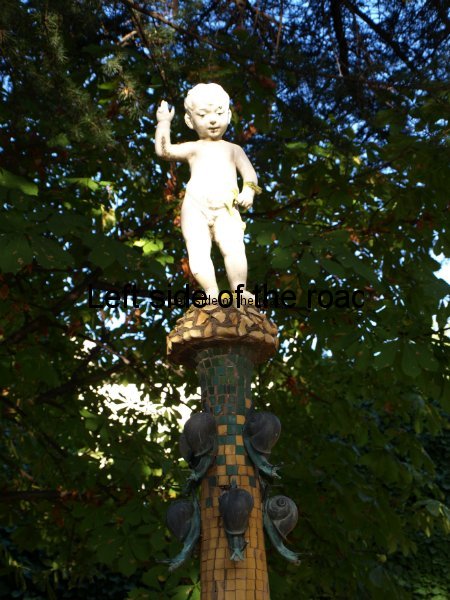
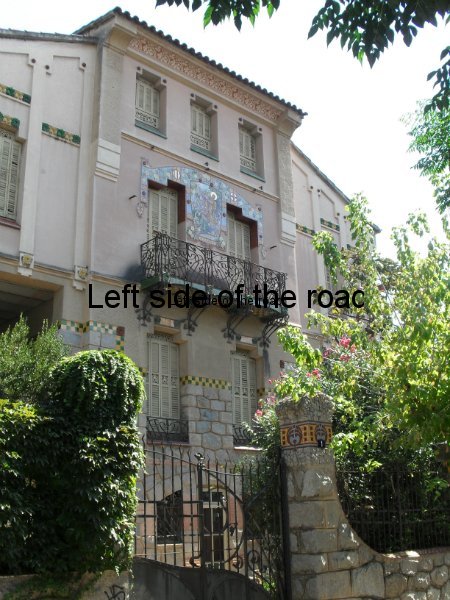
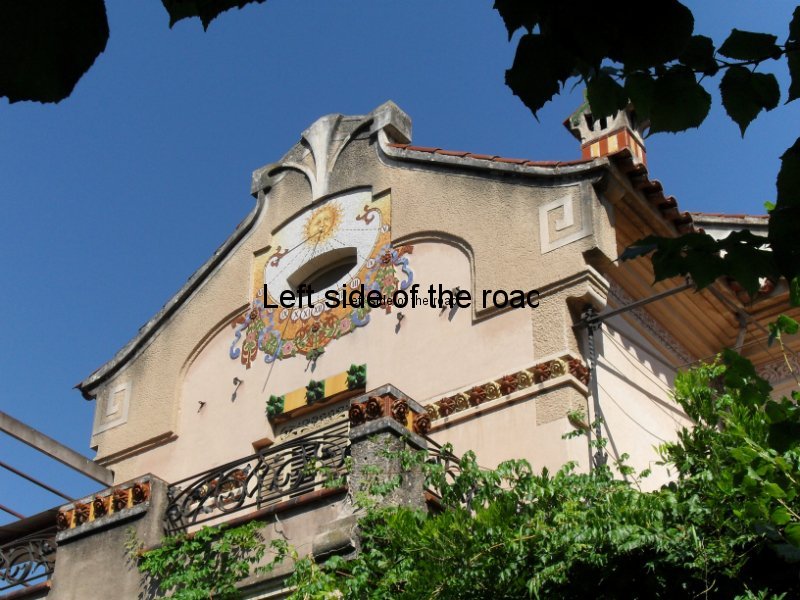
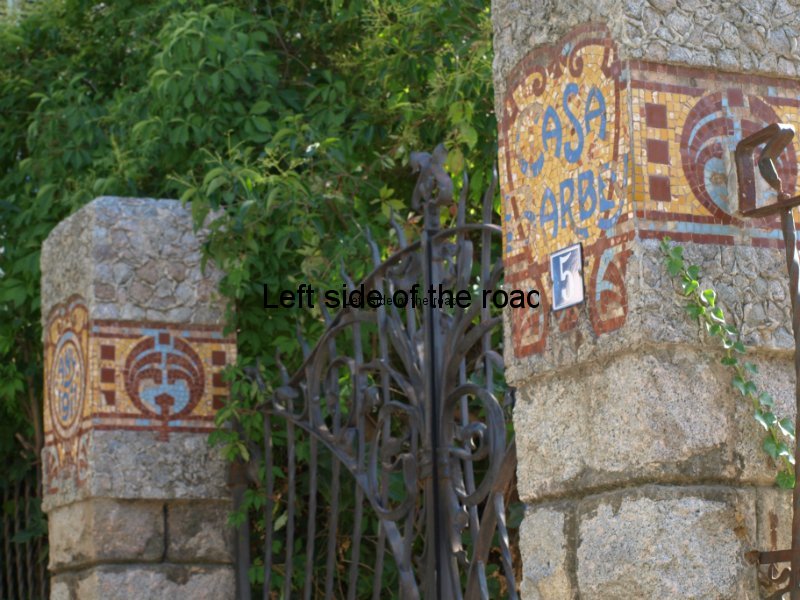
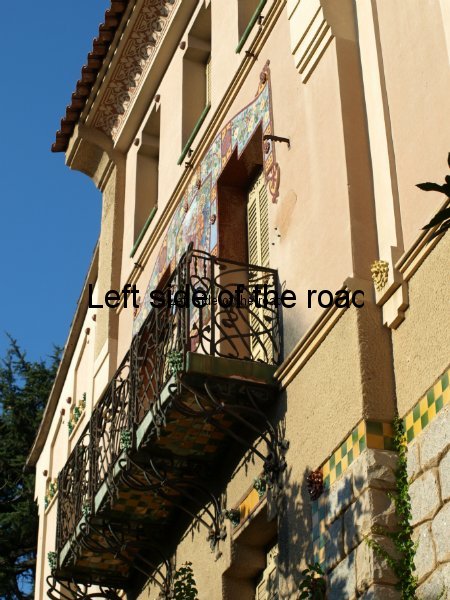
Modernism is not restricted to Barcelona as many towns throughout Catalonia boast at least a few examples of this late 19th early 20th century architectural style. La Garriga, about 30 kilometres north of Barcelona, developed as a spa town at the same time as the heyday for this fashion and Casa Barbey is one of the best examples in the town.

I became interested in Modernism when I spent quite some time in Barcelona between working in other parts of Spain about eleven years ago and have been searching out new places ever since.

By far the biggest concentration of Modernist buildings is in the centre of Barcelona itself and the huge queues I saw last weekend indicate that it’s one of the attractions that draws visitors from all over the world and making Catalonia (according to a report released a couple of days ago) the place in the whole of Spain that has the highest increase in tourists year on year.

I’m glad I was able to visit those places in the centre of the city when I did as now not only do you have to face the queues and quite steep entry charges when you actually do get into the buildings the number of people detracts from any appreciation you might be able to get from studying the quirky aspects of each place.

I suppose it’s that quirky nature of Catalonian Modernism that attracts me to it. That and the fact that it was a child of its time. The development of industry in the city during the latter part of the 19th century meant that the materials needed for the architects and artists to realise their designs was close at hand.

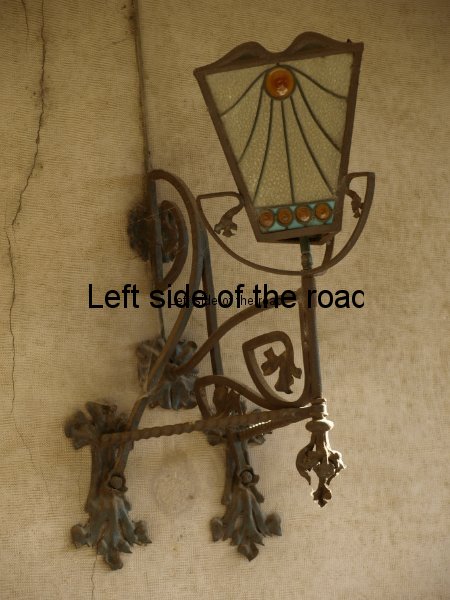
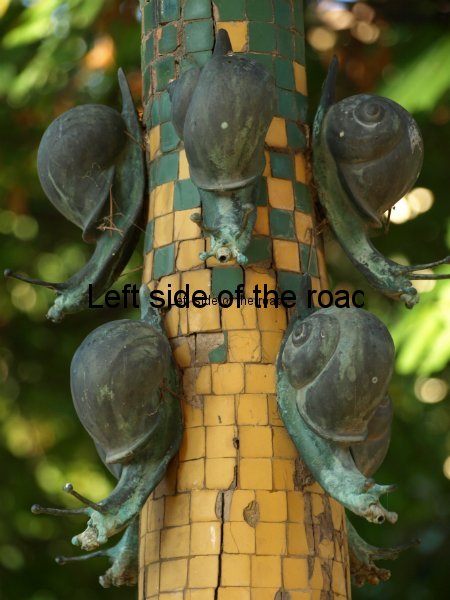
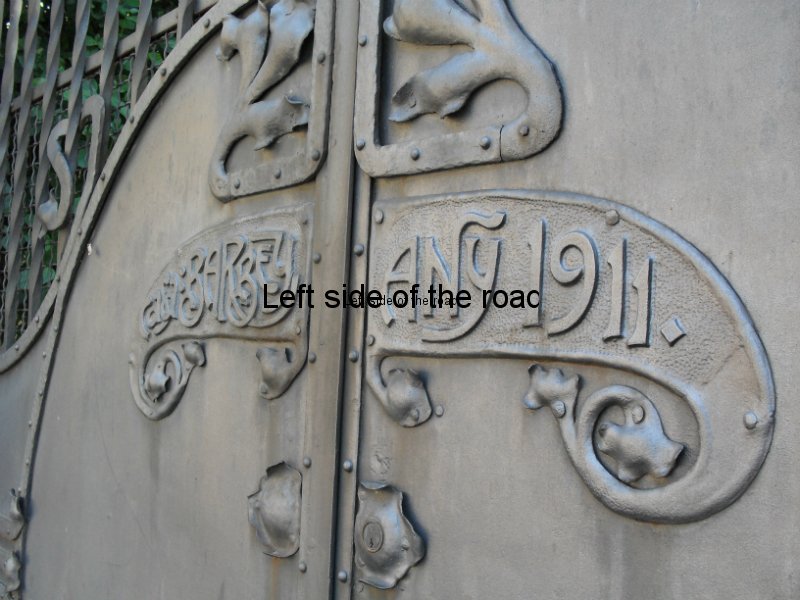
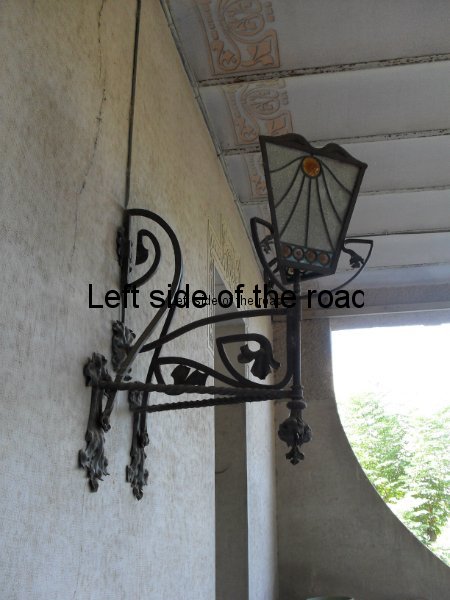
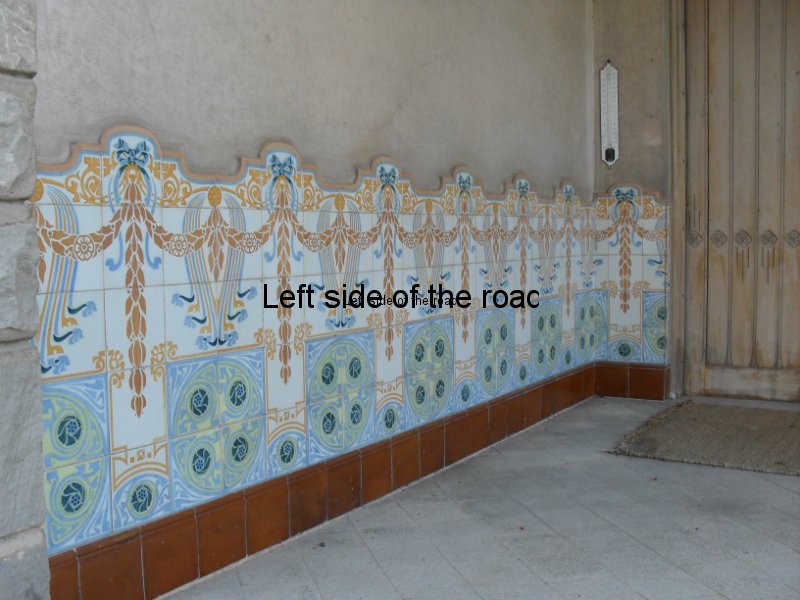
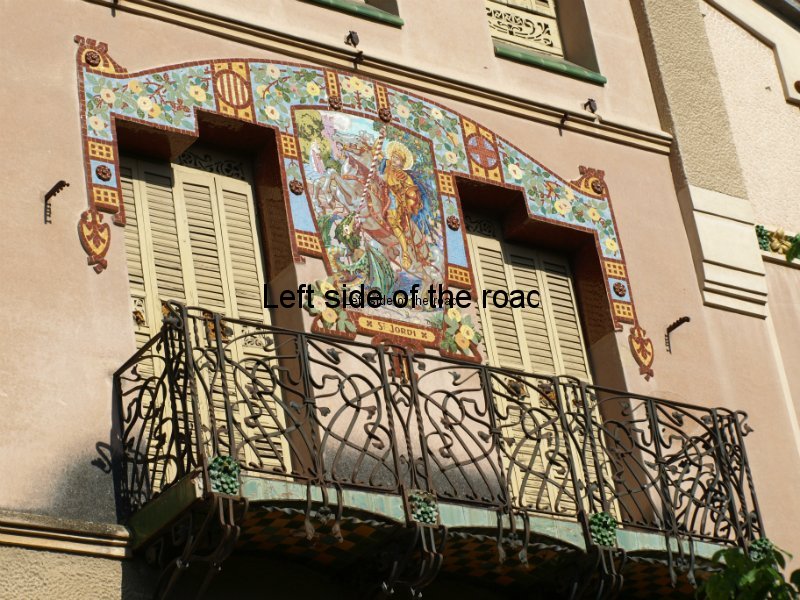
The use of the materials in an imaginative way is what makes this style stand out from what went before. The wrought iron gates and window grills are a case in point, as is the widespread use of ceramic tiles and coloured glass. Guell, Gaudi’s principal patron, made his fortune out of tile manufacture and one of the reason that Gaudi used so many tiles in his designs, especially at Parc Guell, was due to the fact he didn’t have to pay for the materials. If industry had not developed in Catalonia at that time to the extent that it did it is unlikely that tourists would be flocking to Barcelona in the numbers they do now (but much of the industry has, unfortunately, disappeared).

Impressive though they are I don’t think it’s really recommended to try and visit the Sagrada Familia building site, La Pedrera or Casa Batllo in August. Instead go to some of the smaller towns in Catalonia and go on the hunt for some more humble examples. This is not as difficult as it might seem as even these smaller places have realised that they have something to sell to potential visitors.

La Garriga, the biggest town close to where I’m staying, is a case in point. They have established a route that can be followed around the town taking in the majority of the houses that were built during this period, that was virtually at an end by the First World War.

You won’t be visiting or looking for your run of the mill house. Modernism was definitely a style of and for the rich and apart from a few examples spread around the region, such as a factory in Terrassa or the old hospital of Sant Pau in Barcelona, not many of the buildings were designed to be accessible to the public. This was conspicuous consumption taken to its extreme and many of the houses were as ornate inside as they were out.

That’s the case in La Garriga, which grew rapidly as its spa status attracted the Barcelona rich who were looking for an escape from the intense summer heat of the capital city. The Ruta de Modernismo takes you to some of the houses they built for mainly occasional, summer use. Some have changed their use and one, for example, is now an English language school, but many are still in private hands.

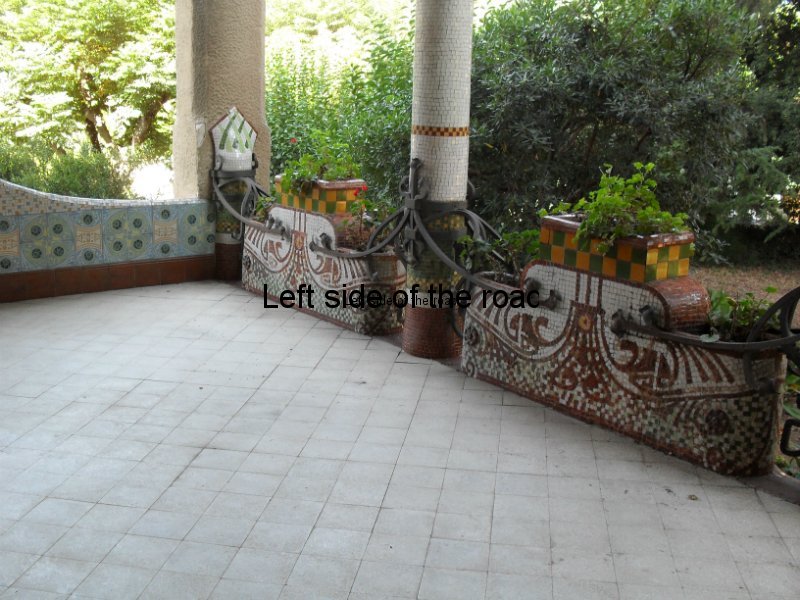
There is, however, one that is slightly different. This is one of the biggest and is uninhabited and I’m not sure who actually owns it. It’s possible to see the outside (no access to the interior) on the monthly tours and I went on one of those last year.

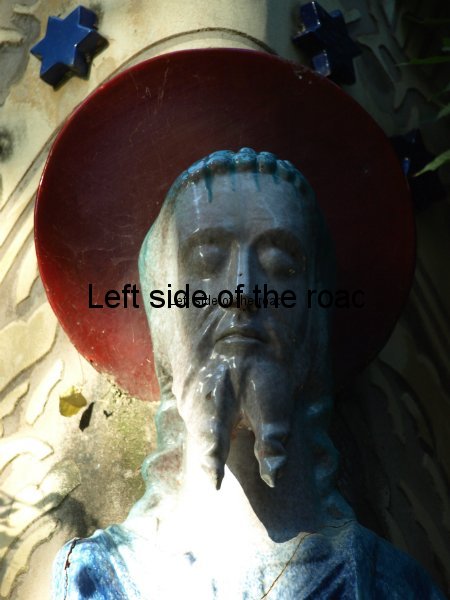
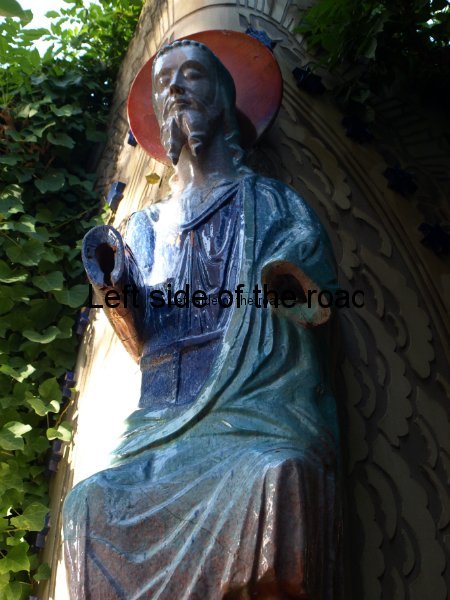
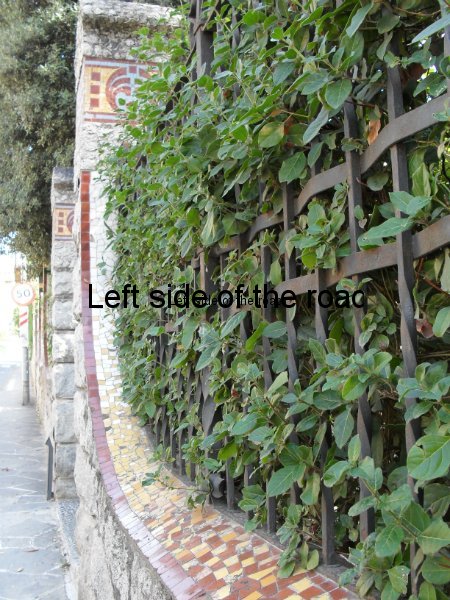
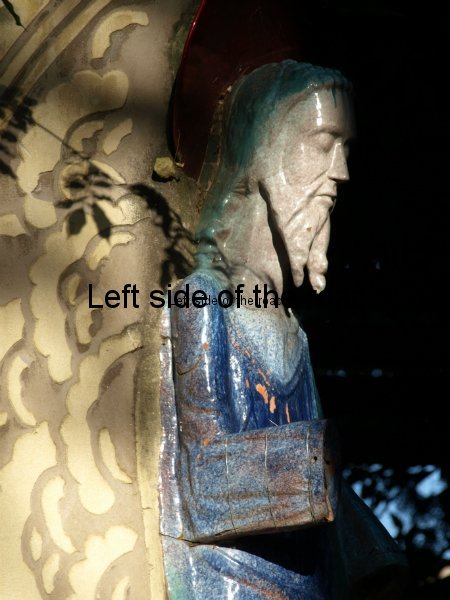
This year, passing by, I noticed that the gate was open and as I searched for someone to tell them about this I took the opportunity to take some more pictures and a selection of those, and the ones from last year, are presented below as a slideshow.

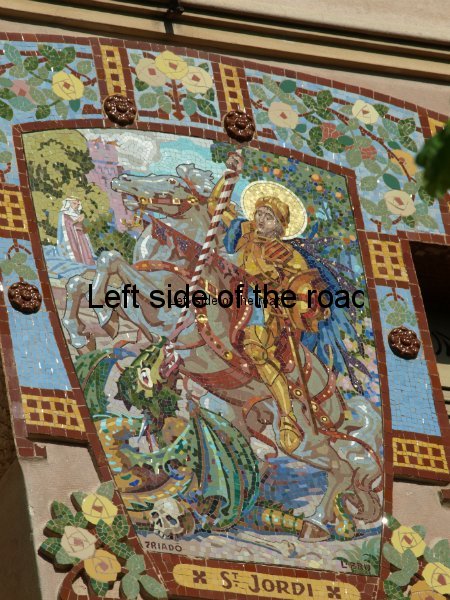
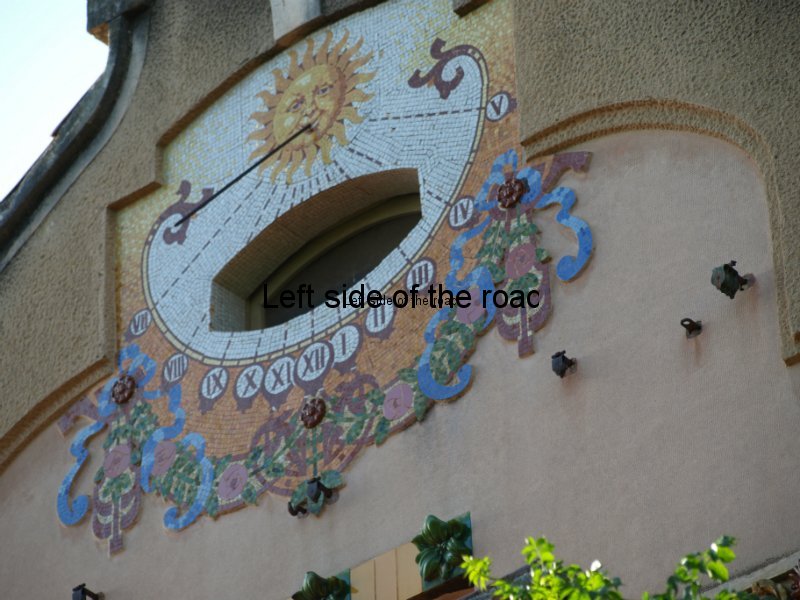
One final point, nationalism was also an aspect that drove the designs of the Modernist architects so images of Sant Jordi (the patron saint of Catalonia as well as England) is often depicted. The mosaic on Casa Barbey, though, is one of the finest I’ve seen.

Guided tours take place the 2nd Saturday of each month, at 10.00, leaving from the Tourist Information Office at Carretera Nova, 46. Cost €4. For more information call 93 113 70 31 or email info@visitlagarriga.cat.
La Garriga Itineraries

More on Catalunya/Catalonia

Rosanes – a military airfield during the Spanish Civil War

Rosanes airfield, La Garriga, Catalonia

More on Catalunya/Catalonia

Rosanes – a military airfield during the Spanish Civil War

Memorial Democratic, a programme to spread information about the history of the Spanish Civil War, tells the story of the small Republican airfield of Rosanes, just outside La Garriga in the hills just to the north of Barcelona, Catalonia.

I’ve said that it’s possible to walk in this part of Catalonia during the month of August but I would still not recommend doing what I did a few days ago which was to visit the site of one of the Republican airfields during the Spanish Civil War at 3 o’clock in the afternoon.  Being now farm land there is absolutely no respite from the sun as Catalonia, as well as much of the rest of Spain, is going through a heat wave.

But for anyone interested in that defining period of European history a visit is worthwhile.

Rosanes is the name of a large farm a couple of kilometres to the south of La Garriga, a town which grew up at the end of the 19th and the beginning of the 20th centuries as a favoured place for the Barcelona rich to escape the extreme heat of the Mediterranean summer.

There’s not a great deal left of the complex that existed for a short, but intense, period during 1937-38 but there’s enough to get a feel for what it was like when the Republican air force tried to stand up against the might of the German Luftwaffe and the Italian Regia Aeronautica. But this quiet place, now returned to use as farm land and a small golf course, played a significant part in some of the campaigns of the Civil War as well as playing its part in the defence of Barcelona, only just over 30 kilometres away.

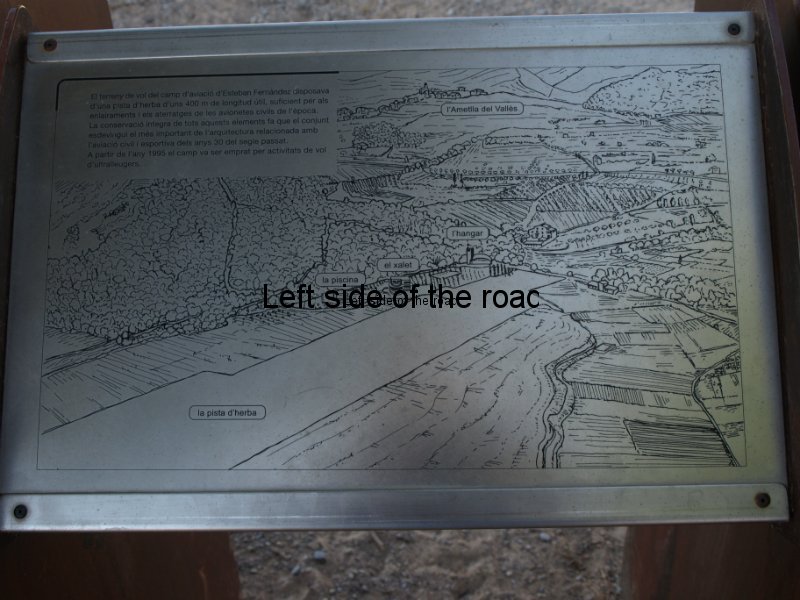
The reason for the airfield being there was really one of chance.  A rich Argentinian businessman, with a passion for flying, constructed a landing strip, together with a hangar, a control tower and a house which were all requisitioned by the Republic when hostilities began.

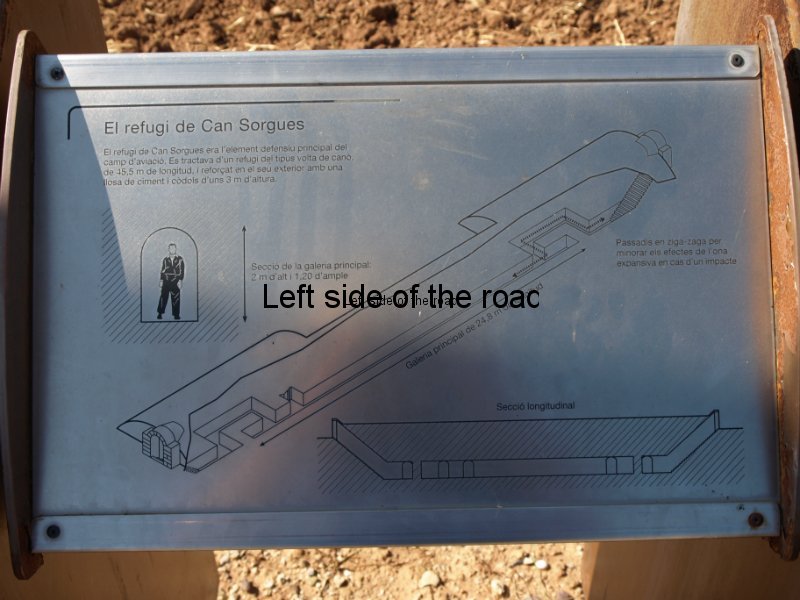
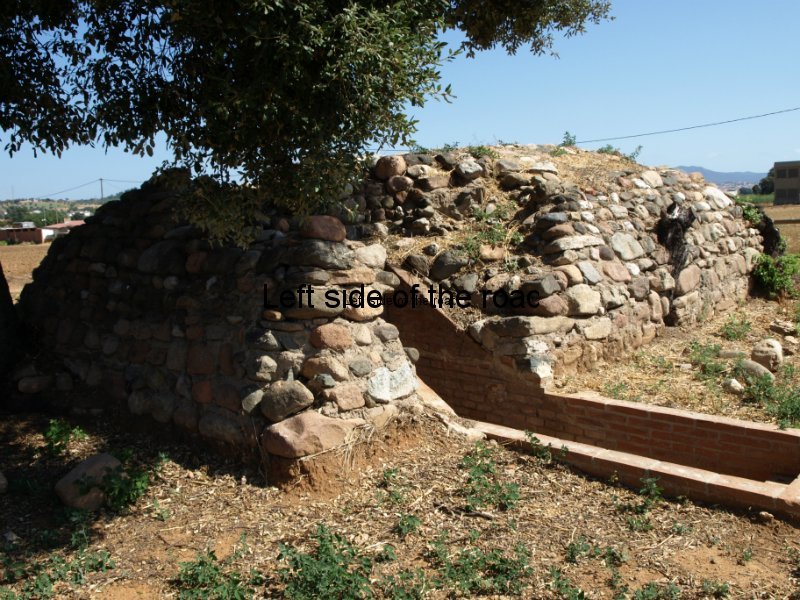
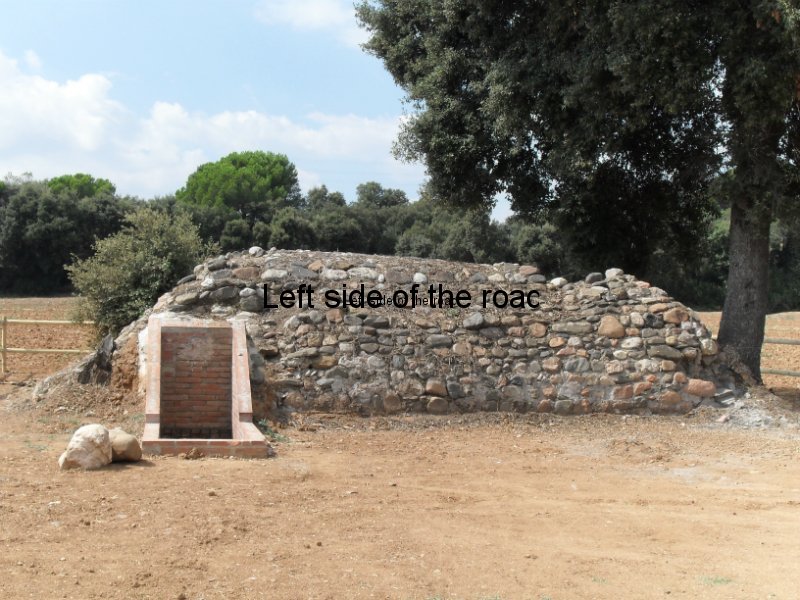
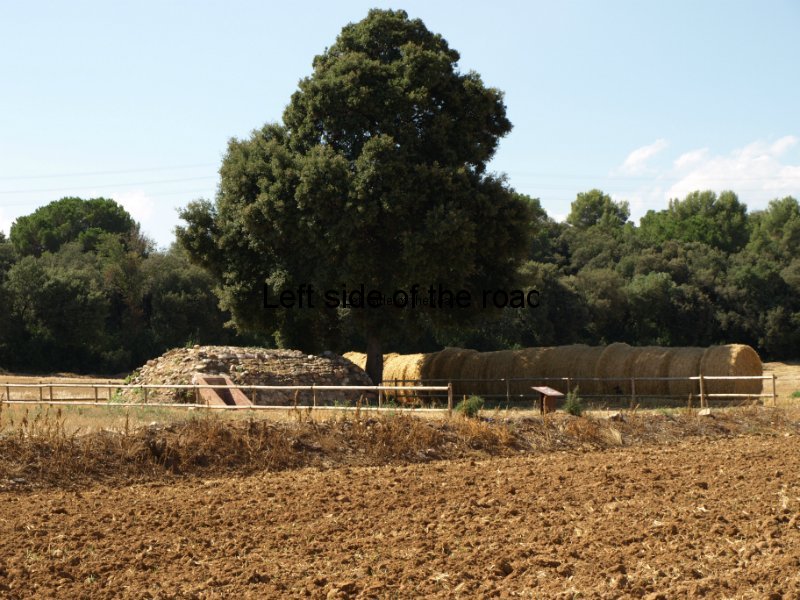
As the place developed from a private civilian airfield to a military centre all the operational and accommodation facilities were spread over a large area to avoid concentration of resources in a small place which would have had disastrous consequences if there had been a lucky strike by the fascist bombers.  All its working life the airfield was under threat of aerial bombardment and three, out of a total of 7, of the still existing structures are air raid shelters.

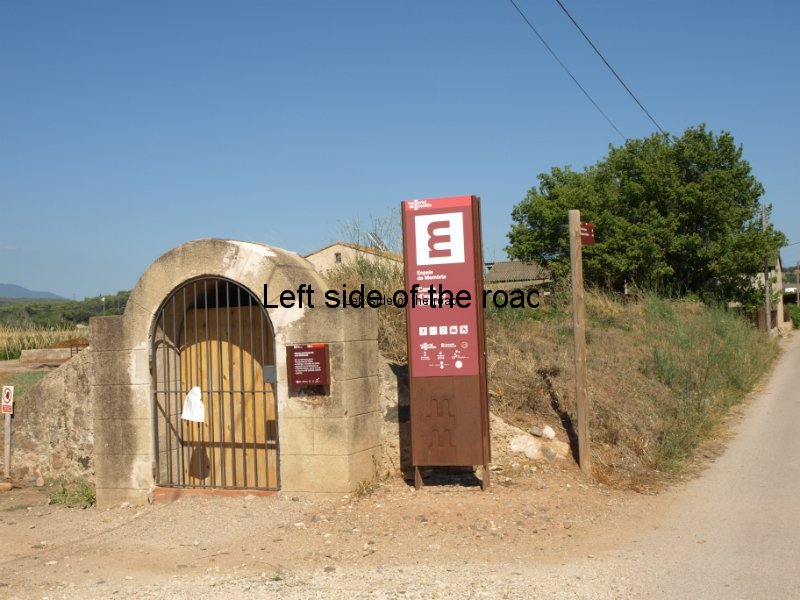
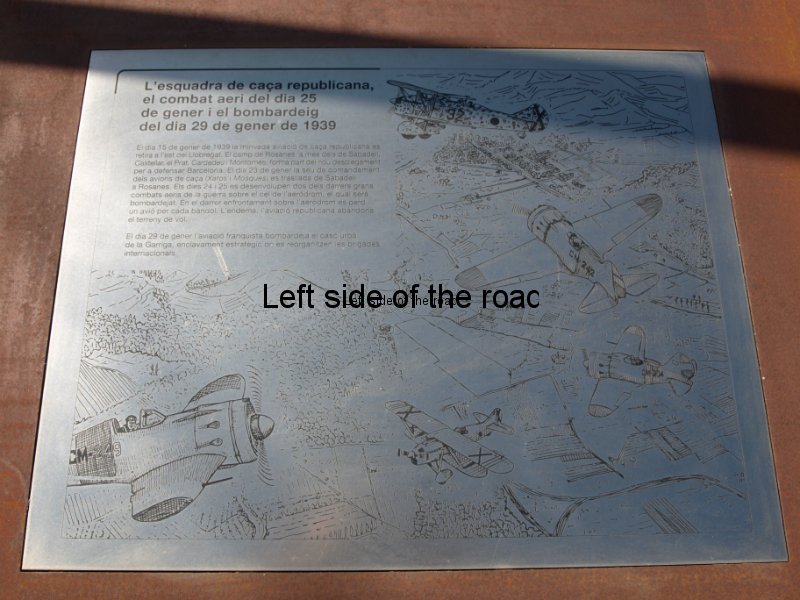
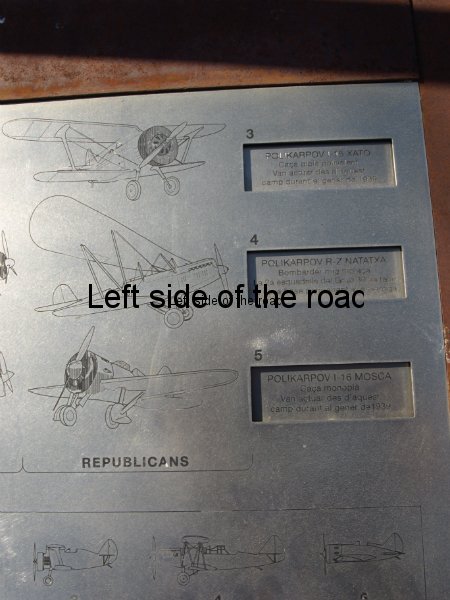
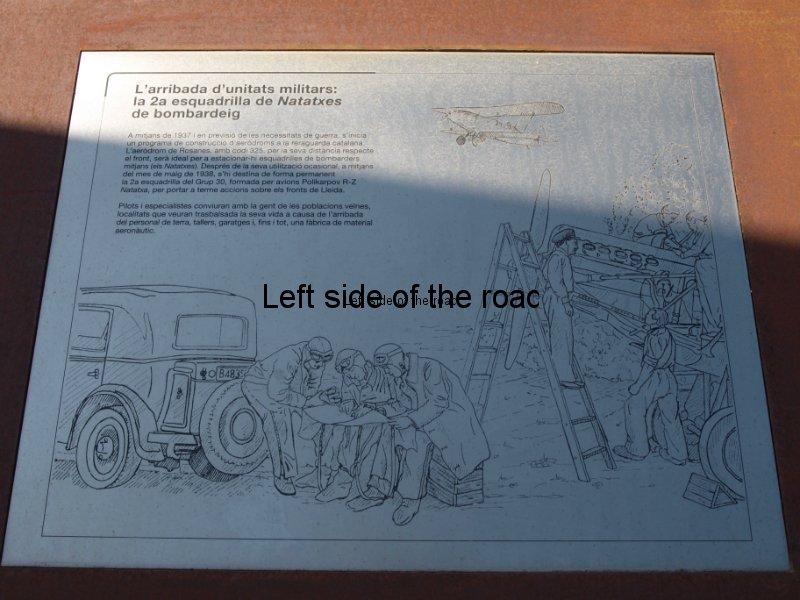
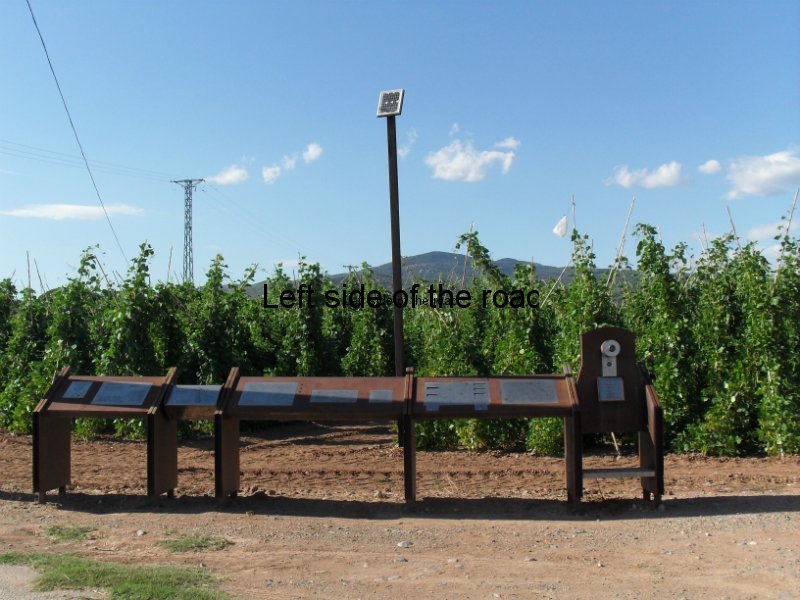
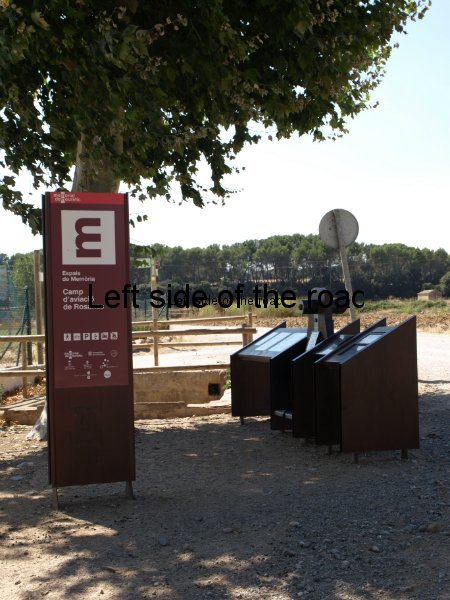
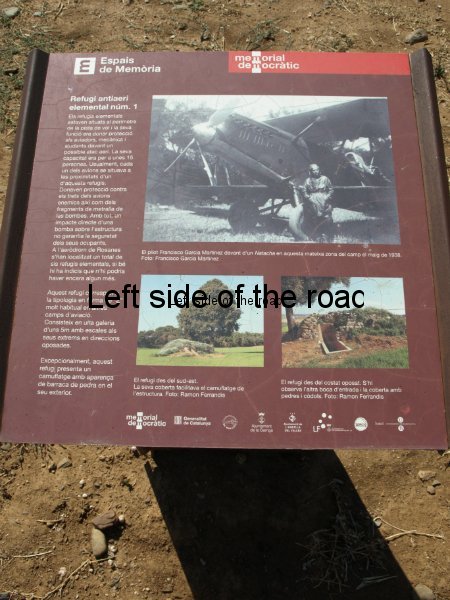
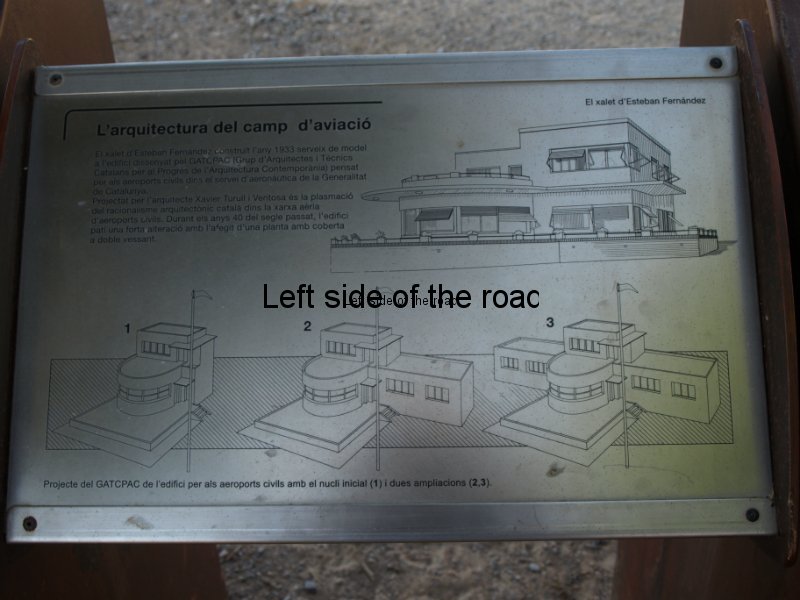
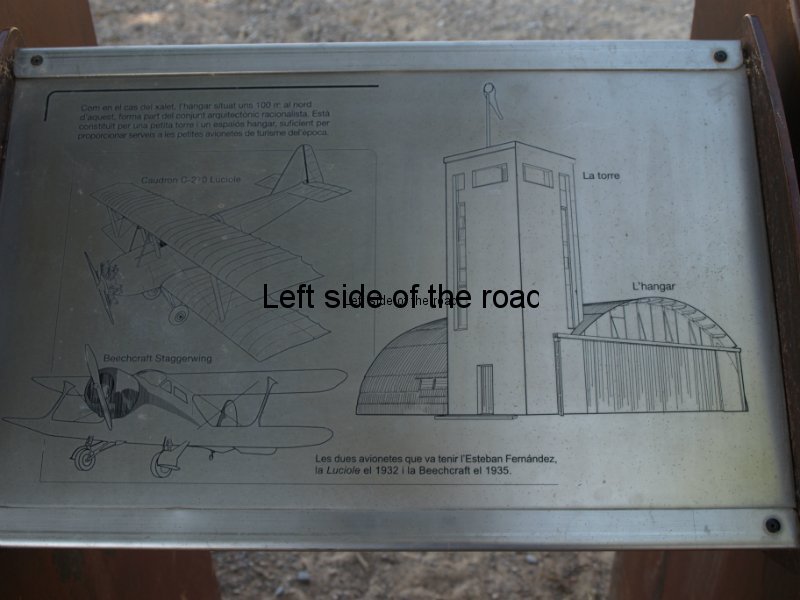
At two locations in the area there are information points which provide a fairly comprehensive introduction to the activities that took place in those years.  With sketches etched into stainless steel any visitor can come away knowing a lot more about what the place looked like and how the airfield functioned as an efficient war machine.

This includes a description of the aircraft that the Republicans used at Rosanes.  These were all Polikarpov aircraft provided by the Soviet Union, the most famous of these being the Natasha, a light bomber and the plane around which the aerodrome was built.  It was after this squadron was virtually wiped out on returning from a raid on the 24th December 1938, due to a mistake and consequent lack of fighter support, that Rosanes began to lose its importance.

The information boards also give an indication of the position of Rosanes in the evolution of the Republican defensive front.  Much of what the Republican forces built was in response to a concerted attack that had been planned over many months.  What has to be remembered is that it was the fascists who were the rebels, rising up against the legitimate government of the Second Republic, who had planned their attack with the overwhelming support of the war machines of Germany and Italy.  Taking into account this imbalance of forces it’s surprising that Spain was able to hold out for three years.  Poland and France didn’t last a fraction of that time.

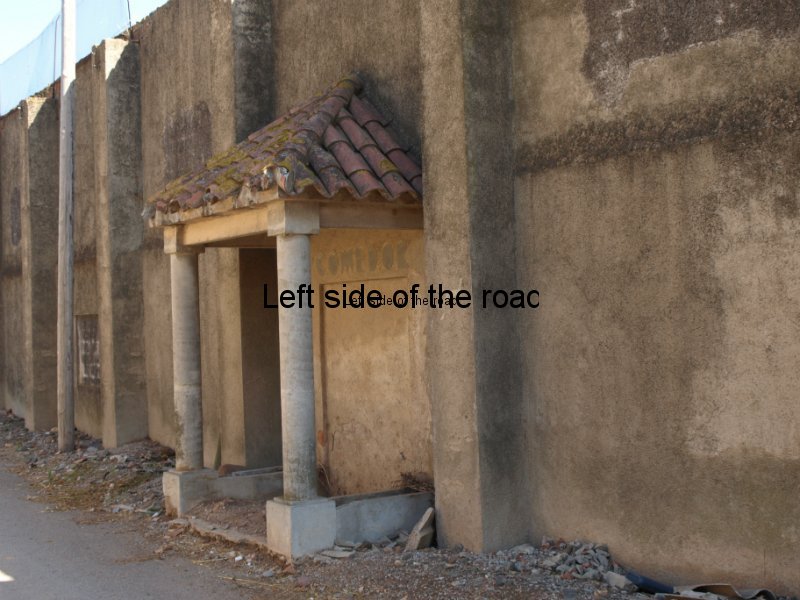
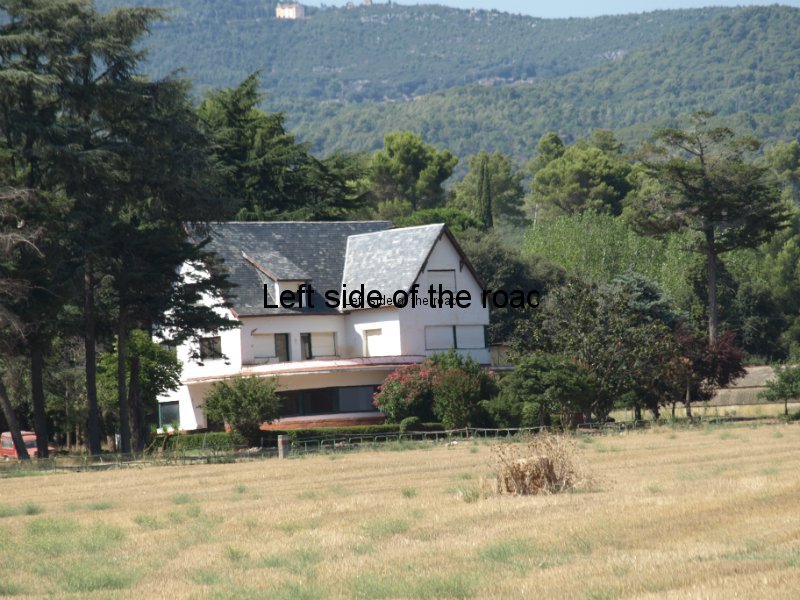
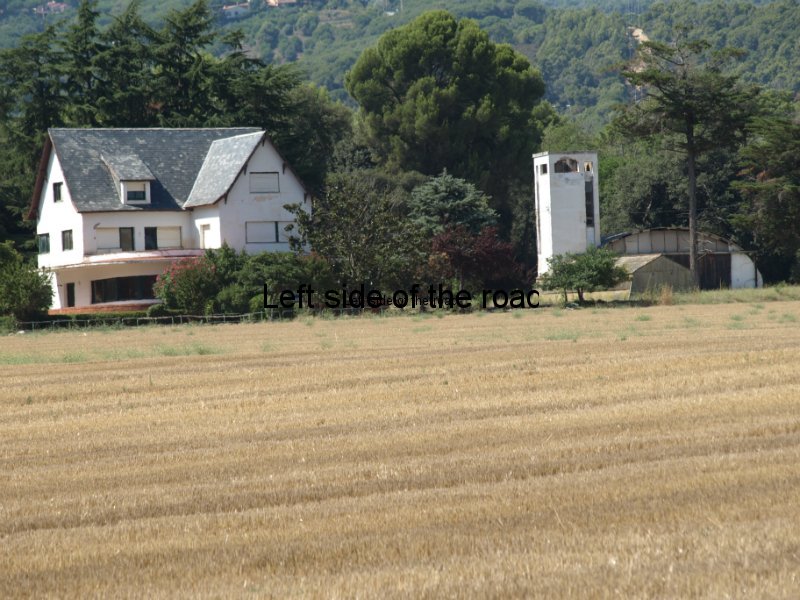
The three principal buildings of the pre-war complex still exist but can only normally be seen from afar, as they are now back in private hands.  These are the buildings constructed for the Argentinian businessman and are the hangar, the control tower and the house built close by which became a command centre.

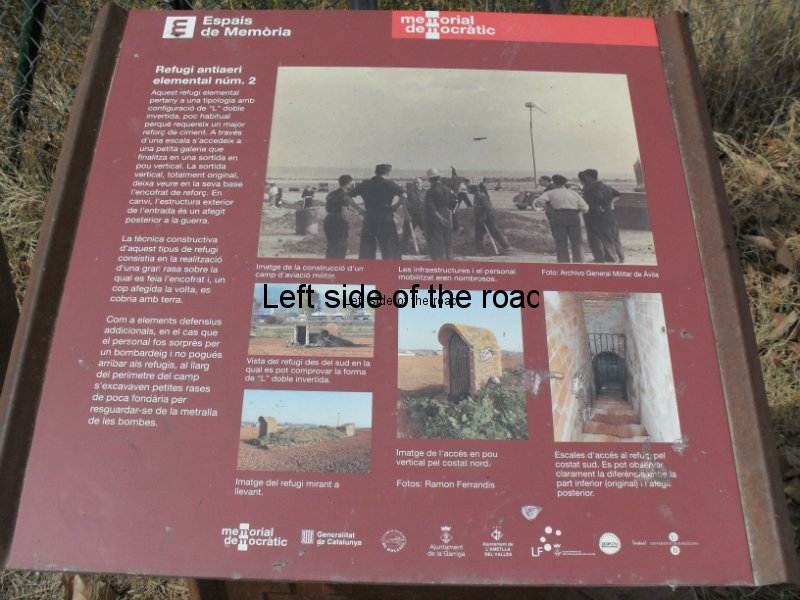
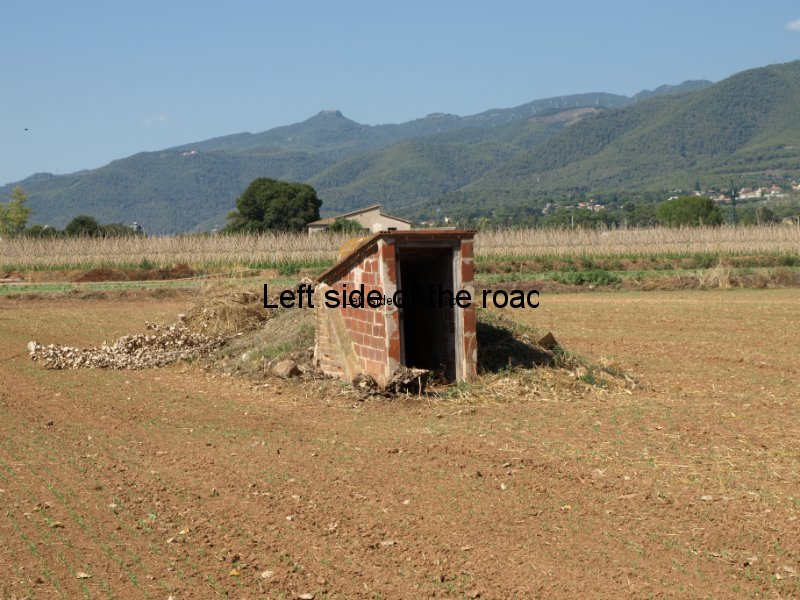
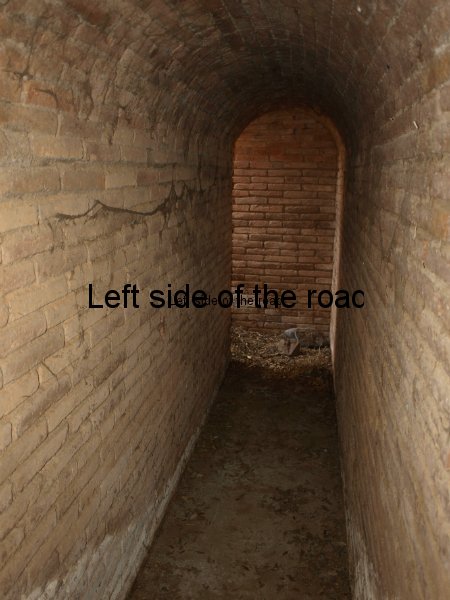
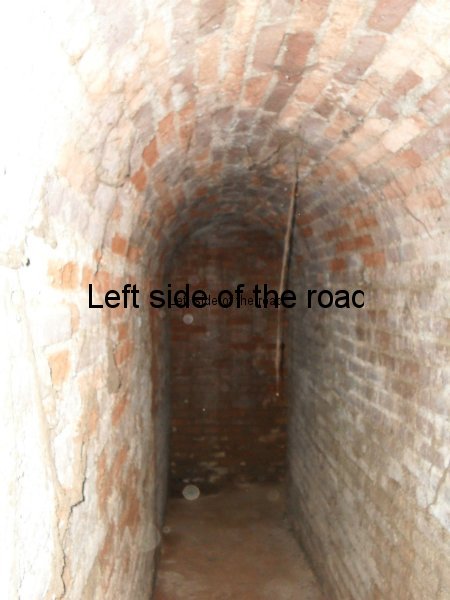
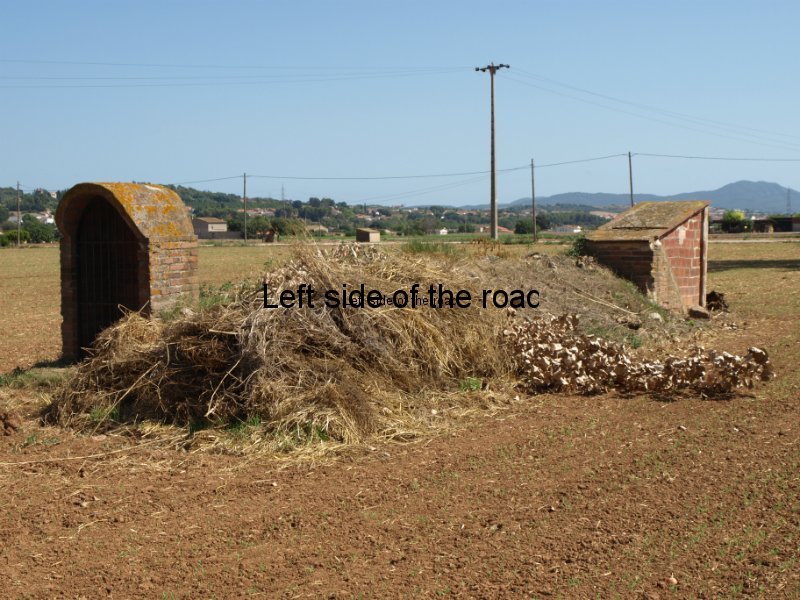
The other remaining structures are the air raid shelters.  The two smaller ones have gates across the entrances but a little bit of limbo dancing will mean that you can get a view of the interior and this is useful to get an idea of how small they were but still providing the necessary protection against attack.

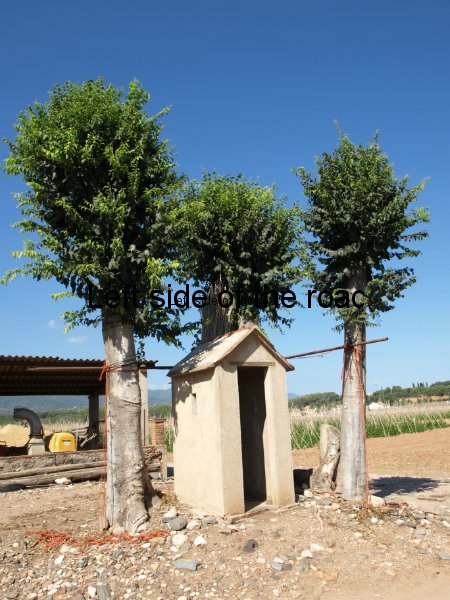
The third shelter, by far the largest as it was constructed close to the biggest concentration of personnel, can only be seen on one of the organised visits.  This is next to Can Sorgues, where there are also the remains of the camp dinning room as well as a sentry box, looking in a very good condition for something that is supposed to be from the 1930s.

But apart from the structures that can be seen/visited perhaps the main thing to be gained from a visit to Rosanes is the realisation of how small things were in those days, how makeshift war was in the mid 1930s and how hit and miss the whole matter of warfare was at that time.  Matters moved drastically during the ‘big’ war of 1939-45 (in which Spain did not take part) and so different from the high-tech warfare of today in Iraq, Afghanistan and …. Iran?

A guided tour of Rosanes takes place the second Sunday of every month, meeting at the Rosanes farmhouse at 11.00.  In July and August, when it’s much hotter, the visit takes place at 18.00, the one in August being on bicycles.  It costs €5.  For more information call 93 113 70 31, or email info@visitlagarriga.cat.  For some pictures of the time go to www.aviacioiguerra.cat, although this is only in Catalan.
Leaflet for Rosanes Air Field page 1

Rosanes Airfield 01


Leaflet for Rosanes Air Field page 2

Rosanes Airfield 02

Rosanes Airfield Information Leaflet in pdf format

For more information on Memoria Democratic see:

The air raid shelter of Placeta Macià, Sant Adrià de Besòs

More on Catalunya/Catalonia

Workers take over a palace in Andalusia

Moratalla Palace and SAT members

SAT members outside the Moratalla Palace.

Workers take over a palace in Andalusia

First a raid on supermarkets, now workers take over a palace of a cousin of the king. It is occupied for a day by workers angry at the extremes within Andalusian society. Juan Manuel Sanchez Gordillo and his jornaleros (day workers) are rapidly becoming the bête noir of the Spanish establishment.
The momentum has been growing following the raid on 2 supermarkets in Andalusia by the Sindicato Andaluz de Trabajardores/as (SAT) on Monday 6th August.
Following the news locally it has been interesting to see how the government and the judiciary are pursuing the matter. The leader of this present wave of direct action is Juan Manuel Sanchez Gordillo, an Izquierda Unida (United Left) senator as well as being the long-term mayor of the Andalusian town of Marinaleda. As a senator he is immune from prosecution and there have been calls for him to resign his position in Parliament to show that he is prepared to face the consequences of his actions. He has replied that he is prepared to give up his immunity but why should he give up his seat if he thinks that he is merely representing the people who voted him in in the first place.

Soledad Becerril, a member of the present Conservative ruling party (Partido Popular) was appointed as La Defensora del Pueblo (what would be called a Omsbudsman in the UK) earlier this year. She has come out arguing that the union members who raided the supermarkets did so because the only opposition they knew they would face at the check out desk were women.

Her argument, somewhat bizarrely, is that they did not choose a supermarket where there were men built like heavy weight boxers at the tills for fear of their own physical safety. She has still to indicate where these supermarkets can be found as she indicates, by omission, that this is the norm. Perhaps if you know of such an establishments you could let her know.

Sanchez Gordillo responded by branding her a fascist, as she was selective with the facts in making her accusations. So no love lost there, then.

There must have been images in the newspapers or on the tele making references to one of the women being quite distressed by the events that took her by surprise on that Monday, (I myself have not seen them). And it has to be accepted that it must have been a shock. However, the question to be asked is why, under those circumstances, did she try to stop them when they must have told her that their fight was not with her but with the wealthy in Spanish society and the inequalities they are perpetuating.

It has to be remembered that they were not furtive in their actions. They were not masked or using anything more offensive that a supermarket trolley (although that can be a lethal weapon in the hands of some people I’ve encountered in supermarkets). They even had their pictures taken and these have been widely broadcast. It was, therefore, obviously an open and clear political act.

There’s an open letter (by a Blogger called Pascual Serrano) to the woman who was depicted crying as events unfolded. It’s in Spanish but the gist of his case was why did she feel she had to protect the interests of her employers when they were paying her not much more than minimum wage levels and apart from being multimillionaires in their own right had a reputation for the poor treatment of their employees. Pascual’s argument came down to basically asking her which side was she on, that of the rich or of her own class?

Although the Defensora del Pueblo, Becarrill, maintains she is standing up for the rights of poor working class women it is worth noting that she herself is a Marquesa and stands for, and represented in her political past, the interests of her own class, one that would be challenged if such activity were to spread.

And spread it has.

On Tuesday 21st August a group of 200 people, including Sanchez Gordillo, invaded a palace of a cousin of the king in a place called Hornachuelos, again in Andalusia. This palace was not occupied and is in the process of being converted into a luxury hotel. One of their reasons for choosing this particular location was the fact that workers doing the renovation work have a dispute over payment for their work.

Again this action took place in the full light of day, no violence was involved, the people were happy to have themselves filmed and they even jumped into the swimming pool (the temperatures in Andalusia that day topping 40ºC). Can’t imagine what the water in the pool would have been like if it had not been treated for some time but at those temperatures I suppose they didn’t care.

So it appears the movement is growing. More people becoming confident and not caring about the consequences. And their position will only get stronger as more people are attracted to the cause. Poverty is not something that has just affected Andalusia in the last few years with the present economic crisis. It has always been a low wage economy and there have always been problems caused by the almost feudal manner in which many of the rural workers are treated. Social welfare services are minimal and people are literally without the wherewithal to find money to pay for their next meal.

Some of them, still a small number but seemingly increasing as time goes on, are starting to say that they are not prepared to accept this situation any longer.

SAT members in the gardens o f the Moratalla Palace

Jornaleros in the gardens of the Moratalla Palace