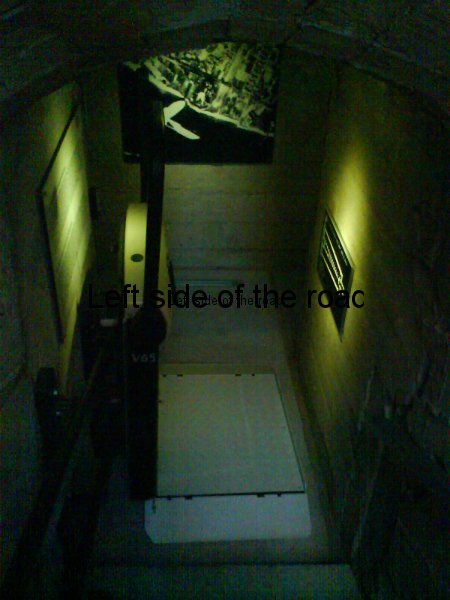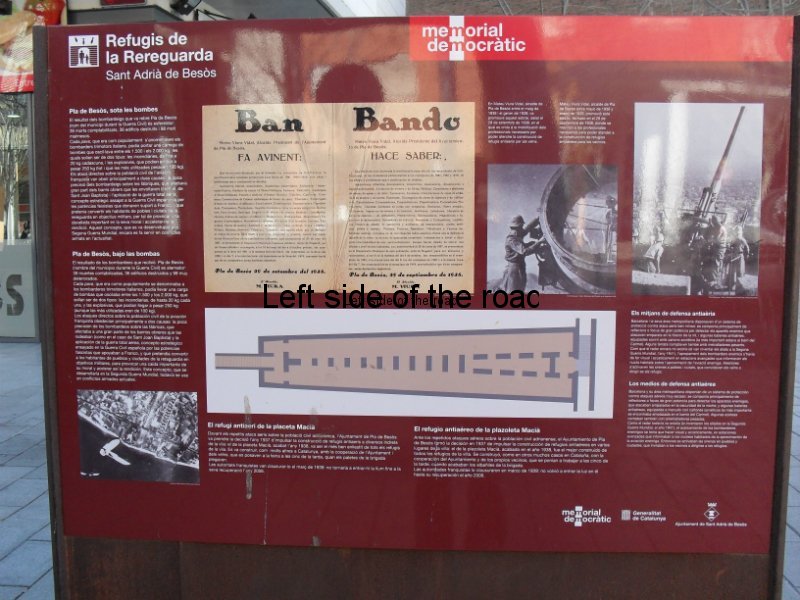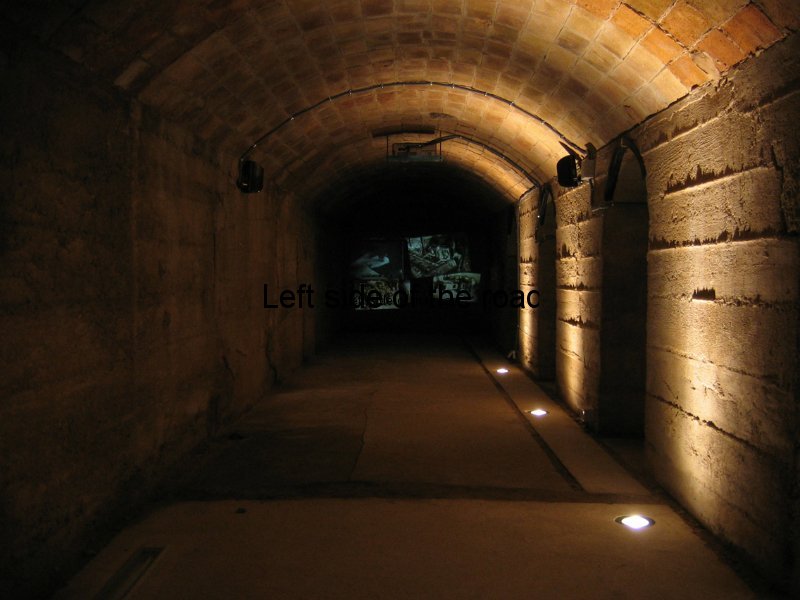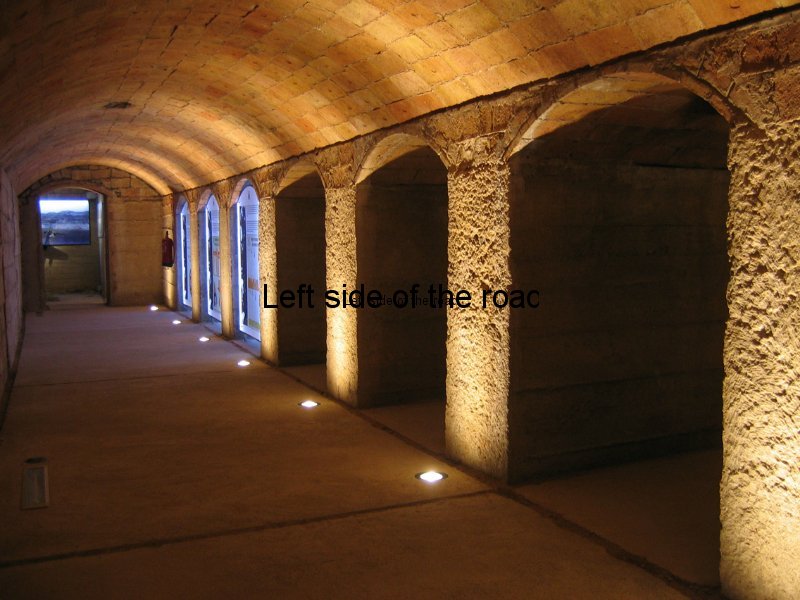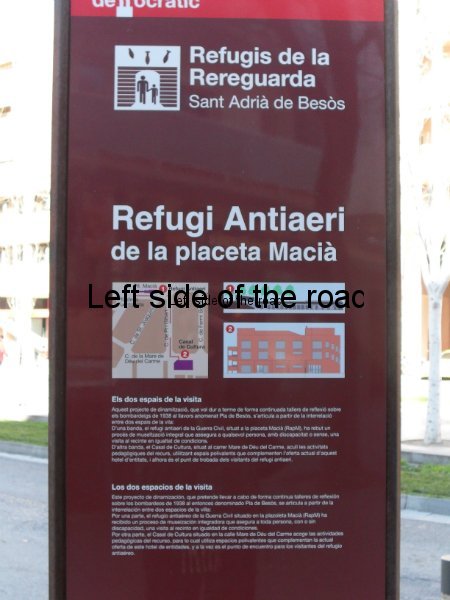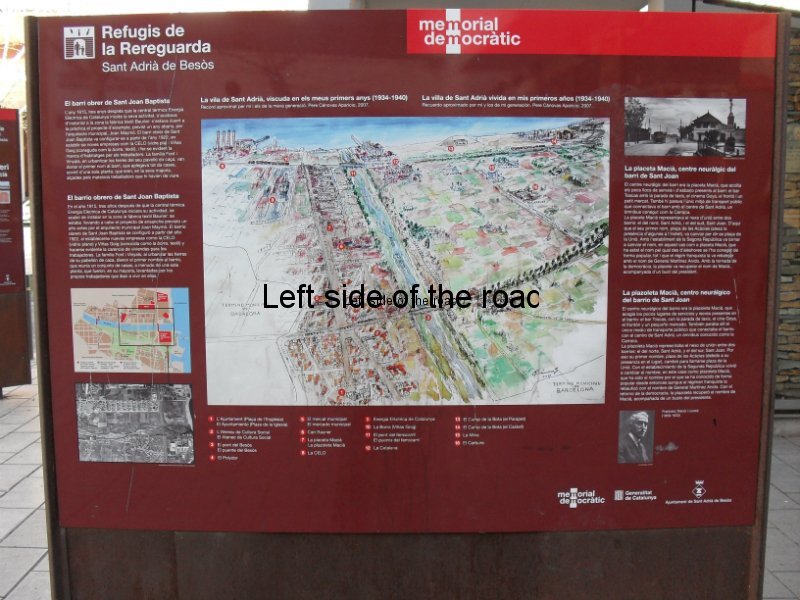
The air raid shelter of Placeta Macià, Sant Adrià de Besòs

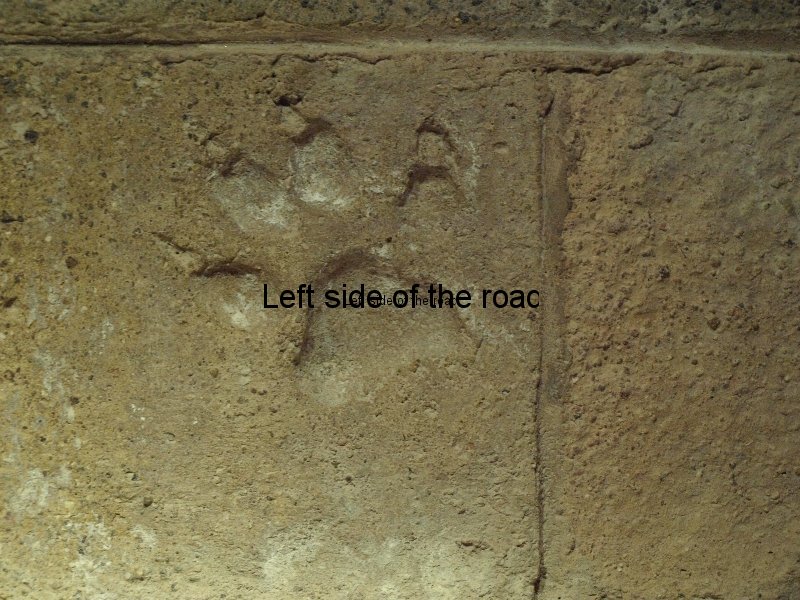
Paw print of a dog, also an anti-Fascist, who first heard the bombers

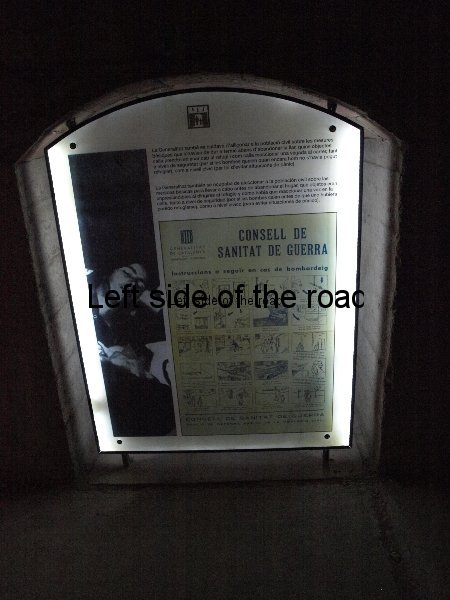
Signature of the Republican air raid wardens

More on Catalunya/Catalonia

The air raid shelter of Placeta Macià, Sant Adrià de Besòs

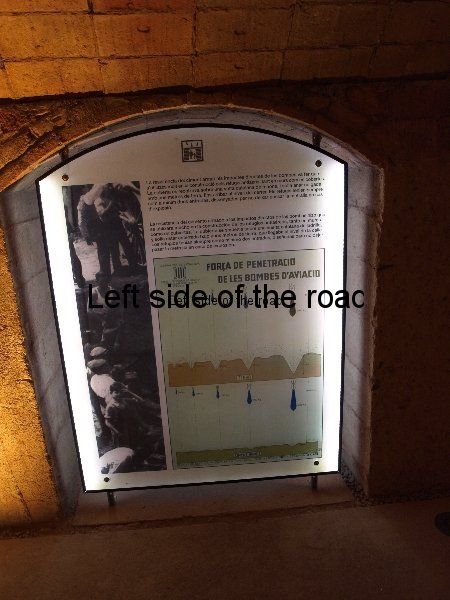
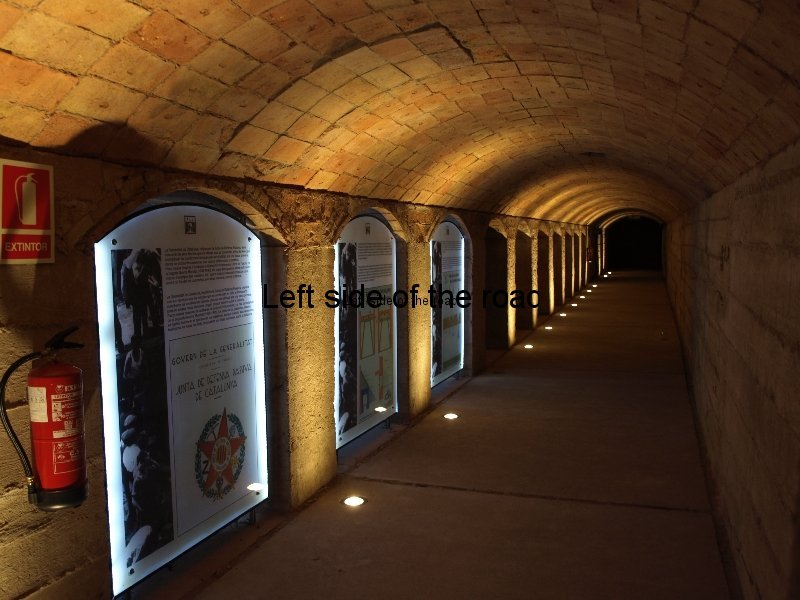
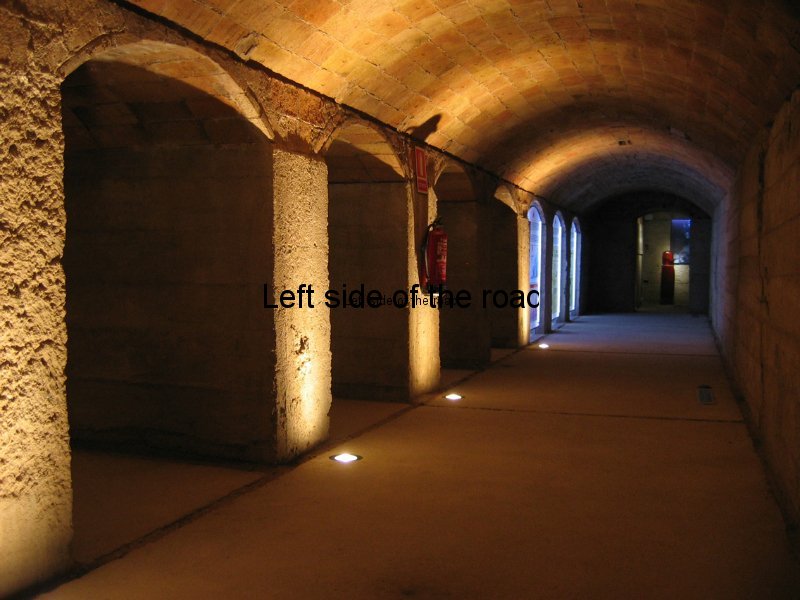
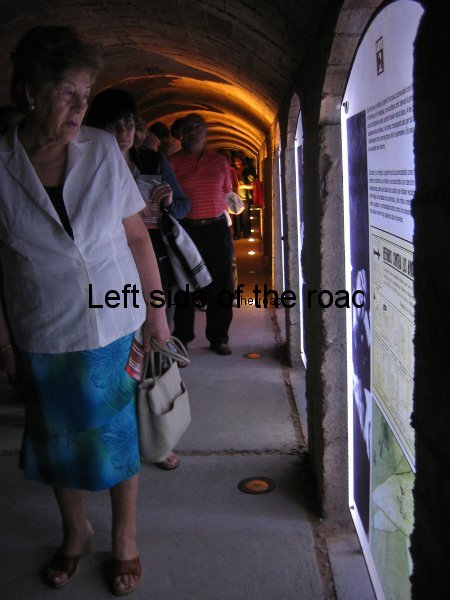
The air raid shelter (refugi antiaeri) in Placeta Macià, Sant Adrià de Besòs, Barcelona, provides an insight to what life was like for ordinary, working class, people during the Spanish Civil War, 1936-39.

Many thousands of visitors go to Barcelona each year but an increasing number of them are starting to go off the beaten track of the Rambla and the Gaudi buildings to explore some of the lest ‘touristy’ aspects of the city.

Of the hoards who walk down the bustling Rambla some might have read George Orwell’s depiction of the Spanish Civil War in his book Homage to Catalonia. Standing outside Café Moka they might imagine what it was like in the stand-off between two armies, on the same side, on the brink of their own ‘civil war’, occasionally taking pot shots at one another.

Orwell had the luxury, the wealth and the opportunity to get out of the country before Hitler and Mussolini’s aircraft, happily brought in on the side of the rebel Franco, started to regularly bombard this Republican city, using a strategy taken to an even higher level a few years later. That was the strategy of terrorising and punishing the civilian population with mass bombing and the destruction of their cities, as was seen in Warsaw, Liverpool and Leningrad, amongst many others.

As in those other cities the people of Barcelona didn’t just sit and wait for what was to rain down on them. If they could not fight at the front then they would construct shelters to protect themselves from the bombs and deny the enemy the satisfaction of their acquiescence and defeat. This form of passive resistance was evident in Barcelona and many other Catalan towns and cities.

In the intervening years, since the end of the war in 1939, many of these air raid shelters have been bulldozed both to eliminate any popular memory of resistance and then later as the country started to develop and modernise after Franco’s death in 1975. However, since 2007, following a decision of the Generalitat (the Catalan government), much of what does remain is coming to light and is being made accessible to both local people and any visitors with an interest in an important and significant struggle in the middle years of the 20th century.

Those facets of war that might have been hidden are now being visited by an increasing number of people. In their visits they are offered the opportunity to consider the war in a different way from that presented on the big screen. This representation has evolved over the years from the morale boosting antics of Errol Flynn through the gung-ho approach of John Wayne to the more poignant aspect of war as depicted in Saving Private Ryan.

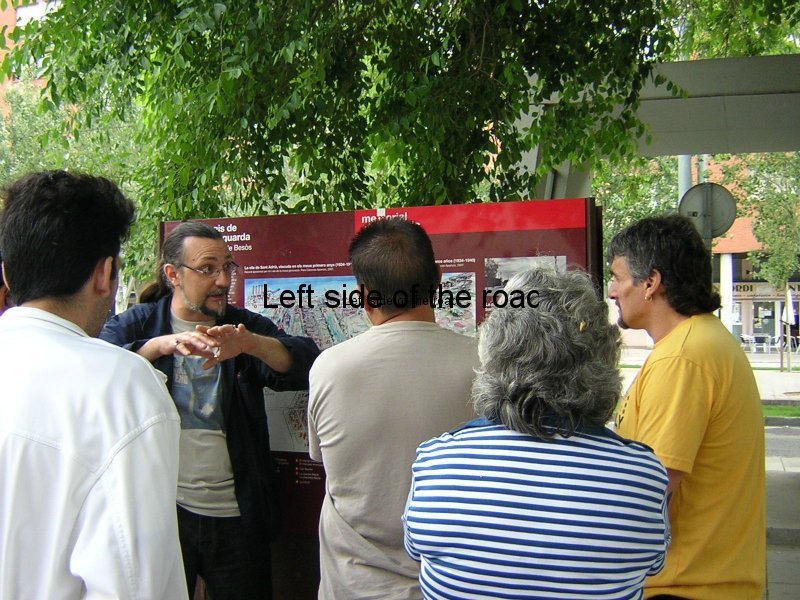
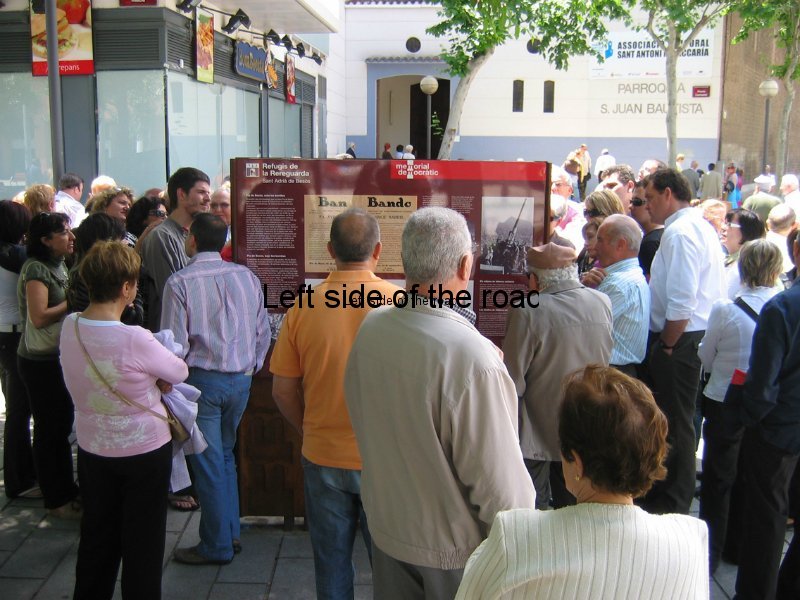
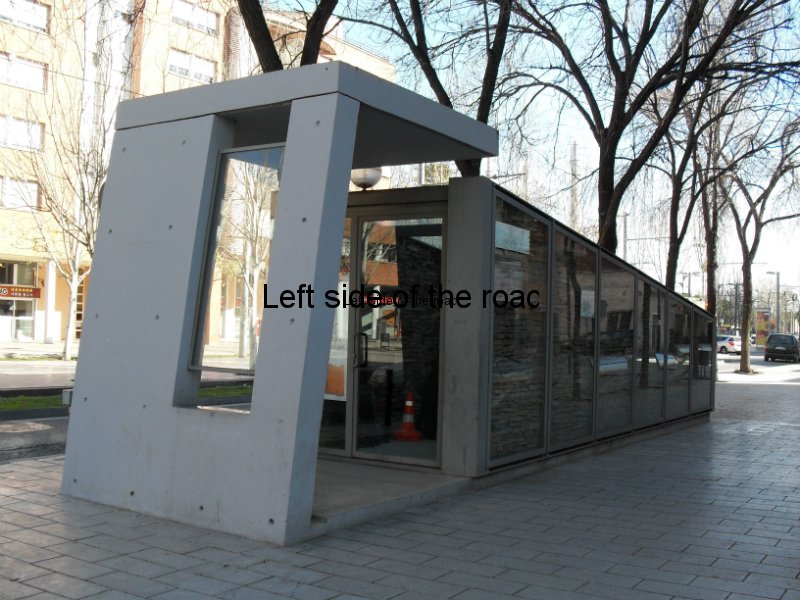
In Catalonia this unveiling of the past is part of a much bigger project, the first in Spain but part of a much wider, in fact worldwide, scheme called Democratic Memory. Of the more than 70 sites already on the list in Catalonia here I just want to talk about one of them, located in the working class district of Sant Adrià de Besòs, (easily reached via Metro L2 from the central cultural highlights of Barcelona), the air raid shelter in Placeta Macià.

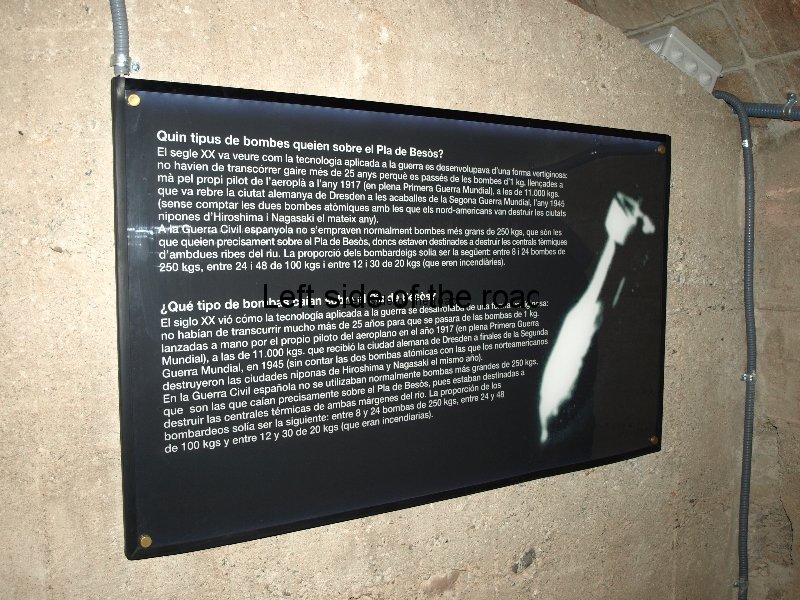
This is an impressive construction in its own right, especially taking into consideration the conditions under which it was built, and is the only one of the seven that originally existed in the district to have survived into the 21st century. Constructed in the shape of a rhomboid it has a central corridor with alcoves on either side and was built, in 1938, to provide shelter for up to 500 local people.

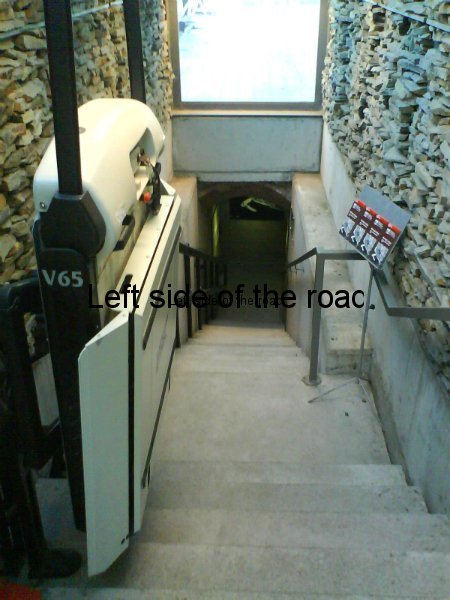
Although it is underground the aim of the cleaning and restoration has been to make it as accessible as possible. First, it is free to enter. ‘Why should those who built it, and their children and grandchildren, now be charged to visit it – 70 years after its construction,’ says Jordi Vilalta, the enthusiastic coordinator for the shelter. He is based in the Museu d’Història de la Immagració de Catalunya (itself one of the 71 sites) which is situated a short distance away on the opposite side of the River Besòs.

One of the aims of the project is to involve children in a conversation with the past of their families and so school visits are organised where those who were themselves school children in 1938 tell of their memories, experiences, fears and daily life in general during the relatively short, but incredibly intense, life of the shelter.

‘We have found it very difficult to find actual photos of people in the shelter’, continues Jordi, ‘but what we do have are some drawings made by children at the time. What we find fascinating is the fact that, apart from the ‘advances’ in aircraft and technology, these images are almost the same as those produced by children in the Palestinian city of Jenin in 2002.’

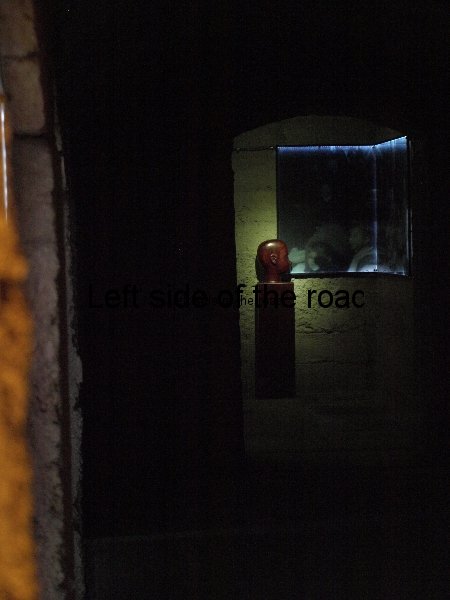
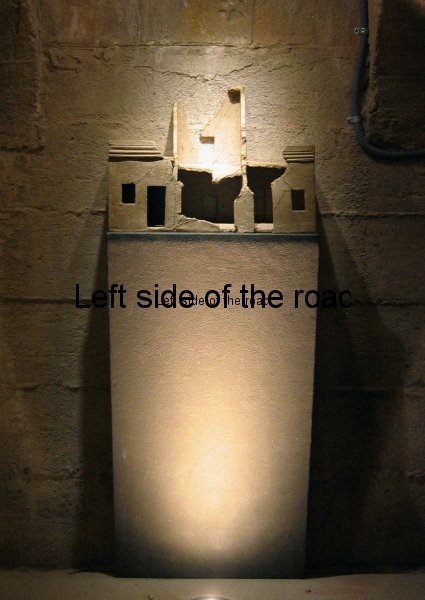
To encourage the involvement of the young in this small and intimate museum the visitors are encouraged to touch the exhibits and to try to understand the idea of destruction but without any images of death.

A particularly interesting story is that of the dogs that acted as virtual air raid wardens for the population. They would be able to hear the drone of the bombers coming over the sea, from the Balearic island of Mallorca, long before humans. As Pavlov suggested the dogs associated this noise with the inexplicable (to them) consequence of explosions, fire, noise, strange smells and potential death that comes with aerial bombardment.

The people of Sant Adrià suffered on two accounts. Theirs was an industrial area, and so a ‘legitimate’ target in times of war, but they were also implacable adversaries of the fascists and so had to be terrorised.

Visiting the shelter: Open the last Sunday of each month, though Jordi can be contacted, via email jvilalta.pmi@gmail.com or on +34 609 033 867, to arrange visits at other times.

For more on Memoria Democratic see:

Rosanes – a military airfield during the Spanish Civil War
More on Catalunya/Catalonia

San Joan de Reus University Hospital

San Joan de Reus University Hospital

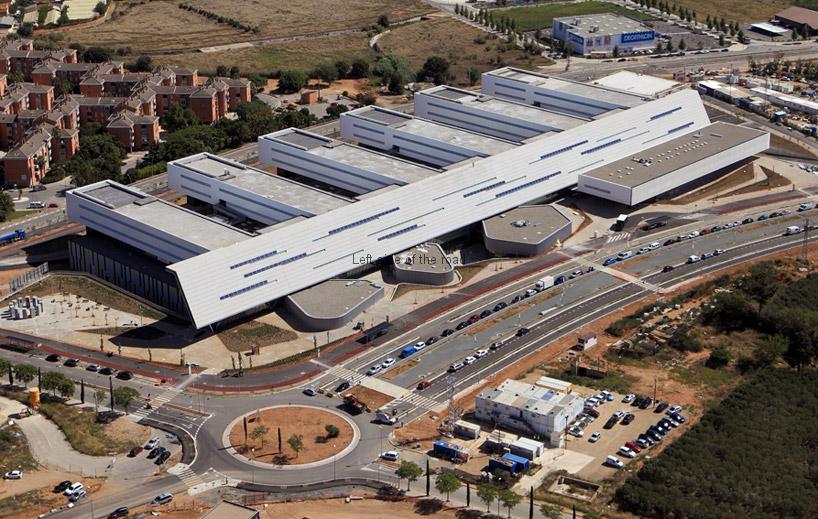
Aerial view of the entrances to the hospital

More on Catalunya/Catalonia

San Joan de Reus University Hospital

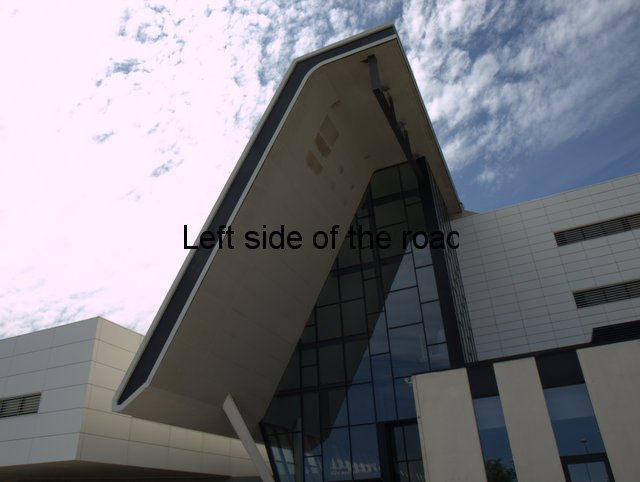
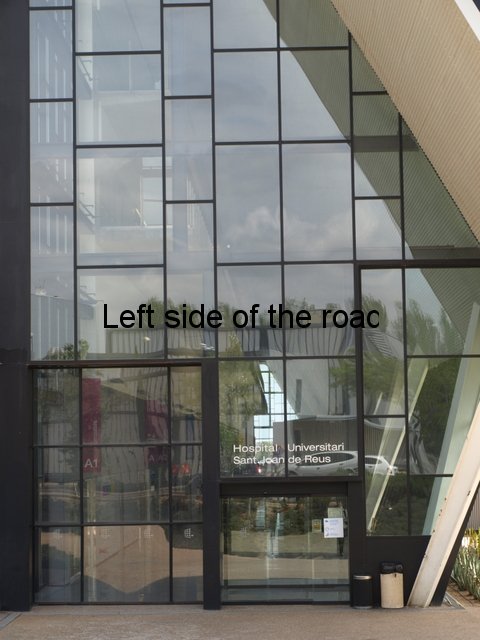
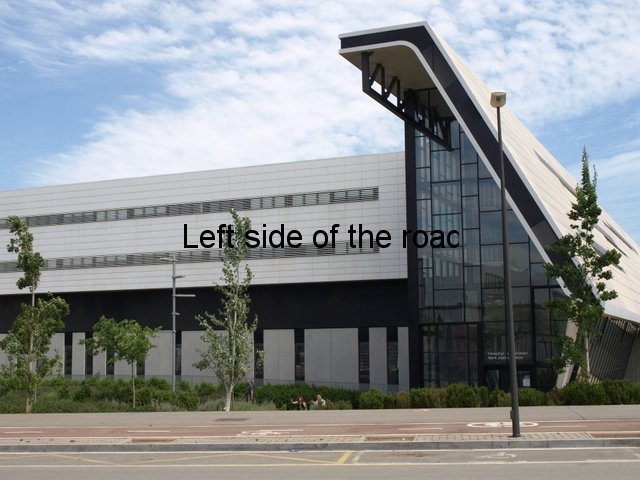
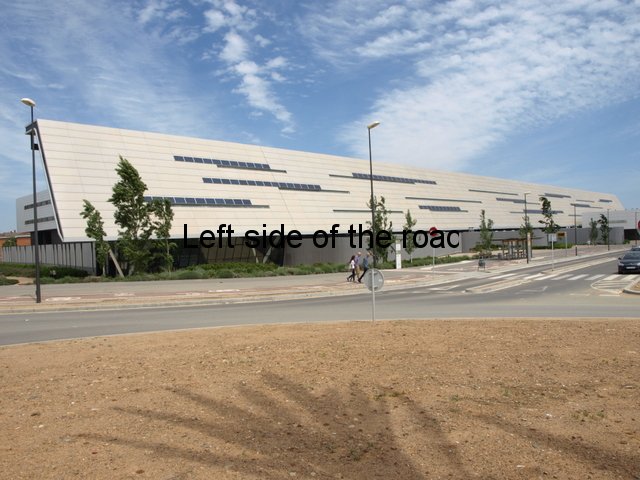
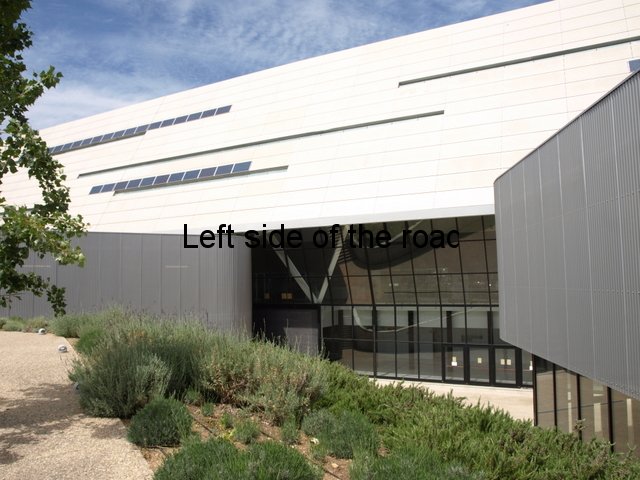
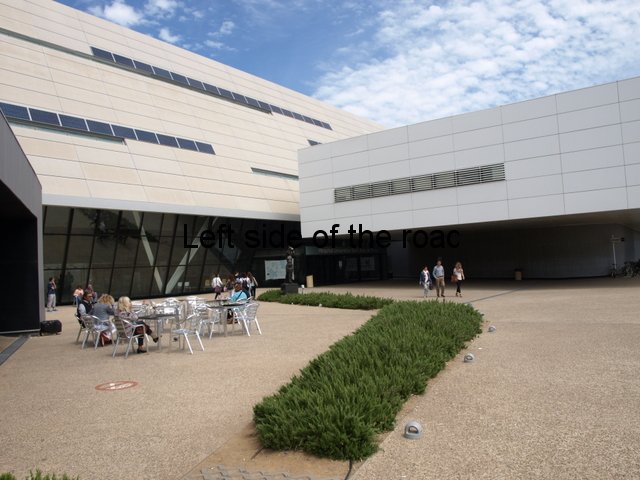
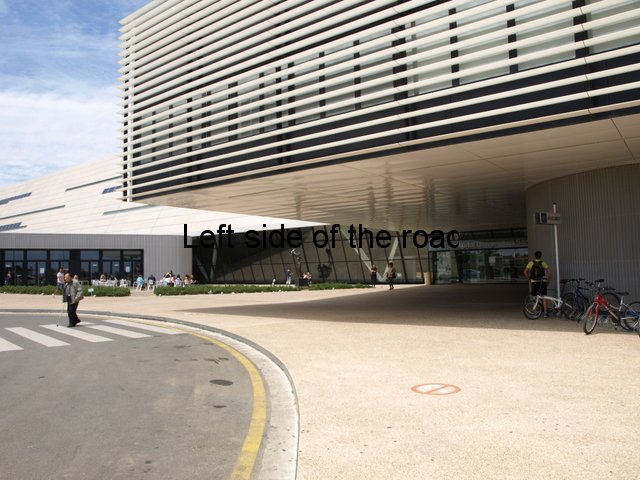
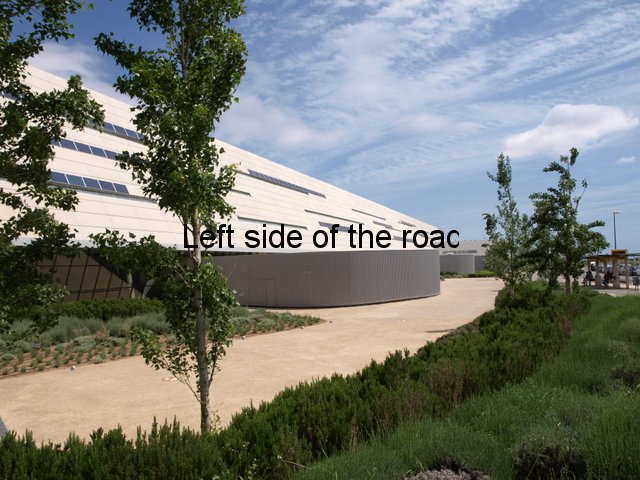
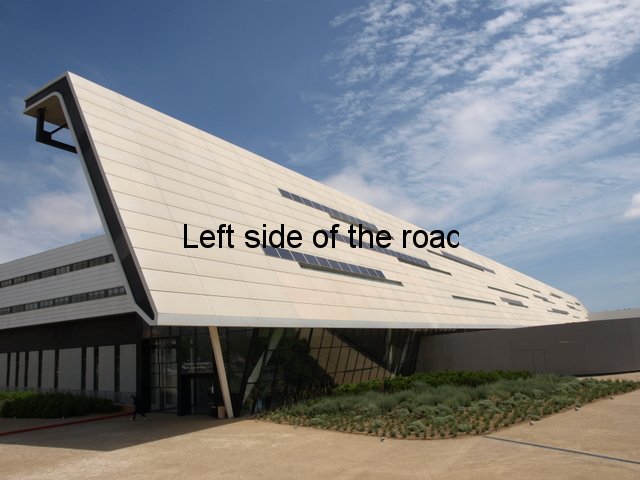
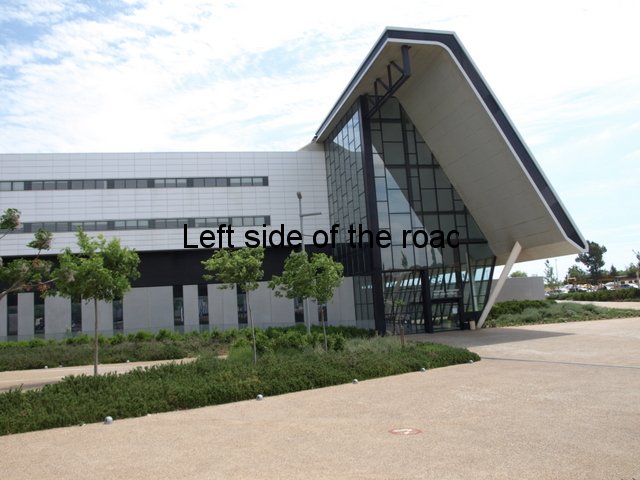
Innovative modern architecture is evident in the recently opened San Joan de Reus University Hospital, on the outskirts of the city in the southern part of Catalonia. This is yet another example of where the countries of Europe lead the way when it comes to modern architecture.

I only spent little over an hour in Reus on the way to the airport. My original plan was to spend a few days getting to know the city (I’d never been there before) but as time just seemed to run out all of a sudden that was one of the plans that suffered. It seemed quite an interesting place, in a quiet way, and sitting on the bus I thought to return and make an effort to spend some time there in the future.

That became a certainty as the bus to the airport arrived at the edge of the city itself and the beginning of the industrial estate that contains the airport. Coming around the corner we passed along the whole length of one of the most impressive hospital buildings I’ve ever seen.

It’s officially called the San Joan de Reus University Hospital and was opened only a couple of years ago in 2010. For such a huge building there didn’t seem to be a lot of activity so, at the time of writing, I’m not sure if it’s one of the white elephants that seem to proliferate on the peninsular at the moment. It seems far too big for such a small place as Reus (but it does have a large oncology unit that serves the Tarragona region). There was a programme on British radio, more or less 6 weeks ago, about the airport in Ciudad Real in Castille, that was opened and then closed within a couple of years and now lies collecting cobwebs.
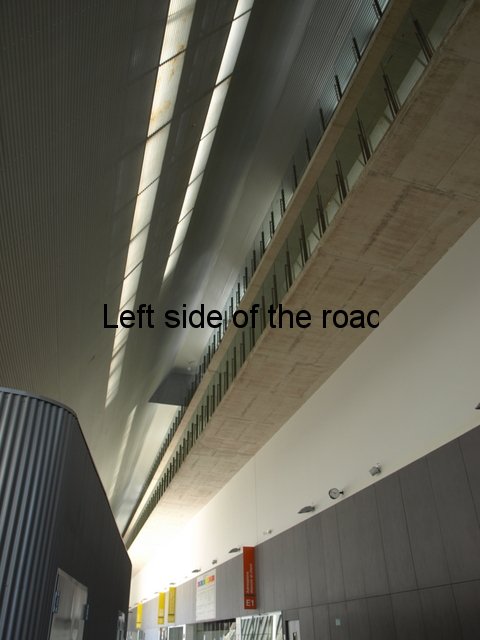
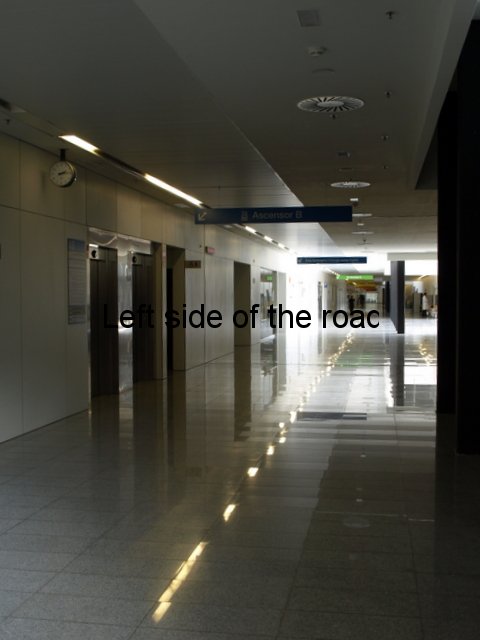
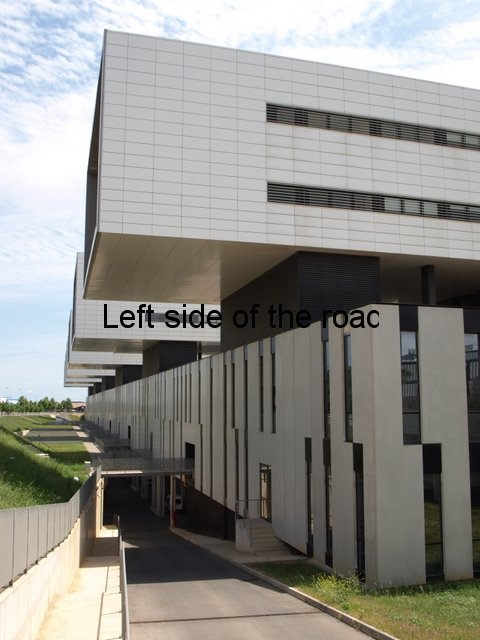
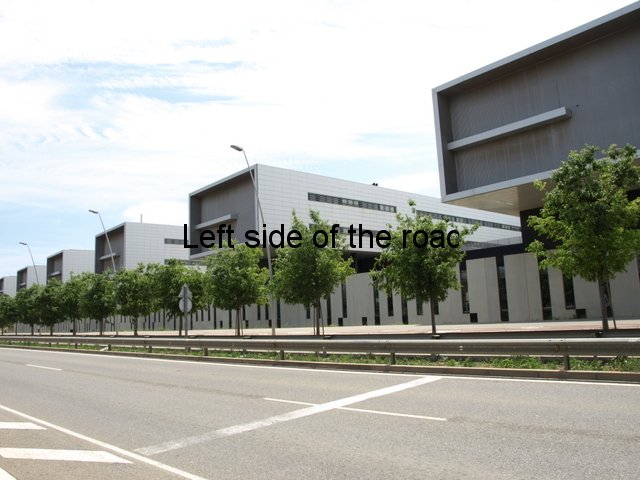
The Reus hospital comes from the architectural practice of Mario Corea, based in Barcelona. Its mission statement for the project introduces an interesting approach which other architects could do well to consider.

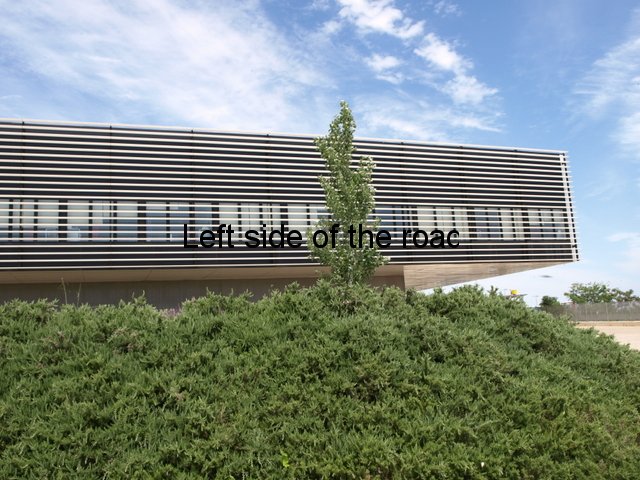
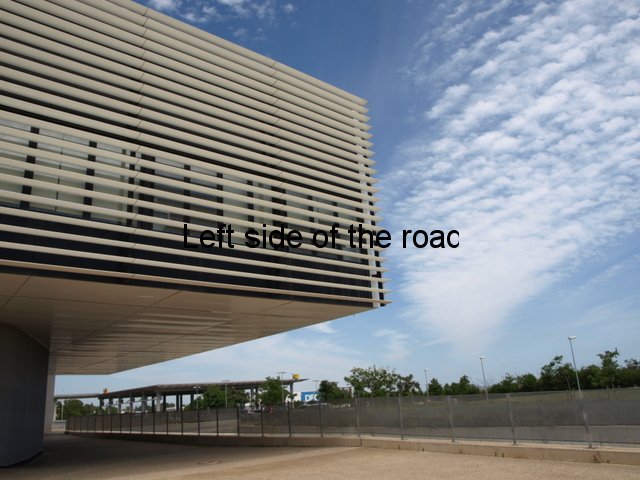
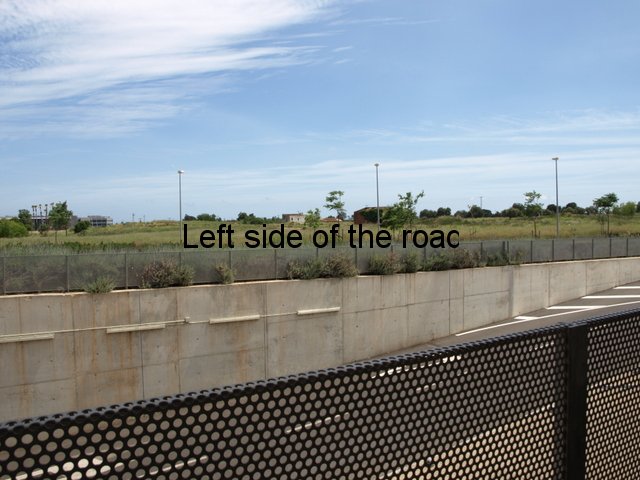
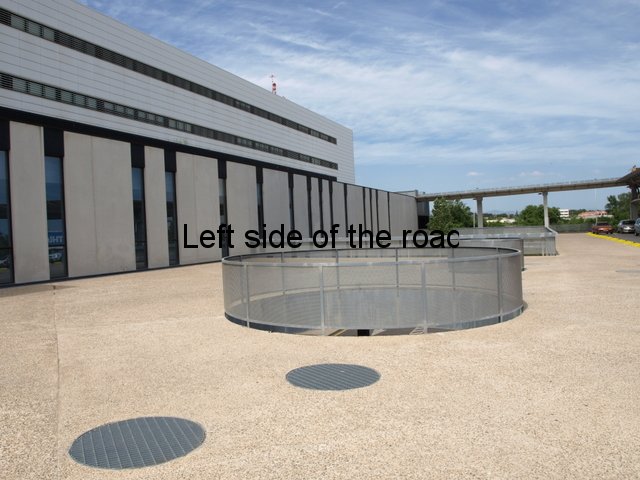
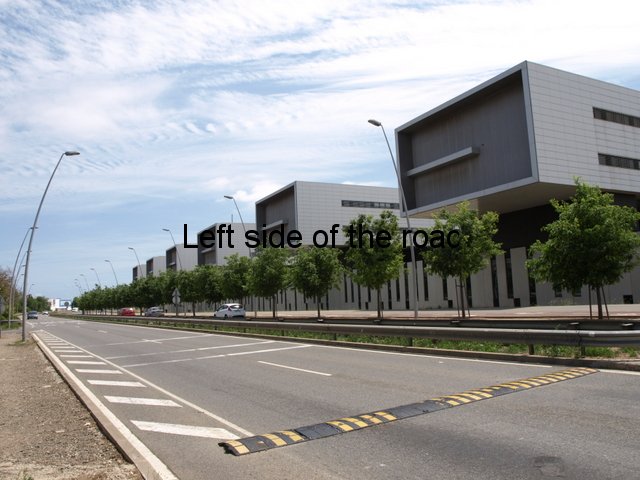
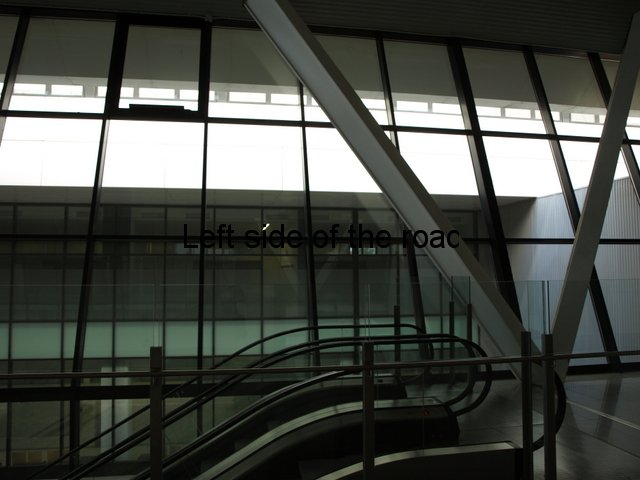
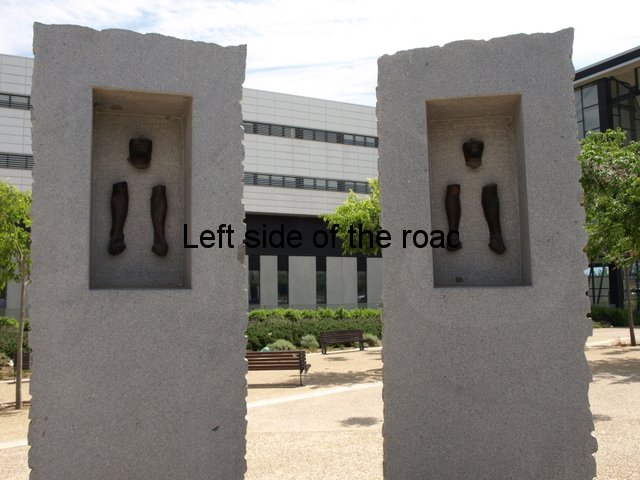
The project is presented as a major horizontal unit with light wells on which six two- storey hospitalization volumes rest as if they were floating.
The idea of this hospital design is to control its size and make it similar to the urban dimensions, controlling and balancing the landscape impact of such a building in the city.’

But that didn’t come cheap. The cost ranged from 120 to 170 million Euros on the different websites I consulted. Don’t know why there is such a wide variation, it’s not as if you can just ‘lose’ 50 million Euros – or can you?

As I was on my way out I don’t have any pictures of my own of the hospital but have provided a few links to some web sites which will give you an idea of what I’m talking about. On those pages there are a mixture of photographs and artist impressions.

But when I see buildings like this the question that comes to my mind is this: why does Spain, and has done so for, at least 25 years, benefit from interesting, innovative and aesthetically pleasing architecture when we in the UK are (more often than not) presented with the second class, the generic and the banal?

This is the case even when world-famous British architects are involved. For example, Foster has a huge practice just outside of Madrid, you pass it if you go to Segovia by road, due to the fact they have been commissioned to see through a number of projects in the country. And when British architects win commissions in Spain their creations are something unique, different and distinctive.

Whereas in this country we get designs which seem to be ‘off the shelf’, with little originality and if they have anything to say about them it’s that they are tall, as can be seen by The Shard in London.

And that seems to be the ambition of those who want to develop the waterfront in Liverpool. For reasons which I just can’t fathom they want to make the Liverpool skyline rival that of Shanghai. Why?

I’m not that impressed, personally, by what I’ve seen of Shanghai (which I haven’t seen in actuality) nor Hong Kong (which I have) but I’m even less impressed with the idea that Liverpool should compete with those two destroyed cities on the other side of the world.

The early 20th century Pierhead is unique. Those three major buildings (and some of the others close by, on or close to the Dock Road) mean the only place in the world you can be is in Liverpool.

If we are to get some new buildings along both sides of the Mersey it would be a pleasant change if we had structures which can be compared favourably to the bridges of Santiago Calatrava, for example, whose structures have actually enhanced the Guadalquivir in Seville, or the Auditorio de Tenerife, which stands next to the ocean at Santa Cruz de Tenerife.

The proposed design for the new Royal Hospital looks interesting but retains the idea that higher equates to better.

I don’t know when I might have another chance to visit Reus but one of the places I will be heading for is this building on the outskirts of the city.

More on Catalunya/Catalonia

Charity is the answer!

More on Catalunya/Catalonia

Charity is the answer!

Charity from the Catholic Church or asking for other hand-outs is the suggested way out of the crisis in Catalonia, according to a judge. In Britain and the US the answer is in the growing number of ‘Food Banks’ to provide emergency food aid.

Whilst in Catalonia I wrote a number of posts of the direct action that different groups (starting in Andalusia) have been taking in opposition to the austerity measures of the government. These measures were having the effect of forcing some people into such dire circumstances that they couldn’t even afford to feed themselves. The last post on this issue was about the spread of this action to Catalonia, to the town of Villafranca de Penedes.

En route out of the country (in fact, in a bar in Reus thinking it was better to spend an hour there than in the airport) I was able to read about the decision of the court in this last case.

Things moved very quickly as the action took place on the Monday and the case went before a judge on the Wednesday. The person charged was accused of knowingly trying to pay for goods with a card that had no credit. Don’t know enough about Spanish law to say whether that was actually a crime of fraud or whether it falls into another category. Whatever the case she was condemned to pay a fine of €90 (which it was said were the court costs of bringing the case before a judge) plus the cost of the goods taken away (€240.45).

I haven’t been able to find out what the group that made the raid on the supermarket are going to do in the face of this court decision. I would assume that after they had made their point they would pay up, martyrdom at this stage is neither a good political tactic nor worth the suffering, the movement is still in its infancy.

What I want to address here is the statement made by the (female) judge when she laid down the penalty. (Don’t know why I make a point of it being a female judge, perhaps it’s just that as Spanish differentiates between male and female in the language I know it was a woman.)

Anyway, what she said was that it was not for people to take the law into their own hands, however serious might be their situation, as they always had recourse to Caritas (the charity organised by the Catholic Archbishop of Barcelona) or other social services organisation who can help people in extremis.

After reading that I turn over the page of the Diari de Tarragona and read an article about how the Catalan Red Cross had distributed 3,000 cheques (totalling €180,000) to families with an income of less that €500 per month so that their children could go to school reasonably clothed and with the books necessary for their courses.

Must be getting naïve. Came across that situation in Peru after the Fujishock of July 1990 but didn’t realise that it was also a problem in Europe.

One of the points that was made in the article was that the Red Cross would give the cheques (not the cash) to the families who could then use them in stores that had already agreed to accept them. This was supposed to make it seem as if they were not actually receiving charity, so that they could be ‘discreet’ in their poverty. The article didn’t make clear, or I missed it, exactly how big an area this covered, whether it was all of Catalonia or just the Tarragona area but I can only assume that there must be many other thousands of families in similar circumstances throughout the rest of the peninsular.

I’m only back in Liverpool for a couple of days before there’s a piece on the late night Radio 4 Ten O’clock news about ‘Food banks’ in the UK.

It seems that one of these institutions, run by a church, in Ebbw Vale is regularly feeding 1,600 people.

An organisation called the Trussel Trust has 250 Food Banks throughout the country, now already feeding 200,000 and with the coming Benefit ‘Reform’ it is anticipated that there will be a surge in demand.

Then this piece on the radio went to compare the situation here with that in the US. It seems (I wasn’t aware of this before) that Emergency Food Aid was begun in the States in 1967. Now there are more than 60 THOUSAND Food Banks throughout the country which are providing supplementary food to MILLIONS of Americans.

What’s going on here?

Update 10th October 2012.

This article appeared on the Independent Online website.

Crisis-stricken Spaniards turn to Red Cross for help

More on Catalunya/Catalonia