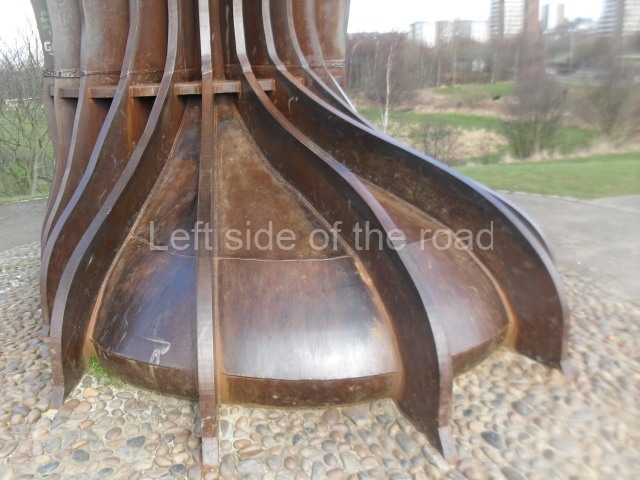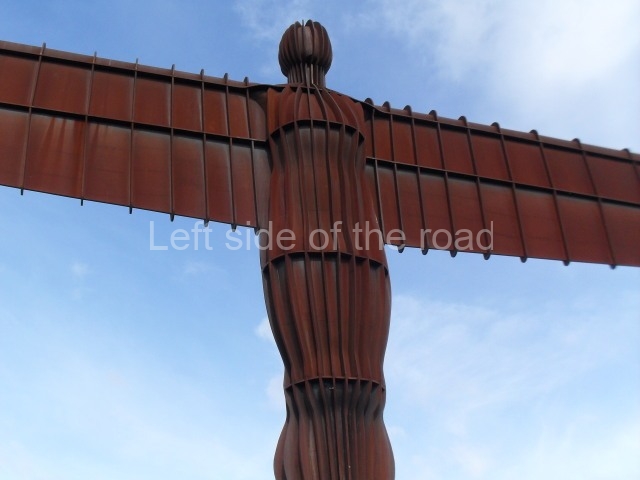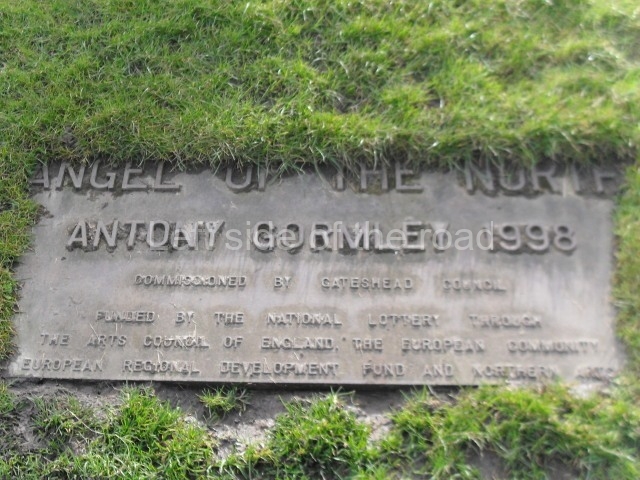

Angel of the North
The Angel of the North – Antony Gormley – Gateshead
From controversial to inspirational
“The birth of the Angel marked the beginning of a great deal of change in our borough and indeed the wider region. It was the catalyst for the cultural regeneration of Gateshead Quays that led to the Gateshead Millennium Bridge, BALTIC and Sage.”
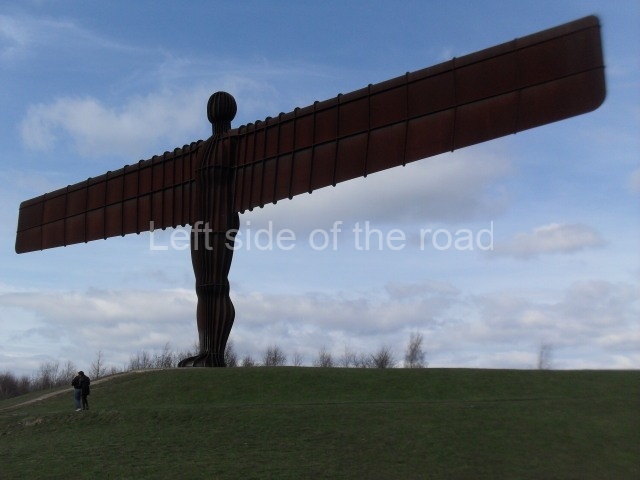
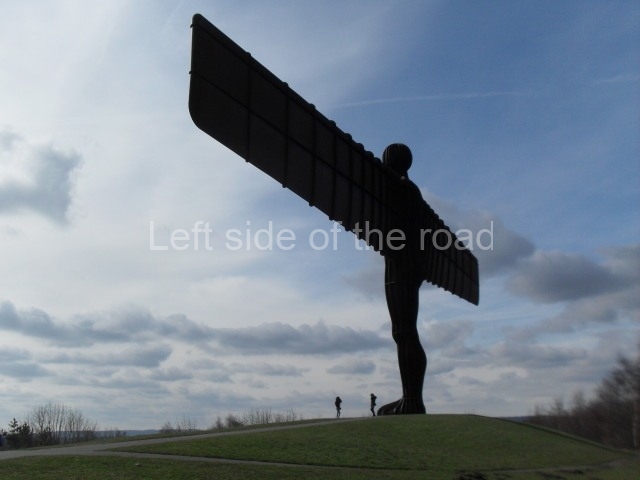
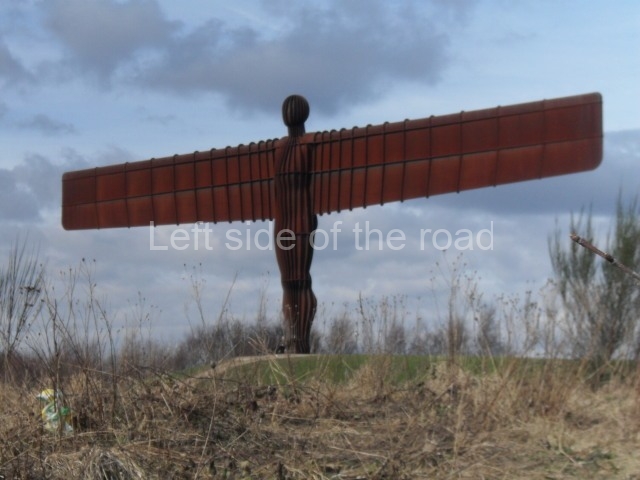
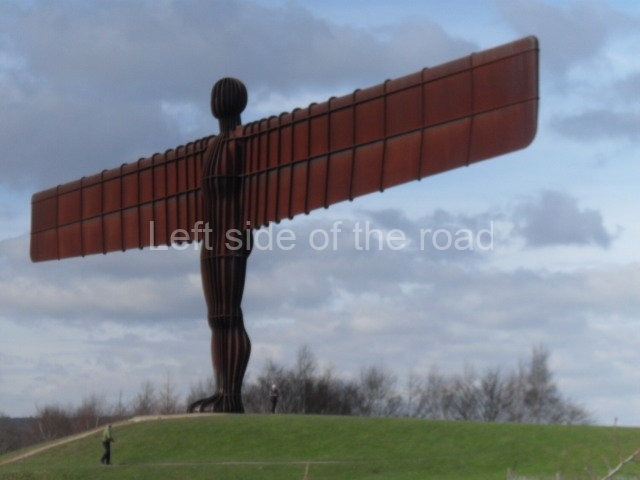
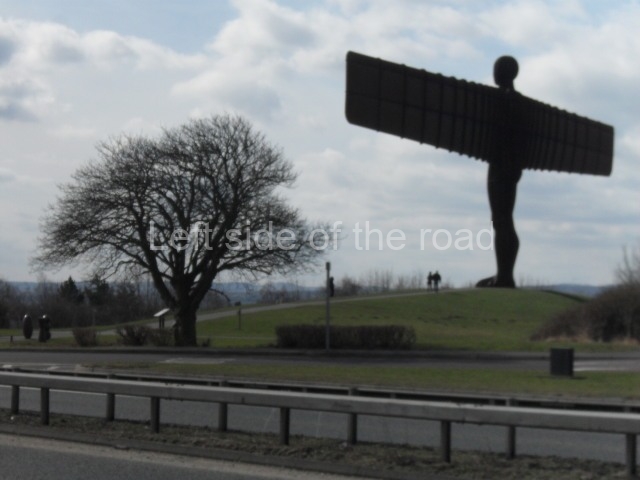
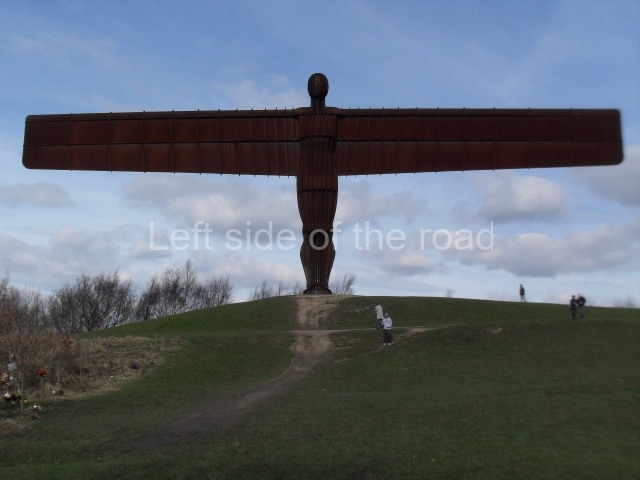
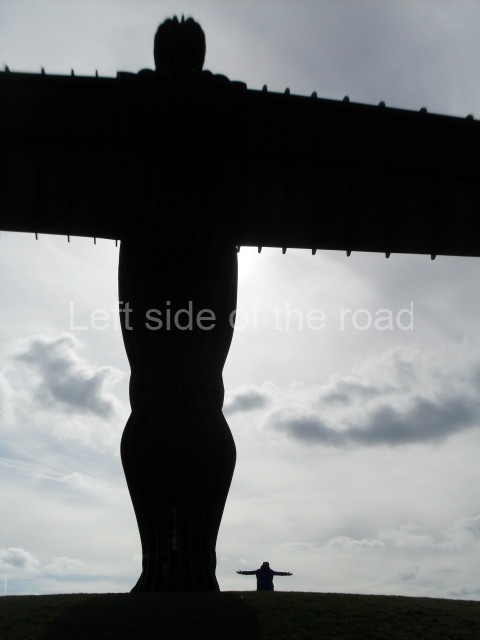
The Angel of the North is as much a part of Gateshead’s identity as the Statue of Liberty is to New York. Since it first spread its wings in February 1998, it has become one of the most talked about and recognisable pieces of public art ever produced.
It was in 1990 that the site, a former colliery pithead baths, was re-claimed and earmarked for a future sculpture. When sculptor Antony Gormley was selected as the winning artist in 1994, his designs originally caused uproar. The controversial material and site of the sculpture were frowned upon. However, once in place many people’s original views on the piece changed completely. Local residents have fallen in love with the Angel and it has become synonymous with Gateshead.
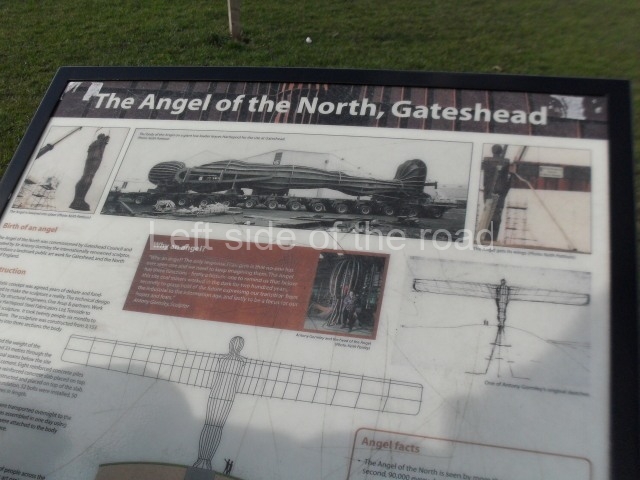
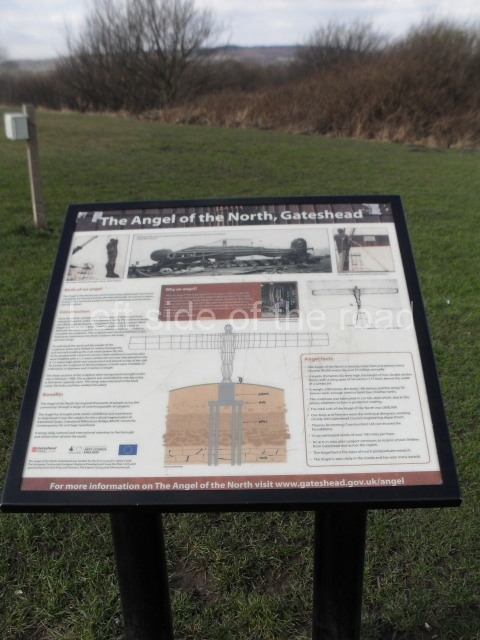
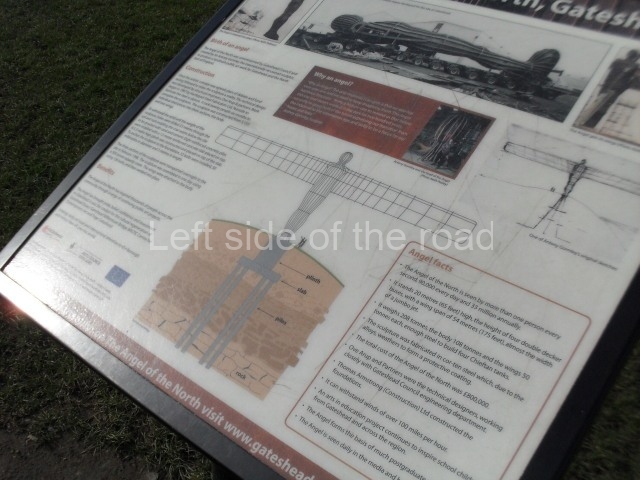
Amazing facts about the Angel of the North.
- It is believed to be the largest angel sculpture in the world
- It is one of the most famous artworks in the region – almost two thirds of people in the North East had already heard of the Angel of the North before it was built
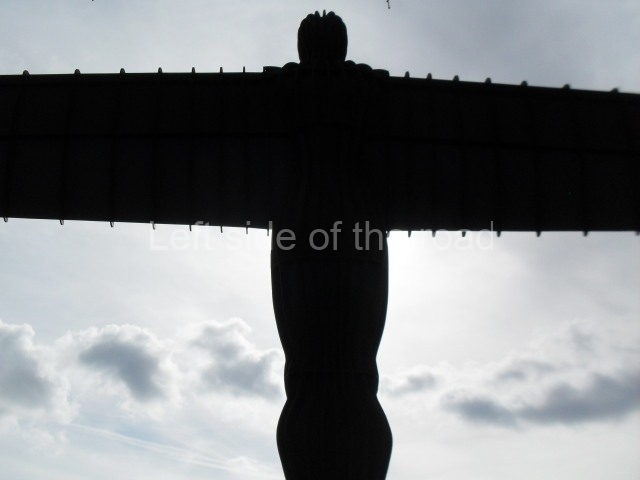
- Its 54 metre (175 foot) wingspan is bigger than a Boeing 757 or 767 jet and almost the same as a Jumbo jet
- It is 20 metres (65 feet) high – the height of a five storey building or four double decker buses
- It weighs 200 tonnes – the body 100 tonnes and the wings 50 tonnes each
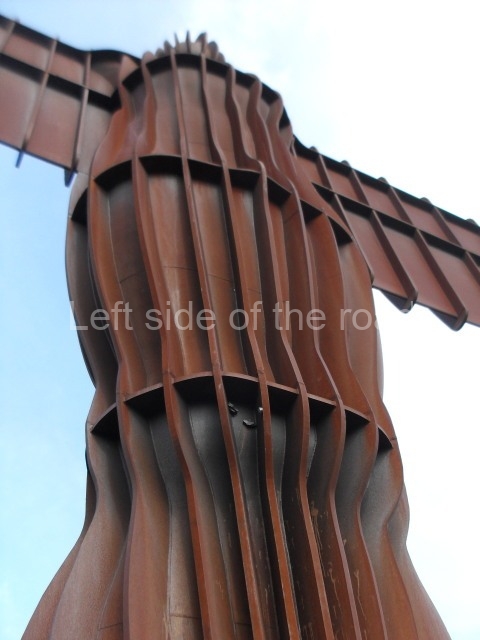
- There is enough steel in it to make 16 double decker buses or four Chieftain tanks
- It will last for more than 100 years
- It will withstand winds of more than 100 miles per hour
- Below the sculpture, massive concrete piles 20 metres deep will anchor it to the solid rock beneath
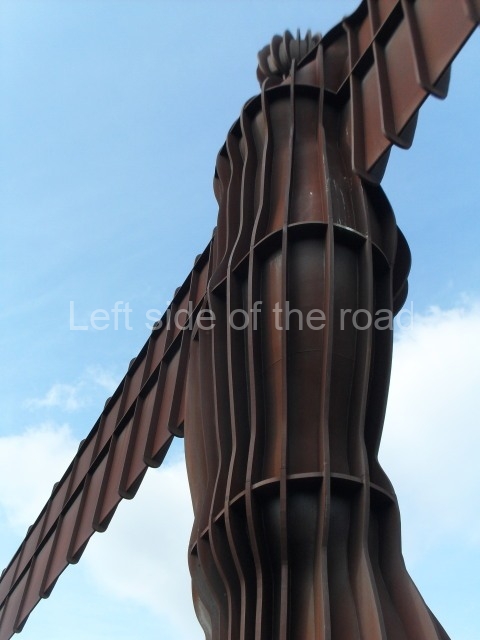
- It is made of weather resistant Cor-ten steel, containing a small amount of copper, which forms a patina on the surface that mellows with age
- Huge sections of the Angel – up to six metres wide and 25 metres long – were transported to the site by lorry with a police escort
- The total cost of The Angel of the North was £800,000.
The Artist
The sculpture was designed by internationally renowned sculptor Antony Gormley.
Antony Gormley OBE, who was born in 1950, is at the forefront of a generation of celebrated British artists who emerged during the 1980s. He has exhibited work around the world and has major public works in the USA, Japan, Australia, Norway and Eire. Public work in Britain can be seen in locations as diverse as the crypt at Winchester Cathedral and Birmingham city centre. In 1994 he won the prestigious Turner Prize and in 1997 was awarded the OBE for services to sculpture. He has exhibited in the Victoria and Albert Museum, Tate Gallery, British Museum and the Henry Moore Sculpture Gallery in Leeds.
“People are always asking, why an angel? The only response I can give is that no-one has ever seen one and we need to keep imagining them. The angel has three functions – firstly a historic one to remind us that below this site coal miners worked in the dark for two hundred years, secondly to grasp hold of the future, expressing our transition from the industrial to the information age, and lastly to be a focus for our hopes and fears – a sculpture is an evolving thing.”
Gormley said of the Angel: “The hilltop site is important and has the feeling of being a megalithic mound. When you think of the mining that was done underneath the site, there is a poetic resonance. Men worked beneath the surface in the dark. Now in the light, there is a celebration of this industry. The face will not have individual features. The effect of the piece is in the alertness, the awareness of space and the gesture of the wings – they are not flat, they’re about 3.5 degrees forward and give a sense of embrace. The most important thing is that this is a collaborative venture. We are evolving a collective work from the firms of the North East and the best engineers in the world.”
Above from: The history of the Angel of the North, Gateshead Council website.
Location;
Low Eighton, Lamesley, overlooking the A1 and A167 roads, at the southern entrance to Gateshead.
GPS;
54.9141°N
1.5895°W
How to get there;
Bus Angel 21, from Durham to Newcastle passes by the sculpture.
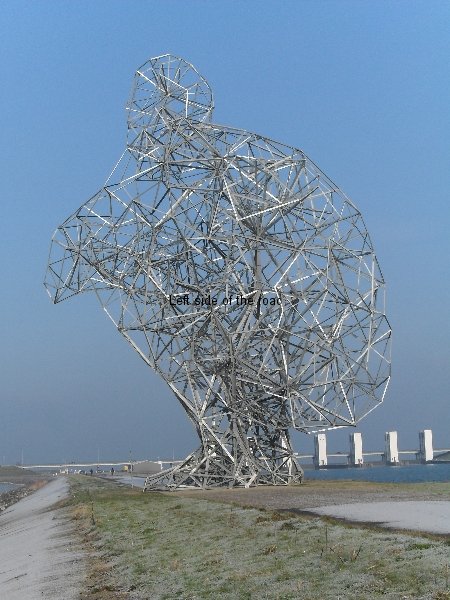
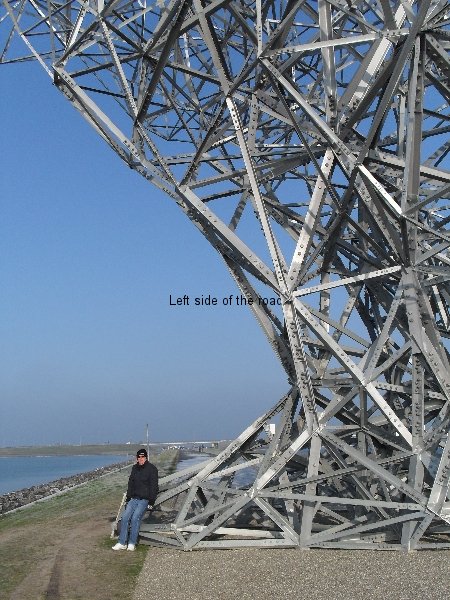
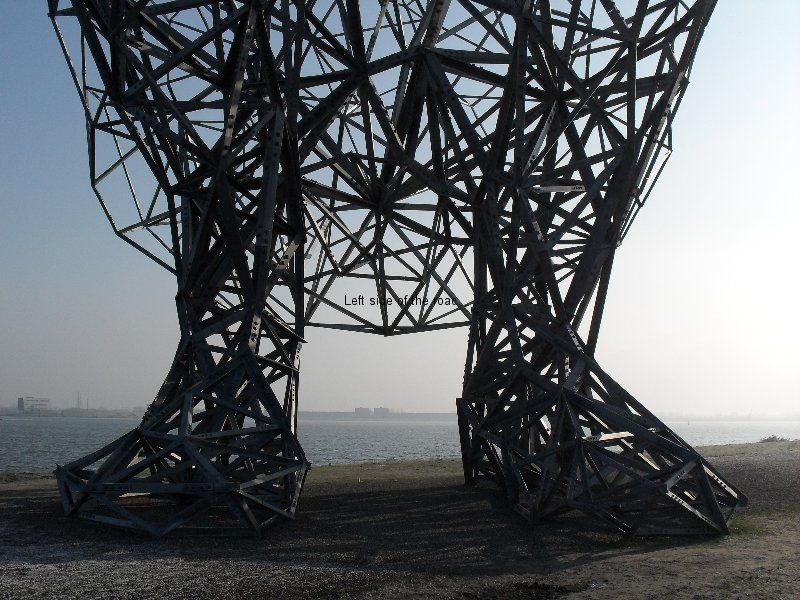
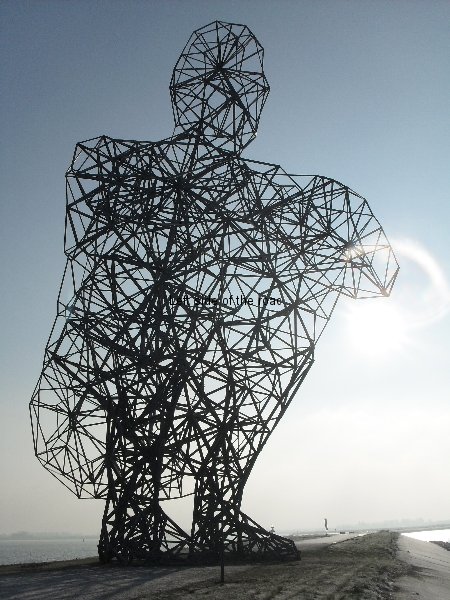
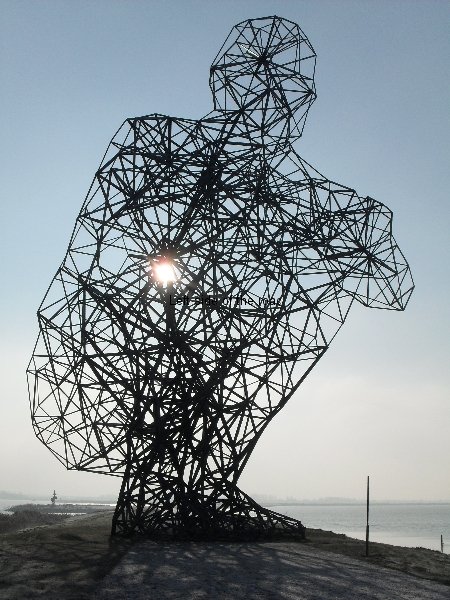
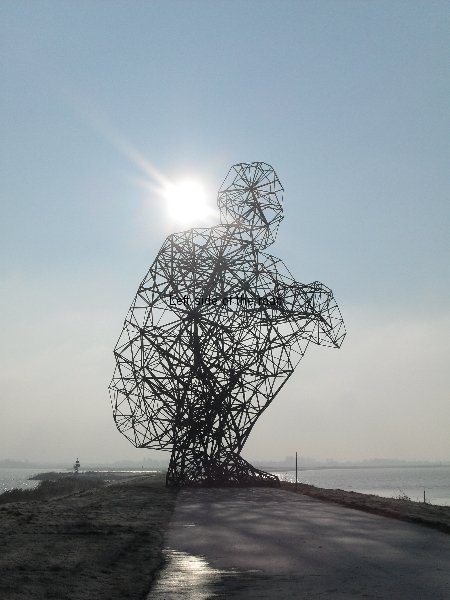
Although not in the United Kingdom another, even taller, public sculpture created by Gormley can be found close to the town of Lelystad, in the Netherlands. This is called Exposure, and if you visit in the winter you can understand how appropriate that name is.